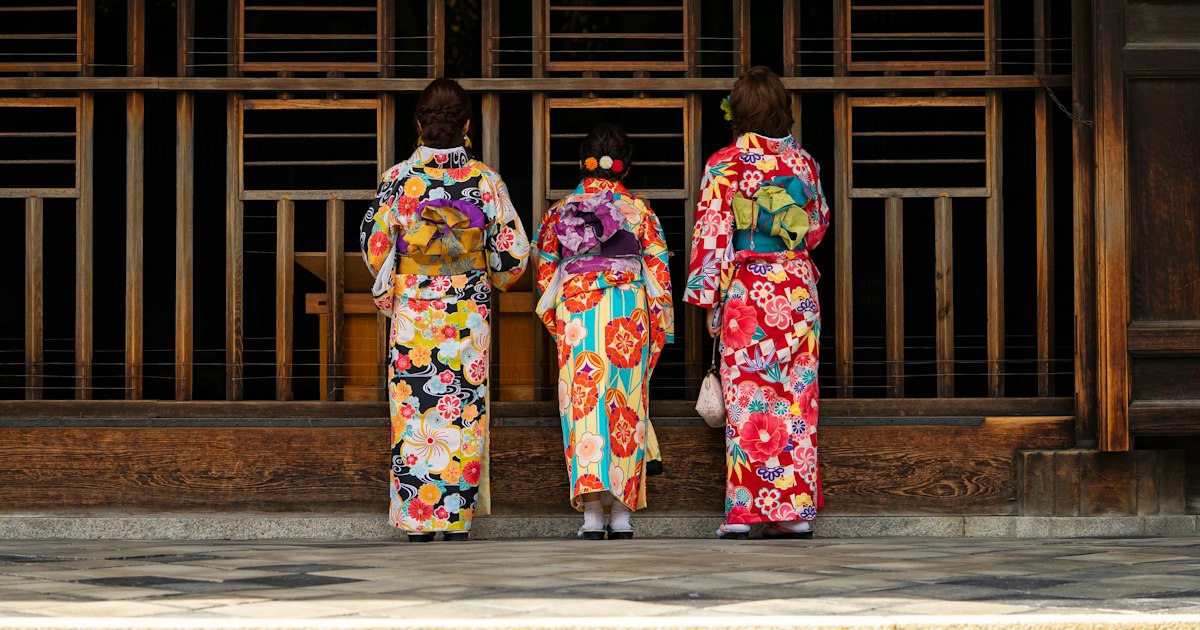
Photo by Damian Hutter on Unsplash
A casual kimono stroll around Gion is one thing — a formal, studio-lit portrait session in a full furisode or hikifurisode is another experience entirely, and Kyoto has two names that come up constantly when travelers ask where to get it done properly: Studio7 and Yumeyakata. Both rent elaborate formal kimono, do your hair and makeup, and shoot professional portraits you’ll actually want to frame, but they serve slightly different travelers and budgets. Here’s what separates them, what things really cost, and how to avoid wasting a half-day of your Kyoto trip on a shoot that doesn’t turn out the way you pictured it.
What a “Formal” Kimono Studio Session Actually Includes
This is different from the ¥3,000–¥6,000 walk-around kimono rentals you’ll see advertised near Kiyomizu-dera or Arashiyama. A formal studio session is built around photography, not sightseeing, and typically bundles:
- A higher-grade kimono — furisode (long-sleeved, for young unmarried women), hikifurisode (trailing bridal-style kimono), or men’s montsuki hakama — rather than the simpler yukata-weight rental kimono
- Professional hairstyling and often full makeup
- Studio backdrops (seasonal screens, gold-leaf panels, traditional sets) rather than outdoor streets
- A set of edited digital photos, sometimes with printed photos as an add-on
- A dressing and shooting session lasting 1.5–3 hours total, including hair and makeup prep
Because of all that extra styling and equipment, expect to pay several times more than a basic street-walk rental — this is the splurge version of kimono tourism, closer to a mini photoshoot than a costume rental.
Studio7: Best for Classic, Painterly Portraits
Studio7 operates in the Gion/Higashiyama area and is best known for its hand-painted and seasonal studio backdrops — think gold screens, cherry blossom panels, and autumn-leaf sets that are swapped out through the year. The look is deliberately classic and portrait-studio in style, closer to a traditional Japanese family portrait session than a trendy Instagram shoot. Staff tend to work with smaller groups and spend real time on pose direction, which is worth it if you want a small number of genuinely polished shots rather than a huge volume of casual snaps.
Plans generally run from roughly ¥15,000–¥25,000 per person for a standard furisode session with hair and a set number of edited photos, climbing toward ¥30,000+ for hikifurisode/bridal-style kimono, multiple outfit changes, or printed albums. Booking ahead (several days to a couple of weeks, longer in cherry blossom and autumn foliage season) is strongly recommended since sessions are scheduled in fixed time slots.
Yumeyakata: Best for Variety and Larger Groups
Yumeyakata is a much larger operation with multiple Kyoto locations (branches near Kiyomizu-dera and elsewhere in Higashiyama), and it rents an enormous range of kimono styles — from everyday rental kimono up through elaborate furisode, hikifurisode, and men’s formal wear. Its studio photo plans tend to offer more package tiers, which makes it a good fit if your group has mixed budgets or if you want to compare a few price points before deciding.
Entry-level formal studio plans often start around ¥10,000–¥18,000 per person, with premium hikifurisode/bridal packages, multiple backdrop changes, and larger photo sets pushing toward ¥35,000–¥50,000. Because Yumeyakata handles higher volume, turnaround on weekday mornings can be faster, but weekend afternoon slots in peak season fill up early — same booking-ahead advice applies.
Price and Experience at a Glance
- Budget-conscious / simple classic look: Yumeyakata’s entry-tier formal plan, roughly ¥10,000–¥18,000, gets you a furisode, hair, and a modest photo set
- Mid-range, polished portraits: Studio7’s standard furisode plan, roughly ¥15,000–¥25,000, with more individual attention per session
- Splurge, bridal-style shoot: Either studio’s hikifurisode/premium package, roughly ¥30,000–¥50,000, with multiple backdrops and outfit changes
Note that both studios periodically adjust plan names, inclusions, and pricing, so treat these as planning ranges and confirm the current menu directly with the studio before booking — don’t commit to a specific plan based on a screenshot from months ago.
Best Season and Time to Book
Studio sessions are indoors, so unlike an outdoor kimono walk you aren’t chasing weather — but you are chasing seasonal backdrops and the broader Kyoto crowd calendar. Late March to early April (cherry blossoms) and mid-November (peak autumn foliage) are when both studios’ seasonal backdrop sets look their best, but they’re also when every slot in the city is booked tightest, sometimes two to three weeks out. If your schedule is flexible, early morning weekday slots in shoulder season (May–June, September–October) give you the same quality session with far less scheduling pressure and often shorter hair/makeup waits.
Plan for the appointment to take noticeably longer than the photography itself — hair and makeup alone can run 45–60 minutes before the camera even comes out, so block out a half-day rather than squeezing it between two other Kyoto stops.
Common Mistakes to Avoid
- Booking same-day: Both studios are popular with both tourists and local milestone-photo customers (coming-of-age, pre-wedding), so walk-in availability is unreliable, especially on weekends.
- Underestimating total time: If you also want to walk around outside afterward, ask whether your plan allows keeping the kimono on for a set period after the shoot — policies differ and some plans require changing back immediately.
- Assuming all photos are included: Many plans include a limited number of edited digital photos as a base package, with extra shots, prints, or albums priced separately. Ask for the exact count before you shoot, not after.
- Ignoring hairstyle limits for length/thickness: Some elaborate formal hairstyles need a minimum hair length; if you’re not sure, ask when booking rather than discovering it in the chair.
If you’d rather own a piece of traditional Japanese clothing to wear casually after your trip rather than just renting for a day, our guide to the haori kimono jacket covers where to buy one as everyday outerwear.
Make a Half-Day of It
Both studios are a short walk from classic Higashiyama sightseeing, so pair your session with a slow afternoon nearby rather than rushing off. A stop at one of Kyoto’s old-school kanmidokoro tea-and-sweets shops afterward is a good way to unwind post-shoot, and it’s a far more relaxed way to end the day than another temple queue. If seeing traditional dress in motion rather than in a studio interests you, it’s also worth knowing you can watch a real Shinto wedding procession at Meiji Shrine in Tokyo if your itinerary includes it.
Whichever studio you choose, the key to a smooth session is the same: book ahead, confirm exactly what’s included in your plan, and build in more time than you think you’ll need. Do that, and a formal kimono portrait becomes one of the most genuinely memorable — and most photographed — hours of a Kyoto trip.