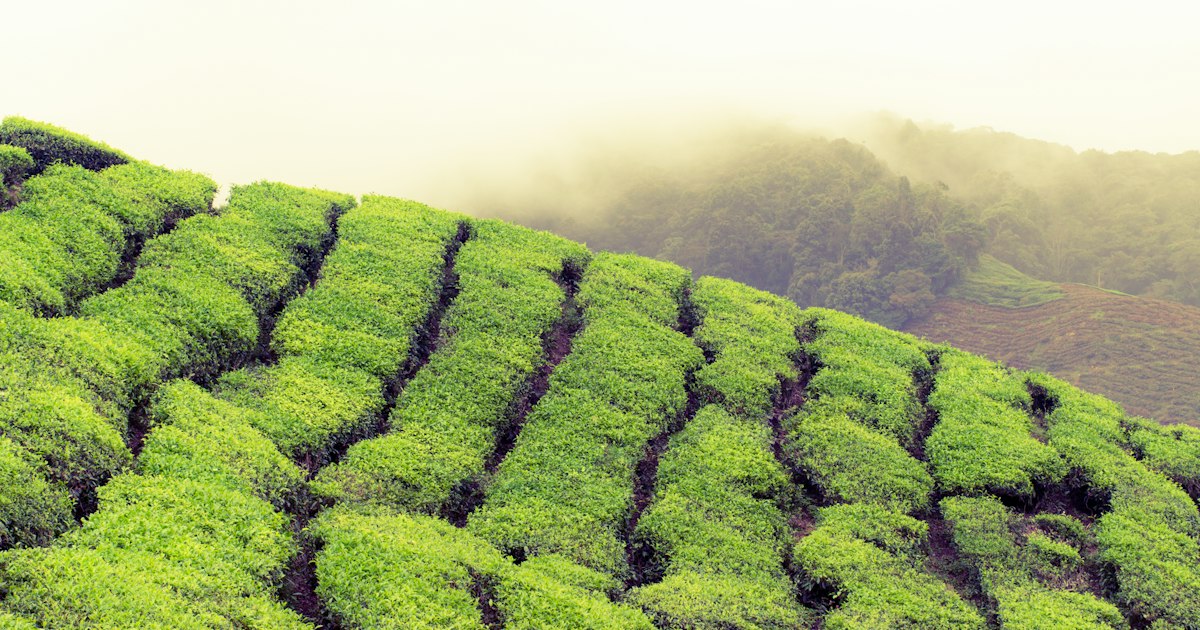
Photo by Red Morley Hewitt on Unsplash
An hour south of Tokyo by bullet train, then a short hop inland, the Oigawa Railway still runs a working steam locomotive through one of Japan’s best-known tea-growing valleys. It’s not a theme-park recreation — it’s a real regional railway that happens to operate vintage SL trains on a working timetable, hauling passengers past terraced tea fields, river gorges, and a rack-rail mountain line found nowhere else in Japan. If you want a day trip that feels like rural Japan rather than a tourist loop, this is one of the better options within range of Tokyo or Nagoya.
What Makes the Oigawa Railway Special
The Oigawa Railway is actually two lines. The Main Line runs 39.5 km between Kanaya and Senzu, and this is where the steam locomotive — branded “SL Kawane Path” (SLかわね路号) — operates. The restored engines (C10, C11, and C56 locomotives, some originally built in the 1930s–40s) pull vintage carriages at a leisurely pace through the Oigawa River valley, with tea bushes running in neat rows right up to the tracks in places.
Beyond Senzu, the Ikawa Line continues another 25 km into the mountains on Japan’s only Abt rack-and-pinion rail system, used to climb a steep gradient near a dam. This narrow-gauge section is a completely different experience — slow, tiny, single-car trains threading through a river gorge toward Sumatakyo, home to a famous turquoise-colored dam lake and a suspension bridge locals call the “dream bridge” (Sumatakyo Yume-no-Tsuribashi).
Getting to Kanaya Station
Kanaya is the gateway station and connects directly to the JR Tokaido Main Line. From Tokyo, the simplest route is Shinkansen to Shizuoka Station (about an hour), then a local JR Tokaido Line train to Kanaya (roughly 30–40 minutes, several transfers possible depending on the train). If you’re deciding which bullet train to book for the first leg, it’s worth reading Nozomi vs Hikari vs Kodama first — a Kodama or Hikari is fine here since you’re only going as far as Shizuoka, so there’s no need to pay Nozomi fares.
Note that the Oigawa Railway is a private line, so it is not covered by the Japan Rail Pass or any JR regional pass. You’ll need to buy tickets separately at Kanaya Station or in advance online.
Riding the SL: Schedule, Reservations, and Prices
This is the detail that trips up most visitors: the steam train does not run every day. It typically operates on a seasonal schedule weighted toward weekends, public holidays, and peak seasons (spring, summer, and autumn), with more frequent runs in August and around autumn foliage. On non-SL days, the line still runs, just with ordinary diesel railcars. Always check the current month’s SL operating calendar on the Oigawa Railway’s official site before building your trip around it — the schedule shifts year to year and many of the published Japanese timetables don’t have a reliable English mirror.
When the SL does run, it covers part of the Main Line (commonly Kanaya/Shin-Kanaya to Senzu) in about an hour each way. You pay the regular distance-based fare plus an SL reserved-seat surcharge, which has generally run in the ¥1,000–1,240 range on top of a one-way Kanaya–Senzu fare of roughly ¥1,500–2,000. Seats for the steam train sell out, especially on weekends and during the “Day Out With Thomas” events (Thomas & Friends-liveried trains that run on select summer and autumn weekends and are extremely popular with Japanese families) — reserve in advance rather than assuming you can walk up and buy a same-day ticket.
A common mistake is confusing the steam locomotive surcharge with the full fare, then being surprised at the ticket window. Another is assuming the SL goes all the way to Senzu or beyond into the mountains — check your specific train’s listed destination, since some SL runs terminate at an intermediate station.
Beyond the Steam Train: The Ikawa Line and Sumatakyo Gorge
If you have a full day, transfer at Senzu to the Ikawa Line. The rack-rail Abt section near Ohigawa Dam is the mechanical highlight, but the real draw is Sumatakyo: get off at Sumatakyo Onsen Station, and it’s a walk of about 20–30 minutes (including some uphill road) to the suspension bridge over the dam lake’s strikingly clear teal-green water. This spot has become genuinely popular on Japanese social media, so expect some foot traffic on weekends despite how remote it feels.
Sumatakyo also has a small onsen hamlet with a handful of traditional inns. If you decide to stay overnight at one of these rather than day-tripping, it’s worth knowing the local ryokan tipping custom described in Kokorozuke — small, old-style inns in rural onsen towns are exactly where this practice still shows up.
Best Time to Visit
Late April through May is prime tea season — the tea bushes are at their most vividly green right around the first-flush harvest, and the Kawane tea grown along this valley is well-regarded within Shizuoka. Autumn (mid-November into early December) brings foliage color to the river gorge and mountain sections, especially noticeable on the Ikawa Line. Midsummer is popular for the Thomas events and generally warm, clear weather, but also the most crowded and hottest time to be standing on an open platform waiting for a train. Winter service is thinner and the SL runs less often, so it’s the quietest but least reliable season for catching the steam train specifically.
Common Mistakes to Avoid
- Not checking the SL calendar first. Build your date around a confirmed steam-train day, not the other way around.
- Skipping reservations. SL seats, and especially Thomas-train seats, can sell out days or weeks ahead during peak season.
- Assuming JR Pass coverage. Oigawa Railway is private and fully separate from JR fares.
- Underestimating the return trip. Rural train frequency drops sharply in the evening — know your last connection back to Shizuoka or Kanaya well before dark, and if you’re continuing on to Tokyo by a late local-to-Shinkansen connection, the mechanics of last trains (shuden) are worth understanding so you don’t get stranded in Shizuoka.
- Trying to do Sumatakyo and the SL in one tight loop. The full Kanaya–Senzu–Sumatakyo round trip plus the bridge walk is a long day; rushing it means standing around waiting for connecting trains that run infrequently on the Ikawa Line.
Budget, Mid-Range, and Splurge Options
Budget: Skip the SL surcharge and ride the ordinary Main Line diesel train to Senzu for just the base fare — you still get the tea-field scenery, just not the steam engine.
Mid-range: Pay the SL surcharge for the Kanaya–Senzu steam run, pack a bento from a Shizuoka Station kiosk, and do a there-and-back day trip without pushing on to Sumatakyo.
Splurge: Combine the SL with the full Ikawa Line connection to Sumatakyo, stay a night at an onsen ryokan near the suspension bridge, and come back the next day — the gorge and lake views are noticeably better without the day-trip time pressure, and you avoid the tightest return connections entirely.