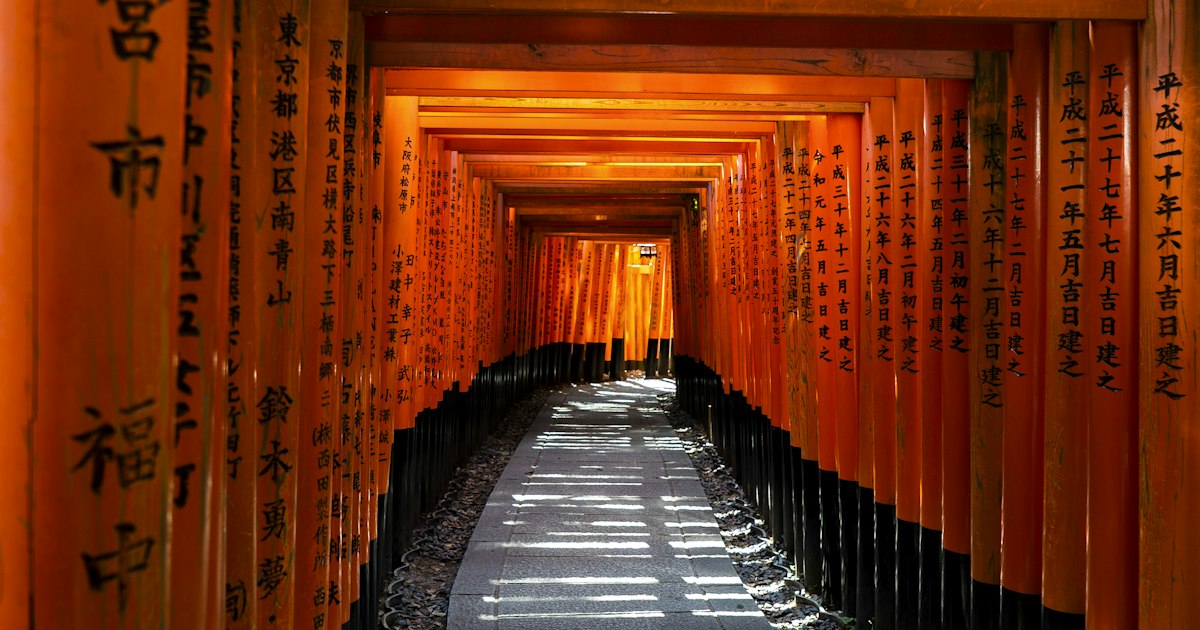
Photo by David Emrich on Unsplash
Japan is one of the easiest countries in the world to travel independently — trains run on time, signage is increasingly bilingual, and apps like Google Maps handle almost everything. So why do so many visitors still end up hiring a private guide or concierge service? The honest answer is that a good guide doesn’t just translate — they unlock places, timing, and context that no amount of solo research replicates. The question isn’t whether guides are “worth it” in general, but which specific situations justify the cost. Here’s a realistic breakdown.
What Private Guides and Concierges Actually Cost
Rates vary more by credentialing and demand than by region. As a general guide:
- Licensed national guide-interpreters (certified by the government, required to legally guide for a fee in some contexts): roughly ¥25,000–¥45,000 for a full day (6–8 hours), often plus transport costs.
- Freelance guides via platforms (Govoyagin, ToursByLocals, Japan Wonder Travel, Magical Trip): ¥8,000–¥20,000 per person for group walking tours; private full-day tours for a family or small group run ¥20,000–¥50,000 total.
- Hotel concierge desks (Park Hyatt, Aman, Four Seasons, Peninsula): often free for guests for restaurant bookings and basic itinerary help, but arranging a private guide or driver through them typically costs ¥15,000–¥60,000 depending on the service, billed as a package.
- High-end bespoke concierge services (companies that build entire trips, secure reservations at exclusive restaurants, arrange private cultural experiences): ¥50,000–¥150,000+ per day, sometimes with a flat trip-planning fee of ¥100,000–¥300,000 on top.
Transport (a private car with driver) is usually separate: expect ¥35,000–¥60,000 for a full day within a city like Tokyo or Kyoto, more for long-distance trips.
When It’s Genuinely Worth It
First-time visitors with 3 days or less in Tokyo or Kyoto. If your entire trip is short, the time a guide saves navigating, queueing, and choosing between options can recover the cost in experience alone. A guide who knows that Fushimi Inari is nearly empty before 7:00 AM but packed by 10:00 AM, or that teppanyaki restaurants worth visiting require reservations weeks out, pays for themselves on day one.
Multi-generational or mixed-mobility groups. If you’re traveling with grandparents, young children, or anyone with mobility concerns, a guide who pre-plans routes around stairs, crowds, and rest stops removes a huge amount of stress that no app can manage.
Deep cultural or historical sites where context matters. Temples, shrines, and museums in Japan rarely have detailed English signage. A guide at a site like Nijo Castle or the Hiroshima Peace Memorial adds genuine depth — the difference between seeing a building and understanding what happened there.
Access-dependent experiences. Private tea ceremonies, visits to artisan workshops, sumo stable practice viewings, or restaurants that don’t take foreign-card reservations often require a local intermediary. This is also true for more niche interests — if you’re trying to track down something like a specific original sukajan jacket from a specific maker, or want a guided introduction to a regional specialty, a well-connected local fixer can get you into shops and workshops that don’t welcome walk-ins.
Rural or off-the-beaten-path regions. Somewhere like Shimabara or Lake Tazawa rewards local knowledge — bus schedules are sparse, English signage is minimal, and a guide who knows the area can get you to the right viewpoint at the right time of day instead of burning hours on logistics.
When It’s Probably Not Worth It
If your itinerary is mostly major cities (Tokyo, Osaka, Kyoto) and you’re comfortable with apps and basic planning, a full-day guide is often overkill. Japan Rail and subway systems are genuinely navigable solo, convenience stores and chain restaurants require zero Japanese, and most major attractions have English information boards. Spending ¥40,000 on a guide to walk through Senso-ji or Dotonbori — places designed for independent tourism — is usually money better spent on experiences or better hotels.
It’s also not worth it for food-focused wandering. Half the fun of Japanese dining is stumbling into a counter-seat teishoku spot or an izakaya on your own, learning the small rituals — like how to use the oshibori hot towel — as you go. A guide can’t replicate that discovery, and paying for one to simply order on your behalf removes part of the experience.
Budget, Mid-Range, and Splurge Options
Budget (¥8,000–¥15,000/day): Join a small-group walking tour through Magical Trip or Arigato Travel rather than booking a fully private guide. You still get a knowledgeable local, just shared across 4–8 people.
Mid-range (¥25,000–¥45,000/day): A licensed private guide for one specific day — typically the day you’re tackling something complex, like a day trip to Nikko or Nara, or a half-day in Kyoto’s eastern temple district plus transport logistics.
Splurge (¥60,000+/day): A dedicated private guide and driver for your entire trip, or a concierge service that pre-books restaurants, ryokan, and experiences you couldn’t access on your own. This makes the most sense for honeymoons, anniversary trips, or travelers who simply want zero logistics to manage.
How to Book and What to Check
Book at least 3–4 weeks ahead for popular guides, especially during cherry blossom season (late March–early April) and autumn foliage (mid-November), when both guides and private cars get reserved early. Confirm three things before paying: whether the guide is licensed (ask directly — unlicensed “guides” technically can’t legally charge a fee for guiding in some situations, though informal arrangements are common and generally tolerated for casual tours), what’s included in the quoted price (entrance fees and transport are usually separate), and cancellation policy, since many require 48–72 hours’ notice for a full refund.
Most reputable platforms let you read guide reviews and message them directly before booking, which is worth doing — ask about their specialty. A guide who’s excellent on samurai history may not be the right fit if you actually want someone who can walk you through, say, Nerima’s connection to anime history at the Toei Animation Studio, or someone who can take you surfing based on conditions at the right beach from the best surf spots near Tokyo.
A Middle Path: Partial-Day Guides
If a full-day rate feels steep, many guides offer half-day blocks (3–4 hours) for roughly 60% of the full-day price. This works well for front-loading your trip: hire a guide for your first morning to get oriented — how to use an IC card, basic train etiquette, where to find good food near your hotel — then spend the rest of the trip solo with confidence. It’s a low-cost way to get the benefits of local expertise without committing to guided days throughout.
The bottom line: a private guide earns its cost when it buys you access, context, or time you genuinely can’t get on your own — not simply as a substitute for basic trip planning you’re capable of doing yourself.