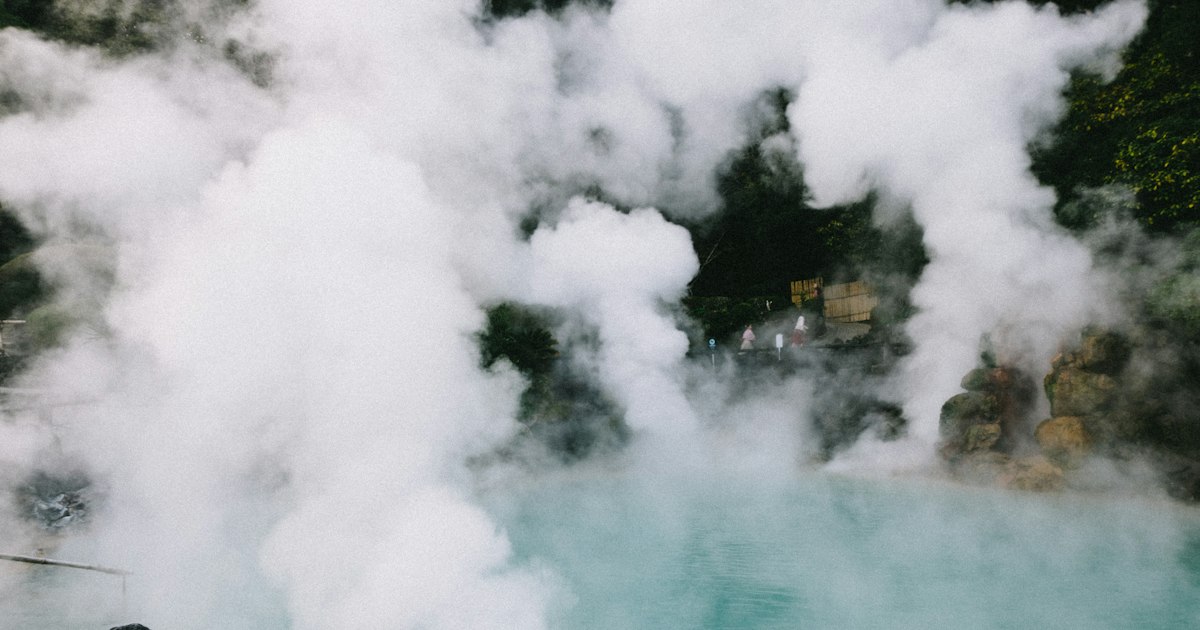
Photo by Tayawee Supan on Unsplash
If you’ve ever checked out of a ryokan in Japan and noticed a mysterious ¥150 line item you don’t remember ordering, you’ve met the nyuyokuzei (入湯税), Japan’s local onsen bathing tax. It’s tiny, it’s legal, and almost nobody explains it to foreign visitors before they see it on the bill. Here’s exactly what it is, how much to budget for it, and how to avoid the confusion that trips up first-time onsen guests.
What Exactly Is the Nyuyokuzei?
Nyuyokuzei literally means “bathing entry tax.” It’s a municipal tax authorized under Japan’s Local Tax Act, charged by cities, towns, and villages that have designated hot spring (onsen) facilities within their borders. Unlike national consumption tax, this money stays local — it’s what’s called a “purpose tax” (mokutekizei), meaning the municipality is required to spend it on specific things related to the hot spring itself, rather than folding it into the general budget.
It only applies to genuine onsen — water that meets the mineral content or temperature standards defined under Japan’s Hot Springs Act. A standard municipal sento (public bathhouse) using heated tap water generally isn’t subject to it, though a sento that pipes in real hot spring water usually is.
How Much Will You Actually Pay
The long-standing national reference amount is ¥150 per person, per night, which is what most onsen towns actually charge — you’ll see it at well-known destinations like Hakone, Kusatsu, Atami, and Yunoyama. Some municipalities charge less for day-trip bathing (higaeri onsen) than for overnight stays, often ¥50–100 for a single soak versus the full ¥150 for an overnight guest. A few towns scale the rate by type of lodging, charging large hotels with their own fire brigade obligations slightly more per guest than small family-run inns.
The important thing to know: it’s charged per person, per night, not per bath. If you stay two nights at a ryokan in a town with the ¥150 rate, expect ¥300 added to your total bill, not ¥150 regardless of length of stay. For a family of four staying one night, that’s roughly ¥600 on top of the room rate — not enough to change a budget, but enough to notice if you’re counting exact cash for checkout.
How and When It’s Collected
Ryokan and hotels are the ones legally required to collect it and pass it on to the municipality, so in practice you’ll almost never pay it directly to a government office. Most properties simply add it as a separate line item on your final bill, labeled 入湯税 (nyuyokuzei) in Japanese, sometimes written in English as “bathing tax” or “onsen tax.” It’s usually settled at checkout alongside your room charge, and most places accept it by card along with everything else — though smaller family-run inns in rural onsen towns may still prefer cash, so keep a bit of small change on hand just in case.
Large day-use bathing facilities and “super sento” onsen theme parks that use genuine hot spring water often build the tax into their posted admission price rather than itemizing it, so you may never see the charge broken out at all — it’s simply baked into the ¥800–¥1,500 entry fee typical of these facilities.
Who Is Exempt
Exemptions vary by municipality, but a few patterns are common across most onsen towns. Young children — typically defined as those not yet in elementary school, so around age 6 and under — are usually exempt entirely. Elementary school-age children are often charged a reduced rate or exempted as well, though the cutoff age differs town to town. Some municipalities also exempt day-trip bathers if the bathing fee itself falls under a low threshold (often around ¥300–500), on the logic that a quick, cheap soak shouldn’t carry the same levy as a full overnight stay. None of this is standardized nationally, so if you’re traveling with kids, it’s worth asking your ryokan directly rather than assuming.
Where the Money Goes
Because it’s a purpose tax, municipalities can’t spend nyuyokuzei revenue on just anything — it’s earmarked for things that keep the onsen town functioning as an onsen town. That typically includes maintaining public foot baths (ashiyu) and bathing facilities, environmental monitoring and protection of the hot spring source itself (natural onsen sources can and do deplete or shift if overused), sewage and wastewater treatment for mineral-heavy bath water, and — somewhat surprisingly — local fire service funding, since many classic onsen towns are dense with older wooden ryokan buildings that carry real fire risk. If you’ve enjoyed a free public foot bath in a hot spring town like the ones around Nasu Highland, that facility was very likely funded in part by this tax.
Common Mistakes and Confusions
The most frequent mix-up is confusing nyuyokuzei with the separate “accommodation tax” (shukuhakuzei) that cities like Tokyo, Osaka, Kyoto, and Kanazawa now charge on hotel stays generally, onsen or not. Accommodation tax is based on your room rate per night (for example, Tokyo’s tiers run roughly ¥100–¥200 depending on price, Kyoto’s up to ¥1,000 for higher-end stays) and has nothing to do with hot springs. If you’re staying at a city hotel in one of these cities and it also happens to have an onsen bath, you could legitimately see both taxes on the same bill — it’s not a duplicate charge or an error.
The second common mistake is assuming the tax applies only to traditional ryokan. It applies equally to business hotels with an onsen bathing floor, to campgrounds and glamping sites with a hot spring tap, and to day-use facilities — so don’t be surprised to see it attached to a modern hotel stay far from anything that looks like a classic hot spring resort.
Practical Tips for Planning Your Onsen Trip
Budget an extra ¥150–300 per adult per night when pricing out an onsen stay — it’s small enough that it rarely changes a decision, but it explains why your final receipt doesn’t quite match the room rate you booked online. If you’re visiting a riverside or rural destination like Takaragawa Onsen in Gunma, ask at check-in whether the tax is itemized or already included in your quoted rate, since remote ryokan sometimes fold it into an all-inclusive per-person price rather than listing it separately. And if the main appeal of your trip is the soak-and-relax experience rather than the scenery, pair your onsen stay with a proper shiatsu or amma massage booking — many onsen ryokan offer this on-site, and it’s a nice way to round out a trip where you’ve already budgeted for the bathing tax anyway.
In the end, nyuyokuzei is one of the more harmless small fees you’ll encounter in Japan — far smaller than tipping culture or service charges elsewhere, clearly itemized when it does appear, and reinvested directly into the town you’re visiting. Knowing it’s coming just means one less surprise on your final bill.