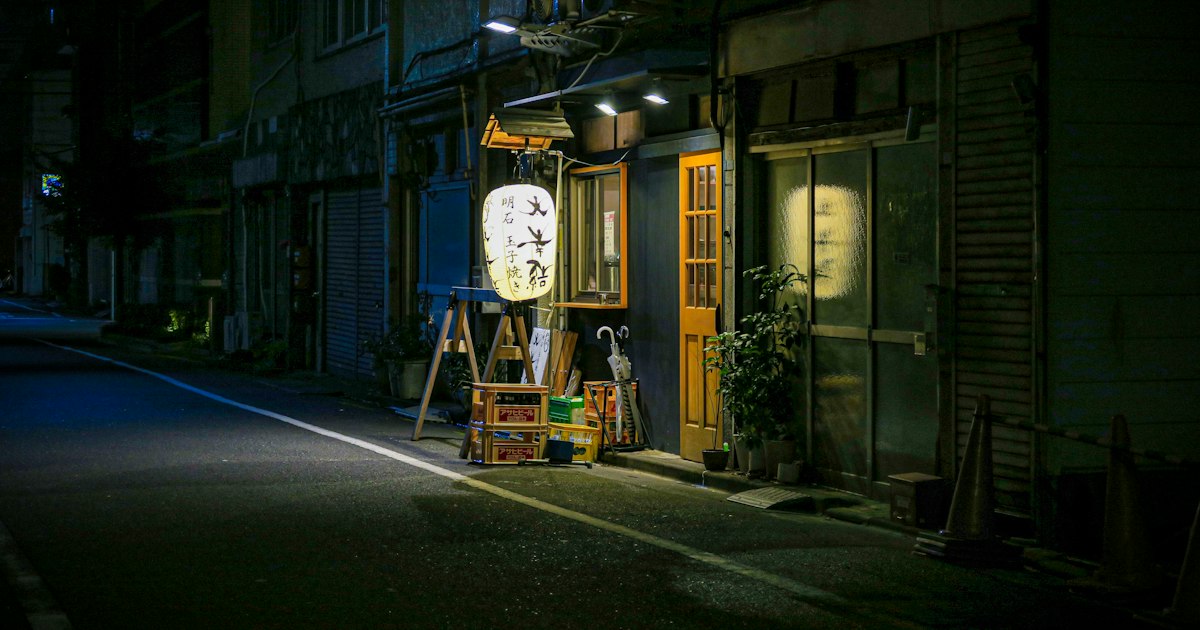
Photo by Shigeki Wakabayashi on Unsplash
If you’ve ever stood in front of a Seven Bank ATM in Tokyo at 11pm, card in hand, watching the screen reject your request for ¥100,000 and wondering what number actually works — this guide is for you. Japan’s convenience store ATMs are the backbone of cash access for visitors, since most Japanese businesses still prefer cash and many rural shops, shrines, and ryokan don’t take foreign cards at all. But the machines have quirks, limits, and fee structures that catch almost every first-time traveler off guard. Here’s exactly how much you can withdraw, where, and how to avoid wasting a transaction fee on a declined attempt.
The short answer: typical per-transaction limits
For foreign-issued cards (Visa, Mastercard, JCB, American Express, UnionPay, and cards on the Plus/Cirrus networks), the realistic per-transaction ceiling at Japan’s convenience store ATMs is:
- Seven Bank ATMs (7-Eleven): up to ¥100,000 ($650-700 depending on exchange rate) per transaction for most foreign cards, though some banks cap their own cards lower regardless of what the machine allows.
- Lawson Bank ATMs (Lawson stores): typically ¥100,000 per transaction as well, though some machines default to a ¥50,000 suggestion screen — you can usually select a custom amount up to the max.
- E-net ATMs (FamilyMart, some Lawson, Don Quijote): often cap foreign cards lower, around ¥50,000-¥100,000 depending on the specific machine and your card issuer.
- Japan Post Bank ATMs (inside post offices, not convenience stores): up to ¥50,000 per transaction for foreign cards is common, though this varies.
The real ceiling, though, is almost never set by the Japanese ATM — it’s set by your own bank. Seven Bank’s machine will happily offer you ¥100,000, but if your home bank caps foreign ATM withdrawals at $300 equivalent per transaction or per day, the transaction will be declined after the Japanese side approves it, and depending on your bank, you may still be charged a fee for the attempt. Call your bank before you leave and ask specifically about per-transaction and daily international ATM limits — not just “can I use my card abroad.”
Why 7-Eleven (Seven Bank) is the most reliable option
Seven Bank ATMs are purpose-built for foreign cards and are the most consistently dependable option across Japan — they’re in virtually every 7-Eleven, which means they’re open 24/7 since the stores themselves never close. The interface has a dedicated English/Chinese/Korean/Portuguese/Thai menu, clearly states the fee before you confirm, and rarely has the “foreign card not accepted” problem that plagues older bank ATMs. If you’re withdrawing cash late at night, during a holiday, or in a smaller city, 7-Eleven is your safest bet precisely because the stores are everywhere and never shut.
Lawson and FamilyMart ATMs are generally fine too, but machine models vary by store — a FamilyMart in central Osaka might have a newer, friendlier machine than one in a small town, where the ATM may still be running older software with stricter foreign-card handling.
Fees: what you’ll actually pay per withdrawal
Convenience store ATMs charge a flat transaction fee regardless of how much you withdraw, so pulling the maximum amount per visit is almost always cheaper than making several small withdrawals:
- Seven Bank: ¥220 for most foreign cards during the day, rising to around ¥220-¥330 depending on time of day (late-night and early-morning withdrawals sometimes carry a slightly higher fee).
- Lawson/E-net: similar range, roughly ¥200-¥280 per transaction.
On top of the Japanese ATM’s fee, your home bank may also charge its own foreign-transaction or ATM fee (often $3-5 or a percentage of the amount), and your card network applies its own exchange rate margin. The math is simple: withdrawing ¥100,000 once costs you one flat fee; withdrawing ¥20,000 five times costs you five flat fees for the same total cash. Budget-conscious travelers should plan one or two larger withdrawals per week rather than frequent small ones.
Daily limits vs. per-transaction limits — don’t confuse the two
This is where most people get tripped up. A per-transaction limit is the maximum the machine will dispense in a single operation. A daily limit is the total your card issuer allows across all withdrawals in a 24-hour period, which may be lower than what the machine itself is willing to give you in one go. For example, Seven Bank may offer you up to ¥100,000 per transaction, but if your bank’s daily foreign withdrawal cap is $500, you’ll hit that ceiling on your second attempt even though the Japanese machine never refused you.
If you need more cash than your daily limit allows — say, for a cash-only ryokan deposit or a large souvenir haul — plan across two calendar days rather than trying to force it through in one. Machines will generally let you try again after a decline without locking the card, but repeated consecutive declines (from a hidden mismatch in PIN entry, say) can trigger a temporary freeze from your bank’s fraud system, which is far more disruptive mid-trip.
Common mistakes that waste a transaction or trigger a freeze
- Entering a 6-digit PIN at a 4-digit screen incorrectly formatted. Most Japanese ATMs expect a 4-digit PIN; if your card uses a longer PIN, check with your bank in advance about how it should be entered — getting it wrong twice can lock your card.
- Not checking “credit” vs. “debit” withdrawal mode. Some machines will ask whether you’re withdrawing as a cash advance against a credit card or a standard debit withdrawal — picking the wrong one can trigger cash-advance fees and interest that start accruing immediately, which is far more expensive than any ATM fee.
- Assuming all machines are open 24 hours. The ATM itself usually matches the store’s hours — 7-Eleven machines are genuinely 24/7, but some standalone bank ATMs inside train stations or post offices close overnight or on bank holidays.
- Not notifying your bank before travel. Even without a hard block, unexpected international withdrawals are one of the most common triggers for a bank’s fraud-detection system to freeze a card mid-trip.
Withdrawing cash often turns into its own small ritual on a Japan trip — much like the late-night oden and fried chicken run at the hot case after you’ve topped up your wallet. It’s worth building both into your evening convenience store stop.
How much cash should you actually carry?
Japan has gotten more card-friendly in recent years, but cash is still essential for: temple and shrine donation boxes, small family-run restaurants, local buses outside major cities, coin lockers, and some markets. A reasonable rule of thumb for a first-time visitor is to carry ¥10,000-¥20,000 in cash at any given time for daily incidentals, topping up every few days with a single larger ATM withdrawal rather than daily small ones. If your trip includes IC card top-ups for trains and vending machines, note that most ATMs don’t load Suica or Pasmo directly — you’ll do that separately at station machines, which is covered in our guide to which station kiosks actually take IC card tap-to-pay.
Budget, mid-range, and splurge cash strategies
- Budget traveler: Withdraw the full ¥100,000 limit once or twice per week at 7-Eleven to minimize flat fees, and track your home bank’s exchange margin so you’re not surprised by the final cost.
- Mid-range traveler: Use a no-foreign-transaction-fee travel card (several US and EU banks now offer these) paired with Seven Bank withdrawals — this combination usually gets you the best effective exchange rate with minimal fee stacking.
- Splurge/convenience-first traveler: Prepay a travel money card loaded in yen before departure, then use convenience store ATMs only as a backup — you avoid live exchange rate fluctuation but typically lock in a slightly worse rate upfront.
Whichever route you choose, 7-Eleven’s Seven Bank machines remain the single most dependable cash source anywhere in Japan — reliable enough that it’s worth structuring your cash planning around their locations rather than hunting for a specific bank branch.