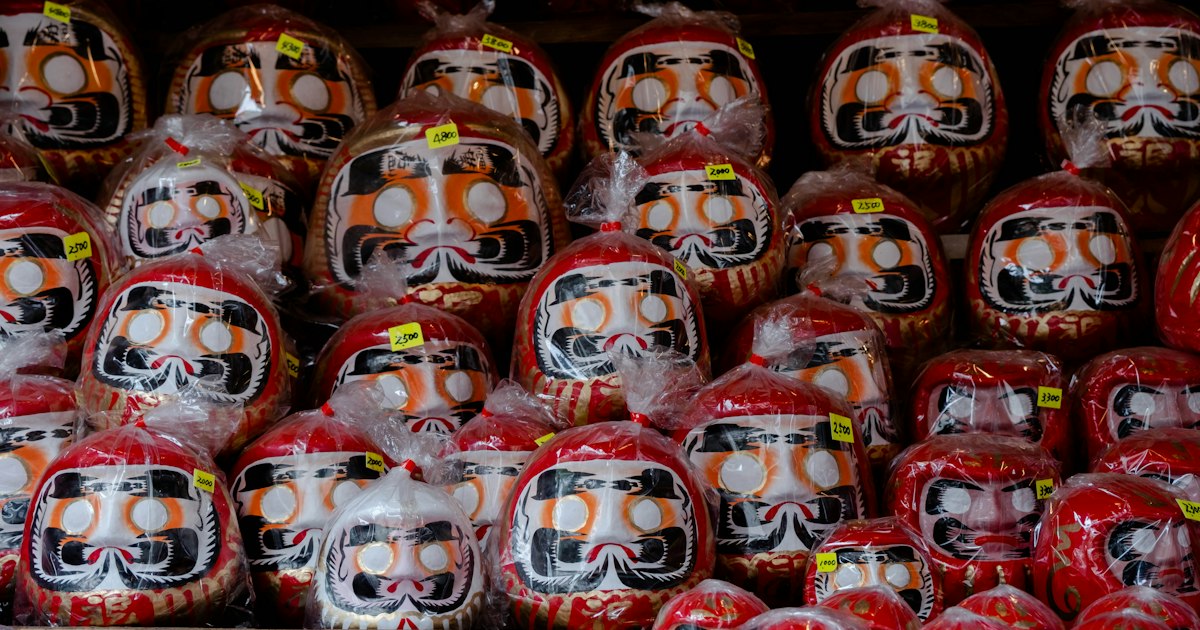
In most countries, a broken sewing needle goes in the trash and an old doll ends up at a charity shop or in a landfill. In Japan, both get a funeral. Hari-Kuyo (針供養), the needle memorial, and Ningyo Kuyo (人形供養), the doll memorial, are two of the country’s most quietly moving rituals — rooted in the Shinto and Buddhist idea that objects used with care, especially ones shaped like or in service of the human body, deserve to be thanked and retired properly rather than simply discarded. For visitors, both are genuinely accessible: you don’t need a connection or an invitation, just the right date and a bit of respect for what’s happening.
Why Japan Holds Funerals for Objects
The underlying concept is mottainai — a sense of waste or disrespect when something that served its purpose faithfully is tossed aside without acknowledgment. Needles are considered to have “worked hard,” piercing tough fabric their entire lives, so at the end of their use they’re given a soft, gentle place to rest. Dolls go further: many Japanese dolls, especially Hina dolls and Ichimatsu dolls, are traditionally believed to absorb a bit of the owner’s spirit or to watch over a child, which makes putting one in a garbage bag feel genuinely uncomfortable for a lot of Japanese families. These ceremonies exist to resolve that discomfort — part religious rite, part practical disposal service.
Hari-Kuyo: A Soft Resting Place for Needles
Hari-Kuyo is held on February 8 in most of eastern Japan (Tokyo and the Kanto region), tied to the old calendar’s “Koto-yoka” work-pause days; some temples in Kansai hold their version on December 8 instead. The ritual itself is simple and striking: sewing professionals, kimono makers, and anyone who sews bring their year’s worth of broken, bent, or dulled needles and push them gently into a block of soft tofu or konnyaku (konjac jelly) laid out on an altar. After a lifetime of piercing stiff cloth, the needles finally get to sink into something soft. Priests chant sutras over the offerings, and the needles are later collected and ritually disposed of.
You don’t need to be a sewer to watch — the public is welcome to observe, and some temples will let visitors bring their own needles to add to the tofu. If you have a sewing kit with you, bring a couple of spent needles along.
Where to Experience Hari-Kuyo
- Sensoji, Asakusa-do Hall (Tokyo) — the Awashima-do hall within Sensoji’s grounds holds its hari-kuyo ceremony on February 8, open to the public and free to attend. Nearest station: Asakusa (Ginza, Asakusa, Tobu, and Tsukuba Express lines), a 5–10 minute walk.
- Horin-ji (Arashiyama, Kyoto) — a well-known February 8 hari-kuyo with monks chanting over a large block of konnyaku stuck full of needles; free entry to watch. Reachable from JR Saga-Arashiyama Station or Randen Arashiyama Station, about a 5-minute walk.
- Awashima Jinja (Kada, Wakayama) — the head shrine of the Awashima faith, which specifically protects women’s health and needlework; it holds its own needle memorial on December 8. Take the Nankai Kada Line to Kada Station, then walk about 10 minutes.
Arrive 20–30 minutes early for a good vantage point — these are small-scale ceremonies, not festivals, and crowds of even a hundred people can make it hard to see the altar. The same instinct to mend and preserve rather than discard shows up elsewhere in Japanese home life too, like the culture around repairing a torn shoji screen instead of replacing it outright.
Ningyo Kuyo: Retiring Dolls With Dignity
Ningyo Kuyo serves a more practical, year-round need: Japanese households accumulate an enormous number of dolls over generations — Hina dolls displayed every March 3rd, Ichimatsu dolls, Kokeshi, even stuffed animals and mascot figures in some cases — and eventually someone has to decide what to do with them. Rather than throw them out, families bring them to a shrine or temple (or a specialty doll shop that partners with one) for a blessing, after which the dolls are ritually burned or otherwise disposed of in a ceremony called otakiage.
The single most famous ningyo kuyo site in Japan is Awashima Jinja in Kada, Wakayama — the same shrine mentioned above for needles. Visitors who step inside find literally thousands of donated dolls stacked floor to ceiling along the walls and altars; it’s one of the more visually overwhelming small shrines in the country, equal parts touching and unsettling. Dolls can be dropped off here year-round for a donation, and the shrine periodically performs memorial burnings.
Where to Bring a Doll for Kuyo
- Awashima Jinja (Wakayama) — accepts dolls by mail or in person, donation-based; no fixed opening hours restrict viewing the doll hall, but arrive during daylight for the full effect. Access as above via Kada Station.
- Asakusabashi doll shops (Tokyo) — Asakusabashi, a few minutes from Akihabara, is Tokyo’s traditional doll and craft wholesale district. Long-established shops such as Yoshitoku and Kyugetsu offer a ningyo kuyo drop-off or mail-in service, typically charging in the range of ¥1,000–¥3,000 per doll depending on size; the shop forwards dolls to an affiliated temple for periodic blessing and disposal. Nearest station: Asakusabashi (JR Sobu Line, Toei Asakusa Line).
- Imado Jinja (Asakusa, Tokyo) — a smaller shrine a 15–20 minute walk from Asakusa, historically tied to doll-making, which also conducts doll memorial services; check with the shrine office for current scheduling before bringing a doll.
Practical Tips, Costs, and Common Mistakes
Budget option: attending a public hari-kuyo ceremony costs nothing beyond transport — just show up and watch respectfully, or add your own spent needles to the tofu if the temple allows it. Mid-range: mailing a single doll to a shop like Kyugetsu or Yoshitoku for ningyo kuyo runs roughly ¥1,000–¥3,000 plus shipping. Splurge: some shrines offer a private blessing specifically for a treasured heirloom doll or a large collection, with a dedicated priest reading and a personalized offering, which can run ¥5,000–¥10,000 or more depending on the shrine.
Common mistakes to avoid:
- Assuming these ceremonies run year-round on any date — hari-kuyo is tied to February 8 (or December 8) specifically, not a general-purpose service you can request anytime.
- Showing up with a large box of dolls to a shrine expecting immediate drop-off; many sites prefer advance contact, and some, like Asakusabashi’s doll shops, require mailing rather than walk-in service.
- Treating the ceremony as a photo-op spectacle. Quiet observation is fine; intrusive photography of mourners or priests mid-ritual is not well received.
- Forgetting that these are solemn, not festive, events — unlike many of Japan’s seasonal matsuri, there are no food stalls or performances, just a short, sincere ritual.
If this kind of under-the-radar, deeply human side of Japanese culture appeals to you, it’s worth pairing a visit with another niche traditional experience, like a session at one of Japan’s traditional ear-cleaning salons, or picking up a piece of enduring craftsmanship such as Kiso Shikki lacquerware from Nagano — objects built to be used for decades, then one day, perhaps, retired with the same care.