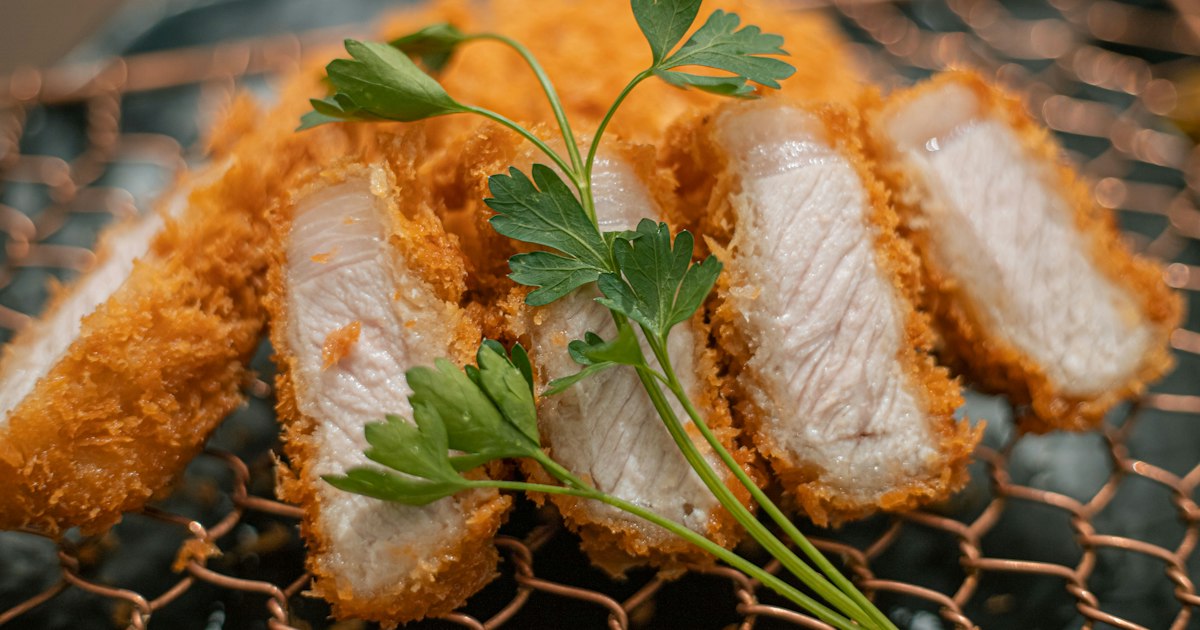
Photo by Ryoo Geon Uk on Unsplash
If you’ve spent any time scanning a Japanese supermarket deli counter or a teishoku (set meal) menu, you’ve probably walked past nanbanzuke without knowing what it was: small golden-fried fish fillets sitting in a shallow pool of amber liquid, topped with pale strips of onion and carrot. It looks unassuming, but nanbanzuke is one of the more interesting dishes in everyday Japanese cooking — a 400-year-old fusion food that most visitors never get introduced to because it rarely makes it onto English menus or “must-try” lists. Here’s what it is, why it tastes the way it does, and where you can actually order it.
What Is Nanbanzuke?
Nanbanzuke (南蛮漬け) is fish — most commonly aji (horse mackerel), wakasagi (Japanese pond smelt), or small whole sardines — that’s lightly floured or battered, deep-fried until crisp, and then submerged while still hot in a sweet-and-sour marinade of vinegar, soy sauce, sugar, and dashi, along with thin-sliced onion, carrot, and often dried red chili. The hot fish soaking in the cold marinade is the whole trick: the vinegar softens the small bones (so you can eat the fish whole, head and all, if it’s small enough) while the frying keeps the texture from turning mushy. It’s served chilled or at room temperature, almost never piping hot.
The name comes from “nanban” (南蛮), literally “southern barbarian” — the term Japanese traders used for the Portuguese and Spanish merchants who arrived in Nagasaki in the 16th century. Those traders brought dishes based on frying and vinegar-pickling (an ancestor of Western escabeche), and Japanese cooks adapted the technique using local fish and soy-based seasonings. If you’re curious about that Nagasaki trading-port history and the foods it left behind, it’s the same cross-cultural moment that produced regional specialties like karasumi, Nagasaki’s prized dried mullet roe, though that one has a separate origin story rooted in Chinese and Japanese preservation techniques.
One common point of confusion: nanbanzuke is not the same dish as “chicken nanban” (chicken nanban), the Miyazaki Prefecture specialty of fried chicken dipped in sweet vinegar and topped with tartar sauce. Chicken nanban borrows the frying-plus-vinegar idea and the nanban name, but it’s a distinct regional dish invented in the 20th century, served hot, and always with tartar sauce — nanbanzuke is served cold, uses fish far more often than meat, and has no tartar sauce involved. If a menu lists both, don’t assume they’re interchangeable.
What It Tastes Like and Why People Love It
Expect a sharp-sweet, slightly savory vinegar hit up front, mellowed by the sugar and dashi, with the fried fish contributing crunch at the edges and a soft, almost confit-like texture inside after marinating. The onions and carrots turn slightly pickled and add crunch and color. It’s designed to be a side dish or a light main eaten with plain rice — the acidity cuts through the rice’s starchiness, which is part of why it’s such a popular bento and home-cooking staple rather than a restaurant showpiece.
Where to Try Nanbanzuke
Budget (¥300–700): Department store basement food halls (depachika) almost always have a deli counter selling pre-made nanbanzuke by weight or in small packaged trays, typically ¥400–700 per portion. Supermarkets like Life, Seijo Ishii, and Aeon carry similar prepared trays in the chilled deli section, usually cheaper, around ¥300–500. This is the easiest way to taste it without committing to a sit-down meal, and it travels well if you’re picnicking or eating back at a hotel room.
Mid-range (¥800–1,300): Teishoku chains such as Ootoya and Yayoiken frequently run aji nanbanzuke as a set-meal option, served with rice, miso soup, and a small side for roughly ¥900–1,300. Izakayas are another reliable bet — nanbanzuke shows up on many standard izakaya menus as a small shareable plate for ¥500–800, often listed simply as “aji no nanbanzuke” or “wakasagi no nanbanzuke” depending on the fish used that season.
Splurge (¥1,500–3,000+): At a kappo or ryotei-style restaurant that emphasizes seasonal small fish, nanbanzuke may appear as one course within a multi-dish kaiseki-style set, made with a more delicate fish and a more refined dashi balance. You won’t usually see it sold as a standalone splurge dish — its identity is as a humble, home-style food, so the “splurge” version is really about the surrounding meal rather than the dish itself.
If you want to taste a regional variation while wandering a shopping street rather than sitting down, arcades with dense food-stall density are good hunting grounds; Tenjinbashi-suji in Osaka, Japan’s longest shopping arcade, has multiple old-school delis and izakaya-adjacent shops where fried-and-marinated fish dishes like this turn up alongside other Osaka-style fried foods.
Best Season and Timing
Nanbanzuke isn’t a strictly seasonal dish — it’s on menus year-round because it was originally developed as a preservation method, letting fried fish keep for a few extra days in the fridge thanks to the vinegar. That said, you’ll get the best version depending on which fish is in season: aji (horse mackerel) peaks in summer, roughly June through August, when it’s fattier and the fillets hold up better to frying. Wakasagi is a cold-weather fish, commonly associated with winter ice-fishing on lakes like Suwa in Nagano, so wakasagi nanbanzuke tends to show up on menus from December through February. If you see both options on a menu, ask which one is fresher that day (today’s osusume, or recommendation) rather than defaulting to whichever sounds more familiar.
Common Mistakes to Avoid
- Expecting it hot. Nanbanzuke is meant to be eaten cold or at room temperature. If it arrives lukewarm at a restaurant, that’s normal, not a service mistake.
- Confusing it with chicken nanban. As noted above, these are different dishes that happen to share a name element. If you specifically want the tartar-sauce chicken dish, ask for “chicken nanban,” not “nanbanzuke.”
- Skipping the small bones. With aji or wakasagi prepared this way, the vinegar marinade is meant to soften the bones enough to eat. Picking around them defeats part of the point, though no one will stop you if you prefer to.
- Assuming it’s always fish. Some households and casual restaurants make nanbanzuke-style preparations with chicken or pork using the same frying-and-marinating method, so double-check the menu description if you’re set on fish.
How to Order It
At a restaurant, you can simply point and ask “Kore wa nan desu ka?” (What is this?) if you see it on a display, or ask for it by name: “aji no nanbanzuke” for horse mackerel, or “wakasagi no nanbanzuke” for the smelt version. It pairs naturally with plain steamed rice and a light miso soup, and works well as one of several small dishes if you’re ordering izakaya-style rather than as a single main course. For travelers building out a broader list of lesser-known Japanese seafood dishes worth seeking out, nanbanzuke sits well alongside more adventurous options like ankimo (monkfish liver) or a comparison of white-fish sashimi styles like hirame and kanpachi — none of them famous outside Japan, all of them worth the detour from the usual sushi-and-ramen circuit.