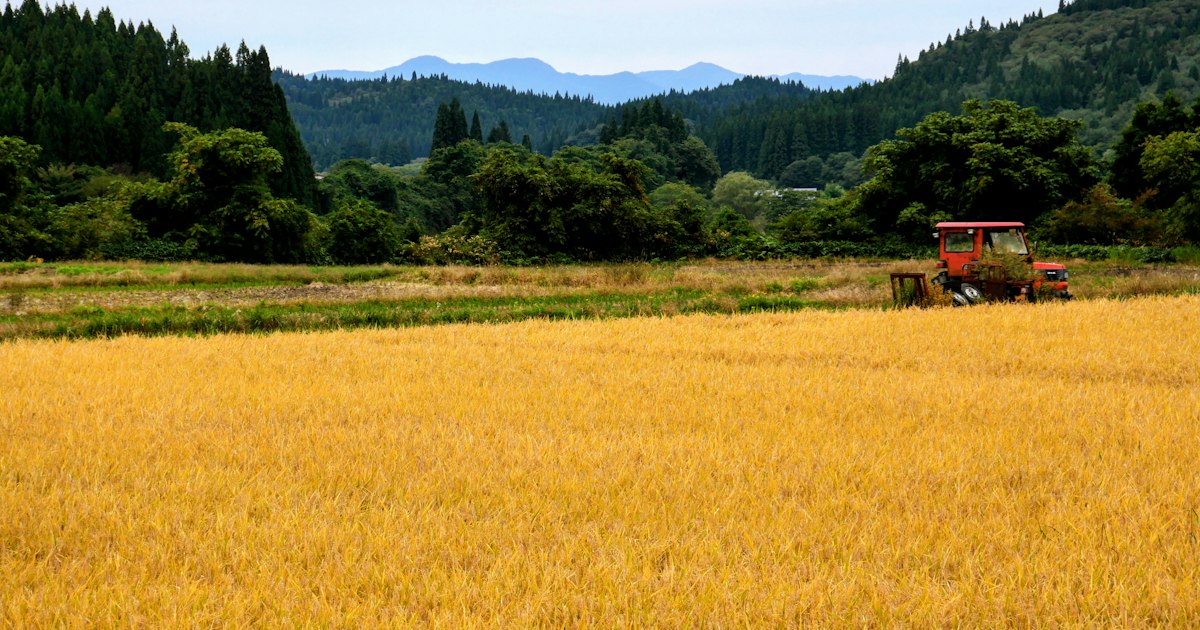
Photo by Sebastian S on Unsplash
Ask anyone in Akita Prefecture what to eat and the answer comes fast: Hinai-jidori. This is not generic “free-range chicken” marketing — it’s one of Japan’s three officially recognized native chicken breeds, and in Akita it’s treated with the same seriousness as Kobe beef further south. If you’re routing a trip through Japan’s rural northeast (the Tohoku region), it’s worth building a meal — or a whole afternoon — around it.
What Makes Hinai-jidori Different From Ordinary Chicken
Hinai-jidori is a cross between the Hinai-dori, a native breed designated a national natural treasure, and breeds like Rhode Island Red. The birds are raised slower than standard broilers — typically well over 80 days versus roughly 50 for mass-market chicken — with more room to move. The result is dark, firm meat with a noticeably deeper flavor and a chewier bite, closer to what chicken tasted like a few generations ago. Along with Satsuma-jidori (Kagoshima) and Nagoya Cochin, it’s one of Japan’s “big three” branded jidori chickens, and Akita locals will tell you theirs is the best of the trio.
Only chicken raised and certified by registered Akita producers can legally be sold as Hinai-jidori, so the name on a menu actually means something — unlike the looser term “jidori,” which many restaurants use more casually to mean any free-range bird.
The Signature Dishes
Three preparations show off the breed best:
- Kiritanpo nabe — Akita’s defining hot pot. Freshly cooked rice is pounded, molded onto cedar skewers, lightly grilled, then simmered in chicken broth with Hinai-jidori, burdock root, maitake mushrooms, and green onion. The broth, built from chicken bones and tare, is the whole point.
- Oyako-don — “parent and child” rice bowl, with Hinai-jidori meat and egg from the same lineage of bird over rice. Because the chicken itself has so much flavor, Akita versions taste noticeably richer than the convenience-store version.
- Hinai-jidori yakitori and tataki — skewers grilled over charcoal and brushed with a sweet-savory soy tare not far removed from the glaze used on teriyaki abroad, though the Japanese original is thinner and less sweet than most export versions (our guide to how Japanese teriyaki differs from what you know abroad covers that gap in more detail). Many specialty restaurants also serve torisashi (lightly seared chicken sashimi) — a genuine Akita delicacy, but note that raw or rare poultry carries a real salmonella risk, so order it only at an established specialty restaurant that handles it as a routine menu item, not as a novelty.
Where to Eat It in Akita
Budget (¥1,000–1,300): Look for the Hinai-jidori ekiben boxed lunches sold at kiosks inside Akita Station — a reliable way to try the chicken without committing to a sit-down meal, and perfect for the return Shinkansen ride.
Mid-range (¥1,500–3,000): Casual specialty restaurants around Akita Station and the Kawabata nightlife district serve oyako-don, yakitori sets, and kiritanpo nabe for one or two people at these prices. Suzuya is one of the longest-running local chains dedicated to Hinai-jidori, with several branches in Akita City; expect lunch service roughly 11:00–14:00 and dinner from around 17:00, closed one day a week depending on the branch, so check current hours before heading over.
Splurge (¥6,000–10,000+ per person): Multi-course dinners pairing torisashi, charcoal-grilled yakitori, and a finishing kiritanpo nabe are the way to taste the full range of the bird in one sitting. These courses are worth booking ahead, especially on weekends.
Best Season and Timing
Kiritanpo nabe is fundamentally a cold-weather dish, and Akita delivers plenty of that — late autumn through winter (November to March) is peak season, when restaurants push nabe courses to the front of the menu and the broth tastes exactly as it should against freezing temperatures outside. If you’re visiting in that window, this is also serious snow country; families traveling with kids sometimes pick up gear locally rather than pack it, and our guide to buying a used snow sled or pulk in Japan’s snow country covers where to find secondhand winter gear in exactly this kind of region. Outside winter, oyako-don and yakitori are available year-round, so there’s no bad time to try the chicken itself — only a best time for the hot pot.
Getting There
The Akita Shinkansen “Komachi” runs directly from Tokyo Station to Akita Station in about 3 hours 40 minutes, with one-way fares around ¥18,000–19,000 for a reserved seat. It’s a single-track line through mountain scenery for the final stretch, which slows things down slightly compared to a standard Shinkansen but makes for a scenic ride. Flying is faster if you’re short on time: Akita Airport is roughly an hour from Haneda, with onward buses into central Akita City taking about 40 minutes. Either way, Akita Station itself is the natural base — most of the city’s Hinai-jidori restaurants and the prefectural products hall are within easy walking distance.
Common Mistakes to Avoid
Don’t assume any menu item labeled “jidori” is the real Hinai-jidori — the certified product usually costs more and will say so explicitly, often with a producer’s name or the official association mark. Don’t skip booking for dinner at the well-known specialty restaurants on weekends; walk-ins can mean a long wait or a sold-out kiritanpo course. And don’t visit in midsummer expecting the full nabe experience — you can still get good chicken, but the hot pot itself tastes better, and is served more widely, once the weather turns cold.
Bringing Hinai-jidori Home
The Akita Prefectural Products Center (Akita-ken Bussan Kaikan), a short walk from Akita Station, sells vacuum-packed, frozen Hinai-jidori yakitori and kiritanpo nabe kits as gifts, generally in the ¥2,000–4,000 range — a practical way to bring the flavor home if you can carry a small cooler bag or check a suitcase with space for it. If the trip inspires you to recreate oyako-don at home afterward, good rice matters almost as much as good chicken; our comparison of domestic vs. export rice cookers is worth a look before you decide whether to ship one back. And if chasing down a region’s one defining ingredient is your kind of travel, Akita’s chicken sits in good company with other hyper-local prized foods worth detouring for, like Nagasaki’s prized karasumi on the other end of the country.