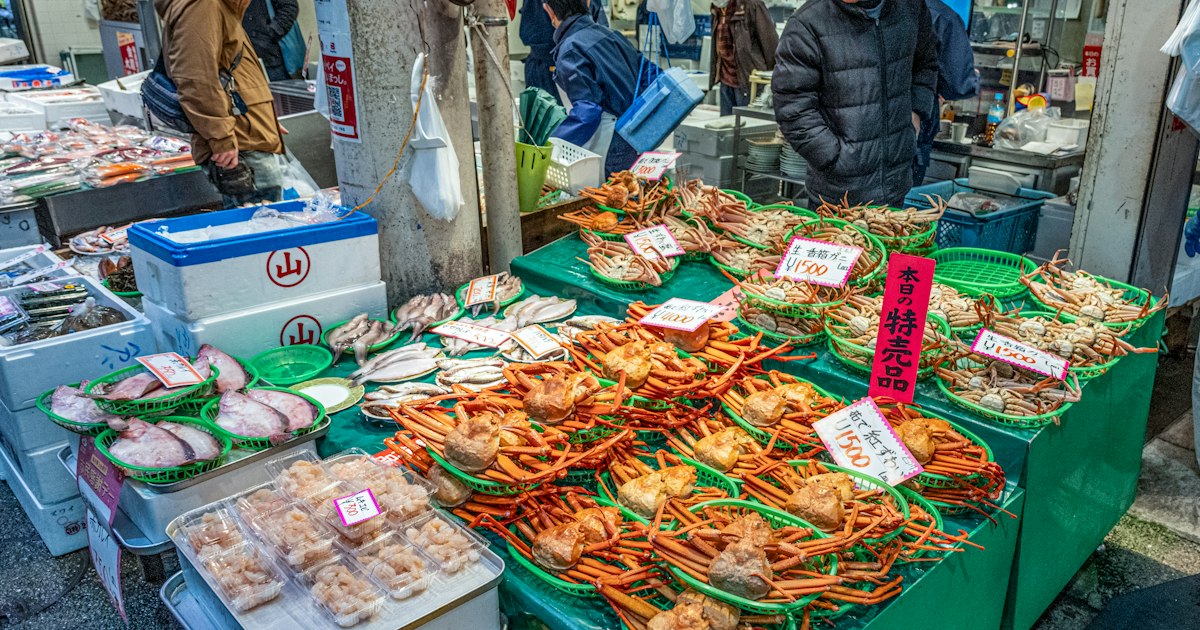
Photo by Sue Winston on Unsplash
Order a crab course anywhere from Hokkaido to Fukui and at some point a server will set down a small dish of what looks like orange-brown pâté, sometimes still sitting in the crab’s own shell with a lit candle warming it underneath. That’s kani miso — and despite the name, it has nothing to do with fermented soybean paste. If you’ve never tried it, here’s what it actually is, when and where to get the best version, and how to avoid the two or three mistakes that trip up first-timers.
What Exactly Is Kani Miso?
Kani miso (蟹味噌) is the soft, custard-like substance found in the body cavity of a crab — technically its hepatopancreas, an organ that does the work of a liver and pancreas combined. It earned the “miso” name simply because its color and texture resemble the fermented soybean paste, not because it’s fermented or made from soy. The flavor is rich, briny, and faintly sweet, closer to crab-flavored butter or foie gras than anything fishy. Texture-wise it ranges from smooth and spoonable to slightly grainy depending on the crab and season.
Not every crab has much of it. Snow crab (zuwaigani) and hairy crab (kegani) are prized specifically for generous, flavorful kani miso. King crab (taraba gani), despite being the most famous crab abroad, has very little — so if kani miso is your main goal, skip the king crab legs and order zuwaigani or kegani instead.
Best Season to Visit
Timing matters more than most visitors expect, because kani miso quality tracks the crab’s own seasonal condition.
- Echizen crab (Fukui Prefecture) — male zuwaigani season runs roughly November 6 to March 20; the smaller female seiko-gani (prized for its egg sacs alongside the miso) is only available November to late December. Fukui’s Echizen and Tojinbo areas are the historic home of this crab.
- Matsuba crab (Tottori and Kyoto’s Tango Peninsula) — the same zuwaigani species under a regional name, with an almost identical November–March season.
- Kegani / hairy crab (Hokkaido) — seasons vary by coastal region; the Okhotsk coast around Monbetsu peaks roughly April to June, while other ports have autumn catches. Frozen kegani is sold year-round, but fresh, in-season kani miso is noticeably richer.
Outside these windows you can still find kani miso — much of it frozen or canned — but a winter trip through Hokkaido, Fukui, or Kyoto’s Tango coast is the way to get it fresh and at its best.
How It’s Served
The classic preparation is kanimiso no koura-yaki: the miso is scooped back into a cleaned crab shell, mixed with a little sake or mirin, and grilled or lightly torched tableside until it bubbles. It’s eaten with a small spoon, straight from the shell, often with a splash of citrus. Other common forms:
- Kanimiso gunkan — a sushi topping piled onto a small nori-wrapped rice cup, sometimes mixed with a touch of mayonnaise
- Kanimiso cream croquette or gratin — the miso folded into a béchamel-style sauce, common at izakaya and department store food halls
- Canned kani miso — a shelf-stable version sold as a souvenir, usually eaten on rice or crackers
At a proper crab kaiseki dinner, kani miso usually arrives early as a small course on its own, before the crab’s leg meat and shell-grilled miso-butter dish.
Where to Try It: Budget to Splurge
Budget (500–1,200 JPY): Omicho Market in Kanazawa has several stalls selling a single koura-yaki portion for 500–800 JPY — a good way to try it without committing to a full meal. Hokkaido’s Sapporo Nijo Market and airport shops sell small canned kani miso from around 600 JPY, which travels well and makes an easy souvenir.
Mid-range (2,500–6,000 JPY): Crab-specialty chain restaurants such as Kani Doraku (multiple locations in Osaka, Kyoto, and Tokyo) and Kani Honke in Sapporo offer set courses in this range that include a kani miso dish alongside leg meat, crab rice, and miso soup made with the shell.
Splurge (10,000–25,000+ JPY): A ryokan or kaiseki restaurant in Echizen (Fukui) or along the Tango Peninsula during peak season (November–February) will serve a multi-course crab dinner where kani miso koura-yaki is one of six or seven dishes built entirely around the day’s catch. Many of these are set inside hot-spring inns, so it’s worth checking cancellation terms before booking — see this guide on onsen ryokan cancellation policies if your winter dates aren’t locked in yet.
If you’re building a Tottori/Tango-area crab trip around Mount Daisen near Yonago, this region is also matsuba crab country, so pairing a hike with a crab dinner in the same trip works well in the November–March window.
Common Mistakes First-Timers Make
- Ordering king crab and expecting good kani miso. Ask for zuwaigani (snow crab) or kegani (hairy crab) by name if the miso is what you’re after.
- Treating it like a main dish. Kani miso is rich and intensely flavored — portions are intentionally small, served as one course among several rather than a plate to fill up on.
- Overlooking the pregnancy caution. Japan’s food safety authorities have flagged that crab hepatopancreas can accumulate cadmium at higher levels than the crab’s muscle meat, and advise pregnant women to limit how much kani miso they eat. It’s a minor consideration for an occasional taste, but worth knowing if you’re pregnant and tempted by a full tasting course.
- Assuming summer is a good time to go. Outside peak season you’ll mostly get frozen or canned versions — fine for a souvenir, less exciting as a restaurant dish.
Bringing It Home
Canned kani miso is the easiest way to take the flavor home — it’s shelf-stable, doesn’t need refrigeration until opened, and is sold at department store food halls, airport shops, and markets in crab regions for roughly 600–1,500 JPY depending on brand and size. If you’re flying out through Hokkaido or Fukui, pick it up at the airport on your way out rather than early in the trip, since it adds weight and isn’t something you want jostling around in checked luggage with liquids. For travelers planning a longer Japan itinerary around Hokkaido or Fukui crab season by rail, it’s worth checking which Shinkansen seats actually have power outlets for the long haul up or down the coast.
Kani miso isn’t a dish you need to seek out aggressively, but if you’re already eating your way through a winter trip to crab country, it’s one of the more distinctive flavors you’ll come across — closer to a rare delicacy than a snack, and worth the small extra cost to try properly in season.