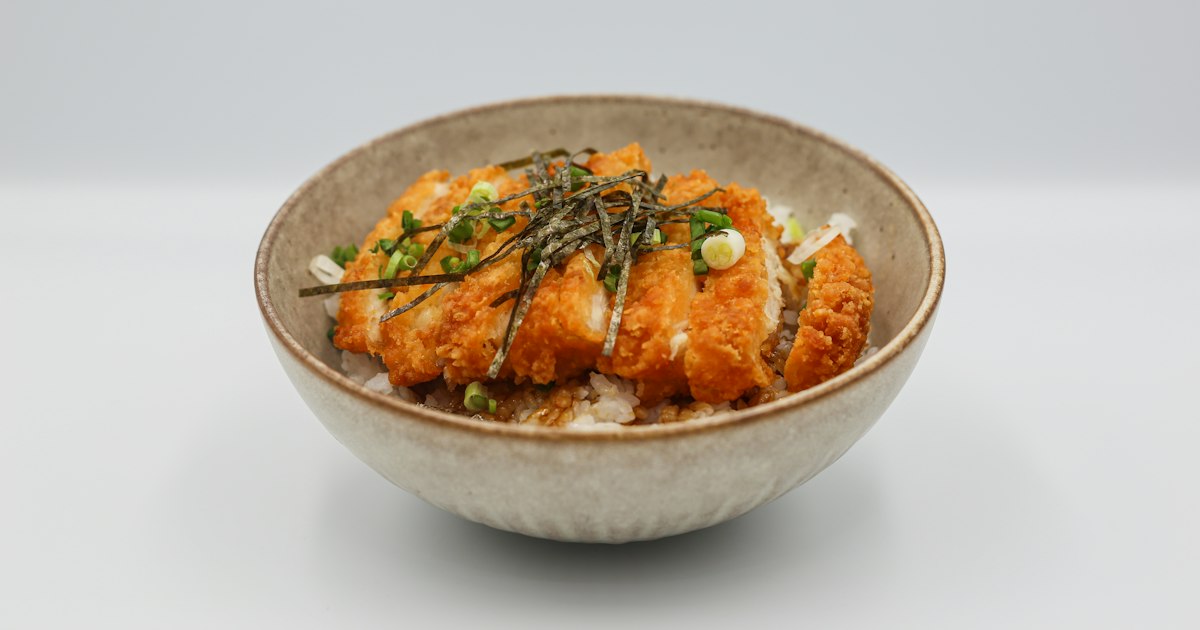
Photo by Xavier Chng on Unsplash
If you only eat one meal in Nagoya, make it hitsumabushi. This is grilled freshwater eel (unagi) sliced and laid over rice in a lacquered wooden tub, and it’s eaten in a specific four-stage ritual that turns one dish into three different meals plus a bonus round. It’s rich, a little expensive, and genuinely worth the wait — but only if you know how to order it and eat it. Here’s what to expect before you go.
What Makes Hitsumabushi Different From Unadon
Unadon is a straightforward bowl of rice topped with a whole grilled eel fillet. Hitsumabushi is Nagoya’s own variation: the eel is chopped into smaller pieces and mixed evenly through the rice in a round wooden tub (ohitsu), then served with a rice paddle, a pot of dashi or hot tea, and condiments like nori, wasabi, and chopped scallion on the side. The point of chopping and mixing the eel is portion control — you divide the tub into four equal servings with the paddle before you start eating, because each quarter gets treated differently.
The dish is said to have originated at Atsuta Horaiken, a Nagoya eel restaurant dating to the 1870s, though the exact backstory (staff eating broken leftover pieces, or minimizing waste during busy service) varies by who’s telling it. Either way, it’s now considered one of Nagoya’s signature dishes alongside miso katsu and tebasaki chicken wings.
The Correct Way to Eat It (Four Ways in One Bowl)
Once your tub arrives, use the paddle to split it into four roughly equal portions without removing any rice from the tub. Then:
- First quarter — eat it plain, straight from the tub, to taste the eel and sauce on their own.
- Second quarter — scoop it into your individual bowl and add the condiments (nori strips, wasabi, scallion) to change the flavor profile.
- Third quarter — scoop it into the bowl, add the condiments again, then pour the hot dashi or tea over it ochazuke-style, so it becomes a light, savory soup.
- Fourth quarter — eat it however you decided you liked best after trying the first three.
Staff at traditional shops will often explain this on a card or small sign at the table, sometimes in English. Don’t rush; the whole point is contrast between the three styles, so pace yourself rather than plowing through the tub in one method.
Where to Try It in Nagoya
Splurge: Atsuta Horaiken is the classic choice and the closest thing to “the original.” The Jingu branch, a short walk from Atsuta Shrine, and the Honten (main shop) near Marunouchi are the two most-visited locations. Expect to pay roughly ¥4,000–5,500 for a hitsumabushi set depending on size (small/regular/large), and be ready to queue — there’s no reservation system at the historic branches, and waits of 60–90 minutes are normal on weekends and around lunch. Hours are typically 11:30–14:00 and 16:30–20:30, and the Honten is closed on Wednesdays, so check the current schedule before you go since eel restaurants adjust holidays seasonally.
Mid-range: Unagi Naritaya has multiple branches around Nagoya Station and takes reservations, which makes it far more convenient for visitors on a schedule. A hitsumabushi set runs roughly ¥3,000–4,000, and portions are generous. This is the best pick if you want the real dish without burning half a travel day on a queue.
A different take: Yamamotoya Sohonten serves its own hitsumabushi-style eel with a heavier, slightly spiced sauce and a more intense flavor — some travelers prefer it, others find it too rich. It’s a good second visit if you’re an eel fan staying in Nagoya more than a day.
Budget: Department store restaurant floors (depachika) and station-adjacent set-meal restaurants sometimes offer smaller hitsumabushi-style lunch sets for ¥2,000–2,800, especially at lunch. Portions are smaller and the eel quality varies, but it’s a reasonable way to try the format without the splurge price.
Getting There and Best Times to Go
Nagoya sits on the Tokaido Shinkansen line, about 100 minutes from Tokyo and around 50 minutes from Shin-Osaka on a Nozomi or Hikari train, so it works well as a day trip or a one-night stop between the two cities. If you want extra legroom and a quieter car for the ride in, the Green Car is worth considering on a longer Shinkansen leg. From Nagoya Station, the Atsuta Shrine area (and the Jingu branch of Atsuta Horaiken) is a short subway or train ride away, and it pairs naturally with a shrine visit — Atsuta Shrine is one of Japan’s most important Shinto sites, and shops nearby sell omamori if you want a souvenir with more meaning than a keychain (see our guide to omamori and what they represent).
Go for an early lunch (11:00–11:30 arrival) or a mid-afternoon window between lunch and dinner rushes if you want to minimize queueing at the popular shops. Weekday lunches are noticeably calmer than weekend lunches. There’s no strong seasonal closure to worry about — eel is served year-round — but late July, around the traditional “Day of the Ox” (doyo no ushi no hi) when eating eel for stamina is a nationwide custom, sees the heaviest local demand and the longest lines.
Price and Why Eel Isn’t Cheap Anymore
Japanese eel (Anguilla japonica) stocks have declined for years, and glass eel (juvenile eel used for farming) catches have been unpredictable, which has pushed prices up across the country. Don’t expect a hitsumabushi bargain — a proper set at a dedicated eel restaurant will rarely dip under ¥3,000, and the well-known shops sit closer to ¥4,000–5,500. Treat it as a planned splurge meal rather than a casual lunch, and budget accordingly if you’re also trying other Nagoya specialties like miso katsu or tebasaki on the same trip.
Common Mistakes to Avoid
- Eating it like unadon. If you don’t divide the tub into fourths first, you’ll finish the eel before reaching the ochazuke stage — that’s the most common regret visitors report.
- Skipping the queue math. Historic shops like Atsuta Horaiken don’t take reservations, so arriving at peak lunchtime without a backup plan can eat 90 minutes of your itinerary.
- Assuming all locations are equal. Branches of the same restaurant can vary in wait time and even slightly in menu — the Jingu branch near Atsuta Shrine is usually busier than smaller satellite locations.
- Overpouring the dashi. Add it gradually to the third portion; too much turns the rice soupy and dilutes the eel flavor rather than complementing it.
If you enjoy eel and want to compare it against another Nagoya-region seasonal specialty with strict serving etiquette, it’s worth reading up on fugu and where to eat it safely before heading further into central Japan. And if you’re curious about the soy-based tare sauce brushed onto the eel while it grills, our guide to Japanese soy sauce regional styles covers how those glazes differ by region. Eel also pairs well with a dry, slightly warm sake — if that interests you, see our overview of Japan’s major sake brewing districts for context on what to order alongside your tub.