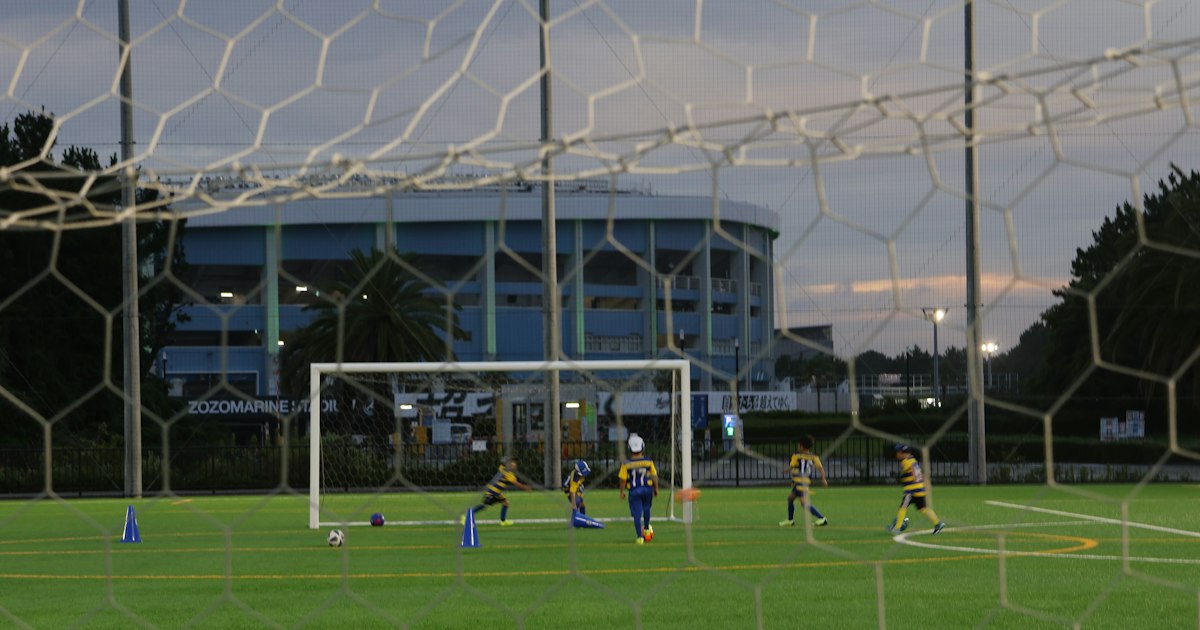
Photo by Yanhao Fang on Unsplash
Japanese football doesn’t get the same hype abroad as sumo or baseball, but a J-League match is one of the most enjoyable and affordable nights out you can have in Japan. The stadiums are clean and easy to navigate, the crowds are famously well-behaved, and the atmosphere in the supporter sections — with drums, flags, and 90 minutes of continuous chanting — rivals anything in Europe or South America. Here’s what you actually need to know to buy tickets, pick a stadium, and blend in like a regular.
Understanding the League and Season
J-League is split into three professional divisions: J1 (the top flight, around 20 clubs), J2, and J3. Most visitors will want a J1 match for the best atmosphere and biggest stadiums, though J2 games are cheaper and often just as passionate — smaller clubs tend to have the loudest ultras precisely because promotion or relegation is on the line.
For decades the season ran March to early December, with a mid-summer break. J-League has been transitioning to a fall-to-spring calendar (roughly August to May) starting with the 2026–27 season, similar to European leagues, so double-check the current fixture calendar on the official J-League site or a club’s homepage before booking flights — don’t assume the old March–December window still applies. Whichever calendar is in effect, avoid outdoor day games in July and August if you can; the heat and humidity are brutal, and evening “nighter” kickoffs (typically 19:00) are far more comfortable.
How to Buy Tickets
Tickets go on sale in stages — season-ticket holders and club members first, then general public sales roughly 2–4 weeks before kickoff. For non-marquee matches you can often just buy at the stadium box office on match day, but for derbies (Saitama Derby between Urawa Reds and Omiya Ardija, the Yokohama Derby, or anything involving Vissel Kobe or Urawa Reds) buy in advance.
- General admission (自由席, jiyuseki): roughly ¥2,000–3,500, unreserved seating in end/side sections.
- Reserved seating (指定席, shiteiseki): roughly ¥4,000–8,000 depending on category and opponent.
- Category S / hospitality seats: ¥10,000–20,000+, padded seats, better sightlines, sometimes food included.
Main platforms: the official J-League Ticket site, Ticket Pia, e+ (eplus), and Lawson Ticket (which lets you pay and print at any Lawson convenience store — handy if you don’t have a Japanese credit card). Club official sites usually link directly to whichever vendor they use. Most platforms now accept English and foreign cards, but some smaller-club sites are Japanese-only; a hotel concierge or Google Translate’s camera mode handles this fine.
Best Stadiums to Experience
Not every J-League stadium is worth the trip, but a handful stand out:
- Saitama Stadium 2002 (Urawa Reds) — capacity 63,700, the loudest, most intense home crowd in Japan. Reds supporters fill the entire stadium with flags and chanting for the full 90 minutes.
- Nissan Stadium, Yokohama (Yokohama F. Marinos) — Japan’s largest stadium (72,000+), hosted the 2002 World Cup final; a good pick if you want scale.
- Todoroki Stadium (Kawasaki Frontale) — smaller and steep-sided, so you’re right on top of the pitch; Frontale’s supporters are known for creative pre-match entertainment.
- Kashima Soccer Stadium (Kashima Antlers) — a rural, single-purpose football ground (no athletics track), which makes for excellent sightlines; Antlers are the league’s most decorated club.
Getting to the Stadium
Most J1 stadiums are built for match-day crowds and are walkable from a dedicated station, or reachable by shuttle bus from a nearby major station — Saitama Stadium, for example, is a 15-minute walk from Urawa-Misono Station, with additional shuttle buses running from Higashi-Urawa on match days. Trains after the final whistle get packed fast, so don’t dawdle if you need a specific connection.
If you’re chasing games at smaller regional clubs in Hokkaido, Kyushu, or the San’in coast, a rental car can be the only practical option — in which case it’s worth reading up on ETC cards and expressway tolls before you go, since most stadium parking lots and toll gates assume you already have one set up. For long hauls between away games — say, catching a Sunday match in Hiroshima and needing to be in Tokyo by Monday — a sleeper train can save you a hotel night. And if you miss the last train home after a night game, a manga kissa is a legitimate, cheap way to wait out the gap until trains restart around 5am.
Fan Culture and Etiquette
J-League crowds are organized and rule-following, and it pays to know the unwritten code before you sit down:
- Supporter sections (usually behind each goal) stand and sing for the entire match, led by a capo with a megaphone and drums. If you sit in the home end, you’re expected to at least stand and clap along — sitting quietly reading the program is considered rude.
- Away fans are strictly segregated into a designated block, often with extra staff and sometimes fencing. Never wear the away team’s colors in a home supporter section, or vice versa.
- Trash goes home with you. Fans famously clean up their own section after the match, sorting recycling into the correct bins — join in rather than leaving your cup on the seat.
- Scarves (マフラータオル, muffler towels) are the classic souvenir, sold at club shops and pop-up stalls outside the stadium for ¥2,500–3,500, and held aloft during the pre-match anthem.
- After a win, expect the home end to keep singing for 15–20 minutes after the final whistle as players applaud each stand in turn — don’t rush for the exit if you want to see this.
Post-match, most fans head to nearby izakaya or standing bars near the station to relive the game — if you want to drink alongside locals without committing to a full sit-down meal, a tachinomi standing bar is exactly the right register for a quick post-match pint.
Common Mistakes to Avoid
- Buying from unofficial resale sites. Ticket touting outside stadiums is illegal in Japan and reseller markups on sites like Yahoo Auctions can be steep with no refund protection if the match is postponed for weather.
- Assuming credit cards work everywhere. Many stadium food stalls and some smaller club shops are cash-only; bring ¥5,000–10,000 in cash for match day.
- Underestimating derby demand. Marquee fixtures (Saitama Derby, anything against Kashima or Kobe) can sell out within hours of general sale opening.
- Skipping the weather check. Most J-League stadiums have partial or no roof cover; a sudden downpour in June or a scorching August afternoon will genuinely ruin an uncovered general-admission seat.
Budget, Mid-Range, and Splurge Options
- Budget (~¥2,000–3,000): general admission in an end stand, ideally in or near the supporter section for the full atmosphere.
- Mid-range (~¥5,000–7,000): reserved back/side stand seating — good sightlines, a bit more personal space, still an easy walk from the same station.
- Splurge (¥10,000+): Category S or hospitality seating, sometimes bundled with a pre-match meal or lounge access — worth it for a Cup final or a once-in-a-trip derby.
Even at the budget end, a J-League match is one of the best-value evenings in Japan — cheaper than a baseball game, easier to get tickets for than sumo, and a genuine window into how Japanese fans express themselves as a group rather than as individuals.