Japan Trove

Author: JapanTrove Editorial

  • Japanese Air Purifiers & Humidifiers: Sharp, Panasonic & Dyson Buying Guide

    Japanese Air Purifiers & Humidifiers: Sharp, Panasonic & Dyson Buying Guide

    Photo by Filiz Elaerts on Unsplash

    Japan takes indoor air seriously, and its electronics aisles reflect it: entire shelves devoted to air purifiers with plasma-based deodorizing technology, humidifier-purifier combo units for dry winters, and sleek Dyson models sold at prices that often undercut what you’d pay back home. If you’re visiting Japan and curious about picking one up — or you live here and are trying to make sense of the Sharp, Panasonic, and Daikin lineups — this guide covers what each brand actually does differently, what things cost in 2026, and the voltage and shipping details that trip up most overseas buyers.

    Why Japanese air purifiers are different

    Japan’s big three domestic brands — Sharp, Panasonic, and Daikin — have spent two decades competing on ion and plasma technology rather than just filtration. Sharp’s Plasmacluster and Panasonic’s nanoe X both generate charged particles that are claimed to break down odors, mold spores, and some airborne bacteria, on top of a standard HEPA filter. Daikin’s equivalent is called Streamer. These aren’t marketing gimmicks exclusive to Japan — Sharp sells Plasmacluster units in the US too — but the domestic Japanese lineup is far larger, includes models built specifically for Japan’s humidity swings, and tends to be 20-40% cheaper than the export versions of the same technology.

    Dyson is the notable non-Japanese brand with a huge presence here, mostly for its bladeless fan-purifier hybrids (the Dyson Purifier Cool and Hot+Cool lines). Japanese retail prices for Dyson are often lower than US or UK retail, which is why it shows up on a lot of “what to buy in Japan” lists.

    Sharp vs. Panasonic vs. Dyson: what actually differs

    • Sharp (Plasmacluster) — The widest range of humidifier-combo units, which matters in Japan’s dry winter and humid summer extremes. A mid-range KI-series humidifying air purifier for a 23m² room runs roughly ¥35,000-¥55,000. Tank-based humidifier units need descaling every 1-2 weeks if you’re not using the citric-acid cleaning tablets sold alongside them in the same aisle — skipping this is the single most common complaint from first-time owners.
    • Panasonic (nanoe X) — Strong on standalone humidifiers and compact bedroom purifiers (the F-PXT/F-VXT series), generally ¥25,000-¥60,000 depending on room size coverage. Panasonic’s app integration (via the Panasonic Smart App) is more reliably translated into English than Sharp’s COCORO AIR app, which matters if you want to control it from your phone.
    • Dyson (Purifier Cool/Hot+Cool) — No humidifier function on most models (check the “Humidify+Cool” line specifically if you want one), but unmatched air circulation since it’s a fan first. Japanese retail runs ¥55,000-¥90,000 for current-generation models, often ¥10,000-¥20,000 below equivalent US pricing even after you account for the exchange rate.

    Daikin is worth a mention for allergy sufferers specifically — its Streamer units are frequently recommended by Japanese pharmacists for pollen season (late February to April) because of strong pollen-specific filtration marketing, though independent lab data showing it outperforms Sharp or Panasonic HEPA filtration is thin. Treat it as a reasonable alternative, not a clear winner.

    Where to buy: stores and what to expect

    Large electronics chains are the easiest starting point:

    • Yodobashi Camera, Bic Camera, Yamada Denki — All three have huge stores in Shinjuku, Shibuya, Akihabara, Umeda, and other major hubs, typically open 10:00-21:00. Floor staff rarely speak fluent English in appliance sections outside flagship Tokyo/Osaka stores, so having the model number (e.g., “Sharp KI-NS40”) written down or on your phone saves time.
    • Don Quijote — Carries a smaller but cheaper selection, useful for compact desktop purifiers (¥3,000-¥8,000) as a lightweight souvenir rather than a serious room unit.
    • Amazon Japan / Rakuten — Often cheaper than in-store, and both ship to hotels, but you’ll need a Japanese address or a forwarding service, and warranty service is tied to the Japanese market.

    Tax-free shopping (consumption tax exemption for tourists) applies at Bic Camera and Yodobashi on purchases over ¥5,000 before tax, provided you show your passport at checkout and the item leaves Japan within 30 days unopened in its tax-free packaging — don’t break the seal before your flight or customs can (in theory) claw back the exemption.

    The voltage problem — read this before you buy

    This is where most visiting buyers get burned. Japan runs on 100V, 50Hz (eastern Japan, including Tokyo) or 60Hz (western Japan, including Osaka), while most of North America is 120V and Europe/Australia is 220-240V. Small electronics with universal switching power supplies (phone chargers, some humidifier control boards) often tolerate 100-240V fine — check the label on the plug or adapter brick. But air purifiers and humidifiers with motors (fans, ultrasonic diaphragms, heating elements for steam humidifiers) are usually designed for 100V only and will run poorly, overheat, or burn out on a 120V or 240V outlet without a step-down transformer.

    Before buying to take home, check the rating plate (定格, teikaku) on the unit or in the manual for “100V” with no wider range listed. If it’s 100V-only, you’ll need a voltage converter rated for the unit’s wattage (most purifiers draw 30-60W, humidifiers with heating elements can draw 200-400W), and even then, motor-driven appliances run slightly off-spec on stepped-down power long-term. For a 220-240V country, a basic buck transformer is cheap (¥3,000-¥6,000) but is one more thing to pack and another point of failure.

    Shipping and customs considerations

    If you don’t want to deal with transformers, shipping internationally is usually simpler, especially for bigger humidifier-purifier combos that are inconvenient to pack in luggage. Japan Post’s EMS or a forwarder can ship a typical 5-8kg unit for roughly ¥8,000-¥15,000 to North America or Europe, arriving in 4-10 days. Note that most countries don’t charge import duty on personal-use small appliances under a certain declared value, but check your destination country’s threshold before you commit — rules vary and change.

    If you’re shopping secondhand to save money — Sharp and Panasonic units hold their resale value reasonably well — Mercari Japan has a large secondhand appliance category, often 30-50% below retail for units a year or two old, though you’ll want a proxy/forwarding service since Mercari doesn’t ship internationally on its own. If you’re flying out through Narita or Haneda with a purifier in checked luggage, it’s worth reviewing how transfers between the two airports work in case your itinerary involves switching terminals with bulky boxed appliances in tow.

    Budget, mid-range, and splurge picks

    • Budget (¥3,000-¥10,000): Compact desktop purifiers or small ultrasonic humidifiers from Sharp, Panasonic, or generic brands like Iris Ohyama — fine for a single hotel room or office desk, not a real substitute for whole-room filtration.
    • Mid-range (¥25,000-¥55,000): Sharp KI-series or Panasonic F-series combo units covering 15-25m² rooms — the sweet spot for most households and the segment with the widest selection in any Bic Camera or Yodobashi.
    • Splurge (¥60,000-¥90,000+): Dyson Purifier Hot+Cool Formaldehyde or top-tier Sharp/Panasonic units with app-based air quality monitoring and larger coverage (40m²+) — worth it if you’re furnishing a permanent home in Japan rather than buying as a travel souvenir.

    Best timing and common mistakes

    Buy during Japan’s two big sale windows — early July (summer bonus season) and late December (year-end clearance before new models launch in January) — when retailers discount outgoing models by 15-25%. Avoid buying in February-March if you’re shopping for a humidifier-purifier combo; that’s peak pollen and dry-season demand, and popular models frequently sell out. Similarly, for a pure air purifier aimed at allergens, buying just before pollen season in late January gives you the best stock selection, much like timing other seasonal purchases around Japan’s holiday clusters affects crowd levels when visiting retail districts.

    The most common mistakes: buying a 100V-only unit without checking voltage compatibility, skipping the descaling tablets for humidifier tanks (which causes mineral buildup and mold within weeks in hard-water areas), and assuming the Japanese-only instruction manual will have an English insert — it usually doesn’t, though Panasonic and Dyson’s companion apps offer English UI options that make day-to-day use manageable even without translated paperwork. And if odor control is your actual goal rather than allergens or humidity, it’s worth comparing the cost of a plasma-ion purifier against simpler Japanese solutions like binchotan charcoal, which handles basic deodorizing in small spaces for a fraction of the price and needs no electricity or voltage conversion at all.
  • Yubari King & Crown Melons: Japan’s Luxury Fruit Gifting Culture and How to Buy or Ship One

    Yubari King & Crown Melons: Japan’s Luxury Fruit Gifting Culture and How to Buy or Ship One

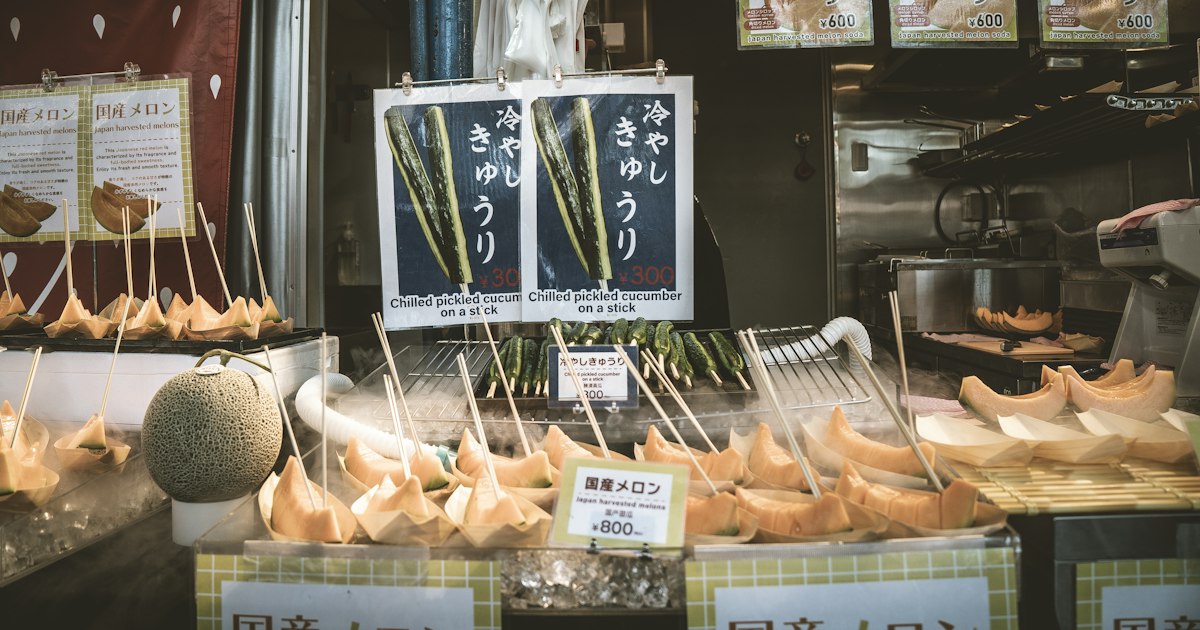
    Photo by Alexandre Valdivia on Unsplash

    If you’ve ever seen a news photo of two melons selling for millions of yen at a Sapporo auction, you’ve met Japan’s strangest luxury category: fruit. Yubari King and Crown melons aren’t just expensive snacks — they’re a cornerstone of Japan’s gift-giving culture, wrapped in straw netting and presented in wooden boxes like jewelry. This guide explains why they cost what they cost, when to go looking for one, where to actually buy one as a visitor, and — importantly — whether you can bring one home.

    What Makes These Melons So Expensive

    Yubari King is a cantaloupe-type muskmelon grown almost exclusively in Yubari, a small city in central Hokkaido known for volcanic, well-drained soil that’s ideal for melon cultivation. Each vine is pruned down to a single fruit so all the plant’s sugar goes into one perfect melon, and farmers hand-check sweetness with a refractometer before anything goes to market. The result is intensely sweet, orange-fleshed fruit with almost no fibrous texture.

    Crown melon comes from Shizuoka Prefecture and is grown in temperature-controlled greenhouses year-round. The name comes from Yamamoto Noen, the Fujinomiya-based grower who registered “Crown Melon” as a brand in the 1960s — each one still gets a small crown-shaped leaf tag as a seal of authenticity. Crown melons are the classic choice for Tokyo-area depachika gift counters, while Yubari King is the Hokkaido specialty most associated with the headline-grabbing auctions.

    The famous first-of-season auction at Sapporo’s central wholesale market is a marketing event as much as a sale — a pair of the season’s first Yubari King melons has fetched as much as 5 million yen (roughly $45,000) in a record year, 2019. Those auction melons are bought by hotels, restaurants, and companies purely for the publicity; the actual melons most shoppers buy cost a tiny fraction of that.

    When to Buy: Season and Timing

    Yubari King season runs from late May through September, with peak quality and peak availability from mid-June through July. The first-of-season auction happens in late May, but the melons sold at that auction are the absolute earliest harvest — ordinary, excellent-quality fruit becomes widely available a few weeks later. Crown melon, grown in greenhouses, is sold year-round, though quality and selection are best from early summer into autumn.

    If your trip lands outside peak Hokkaido melon season, you’ll still find Crown melons at Tokyo and Osaka department stores any time of year — just expect Yubari King selection to thin out from autumn through spring.

    Japan’s Gift-Giving Culture Around Melons

    Melons sit near the top of Japan’s seasonal gift hierarchy, alongside premium wagyu and sake, because of two mid-year and year-end gift traditions: ochugen (mid-summer gifts, typically sent in July) and oseibo (year-end gifts, sent in December). A beautifully boxed melon signals real respect — for a boss, a client, a doctor, or in-laws — in a way that’s hard to replicate with cheaper gifts. This is also why department stores will gift-wrap and ship a melon directly to the recipient’s address for a small additional fee, usually 500–1,500 yen, rather than handing you a loose piece of fruit.

    Where to Buy One in Japan

    You don’t need to travel to a farm to buy an excellent melon. The easiest option is a depachika — the gourmet food basement of a major department store. Isetan Shinjuku, Takashimaya Shinjuku, and Mitsukoshi Nihombashi all stock Yubari King and Crown melons in season, individually boxed with prices clearly marked.

    For something more theatrical, visit Senbikiya, Japan’s oldest fruit specialty retailer (founded in 1834), which has boutique-style shops in Nihonbashi, Ginza, and Shinjuku. Senbikiya sells boxed melons for gifting and also runs fruit parlors where you can eat a few slices or a melon parfait without committing to a whole fruit.

    If you’re actually in Hokkaido, Yubari itself is worth the detour. JA Yubari’s direct sales outlets and the roadside “Yubari Melon Dome” area sell fresh melons and melon soft-serve straight from the growing region, generally at better prices than you’ll find in Tokyo. Note that the old rail line into Yubari was discontinued in 2019 and replaced by bus service, so the easiest route from Sapporo is a direct bus or rental car, about 1.5 hours each way. If Hokkaido is on your itinerary, pairing a melon stop with a day in Otaru or stocking up on regional snacks at a Seicomart along the way makes for an efficient Hokkaido loop.

    Budget, Mid-Range, and Splurge Options

    You don’t have to spend a fortune. Here’s roughly what to expect:

    • Budget (2,000–4,000 yen): Smaller or slightly imperfect-shaped Yubari King melons sold as “家庭用” (household grade) at Hokkaido supermarkets and direct-sale stands — same flavor, less cosmetic perfection.
    • Mid-range (5,000–12,000 yen): A standard gift-grade Yubari King or Crown melon, properly boxed, from a depachika or Senbikiya. This is the typical price point for an ochugen or oseibo gift.
    • Splurge (15,000–50,000+ yen): Extra-large, perfectly round, highest sweetness-grade melons, often sold as matched gift sets or during the early-season window when supply is tightest. Auction-grade fruit at six or seven figures in yen is essentially a collector’s item and not something you’ll find at retail.

    Can You Ship or Bring One Home?

    This is the part most visitors get wrong. Fresh melons cannot be legally brought into most countries, including the US, EU nations, Australia, and Canada, because of agricultural quarantine restrictions on fresh fruit — there’s no amount of extra customs paperwork that fixes this for a perishable item bought on a casual trip. Assume you will need to eat the melon (or give it to someone) while you’re still in Japan.

    Domestic shipping within Japan is simple and common: department stores and Yubari direct-sale outlets will arrange takkyubin (courier) delivery anywhere in Japan, including to a hotel you’ll be staying at later in your trip or to a Japanese friend or business contact. This is exactly how ochugen and oseibo gifts are typically sent — the giver often never physically hands over the box.

    If you’re hoping to buy a melon online before your trip the way you might shop for crafts or collectibles on Mercari Japan, don’t — fresh fruit isn’t practical to ship internationally through secondhand marketplaces, and most sellers won’t attempt it. Treat Mercari-style platforms as useful for durable goods, not perishables.

    Common Mistakes to Avoid

    • Assuming “Yubari” on the label means genuine Yubari King. Only melons grown by JA Yubari-affiliated farmers under its grading system can legally use the Yubari King name — look for the official sticker.
    • Buying a melon at the start of a multi-week trip. These are ripe, soft fruit, not souvenirs — buy near the end of your trip or arrange direct shipping to your final hotel.
    • Expecting airport duty-free shops to stock them. Fresh melon isn’t a typical airport item; buy from a depachika or direct-sale outlet instead, and plan to eat it well before you fly.
    • Confusing the auction headline price with the retail price. The millions-of-yen auction melons are a tiny, symbolic batch — everyday Yubari King and Crown melons are genuinely affordable luxury, not unattainable.

    A good melon won’t fit in your suitcase, but understanding why it costs what it costs — and how it fits into Japan’s gift-giving calendar — is its own small window into how seriously the culture takes thoughtful, seasonal giving.

  • Monzen-Nakacho: Tokyo’s Quiet Neighborhood Between Kiyosumi Gardens and the Sumida River

    Monzen-Nakacho: Tokyo’s Quiet Neighborhood Between Kiyosumi Gardens and the Sumida River

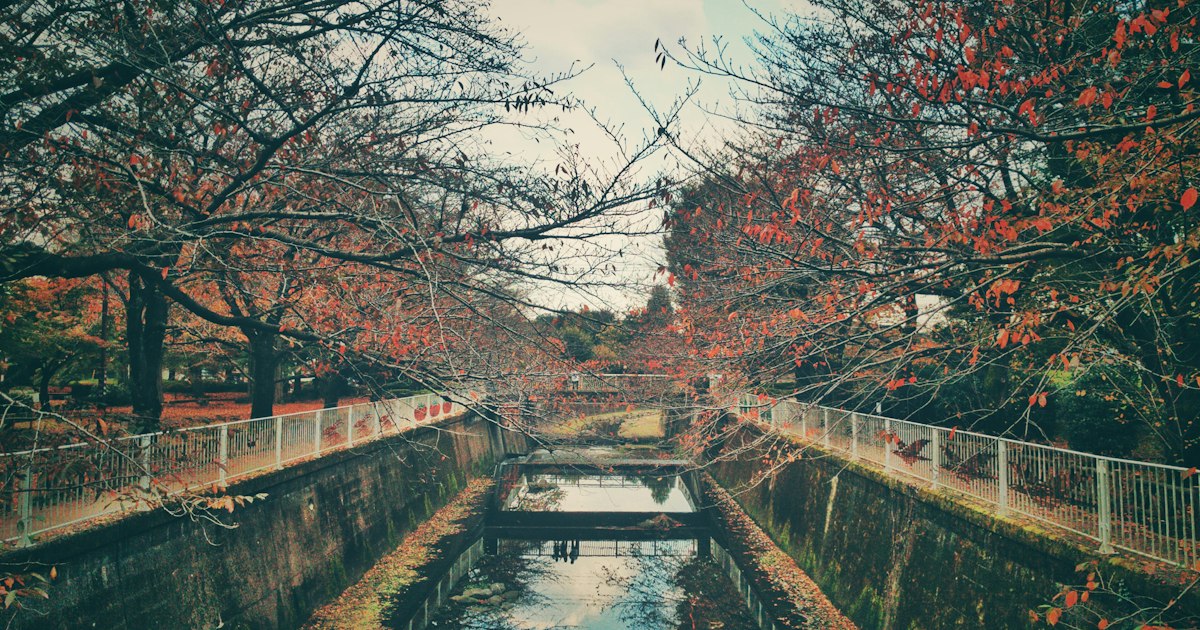
    Photo by El Salanzo on Unsplash

    Most first-time visitors to Tokyo never make it east of the Sumida River, and that’s exactly why Monzen-Nakacho is worth the detour. This Koto City neighborhood grew up around a shrine gate (the name literally means “in front of the gate”) and still feels like a working Tokyo district rather than a tourist set piece — shopping arcades selling senbei and tsukudani, old timber-merchant canals, and a Japanese garden that rarely gets crowded even on weekends. It pairs naturally with a half-day loop that takes in Kiyosumi Gardens, a historic shrine and temple, and a stretch of the Sumida River.

    Getting There

    Monzen-Nakacho Station is served by two lines: the Tokyo Metro Tozai Line and the Toei Oedo Line. From Otemachi or Nihonbashi, it’s about 7–10 minutes on the Tozai Line; from Shinjuku, figure roughly 20–25 minutes via the Oedo Line. If you’re coming straight from the airport, check Narita to Haneda (and Back): Routes, Time & Cost Compared first, since your arrival airport determines whether a quick transfer through Tokyo or Nihonbashi stations makes more sense before heading out this way.

    One nuance worth knowing in advance: Kiyosumi Gardens is actually closer to Kiyosumi-Shirakawa Station (Toei Oedo Line / Tokyo Metro Hanzomon Line, one stop from Monzen-Nakacho), about a 3-minute walk from exit A3. Monzen-Nakacho Station is the right stop for the shrine, temple, and shopping street, but if the garden is your main goal, riding one extra stop saves a 15-minute walk.

    Kiyosumi Gardens: A Quiet Edo-Era Stroll

    Kiyosumi Gardens (清澄庭園) is a strolling garden built around a central pond, originally developed in the Meiji era on the site of an Edo-period merchant’s villa. It’s small enough to cover in 45–60 minutes but landscaped with enough variety — stepping stones across the water, a teahouse, stone lanterns, and rocks shipped in from around Japan — that it doesn’t feel rushed.

    • Hours: 9:00 AM–5:00 PM (last entry 4:30 PM), open daily except December 29–January 1
    • Admission: ¥150 for adults, ¥70 for visitors 65 and older, free for junior high school age and younger
    • Best for: plum blossoms in February, fresh green in May, and koyo (autumn leaves) in late November to early December

    Unlike Shinjuku Gyoen or Rikugien, Kiyosumi rarely sees tour groups, so it’s a good option if you want garden photos without other people in every frame.

    Tomioka Hachimangu and Fukagawa Fudodo

    Near Monzen-Nakacho Station itself are two adjacent religious sites worth pairing together. Tomioka Hachimangu, founded in 1627, is historically tied to sumo — the shrine grounds hold stone monuments listing the names of every yokozuna champion, a relic of the era when the sport’s early tournaments were held here. On the 1st, 15th, and 28th of every month (weather permitting), the shrine grounds host a sizeable antique and flea market running from early morning until mid-afternoon, free to browse, with vendors selling old ceramics, kimono fabric, and vintage odds and ends.

    Right next door, Fukagawa Fudodo is a striking temple whose main hall is covered in gold Sanskrit characters. Several times a day, priests perform a goma fire ritual — chanting and drumming while burning wooden prayer sticks in front of the altar. It’s loud, dramatic, and free to watch from the hall; if your visit lines up with a session (times are posted at the entrance and shift slightly through the year), it’s worth staying for the full 20–30 minutes.

    Along the Sumida River and Kiba Park

    Kiyosumi Gardens actually borders a canal (Sendaibori) rather than the Sumida itself, but the river is only a few minutes’ walk further east. Eitai Bridge and Kiyosu Bridge both offer unobstructed river views and are far less photographed than the bridges near Asakusa, which makes for a calmer walk at sunset. If you want more green space, Kiba Park, a short ride away on the Tozai Line, is a large riverside park popular with local families and a good cherry blossom spot in late March/early April that doesn’t draw the Ueno-sized crowds.

    Where to Eat: Fukagawa-meshi and Local Favorites

    The neighborhood’s signature dish is Fukagawa-meshi (also called Fukagawa-don) — asari clams simmered in a savory broth and served over rice, sometimes poured tableside like a donburi. It’s a working-class Edo-period fisherman’s dish that’s survived at a handful of long-running restaurants near the shrine, with set meals typically running ¥900–¥1,600. For a faster, cheaper option, the shopping arcade near the station has standing noodle counters and bakeries; if you’re the type who likes Tokyo’s quicker counter-dining culture in general, Tachigui Sushi: Tokyo’s Standing Sushi Bars for a Fast, Affordable Meal covers that style of eating elsewhere in the city. On a cooler day after a garden walk, a bowl of warm red bean soup is a good way to thaw out — see Zenzai & Oshiruko: Japan’s Warm Red Bean Soup Dessert and Where to Try It for what to order and where it tends to show up on menus.

    Budget: convenience store onigiri and a garden bench, ¥300–500. Mid-range: a Fukagawa-meshi set lunch, ¥900–1,600. Splurge: a multi-course kaiseki dinner at one of the area’s quieter traditional restaurants, which can run ¥8,000–¥15,000 per person — worth reserving ahead since English menus are not guaranteed.

    Best Time to Visit

    Spring (late March–early April) and autumn (mid-November to early December) are the strongest windows, when the garden and riverside trees are at their best and temperatures are comfortable for walking. Summer is viable but humid with little shade along the river. If you’re planning around Japan’s broader holiday calendar, note that late September’s Silver Week can bring extra domestic travelers through Tokyo generally; see Japan’s Silver Week: The Autumn Holiday Cluster and How to Plan Around It if your trip overlaps with it, though Monzen-Nakacho itself stays noticeably calmer than central Tokyo even then.

    Common Mistakes to Avoid

    • Getting off at the wrong station for the garden. Kiyosumi Gardens is a short walk from Kiyosumi-Shirakawa Station, not Monzen-Nakacho Station — save yourself the extra 15 minutes.
    • Showing up on a non-market day expecting stalls. The Tomioka Hachimangu flea market only runs on the 1st, 15th, and 28th of the month; on other days the shrine grounds are quiet and stall-free.
    • Confusing this with Tsukishima’s monjayaki district. Monjayaki’s famous “Monja Street” is one Oedo Line stop away in Tsukishima, not in Monzen-Nakacho itself — easy to combine in one afternoon, but they’re different neighborhoods.
    • Expecting English signage everywhere. This is a genuinely local district; menus and shop signs are mostly Japanese-only, so a translation app helps more here than it would in Asakusa or Shibuya.
    • Visiting the garden right at closing. Last entry is 30 minutes before closing, and staff do enforce it — aim to arrive at least an hour before the 5:00 PM cutoff.

    Monzen-Nakacho won’t fill a full day on its own, but as a half-day add-on to a Tokyo itinerary — especially if you’re already heading toward Tsukishima, Kiba, or the Sumida River area — it offers a version of “old Tokyo” that most visitors skip entirely.

  • Seicomart: Hokkaido’s Beloved Local Convenience Store Chain

    Seicomart: Hokkaido’s Beloved Local Convenience Store Chain

    Photo by Edward Howell on Unsplash

    Walk into a Seicomart in Sapporo, Hakodate, or a tiny fishing town on the coast, and you’ll notice something different from the 7-Eleven or FamilyMart you’ve seen everywhere else in Japan. The shelves carry local milk and cheese from Hokkaido dairy farms, the hot food counter smells like an actual kitchen rather than a microwave, and the staff often know regular customers by name. Seicomart isn’t trying to be a national chain — it’s Hokkaido’s own, and for decades it has quietly out-charmed the giants on their own turf. If you’re spending any time on Japan’s northernmost main island, it’s worth knowing what makes this chain worth a detour.

    What Makes Seicomart Different

    Seicomart was founded in Sapporo in 1971 and has grown to more than 1,100 stores, almost all of them in Hokkaido (with a smaller cluster in Saitama and Ibaraki on Honshu). What sets it apart is vertical integration: Seicomart owns its own dairy processing plant, bakery, and food factories in Hokkaido, so a surprising amount of what’s on the shelf — milk, yogurt, bread, bento fillings — was sourced and made within the same prefecture you’re standing in. That’s also why the chain has topped Japan’s national convenience store customer satisfaction survey for well over a decade running, beating 7-Eleven, Lawson, and FamilyMart despite being a regional player.

    Prices tend to run a notch cheaper than the national chains, especially on dairy, hot food, and in-house bakery items, because Seicomart isn’t paying as much in supply-chain markup for Hokkaido-made goods.

    The Hot Chef Counter: Seicomart’s Secret Weapon

    Most convenience stores reheat pre-made food. Seicomart’s “Hot Chef” counter actually cooks in-store — fried chicken, croquettes, hot dogs, oden in winter, and fresh onigiri are prepared on site through the day rather than shipped in frozen and microwaved. The fried chicken (often sold as karaage or a tartar-sauce-topped cutlet) typically runs ¥120–¥180 per piece, and a hot dog or croquette is similarly priced. If you’ve already compared the rivalry between FamilyMart’s Famichiki and Lawson’s Karaage-kun, Seicomart’s Hot Chef items are worth trying as a third contender — see our breakdown in Famichiki vs Karaage-kun: Japan’s Convenience Store Fried Chicken Rivalry for how conbini fried chicken culture works nationwide, then taste-test Seicomart’s version against it.

    A full bento box with rice, a protein, and sides generally costs ¥450–¥700, which is noticeably cheaper than what you’d pay at a Honshu conbini for a comparable box.

    Hokkaido-Only Treats Worth Seeking Out

    A few items are specific to Seicomart and worth hunting down:

    • Soft-serve ice cream — made with Hokkaido milk, usually ¥150–¥250, and noticeably creamier than standard conbini soft serve.
    • Secoma private-label dairy — milk, yogurt, and pudding under the “Secoma” house brand, priced ¥180–¥300 and genuinely good, since it comes from the company’s own Hokkaido processing plant.
    • Local bread and pastries — baked fresh via Seicomart’s in-house bakery arm rather than trucked in from Honshu.
    • Regional seasonal snacks — look for melon, corn, or potato-based items in summer and autumn tied to Hokkaido’s harvest seasons.

    None of these are flashy souvenirs, but they’re some of the most honest, cheap eating you’ll find on the island — a nice contrast to standing-bar meals like the ones described in Tachigui Sushi: Tokyo’s Standing Sushi Bars for a Fast, Affordable Meal, which covers another fast, budget-friendly way to eat well in Japan without a restaurant reservation.

    Where to Find One, and When It’s Open

    Seicomart stores are everywhere in Hokkaido’s cities — Sapporo, Hakodate, Asahikawa, and Otaru all have multiple locations within walking distance of train stations. If you’re visiting the canal district covered in our Otaru: Hokkaido’s Canal Town of Glassblowing and Music Boxes guide, there’s a Seicomart a short walk from Otaru Station — a good stop for a cheap breakfast or coffee (Seicomart’s drip coffee is usually around ¥100–¥150) before a day of glass-shop browsing.

    A common mistake is assuming every Seicomart is open 24 hours, the way most urban conbini are. Many Sapporo and Hakodate branches do run around the clock, but a fair number of rural and small-town stores keep shorter hours — often roughly 7:00 to 23:00 or similar — especially outside the main cities. Don’t plan a late-night snack run around a Seicomart in a small town without checking the posted hours on the door or via a map app first. Also note that Hot Chef items are made fresh in batches through the day, so the fried chicken and hot dogs are best in the late morning through evening; very early or very late, the counter selection thins out.

    Budget, Mid-Range, and Splurge Picks

    Budget: A Hot Chef piece of fried chicken (¥120–¥180) plus a rice ball (¥120–¥150) and a bottle of Secoma milk (¥180–¥250) gets you a filling snack for under ¥600.

    Mid-range: A full bento box (¥450–¥700) with a soft-serve cone (¥150–¥250) afterward makes a legitimate lunch for around ¥700–¥900 — hard to beat anywhere else in Hokkaido.

    Splurge (relatively speaking): Seicomart occasionally stocks limited-edition Hokkaido seafood onigiri, crab-based snacks, or seasonal regional bento featuring local seafood or produce, which can run ¥600–¥900 for a single item but offer flavors you won’t find in a Tokyo conbini. These sell out fast, so grab them when you see them rather than planning around them.

    Best Season and Timing Tips

    Seicomart’s seasonal food rotation is genuinely tied to Hokkaido’s harvest calendar — corn and melon items appear in summer, root vegetable and hot oden items pick up from autumn through winter. If your Hokkaido trip falls around Japan’s autumn holiday cluster, it’s worth reading Japan’s Silver Week: The Autumn Holiday Cluster and How to Plan Around It, since domestic travel surges during that period and even Seicomart’s popular Hot Chef items can sell out faster than usual in tourist-heavy towns. Outside of holiday weeks, there’s no bad time to visit — the chain’s appeal is everyday reliability rather than a seasonal spectacle.

    Common Mistakes to Avoid

    Don’t confuse Seicomart with Seico Mart’s occasional regional variations in product lineup — stock differs store to store depending on local suppliers, so if a specific Secoma dairy item isn’t at one branch, try another nearby. Also, don’t rush past the Hot Chef counter assuming it’s the same reheated food as other chains; ask staff what was just cooked, since items are made in small batches throughout the day and the freshest pick is often not what’s sitting under the warming lamp the longest. Finally, bring small cash or a Japan-compatible IC card — some smaller, older Seicomart locations in rural Hokkaido are slower to adopt every payment method that big-city conbini already support.

    Seicomart won’t show up on most first-time Japan itineraries, but if your trip takes you to Hokkaido, it’s one of the most genuinely local, satisfying ways to eat cheaply and well between sightseeing stops.

  • Otaru: Hokkaido’s Canal Town of Glassblowing and Music Boxes

    Otaru: Hokkaido’s Canal Town of Glassblowing and Music Boxes

    Photo by KWON YOUN on Unsplash

    Thirty minutes west of Sapporo by train, Otaru trades the city’s grid of department stores for a stone canal lined with converted warehouses, gas lamps, and glass shop after glass shop. It’s an easy half-day or full-day trip, but the towns that work best as day trips are also the ones people rush through — Otaru rewards a bit of pacing, especially once you factor in the glassblowing studios, the music box halls, and a sushi scene good enough that locals from Sapporo drive out just to eat here.

    Getting to Otaru from Sapporo and New Chitose Airport

    From Sapporo Station, take the JR Rapid Airport (Kaisoku Airport) line bound for Otaru or New Chitose Airport — it takes about 32 minutes and costs around ¥640 one-way for an unreserved seat. Slower local trains run the same route for the same base fare, just taking closer to 50–60 minutes, which is a fine trade if you’re not in a hurry. Trains run roughly every 15–20 minutes, so there’s no need to pre-book.

    Coming straight from New Chitose Airport, you can take a direct Rapid Airport train to Otaru without changing at Sapporo — budget around 70–80 minutes and roughly ¥2,000 one-way. If you’re arriving from Narita or Haneda first, note that domestic connections to New Chitose are a separate leg entirely; it’s worth checking Narita to Haneda (and Back): Routes, Time & Cost Compared if your itinerary involves switching Tokyo airports before heading north.

    Otaru Station itself is a short, mostly downhill 10–15 minute walk to the canal — easy, but worth knowing if you’re hauling luggage, since the last stretch has stairs.

    Walking the Canal: What to See and When

    The Otaru Canal was built in 1914 to let cargo boats unload directly into the brick and stone warehouses that still line its banks. Today those warehouses hold cafés, glass shops, and a brewery, and the canal itself is at its best in two windows: early morning, before the tour buses from Sapporo arrive (typically mid-morning onward), and after dark, when around 60 gas lamps light the water. Both ends of the canal path are free to walk at any hour.

    A 40-minute canal cruise runs during the day and in the evening for around ¥2,000 per adult — pleasant, but skippable if your budget’s tight, since you can see most of the same scenery on foot for free. The evening lamplight is genuinely photogenic, and if you’re the type who likes a physical print rather than just a phone photo, it’s a good excuse to bring along an instant camera — see Instax Cheki Culture: Japan’s Instant Camera Craze and Where to Buy Film if you need film while you’re in Hokkaido.

    Don’t skip the former Bank of Japan Otaru Museum, a five-minute walk from the canal — free admission, open 9:30–17:00, closed Mondays. Otaru was once a major financial hub for Hokkaido’s herring and coal trade, and the old vault and banking hall are worth the detour even if banking history isn’t normally your thing.

    Kitaichi Glass and Otaru’s Glassblowing Tradition

    Otaru’s glass industry didn’t start as souvenirs — it started with oil lamps and the glass floats (bidama/uki) used by local herring fishermen to keep their nets afloat. When the fishing industry declined and electric lighting replaced oil lamps, glassmakers pivoted to tableware, lamps, and ornaments, and that’s the industry you see today along Sakaimachi Street.

    Kitaichi Glass (Kitaichi Garasu), founded in 1901, is the biggest name and has several shop buildings scattered within a few minutes’ walk of each other, generally open from around 8:45 or 9:00 AM to 6:00–7:00 PM. The main Sangokan building, lit by hundreds of oil lamps, is worth visiting even if you don’t buy anything.

    Several studios, including Kitaichi and smaller independent glassblowing workshops nearby, offer hands-on experiences where you make your own paperweight, cup, or small vase under a craftsperson’s guidance — expect roughly ¥3,300 to ¥6,600 depending on the piece, with sessions taking 20–40 minutes plus cooling/pickup time (some pieces ship home instead of being handed to you same-day). Reserve ahead in peak summer and around the February festival, since slots fill up with day-trip tour groups.

    Otaru Orgel Hall and the Music Box Shops of Sakaimachi Street

    A few steps from the glass shops, Otaru Orgel Hall occupies a 1912 building with a steam clock replica out front that whistles and puffs on the hour. Entry is free; you’re browsing a working music box shop and small museum rather than a paid attraction. Hours run roughly 9:00–18:00. Inside, you can build or customize a music box — picking the mechanism, the figures on top, and the music — for somewhere between ¥2,000 and ¥5,000 depending on complexity, making it one of the more personal souvenirs you’ll find in Japan. A second, smaller antique hall nearby displays vintage European and Japanese music boxes, some over a century old.

    If you’re generally drawn to Japanese craft shopping, Otaru’s glass and music box trade sits alongside a broader world of regional specialty goods — similar in spirit to guides like Obi Belts: A Buying Guide to Japan’s Kimono Sashes as Everyday Fashion Accessories, if you want to round out a souvenir list with something wearable too.

    Best Time to Visit

    Summer (July–August) is the busiest season, partly because Otaru is a regular stop for cruise ships docking in Hokkaido, which can flood Sakaimachi Street with foot traffic by midday. Spring and early autumn are quieter and comfortable for walking. If your trip falls during Japan’s autumn holiday cluster, it’s worth checking Japan’s Silver Week: The Autumn Holiday Cluster and How to Plan Around It, since domestic tourism spikes nationwide during that window and Otaru is a popular Hokkaido stop for it.

    Winter brings the Otaru Snow Light Path Festival (Yuki Akari no Michi), usually held in mid-February, when snow lanterns and candles line the canal and a disused rail line nearby. It’s the town’s most atmospheric moment, but temperatures regularly sit well below freezing — dress for it, and expect some shops to keep shorter hours in deep winter.

    Where to Eat: Otaru’s Sushi Streets

    Otaru’s harbor still lands excellent seafood, and the town has two sushi-dense streets, Sushiya-dori and Dekimachi-dori, within walking distance of the station. Budget-wise, a casual sushi set lunch runs around ¥1,500–2,500, a solid mid-range omakase is roughly ¥5,000–8,000, and the top-tier counters known for uni and seasonal Hokkaido catch can run ¥10,000–15,000 or more per person. If you’d rather eat on the move before browsing glass shops, a quick seated counter meal works the same way as Tokyo’s standing sushi culture described in Tachigui Sushi: Tokyo’s Standing Sushi Bars for a Fast, Affordable Meal — fast, no-frills, and good value.

    Common Mistakes to Avoid

    • Coming only as a rushed midday stop. Tour buses cluster between late morning and early afternoon; arriving before 10 AM or staying until the gas lamps light up gives a much calmer experience.
    • Not booking a glassblowing slot ahead in peak season. Walk-in availability shrinks fast in summer and during the February festival.
    • Underestimating winter cold. Canal-side wind off the harbor makes February feel colder than the thermometer suggests.
    • Assuming everything opens early. Most Sakaimachi Street shops open around 9:00–9:30 AM, so an 8 AM arrival means waiting around before shops are ready.
  • Tachigui Sushi: Tokyo’s Standing Sushi Bars for a Fast, Affordable Meal

    Tachigui Sushi: Tokyo’s Standing Sushi Bars for a Fast, Affordable Meal

    Photo by Hennie Stander on Unsplash

    In a city where a single omakase dinner can run past ¥30,000, Tokyo’s standing sushi bars are the antidote: fresh, market-grade sushi eaten on your feet in fifteen minutes for the price of a casual lunch. Tachigui-zushi (立ち食い寿司, literally “stand-and-eat sushi”) strips away the ceremony of a traditional sushi counter — no reservations, no multi-course omakase, often no seats at all — and replaces it with speed, volume, and prices that make daily sushi habits realistic even on a travel budget. Here’s how the system works and where to try it.

    What Tachigui Sushi Actually Is

    Standing sushi bars grew out of Tokyo’s wholesale fish market culture, where workers needed good sushi fast, before or after their shifts. The format stuck because it solves a real problem: sushi is expensive mainly because of labor, rent, and the time a customer occupies a seat. Remove the seat, speed up the turnover, and a chef can serve far more customers per hour at a much lower price per plate. You’ll usually order one or two pieces at a time rather than a fixed set menu, pay as you go or settle up at the end, and eat standing at a narrow counter — sometimes under 10 minutes, sometimes lingering for 30 if the shop allows it.

    Quality varies by shop, but the better-known chains use the same wholesale seafood routes as their sit-down counterparts, just with less overhead. It’s a genuinely different economic model, not a “budget” version of sushi in terms of taste.

    Where to Find the Best Ones in Tokyo

    Uogashi Nihon-Ichi (魚がし日本一) is the chain most associated with the format. It began near the old Tsukiji market and now has branches scattered across the city, including Shimbashi, Shibuya, Ikebukuro, and locations near Toyosu Market. Individual plates (usually one or two pieces of nigiri) typically run from around ¥100 for everyday items like tamago or kanpyo up to ¥400–¥600 for premium cuts like uni, otoro, or seasonal specials. Most branches open early — some from 7:00 or 7:30 — catering to market workers and early risers, and close by late afternoon or evening depending on the location.

    Standing Sushi Bar, run by the Genki Sushi group, is the more tourist-friendly option, with English menus, credit card acceptance, and locations in Shibuya and Shinjuku within easy walking distance of the stations. It’s less about market authenticity and more about convenience for visitors who want good sushi without navigating an all-Japanese menu.

    If you’re visiting the current Toyosu Market (which replaced Tsukiji’s wholesale functions in 2018), the surrounding complex and the nearby Tsukiji outer market still have several standing and quick-counter sushi options worth checking once you’re there, since opening hours and shop names shift more often than sit-down restaurants.

    How to Order: A Step-by-Step Guide

    The etiquette differs from a conventional sushi restaurant, and knowing it in advance avoids an awkward first visit:

    • Find a spot at the counter. There are no seats, no waiting list, and often no reservations — you simply walk up to an open space.
    • Order directly from the chef, usually one or two pieces at a time rather than a full set, by pointing at the display case or reading a posted price list.
    • Pay as you go or keep a running tab, depending on the shop — ask “o-kaikei wa?” (how do I pay?) if you’re unsure, since some places expect cash per item and others total up at the end.
    • Eat promptly and move on. Standing bars run on turnover; lingering for an hour isn’t really the point, and during lunch rush you may feel gentle pressure to free up space.
    • Bring cash as a backup. Market-adjacent, old-school shops like Uogashi Nihon-Ichi can be cash-only or card-limited; the more tourist-oriented chains accept cards and sometimes IC transit cards.

    Budget, Mid-Range, and Splurge Picks

    Budget (¥800–� ¥1,500 total): Stick to Uogashi Nihon-Ichi basics — tamago, kappa maki, ika, and a few value nigiri — and you can eat well for the price of a convenience store meal upgrade. It’s a similar value logic to the fast-casual chains covered in our guide to ordering at Marugame Seimen, where you build a cheap meal piece by piece instead of paying for a fixed course.

    Mid-range (¥2,000–¥3,500): Mix in otoro, uni, and seasonal fish at either chain, or try a few of the chef’s recommended items of the day — often chalked up separately and tied to what came in at the market that morning.

    Splurge (¥4,000+): Some standing bars near Toyosu offer a short omakase-style tasting even without seats — a handful of the best cuts of the day served in sequence. It won’t match a seated ¥20,000+ omakase experience, but for a quick, high-quality seafood splurge between sightseeing stops, it’s a reasonable middle ground. If grilled river fish rather than raw sushi is more your interest, our piece on ayu, Japan’s grilled sweetfish, covers a different seasonal seafood specialty worth seeking out.

    Best Time to Go, and Mistakes to Avoid

    Morning is genuinely the best time for tachigui sushi, especially at market-linked shops — fish is freshest right after the wholesale auctions, and the shops themselves are often built around an early-morning customer base, closing by mid-afternoon or early evening. Arriving at 7:30–9:00am avoids both the thinnest selection (late in the day, popular cuts sell out) and the worst lunchtime crowding, which peaks around 12:00–13:00 near business districts like Shimbashi.

    Common mistakes: showing up at 2pm expecting full variety (many choice items are gone), assuming every shop takes cards (many market-style ones don’t), and treating it like a sit-down restaurant by camping at the counter during a lunch rush. Another one: skipping the posted daily specials board because it’s in Japanese only — these often include the best seasonal fish, and pointing works fine if you can’t read it.

    Getting There and Practical Tips

    Shibuya, Shimbashi, and Ikebukuro branches sit within a five-minute walk of their respective JR or subway stations, making them easy to slot between sightseeing stops rather than a dedicated trip. If your itinerary includes a Toyosu Market morning visit, pair it with a standing sushi breakfast before heading elsewhere — the market itself is a short ride from central Tokyo via the Yurikamome line from Shimbashi. For travelers arriving or departing via Narita or Haneda, it’s worth checking our comparison of routes between Narita and Haneda if your flights land at one airport and depart from the other, since both connect reasonably well into central Tokyo where most standing sushi bars are located.

    If seafood specialties are a trip theme for you, it’s also worth reading about Shimonoseki, Japan’s pufferfish capital, for a very different, more formal seafood experience outside Tokyo. But for a fast, honest, no-frills taste of what makes Tokyo’s sushi culture work — the market connections, the speed, the respect for the fish over the ceremony — a standing counter is one of the most efficient ways to spend a half hour and a few hundred yen.

  • Famichiki vs Karaage-kun: Japan’s Convenience Store Fried Chicken Rivalry

    Famichiki vs Karaage-kun: Japan’s Convenience Store Fried Chicken Rivalry

    Photo by Frank Huang on Unsplash

    Ask any Japan regular where to find the country’s best fast food and you’ll get the same two answers, usually argued about with surprising passion: Famichiki, the single golden fillet sold at FamilyMart, and Karaage-kun, the bite-sized nuggets sold at Lawson. Both are convenience store fried chicken, both cost less than a coffee, and both have loyal followings that border on tribal. If you’re spending any real time in Japan, you will walk past dozens of these stores, and knowing what you’re looking at — and how to order it without fumbling — will save you confusion and get you a better snack.

    What Makes Famichiki and Karaage-kun Different

    Famichiki, sold exclusively at FamilyMart, is one large boneless chicken thigh fillet, battered and fried to order (or kept warm in a heated case) and handed over in a small paper sleeve. It’s juicy, thick, and meant to be eaten in a few big bites — closer to a fast-food chicken sandwich patty than nugget-style karaage. It was introduced in 2006 and has become one of FamilyMart’s signature products, with the chain selling hundreds of millions of pieces a year.

    Karaage-kun, sold exclusively at Lawson, is the older of the two, launched back in 1986. It comes in a small paper bag of five bite-sized pieces rather than one fillet, and it’s designed to be eaten with a wooden pick or your fingers while walking. The chicken is marinated before frying, so the flavor goes deeper into the meat rather than sitting mostly in the crust. Lawson leans hard into the branding too — Karaage-kun has its own cartoon mascot and even its own commemorative merchandise over the years.

    In short: Famichiki is one big juicy piece built for a quick, filling bite; Karaage-kun is a shareable, snackable bag with more complex marinated flavor. Neither is “better” — they’re built for slightly different cravings.

    How to Order (and What to Expect)

    Both are sold from a heated glass case near the cash register, usually next to the oden pot in winter or iced drinks in summer. You don’t need much Japanese — point and say “Famichiki, onegaishimasu” or “Karaage-kun, onegaishimasu” and the staff will grab one with tongs and bag it. At busier stores near train stations, staff may ask if you want a sauce packet (mayo or spicy mayo is common with Famichiki) — nod or say “hai” if you want it.

    If you’ve already used a self-service ordering system like the ones at Marugame Seimen, this is far simpler by comparison — there’s no tray line or customization menu, just a case, a clerk, and a quick exchange at the register.

    Price, Portion Size, and Value

    Prices tick up periodically with inflation, so treat these as ballpark figures rather than fixed numbers: a single Famichiki fillet typically runs somewhere in the ¥230–280 range (tax included), while a five-piece bag of Karaage-kun (the “Red,” spicy original) is usually a touch cheaper, often ¥210–260 for the pack. Per-bite, Karaage-kun is arguably the better value if you’re sharing or just want a few bites; Famichiki is better value if you want one substantial snack that functions almost like a light meal.

    Budget move: either one, eaten standing at the counter or on a park bench, is one of the cheapest hot proteins you’ll find in Japan. Mid-range: pair it with a convenience store rice ball and canned coffee for a full meal under ¥600. Splurge: some FamilyMart locations sell a “Famichiki” sandwich or a double-size version during promotions — worth grabbing if you see it, since it’s not always on the menu.

    Flavor Variations and Seasonal Specials

    Karaage-kun’s lineup includes the original spicy “Red,” a milder “Shio” (salt) version sometimes called “L,” a cheese flavor, and rotating limited editions — curry, plum-and-shiso, and regional collaborations have all appeared over the years. Lawson treats these rotations like seasonal events, so if a flavor you tried last trip isn’t there this time, that’s normal.

    Famichiki’s standard version is a straightforward savory fried chicken, but FamilyMart also runs its own limited flavors and spin-offs — a spicier “Famichiki Red,” cheese-stuffed versions, and occasional collaborations tied to anime or other brands. Both chains announce new flavors on in-store posters and at the register display, so it’s worth glancing at the case even if you think you know what you want.

    Best Time to Buy for Maximum Freshness

    Convenience stores are open 24 hours at most locations (a shrinking number have scaled back late-night hours due to staffing, mostly in smaller towns), but freshness depends on cook batches, not store hours. The best windows are right around lunch (11:30am–1pm) and early evening (5pm–7pm), when staff restock the warmer most frequently to meet demand from office workers and students. Late at night, chicken may have been sitting in the case for longer, and at very quiet rural stores in the early morning, the case may be empty until the next batch is fried. If you’re near a major train station, turnover is fast enough that freshness is rarely an issue.

    Common Mistakes Travelers Make

    • Assuming they’re interchangeable. Walking into a Lawson expecting Famichiki (or vice versa) — they’re chain-exclusive, so plan around whichever store is actually in front of you rather than hunting for a specific brand across town.
    • Skipping the sauce. Famichiki is often sold with an optional mayo or spicy mayo packet that isn’t automatically included — ask if you want it.
    • Not checking spice level. Karaage-kun “Red” has a mild kick that can surprise people expecting plain fried chicken; the “Shio/L” version is the safer bet for kids or spice-sensitive travelers.
    • Eating it cold on purpose to save for later. Both are genuinely best eaten within minutes of purchase — the crust softens quickly, so this isn’t great take-back-to-the-hotel food.
    • Forgetting cash isn’t required. Nearly all FamilyMart and Lawson locations take IC transit cards (Suica, Pasmo, ICOCA) and most major credit cards, so there’s no need to break a bill just for a ¥250 snack.

    Beyond the Big Two: Other Convenience Store and Fast-Food Finds

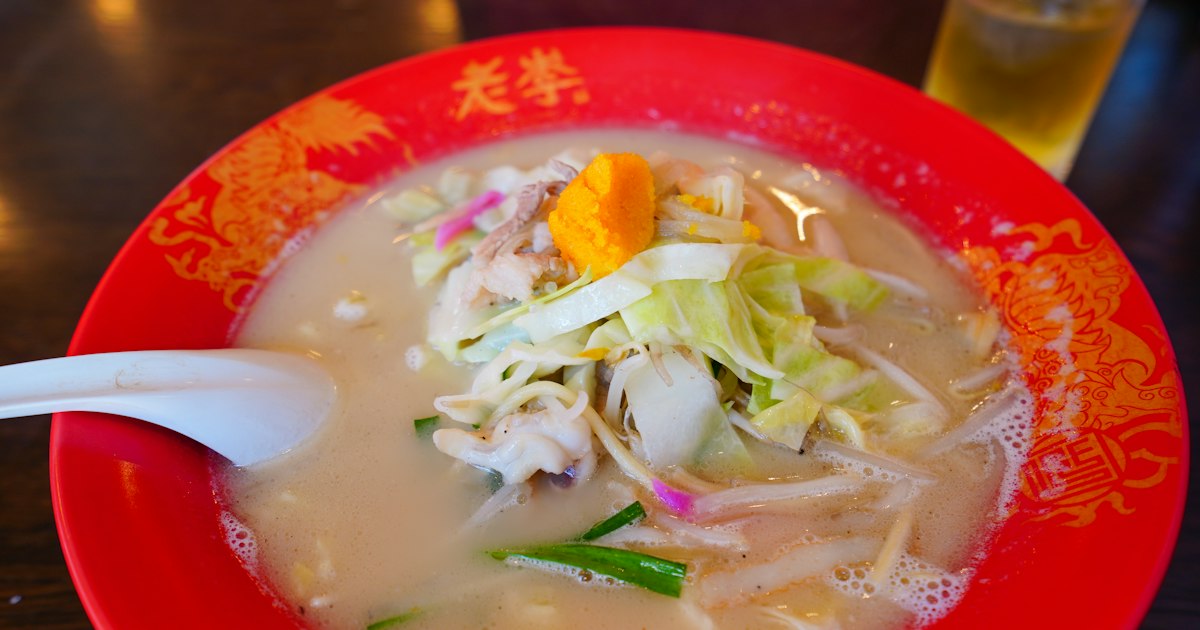
    Seven-Eleven has its own fried chicken, generally less famous than Famichiki or Karaage-kun but worth a try if that’s the store you’re near. And if convenience store food gets you curious about Japan’s other regional comfort dishes, two worth seeking out on a longer trip are Okinawa’s taco rice, a totally different kind of American-influenced comfort food, and Nagasaki’s champon, a seafood noodle dish with its own hybrid origin story. Both make a good contrast to the quick convenience-store bite and show how far Japan’s casual food culture extends beyond what’s sitting in a glass case by the register.

    Ultimately, the Famichiki-versus-Karaage-kun debate isn’t one you need to settle before you land — just try both within the first few days of your trip, pick a side if you want to join the argument, and enjoy one of the easiest, cheapest, and most reliably satisfying snacks Japan has to offer.

  • Beyblade X: Japan’s Spinning-Top Toy Craze and Where to Buy

    Beyblade X: Japan’s Spinning-Top Toy Craze and Where to Buy

    Photo by Jonathan Cosens Photography on Unsplash

    If you’ve walked past a toy store in Japan since mid-2023 and heard a chorus of kids shouting “3, 2, 1, LET IT RIP!”, you’ve stumbled into the Beyblade X craze. Takara Tomy’s spinning-top battle toy has been a Japanese staple since the early 2000s, but the X generation — launched domestically in July 2023 — is a genuine reboot, with new battle mechanics, redesigned stadiums, and a wave of collector interest that’s pulled in adults as well as kids. Here’s how to actually find and buy it while you’re in Japan, without overpaying or going home with the wrong parts.

    What Is Beyblade X, Exactly?

    Beyblade X is the current core line from Takara Tomy, distinct from the older “Burst” and “Metal Fight” generations that circulated internationally. The big change is a switch to a wider, flatter beystadium with cross-shaped ridges (hence the “X”), plus two launcher types — right-spin and left-spin — that let two tops crash into each other head-on instead of just spinning in the same direction. Beys are modular: you mix and match a Blade, a Ratchet (middle piece, which sets the height and weight balance), and a Bit (the tip, which determines stamina, attack, defense, or balance behavior). This modularity is the whole hook — serious players buy multiple beys just to cannibalize parts for custom combos, which is exactly why there’s now a resale market for individual pieces, not just boxed sets.

    Where to Buy Beyblade X in Japan

    You don’t need a specialty shop — Beyblade X is genuinely everywhere, but selection and stock depth vary a lot:

    • Yodobashi Camera and Bic Camera — both chains carry a surprisingly deep toy section on one of the upper floors, including the full current wave of starter sets and random boosters. Most stores open around 9:30–10:00am and close 9:00–10:00pm.
    • Don Quijote (Donki) — hit or miss on selection but good for late-night runs since many locations stay open very late or 24 hours; prices are occasionally marked up versus electronics retailers.
    • Yamashiroya in Akihabara — a multi-floor toy specialist a short walk from Akihabara Station, with one of the most complete Beyblade X walls in Tokyo, including older and limited-run sets that have vanished elsewhere. Open roughly 10:00am–8:00pm.
    • Akachan Honpo and Ito-Yokado — family-oriented chains that stock the mainstream starter and entry sets at standard retail price, useful if you’re also shopping for other kids’ items.
    • Takara Tomy Mall (official online store) — ships within Japan and is the most reliable source for brand-new releases on launch day, though it requires a Japanese address, so it’s more useful if you’re staying with a local contact or forwarding service.

    If you’re traveling with children and need a break between toy-store stops, it’s worth knowing where the nearest baby-friendly facilities are — see Japan’s baby-friendly facilities for traveling parents for what to expect in department stores and malls.

    What It Actually Costs

    Prices below are typical shelf prices in Tokyo and Osaka as of 2025–2026; expect small regional and retailer variation.

    • Budget (¥600–¥1,100): Random Booster beys (one random bey, no launcher) run about ¥700–¥900. These are how most serious players build up spare parts cheaply.
    • Mid-range (¥1,100–¥2,500): Starter sets (one bey plus a launcher) are the standard entry point, usually ¥1,100–¥1,650. Dual/triple-pack sets with multiple beys run ¥2,000–¥2,500.
    • Splurge (¥3,000–¥6,000+): CX/Deluxe sets that include a compact beystadium, or limited-edition and collaboration beys (anime tie-ins, convention exclusives), can run ¥3,000–¥5,500, and resale prices on genuinely rare limited colors climb well past that on the secondhand market.

    Note that beys and launchers are usually sold separately once you’re past the absolute beginner set — budget for a launcher (around ¥800–¥1,200) if you’re buying loose beys.

    Best Places to See It in Action

    Takara Tomy runs official Beyblade X tournaments and promotional events at large toy retailers and shopping malls throughout the year, often timed around new product waves in spring and autumn; check in-store signage or the official Beyblade X website for dates close to your trip. For casual hands-on play without needing an invite, large entertainment complexes with arcade floors are a good bet — Round1 Stadium locations often have crane games and prize corners stocked with Beyblade merchandise alongside their bowling and arcade floors, which makes for an easy stop if you’re already there for other reasons.

    Best Season and Timing

    New product “waves” typically drop in spring (around March–April) and again in autumn (September–October), which means the freshest stock and the best chance of grabbing limited colorways lines up with those windows. Autumn trips carry a scheduling wrinkle worth knowing about: if your dates overlap with Japan’s late-September holiday cluster, stores in tourist areas get noticeably busier and shelves can run low on hot items faster than usual — see Japan’s Silver Week and how to plan around it if your trip falls in that stretch. Outside of new-release weeks, stock is generally stable year-round, so there’s no bad time to shop for the core lineup.

    Common Mistakes to Avoid

    • Buying international Beyblade Burst parts expecting compatibility. Beyblade X uses a different stadium size and connection system from the older Burst/Metal Fight lines sold overseas — the generations don’t mix.
    • Forgetting the launcher. Loose beys and random boosters don’t include one; if it’s your first purchase, get a starter set instead.
    • Assuming every toy store has stock. Hot sellers move fast in Japan, especially near school holidays. Yamashiroya and the flagship Yodobashi/Bic Camera branches in Tokyo and Osaka are the most reliable for depth of stock.
    • Overpaying at souvenir-adjacent shops. Stick to the mainstream electronics and toy chains listed above for standard retail pricing; airport and tourist-district shops sometimes mark up toys significantly.

    Finding Rare Parts After You Get Home

    If you get hooked and want specific discontinued Bits or limited colorways after your trip, Japan’s secondhand market is the next stop — collectors list individual Beyblade X parts constantly. If you’ve never bought from Japan’s resale apps before, Buying on Mercari Japan from Abroad walks through the basics of using a proxy service to get items shipped internationally, which is how a lot of overseas collectors fill gaps in their sets long after they’ve left Japan.

  • Taco Rice: Okinawa’s American-Influenced Comfort Food and Where to Try It

    Taco Rice: Okinawa’s American-Influenced Comfort Food and Where to Try It

    Photo by Leo Okuyama on Unsplash

    Order “taco rice” anywhere outside Okinawa and you might get a confused look from the kitchen. On the island, though, it’s a staple — a bowl of warm rice topped with seasoned taco meat, shredded cheese, lettuce, tomato, and salsa, eaten with a spoon rather than folded into a tortilla. It’s one of the clearest edible reminders of Okinawa’s decades-long relationship with the US military, and it’s genuinely good, cheap, and easy to find once you know where to look.

    What Taco Rice Actually Is

    Taco rice swaps the tortilla for a bed of steamed white rice, then piles on taco-seasoned ground beef (or pork, or a mix), a handful of shredded lettuce, a few cubes of tomato, melted cheese, and a drizzle of salsa or ketchup-based sauce. Many shops offer a fried egg on top as an add-on, and most places leave a bottle of koregusu — Okinawa’s fiery awamori-steeped chili liquor — on the table so you can heat it up yourself. The flavor profile sits somewhere between American Tex-Mex and Japanese home cooking: familiar, salty, a little sweet, and very filling for the price.

    Where It Began: Kin Town and Parlor Senri

    Taco rice was invented in 1984 by Matsuzo Gibo, owner of a small restaurant called Parlor Senri in Kin Town, a small municipality on Okinawa’s eastern coast right next to Camp Hansen, one of the US Marine Corps bases on the island. Gibo wanted something filling and cheap for young Marines who didn’t have much money or time between duty shifts, so he built taco fillings on top of rice instead of a tortilla. The dish spread from base-adjacent diners into mainstream Okinawan food culture over the following decades, and it’s now sold everywhere from convenience stores to izakaya menus across the prefecture.

    Parlor Senri (パーラー千里) is still open in Kin Town today, serving the original-recipe taco rice for around ¥850–¥950. It’s a modest, old-school diner rather than a polished tourist stop, open roughly 11:00–20:00 most days, though hours can shift without much notice, so it’s worth calling ahead if you’re making a special trip. Kin Town itself has no train access — you’ll need a rental car, and it’s about a 60–75 minute drive north from Naha along the Okinawa Expressway and Route 329.

    Best Places to Try It Without a Rental Car

    If you’re based in Naha or don’t want to drive, you still have good options. King Tacos, a local chain with several locations around the base towns of Kin and Okinawa City, is the most famous name in taco rice and sells a basic order for roughly ¥500–¥650 — cash often preferred, and some branches are stall-style with outdoor seating only. For travelers staying near central Naha, Chatan’s American Village area (accessible by bus from Naha, or by taking the Yui Rail to a station with onward bus connections) has several American-influenced diners and bars serving taco rice alongside burgers and tacos proper, which makes it an easy half-day outing without a car.

    You don’t even need a sit-down restaurant to try it: Okinawan convenience stores, especially Lawson locations, sell taco rice onigiri and bento boxes for about ¥200–¥350, which is a perfectly legitimate (and fast) way to sample the dish if you’re short on time between flights or sightseeing stops.

    Budget, Mid-Range, and Splurge Versions

    • Budget (¥200–¥650): Convenience store onigiri/bento, or a basic plate at King Tacos or a small local diner. Fine for a quick, authentic taste.
    • Mid-range (¥700–¥1,200): Sit-down diners and casual restaurants in Chatan or Okinawa City that add a fried egg, extra cheese, or a side of Okinawan soba. A&W Okinawa — the root beer chain that’s unique to the island — also serves a taco rice plate with onion rings for around ¥900–¥1,100.
    • Splurge (¥1,300+): A handful of resort hotel restaurants and modern Okinawan cafés plate taco rice as a composed dish with premium Okinawan beef, local Agu pork, or an upgraded cheese blend. It’s not a dish with a true “luxury” tier the way kaiseki or wagyu is, so spending more mainly buys you a nicer setting and bigger portions rather than a fundamentally different experience.

    Getting There and Timing Your Visit

    Most of the dish’s heartland — Kin, Camp Hansen’s surroundings, and the central-east coast — requires a rental car, since Okinawa’s rail network is limited to the short Yui Rail line in Naha. If you’re not driving, Chatan and American Village are the practical compromise: reachable by bus, walkable once you’re there, and dense with options. Any season works for eating taco rice itself, but if you’re road-tripping up to Kin Town, avoid the peak of typhoon season (August–September), when heavy rain and occasional road closures can derail day trips. Spring and early winter (outside Japan’s Golden Week and the Silver Week holiday cluster, when domestic tourist traffic spikes) tend to be the calmest times to explore Okinawa’s base towns without crowds or inflated accommodation prices.

    Common Mistakes to Avoid

    • Expecting Mexican flavors: Taco rice seasoning is a Japanese interpretation of Tex-Mex, closer to a mildly spiced ketchup-and-cumin beef than anything from an actual taqueria. Go in expecting Japanese comfort food, not Mexican food, and you won’t be disappointed.
    • Skipping the koregusu: The dish is often served fairly mild. A few drops of the table chili liquor (it’s potent — start with one or two drops) brings it much closer to how locals actually eat it.
    • Assuming every place looks like a restaurant: Some of the best-known spots, including King Tacos branches, are stalls or windows with a few plastic tables outside. Don’t drive past them looking for a storefront.
    • Not checking hours before a long drive: Small, family-run diners in Kin Town and Okinawa City sometimes close early, take irregular holidays, or sell out of ingredients. If a specific shop is the goal of your day trip, call ahead or check recent reviews the morning of your visit.

    Why It’s Worth Seeking Out

    Taco rice is a small, edible piece of Okinawa’s postwar history — a dish born out of necessity near a military base that became a genuine regional comfort food, the way other Japanese regions have turned outside influences and local ingredients into dishes travelers now seek out on purpose, from Nagasaki’s champon to Morioka’s jajamen. It’s cheap, it’s filling, and unlike a lot of “must-try” foods, it’s genuinely hard to find outside Okinawa — so eat it while you’re there.

  • Zenzai & Oshiruko: Japan’s Warm Red Bean Soup Dessert and Where to Try It

    Zenzai & Oshiruko: Japan’s Warm Red Bean Soup Dessert and Where to Try It

    Photo by Zion C on Unsplash

    On a cold afternoon in Japan, nothing fixes a day of walking faster than a bowl of thick, sweet red bean soup with a piece of grilled mochi melting in the middle. It’s called zenzai or oshiruko depending on where you are and what’s in the bowl, and it’s one of the easiest traditional sweets for a foreign visitor to order, eat, and genuinely enjoy — no acquired taste required. Here’s what the names actually mean, how the regional versions differ, and where to find a good bowl without wasting a trip.

    What’s the difference between zenzai and oshiruko?

    Both are made from azuki (red beans) simmered with sugar until they break down into a thick, warm soup, served with mochi or shiratama dango (soft rice flour dumplings). The confusing part is that the two names mean different things depending on the region:

    • In Kanto (Tokyo and the east): oshiruko is any sweet red bean soup, whether it’s smooth (koshian, strained of skins) or chunky. Zenzai specifically refers to a version with little to no liquid — almost a thick paste with whole beans, mochi dropped on top.
    • In Kansai (Osaka, Kyoto and the west): oshiruko means the smooth, strained version, while zenzai means the chunky, liquid version made with tsubuan (coarse bean paste, beans left whole or partly mashed).

    In practice, don’t overthink it ordering — most shop menus clarify with a photo or a short description, and either word will get you a hot bowl of sweet beans with mochi. If a menu lists both, zenzai in Kansai tends to be the heartier, more rustic bowl and oshiruko the silkier one.

    Regional variations worth knowing

    Beyond the Kanto/Kansai naming split, a few regional styles stand out:

    • Izumo zenzai (Shimane Prefecture): Izumo claims to be the birthplace of the word “zenzai” itself, tied to the Jinzaimochi offered at Izumo Taisha shrine. Shops around the shrine serve a version with whole beans and a thinner broth than the Kansai style.
    • Kyoto-style shiratama zenzai: often served with chewy shiratama dango instead of grilled mochi, plus a small dish of pickled vegetables (shiokonbu or similar) on the side to cut the sweetness between bites — a classic pairing at Kyoto’s old-style kissaten (coffee shops) and wagashi sweets counters.
    • Hokkaido-style: given Hokkaido grows most of Japan’s azuki beans, cafes there sometimes serve zenzai with extra-plump, freshly harvested beans, especially in autumn right after the September–October harvest.

    Best season and timing to go

    Zenzai and oshiruko are sold year-round at sweets shops, but they’re treated as a winter comfort food — menus often swap in warm zenzai for summer’s cold anmitsu or kakigori shaved ice around late September or October and keep it through March. If you’re traveling during Japan’s cooler shoulder seasons, this is prime zenzai weather; see Japan’s Silver Week for how the September holiday cluster affects crowds and hours at popular dessert shops. Many specialty shops also only open for a few hours in the afternoon (roughly 11:00–17:00), so check hours before making a special trip, especially for smaller family-run spots that close once the day’s beans run out.

    Where to try it: budget, mid-range, and splurge

    Budget (¥300–¥600): Convenience stores and supermarkets sell canned or retort-pouch oshiruko (just heat and pour) for around ¥150–¥300, and it’s a legitimately decent way to try the flavor on day one. Standing-bar sweets stalls near shrines and old shopping streets (shotengai) often sell a simple cup of zenzai with one mochi for ¥300–¥500.

    Mid-range (¥600–¥1,200): This is where most visitors should eat. Traditional wagashi shops and kissaten serving zenzai or oshiruko as a set with tea typically charge ¥700–¥1,000. Kyoto’s Gion and Kiyomizu-dera approach areas, Tokyo’s Asakusa (especially the Nakamise-dori side streets) and Yanaka Ginza, and Kanazawa’s Higashi Chaya district all have long-running sweets shops with zenzai on the menu, often alongside anmitsu and dango. Look for shops with a noren curtain and a handwritten menu board — these tend to make bean paste in-house daily rather than buying it pre-made.

    Splurge (¥1,200–¥2,500): High-end wagashi houses and ryokan tea rooms sometimes serve zenzai as part of a seasonal kaiseki-style dessert course, with premium Hokkaido Tokachi-region azuki and hand-pounded mochi. A few department store restaurant floors (Isetan, Takashimaya) have dedicated sweets counters where a deluxe zenzai set with extra toppings (kuri chestnut, matcha ice cream) runs ¥1,500–�part2,000.

    How to order and eat it

    If there’s table service, just say “zenzai onegaishimasu” or point at the menu photo. You’ll usually get a lacquered or ceramic bowl, a flat spoon, and sometimes a small cup of hot tea or hojicha on the side — the slight bitterness balances the sugar. Eat the mochi first while it’s soft; it hardens as the bowl cools. If whole mochi feels like a lot, some shops offer a half-size “ko-mochi” portion or shiratama dango instead, which are easier to eat in smaller bites.

    Common mistakes to avoid

    • Confusing it with anko on toast or anmitsu: those are related red-bean sweets but served differently (cold, or spread rather than soup) — if you want the warm soup specifically, say “atatakai” (warm) when ordering, since some shops serve a cold version in summer under the same name.
    • Assuming it’s always very sweet: traditional recipes use less sugar than Western desserts, but mass-market canned versions can be sweeter. If you prefer less sugar, shops that make their own anko daily are usually more balanced than packaged versions.
    • Showing up late at small shops: many wagashi shops sell out of fresh anko and close early, particularly on weekends — arriving by early afternoon is safer than going at 4 or 5pm.
    • Skipping the mochi because it looks like it might be chewy or hard to bite: grilled mochi in zenzai is meant to be soft and stretchy from the hot soup; if it still feels firm, it may need another minute sitting in the broth.

    A simple souvenir option

    If you’d rather bring the flavor home than hunt down a shop, instant zenzai and oshiruko packets (just add hot water) are sold at any supermarket or train station kiosk for ¥150–¥400 per packet, and they pack flat in a suitcase. They’re a good complement to other pantry souvenirs — if you’re already building a Japan snack haul, pair it with something like binchotan charcoal for home cooking or grab a treat after a shopping trip to somewhere like Gotemba Premium Outlets, where food courts often carry a warm bowl during the colder months.