Japan Trove

Author: JapanTrove Editorial

  • Dogo Onsen: Matsuyama’s Ancient Bathhouse and Ehime’s Hot Spring Town

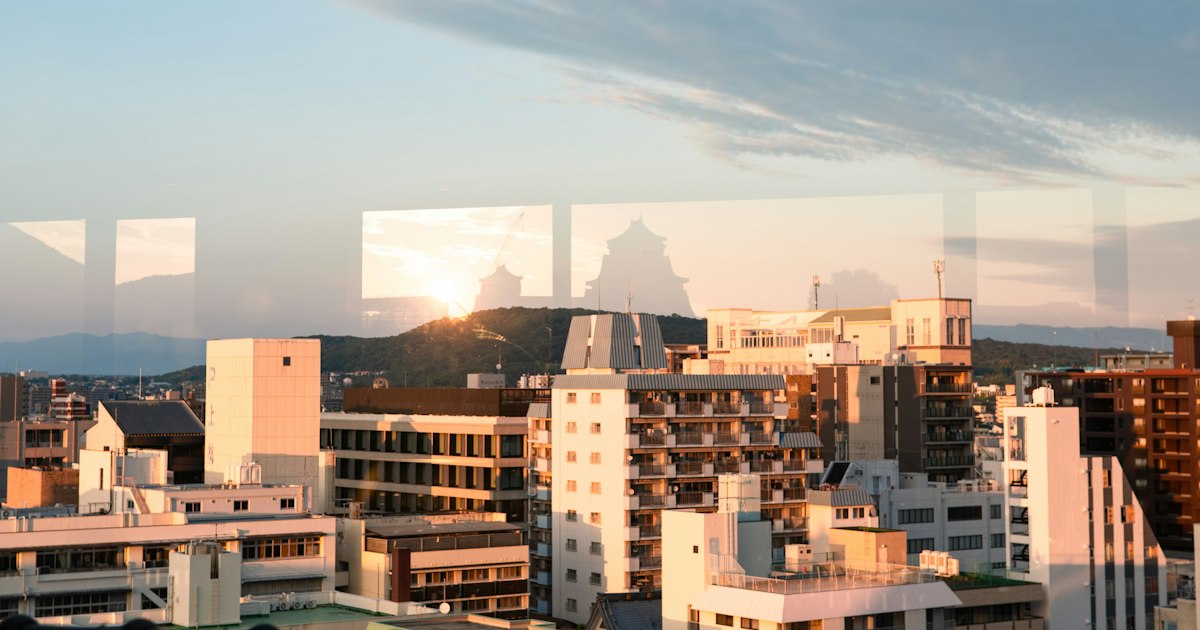
    Dogo Onsen: Matsuyama’s Ancient Bathhouse and Ehime’s Hot Spring Town

    Photo by kai muro on Unsplash

    Dogo Onsen, in the city of Matsuyama on the island of Shikoku, claims to be Japan’s oldest hot spring, with a history stretching back some 3,000 years and mentions in the 8th-century chronicle Nihon Shoki. Unlike hot spring towns built around a single ryokan strip, Dogo Onsen is a genuine neighborhood: a public bathhouse, a covered shopping arcade, tram tracks, and dozens of inns radiating out from one wooden building that has been drawing bathers since the Meiji era. Here’s what you actually need to know to visit it well.

    A 3,000-Year-Old Hot Spring in the Heart of Matsuyama

    The centerpiece is Dogo Onsen Honkan, a three-story wooden bathhouse completed in 1894 and designated an Important Cultural Property. Its rambling, turreted silhouette is often cited as an inspiration for the bathhouse in Studio Ghibli’s Spirited Away, though the studio has never confirmed a direct link — the resemblance is enough that fans still make the pilgrimage. The Honkan underwent a major earthquake-retrofitting renovation that began in phases from December 2019, with construction scaffolding wrapped around sections of the building for several years; the full building reopened to bathers in 2024. It’s worth checking current signage or the official Dogo Onsen website for any short-term closures before you go, since heritage buildings this old periodically need touch-up work.

    Getting to Dogo Onsen

    From JR Matsuyama Station, take the Iyotetsu tram (streetcar) bound for Dogo Onsen — the ride takes roughly 20–25 minutes with a flat fare of around 200 yen, paid in cash as you exit. Trams run every 10–15 minutes and this is genuinely one of the more charming ways to arrive anywhere in Japan; some cars are restored retro models. From Matsuyama Airport, an airport limousine bus runs directly to Dogo Onsen in about 40–45 minutes. If you’re coming from Osaka or Tokyo, flying into Matsuyama is usually faster than the train-and-ferry combination, though the Seto Inland Sea ferry route via Hiroshima is a scenic alternative if you’re already touring that region — it also makes it easy to tack on a stop at Okunoshima, the rabbit island, on the same loop.

    Inside Dogo Onsen Honkan: What to Expect and What It Costs

    The Honkan is open daily, roughly 6:00 AM to 11:00 PM (last entry around 10:30 PM), 365 days a year. There’s no single “ticket” — pricing is tiered by which bath and how much lounging space you want:

    • Kami-no-yu (God’s Bath), bathing only: around 700 yen for adults — just the soak, towel not included.
    • Kami-no-yu with 2nd-floor tatami rest room: around 1,700 yen — includes a yukata robe, tea, and a rice cracker in a communal resting hall.
    • Tama-no-yu (Spirit’s Bath), with 2nd-floor room: around 2,700 yen.
    • Tama-no-yu with a private resting room: around 3,400 yen, the closest thing to a splurge option within the Honkan itself.

    Treat these as approximate — the building went through a lengthy renovation and prices have shifted before, so confirm the current chart at the entrance. Baths are gender-separated and, as with virtually all Japanese public baths, swimsuits are not worn; wash thoroughly at the shower stations before entering the tub. The water itself is a mild alkaline simple spring (tanjun-sen), gentle enough to bathe in daily, which is exactly what generations of locals have done.

    Tsubaki-no-yu Annex and Free Foot Baths

    Right next to the Honkan is Tsubaki-no-yu, a newer annex built in 1953 that draws from the same source but costs less and moves faster — a good choice if the Honkan queue is long or you just want a straightforward soak without the ceremony. Entry runs roughly 400–500 yen for adults. If you don’t want to bathe at all, several free ashiyu (foot baths) are scattered around Dogo Onsen Station and the shopping arcade, including one inside the station building itself — a nice way to sample the water on a tight schedule or with kids in tow.

    Where to Stay: Budget, Mid-Range, and Splurge Ryokan

    Dogo Onsen town has lodging at every level, and most properties offer their own in-house baths plus easy walking access to the Honkan.

    • Budget: business hotels and simple guesthouses near Dogo Onsen Station or back toward Matsuyama Station, often 6,000–9,000 yen per night for a single, without meals.
    • Mid-range: traditional ryokan with tatami rooms, yukata, and a kaiseki dinner included, typically 15,000–25,000 yen per person per night.
    • Splurge: higher-end properties like Dogo Yaya, Funaya, or Dogokan, with private in-room baths and multi-course dinners featuring Seto Inland Sea seafood and Ehime citrus, often 30,000–50,000+ yen per person per night.

    Booking a ryokan here is worth it even on a short trip — many stays include free or discounted admission to the Honkan, and soaking right before bed (or right after breakfast) is the whole point of visiting a hot spring town rather than just the bathhouse.

    Beyond the Bath: Dogo Onsen Shopping Street and Botchan Culture

    The covered Dogo Onsen shopping arcade runs from the tram terminal to the Honkan’s front steps and is worth twenty minutes even if you’re not bathing. Look for Botchan dango — three-color skewered rice dumplings named after Natsume Soseki’s 1906 novel Botchan, which is set in Matsuyama and namechecks the bathhouse directly — along with Ehime mikan (citrus) sweets, Imabari towels, and stalls selling onsen tamago snacks, the soft-set hot-spring-cooked eggs found at bathing towns across Japan (if you haven’t tried one, our guide to onsen tamago covers how they’re made and where else to find them). On the hour, the Botchan Karakuri Clock outside the station puts on a short mechanical show with figures from the novel — worth timing a coffee break around.

    Best Time to Visit and Common Mistakes to Avoid

    Dogo Onsen works year-round thanks to Shikoku’s mild climate — winters rarely get harsh, making it a comfortable off-season alternative to mountain hot spring towns like Karuizawa. Spring (April) and autumn (November) bring the most pleasant walking weather and lighter crowds than the summer holiday season. The most common visitor mistakes: arriving with a swimsuit (not permitted in the communal baths), skipping the pre-bath shower, and assuming the Honkan is fully cashless — bring some cash for the ticket counters and locker deposits. Tattoo policies at Japanese bathhouses vary and change over time, so if you have visible tattoos, ask at your ryokan’s front desk or check current signage rather than assuming either way. Finally, don’t rush it — locals treat Dogo Onsen as a slow ritual, not a photo stop, and the town rewards visitors who budget at least half a day rather than squeezing it between other Matsuyama sights.
  • Shogi & Go Sets: Where to Buy Japan’s Traditional Board Games

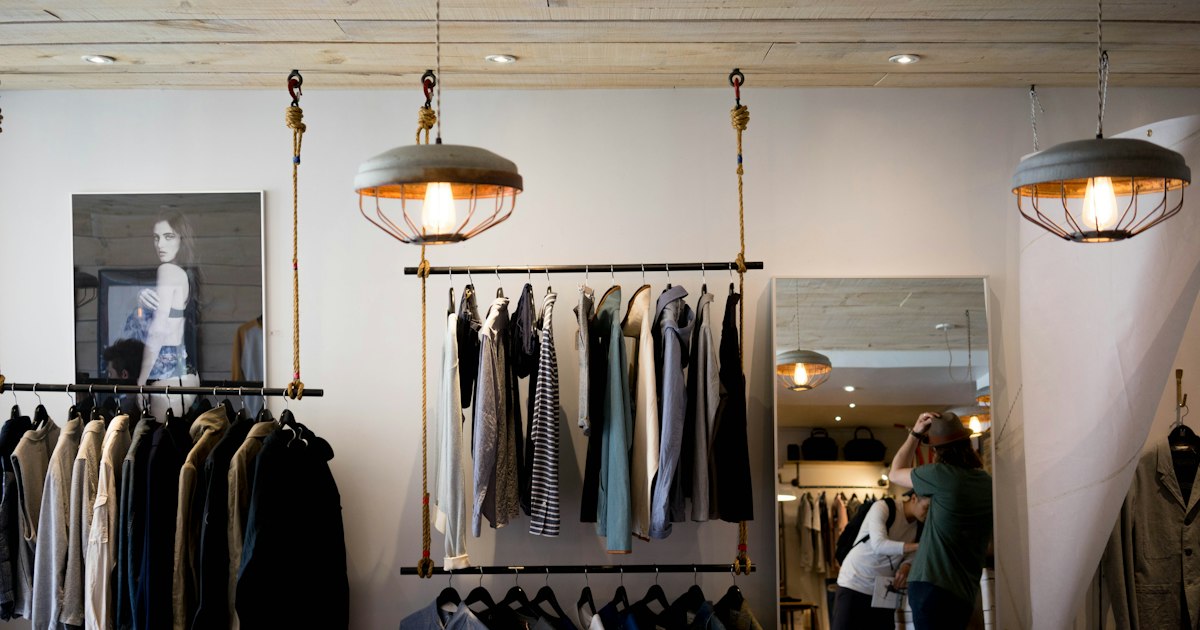
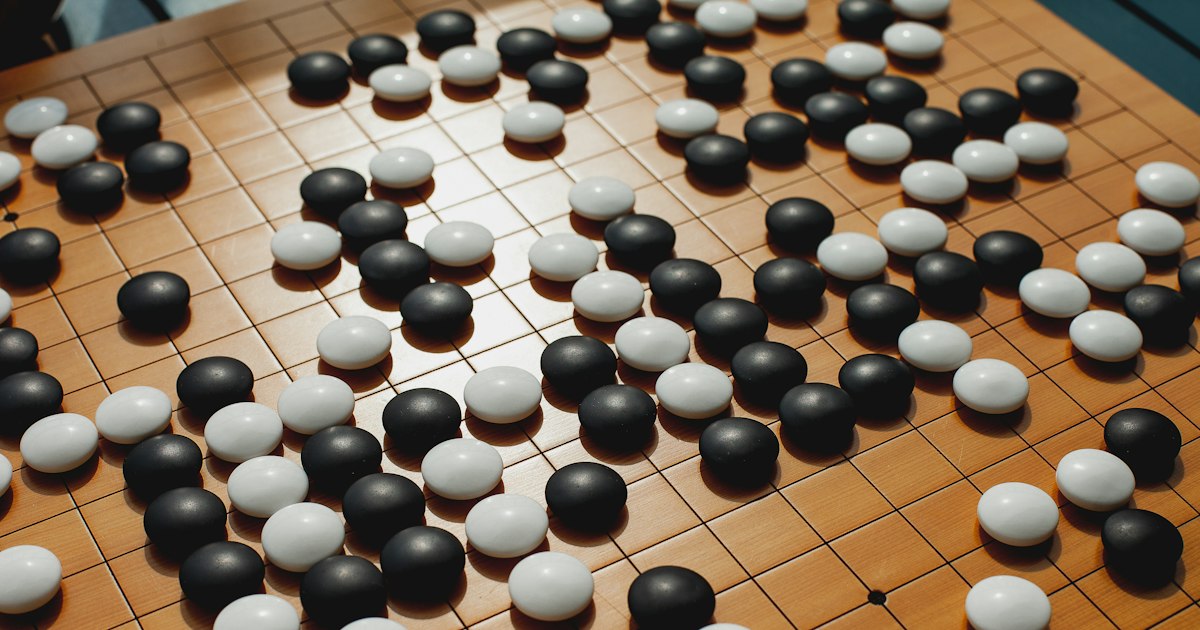
    Shogi & Go Sets: Where to Buy Japan’s Traditional Board Games

    Photo by Elena Popova on Unsplash

    Long before video games, Japan had shogi and go — two board games so deeply embedded in the culture that professional matches are still broadcast on national TV and studied like chess grandmaster games. For travelers, a shogi or go set is one of the most satisfying souvenirs you can bring home: it’s functional, beautifully made, and rarely available outside Japan in genuine quality. This guide covers where to actually buy one, what separates a JPY 2,000 toy from a JPY 200,000 heirloom, and the mistakes first-time buyers make.

    Shogi vs. Go: What You’re Actually Buying

    Shogi is Japanese chess, played on a 9×9 board with wedge-shaped pieces (koma) inscribed with kanji. Go (igo) is played on a 19×19 grid with flat black and white stones. They’re sold in completely different ways, which matters when you’re shopping:

    • Shogi sets are priced mainly by the pieces — the wood species, whether the characters are printed, stamped, carved, or lacquer-inlaid by hand, and the calligraphy style used.
    • Go sets are priced mainly by the stones and the board separately. Board thickness and wood (kaya wood being the most prized) drive board price; stone material (glass, ceramic, slate/clamshell, or the rarer Naichi slate and shell) drives stone price.

    A beginner set with printed pieces or glass stones runs roughly JPY 2,000–6,000. A solid mid-range set with carved wooden pieces or slate-and-clamshell stones is JPY 15,000–50,000. Collector-grade pieces — hand-carved and lacquered by a named craftsman, or a single-plank kaya board — can run JPY 300,000 and well beyond JPY 1,000,000 for the finest boards.

    Tokyo: The Two Federation Shops

    The single most reliable starting point in Tokyo is visiting the game federations directly, since both sell equipment to the public.

    Shogi Kaikan (将棋会館) in Sendagaya, Shibuya Ward, is the Japan Shogi Association’s headquarters, where professional title matches are sometimes held. Its ground-floor shop sells official boards, pieces, clocks, and books, with staff used to helping non-players choose a beginner set. It’s a short walk from Sendagaya Station (Chuo-Sobu Line) or Kokuritsu-Kyogijo Station (Oedo Line). Hours run roughly 10:00–18:00; check ahead, as the shop occasionally closes for tournament days.

    Nihon Ki-in (日本棋院) in Ichigaya is the equivalent for go. Its go salon and pro shop stock everything from plastic starter boards to serious slate-and-clamshell stone sets, and the building itself is worth seeing if you’re curious about the game — amateur players use its salons daily. It’s about a 5-minute walk from Ichigaya Station.

    Neither location requires an appointment for shopping, and both are genuinely used by Japanese players, not tourist-facing gift shops, so prices are fair and stock is authentic.

    Tendo, Yamagata: The Shogi Piece Capital

    If you want to go deeper than a Tokyo shop visit, Tendo City in Yamagata Prefecture produces roughly 90–95% of all shogi pieces made in Japan, a tradition dating back to the samurai of the Edo-era Oribe domain. The city leans into this identity hard: manhole covers are shaped like koma, there’s a Shogi Piece Museum (Tendo Ningyo Shogi Piece Museum) explaining the carving and lacquering process, and several workshops sell direct from the maker. Prices for hand-carved, lacquer-filled pieces here start around JPY 20,000 for a set and climb steeply with calligraphy style and wood grade (kaya and tsuge/boxwood are top-tier).

    Tendo is reachable by Yamagata Shinkansen from Tokyo (around 2.5–3 hours to Tendo Station, sometimes with a transfer). The best time to visit is early April, during the Tendo Ningen Shogi Matsuri, when the city stages a human shogi match with people in period costume moving across a giant board — a fun, low-key festival that’s easy to combine with cherry blossom viewing in the region. Outside festival dates, workshops keep normal retail hours, but it’s worth calling ahead in Japanese or via a hotel concierge, since some are small family operations that close without notice.

    Budget and Convenience Options

    Not everyone needs a museum-piece board. For a cheap, easy-to-pack souvenir:

    • Don Quijote stores carry compact plastic or thin-wood travel sets for JPY 1,500–4,000, often magnetic or foldable — good for actually playing on a trip.
    • Tokyu Hands / Loft stock slightly nicer beginner sets with printed (not carved) pieces, typically JPY 3,000–8,000.
    • Yodobashi Camera and large toy floors sometimes carry mass-produced sets from major Japanese game manufacturers, reliable if unglamorous.

    If your Japan trip includes a stop at somewhere like Nagoya’s Osu Shopping Arcade, it’s worth a browse — the arcade’s mix of secondhand and hobby shops occasionally turns up used shogi and go sets, sometimes older wooden ones, at bargain prices. It’s the same instinct that makes the arcade good for hunting other Japanese tabletop and hobby goods, similar to the secondhand card shops covered in our guide to trading card games beyond Pokémon.

    Common Mistakes to Avoid

    • Buying a “legged” board without checking the size. Traditional floor-standing go and shogi boards (with tapered legs, called ashi) are surprisingly heavy and bulky — some are 40–60cm thick blocks of wood. If you’re set on one, budget for international shipping (many Tokyo and Tendo shops handle overseas shipping for a fee) rather than trying to carry it home. A folding tabletop board is far more realistic as checked luggage, and if you do bring a boxed board on the Shinkansen, check our Shinkansen oversized luggage rules guide first, since an unfolded legged board can exceed the size limits for standard seating.
    • Assuming printed pieces are “fake.” They’re not — printed and stamped pieces are legitimate entry-level products, just not the hand-carved, lacquer-inlaid pieces collectors chase. Ask the shop directly which category you’re buying; the price gap between the two is enormous for what can look similar in photos.
    • Ignoring board thickness for go. A thin (2–3cm) board is fine for casual play but won’t produce the distinctive “click” sound serious players value. If sound and feel matter to you, ask for at least a 6–8cm board, which also costs proportionally more.
    • Skipping the rules. Both games are genuinely difficult to pick up from a box insert alone. Shogi Kaikan and Nihon Ki-in both sell English-language rule booklets, and it’s worth grabbing one even if you plan to learn from apps later.

    Best Time to Shop

    There’s no strict shopping season, but two windows are worth knowing. Early April lines up with the Tendo human shogi festival if you want the full craft-town experience. And if you’re combining a board game souvenir hunt with a wider crafts trip — say, alongside stops for Japanese whetstones or other traditional goods — aim for weekday mornings at the specialty shops, when staff have time to talk through the different grades of wood and stone without a queue behind you.

  • Bringing Medicine Into and Out of Japan: Customs Rules for Travelers

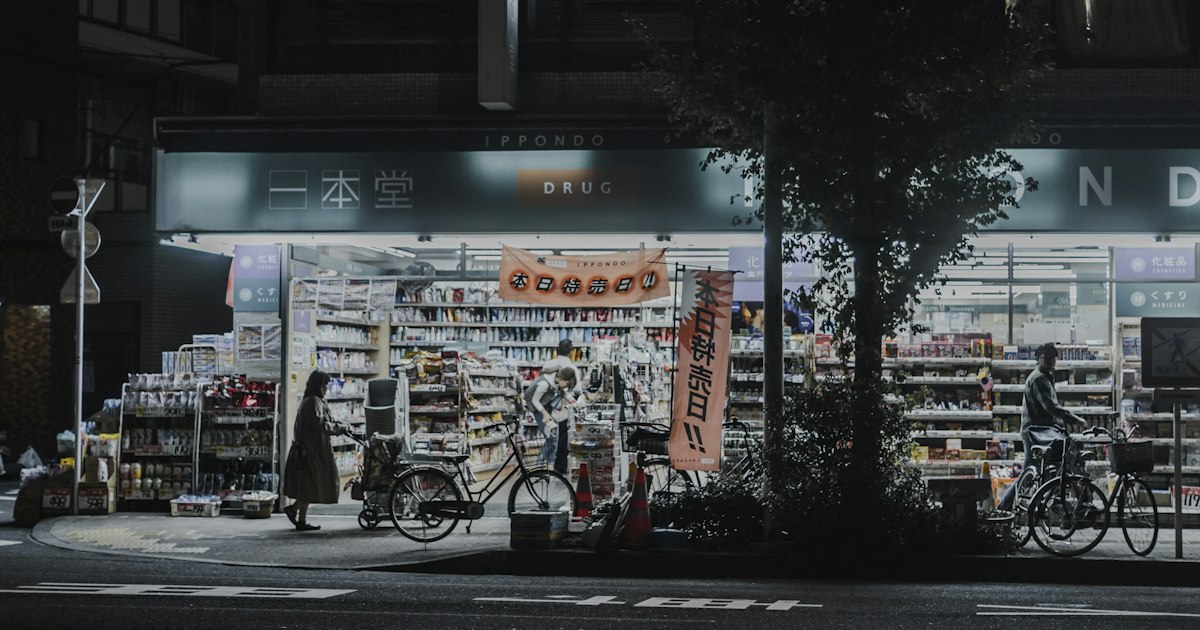
    Bringing Medicine Into and Out of Japan: Customs Rules for Travelers

    Photo by Redd Francisco on Unsplash

    Japan has some of the strictest medicine import rules of any major travel destination, and they catch out well-meaning travelers every year — sometimes with a common cold medicine or ADHD prescription confiscated right at the airport. The good news is that the rules are clear and well-documented once you know where to look. Here’s exactly what you can bring in, what requires paperwork, what’s simply banned, and how to stock up on Japanese pharmacy favorites to take home.

    Medications That Are Banned or Tightly Restricted

    Japan’s Stimulants Control Law (覚醒剤取締法) is far broader than most travelers expect. It covers not just illegal drugs but many common prescription and over-the-counter medications sold freely elsewhere:

    • Adderall, Vyvanse, and other amphetamine-based ADHD medications — illegal to bring into Japan, even with a valid prescription and even in small quantities. Travelers who need ongoing stimulant treatment typically switch to a non-stimulant alternative like atomoxetine (Strattera) before their trip, in consultation with their doctor.
    • Pseudoephedrine-containing decongestants — this includes Sudafed, Actifed, and Vicks inhalers. Vicks inhalers in particular are a frequent confiscation because travelers assume an inhaler for stuffy noses is harmless.
    • Codeine in high concentrations and other narcotic painkillers — allowed only within strict limits and often only with prior permission (see below).
    • CBD products — legal CBD in your home country may still contain trace THC, which is illegal in Japan regardless of concentration. Bring only products with documentation confirming zero THC content, and even then, expect scrutiny.

    When in doubt, check the Japanese Ministry of Health, Labour and Welfare’s official “Import of Medications for Personal Use” page before you pack, or contact the nearest Japanese embassy or consulate. Don’t rely on forum posts or guesses — the penalties for bringing in banned substances range from confiscation to prosecution.

    The One-Month Rule for Everyday Medications

    For medications that aren’t banned, Japan allows travelers to bring in a personal supply without any special certificate, as long as it fits within these limits:

    • Up to a one-month (30-day) supply of prescription medication
    • Up to a two-month supply of non-prescription (over-the-counter) medication and vitamins
    • Up to 24 units of items like contact lenses per type

    This covers the vast majority of leisure travelers — blood pressure pills, antihistamines, birth control, antidepressants, and similar daily medications for a two-week trip are almost never a problem. Keep medication in its original packaging with your name matching your passport, and carry a copy of the prescription or a doctor’s letter (ideally in English, listing the generic/active ingredient name, not just the brand) in case customs asks.

    Getting a Yakkan Shoumei for Larger Quantities

    If you’re staying longer than a month, need more than a two-month OTC supply, or are carrying injectable medications (like EpiPens or insulin pens) beyond a small personal set, you’ll need a Yakkan Shoumei — an import certificate issued by Japan’s regional Bureau of Health and Welfare (地方厚生局).

    Key points on applying:

    • Apply through the regional bureau covering your port of entry (Tokyo and Osaka bureaus handle most applications by mail or online submission).
    • Processing officially takes about one to two weeks once documents are complete, but agencies and the bureaus themselves recommend applying one to two months ahead to allow for corrections and mailing time.
    • You’ll need the medication’s generic name, dosage, and quantity, plus a doctor’s prescription or letter.
    • The certificate is free to obtain directly from the bureau, though private agencies charge a service fee (typically ¥5,000–¥15,000) to prepare and submit it for you.
    • Print the certificate and carry it with your medication when you enter Japan — you may be asked to show it at customs.

    This is the single most common paperwork travelers overlook, especially digital nomads, long-stay visitors, and anyone managing a chronic condition with a multi-month supply.

    Narcotic and Psychotropic Medications Need a Separate Process

    Medications classified as narcotics under Japanese law — certain strong opioid painkillers, some sleep medications, and select psychiatric drugs — fall outside the standard Yakkan Shoumei system entirely. These require permission from Japan’s Narcotics Control Department (麻薬取締部) rather than the Bureau of Health and Welfare, and the process is stricter and slower. If your prescription includes anything in this category, start the inquiry well before booking flights, since approval isn’t guaranteed and typically requires more lead time than a standard Yakkan Shoumei.

    Buying Medicine in Japan to Bring Home

    Japanese drugstores are a shopping destination in their own right, and many travelers stock up on OTC staples that aren’t available (or are far pricier) back home. Chains like Matsumoto Kiyoshi, Sundrug, and Don Quijote are everywhere near train stations and tourist areas, generally open from around 9:00 or 10:00am until 9:00pm–midnight depending on location. If you’re browsing a bargain shopping street, the Osu Shopping Arcade in Nagoya has several drugstores mixed in among its otaku and vintage shops, worth a stop if you’re in the area.

    Popular budget picks and rough prices:

    • Loxonin S (loxoprofen painkiller, 12 tablets) — around ¥900
    • Eve Quick (headache tablets, 40 count) — around ¥700–900
    • Salonpas pain-relief patches (40 count) — around ¥600
    • Sante FX or similar cooling eye drops — around ¥600–1,000

    When you’re heading home, remember the rules run both ways: check your destination country’s import limits, since some Japanese OTC formulations contain ingredients restricted elsewhere. Most countries allow a reasonable personal-use quantity in original packaging without issue, but if you’re unsure, declare it.

    Common Mistakes to Avoid

    • Packing decongestant inhalers or cold medicine without checking ingredients — pseudoephedrine hides in many familiar brand names.
    • Assuming a prescription automatically makes a drug legal — it doesn’t for banned substances like amphetamine-based ADHD medication.
    • Leaving Yakkan Shoumei applications until the week before departure — processing plus mailing time can easily exceed two weeks.
    • Packing medication loose or relabeled — always keep it in original, labeled packaging.
    • Not carrying English documentation — a prescription in your home language alone may slow things down at customs.

    Quick Pre-Departure Checklist

    • Confirm none of your medications are on Japan’s banned list (check the MHLW site directly)
    • Calculate whether your supply exceeds the one-month (prescription) or two-month (OTC) threshold
    • Apply for a Yakkan Shoumei at least a month ahead if you’re over the limit or carrying injectables
    • Check separately for narcotic-classified medications, which need Narcotics Control Department approval
    • Pack a doctor’s letter or prescription copy in English, plus original packaging

    With a little advance planning, medication is one of the easier parts of a Japan trip to get right — and one of the worst to get wrong at the airport. If you’re also sorting out how to pack everything for train travel around the country, the guide to Shinkansen oversized luggage rules is worth a read before you finalize your itinerary.

  • Sampuru: Japan’s Plastic Food Replicas and Where to Buy Them

    Sampuru: Japan’s Plastic Food Replicas and Where to Buy Them

    Photo by Clark Street Mercantile on Unsplash

    Walk past almost any restaurant window in Japan and you’ll see it: a glistening bowl of ramen, a perfectly browned tonkatsu, a parfait with condensation still “dripping” down the glass — all of it plastic. These hyper-realistic food replicas, called sampuru (サンプル, from the English “sample”), have been guiding hungry customers in Japan since the 1930s. They’ve also become one of the country’s most fun and genuinely useful souvenirs, ranging from 500-yen sushi keychains to museum-quality tempura platters. Here’s where sampuru actually come from, where to buy them, and how to avoid the rookie mistakes that trip up first-time buyers.

    What Is Sampuru, and Why Does It Exist?

    Before English menus, photo apps, and Google Translate, plastic food displays solved a real problem: how do you show a customer what “oyakodon” or “katsu curry” actually looks like? A Osaka-based craftsman named Takizo Iwasaki is usually credited with commercializing wax food models in the 1930s (the industry later switched to more durable and heat-stable PVC and vinyl chloride). Today, nearly every izakaya, department store restaurant floor, and train station soba shop in Japan still uses sampuru, and it remains one of the most visitor-friendly ordering systems in the world — you point at what looks good, no language needed.

    The craft itself is what makes sampuru collectible. Each piece of “lettuce” is individually shaped and painted by hand, sauce “drips” are poured in liquid resin and frozen mid-drip, and a single realistic-looking fried egg can take a trained craftsperson several attempts to perfect. That labor is exactly why a good sampuru costs real money and why buying one feels like buying a craft object, not a toy.

    Kappabashi, Tokyo: Japan’s Kitchen Supply Street

    The single best place to buy sampuru is Kappabashi Dougu Gai (合羽橋道具街) in Asakusa, Tokyo — a roughly 800-meter strip of restaurant supply shops selling everything a professional kitchen needs: knives, chef whites, noren curtains, tableware, and, at several dedicated stores, plastic food models. It’s easily combined with a visit to Senso-ji Temple, a 10-minute walk away.

    • Getting there: Tawaramachi Station (Ginza Line) is the closest, about a 5-minute walk. Asakusa Station is roughly 12–15 minutes on foot.
    • Hours: Most shops open around 9:30–10:00am and close by 5:30–6:00pm. Many independent shops close on Sundays, so a Tuesday–Saturday visit is safer if you want every store open.
    • What to look for: Maizuru (Ganso Shokuhin Sample-ya) is the best-known sampuru specialist on the street and also runs hands-on workshops. Tokyo Biken Kappabashi and a few smaller stalls carry cheaper mass-produced pieces alongside handmade ones.

    Since Kappabashi is a working trade street for chefs, not a tourist arcade, prices are transparent and there’s no haggling — but also no English signage in most shops, so bring a translation app if you want to ask about custom orders or shipping.

    Gujo Hachiman: The Birthplace of Plastic Food

    If you have more time, the small castle town of Gujo Hachiman in Gifu Prefecture is where a large share of Japan’s sampuru is actually manufactured, and it’s the best place to make your own. Sample Village Iwasaki, run by one of the industry’s oldest manufacturers, offers walk-in workshops where you dip real lettuce or tempura shapes into hot colored wax to build your own edible-looking souvenir — a genuinely fun 30–40 minute activity for kids and adults alike, generally priced in the low thousands of yen per piece depending on what you make.

    Gujo Hachiman is also worth the trip in its own right: clear spring-fed canals run through the old town, and it’s famous for the Gujo Odori summer dance festival. It pairs naturally with a Nagoya-based itinerary — if you’re already there for the food-replica factories, it’s worth carving out time for Nagoya’s own shopping streets, like Osu Shopping Arcade, before or after.

    • Getting there from Nagoya: JR to Mino-Ota, then transfer to the Nagaragawa Railway local line to Gujo-Hachiman Station (roughly 2 hours total), or take a direct highway bus from Nagoya or Gifu, which is usually faster and simpler with luggage.
    • Best timing: Weekday mornings are quietest for workshops; book or arrive early in peak summer travel weeks since school trip groups sometimes fill sessions.

    Budget, Mid-Range, and Splurge Options

    Sampuru shopping scales to almost any budget:

    • Budget (500–1,500 yen): Keychains and magnets shaped like a single piece of sushi, a slice of cake, or a fried egg. These are mass-produced but still hand-painted and make great, packable gifts.
    • Mid-range (2,000–8,000 yen): Standalone pieces like a realistic tempura shrimp, a bowl of curry, or a beer-and-edamame set — good for display at home, and the size most people actually take home.
    • Splurge (10,000 yen and up): Full ramen bowls, parfaits with “melting” ice cream, or made-to-order replicas of a specific dish, which some Kappabashi shops can produce for restaurants and serious collectors, though these take time and aren’t a same-day purchase.

    Common Mistakes to Avoid

    • Assuming it’s edible or a food product for customs purposes. Sampuru is PVC/vinyl resin, not food, so there’s no import restriction on the food side — but do treat it as a fragile item, not something to stuff in a checked bag unprotected.
    • Skipping the packaging check. Painted details (drips, glaze) can chip if items rattle around loose. Ask the shop for bubble wrap or a rigid box — most Kappabashi stores will do this for larger pieces if you ask.
    • Underestimating size and weight. A full-size ramen bowl replica is heavy and awkward in carry-on luggage. If you’re traveling onward by bullet train with a bulky box, check the rules in Shinkansen Oversized Luggage Rules before you buy something too big to carry comfortably.
    • Only browsing sampuru and missing the rest of Kappabashi. The same street sells professional-grade kitchen knives, and if you’re already in a “Japanese craft” mindset, it’s worth reading up on Japanese whetstones before buying a knife you won’t know how to maintain.
    • Expecting fixed English pricing everywhere. Some shops price by weight or complexity for custom pieces; ask before assuming a sticker price covers customization.

    Best Time to Go

    Sampuru shopping isn’t seasonal in the way cherry blossoms or illuminations are, but timing still matters practically. Weekday mornings at Kappabashi mean shorter lines at the popular sample shops and staff with more time to explain custom orders. Avoid arriving right before closing if you want a shop to properly pack a fragile item. In Gujo Hachiman, spring through autumn is most pleasant for wandering the canal streets between workshop sessions, while winter is quieter but some smaller shops reduce hours.

    However you plan the trip, sampuru shopping is one of the rare souvenir categories in Japan that’s both inexpensive to start and genuinely collectible at the high end — a rare gift that looks like an in-joke to people who’ve never heard of it, and looks like edible art to everyone else.

  • Hakuba Valley: Japan’s Premier Ski Resort Guide

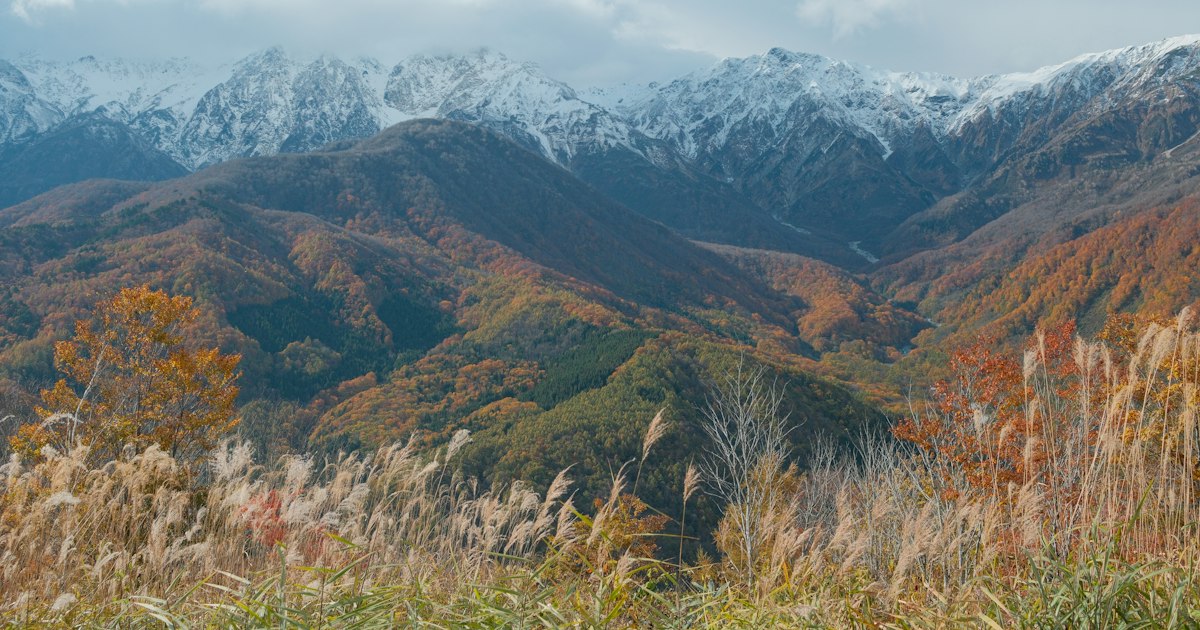
    Hakuba Valley: Japan’s Premier Ski Resort Guide

    Photo by Khoa Le on Unsplash

    Hakuba Valley isn’t one ski resort — it’s ten of them, strung along a single valley in the Northern Japan Alps that hosted the alpine events at the 1998 Nagano Winter Olympics. For foreign visitors, that scale is both the appeal and the confusion: which resort do you actually buy a lift ticket for, how do you get up there from Tokyo, and is it worth the trip compared to closer options? Here’s what you need to know before you book anything.

    Why Hakuba, Specifically

    Hakuba sits in Nagano Prefecture, roughly in the middle of Honshu, which means it catches heavy Siberian snowfall in a way that resorts closer to Tokyo simply don’t. The terrain is also more varied than most Japanese ski areas — steep alpine bowls and long vertical drops at Happo-One, tree runs and backcountry access at Cortina and Norikura, and gentle, wide-open slopes for beginners at Tsugaike Kogen. Unlike Hokkaido’s Niseko, which leans heavily into powder and nightlife for a mostly Australian crowd, Hakuba still feels more Japanese: onsen ryokan, small izakaya, and a village that functions as a real town outside ski season too.

    Getting There

    The fastest route from Tokyo is the Hokuriku Shinkansen from Tokyo Station to Nagano Station, which takes about 80–100 minutes. From Nagano Station, Alpico Kotsu runs direct buses to Hakuba (roughly 70 minutes, around ¥2,600–2,800 one-way). Door to door, budget 3 to 3.5 hours from central Tokyo.

    If you’re traveling with ski or snowboard bags, check your Shinkansen reservation rules before you go — oversized luggage on the Shinkansen requires a separate reservation and fee if your bag exceeds the standard size limits, and ski bags often do. Our Shinkansen oversized luggage guide covers exactly what counts and how to book the extra space in advance so you’re not turned away at the gate.

    The budget alternative is a direct overnight or daytime highway bus from Shinjuku or Ikebukuro straight to Hakuba, which takes about 5 hours and costs roughly ¥5,000–8,000 one-way depending on the operator and season. It’s slower but skips the transfer and often costs less than half the Shinkansen route. Renting a car from Tokyo is another option if you’re comfortable with mountain driving in snow — expect around 3.5–4 hours depending on traffic and conditions.

    Which Resort to Ski

    All ten resorts are covered by one multi-resort pass (see below), and a free shuttle bus connects most of them, so you’re not locked into one area for your whole trip.

    • Happo-One — the largest and most famous, with the Olympic downhill course. Best for intermediate-to-advanced skiers who want long runs and views of the Alps.
    • Hakuba47 & Goryu — linked resorts with a strong terrain park and tree-run access, popular with snowboarders.
    • Cortina & Norikura — smaller, less crowded, known among repeat visitors for reliably deep powder.
    • Tsugaike Kogen — wide, gentle slopes and a dedicated kids’ area; the best pick for beginners and families.
    • Iwatake — close to the village, good mountain-view gondola, decent for a shorter or half-day session.

    Best Season and Timing

    The season generally runs from early/mid-December through late April or early May, with higher-elevation areas like Tsugaike opening slightly earlier. Peak powder conditions are typically January and February, but this is also when the valley is busiest and priciest, especially over the New Year holiday and Chinese New Year. Late February into March brings milder temperatures, thinner crowds, and often discounted multi-day lift passes — a good window if flexible snow quality matters less to you than comfort and cost. Weekdays are noticeably quieter than weekends everywhere in the valley.

    Lift Tickets, Rentals, and Costs

    A single-resort day pass runs roughly ¥6,500–7,500 for an adult. The better value for most visitors is the Hakuba Valley multi-resort pass, which covers all ten resorts and the connecting shuttle for about ¥9,000–10,000 per day, with per-day rates dropping on 2-day, 4-day, and longer passes. Buy it online in advance or at ticket counters in the village.

    Budget: rent a full ski or snowboard set (boots, skis/board, poles) for around ¥5,000–6,000 a day at shops like Rhythm Hakuba or Petite Montagne in the village center; book online ahead of peak weeks to guarantee sizing. Mid-range: a private lodge or pension near Happo or Wadano with breakfast included, generally ¥15,000–25,000 per night for two. Splurge: ski-in/ski-out chalets and higher-end onsen ryokan in the valley run well above ¥40,000 a night in peak season and book out months ahead.

    Common Mistakes to Avoid

    The biggest one is treating Hakuba like a single resort and buying a single-mountain ticket, then realizing the run or terrain you wanted is at a different resort ten minutes down the road — the multi-resort pass avoids that regret for a relatively small price difference. Second, underestimating transfer time: the shuttle buses between resorts run on a schedule, not on demand, so build in buffer time rather than planning a tight multi-resort day. Third, skipping travel insurance or gear insurance — mountain rescue and injury costs in Japan are not trivial, and most standard travel policies don’t automatically cover skiing. Finally, don’t assume English is widely spoken at every rental shop or lift ticket counter; the busier resorts near the village (Happo-One, Hakuba47) are used to foreign visitors, but smaller resorts may require more patience or a translation app.

    After the Slopes

    Hakuba’s onsen culture is a real part of the experience, not an afterthought — several ryokan offer day-use hot spring bathing for outside guests, typically ¥800–1,500, which is worth it after a full day on the mountain. If you want a lower-key alternative Japanese mountain getaway to compare Hakuba against, or you’re extending your trip beyond ski season, Nagano’s other big draw is Karuizawa, which is closer to Tokyo and geared more toward shopping and cooler-weather retreats than serious skiing. And if your trip lands in December or January, it’s worth timing a night or two around Japan’s seasonal light displays — our guide to Japan’s winter illuminations lists the best festivals if you’re routing through Tokyo or Nagano city on the way in or out.

  • Okunoshima: Japan’s Rabbit Island in the Seto Inland Sea

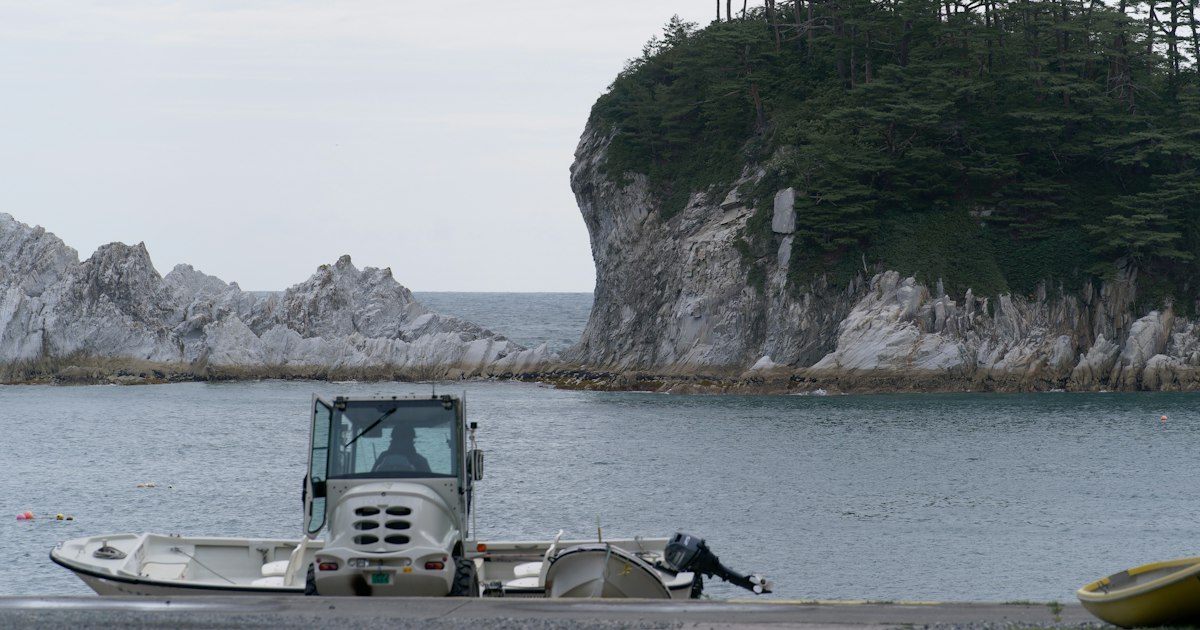
    Okunoshima: Japan’s Rabbit Island in the Seto Inland Sea

    Photo by Da-shika on Unsplash

    Okunoshima is a small island in Hiroshima Prefecture’s Seto Inland Sea where several hundred wild rabbits roam freely across beaches, forest paths, and an abandoned World War II poison gas factory. It’s an easy half-day or full-day trip from Hiroshima, and unlike many “hidden gem” destinations, it genuinely delivers: rabbits will hop up to your feet within minutes of stepping off the ferry. Here’s how to plan the trip properly, including the details most guides skip.

    How to get to Okunoshima

    The island itself has no bridge — you reach it by ferry from Tadanoumi Port, a small port town between Hiroshima and Onomichi.

    • From Hiroshima Station: Take the JR Kure Line (local/rapid) directly to Tadanoumi Station, about 1 hour 20 minutes. Alternatively, ride the Sanyo Shinkansen or Sanyo Main Line to Mihara Station (about 20–40 minutes) and transfer to the JR Kure Line to Tadanoumi (about 15 minutes) — this combo is often faster overall and worth it if you’re already carrying a rail pass. If you’re routing through the Shinkansen with big suitcases, check Shinkansen oversized luggage rules before you book seats, since Mihara is a standard-car stop with limited oversized-baggage space.
    • From Tadanoumi Station to the port: It’s a flat 5-minute walk to Tadanoumi Port, well signposted with rabbit mascots.
    • Ferry: Setonaikai Kisen runs the Tadanoumi–Okunoshima ferry, a 12–15 minute crossing. Boats run roughly hourly (more frequently on weekends and holidays), with the first departure around 7:00 am and the last around 5:00–6:00 pm depending on the season. One-way fare is about ¥320 for adults (roughly ¥620 round-trip), with reduced fares for children. Schedules shift seasonally, so check the current timetable on the Setonaikai Kisen website before you go — missing the last boat back means an overnight stay is your only option.

    Total travel time from central Hiroshima is around 2 hours door-to-port each way, so budget a full day if you want more than a quick rabbit photo stop.

    Best time to visit

    Spring (April–May) and autumn (October–November) are ideal — mild temperatures keep the rabbits active and visible throughout the day. In midsummer, rabbits mostly hide in shade during the hottest hours (roughly 11 am–3 pm) and only come out in force early morning or late afternoon; if you’re visiting in July or August, plan around those windows and bring your own water, as shade is limited on the open hillside trails. Winter is quieter and colder but still workable, with rabbits clustering near the ferry terminal and picnic areas where visitors are most likely to feed them. Weekday mornings, right after the first or second ferry, are consistently the least crowded time to visit.

    Feeding and interacting with the rabbits

    This is where most visitors make avoidable mistakes:

    • Don’t bring cabbage, lettuce, or bread from the mainland. Rich, wet vegetables and bread can cause digestive problems in rabbits that survive on a fairly restricted island diet. Buy dry rabbit food (sold as small bags, roughly ¥100–¥200) at the shop near the ferry terminal or at the Kyukamura hotel shop instead.
    • Feed from an open palm, not by hand-holding food close to your body — rabbits can nip fingers by accident when several compete for one pellet.
    • Don’t pick the rabbits up. It stresses them and can injure them; signage around the island asks visitors not to chase or grab them. Kneeling to their level gets you just as good a photo.
    • Early morning and just before the last ferry are the calmest times — midday brings tour groups and the rabbits get overwhelmed with food, some visibly avoiding the crowds by that point.

    The island’s wartime history

    Okunoshima’s rabbits get the attention, but the island has a heavier backstory. From 1929 to 1945, the Imperial Japanese Army operated a secret poison gas factory here, producing mustard and tear gas — the island was deliberately removed from contemporary maps to keep the facility hidden. The Okunoshima Poison Gas Museum (Doku Gasu Shiryokan), a short walk from the ferry terminal, documents this history with equipment, photographs, and worker testimonies. Admission is around ¥100 for adults and ¥50 for students, and it’s open daily from 9:00 am to 5:00 pm (last entry 4:30 pm). It’s a sobering, worthwhile counterpoint to the island’s cuter reputation, and the overgrown concrete ruins of the old factory buildings — now rabbit shelters — are scattered along the coastal walking path.

    Getting around and what else to do

    A paved loop road circles the island, about 4.3 km, walkable in 1.5–2 hours at a relaxed pace, or you can rent a bicycle near the hotel for roughly ¥300–¥500 for a few hours. Along the way you’ll pass small beaches, a golf course, and several overgrown gun batteries and munitions storage ruins from the same wartime period. There are no shops or convenience stores beyond the ferry terminal and hotel, so pick up drinks and snacks before boarding if you’re staying past a couple hours — vending machines exist but are limited.

    Where to eat and stay

    Kyukamura Okunoshima is the only accommodation on the island, a public resort-style lodge run by Japan’s national park lodge chain.

    • Budget: The island has a small campground (roughly ¥500–¥1,000 per site) if you’re equipped with your own gear — a good option for early-morning rabbit access before day-trippers arrive.
    • Mid-range: Kyukamura’s standard rooms with two meals (Seto Inland Sea seafood-focused dinner and breakfast) run roughly ¥13,000–¥20,000 per person per night — reasonable for a hotel with essentially the whole island to itself after the last ferry leaves.
    • Splurge: There isn’t a luxury option on Okunoshima itself; if you want a higher-end stay, base yourself in Onomichi or Hiroshima city and treat Okunoshima as a day trip instead.

    The Kyukamura restaurant is the only real dining option on the island outside vending machines, so if you’re day-tripping, eat before or after in Tadanoumi or back in Hiroshima.

    Common mistakes to avoid

    • Missing the last ferry — there’s no way off the island afterward except the hotel, so double-check the return schedule before you disembark.
    • Visiting at midday in summer expecting rabbits everywhere — they’ll be resting in shade.
    • Skipping the Poison Gas Museum because it seems like a detour — it’s a five-minute walk from the terminal and adds real context to what you’re seeing.
    • Forgetting cash — the ferry, food shop, and museum are all cash-friendly but not guaranteed to take cards.

    If you’re building out a Hiroshima-area itinerary with a few offbeat stops, Okunoshima pairs well with a broader look at Japan’s lesser-visited destinations — the Tottori Sand Dunes and mountain escapes like Karuizawa show a similarly different side of the country from the usual temple-and-city circuit.

  • Basashi: Kumamoto’s Horse Meat Sashimi Tradition

    Basashi: Kumamoto’s Horse Meat Sashimi Tradition

    Photo by lin zhaohai on Unsplash

    In most of Japan, horse meat shows up as an occasional novelty. In Kumamoto, it’s a point of civic pride. Basashi — thin slices of raw horse meat dipped in soy sauce with ginger, garlic, and a dab of grated garlic or karashi mustard — has been part of the local diet since the samurai era, and today it’s one of the first things locals recommend to visitors before they’ve even asked. If the idea of raw horse sounds intimidating, this guide will tell you exactly what to order, what it costs, and how to eat it without the rookie mistakes.

    What Is Basashi?

    Basashi (馬刺し) means “horse sashimi.” The meat is served raw, sliced thin, and chilled — often on a bed of shredded onion or shiso leaf. It’s sometimes called sakura niku (“cherry blossom meat”) because of its deep pink-red color, which is more vivid than beef and noticeably leaner. The taste is mild and slightly sweet, closer to lean tuna or venison than to beef, and the texture is tender rather than chewy.

    Kumamoto Prefecture is widely regarded as Japan’s basashi capital, producing and consuming more horse meat than almost anywhere else in the country. The tradition is often traced back to the samurai general Kato Kiyomasa, who is said to have eaten horse meat during a food shortage on a military campaign in Korea and brought the custom home. Whether or not the legend is exact, Kumamoto has run with it for centuries.

    The Cuts: From Lean Akami to Fatty Tategami

    A proper basashi order isn’t just “horse meat” — it’s a menu of distinct cuts, and knowing them helps you order intelligently:

    • Akami — the standard lean red meat, mild and slightly sweet. This is the safe starting point.
    • Koune — a fattier cut from the neck, with visible marbling. Richer and more melt-in-the-mouth than akami.
    • Tategami — the mane fat, nearly pure white and extremely rich. It’s served in small portions because a little goes a long way; think of it as the horse-meat equivalent of pure fatback.
    • Reba sashi — raw horse liver. After raw beef liver sales were banned nationwide in 2012 over food-safety concerns, raw horse liver became one of the few legal ways to still get sashimi-style liver in Japan, and Kumamoto restaurants lean into it.

    Most izakayas sell a moriawase (assorted plate) with three or four of these cuts side by side, which is the best way to compare them on a first visit.

    Where to Eat Basashi in Kumamoto

    You’ll find basashi on the menu at almost any izakaya in central Kumamoto City, particularly around the Shimotori and Kamitori covered shopping arcades near Kumamoto Castle, and around Suizenji Jojuen garden.

    • Budget: A basic akami plate at a casual izakaya runs roughly ¥600–900, and an assorted moriawase plate is typically ¥1,200–2,500. Many lunch spots also serve a basashi-don (basashi over rice) for around ¥900–1,300, which is a cheap, low-commitment way to try it.
    • Mid-range: Specialist basashi restaurants — places that focus on horse meat rather than treating it as one izakaya item among many — charge more for graded, higher-quality cuts, generally ¥2,500–4,500 for a proper multi-cut set with drinks.
    • Splurge: A few dedicated basashi restaurants offer full course menus (kaiseki-style, pairing several cuts with local shochu or sake) in the ¥5,000–8,000 per person range. These are worth it if you want to taste the difference between commodity-grade and top-grade meat side by side.

    Most izakayas open for dinner from around 17:00 and serve until 23:00 or later; reservations aren’t usually necessary for walk-in izakaya dining, but it’s worth booking ahead for the dedicated basashi specialty restaurants, especially on weekends.

    How to Order and Eat It Like a Local

    The classic condiment is a small dish of soy sauce mixed with grated ginger and garlic; some restaurants also offer karashi mustard on the side. Dip lightly — the meat’s flavor is delicate, and drowning it in soy sauce is the single most common mistake visitors make. Take one piece at a time rather than pre-mixing everything into the sauce dish.

    Start with akami before working up to koune or tategami; going straight for the fattiest cut can be overwhelming if you’re not used to raw animal fat. If reba sashi is on the menu, ask staff whether it’s fresh that day — quality places rotate stock carefully and won’t hesitate to tell you if it’s not at its best. Basashi pairs naturally with cold beer, shochu, or a canned highball; if you want to explore Japan’s broader canned-drink culture while you’re at it, our guide to chu-hi and Japan’s canned cocktail culture is a good companion read.

    One more point of confusion: basashi is not the same as sakura nabe, a cooked horse meat hot pot associated with places like Kumagaya in Saitama. If you’d rather compare Japan’s hot pot traditions than eat things raw, our breakdown of shabu-shabu vs. sukiyaki covers the cooked side of the spectrum.

    Getting to Kumamoto and Best Time to Go

    Kumamoto City is reached via the Kyushu Shinkansen from Hakata Station in Fukuoka in about 33–50 minutes depending on the train, or by direct flight into Aso Kumamoto Airport (about 1 hour 45 minutes from Tokyo Haneda). If you’re routing through Fukuoka anyway, it’s worth pairing your trip with the city’s own signature dish — see our guide to motsunabe, Fukuoka’s offal hot pot, for another regional specialty on the way.

    Basashi is served year-round and doesn’t have a strict seasonal peak, so there’s no need to time a trip around it specifically. That said, many visitors combine a Kumamoto food stop with a visit to Kumamoto Castle or Suizenji Jojuen, both of which are especially pleasant in spring (cherry blossoms) and autumn (fall foliage), making those shoulder seasons a natural pairing rather than a requirement.

    Bringing Basashi Home as a Souvenir

    Vacuum-packed, frozen basashi is sold at Kumamoto Airport, department store food halls, and specialty shops around the city, usually as a combo pack of two or three cuts for roughly ¥1,500–3,500. It’s a genuinely popular omiyage (souvenir gift) among Japanese travelers themselves, not just something aimed at tourists.

    If you’re carrying a frozen or chilled pack onward by Shinkansen rather than flying straight home, keep in mind that insulated cooler bags and ice packs count toward your carry-on space, and oversized luggage on reserved seats has its own rules — our guide to Shinkansen oversized luggage rules explains what you need to book in advance. For international travel, note that fresh or frozen meat products are generally restricted or prohibited entry into many countries, including the US, EU, and Australia — check your destination’s customs rules before you pack a cooler bag full of basashi, since vacuum sealing alone doesn’t guarantee it will clear customs.

  • Motsunabe: Fukuoka’s Offal Hot Pot and Where to Eat It

    Motsunabe: Fukuoka’s Offal Hot Pot and Where to Eat It

    Photo by Roméo A. on Unsplash

    Fukuoka has given Japan two famous bowls of food: tonkotsu ramen and motsunabe. The ramen gets all the international attention, but ask any local what they’d order on a cold night with a group of friends, and the answer is almost always motsunabe — a bubbling hot pot of beef or pork offal, chives, cabbage, and garlic in a rich miso or soy broth. It’s cheap, communal, unbelievably flavorful, and one of the best reasons to spend an evening in Hakata or Tenjin.

    What Exactly Is Motsunabe?

    Motsu means “offal” or “innards” — specifically beef or pork small intestine (shoujou) and large intestine (daichou) in this case. Don’t let the ingredient list scare you off: the offal is cleaned and simmered until tender, with almost none of the gaminess you might expect. It has a texture somewhere between chewy and gelatinous, and it soaks up the broth beautifully.

    The pot itself is piled high with a mountain of garlic chives (nira) and cabbage, plus whole cloves of garlic and dried red chili, then simmered tableside on a portable burner. There are two main broth styles: shoyu (soy-based, clear and savory) and miso (richer and slightly sweet). Miso is the more traditional Fukuoka style and the one most first-timers should try. Some shops also do a mizutaki-style water-based broth, but that’s less common for motsunabe specifically.

    How to Order and Eat It

    Motsunabe is built for two or more people — most restaurants won’t serve a single portion, and honestly, the communal aspect is half the point. A standard course for two runs roughly ¥3,000–¥5,000 total, or about ¥1,500–¥2,500 per person, before drinks. Many restaurants offer set courses (often called “course” or “nabe set”) that include the hot pot plus a few small starters and sometimes a dessert, typically ¥3,500–¥5,000 per person.

    The single most important word to know is shime (締め) — the “ending.” After you’ve eaten the meat and vegetables, the leftover broth is far too good to waste, so you order either champon noodles or a bowl of rice to finish it. This is not optional in spirit; skipping the shime is like leaving half your meal on the table. Noodles are the classic choice and usually cost an extra ¥300–¥500.

    If you’re comparing this to other Japanese hot pots you may have tried, our guide to shabu-shabu vs. sukiyaki covers the more famous beef-focused styles — motsunabe sits in a different, funkier lane, closer in spirit to the wrestler-fueling chanko nabe than to a delicate shabu-shabu dinner.

    Where to Eat It in Fukuoka

    Budget: Motsunabe Rakutenchi — A long-running local chain with several branches around Tenjin and Nakasu. Course menus start around ¥3,500 per person, and it’s a reliable, no-frills introduction to the dish. English menus are available at the larger branches, which makes it a low-stress first stop.

    Mid-range: Motsunabe Yamanaka (もつ鍋 やま中) — One of the most respected names in the city, with a Tenjin branch that regularly has a line out the door on weekend evenings. Their miso-based broth is a benchmark for what motsunabe should taste like. Expect to pay ¥4,000–¥5,500 per person for a full course with drinks. Reservations are strongly recommended, especially Friday and Saturday nights — call ahead or book through your hotel’s concierge if you don’t speak Japanese.

    Mid-range: Ohashiya (大橋屋) — Popular with both locals and tourists, with a good balance of quality and approachability. Course sets run roughly ¥3,800–¥4,800 per person, and portions are generous.

    Splurge: Motsunabe Oyama (もつ鍋 おおやま) — Known for higher-grade offal and a refined take on the dish; a full course with drinks can run ¥6,000–¥8,000 per person. Worth it if you want to taste the difference good sourcing makes, but book ahead.

    For something looser and cheaper, the open-air yatai food stalls along the Nakasu riverside sometimes serve simplified motsunabe or motsuyaki (grilled offal skewers) for ¥1,000–¥2,000, alongside ramen and oden — a fun, informal way to sample the flavor if you’re stall-hopping rather than sitting down for a full dinner.

    Best Time to Go

    Motsunabe is eaten year-round, but it’s fundamentally cold-weather comfort food, and demand (and quality) peaks from late autumn through winter, roughly November through February. Restaurants are busiest on weekend evenings; if you’re visiting during peak winter months, aim to arrive right at opening (usually 17:00 or 17:30) or book a reservation, since walk-in waits of 30–60 minutes are common at the well-known spots.

    Getting There

    Almost every recommended restaurant is within walking distance of Tenjin Station or Nakasukawabata Station on the Fukuoka City Subway, both a few minutes from Hakata Station by train. If you’re arriving in Fukuoka by Shinkansen from Osaka, Hiroshima, or elsewhere on the Sanyo line, Hakata Station is the terminus — from there it’s a 5–10 minute subway ride into Tenjin. If you’re traveling with big suitcases straight off the bullet train, it’s worth checking our guide to Shinkansen oversized luggage rules before you go, so you’re not hauling bags through a packed dinner restaurant.

    Common Mistakes to Avoid

    • Ordering for one person. Most motsunabe restaurants require a minimum of two diners per pot. If you’re traveling solo, ask at the counter — a few casual spots will accommodate solo diners, but many will politely decline.
    • Skipping the shime. The broth is the reward for finishing the meat and vegetables — don’t fill up on cabbage and miss it.
    • Showing up hungry with no reservation on a Saturday. The famous shops genuinely sell out or run 45+ minute waits. If you have your heart set on a specific restaurant, call ahead or reserve online the day before.
    • Assuming all motsunabe tastes the same. Broth style (miso vs. shoyu), the ratio of chives to offal, and the cut of intestine used vary a lot between shops — it’s worth trying two different restaurants if you’re in Fukuoka for a few days.
    • Not pacing your drinks. A frosty beer or a canned highball pairs perfectly with the rich broth — if you want to explore Japan’s canned drink scene further, see our rundown of chu-hi and Japan’s canned cocktail culture.

    Motsunabe isn’t a dish you order on a whim in a hurry — it’s a slow, shared, sleeves-rolled-up kind of meal. Budget a full two hours, bring a friend or three, and let the pot simmer while you talk. That, as much as the broth itself, is why Fukuoka locals keep coming back to it all winter long.

  • Jingisukan: Hokkaido’s Grilled Lamb BBQ and Where to Eat It

    Jingisukan: Hokkaido’s Grilled Lamb BBQ and Where to Eat It

    Photo by Jay Wennington on Unsplash

    If you’ve spent any time in Sapporo, you’ve probably caught a whiff of it before you saw it: charred, garlicky, unmistakably meaty smoke drifting out of a restaurant doorway. That’s Jingisukan (ジンギスカン), Hokkaido’s signature grilled lamb and mutton barbecue, cooked on a distinctive domed skillet and eaten communally with beer in hand. It’s one of the few Japanese dishes that’s genuinely rare outside its home region, and it’s worth planning a meal around if you’re heading north.

    What Exactly Is Jingisukan?

    Jingisukan is thinly sliced lamb (and sometimes mutton) grilled on a convex cast-iron or steel dome, often called a “helmet grill” because of its shape — legend has it the design was inspired by the helmets of Mongolian warriors, which is also where the dish gets its name (a Japanese rendering of “Genghis Khan”). The meat cooks on the raised center while vegetables — cabbage, onion, bean sprouts, and pumpkin are common — sit around the rim, catching the flavorful fat and juices as they run down.

    There are two main styles you’ll encounter:

    • 味付き (ajitsuki) — meat pre-marinated in a soy-based, garlic-and-ginger sauce before grilling. This is the more traditional, everyday style and what most tourist-friendly restaurants serve.
    • 生ラム (nama-ramu) — unmarinated raw lamb, grilled plain and dipped afterward in a tare sauce at the table. This style lets you actually taste the lamb and is favored by connoisseurs.

    Lamb (young sheep, called “lamb” or specifically genghis using spring lamb) tends to be milder and more tender; mutton (older sheep) has a stronger flavor and is generally cheaper. Most restaurants offer both, so don’t hesitate to order a mix if it’s your first time.

    Where the Dish Actually Comes From

    Jingisukan isn’t ancient — it developed in Hokkaido in the early-to-mid 20th century, when the Japanese government promoted sheep farming on the island to supply wool for military uniforms. Lamb and mutton became abundant, and locals developed the grilling style to make use of the meat. Today Hokkaido still consumes more lamb per capita than anywhere else in Japan, and Jingisukan has become as central to the island’s food identity as fresh seafood or dairy.

    Best Places to Eat Jingisukan in Sapporo

    Sapporo is the easiest and most reliable place to try it, with options across every budget.

    • Budget: Daruma (Sumire Jingisukan or Daruma Honten, Susukino) — Small, smoky, no-frills counters in the Susukino nightlife district. Expect to pay roughly ¥1,200–1,800 for a plate of meat and sit shoulder-to-shoulder with locals. Cash is often preferred, and there may be a short wait after 7pm.
    • Mid-range: Sapporo Beer Garden (Sapporo Bier Garten), Higashi Ward — Set inside the red-brick former Sapporo Brewery buildings, this is the most famous Jingisukan destination for visitors. It runs an all-you-can-eat-and-drink course (typically around ¥4,000–5,500 for 100 minutes, depending on the plan and season) pairing lamb with the brewery’s own beer straight from the source. Open daily, roughly 11:30am–10pm, though hours shift seasonally, so check ahead if you’re planning a specific date.
    • Mid-range: Matsuo Jingisukan — A well-known chain with several branches around Sapporo (including one near Odori Park) that’s popular for its sweet-savory marinade. Expect roughly ¥1,500–2,500 per person for a satisfying meal; English menus are available at the more tourist-frequented locations.
    • Splurge: Specialty nama-ramu (raw lamb) restaurants — Higher-end spots serving unmarinated, carefully sourced lamb (sometimes imported New Zealand or Australian lamb, sometimes domestic) can run ¥5,000–8,000+ per person, especially with premium cuts or a course meal. These are worth it if you already know you like lamb and want to taste it without a heavy marinade masking the flavor.

    Outside Sapporo, Takikawa (a city in central Hokkaido) is considered something of a Jingisukan heartland with several respected local restaurants, and you’ll also find good options in Asahikawa and at ski resort towns like Niseko during winter season.

    How to Order and Eat It

    Most restaurants let you order set courses (a fixed amount of meat and vegetables) or à la carte plates. A typical solo portion is around 150–200g of meat. Grilling is usually self-serve at your table — staff will show you how if you look unsure, and it’s completely normal to ask. Put the vegetables around the rim first to render fat and prevent them from burning, then lay the meat on the dome’s high point. Don’t overcrowd the grill; cook in batches so everything gets proper contact with the heat.

    Beer is the near-universal pairing — the fattiness of the lamb cuts through a crisp Sapporo or Asahi lager beautifully — but if you’d rather try something distinctly Japanese and lighter, a canned chu-hi is also a common choice at casual spots; if you want to know what to look for, see our guide to Chu-Hi and Japan’s canned cocktail culture.

    Best Season and Timing

    Jingisukan is eaten year-round in Hokkaido, but it has a strong seasonal identity in two directions. In summer, outdoor beer-garden versions (like Sapporo Beer Garden’s rooftop and courtyard seating, and pop-up grills in Odori Park during the Sapporo Summer Festival, roughly late July through mid-August) are hugely popular and worth booking ahead for. In winter, it’s a classic après-ski meal in resort towns like Niseko and Furano, eaten indoors to warm up after a day on the slopes. If you’re visiting Hokkaido for the snow, pairing a ski day with a Jingisukan dinner is a natural combination — and if illuminated winter scenery is also on your list, check our guide to Japan’s winter illuminations for nearby light festivals to visit the same evening.

    Common Mistakes First-Timers Make

    • Assuming it’s beef or pork. Some visitors order Jingisukan expecting a generic yakiniku experience and are surprised by the distinct, slightly gamey flavor of lamb or mutton. If you’re unsure whether you like lamb, start with the ajitsuki (marinated) style — the sauce mellows the flavor considerably.
    • Overcooking the meat. Thin-sliced lamb cooks in well under a minute per side on a hot dome grill. Leaving it too long dries it out fast — pull pieces off as soon as they lose their pink color.
    • Skipping the vegetables. The cabbage and onion around the rim aren’t a garnish — they soak up rendered lamb fat and are often the best part of the meal. Don’t ignore them.
    • Not booking ahead in peak season. Popular spots like Sapporo Beer Garden get busy during summer festival season and around major holidays; a same-day walk-in can mean a long wait.

    Getting There

    Sapporo is most easily reached by flying into New Chitose Airport, with a roughly 40-minute rapid train into central Sapporo Station. If you’re coming from Tokyo or elsewhere on Honshu by rail via the Shinkansen and connecting service, note that Hokkaido Shinkansen routes currently terminate at Shin-Hakodate-Hokuto, requiring a transfer — and if you’re traveling with a lot of luggage for a ski or multi-city trip, it’s worth reviewing Shinkansen oversized luggage rules before you book seats. Once in Sapporo, both Susukino and the Sapporo Beer Garden area are easily reachable by subway or a short taxi ride from Sapporo Station.

    However you get there, Jingisukan is one of those dishes that rewards a little planning — book ahead for beer garden season, come hungry, and don’t be shy about asking your server how the grill works. It’s casual, communal food, and half the fun is the smoke, the sizzle, and the beer in your hand while you do it yourself.

  • Hoto Noodles: Yamanashi’s Miso Pumpkin Noodle Soup and Where to Try It

    Hoto Noodles: Yamanashi’s Miso Pumpkin Noodle Soup and Where to Try It

    Photo by Babs Gorniak on Unsplash

    If you’re spending a cold afternoon around Mt. Fuji or the Fuji Five Lakes and want something heartier than ramen, order hoto. It’s a thick, hand-cut noodle stewed straight in a miso broth with kabocha pumpkin and root vegetables, served bubbling in its own iron pot. It’s Yamanashi Prefecture’s signature comfort food, and unlike a lot of regional specialties, it’s genuinely easy for visitors to track down and try — you don’t need a reservation, a car is optional, and a full bowl rarely costs more than a fast-food combo meal in Tokyo.

    What Is Hoto, Exactly?

    Hoto (ほうとう) is flat, wide, udon-like noodles simmered directly in a miso-based vegetable soup — usually with kabocha squash, carrot, daikon, mushrooms, and sometimes pork or chicken. The dish is closely tied to Yamanashi’s mountainous terrain: wheat grew better than rice here historically, and pumpkin and root vegetables kept well through winter. Local legend credits the 16th-century warlord Takeda Shingen with popularizing it as a fast, one-pot meal for his troops (whether or not that’s strictly historical, it’s part of how every restaurant menu tells the story).

    Hoto is technically a type of nabe (hot pot) — if you enjoy Japan’s hot-pot culture, it’s worth comparing to the other major styles covered in Shabu-Shabu vs Sukiyaki: Japan’s Hot Pot Styles Explained. Hoto is less about dipping and more about one long, slow-simmered bowl that arrives already finished.

    What Makes the Noodles Different

    The key difference from udon or soba is that hoto noodles are never pre-boiled. They go into the soup pot raw, unsalted, and slightly thick and uneven by hand. As they cook, they release starch directly into the broth, which is what gives hoto its distinctive thick, almost stew-like consistency instead of a clear soup. This also means the noodles have a dense, chewy, sometimes slightly doughy bite — closer to a flat dumpling than a typical noodle. If you’re expecting udon’s smooth, springy texture, hoto will feel unfamiliar at first; that’s normal and part of the dish’s character, not a sign of a bad bowl.

    Because the noodles cook in the pot from raw, hoto also takes longer to prepare than most noodle dishes — expect 15–20 minutes from order to table at most restaurants, and it typically arrives still at a rolling boil in a cast-iron or clay pot set on a portable burner. Don’t rush the first bite.

    Where to Try It Near Mt. Fuji

    The Fuji Five Lakes area, especially around Kawaguchiko, is the easiest place for visitors to eat hoto, since it’s already a major tourist base with English-friendly signage.

    • Hoto Fudo (ほうとう不動) — A well-known local chain with several branches around Kawaguchiko and Fujiyoshida (the Kawaguchiko Interchange and Nishiko branches are the most visitor-accessible). Broth here tends to be on the lighter, saltier side. A bowl runs roughly ¥1,000–1,300. Most branches open around 11:00 and close by early evening (roughly 19:00), though hours shift seasonally, so check the current schedule if you’re planning a late lunch.
    • Kosaku (ほうとう小作) — Yamanashi’s most famous hoto chain, with a thicker, richer miso broth and generous portions. It has locations in Kawaguchiko, Fujiyoshida, and Kofu. Expect roughly ¥1,300–1,700 for the classic kabocha hoto, with heartier versions (adding pork, or a “special” mixed-vegetable version) closer to ¥1,800–2,000. Kosaku’s dining rooms are large and can seat groups easily, which makes it a reliable choice if you’re traveling with others.

    Both are walkable or a short taxi ride from Kawaguchiko Station, and neither typically requires a reservation outside of peak lunch hours (12:00–13:30) in high season.

    Where to Try It in Kofu

    Kofu, Yamanashi’s prefectural capital, is the more “local” alternative if you’d rather eat hoto away from the Fuji tourist crowds. Kosaku has a Kofu branch, and the area around Kofu Station has several smaller, family-run hoto shops that lean more traditional — thicker noodles, more rustic presentation, and prices generally in the same ¥1,200–1,700 range. Kofu is also a reasonable base if you’re combining hoto with a visit to nearby vineyards or the Shosenkyo Gorge, since the city sits at the geographic center of the prefecture.

    Best Season and How to Get There

    Hoto is served year-round, but it’s at its best from autumn through winter, when the weather makes a bubbling pot of hot broth genuinely appealing and kabocha from the summer harvest is at its sweetest after a few months of storage. Winter is also when the Fuji Five Lakes area runs seasonal illumination events, so a bowl of hoto pairs naturally with an evening out — see Japan’s Winter Illuminations: Best Light Festivals and Where to See Them if you’re building a cold-weather itinerary around the area.

    From Tokyo, the two main approaches are:

    • To Kawaguchiko: A direct highway bus from Shinjuku’s Busta Shinjuku terminal takes about 1 hour 45 minutes and costs roughly ¥2,000–2,200 one-way. Alternatively, take the JR Chuo Line to Otsuki and transfer to the Fujikyuko Line to Kawaguchiko Station (around 2 hours total).
    • To Kofu: The JR Chuo Line Limited Express (Azusa or Kaiji) runs direct from Shinjuku to Kofu in about 1.5 hours, with reserved seats typically costing ¥4,000–5,000 one-way.

    If you’re also stopping at an onsen town on the same trip — the Fuji Five Lakes area has several — a bowl of hoto afterward is a classic combination locals actually follow; you’ll often see the same restaurants full of people in yukata after a soak. For more on hot-spring food traditions, see Onsen Tamago: Japan’s Hot-Spring-Cooked Eggs and Where to Try Them.

    Budget, Mid-Range, and Splurge Options

    Hoto is inherently a budget-friendly dish, so the “splurge” tier here is modest compared to other Japanese specialties:

    • Budget (~¥1,000–1,300): Standard kabocha hoto at Hoto Fudo or a small local shop in Kofu.
    • Mid-range (~¥1,300–1,800): Kosaku’s signature bowl, or versions with added pork, mushroom, or extra vegetables.
    • Splurge (~¥2,000+): Ryokan or inn dinners in the Kawaguchiko/Fuji-Yoshida area that serve hoto as part of a multi-course kaiseki-style set, often with local Yamanashi wine, freshwater fish, or seasonal mountain vegetables alongside it.

    Common Mistakes to Avoid

    • Expecting udon. The noodles are intentionally thicker, denser, and less uniform — that’s not a quality issue.
    • Ordering it as a quick bite. Because noodles cook from raw in the pot, hoto takes noticeably longer than ramen or standard udon. Build in time, especially if you have a bus or train to catch.
    • Digging in immediately. The pot arrives at a full boil and stays hot for a while — the broth and noodles near the surface cool faster than what’s underneath, so stir gently before your first bite.
    • Assuming it’s a light meal. Portions are large and the broth is filling; one bowl is usually enough per person, even after a day of walking around the lakes.
    • Skipping it outside winter. Some travelers assume hot pot dishes are only for cold months and avoid it in summer — but the pumpkin and vegetable base makes it satisfying even in the shoulder seasons, and restaurants serve it year-round regardless of temperature.

    Hoto isn’t flashy, but it’s exactly the kind of dish that rewards a short detour — cheap, filling, tied to a specific place, and easy to fit around a Fuji-viewing day without needing advance planning.