Japan Trove

Author: JapanTrove Editorial

  • Seifuku Shops: Where to Buy Japanese School Uniforms & Sailor Fashion in Harajuku

    Seifuku Shops: Where to Buy Japanese School Uniforms & Sailor Fashion in Harajuku

    Photo by Bethany Chobanian Lang on Unsplash

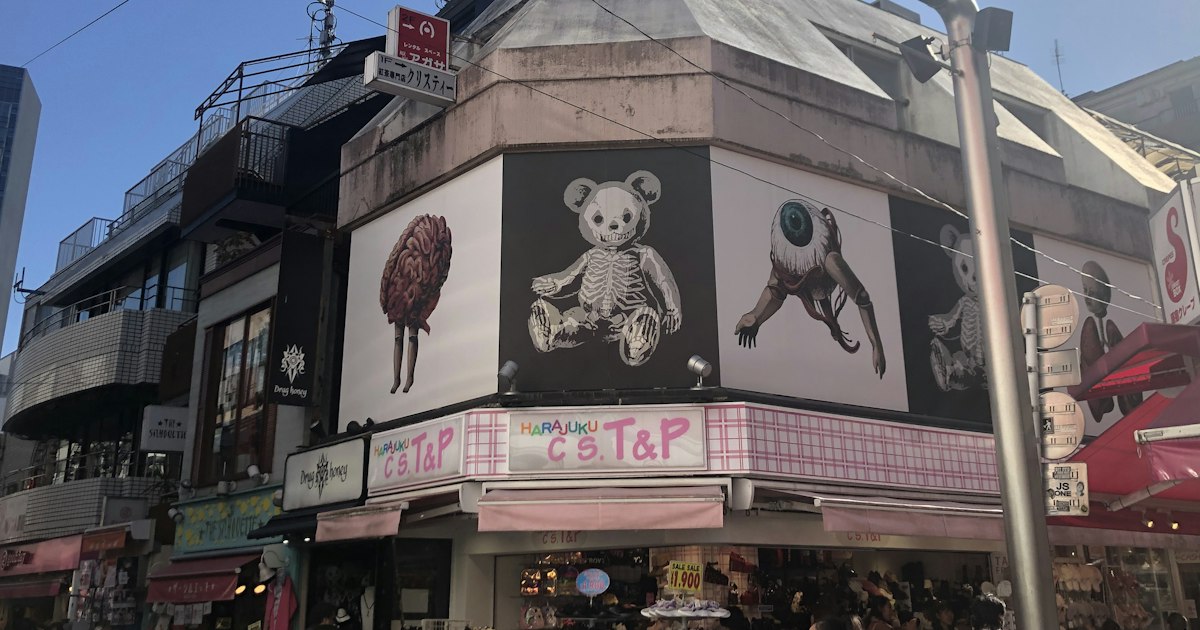
    The sailor-collared “seifuku” is one of Japan’s most recognizable style exports, and Harajuku is where most visitors go looking for it — whether that means a cosplay-ready costume set, a genuine secondhand school uniform, or a sailor-collar dress from a Lolita fashion brand. The trouble is that these are three very different products sold in three very different types of shops, and mixing them up is the easiest way to overpay or end up disappointed. Here’s how to shop for seifuku in Harajuku without wasting a trip.

    What “Seifuku” Actually Means (and What You’ll Find)

    Seifuku (制服) simply means “uniform,” and in Harajuku shops it splits into three categories worth knowing before you start browsing:

    • Costume seifuku — polyester sailor-top-and-skirt sets made for cosplay, Halloween, or photo shoots. Not built to be worn daily.
    • Real secondhand uniforms — actual gakuran (boys’) and sailor fuku (girls’) uniforms once worn by students, sold through vintage and thrift shops.
    • Sailor-influenced fashion — Lolita and mode brands that use the sailor collar as a design motif on dresses, blouses, and jackets, not as a literal school uniform.

    Knowing which one you want changes where you should go and what you should expect to pay.

    Cosplay & Costume Seifuku: Don Quijote and ACOS

    For a fun, low-commitment costume, the discount chain Don Quijote is the easiest stop — its Harajuku/Takeshita-dori area branches stock a costume section year-round that expands heavily around Halloween (late September through October). Basic sailor uniform sets (top, pleated skirt, ribbon) run roughly ¥3,000–¥6,000. Quality is costume-grade: thin fabric, elastic waistbands, one-size-fits-most sizing. Hours vary by branch, but Don Quijote stores are known for staying open late into the evening, which makes them a good option if you’re shopping after a full day of sightseeing.

    For a step up in build quality and character-accurate designs, cosplay specialty chains like ACOS sell more structured sets with proper sizing (S–XXL) for around ¥6,000–¥15,000. These are aimed at cosplayers attending events, so fit and finish are noticeably better than a Don Quijote costume, though still not intended for everyday wear.

    Real Vintage & Secondhand Uniforms: Chicago and Kinji

    If you want an actual worn-in uniform rather than a costume, Harajuku’s big secondhand clothing stores are the place to dig. Chicago Harajuku (on the Jingumae side street off Takeshita-dori) is a multi-floor thrift store with a dedicated vintage/costume basement where genuine sailor fuku and gakuran pieces surface irregularly among the racks — sold as one-off finds rather than a curated selection. Kinji, a few minutes away, works similarly: dense racks of used clothing sorted loosely by type, with the occasional real school uniform piece mixed in among the jackets and dresses. Both shops generally keep daytime-to-early-evening hours (roughly 11:00–20:00), and neither guarantees stock — treat a genuine uniform find as a lucky souvenir, not a sure thing. Prices for individual pieces typically land between ¥1,500 and ¥8,000 depending on condition and brand tag.

    If you enjoy the hunt-through-secondhand-racks experience, it pairs well with Japan’s broader mended-and-reused textile culture — see our guide to Sashiko & Boro for the deeper craft history behind Japan’s vintage clothing scene.

    Sailor-Collar Fashion Brands

    Not everyone wants a literal uniform — plenty of visitors are actually after the sailor-collar silhouette used in Lolita and street fashion. Closet Child, a secondhand Lolita and gothic-fashion specialist with a Harajuku branch, stocks sailor-collar blouses and dresses from brands like Angelic Pretty and Baby the Stars Shine Bright at secondhand prices — typically ¥5,000–¥30,000 depending on rarity and whether the piece is discontinued. This is the route to take if you want something wearable and well-made rather than a costume.

    Getting There, Timing & Hours

    Harajuku Station (JR Yamanote Line) or Meiji-jingumae Station (Chiyoda/Fukutoshin Lines) both drop you within a five-minute walk of Takeshita-dori, where most of these shops cluster. The street is extremely crowded from late morning through evening on weekends — if you actually want to browse racks rather than shuffle through a crowd, go on a weekday morning shortly after shops open (most open around 10:00–11:00). Costume stock is deepest in the weeks before Halloween; secondhand uniform stock has no real season, so it’s pure luck-of-the-draw whenever you visit.

    Budget vs. Splurge Picks

    • Budget: Don Quijote costume sets (¥3,000–¥6,000) — fine for a one-time photo or party, not durable.
    • Mid-range: ACOS cosplay sets (¥6,000–¥15,000) or a secondhand find at Chicago/Kinji (¥1,500–¥8,000) — better construction or genuine authenticity, at the cost of no guaranteed stock or sizing.
    • Splurge: Discontinued or rare Lolita sailor-collar pieces at Closet Child, which can run ¥15,000–¥30,000+ for sought-after brand items.

    Common Mistakes to Avoid

    • Assuming a costume set is a real uniform. Don Quijote and ACOS sell cosplay-grade garments — the fabric, stitching, and fit won’t match an actual school-issued uniform, and they’re not intended for regular wear.
    • Expecting a specific size or style to be in stock at secondhand shops. Chicago and Kinji don’t stock uniforms as a dedicated category — what’s on the rack today may be gone tomorrow and won’t be restocked in the same size.
    • Skipping the fitting room. Japanese sizing runs smaller than US/EU standards across all three shop types; always try before buying, since costume items in particular are often cut for a slim, one-size fit.
    • Wearing a real secondhand uniform in public without checking local norms. Uniforms are tied to specific schools in Japan, and wearing one in the wrong context can read as odd or even cause confusion — most buyers treat these purely as collector items, not streetwear.
    • Packing costume pieces in checked luggage without checking them first. Cheap costume fabric wrinkles and creases badly; roll rather than fold if you’re flying home the same trip.

    If Harajuku’s fashion-hunting energy has you in the mood for more boutique browsing beyond Takeshita-dori, the canal-side shops in Nakameguro make a relaxed, less crowded follow-up stop on the same trip.

  • Setouchi Triennale: Japan’s Island-Hopping Art Festival and How to Plan a Visit

    Setouchi Triennale: Japan’s Island-Hopping Art Festival and How to Plan a Visit

    Photo by Mika Wegelius on Unsplash

    Every three years, a scattering of small islands in the Seto Inland Sea fills with contemporary art — abandoned houses turned into installations, rice terraces dotted with sculpture, and a giant polka-dot pumpkin sitting on a stone pier facing the sea. The Setouchi Triennale is one of Japan’s most rewarding trips for travelers willing to plan around ferry schedules instead of train timetables, but it’s also one of the easiest festivals to get wrong if you show up without a plan. Here’s what you need to know before you go.

    What Is the Setouchi Triennale?

    The Setouchi Triennale is a contemporary art festival spread across roughly a dozen islands and two mainland port cities (Takamatsu in Kagawa Prefecture and Uno in Okayama Prefecture) in the Seto Inland Sea. It began in 2010 as an effort to revitalize islands that had been losing population for decades, using art as the draw. It has run every three years since — 2010, 2013, 2016, 2019, 2022, and most recently 2025 — with the next edition due in 2028. Unlike a single-venue museum show, the “art” here is the islands themselves: old fishing villages, disused schools, salt fields, and terraced hillsides host permanent and rotating installations you walk, cycle, or ferry between.

    The anchor islands are Naoshima and Teshima, both of which have become year-round art destinations even outside Triennale years. Naoshima is home to the Chichu Art Museum (built partly underground by Tadao Ando, with a room of Monet water lily paintings and a James Turrell light installation), the Benesse House Museum, and Yayoi Kusama’s yellow and red pumpkin sculptures. For a deeper look at Naoshima’s quieter neighbor, see our guide to Teshima, the quiet art island next to Naoshima, home to the Teshima Art Museum’s extraordinary droplet-shaped concrete shell.

    When to Go: The Three Sessions

    The Triennale doesn’t run continuously all year — it’s staged in three separate sessions, typically spring (mid-April to late May), summer (early August), and autumn (early October to early November), with the festival closed to Triennale programming in between. Some artworks and museums (Chichu Art Museum, Teshima Art Museum, the Art House Project) stay open year-round regardless of session, but many temporary installations and the food/event program only appear during these windows, so check the official session dates for the specific year before booking flights.

    Spring is the most popular and most crowded, especially over Golden Week (late April to early May) — book ferries and accommodation months ahead if traveling then. Summer brings intense heat and humidity, but also the Naoshima fireworks and a livelier island atmosphere. Autumn tends to have the best weather-to-crowd ratio: comfortable temperatures, fewer tour groups, and good light for photography.

    Getting There and Island-Hopping Logistics

    Takamatsu is the main gateway. It has its own airport with flights from Tokyo, and is about an hour from Okayama Station by JR limited express train (Okayama is a Shinkansen stop on the Sanyo line). From Takamatsu Port, ferries run to Naoshima (about 50 minutes), Teshima, Megijima, Ogijima, and other Triennale islands. Uno Port, near Okayama, is the shorter route to Naoshima — the ferry takes about 20 minutes and is the better option if you’re coming from the Kansai or Honshu side rather than Shikoku.

    The single biggest logistics trap is ferry frequency: outer islands like Ogijima, Oshima, or Awashima might only have four or five sailings a day, and the last boat back can leave as early as 4-5pm. Always check the return schedule for your specific island before you land — being stranded means an expensive taxi-and-hotel improvisation, not a quick fix. During Triennale sessions, special direct boats between islands (skipping the mainland ports) are added; these are worth building your itinerary around since they save significant backtracking.

    On Naoshima and Teshima, rental bicycles (including electric-assist models, roughly 500-1,500 yen per day) are the most practical way to get around — the islands are hilly, and walking between distant art sites eats your day. Naoshima also runs a free community bus loop between Miyanoura Port, Honmura, and the museum area, though it can be packed during peak sessions.

    Tickets and Budgeting

    Most individual artworks and museums are ticketed separately, but during Triennale sessions you can buy a Setouchi Triennale Passport that covers admission to most participating artworks across all islands — a full-triennale (all three sessions) passport has historically run around 5,000 yen for adults, with a single-session passport cheaper. The passport does not cover the handful of major standalone museums like Chichu Art Museum, which sells timed-entry tickets separately (historically around 2,100 yen) due to visitor caps.

    • Budget: Day trip from Okayama via Uno Port — ferry, bicycle rental, and passport can be done for well under 10,000 yen for the day, skipping the big-name paid museums.
    • Mid-range: Two to three days including one night on Naoshima or Teshima, covering the Triennale Passport plus Chichu Art Museum and a ryokan or guesthouse stay — budget roughly 20,000-35,000 yen per person all-in.
    • Splurge: Stay at Benesse House itself (the only accommodation that gives after-hours access to its museum galleries), which runs considerably higher than standard island lodging but is the only way to see the art with the crowds gone.

    Common Mistakes First-Timers Make

    The most common mistake is treating this like a normal city trip and trying to do too many islands in one day. Ferry connections between outlying islands are infrequent and don’t always sync well, so hopping from, say, Ogijima to Megijima to Naoshima in a single afternoon is rarely realistic — pick two islands per day at most. The second mistake is not booking Chichu Art Museum tickets in advance; it caps daily visitors and sells out during peak sessions. Third, many travelers underestimate how few shops and restaurants are open on the smaller islands — Ogijima and Awashima in particular have very limited dining, so carry cash (many small island businesses don’t take cards) and eat lunch before your ferry rather than assuming you’ll find something on arrival.

    Lastly, don’t skip Naoshima’s Honmura district in favor of only the museum cluster near Miyanoura Port — the Art House Project, where artists transformed old houses and even a former dentist’s residence into installations scattered through a real residential neighborhood, is some of the most memorable work on the island and is easy to miss if you rush straight to Chichu.

    Pairing the Trip With the Rest of the Seto Inland Sea

    If you have extra days, the Seto Inland Sea rewards lingering beyond the Triennale islands. Okunoshima, the rabbit island, is a short ferry ride from Tadanoumi Port on the Hiroshima side and makes an easy, very different day trip — wild rabbits and a WWII poison gas museum instead of contemporary art. On the Shikoku side, Matsuyama is about two hours from Takamatsu by train and home to Dogo Onsen, one of Japan’s oldest hot spring bathhouses — a relaxing bookend after days of island-hopping and gallery-walking. Both make sense as an extension rather than a detour, since Okayama, Takamatsu, and Matsuyama are all well connected by rail and ferry within the same region.

    The Setouchi Triennale rewards patience with ferry timetables more than any other festival in Japan, but that same slowness — waiting on a pier, watching the tide, arriving on an island with no convenience store — is a large part of what makes it feel different from anywhere else in the country.

  • Tatami & Igusa Goods: Bringing Japan’s Woven Rush Grass Home

    Tatami & Igusa Goods: Bringing Japan’s Woven Rush Grass Home

    Photo by Mike Hindle on Unsplash

    Step into almost any traditional Japanese room and you’ll notice it before you consciously register why: a faint, grassy sweetness in the air and a soft, woven floor underfoot. That’s igusa — the rush grass woven into tatami mats — and it’s one of the easiest traditional materials to bring home in miniature. You don’t need to ship an entire tatami mat to enjoy it; slippers, coasters, and small mats travel just fine, and they carry that same smell of a Kyoto machiya or a countryside ryokan for months after you unpack them.

    What Igusa Actually Is

    Igusa (Juncus effusus, soft rush) is a wetland grass that’s harvested, dried, and dyed with a mud-bathing process called doro-zome before being woven into the omote — the top facing — of a tatami mat. A full mat (about 90cm x 180cm, though sizing varies by region — Kyoto’s kyoma mats are noticeably larger than Tokyo’s edoma mats) is woven from thousands of individual strands. That density is why real tatami has a springy give and slowly mellows from green-gold to a warm straw color over a few years, while cheap synthetic look-alikes stay flat and don’t change color at all.

    Beyond flooring, igusa is now woven into a whole category of home goods: slippers, placemats, coasters, tote bags, yoga mats, even smartphone cases. These are what most visitors actually end up buying, since a real tatami mat is heavy, custom-cut to a room, and impractical to export.

    Where It Comes From: Kumamoto’s Yatsushiro Region

    If you want to see igusa at the source, head to the Yatsushiro area of Kumamoto Prefecture on Kyushu, which grows roughly 90% of Japan’s domestic igusa. The harvest runs from late June into July, and the region has built a small tourism layer around it — dyeing demonstrations, farm visits, and direct-from-producer shops selling mats and goods at lower prices than you’ll find in Tokyo department stores. It’s a worthwhile stop if you’re already routing through Kyushu; pair it with nearby food detours like Kumamoto’s basashi or, further north, Fukuoka’s motsunabe for a full regional food-and-craft itinerary. Fukuoka’s Chikugo area and parts of Hiroshima also produce igusa, but Yatsushiro is the name to look for on labels if you want confirmed domestic (kokusan) rush rather than imported Chinese igusa, which dominates the budget end of the market.

    What to Buy: Budget, Mid-Range, and Splurge

    You don’t need a big budget to bring home something genuinely useful:

    • Budget (500–1,500 JPY): Igusa coasters, chopstick rests, and small sachets — the sachets are just loose or bundled rush grass meant to scent a drawer or car, and they’re a nice lightweight souvenir that doesn’t take up suitcase space.
    • Mid-range (1,500–5,000 JPY): Igusa slippers (a very common ryokan-style souvenir, usually 1,800–3,000 JPY), table runners and placemats, and small square “mini tatami” mats sized for a cat bed or a single cushion.
    • Splurge (6,000–20,000+ JPY): Woven igusa tote bags and larger area rugs, or a custom-order tatami cushion (zabuton-style) made to size. Some producers will ship a full tatami mat abroad on request, but between the weight, the custom sizing, and international freight, this usually only makes sense if you’re furnishing an actual washitsu (tatami room) overseas.

    Where to Shop

    In Tokyo, Tokyu Hands and Muji both stock small igusa goods — slippers, coasters, seat cushions — as part of their home sections, and they’re a reliable stop if you want quality-checked items without hunting for a specialty shop. Kappabashi (Tokyo’s kitchenware district) occasionally has tatami-adjacent housewares mixed in among the kitchen tools. For deeper selection, look for dedicated tatami and washitsu-goods stores, which tend to carry a wider range of weave patterns and dye colors than general department stores; these exist in most large cities but are especially common in Kyoto and Kumamoto. Producers in Yatsushiro also sell by mail order domestically, and some will arrange international shipping for larger orders — ask before you buy if you’re set on having something sent home rather than carried in a suitcase.

    Best Time to Buy

    Igusa is harvested once a year, from roughly late June through July, and freshly dyed goods made from that year’s harvest tend to appear in shops from late summer into autumn — that’s when the color and scent are strongest. Buying in spring, before the harvest, means you’re likely getting the previous year’s stock, which is still perfectly good but has mellowed to a paler, less fragrant straw color. If scent and vivid green-gold color matter to you, autumn is the better shopping season. Practically speaking, though, tatami goods are sold year-round and make a fine souvenir on any trip.

    Common Mistakes to Avoid

    The biggest one is assuming anything that looks like tatami is real igusa. A lot of budget “tatami-style” flooring and place mats sold in home stores are actually washi (paper) tatami or vinyl imitations — durable and cheaper, but they won’t have the grassy smell or the way real rush softens with use. Check the label for igusa or i-gusa 100% if authenticity matters to you. Second, don’t machine-wash igusa slippers or mats — the grass strands are woven around a paper or cotton core and will warp or fray; spot-clean with a slightly damp cloth instead. Third, if you’re buying a full tatami mat, remember that regional sizing isn’t standardized (Kyoto, Nagoya, and Tokyo all use different dimensions), so a mat bought in Japan may not fit a room measured to a different regional standard — always confirm exact centimeters, not just “tatami mat size.”

    Caring for Igusa Goods at Home

    Rush grass is a natural, breathable material that reacts to humidity — that’s part of why tatami rooms feel cool in summer. Keep igusa goods out of direct sunlight where possible, since prolonged UV exposure fades the color faster than normal aging. Air them out occasionally rather than leaving them in a sealed drawer, and avoid damp storage, which can encourage mold on the grass fibers. Treated this way, a set of igusa coasters or slippers will easily last several years, slowly deepening in color the way a full-size tatami mat does — a small, low-maintenance piece of a Japanese home you can keep anywhere in the world.

  • Tobe Ware: Ehime’s Blue-and-White Porcelain and Where to Buy

    Tobe Ware: Ehime’s Blue-and-White Porcelain and Where to Buy

    Photo by wei on Unsplash

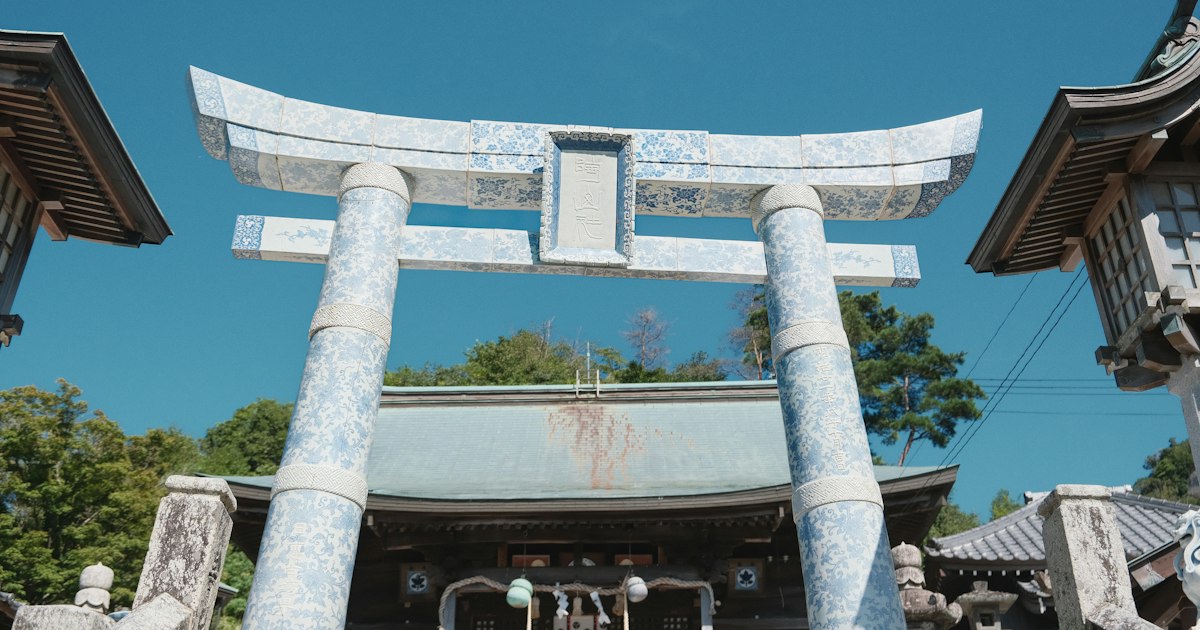
    In the hills just south of Matsuyama, the small town of Tobe has been turning out thick, hand-painted blue-and-white porcelain since the late 1700s. Tobe ware (砥部焼, Tobe-yaki) doesn’t have the fame of Arita or Kutani, which is exactly why it’s a satisfying find: sturdy, everyday-use porcelain with a distinctive chalky-white body and bold cobalt brushwork, sold direct from the kilns that make it at prices well below what similar craft pottery costs in Tokyo gift shops. Here’s what it is, where to buy it, and how to get there without wasting a day.

    What Makes Tobe Ware Distinctive

    Tobe ware started around 1777, when the local feudal lord ordered production of porcelain using pottery stone (toseki) quarried from the hills around Tobe. That stone gives Tobe ware its signature look: a slightly heavy, off-white or grayish-white body — distinct from the pure bright white of Arita porcelain — decorated with hand-painted underglaze cobalt blue (gosu). Designs lean toward bold, confident brushstrokes rather than fine detail: arabesque vines (karakusa), plants, fish, and abstract geometric patterns are common. It was designated a traditional craft (dentō kōgeihin) in 1976, and today around 100 kilns operate in and around Tobe town, most small, family-run operations with an attached shop.

    Practically speaking, this is porcelain meant for daily use — most pieces are dishwasher- and microwave-safe, which isn’t always true of Japanese ceramics, and it’s a genuine advantage if you’re shopping for something you’ll actually use at home rather than display.

    Best Places to Buy in Tobe Town

    The single best stop is the Tobe Ware Traditional Industry Hall (砥部焼伝統産業会館), which functions as both a museum and a sales showroom carrying work from dozens of different kilns under one roof — useful for comparing styles before you commit to a specific studio. It’s open daily except Mondays, roughly 9:00–17:00, with free or low-cost entry to the exhibition space.

    Beyond the hall, walk or bus around the kiln district and you’ll find shops attached to individual studios — Tozan-gama, Sadamitsu-gama, and Umenoki-gama are among the better-known names, each with its own house style within the blue-and-white tradition. Buying direct from a kiln shop is usually 10–20% cheaper than buying the same piece in a Matsuyama department store, and you can often see the painting studio through a window or open door.

    Buying in Matsuyama City (If You’re Short on Time)

    If a dedicated trip to Tobe doesn’t fit your itinerary, Matsuyama city itself carries a reasonable selection. The Iyotetsu Takashimaya department store has a Tobe ware corner, and souvenir shops around the Okaido/Gintengai covered arcades and near Dogo Onsen stock smaller pieces like teacups and sake cups aimed at travelers. Selection is narrower and prices run a bit higher than buying direct from the kilns, but it saves the bus trip if Dogo Onsen is already on your plan.

    The Tobe Ware Festival: Best Time to Buy

    Once a year, usually over several days in late April (dates shift slightly year to year, so check the current schedule before you plan around it), Tobe hosts the Tobe-yaki Matsuri — an outdoor festival where dozens of kilns set up stalls and sell seconds, overstock, and festival-only pieces at discounts of 20–30% off normal shop prices. It draws a large crowd from across Ehime, so go early in the day if you want first pick of the better pieces. Outside festival season, prices are fixed and consistent whether you buy on a Tuesday afternoon or a Saturday.

    Prices: Budget, Mid-Range, and Splurge

    Tobe ware is priced for daily use, not investment collecting:

    • Budget (¥1,000–3,000): small plates, teacups (yunomi), and sake cups (guinomi) — an easy, packable souvenir. If you’re already building a set of Japanese drinkware, a Tobe guinomi pairs well with anything from a broader sake cup and tokkuri collection.
    • Mid-range (¥3,000–8,000): rice bowls, medium serving bowls, and matched pairs of cups or small vases, often the sweet spot for a piece you’ll actually use at home.
    • Splurge (¥10,000–100,000+): larger vases, serving platters, and signed work from established kiln masters. These are sold mainly at kiln shops and the Traditional Industry Hall rather than in city souvenir shops.

    Most kiln shops accept cash and increasingly IC cards or credit cards, but smaller studios may be cash-only — bring some yen in case.

    Getting There and Practical Tips

    Tobe town is roughly 30–40 minutes from central Matsuyama by Iyotetsu bus bound for Tobe/Tonoura, with a one-way fare of a few hundred yen; buses run at reasonable but not frequent intervals, so check the timetable before heading out, especially on weekends. If you’re staying near Dogo Onsen, budget a half-day round trip including browsing time — it pairs naturally with a Matsuyama itinerary since both are reachable from the same city base.

    For breakage-free travel, ask the shop to wrap items securely (most do this automatically for porcelain) and consider carrying fragile pieces in your carry-on rather than checked luggage. Larger or bulk purchases can often be shipped domestically via takkyubin courier from the shop, and some of the bigger kilns can arrange international shipping — ask before you buy if you’re eyeing something too large to carry.

    Common Mistakes to Avoid

    Don’t assume every piece is flawless — small firing irregularities are normal in handmade porcelain and are sometimes sold as discounted “wake-ari” (has-a-reason) seconds; these are perfectly usable and a good way to save money, but check for actual functional cracks rather than just cosmetic glaze variation. Don’t buy the first shop’s price as final if you’re planning to visit multiple kilns — prices vary more between studios than you’d expect for what looks like a similar item. And don’t skip the Traditional Industry Hall even if you plan to buy elsewhere — seeing the range of styles from different kilns side by side makes it much easier to recognize what you actually like once you’re browsing individual shops.

  • Sake Cups & Tokkuri: A Buying Guide to Japanese Drinkware

    Sake Cups & Tokkuri: A Buying Guide to Japanese Drinkware

    Photo by Tom Chen on Unsplash

    A tokkuri and a pair of ochoko make one of the easiest, most satisfying souvenirs to bring home from Japan — small enough to pack, functional enough to use every week, and available in styles ranging from a 500-yen craft-fair find to a museum-quality piece of cut glass. But the sheer variety of shapes, materials, and regional traditions can be overwhelming if you don’t know what you’re looking at. Here’s how to shop for sake drinkware like you know what you’re doing.

    Know Your Vessels: Tokkuri, Ochoko, Guinomi, and Sakazuki

    A tokkuri is the flask you pour from — typically holding one go (180ml), though smaller 90ml and larger 300ml sizes exist. Its narrow neck isn’t just decorative; it slows the pour and helps retain heat when serving warmed sake (atsukan). A ochoko is the small cup you drink from, usually 30-60ml, often sold in mismatched sets at pottery towns because traditionally each guest chooses their own. A guinomi is essentially a larger, more substantial ochoko (60-120ml), designed to be held and appreciated as a standalone art object — potters often sign these. A sakazuki is the flat, shallow saucer-shaped cup used at weddings and formal ceremonies; beautiful, but impractical for everyday drinking since it’s easy to spill.

    If you’re buying for daily use rather than display, guinomi are the best value: substantial enough to feel special, versatile enough to double as a small teacup or condiment dish.

    Materials and Regional Styles

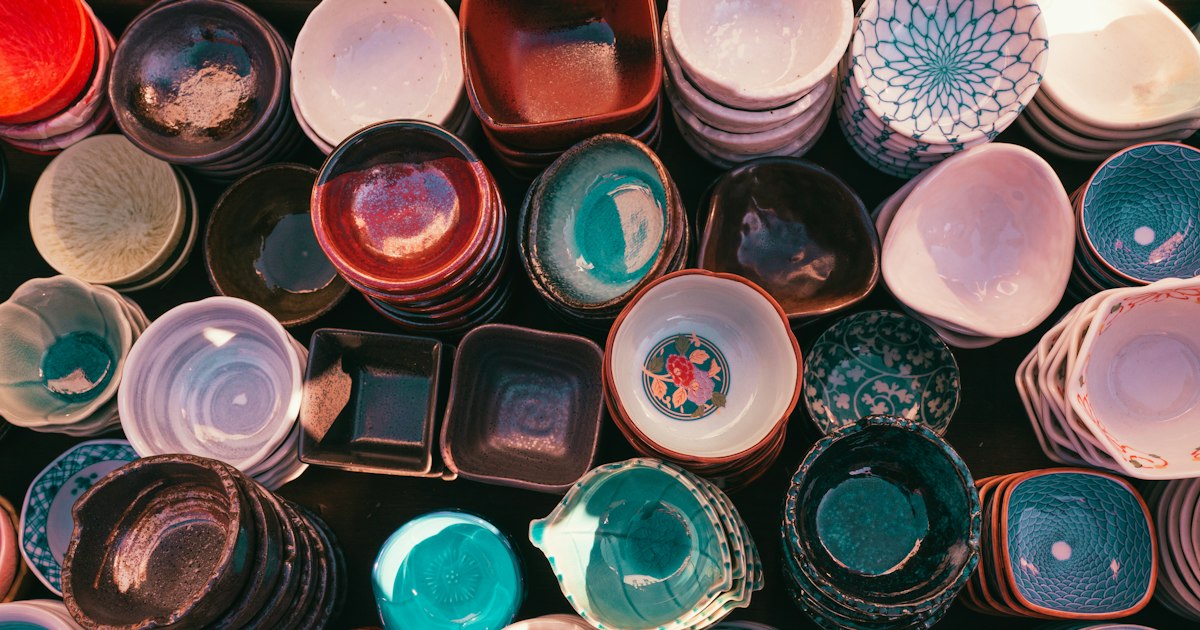
    Ceramic is the classic choice. Mashiko ware (Tochigi) has a rustic, earthy glaze and is widely available and affordable. Bizen ware (Okayama) is unglazed stoneware fired at high heat for days, giving each piece unique reddish-brown mottling — no two are alike, and prices reflect the labor involved. Hagi ware (Yamaguchi) uses a porous, pale clay that changes color slightly with use as sake soaks into micro-cracks in the glaze, a prized effect called “Hagi’s seven transformations.” Arita/Imari ware (Saga) is fine white porcelain with cobalt-blue or colorful overglaze painting — more delicate and formal-looking.

    Glass is the other major category, and it’s where things get visually striking. Edo Kiriko, Tokyo’s faceted cut-glass tradition, produces guinomi with deep geometric patterns that catch light beautifully — a step up in both craftsmanship and price. Ryukyu glass from Okinawa offers a completely different mood: thick, bubbly, hand-blown glass in vivid blues and greens, originally made from recycled bottles after WWII. Both are excellent for chilled or on-the-rocks sake (reishu), since glass shows off the drink’s clarity in a way ceramic can’t.

    Metal cups — tin (suzu) or silver — are a smaller niche but worth knowing about; tin is said to soften sake’s flavor and is traditionally used for warmed sake. If you’re already interested in Japanese metalwork, it’s worth comparing to Nambu Tekki cast ironware from Iwate, which occasionally produces small sake sets alongside its famous kettles.

    Where to Buy in Japan

    Kappabashi (Tokyo) is the country’s largest kitchenware wholesale district, in Taito-ku near Tawaramachi Station (Ginza Line) or a 10-minute walk from Asakusa. Most shops open around 10:00am and close by 5:00 or 6:00pm, and many are closed on Sundays, so plan a weekday visit if you want the full range of stores open. Dozens of shops here stock ceramic and glass sake sets at wholesale-adjacent prices, alongside the plastic food replicas the street is also known for — see our guide to sampuru if you’re browsing the same street.

    Sake breweries and their museums are another great source, and buying there means the cup comes with a story. In Fushimi, Kyoto, the Gekkeikan Okura Sake Museum (open 9:30am-4:30pm, last entry 4:00pm, admission 600 yen including a tasting) sells house-branded tokkuri and cups in its shop. In Nada, Kobe, several brewery museums (Hakutsuru, Kikumasamune) offer similar tasting-plus-shopping visits.

    Department store basements and craft floors (depachika and the upper “kogei” floors) in Tokyo, Kyoto, and Osaka carry curated selections from named potters, with English-speaking staff at flagship stores like Takashimaya or Isetan. Prices are higher than at the source, but selection and quality control are excellent, and shipping overseas can usually be arranged on the spot.

    Pottery towns themselves** — Mashiko, Bizen, Hagi, Arita — are worth the detour if you have an extra day and want to see kilns and studio shops directly. Prices there are often 20-30% below what you’d pay in Tokyo for the same maker’s work.

    Budget, Mid-Range, and Splurge Picks

    • Budget (¥800-2,500): A simple Mashiko-style ochoko or a mass-produced glass guinomi from a Kappabashi shop or department store basement. Perfectly good for daily use, and light enough to buy several as gifts.
    • Mid-range (¥3,000-8,000): A named-kiln Hagi or Bizen guinomi, or a small tokkuri-and-cup set from a brewery shop. This is the sweet spot for a meaningful souvenir that still feels reasonable.
    • Splurge (¥10,000-30,000+): A signed Edo Kiriko cut-glass guinomi or a one-of-a-kind Bizen piece from a known potter. At this level you’re buying a small art object, and reputable shops will provide a wooden box (tomobako) and sometimes a certificate of authenticity — ask before you buy if this matters to you.

    Best Time to Buy

    There’s no strict season for shopping, but timing affects what’s on offer. Many sake breweries release new-season sake (shinshu) in late autumn through winter, and museum shops often stock limited seasonal tokkuri designs alongside it. Summer is when glass cups and sets are pushed hardest in stores, since chilled sake (reishu) is the seasonal favorite — good timing if you want Edo Kiriko or Ryukyu glass at its most visible and well-stocked. If your trip includes a winter destination like Hakuba or a hot spring town, warmed sake sets with a tin or ceramic tokkuri make a fitting cold-weather souvenir.

    Common Mistakes to Avoid

    • Buying a set without checking capacity. Ochoko sizes vary wildly (30ml to 90ml); a set that looks similar in the shop can pour very differently at home.
    • Assuming all ceramic ware is microwave- or dishwasher-safe. Hand-glazed and unglazed pieces (especially Bizen) often aren’t — ask before you buy if this matters for how you’ll actually use it.
    • Skipping the wooden box. For mid-range and splurge pieces, the box isn’t just packaging — it protects the piece in transit and is expected if you ever want to resell or gift the item formally.
    • Not asking about hand-carry safety. Ceramic and cut glass are fragile; reputable shops will wrap pieces securely for a suitcase, but it’s worth requesting bubble wrap specifically rather than just tissue paper.
    • Confusing decorative sakazuki for everyday cups. They look elegant in photos but spill easily — fine for a toast, frustrating for regular drinking.

    Bringing It Home

    Ceramics and glass travel best in carry-on luggage, wrapped in clothing inside a hard-sided case if you have one; checked bags see rougher handling. If you’re buying multiple sets, most Kappabashi shops and department stores can arrange international shipping (typically ¥3,000-6,000 depending on weight and destination), which is often cheaper and safer than trying to fit fragile pieces into an already-full suitcase.

  • Nakameguro: Tokyo’s Canal-Side Cafes, Cherry Blossoms & Boutiques

    Nakameguro: Tokyo’s Canal-Side Cafes, Cherry Blossoms & Boutiques

    Photo by Jenna Neal on Unsplash

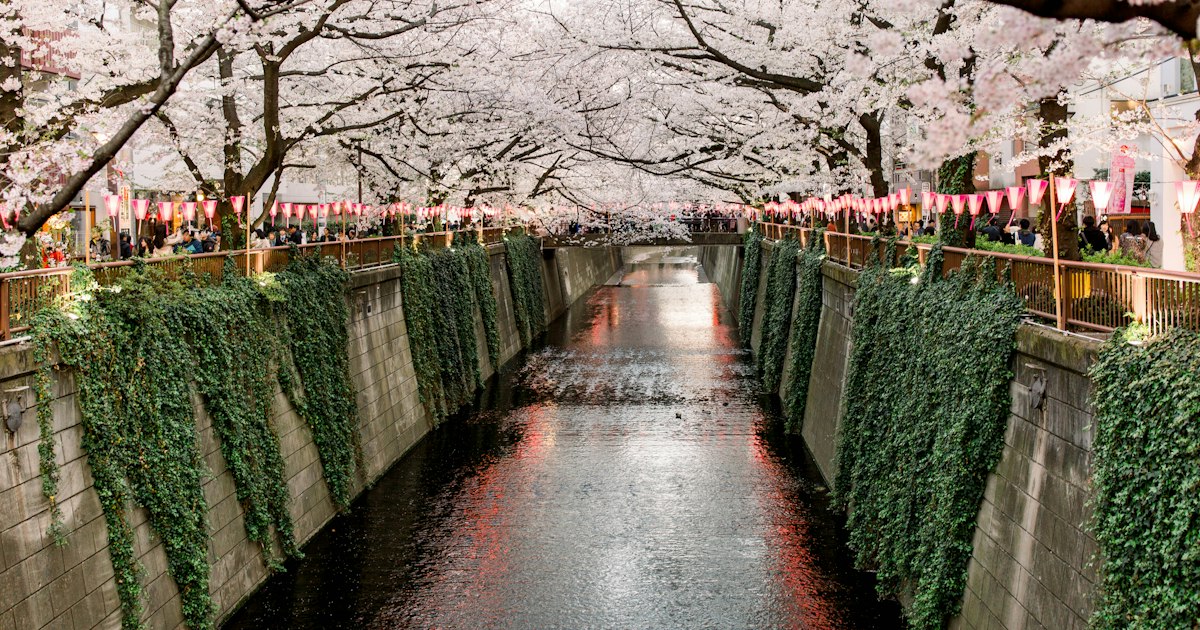
    Nakameguro doesn’t have a single “must-see” landmark, and that’s exactly why it rewards a slow afternoon. The neighborhood is built around a half-mile stretch of the Meguro River, lined with 800-some cherry trees, third-wave coffee roasters, vintage clothing racks, and shops that opened because their owners genuinely wanted to live nearby — not because a guidebook told them to. It’s a 15-minute train ride from Shibuya, but it feels like a different city.

    Getting There and When to Go

    Nakameguro Station sits on both the Tokyu Toyoko Line and the Tokyo Metro Hibiya Line, which makes it easy to reach from almost anywhere in the city. From Shibuya, it’s two stops on the Toyoko Line (about 6 minutes, roughly ¥160). If you’re coming from Roppongi, Ginza, or Ueno, the Hibiya Line runs direct with no transfers.

    Cherry blossoms typically peak in Tokyo between late March and the first week of April, and Nakameguro is one of the city’s most photographed hanami spots because the trees form a tunnel directly over the river. During peak bloom, the Nakameguro Sakura Festival hangs paper lanterns along the water for evening illumination, usually running until around 9pm. The catch: this is also when the neighborhood is at its most crowded, with the riverside path reduced to a slow shuffle on weekend afternoons. If you want photos without a wall of people, go on a weekday morning before 9am, or accept the crowds and enjoy the festival atmosphere instead. Outside sakura season, the same walk is quiet and pleasant nearly any time of year, with the trees turning good shades of orange and red in late November.

    Cafes Worth the Detour

    Coffee is Nakameguro’s other main draw. Starbucks Reserve Roastery Tokyo (2-19-23 Kamimeguro), a four-story flagship with an on-site roaster, is the most famous stop — it opens at 7am and closes at 11pm, and lines can form on weekends, so an early morning or weekday visit is easiest. Drinks and small food items run roughly ¥600–¥1,800.

    For something more low-key, Onibus Coffee has a tiny original location tucked on a residential side street a few minutes from the station, serving single-origin pour-overs for around ¥500–¥600. It’s standing-room only inside, which keeps it from ever feeling like a tourist stop. A short walk toward Daikanyama brings you to Log Road Daikanyama, a row of shops built along a former train line that includes Spring Valley Brewery — a good spot for a flight of craft beer (around ¥1,500–¥2,000) if coffee isn’t your thing. If you’re chasing dessert rather than caffeine, Nakameguro’s cafes lean toward pancakes and cheesecake rather than traditional sweets, but if you want to track down Japan’s classic custard treat elsewhere in the city, our guide to purin covers where to find the real old-fashioned version.

    Boutiques and Independent Shops

    Nakameguro’s shopping is small-scale and specific rather than mall-like, which is its appeal. Cow Books, an independent bookstore right on the riverside path, stocks used and rare titles (mostly Japanese, some English) and is open Tuesday to Sunday, roughly noon to 8pm, closed Mondays. Traveler’s Factory, near the station, is the flagship store for the Traveler’s Notebook brand and a good stop for anyone into stationery or journaling — leather notebook covers start around ¥5,000, with refills and accessories from ¥400.

    The area under the elevated train tracks near the station, redeveloped as a row of glass-fronted shops and restaurants, is worth a slow walk-through for fashion and homeware boutiques you won’t find in department stores. If you’re shopping for souvenirs with real craft behind them, keep an eye out for shops selling tenugui (traditional dyed cotton cloths, from about ¥1,000) — a lighter, cheaper alternative to ceramics for a suitcase. For something with more collector value, our guides to Edo Kiriko cut glass and sashiko and boro textiles point to specific Tokyo shops worth combining with a Nakameguro visit, since both crafts show up in the neighborhood’s better boutiques.

    Budget, Mid-Range, and Splurge

    • Budget (under ¥2,000): A pour-over at Onibus Coffee, a walk along the river, and window shopping under the elevated tracks costs almost nothing beyond a train fare and a coffee.
    • Mid-range (¥2,000–¥6,000): A drink and pastry at the Starbucks Reserve Roastery, plus a notebook or tenugui from one of the boutiques, fits comfortably in this range.
    • Splurge (¥6,000+): Several small izakaya and bistro restaurants along the river do multi-course lunches or dinners in the ¥5,000–¥10,000 range; pair one with a bottle from a boutique wine shop for a proper evening out.

    Common Mistakes to Avoid

    The biggest mistake is timing: full bloom only lasts about a week to ten days, and it shifts year to year depending on spring weather, so check a current-year sakura forecast rather than assuming late March will always work. The second is assuming the whole neighborhood is walkable in twenty minutes — the interesting shops and cafes spread out over both banks of the river and into the side streets toward Daikanyama, so budget at least two hours if you want to actually browse rather than just photograph the trees. Third, many of the smaller boutiques and cafes close one day a week (often Monday or Tuesday) and don’t open until 11am or noon, so this isn’t a neighborhood for an early-morning shopping run outside of the coffee spots. Finally, cash still matters here — some of the smallest independent shops and cafes are card-only or cash-only in either direction, so carry some yen as a backup.

    A Good Half-Day Plan

    Start at Nakameguro Station around 9 or 10am, walk the river path toward Daikanyama while the crowds are thin, stop for coffee at Onibus or the Roastery, browse Cow Books and the under-track shops as they open around 11am–noon, and finish with a late lunch at one of the riverside bistros before the afternoon crowds arrive. It’s an easy add-on to a Shibuya or Daikanyama day, and unlike many Tokyo neighborhoods built for one big attraction, Nakameguro rewards simply wandering.

  • Purin: Japan’s Old-Fashioned Custard Pudding and Where to Try It

    Purin: Japan’s Old-Fashioned Custard Pudding and Where to Try It

    Photo by Felippe Lopes on Unsplash

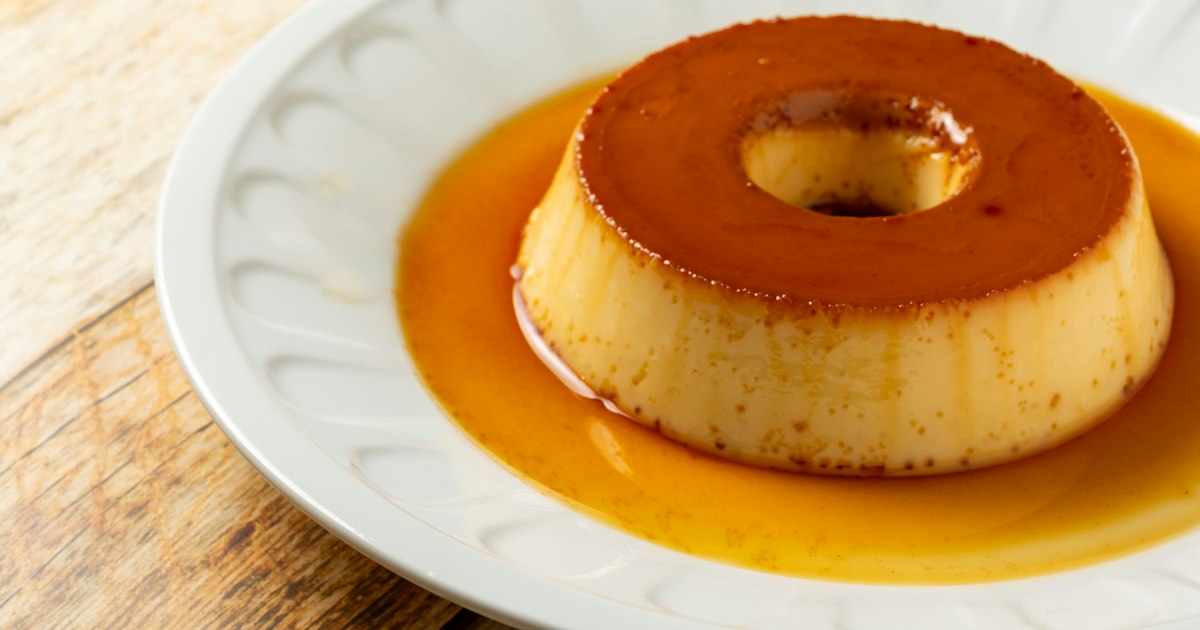
    Long before jiggly cheesecakes and fluffy pancakes took over Japanese dessert menus, there was purin — a dense, caramel-topped custard pudding that has been a fixture of Japanese cafés, convenience stores, and family dinner tables since the postwar years. It looks like a French crème caramel and shares its DNA, but decades of local tinkering have given it a texture, flavor, and cultural role that’s distinctly Japanese. If you’re planning a trip and want to understand what all the fuss is about — and where to actually eat it — here’s what you need to know.

    What Makes Japanese Purin Different

    Purin (プリン) is Japan’s adaptation of caramel custard pudding, but it splits into two very different camps. “Old-fashioned” or “retro” purin (昔ながらのプリン) is firm and dense, almost like a baked cheesecake in texture, with a layer of dark, slightly bitter caramel sauce (カラメル) on the bottom that turns into a glossy topping once you flip it out of its cup. This is the style that dominated coffee shops and department store restaurants from the 1960s through the 1980s, and it’s currently having a nostalgia-driven revival. The other camp is the ultra-soft, “purun-purun” jiggly pudding that became a social media sensation in the 2010s — so soft it barely holds its shape and wobbles when you tap the plate. Both are widely available, but they’re not interchangeable, and menus don’t always specify which one you’re getting, so it helps to ask.

    A Short History: From Hotel New Grand to the Konbini Cup

    Purin’s most famous origin story traces back to the Hotel New Grand in Yokohama, which is widely credited with inventing “pudding à la mode” (プリンアラモード) — a plated dessert combining custard pudding, whipped cream, and fresh fruit — for Allied officers stationed in Japan after World War II. That plated, fruit-topped format spread to hotel restaurants and old-school kissaten (coffee shops) nationwide and is still considered a classic order today. On the mass-market side, Morinaga launched its now-iconic cup pudding with the foil lid and caramel packet in 1967, and that same basic format — a small plastic cup you find in any convenience store or supermarket refrigerator case — is still how most people in Japan encounter purin day to day.

    Old-Fashioned vs. Jiggly: Know the Style Before You Order

    If a café menu says “なつかしいプリン” (natsukashii purin, “nostalgic pudding”) or “固めプリン” (katame purin, “firm pudding”), expect the dense, custardy retro style. If it says “とろけるプリン” (torokeru purin, “melting pudding”) or shows a photo of a pudding sagging dramatically off a spoon, that’s the soft, jiggly style. Both are usually topped with caramel sauce rather than fruit unless you’re ordering the à la mode version. Fake-food displays outside restaurants often feature purin as one of the sample dishes — if you’ve ever wondered how those uncannily realistic plastic desserts are made, our guide to sampuru, Japan’s plastic food replicas, explains the craft and where you can buy a pudding replica of your own as a souvenir.

    Where to Try Purin in Tokyo and Yokohama

    For the classic hotel-style pudding à la mode, go to the source: Hotel New Grand in Yokohama (10 Yamashita-cho, Naka-ku, a short walk from Yamashita Park and Chinatown), where “The Café” on the ground floor still serves the original-style dessert, generally priced in the ¥1,500–¥2,000 range. In Tokyo’s Ginza district, Shiseido Parlour (8-8-3 Ginza) is famous for its firm, old-fashioned baked pudding, sold both in the café upstairs and as a takeaway jar from the ground-floor shop; expect to pay roughly ¥500–¥600 per jar to go. A few blocks away, Ginza West (7-3-6 Ginza), a kissaten operating since the late 1940s, is a good spot for a sit-down pudding à la mode in an old-school European-café atmosphere. Most of these venues open around 11:00 and close by 20:00–21:00, and Ginza West is closed some public holidays, so it’s worth checking hours the day of your visit rather than assuming they match a weekday schedule.

    Where to Try Purin in Osaka and Kobe

    Kansai has its own dedicated purin culture. R.L (Ryoko Lecomte), based in Kobe, specializes in a smooth, melt-in-the-mouth style pudding sold in small jars — you’ll find a counter in the basement food halls (depachika) of major department stores like Hankyu Umeda in Osaka, generally priced around ¥400–¥500 each, making it an easy grab-and-go gift. For the jiggly extreme, head to Purin no Mise Pao in Osaka’s Nakazakicho neighborhood, known for its oversized, dramatically wobbly pudding and frequent queues on weekends — arrive close to opening if you want to avoid a long wait, and note that some locations are cash-only.

    Budget to Splurge: Convenience Stores, Cafés, and Department Store Gifts

    You don’t need a special trip to try purin — convenience stores like Lawson, 7-Eleven, and FamilyMart all stock individual cups for roughly ¥150–¥250, and they rotate seasonal flavors (strawberry and sakura in spring, matcha or mango in summer, chestnut or “premium rich” custard in winter), so it’s worth checking the chilled dessert case whenever you’re in one during your trip. Mid-range options are the café and depachika purins described above, generally ¥400–¥700. For a splurge, look for limited-edition gift boxes at department store food halls around Tokyo or Osaka, sometimes packaged with multiple flavors in a presentation box for ¥2,000–¥3,000 — a nice option if you’re hosting or attending a gathering with people who can eat it quickly. If you’re building out a broader Japanese sweets itinerary, pairing a purin stop with dorayaki or a slice of Nagasaki castella makes for a satisfying half-day dessert crawl, since all three represent different eras of Western influence on Japanese confectionery.

    Common Mistakes and Practical Tips

    The biggest mistake visitors make is treating purin as a shelf-stable souvenir to pack in a suitcase — it’s a chilled custard, not a dry snack, and it won’t survive a flight home unrefrigerated. Treat it as something to enjoy during your trip, not to bring back. Second, if you’re chasing a specific texture, don’t assume all purin is the same; read the menu description or ask “katame desu ka, torokeru desu ka?” (is this firm or melting?) before ordering, especially at unfamiliar cafés. Third, popular specialty shops like Pao in Osaka can sell out of their soft-serve-style jiggly pudding by early afternoon on weekends, so morning visits are safer. Finally, if you have any dietary concerns around dairy or egg content — relevant for travelers managing allergies alongside other health logistics, similar to the planning covered in our guide on bringing medicine into and out of Japan — note that virtually all purin contains both milk and egg, with no widely available substitute versions at the shops listed here.

    There’s no strong seasonal window for purin — it’s a year-round dessert — but department stores often run flavor promotions tied to summer and New Year gift-giving seasons, so late June through August and December are good times to catch limited editions. Whether you’re grabbing a ¥180 cup from a konbini fridge between train transfers or sitting down for a proper pudding à la mode in Yokohama, purin is one of the easiest, cheapest ways to taste a specific slice of postwar Japanese food history.

  • Japanese Soy Sauce (Shoyu): Regional Styles and Where to Buy

    Japanese Soy Sauce (Shoyu): Regional Styles and Where to Buy

    Photo by Hiroko Nishimura on Unsplash

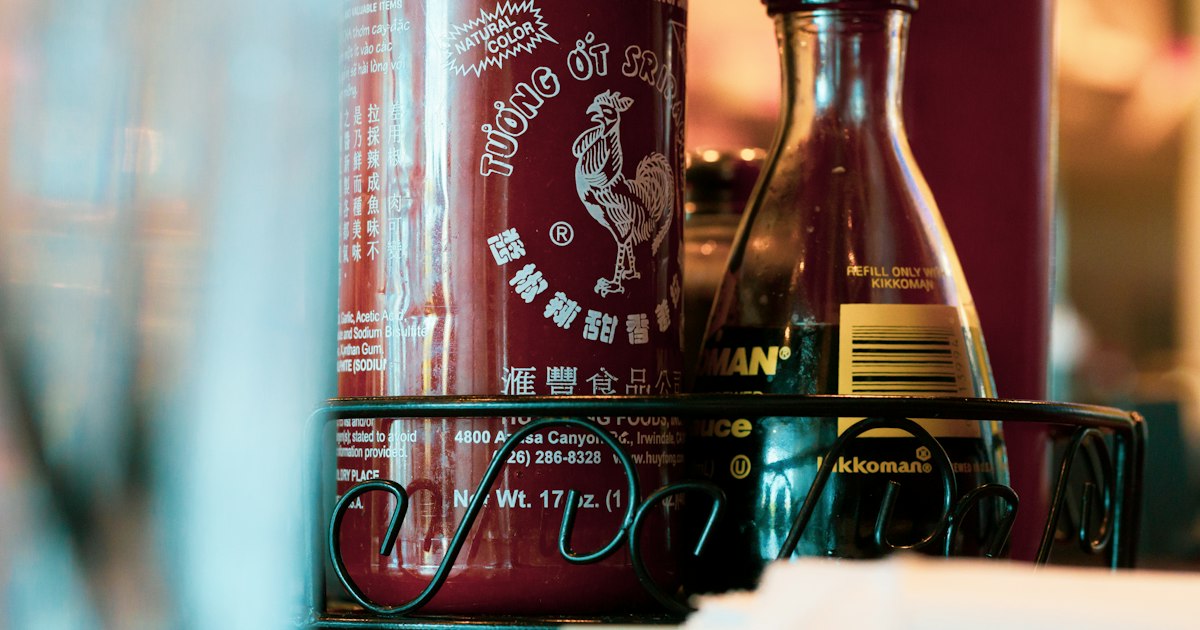
    Walk down the seasoning aisle of any Japanese supermarket and you’ll find twenty or more bottles labeled shoyu (醤油), ranging from ¥250 mass-market staples to ¥4,000 barrel-aged bottles sold in tiny gift boxes. Soy sauce is one of the easiest, most useful souvenirs to bring home from Japan — it’s not fragile in the way lacquerware or ceramics are, it’s genuinely used in everyday cooking rather than displayed on a shelf, and the regional differences are dramatic enough that a bottle from Shodoshima tastes nothing like a bottle from Kyoto. This guide covers the main styles, where they’re made, and how to actually buy and pack the stuff without it exploding in your suitcase.

    The Five Main Styles of Shoyu

    Almost all Japanese soy sauce falls into five categories, and knowing them will save you from buying the wrong bottle for the wrong dish:

    • Koikuchi (濃口) — “dark mouth,” the default soy sauce used in roughly 80% of Japanese households. All-purpose, balanced saltiness, dark reddish-brown. If a bottle just says “shoyu” with no other label, it’s this.
    • Usukuchi (淡口) — “light mouth,” lighter in color but actually saltier than koikuchi (roughly 10-15% more sodium). Centered on the Kansai region, used where cooks want seasoning without darkening the dish — clear broths, simmered vegetables. This is the classic beginner mistake: people assume “light” means less salty, and over-pour it.
    • Tamari (たまり) — thick, dark, made with little or no wheat, originally from the Chubu region (Aichi, Gifu, Mie). Rich umami, glossy finish, good for dipping sashimi or glazing grilled fish. Note that “tamari” doesn’t automatically mean gluten-free — some commercial tamari still contains a small percentage of wheat, so check the label if you need a wheat-free product.
    • Shiro (白) — “white” soy sauce, very pale and mostly wheat, sweet and delicate. Mainly from Aichi Prefecture, used in dishes like chawanmushi where color matters.
    • Saishikomi (再仕込み) — “twice-brewed,” made by using soy sauce instead of brine to ferment a second batch. Thicker, darker, and more expensive; associated with Yamaguchi and parts of Kyushu. Best used sparingly as a finishing sauce or dip rather than a cooking base.

    Japan’s Great Soy Sauce Regions

    A handful of places are worth knowing if you want to buy at the source rather than a supermarket shelf:

    • Noda and Choshi, Chiba Prefecture — Japan’s industrial soy sauce heartland since the Edo period, and still home to Kikkoman’s headquarters and largest plant. Not scenic, but historically the most important production center in the country.
    • Yuasa, Wakayama Prefecture — widely credited as the birthplace of Japanese soy sauce, developed in the 13th century from the liquid that pooled on top of fermenting kinzanji miso. The old town’s preserved merchant streets (a designated Important Preservation District) still have working breweries like Kadocho.
    • Tatsuno, Hyogo Prefecture — the historic center of usukuchi production, with a small soy sauce museum near Tatsuno Castle Park. A nice add-on if you’re already exploring the Kansai region.
    • Shodoshima, Kagawa Prefecture — the most rewarding place to actually visit as a traveler. The island still has several breweries fermenting in century-old wooden barrels (kioke), a technique nearly disappeared elsewhere in Japan. If you’re already island-hopping in the Seto Inland Sea toward Teshima, Shodoshima is an easy extension by ferry from Takamatsu (about 60 minutes) or Okayama’s Uno Port (about 70 minutes).

    Touring a Brewery

    Kikkoman’s Noda plant in Chiba runs factory tours (free, reservation required, roughly 90 minutes) that walk you through the brewing process and end in a tasting/shop area — reachable from central Tokyo via the Tobu Urban Park Line to Noda-shi Station in about an hour. Tour schedules and language availability change seasonally, so confirm current times on Kikkoman’s official site before planning your day around it.

    On Shodoshima, Yamaroku Shoyu is the best-known small brewery for visitors — you can see the 150-year-old wooden barrels in person, and a short paid tasting/tour (typically a few hundred yen) lets you compare barrel-aged tamari against factory-made soy sauce side by side. Autumn and winter are good times to visit, since fermentation activity and the barrel room’s smell are more pronounced in cooler weather, and it pairs naturally with a quieter, less crowded season on the art islands.

    Where to Buy

    You don’t need to visit a brewery to buy well — Japan makes it easy at every budget level:

    • Supermarkets (Life, Seijo Ishii, Ito-Yokado) — the cheapest source for everyday koikuchi and usukuchi, and a good place to compare regional brands you won’t find at home.
    • Depachika (department store basements) — Isetan Shinjuku and Takashimaya have curated soy sauce sections with regional and artisanal bottles, often in gift-box sizes made for travel.
    • Kaldi Coffee Farm — a national chain that stocks small-batch regional soy sauces alongside imported goods; useful if you’re not routing through a specific region.
    • Airport shops — Narita and Haneda sell compact, leak-tested travel bottles (100-200ml) specifically packaged for check-in luggage, which is the easiest option if you’re buying at the last minute.

    If you’re assembling a small Japanese pantry kit to bring home, a bottle of tamari pairs naturally with a good knife — and if you’re shopping for kitchen tools anyway, it’s worth reading about traditional whetstones (toishi) while you’re at it.

    Prices: Budget to Splurge

    • Budget: ¥250-¥450 for a 500ml-1L bottle of mainstream koikuchi (Kikkoman, Yamasa) — fine for everyday cooking, widely available, and cheap enough that price isn’t a reason to skip it.
    • Mid-range: ¥800-�¥2,000 for a 200-300ml bottle of regional or small-brewery soy sauce — this is the sweet spot for a souvenir with a real story behind it.
    • Splurge: ¥3,000-¥5,000 for barrel-aged specialties, like Yamaroku’s multi-year-aged tamari (sold as “Tsuru Bishio”) — sold in small bottles since a little goes a long way as a finishing drizzle, not a cooking staple.

    Common Mistakes to Avoid

    • Buying the giant 1.8L jug. It’s the cheapest per milliliter but heavy, bulky, and a liquid-leak risk in checked luggage. Stick to 200-500ml bottles for travel.
    • Packing it in a carry-on. Any bottle over 100ml needs to go in checked luggage — wrap it in a sealed bag and cushion it with clothing. Duty-free bottles bought after security in a tamper-evident bag are the one exception for onward international flights.
    • Confusing “light” with “low-sodium.” Usukuchi is paler in color but saltier than standard koikuchi — a common substitution error that over-salts a dish.
    • Leaving it unrefrigerated after opening. Shoyu oxidizes and loses aroma within a few weeks once opened, especially the smaller artisanal batches without preservatives — refrigerate after opening, just like at home.

    However you plan your trip — pairing a Shodoshima brewery visit with the art islands, or just grabbing a good bottle at a Tokyo depachika before you fly home — soy sauce is one of the rare souvenirs that’s cheap, light enough for most itineraries, and actually gets used rather than stored in a drawer. If you’re building out a broader Japanese food-culture itinerary, dishes like sukiyaki, which leans on a soy-based warishita sauce, or the soy dipping sauce served alongside Hokkaido’s jingisukan grilled lamb, are good places to actually taste regional shoyu in context before you decide which bottle to bring home.

  • Sashiko & Boro: Japan’s Mended Indigo Textile Craft and Where to Buy

    Sashiko & Boro: Japan’s Mended Indigo Textile Craft and Where to Buy

    Photo by Alyssa Strohmann on Unsplash

    Long before “visible mending” became a Western design trend, farmers and fishermen in northern Japan were doing it out of necessity. Sashiko — the geometric running-stitch technique — and boro, the patched, layered indigo textiles it created, grew out of a simple fact: cotton was scarce and expensive in cold regions, so nothing was thrown away. Today those mended jackets and stitched cloths are collected as folk art, and the techniques themselves have become a genuine souvenir category, from ¥500 thread skeins to museum-grade antique garments. Here’s where the craft actually comes from and where to buy it without overpaying for a printed imitation.

    What Sashiko and Boro Actually Are

    Sashiko (刺し子, “little stabs”) is a running stitch, usually white cotton thread on indigo-dyed cloth, originally used to reinforce worn fabric and add warmth by quilting two layers together. Boro (ぼろ, “rags” or “tatters”) refers to the textiles that resulted — garments, futon covers, and work cloths patched over and over, sometimes across generations, until the original base fabric was barely visible. Both trace back to the Edo and Meiji periods among rural households in Tohoku, where cotton didn’t grow well in the cold climate and every scrap of indigo-dyed hemp or cotton was recycled. What was once a mark of poverty is now prized for its improvised, one-of-a-kind geometry — genuine antique boro pieces sell in the same range as fine art textiles.

    The Three Great Sashiko Traditions of Tohoku

    Sashiko isn’t one uniform style — it developed regionally, and Japan recognizes three major schools, sometimes called the “three great sashiko”: Tsugaru Kogin-zashi from the Hirosaki area of Aomori (dense geometric patterns stitched on an odd number of threads, originally to make thin hemp work clothes warmer), Nanbu Hishizashi from Iwate (diamond-based motifs, historically used on farmers’ aprons and bags), and Shonai Sashiko from Yamagata’s coastal Shonai plain (bold, larger-scale patterns used on fishermen’s and firemen’s coats). If you’re visiting Iwate for other traditional crafts, it’s worth pairing a Nanbu Hishizashi stop with a look at Nambu Tekki cast iron kettles — both are Iwate Prefecture specialties often sold in the same craft shops around Morioka.

    Where to See Real Boro Textiles

    The most famous public collection of antique boro — assembled by folklorist Chuzaburo Tanaka from Aomori farmhouses — used to be displayed at the Amuse Museum in Asakusa, Tokyo, but that museum closed permanently in 2019, so don’t plan a visit around it. For seeing genuine pieces today, your best bets are specialist antique textile dealers in Tokyo and Kyoto (ask specifically for “boro” or “furugi,” old cloth) and the large outdoor antique markets, where dealers occasionally bring original farm textiles alongside kimono and pottery. The Oedo Antique Market at Tokyo International Forum (near Yurakucho Station) runs on the first and third Sunday of most months, roughly 9:00–16:00, admission free — arrive early, since good textile pieces get picked over by 10am. The Togo Shrine antique market in Harajuku (first, fourth, and fifth Sundays) starts as early as 4:00–5:00am for serious collectors and winds down by early afternoon.

    Where to Buy Boro and Sashiko in Tokyo, Kyoto, and Nagoya

    Kyoto has a stronger secondhand-textile culture than most cities, thanks to its kimono trade — vintage clothing shops around Kawaramachi and Shijo, such as the long-running Chicago, stock used kimono, obi, and occasionally patched work-cloth pieces alongside more conventional vintage fashion; expect to browse rather than find a curated boro section, since stock turns over constantly. In Nagoya, the Osu Shopping Arcade is worth a detour for its secondhand and bargain kimono dealers tucked among the arcade’s otaku and retro shops — it’s a good stop if you’re already island- or craft-hopping and want to check vintage indigo textiles without a dedicated trip. If you’re building a broader “traditional Japanese craft” shopping list for the same trip, our guides to Edo Kiriko cut glass and Japanese whetstones cover similarly specific, well-made souvenirs that pack flat and last.

    Where to Buy Sashiko Kits, Thread, and Modern Boro-Style Goods

    You don’t need to hunt down antiques to bring sashiko home — modern kits and materials are widely and affordably available. Olympus Thread Co., based in Osaka, is the standard brand for sashiko thread nationwide; a skein runs roughly ¥300–500 and is sold at any large craft store. Yuzawaya and Tokyu Hands (now branded Hands) both carry sashiko needle-and-thread starter kits (¥800–2,000) and pre-stamped coaster or coin-purse kits (¥1,500–3,500) that make a good self-contained souvenir or gift — most locations are open daily, roughly 10:00–20:00. For kogin-zashi specifically, the Tsugaru Kogin Institute in Hirosaki, Aomori sells finished coin purses, brooches, and table runners stitched by local artisans (roughly ¥2,000–6,000), along with kits for those who want to stitch their own; it’s a small operation, so hours can vary and it’s worth confirming before a special trip out. Online, Japan-based specialty shops like Sashi.co ship sashiko-specific needles, thimbles (yubinuki), and thread internationally if you’d rather order ahead than search in person.

    Budget, Mid-Range, and Splurge Buying Guide

    Budget (under ¥3,000): a few skeins of Olympus thread, a stamped coaster or handkerchief kit from Yuzawaya, or a small kogin-zashi accessory. Mid-range (¥5,000–20,000): a contemporary boro-style noragi work jacket, made new but using patchwork indigo techniques — sold at craft fairs and some Kyoto/Tokyo textile boutiques — or a finished sashiko tote bag. Splurge (¥30,000 and up): a genuine antique boro garment or futon cover from a specialist antique dealer, which functions more as a wall-hung textile artwork than clothing; prices scale with age, density of patching, and provenance, and can run well into six figures in yen for museum-quality pieces at established dealers.

    Best Time to Shop and Common Mistakes

    Outdoor antique markets are weather-dependent and thinner in the depths of summer heat or winter cold, so spring and autumn Sundays tend to have the best dealer turnout. The most common mistake is paying antique prices for machine-printed “boro-style” fabric — genuine pieces show irregular, hand-sewn stitching and visible layered patches on the reverse side, while printed imitations look too uniform up close. Second, don’t assume all sashiko thread is interchangeable with regular embroidery floss; sashiko thread is twisted differently and glides through fabric without the fraying you’d get from standard cotton floss, so buy the labeled product if you plan to actually stitch. Finally, indigo-dyed cotton can bleed dye when first washed, so wash any new indigo textile separately at least the first couple of times before it goes anywhere near lighter clothing.

  • Teshima: The Quiet Art Island Next to Naoshima

    Teshima: The Quiet Art Island Next to Naoshima

    Photo by Victor Lu on Unsplash

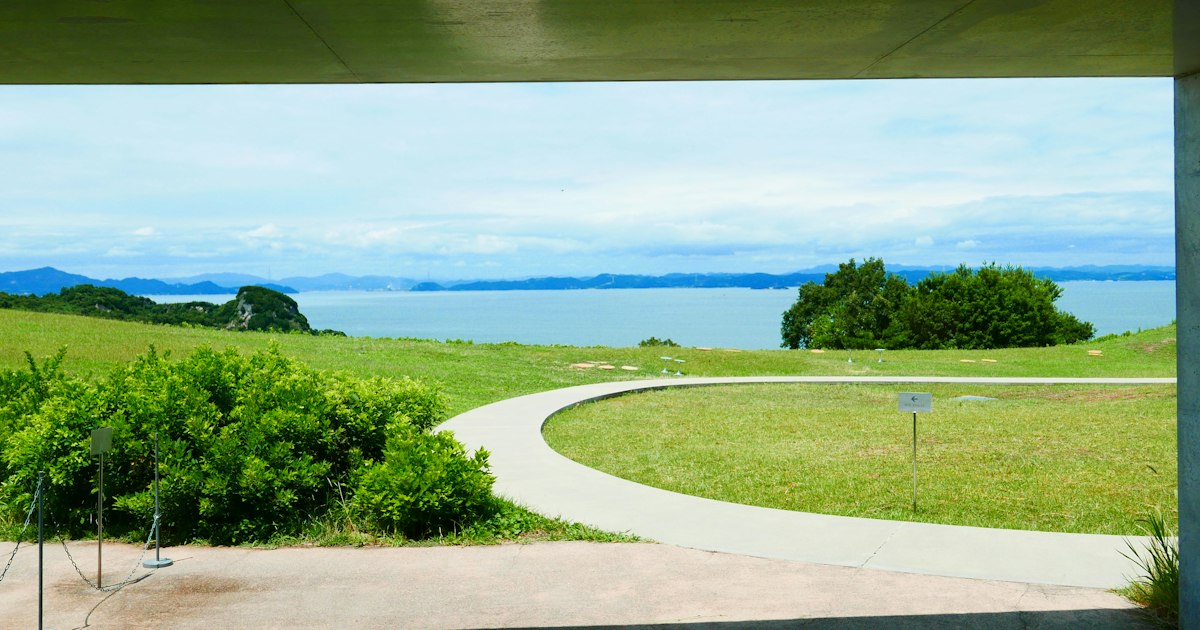
    Naoshima gets the crowds, the yellow pumpkin, and the Instagram queues. Teshima, one ferry hop away, gets a fraction of the visitors for art that’s arguably just as good — and a slower, greener island to wander while you see it. If you’ve already done Naoshima or want to skip its lines entirely, Teshima is where the Setouchi art islands start to feel personal again.

    Why Teshima Is Different From Naoshima

    Teshima (“island of abundance”) is a small, hilly island in the Seto Inland Sea with a year-round population of a few hundred people, mostly rice farmers. Unlike Naoshima, there’s no big-name museum cluster or resort hotel driving foot traffic — the handful of art sites are spread across terraced rice fields and old fishing hamlets, connected by narrow farm roads. You come here to walk or cycle between two or three carefully chosen works, not to check off a list. That pacing is the whole appeal, but it also means you need to plan transport and timing more carefully than on Naoshima, where everything clusters near one port.

    Getting to Teshima: Ferries and Timing

    There’s no bridge or direct flight — Teshima is ferry-only, and the ferries are infrequent enough that missing one can cost you two hours.

    • From Uno Port (Okayama): Take the JR Uno Line from Okayama Station to Uno Station (about 40–50 minutes), then walk 5 minutes to Uno Port. Ferries to Teshima’s Ieura Port take roughly 35 minutes and run several times daily, with more departures in summer and during Setouchi Triennale periods.
    • From Takamatsu Port (Kagawa): Ferries run to Teshima (Ieura or Karato port) in about 50–70 minutes, again a handful of times a day.
    • From Naoshima: Some seasonal boats connect Naoshima’s Miyanoura Port directly to Teshima, but schedules are limited and change by season — don’t count on this as your only route.

    Check the current timetable on the Setouchi Kanko / Ryobi Kisen ferry sites before you go, and build in a buffer — if you miss the last return ferry, you’re stuck overnight with very few lodging options. Buy tickets at the port window; they’re not usually bookable far in advance except during peak Triennale weekends.

    Getting Around: Bicycles Are Essential

    Teshima has almost no taxis and a limited community bus, so nearly everyone rents a bicycle at Ieura Port the moment they arrive. The island is hilly, so pay the extra few hundred yen for an electric-assist bike — a standard bike will wear you out on the climbs between sites. Expect to pay around ¥1,000–1,500 for a half-day e-bike rental, cash-friendly and first-come, first-served, so arrive on an early ferry in high season. Budget roughly 20–30 minutes of cycling between the main art sites, plus walking time once you park.

    The Art: What to See and What It Costs

    Teshima’s sites are deliberately few, and each charges separate admission — there’s no all-inclusive island pass, so factor ticket costs into your budget.

    • Teshima Art Museum — The headline site: a curved concrete shell by architect Ryue Nishizawa housing Rei Naito’s water-and-light installation “Matrix.” Admission is around ¥1,570 for adults. Hours shift seasonally (roughly 10:00–17:00 in the warmer months, shorter in winter), and the museum is closed on Tuesdays (or the following day if Tuesday is a public holiday). Go slow inside — it’s meant to be sat with, not photographed and left.
    • Les Archives du Coeur (Heart Room) — Christian Boltanski’s installation on the beach near Karato, where visitors can listen to (and record) recordings of human heartbeats. Admission is around ¥520, with a small extra fee if you want your own heartbeat archived.
    • Teshima Yokoo House — A traditional house in the Ieura settlement reworked with Tadanori Yokoo’s intensely colorful pop-art installations. Admission is around ¥520.

    Most of these sites close on Tuesdays and shut earlier in winter, so cross-check exact hours before finalizing your day — losing an hour to a closed museum is the most common Teshima mistake. If you’re chasing art islands in the Seto Inland Sea more broadly, it’s worth knowing Teshima isn’t the only offbeat option out here — Okunoshima, the rabbit island, is a very different kind of day trip in the same sea, further west.

    Where to Eat

    Food options are limited and small-scale, which is part of the charm but also a planning risk. Shima Kitchen (Shokudo), near the Yokoo House, serves a set lunch menu using local vegetables and rice — it’s popular enough that reservations or an early arrival are worth it in peak season. Beyond that, there are a couple of small cafés near Ieura Port and seasonal food stalls during the Setouchi Triennale, but nothing resembling a convenience store cluster. Bring snacks and water, especially if you’re cycling between sites in summer heat.

    • Budget: Bring onigiri or bakery items from Okayama or Takamatsu before you board the ferry — there’s no convenience store on Teshima itself.
    • Mid-range: A set lunch at Shima Kitchen or one of the port-side cafés, roughly ¥1,000–2,000.
    • Splurge: Combine your visit with a stay on nearby Naoshima or in Takamatsu, where dinner options are far more varied.

    Best Time to Visit and Common Mistakes

    Spring (April–May) and autumn (October–November) offer the most comfortable cycling weather and good light for the art itself. Summer is doable but hot and humid for hill cycling; winter brings shorter museum hours and colder ferry decks. If your trip lines up with a Setouchi Triennale year, Teshima gets temporary extra installations and more ferry departures — worth checking the Triennale dates specifically, since they run in separate spring, summer, and autumn sessions rather than continuously.

    The mistakes that trip up most visitors: arriving on a Tuesday when the main museum is closed, underestimating ferry infrequency and missing the last boat back, and trying to cram Teshima and Naoshima into one day — the ferry connections between them aren’t reliable enough for that. Pick one island per day, rent the e-bike, and let the pace be part of the trip.

    A Simple One-Day Plan

    Take the first practical morning ferry from Uno or Takamatsu into Ieura Port, rent an e-bike immediately, and ride to Teshima Art Museum first while the light and your legs are both fresh. From there, cycle to Teshima Yokoo House, have lunch at Shima Kitchen if you can get in, then finish at Les Archives du Coeur near the beach before returning the bike and catching an afternoon ferry back. That’s a realistic, unhurried loop — trying to add a fourth stop usually means rushing the museum that’s actually worth lingering in.