Japan Trove

Category: Uncategorized

  • Fruit Sando & Japan’s Luxury Fruit Culture: A Visitor’s Guide

    Fruit Sando & Japan’s Luxury Fruit Culture: A Visitor’s Guide

    Photo by Mateo Krossler on Unsplash

    A triangle of crustless white bread, a cross-section of glossy strawberries suspended in whipped cream — Japan’s fruit sando has become one of the country’s most photographed foods, and behind it sits a much older, stranger tradition: a national obsession with perfect, expensive fruit. Understanding both halves makes for a much better trip, whether you’re grabbing a ¥350 sandwich from a convenience store fridge or eyeing a single melon that costs more than a hotel night.

    What Fruit Sando Actually Is

    Fruit sando (フルーツサンド) is made with shokupan, Japan’s soft, slightly sweet milk bread, spread thickly with lightly sweetened whipped cream and packed with fruit before being sliced so the cut face shows a clean cross-section of the fruit inside — strawberries are the classic choice because they slice into neat red circles, but mixed versions with kiwi, orange, melon, and muscat grapes are common too. It isn’t a new invention; fruit parlors have served versions of it for decades. What changed is Instagram: the graphic, stained-glass look of the sliced fruit made it a viral hit in the late 2010s, and now everything from convenience stores to century-old fruit specialists sells one.

    Where to Buy It: Budget to Splurge

    Budget (¥280–500): Every FamilyMart, Lawson, and 7-Eleven keeps a few fruit sando in the chilled sandwich case, usually near the onigiri (if you haven’t tried those yet, see our guide to Japan’s rice balls for the same aisle). JR East’s NewDays kiosks inside stations sell them too, which makes for a good grab-and-go breakfast before a shinkansen. Quality varies by chain and even by store, but it’s a legitimately good sandwich, not a novelty.

    Mid-range (¥600–1,200): Department store basement food halls (depachika) — Isetan Shinjuku, Takashimaya, and Mitsukoshi in Ginza or Nihonbashi are the best-known — sell fresher, more generously filled versions from specialty bakeries and fruit shops. This is the sweet spot for most visitors: noticeably better fruit and cream than convenience stores, still affordable.

    Splurge (¥1,500–3,000+): Dedicated fruit parlors build sando around whatever fruit is at its peak that week, often with a single showcase fruit like a whole peach half or premium muscat grapes.

    The Classic Fruit Parlors

    Two names come up constantly. Senbikiya, founded in 1834 in Nihonbashi and generally considered Japan’s oldest fruit specialty retailer, runs “Fruits Parlor Senbikiya” locations in Nihonbashi and Ginza where you can sit down for a fruit sando or an elaborate fruit parfait (parfaits run roughly ¥3,000–5,000). Takano Fruit Parlor, on the upper floors of the Takano building just outside Shinjuku Station’s east exit, is equally famous for its melon parfaits and fruit sando. Both are typically open from late morning into the evening (roughly 11:00–19:00, with last orders earlier), but hours shift seasonally and around holidays, so check the current schedule before you go. Weekend queues of 30–60 minutes are normal at both; arriving right at opening is the easiest way around that. If you like the retro-cafe atmosphere of these parlors, it’s worth pairing this with a stop at a kissaten, Japan’s old-school coffee shops, many of which also serve fruit sando and parfaits as a house specialty.

    Why a Melon Can Cost ¥15,000

    Japan’s luxury fruit market is real and not a tourist myth. Muskmelons grown one-per-vine and individually netted for a flawless pattern commonly sell as gifts for ¥5,000–15,000 each. Hokkaido’s Yubari King melons are the most famous; the first-of-season pair auctioned in Sapporo has fetched headline prices, including a widely reported ¥5 million for two melons in 2019. Ishikawa’s Ruby Roman grapes have set similar records at auction, with single bunches selling for over ¥1 million. These auction prices are ceremonial — buyers are paying for prestige and publicity — but everyday “premium” fruit at this tier genuinely costs 10–20 times what the same fruit costs elsewhere, because of hand-pollination, strict thinning to one fruit per plant, and rigorous grading for shape, color, and sugar content. Fruit here is a gift category unto itself, on par with flowers or wine, which is why depachika fruit counters wrap a single melon in a wooden box with as much care as jewelry.

    Best Season for Fruit Sando and Fresh Fruit

    • Strawberries (December–May, peak January–March): the default sando filling almost year-round thanks to greenhouse growing, but at its best and cheapest in winter.
    • Peaches (July–August): Yamanashi, Fukushima, and Okayama peaches are prized enough that some parlors build an entire sando or parfait around a single half.
    • Muscat and Shine Muscat grapes (August–October): Okayama Prefecture is the heartland for these seedless, intensely sweet grapes — if you’re visiting the canal town of Kurashiki, look for muscat sando and parfaits locally, since the fruit rarely travels as fresh or cheap elsewhere.
    • Mikan and citrus (November–February): winter’s answer to summer melon, mostly from Ehime and Wakayama.

    If you’re road-tripping through fruit-growing regions, Japan’s michi-no-eki roadside stations are the best place to buy fruit direct from local farms at a fraction of city prices — well worth a stop even if you’re just after a snack for the car. And if a specific region’s fruit is the whole reason for your trip (Yamanashi peaches, Yubari melon, Okayama muscat), it’s worth checking whether a regional JR rail pass covers the route more cheaply than individual tickets.

    Common Mistakes to Avoid

    Confusing melon pan with actual melon. Melon pan (メロンパン) is a sweet bun scored to look like a melon’s rind — it does not contain or taste like melon, usually just vanilla. It’s a different product from anything in this guide, and a very common point of confusion for first-time visitors.

    Letting fruit sando sit too long. The cream isn’t heavily stabilized and the fruit is fresh-cut, so these are meant to be eaten the day of purchase, ideally within a couple of hours — not left in a tote bag during a full day of sightseeing, especially in summer heat.

    Assuming you can bring fresh fruit home. Fresh fruit almost never clears customs into the US, EU, Australia, or most other countries, so treat luxury melons and grapes as something to eat in Japan, not to pack. If you want a fruit-themed souvenir that travels, look for fruit jellies, juices, or dried fruit from the same shops — and see our guide to shipping souvenirs home if you’re sending a larger haul of packaged sweets rather than carrying them.

    Fruit sando rewards curiosity at every price point — there’s no wrong way to start, whether that’s a ¥350 convenience-store version eaten on a park bench or a seated parfait at a 190-year-old parlor in Nihonbashi.
  • Onigiri: Japan’s Rice Ball Guide — Where to Buy & What’s Inside

    Onigiri: Japan’s Rice Ball Guide — Where to Buy & What’s Inside

    Photo by Luigi Pozzoli on Unsplash

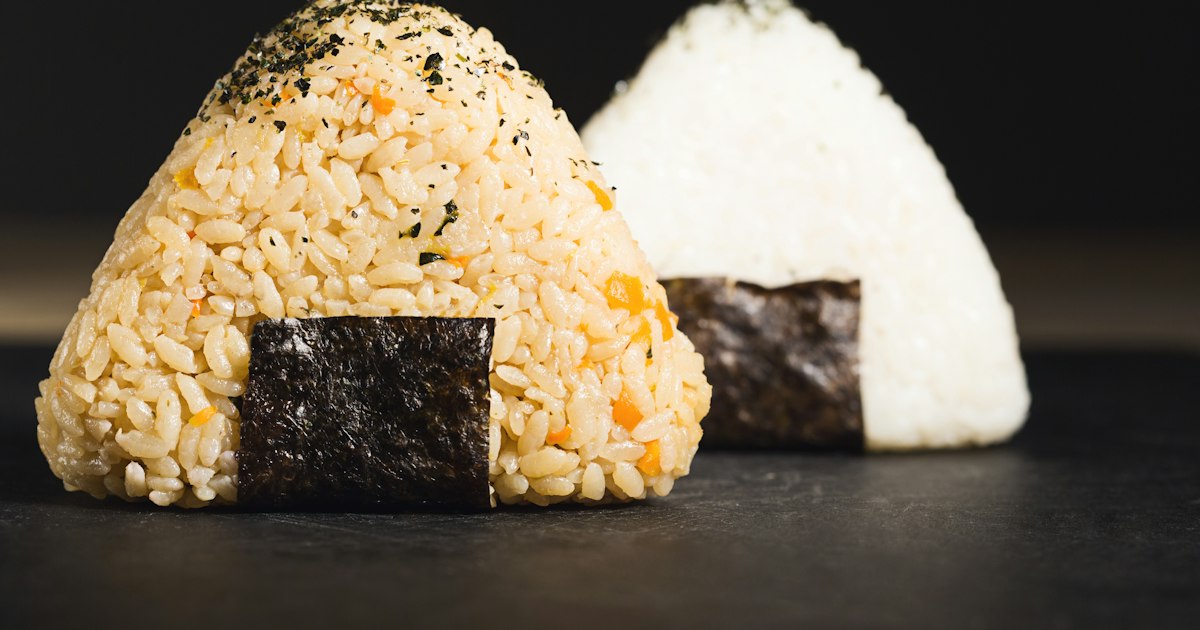
    Onigiri is the food you’ll eat more often than any other in Japan, whether you plan for it or not. It’s the ¥150 lunch you grab at a convenience store between train transfers, the thing your ryokan packs for a hiking day, and, at its best, the centerpiece of a decades-old specialty shop where people line up before opening. This guide covers what’s actually inside these rice balls, where to buy good ones at every budget, and the mistakes that trip up most first-time visitors.

    What Onigiri Actually Is

    Onigiri is a hand-formed ball or triangle of seasoned rice, usually wrapped in a strip of crisp nori (seaweed), with a filling tucked into the center. The rice itself is lightly salted, not sweetened or vinegared like sushi rice — that’s the main giveaway if you’re trying to tell it apart from a sushi roll at a glance. You’ll also see it written as “omusubi,” which is essentially the same food; some regions and shops simply prefer that name.

    The shape matters less than people assume. Triangular is standard in Tokyo, but round and cylindrical shapes show up regionally, and some shops shape onigiri by hand only, which gives a looser, fluffier bite than the machine-pressed convenience store version.

    The Fillings You’ll Actually Find

    Convenience stores stock a fairly fixed rotation, and knowing the kanji or katakana helps you avoid a surprise:

    • Umeboshi (梅干し) — pickled plum, intensely sour and salty. A traditional favorite, divisive for first-timers.
    • Sake / Shake (鮭) — grilled salted salmon flakes, mild and reliable.
    • Tsuna mayo (ツナマヨ) — tuna mixed with Japanese mayonnaise, the closest thing to a “safe” choice for most Western palates.
    • Mentaiko / Tarako (明太子/たらこ) — spicy or plain cod roe, salty and a little briny.
    • Okaka (おかか) — bonito flakes seasoned with soy sauce, savory and umami-forward.
    • Konbu (昆布) — simmered kelp, sweet-salty and chewy.

    Specialty shops go further, filling onigiri with grilled unagi, karaage chicken, mentaiko butter, or seasonal ingredients like matsutake mushroom in autumn. If you like eel, it’s worth reading our guide to unagi before you order an unagi onigiri — the same grading logic (kanto vs kansai style, unadon vs unaju) applies to how shops treat the filling.

    Where to Buy: Budget to Splurge

    Budget (¥120–¥260): convenience stores. 7-Eleven, Lawson, and FamilyMart are the baseline, and honestly a very good one — rice quality is consistent and the nori stays crisp thanks to a clever plastic wrapper with a pull-tab (see the “common mistakes” section below). Seven Premium and Lawson’s private-label onigiri are widely considered the best of the three chains by regular shoppers. Available 24 hours, everywhere.

    Mid-range (¥300–¥600): depachika food halls. The basement food floors of department stores like Isetan Shinjuku, Takashimaya, or Daimaru sell hand-formed onigiri from specialty vendors, often using premium rice varieties like Koshihikari and higher-grade fillings. These make an easy pre-shinkansen lunch since most major stations have a department store attached.

    Splurge (¥350–¥600 per piece, ¥1,500–¥3,000 for a set): specialty onigiri restaurants. Tokyo has a handful of shops built entirely around onigiri. Onigiri Asakusa Yadoroku, near Kappabashi in Asakusa, is generally considered the city’s oldest dedicated onigiri restaurant, operating since the 1950s with a rotating seasonal menu and rice cooked to order — expect it closed on Sundays and holidays, and note it’s cash-only. Onigiri Bongo in Otsuka is famous for fist-sized rice balls and a huge filling menu, with a line that forms well before opening; it’s a short walk from Otsuka Station on the JR Yamanote Line. Both are worth the detour if you want to understand why Japanese people take this simple food seriously.

    Outside Tokyo, roadside michi-no-eki rest stops are an underrated source of regional onigiri if you’re on a road trip — many sell rice balls made with local specialty rice or regional fillings you won’t find in the city.

    Best Time to Eat (and How Long Onigiri Keeps)

    Convenience store onigiri is made fresh daily and marked with a sell-by time, typically 12–24 hours from production — check the small sticker on the back if you’re buying ahead for a hike or long train ride. Once opened, eat it within a few hours; the rice hardens noticeably once refrigerated or left out too long, since starch retrogradation (staling) happens faster in the cold. If you’re packing onigiri for a day trip, buy it in the morning rather than the night before, and avoid leaving it in a hot bag or car — rice with a raw fish or mayonnaise filling especially shouldn’t sit in summer heat for more than an hour or two.

    There’s no strict seasonal window for onigiri itself, but fillings shift with the seasons — you’ll see ikura (salmon roe) and matsutake in autumn, and refreshing umeboshi and shiso leaf combinations pushed more in summer.

    Common Mistakes First-Timers Make

    The plastic wrapper trips up nearly everyone the first time. Convenience store onigiri use a two-layer film specifically designed so the nori stays separate and crisp until you eat it — there’s usually a black arrow or numbered tabs (1, 2, 3) printed on the wrapper. Pull tab 1 first, which splits the wrapper down the middle; then pull the two side tabs (2 and 3) outward and away from the rice. Pulling in the wrong order tears the wrapper and leaves rice stuck everywhere. If in doubt, ask a convenience store clerk to show you once — they’ve done it a thousand times.

    Another common misstep: assuming all onigiri are gentle, plain snacks. Umeboshi and shiozake can be quite salty or sour by design — they were originally preservation methods before refrigeration, not flavor accents. If you want something closer to a safe default, tsuna mayo or okaka are good starting points. Also worth knowing: most convenience store onigiri contain fish, shellfish extract, or bonito flakes even when they look vegetarian, so if you’re avoiding animal products, check the ingredient label (原材料名) or stick to konbu or plain ume varieties.

    Bringing the Flavors Home

    If you get hooked, onigiri is easy to recreate — you mainly need short-grain Japanese rice, nori sheets, and furikake or umeboshi paste, all of which pack well and are sold at most supermarkets and souvenir shops. If you’re buying in bulk toward the end of your trip, our guide to shipping souvenirs home from Japan covers how to mail dry goods like these without paying for excess baggage. And if onigiri gets you curious about other affordable, fast Japanese meals worth comparing, the kaiten-zushi chain comparison is a natural next stop — same rice, very different format.

    Onigiri rewards curiosity more than most Japanese convenience foods. Try a filling you don’t recognize, seek out one specialty shop if your itinerary allows it, and you’ll walk away understanding a food that Japan treats as comfort, craft, and quick lunch all at once.

  • Ginzan Onsen: Tohoku’s Snow-Covered Hot Spring Town

    Ginzan Onsen: Tohoku’s Snow-Covered Hot Spring Town

    Photo by Seiya Maeda on Unsplash

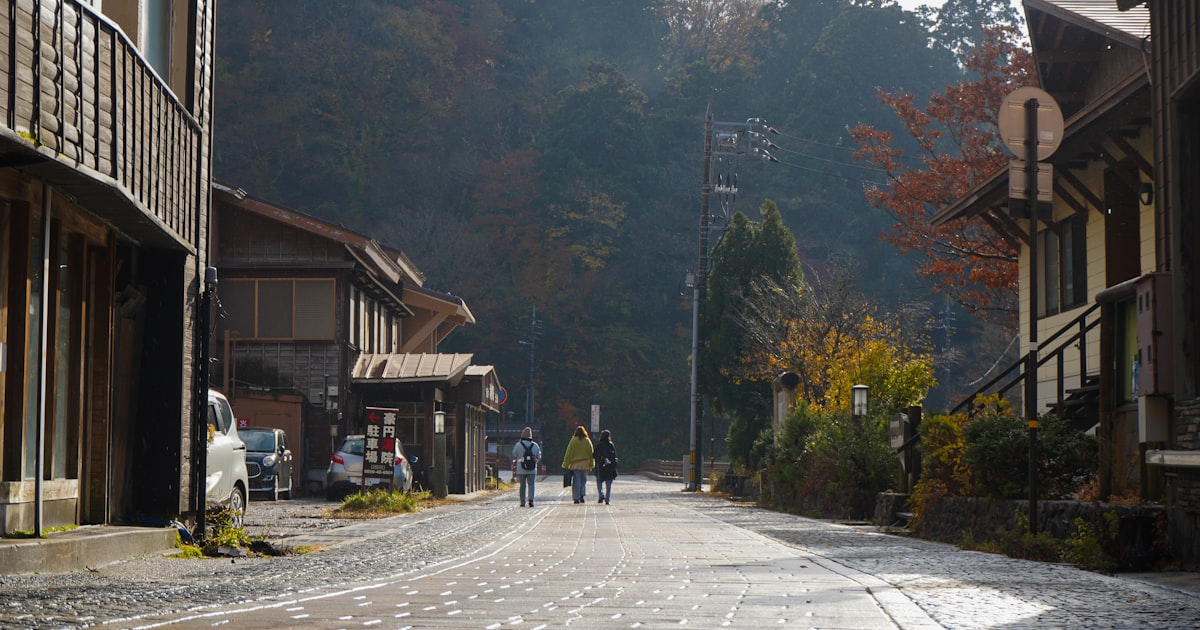
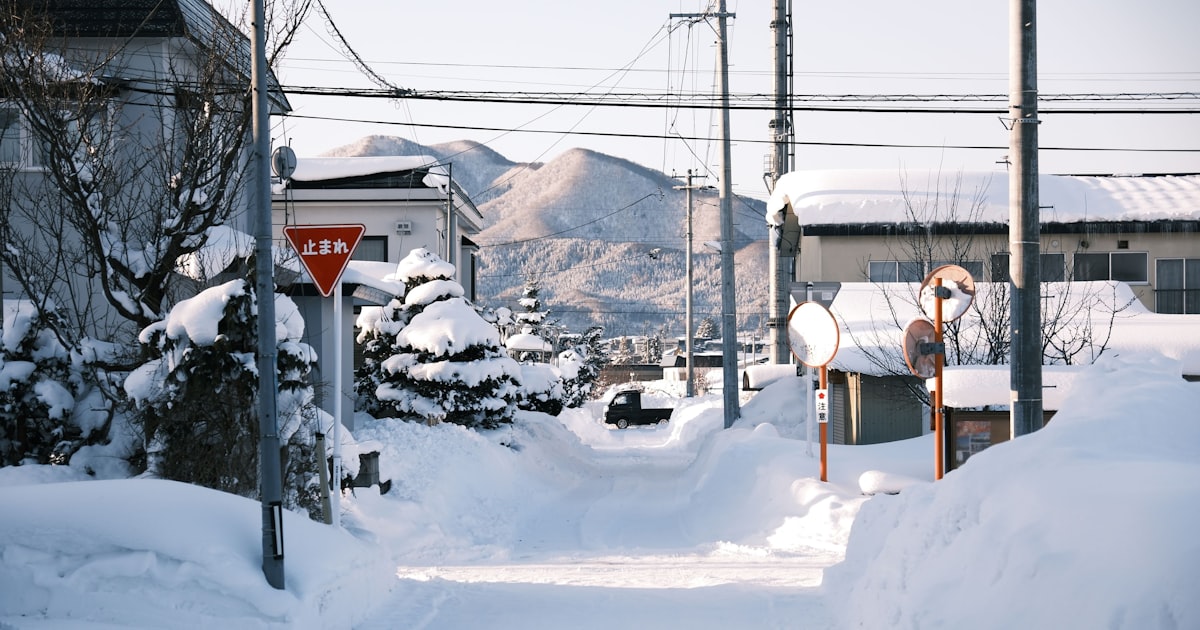
    Picture a narrow river gorge lined with three- and four-story wooden ryokan, gas lamps flickering on at dusk, and snow piling softly onto sloped roofs. That’s Ginzan Onsen, a small hot spring town tucked into the mountains of Obanazawa City in Yamagata Prefecture. It’s one of the most photogenic places in Tohoku, and unlike many “hidden gem” claims, this one earns it — provided you time your visit and plan the logistics correctly, since it’s genuinely remote and books up fast in winter.

    What Makes Ginzan Onsen Special

    Ginzan means “silver mountain,” named after the Nobezawa silver mine that operated nearby from the Edo period until the early 20th century. Once the mine closed, the town reinvented itself around its hot springs. A major flood in 1913 destroyed much of the original settlement, and the wooden multi-story ryokan you see lining the river today were largely rebuilt in the Taisho-era (1912–1926) style that gives the town its distinctive retro look — ornate balconies, latticed windows, and gas-style street lamps.

    The town is frequently compared to the bathhouse town in Spirited Away. Studio Ghibli has never officially confirmed Ginzan Onsen as a direct inspiration, but the visual resemblance — especially at night with the lamps lit and snow falling — is strong enough that the comparison shows up in nearly every review and photo caption you’ll find.

    Getting There

    Ginzan Onsen has no train station of its own, so plan for a two-leg trip. The most common route from Tokyo is the Yamagata Shinkansen (Tsubasa) from Tokyo Station to Ōishida Station, a ride of roughly 2 hours 45 minutes costing around ¥11,000–12,000 one-way (unreserved). If you’re using a rail pass for the wider trip, check whether it covers this stretch — see this breakdown of regional JR rail passes covering JR East, since a Tohoku-area pass can offset the shinkansen fare if you’re combining Ginzan Onsen with other Yamagata or Miyagi stops.

    From Ōishida Station, a local bus (operated by Hanagasa/Obanazawa community bus services) runs to Ginzan Onsen in about 40 minutes for approximately ¥1,100 one-way; buses run a limited number of times per day, so check the timetable before you leave Tokyo rather than assuming a bus is waiting. A taxi from Ōishida costs roughly ¥7,000–8,000 and takes about 30 minutes — worth it if you’re traveling with luggage or missed the last bus. If you’re driving, note that private cars are barred from the town’s main street during daytime hours (roughly 10am–5pm); you’ll park in a lot at the town entrance and either walk in (about 15–20 minutes) or catch the seasonal shuttle bus.

    Best Time to Visit

    Ginzan Onsen is beautiful year-round, but winter (mid-December through February) is when it earns its reputation. Fresh snow on the ryokan roofs combined with the gas lamps switching on around 5–6pm creates the scene everyone comes for. Late December through January typically has the most reliable snow cover. Aim to arrive by mid-afternoon and stay until after the lamps are lit — day-trippers who leave by 4pm miss the entire reason people come.

    Autumn (late October–early November) brings good foliage color on the surrounding hillsides with far fewer crowds and easier ryokan bookings. Summer is cooler than most of Japan thanks to the elevation, but lacks the snow atmosphere. Whatever season, weekends and Japanese holidays (New Year, Golden Week, Obon) bring heavier crowds on the narrow main street — weekday visits are noticeably calmer.

    Where to Stay: Budget to Splurge

    Staying overnight is strongly recommended over a day trip, both because the lamplit evening is the highlight and because the last bus back to Ōishida runs relatively early.

    • Budget: Simpler minshuku-style lodging in or near the town runs from around ¥10,000–15,000 per person per night with two meals. Rooms are basic but the location is the same.
    • Mid-range: Standard ryokan with private or shared onsen bathing typically run ¥20,000–30,000 per person per night including dinner and breakfast — the most common bracket for the well-known riverside inns.
    • Splurge: A handful of ryokan, including one renovated by a prominent contemporary architect, offer upgraded rooms and kaiseki dinners from roughly ¥40,000–60,000+ per person per night. These book out months in advance for winter weekends.

    Book as early as you can — three to six months ahead for winter Friday/Saturday nights is not unreasonable, since the town has a genuinely small number of rooms.

    What to Do Besides Soaking

    If you’re not staying at a ryokan with its own bath, two public bathhouses — Shirogane-yu and Kajika-yu — let non-staying visitors bathe for around ¥500 each. There’s also a free footbath (ashiyu) near the central bridge, a good option if you just want to warm up while wandering rather than commit to a full bath. The town itself is walkable in under 15 minutes end to end, so budget your time for photography, browsing small craft and snack shops, and simply sitting somewhere with a hot drink as the lamps come on. Obanazawa City is also known for its local beef and soba, both worth trying at a town restaurant before you head back to the station.

    If you pick up local crafts or snacks and don’t want to carry them for the rest of your trip, this guide to shipping souvenirs home from Japan covers post office and courier options — useful since Ginzan Onsen itself has no shipping counter, so you’d handle this from a larger town like Yamagata or Sendai.

    Common Mistakes to Avoid

    • Treating it as a quick day trip. The round-trip bus/train logistics from Tokyo eat most of a day; without an overnight stay you’ll likely miss the evening lamplight, which is the main draw.
    • Booking too late. Winter weekend rooms sell out months ahead. If your dates are fixed, book as soon as you know them.
    • Assuming you can drive right up to your ryokan. The daytime car ban means you’ll need to park outside town and walk or shuttle in with your luggage — pack light or confirm your ryokan offers luggage pickup from the parking area.
    • Skipping the bus timetable check. Buses from Ōishida run infrequently; missing one can mean a long wait or an expensive taxi.
    • Expecting nightlife or big dining variety. This is a small, quiet town — most visitors eat at their ryokan. Come for the atmosphere and the bath, not bars or shopping variety.

    For a similarly historic but easier-to-reach hot spring town, Kansai travelers often compare notes with Arima Onsen near Kobe — useful context if you’re deciding which onsen town fits your itinerary better. Ginzan Onsen takes more effort to reach, but for snow-season atmosphere, it’s hard to match.

  • Matsue & Izumo Taisha: San’in’s Castle Town and Ancient Shrine

    Matsue & Izumo Taisha: San’in’s Castle Town and Ancient Shrine

    Photo by Dana Andreea Gheorghe on Unsplash

    San’in — the quiet coastal region on Honshu’s Sea of Japan side — rarely makes a first-time Japan itinerary, and that’s exactly its appeal. Matsue and Izumo Taisha sit about 40 minutes apart in Shimane Prefecture, pairing one of Japan’s twelve surviving original castles with one of its two most important Shinto shrines. Neither location is crowded even in peak season, both are manageable as a long day trip or an easy overnight, and together they show a side of Japan that feels unhurried and lived-in rather than staged for tourists.

    Getting to Matsue and Izumo

    The honest answer is that San’in is remote, and that’s part of the planning. From Tokyo, the fastest route is flying into Izumo Airport (about 90 minutes from Haneda) or Yonago Airport near Matsue, then a bus or taxi into town. From Osaka or Kyoto, the Super Yakumo limited express runs from Okayama through Yonago to Matsue in roughly 2.5 hours; you’d reach Okayama first via Shinkansen. There’s no dedicated regional rail pass that makes this route free — the JR West passes cover parts of it, so it’s worth checking the coverage maps in our regional JR rail passes guide and the Kansai/Hokuriku pass breakdown before booking, since the Yakumo isn’t always included and a one-way reserved seat runs around 6,000-7,000 yen from Okayama. Once in Matsue, the Lakeline Bus loops past the main sights for 220 yen a ride or 550 yen for a one-day pass. Between Matsue Station and Izumo Taisha, the Ichibata Railway (locals call it the “Bataden”) takes about an hour with a transfer at Kawato, or a direct bus from Matsue takes roughly an hour for around 1,000 yen.

    Matsue Castle: the real thing

    Matsue Castle, completed in 1611, is one of only twelve Japanese castles with an original wooden keep — no concrete reconstruction, no elevator, just steep dark-wood staircases and centuries-old joinery. It was designated a National Treasure in 2015. Admission is 680 yen for adults, and the keep is open 8:30am to 6:30pm from April through September, and 8:30am to 5pm the rest of the year (last entry 30 minutes before close). Budget about an hour, more if you want to linger on the top floor, which gives a full view over Lake Shinji and the castle town. The surrounding Shiroyama Park is free to walk and especially worth it in early April, when roughly 190 cherry trees bloom around the moat — locals rate it among the best castle-and-sakura combinations in western Japan, without the Himeji-level crowds.

    Right below the castle, the Shiomi Nawate samurai district has preserved earthen walls and pine trees along a canal, plus the former residence of writer Lafcadio Hearn, who lived in Matsue in the 1890s and wrote some of the first English-language accounts of Japanese ghost stories and folk customs — a small museum next door covers his life for 400 yen.

    Lake Shinji and the canal boats

    Matsue calls itself the “Water City,” and the easiest way to understand why is a ride on the Horikawa Sugoi sightseeing boats, which circle the castle moat for about 50 minutes. Tickets are 1,600 yen for adults, boats run roughly every 15-20 minutes from 9am to sunset, and in winter the boats have kotatsu-style heated floors since the roof lowers to pass under bridges. Separately, Lake Shinji itself is famous for sunset — the western shore near Shirakata Tenmangu Shrine fills with people watching the sun drop into the water most clear evenings, and it costs nothing. If you’re a coffee person, note that Matsue and greater Shimane have an unusually strong kissaten culture tied to the region’s tea traditions; if you want to know what to order, our kissaten guide covers the etiquette and classic menu items you’ll find in the town’s old coffee shops.

    Izumo Taisha: one of Japan’s oldest shrines

    Izumo Taisha’s exact founding date isn’t recorded, but it’s mentioned in Japan’s oldest chronicles from the 8th century and is considered, alongside Ise Jingu, one of the two most important shrines in Shinto. The shrine is dedicated to Okuninushi, the god of marriage and relationships, which makes it a popular pilgrimage for people praying for good matches — you’ll see this reflected in the ema (prayer plaques) left at the site. The shrine grounds are open 24 hours and free to enter; the main hall (honden), a National Treasure rebuilt in 1744, is the tallest shrine building in Japan though the interior is closed to the public except during rare special openings.

    The most distinctive feature is the shimenawa — massive twisted straw ropes, the largest around 13 meters long and weighing several tons — hanging over the Kaguraden hall entrance. Tradition holds that all of Japan’s Shinto gods gather at Izumo Taisha every October (the old lunar tenth month), which is why that month is called Kannazuki, “month without gods,” everywhere else in Japan but Kamiarizuki, “month with gods,” here. If your trip lines up with it, the Kamiari Festival period draws bigger crowds and extra ceremonies. Otherwise, plan for 1.5-2 hours at the shrine, and go in early morning if you want photos of the shimenawa and torii gates without other visitors in frame.

    Common mistakes to avoid

    • Underestimating the distances. San’in isn’t compact like Kyoto — factor in real transit time between Matsue Station, the castle area, and Izumo Taisha rather than assuming everything is walkable.
    • Praying the wrong way. Izumo Taisha uses a distinctive “two bows, four claps, one bow” ritual at the main hall, unlike the standard two-clap sequence used almost everywhere else in Japan. Watch what other visitors do before you approach.
    • Skipping the castle’s last admission window. The keep’s last entry is 30 minutes before closing, and staff do enforce it — don’t arrive at 6pm expecting to climb to the top floor.
    • Traveling in high summer without a plan for heat. Both sites involve outdoor walking with limited shade; spring (cherry blossoms) and autumn are far more comfortable and scenic.

    Where to eat and what to buy

    Matsue’s signature dish is shijimi clam miso soup, sourced from Lake Shinji — nearly every local restaurant serves it, typically 500-800 yen as a side. For a sit-down meal, Warabi-tei near the castle serves set lunches with shijimi soup and local fish from around 1,500 yen. Izumo soba, made with unhulled buckwheat and served cold in stacked lacquered bowls (warigo soba), is the other regional specialty — expect 900-1,300 yen near Izumo Taisha’s approach street, Shinmon-dori, which is also lined with shops selling local sake, magatama bead jewelry (Izumo has an ancient jade-carving tradition), and sweets. If you pick up ceramics, sake, or other breakables here, our guide to shipping souvenirs home covers packing and comparing post office versus courier rates so you’re not carrying fragile items the rest of your trip.

    Budget, mid-range, and splurge notes

    On a budget, a day trip from Matsue costs little beyond transit: castle admission (680 yen), a bus pass (550 yen), and cheap soba or convenience-store food keeps you well under 5,000 yen excluding lodging. Mid-range travelers should consider staying one night in Matsue rather than day-tripping from Okayama or Hiroshima — business hotels near the station run 8,000-12,000 yen and free up a full second day for Izumo Taisha without a rushed transit schedule. For a splurge, Tamatsukuri Onsen, a hot spring town about 15 minutes from Matsue Station, has been used for bathing since the 8th century and is said to make skin beautiful; ryokan there with kaiseki dinner and private onsen access range from 25,000-45,000 yen per person, and it pairs naturally with a castle-and-shrine itinerary as an overnight base.

  • Onomichi: Setouchi’s Cat-Filled Port Town and Ramen

    Onomichi: Setouchi’s Cat-Filled Port Town and Ramen

    Photo by Ashton Christiansen on Unsplash

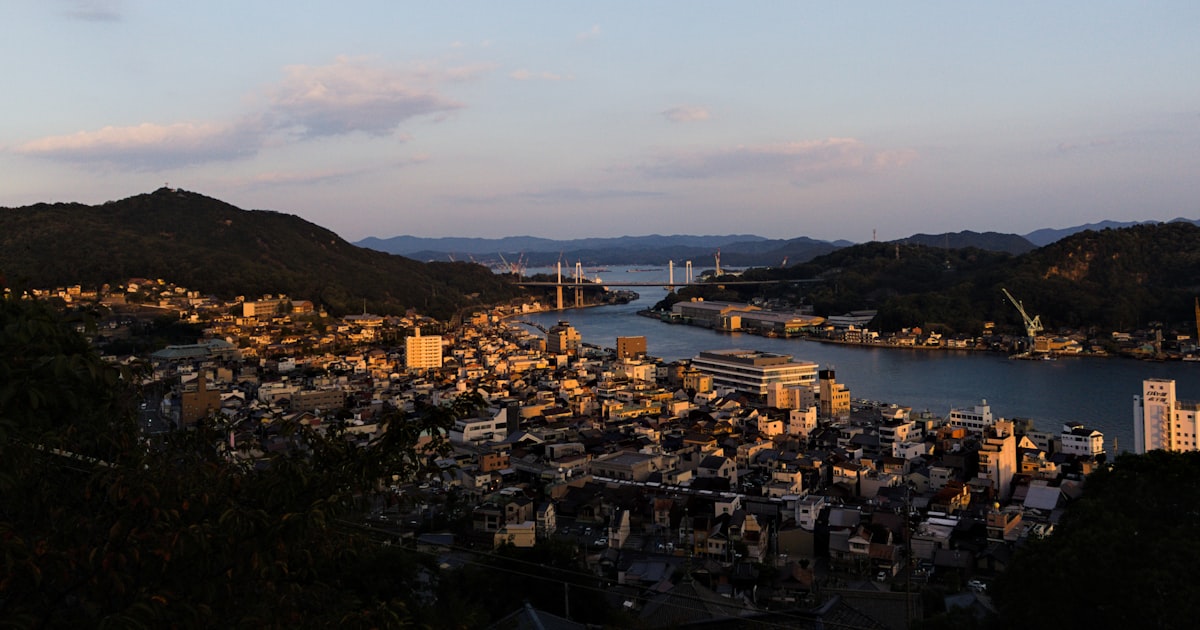
    Wedged between a hillside of temples and the calm waters of the Seto Inland Sea, Onomichi doesn’t try very hard to impress you — and that’s exactly why it works. Narrow stone paths wind past wooden houses, stray cats doze on sun-warmed steps, and the smell of soy-sauce ramen drifts out of shopfronts that have been serving the same recipe for decades. It’s a half-day or full-day stop, easy to reach from Hiroshima or Okayama, and a natural jumping-off point for the Shimanami Kaido cycling route to Shikoku.

    Getting to Onomichi

    Onomichi sits on the Sanyo Main Line in Hiroshima Prefecture. The most reliable route is Shinkansen to Fukuyama Station, then a local JR Sanyo Line train to Onomichi Station (about 15–20 minutes, roughly ¥330). From Osaka, that’s about 90 minutes total; from Hiroshima city, about 70 minutes with the same transfer at Fukuyama.

    There’s also a Shinkansen station called Shin-Onomichi, but only the slower Kodama trains stop there, and it’s inland — you’ll still need a 10-minute bus or taxi ride to reach the old town and waterfront, so most travelers find the Fukuyama transfer simpler. If you’re covering the wider Sanyo corridor (Hiroshima, Okayama, Kobe) by rail, check whether a regional JR West rail pass covers your route before buying individual tickets — it often pencils out cheaper for multi-stop itineraries.

    Onomichi Station itself sits right on the waterfront, a two-minute walk from the ferry terminal and the start of Cat Alley — there’s no need for local buses once you arrive.

    Neko no Hosomichi (Cat Alley) and the Cat Art Gallery

    The hillside behind Onomichi Station is laced with a maze of stepped alleys collectively nicknamed Neko no Hosomichi, or “Cat Alley.” Locals have long fed the neighborhood’s stray cats, and over the years the path has filled up with cat-shaped stones, hand-painted signs, and small shrines to feline visitors — plus, if you’re lucky and visit in the cooler morning or late-afternoon hours, actual cats napping on warm stone steps.

    Partway up the hill is the tiny Onomichi Neko no Bijutsukan (Cat Art Gallery), a converted storage building covered in painted “fuku-ishi” stones by local artist Yoshiaki Uchida — free to peek into, with a donation box inside. Don’t expect a den of cats sitting in wait for photos; they move around depending on the sun and the time of day, so if the alley looks quiet, try again an hour later rather than assuming they’ve vanished.

    Wear shoes with grip — the paths are a mix of stone stairs, steep concrete slopes, and gravel, and they get slippery after rain.

    Senkoji Temple, the Ropeway, and the Temple Walk

    Cat Alley threads directly into Onomichi’s “Temple Walk,” a roughly 2.5 km course connecting 25 temples scattered across the hillside. You don’t need to visit all of them — Senkoji Temple, with its vivid vermillion pagoda overlooking the harbor, is the highlight and the natural turnaround point.

    You can walk up (15–20 minutes of stairs from the base) or take the Onomichi Ropeway, which climbs to Senkoji Park in about 3 minutes. As of recent fares, a round trip runs roughly ¥700 for adults and ¥350 for children, with the ropeway typically running from around 9:00 to 17:15 (last ascent slightly earlier) — hours shift seasonally, so it’s worth confirming at the base station on arrival rather than assuming a fixed schedule. From the observation deck at the top, the view over Onomichi’s rooftops, the strait, and the Shimanami Kaido’s first bridge is the best photo op in town.

    Onomichi Ramen: What to Order and Where

    Onomichi is one of Japan’s recognized regional ramen styles, distinct for its soy-sauce (shoyu) base built on pork and seafood stock, topped with chunks of pork back fat (seabura) that melt slowly into the broth as you eat — richer than a typical shoyu bowl but not greasy in the tonkotsu sense. Flat, slightly chewy noodles are standard.

    A basic bowl runs about ¥700–900, making this one of the cheapest genuinely memorable meals in the region. Shukaen and Tacchan are two long-running shops near the station frequently named by locals as reference points for the style, though queues form at lunch on weekends — arriving right at opening (usually 11:00) or after 2pm avoids the worst of it. Most shops are cash-only or IC-card only, so carry some yen.

    If you want a change of pace after ramen, Onomichi’s covered shopping arcade (Onomichi Hondori) has old-school kissaten-style coffee shops tucked between the noodle counters — a useful contrast if you’ve already read our guide to Japan’s retro kissaten and want to spot the style here too.

    Best Time to Visit

    Spring (late March–April) brings cherry blossoms to Senkoji Park and comfortable walking weather for the hillside stairs. Autumn (late October–November) is equally pleasant and less crowded. Summer is hot and humid with strong sun on the exposed stone paths — bring water and a hat if you’re doing the full temple walk. Winter is mild by Japanese standards but the sea wind off the strait can be sharp, especially at the ropeway’s upper station.

    Onomichi also makes sense as a stopover for anyone tackling the Shimanami Kaido cycling route, since the town is the official Honshu-side starting point — spring and autumn are the best seasons for that ride too, avoiding both summer heat and winter headwinds.

    Budget, Mid-Range, and Splurge

    • Budget: A day of ramen (¥800), ropeway round trip (¥700), and wandering Cat Alley (free) comes in well under ¥3,000. Guesthouses near the station run roughly ¥3,500–5,000 per night for a dorm bed.
    • Mid-range: Business hotels near Onomichi Station run about ¥8,000–13,000 per night for a double room, putting you within walking distance of everything above.
    • Splurge: Onomichi U2, a converted waterfront warehouse with a hotel, bakery, and cycling-focused shop, runs closer to ¥20,000+ per night and is popular with Shimanami Kaido riders wanting a comfortable base before or after the ride.

    Common Mistakes and Nearby Pairings

    The most common misstep is treating Onomichi as a quick two-hour photo stop — the temple walk and ropeway alone take half a day if you’re not rushing, and trying to cram in Cat Alley, Senkoji, and a proper ramen sit-down in under two hours means missing most of it. Second, don’t count on cats being visible on demand; they’re strays, not a managed attraction, and midday heat sends most of them into hiding. Third, if you’re combining this with a Shikoku crossing, check ferry and last-bicycle-rental return times before you commit to the full ropeway-and-temple loop, since the two don’t always fit in one afternoon.

    Onomichi pairs naturally with a day in Kurashiki’s Bikan Historical Quarter, about an hour away by train through Okayama Prefecture — both are compact, walkable old towns that reward a slow pace rather than a checklist. If you pick up local citrus sweets, ramen kits, or ceramics along the way, our guide to shipping souvenirs home from Japan covers the cheapest way to send them on rather than hauling them for the rest of your trip.

  • Kurashiki Bikan Historical Quarter: Okayama’s Canal Town

    Kurashiki Bikan Historical Quarter: Okayama’s Canal Town

    Photo by Austin Curtis on Unsplash

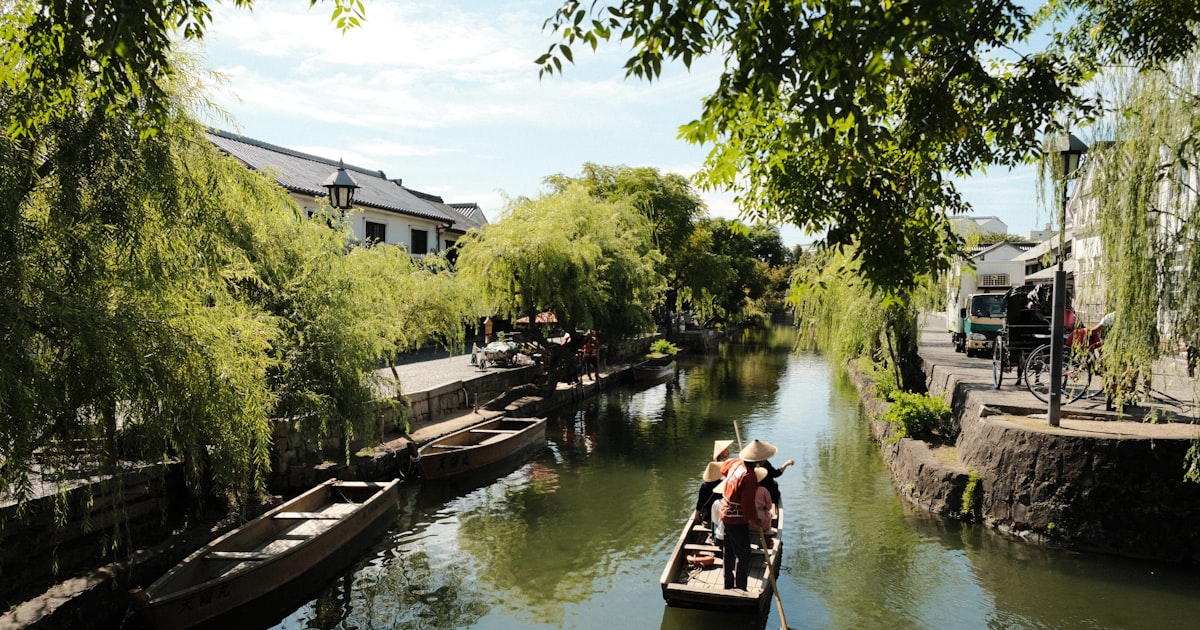
    An hour or so west of Osaka, the city of Kurashiki hides a few blocks of white-walled storehouses, black tile roofs, and weeping willows draped over a canal that once floated rice and cotton down to the port. The Bikan Historical Quarter survived Japan’s 20th-century rebuilding boom because Kurashiki’s merchant families and a wealthy industrialist family, the Oharas, protected it — and today it’s one of the best-preserved Edo-period townscapes in the country, small enough to see properly in half a day. Here’s how to actually plan the visit.

    Getting to Kurashiki

    The gateway is Okayama Station, on the Sanyo Shinkansen line — about 45 minutes from Shin-Osaka, 3 hours 10 minutes from Tokyo, and roughly 35 minutes from Hiroshima. From Okayama Station, take the JR Sanyo Line to Kurashiki Station (15–17 minutes, around ¥330 one-way; rapid trains are a couple of minutes faster). The Bikan Historical Quarter is then a flat, easy 15-minute walk south from Kurashiki Station’s south exit — just follow the signs and the crowds.

    One trap to avoid: some Shinkansen trains (Kodama services only) stop at a station called Shin-Kurashiki, not Kurashiki Station. Shin-Kurashiki is nowhere near the canal district and requires a bus or taxi to reach it — always route through Okayama Station and the regular Kurashiki Station instead. If you’re working out rail passes for the wider region, it’s worth reading up on the Regional JR Rail Passes before you go, since a JR West pass covering the Sanyo corridor can cover this leg along with Osaka, Kyoto, and Hiroshima.

    What to See in the Canal District

    The quarter itself — the canal, the willow-lined stone paths, the rows of former rice and sugar warehouses (kura) now housing cafés and shops — costs nothing to wander, and that’s really the main event. Give yourself at least an hour just to walk the length of the canal and duck down the side streets.

    A few specific stops worth building time around:

    • Ohara Museum of Art — Japan’s first museum of Western art, opened in 1930 by industrialist Ohara Magosaburo. The main gallery holds genuine works by El Greco, Monet, Gauguin, Matisse, and Picasso, which is a genuinely startling thing to find in a small Japanese canal town. Open roughly 9:00–17:00 (last entry 16:30), closed Mondays (if Monday is a public holiday, it closes the following Tuesday instead). Adult admission is around ¥2,000 — check the museum’s own site for current pricing before you go, since it has risen in recent years.
    • Kurashiki River boat ride — a short traditional boat trip along the canal, running most days (weather permitting) for roughly ¥500 for adults and ¥300 for children. Tickets are sold same-day at a booth near Nakabashi Bridge on a first-come basis and do sell out on busy afternoons, so buy yours early if you want to ride.
    • Kurashiki Ivy Square — a former Meiji-era textile mill, its red brick walls now thick with ivy, converted into a hotel, restaurants, and small museums (including a memorial hall on the mill’s history). Free to walk through even if you’re not staying or dining there.
    • Japan Rural Toy Museum and Kurashiki Archaeological Museum — smaller, cheap (a few hundred yen each), and good rainy-day fillers if the main museum feels like too much of a detour.

    Shopping for Local Crafts

    Kurashiki has its own craft identity worth shopping for beyond generic souvenirs. Look for hand-blown Kurashiki glass (Kurashiki garasu) — cloudy, slightly greenish glassware made in small workshops around the quarter — and Bizen ware pottery from the nearby town of Bizen, which is sold in several shops here even though it’s fired elsewhere. If denim interests you, Kurashiki’s Kojima district is considered the birthplace of Japanese domestic jeans manufacturing; Kojima Jeans Street is about 20–30 minutes away by bus or train from Kurashiki Station and is a worthwhile add-on for denim fans with a bit more time.

    If you end up buying pottery, glass, or anything bulky and fragile, it’s usually easier to ship it home rather than carry it — our guide to shipping souvenirs home from Japan compares post office and courier options and pricing.

    Best Time to Visit

    Spring (late March–April) brings the willows into fresh green leaf alongside cherry blossoms along the canal, and it’s the most photogenic — and most crowded — season. Autumn, especially November, turns the Ivy Square walls red and brings pleasant walking weather. Early June through mid-July is Japan’s rainy season; it’s quieter and the canal still looks good under an umbrella, but expect intermittent rain. Weekends and national holidays (especially Golden Week in early May) bring heavy day-tripper crowds by late morning — arriving before 9:30am, or visiting on a weekday, makes a real difference to how peaceful the streets feel.

    Budget, Mid-Range, and Splurge Options

    Budget: The canal walk itself is free, and a convenience-store or bakery lunch runs ¥500–800. Skip the museums and you can spend an enjoyable couple of hours here for the cost of the train ticket.
    Mid-range: Add Ohara Museum admission (~¥2,000), a canal boat ride (~¥500), and lunch at one of the local udon or kappo restaurants in a converted kura (¥1,200–2,500), and you’re looking at a full, satisfying half-day for around ¥4,000–5,000.
    Splurge: Stay overnight in one of the historic ryokan built into the old merchant houses right in the Bikan Quarter, such as Ryokan Kurashiki, or in a room at Kurashiki Ivy Square. Rates for a proper heritage ryokan stay run well above standard business hotel prices — expect a premium for the atmosphere — but it buys you the canal at dusk and dawn without a single tour group in sight, which is a genuinely different experience from a daytime visit.

    Common Mistakes to Avoid

    • Visiting on a Monday and finding the Ohara Museum, the district’s headline attraction, closed.
    • Getting off at Shin-Kurashiki instead of Kurashiki Station and adding an unnecessary taxi ride.
    • Treating it as a 30-minute photo stop. Between the museums, the boat ride, and lunch, most visitors are happier with 3–4 hours than a rushed hour between trains.
    • Arriving at midday on a weekend and fighting crowds along the narrowest stretch of towpath — an early morning or late afternoon visit is far more pleasant.

    Kurashiki pairs naturally with a wider Chugoku/Kansai itinerary — it sits roughly between Kyoto/Osaka and Hiroshima on the Shinkansen line, and travelers extending south can combine it with a cycling day on the Shimanami Kaido. If it’s the preserved streetscape itself that appeals to you, it’s also worth comparing notes with Tsumago and Magome on the old Nakasendo highway — a very different, mountain-postal-town take on the same idea of protecting old Japan from the wrecking ball.

  • Nagasaki Travel Guide: Dejima, Chinatown & the Peace Park

    Nagasaki Travel Guide: Dejima, Chinatown & the Peace Park

    Photo by Zion C on Unsplash

    Nagasaki doesn’t fit the usual Japan itinerary — it’s tucked into the southwest corner of Kyushu, a harbor city that spent 200 years as Japan’s only legal window to the outside world. That history is still walkable in a single day: a Dutch trading post, Japan’s oldest Chinatown, and a Peace Park that anchors one of the most sobering half-days you’ll spend in the country. Here’s how to see all three properly, plus what trips people up.

    Getting to Nagasaki

    From Fukuoka/Hakata, take the Kamome limited express to Takeo-Onsen, then transfer across the platform to the Nishi Kyushu Shinkansen for the final leg into Nagasaki Station — the whole trip runs about 1 hour 20 minutes to 1 hour 30 minutes and costs roughly ¥6,000–6,500 one way with reserved seating. It’s a same-day-doable trip from Fukuoka, but rushed; an overnight in Nagasaki lets you actually enjoy dinner and the night view without watching the clock. If you’re driving in from elsewhere in Kyushu, the Nagasaki Expressway is straightforward, and it’s worth breaking up the drive with a stop — see our guide to Michi-no-Eki roadside stations for what to expect. Nagasaki Airport also has direct flights from Tokyo (Haneda) in around 2 hours, with a limousine bus into the city center.

    Once you’re there, the city’s tram network (built in 1915 and still the main way to get around) charges a flat ¥140 per ride regardless of distance, or ¥600 for an unlimited one-day pass sold at the tourist information center inside the station. Dejima, Chinatown, and the Peace Park sit on three different tram lines, so the day pass pays for itself after about four rides.

    Dejima: The Artificial Island That Opened Japan

    During Japan’s roughly 220 years of national isolation (sakoku), Dejima was the single fan-shaped island in Nagasaki Harbor where Dutch traders were permitted to live and do business — the only officially sanctioned contact point between Japan and the West. Land reclamation long ago swallowed the harbor around it, so today Dejima sits inland, restored as an open-air museum of reconstructed warehouses, merchant houses, and the residence of the Dutch trade chief.

    Admission is around ¥520 for adults, and it’s open daily from 8:00 am to 9:00 pm (last entry 8:40 pm) — genuinely one of the most flexible hours of any historical site in Japan, so it’s easy to slot in before dinner. Budget 60–90 minutes. One detail worth knowing before you go: Dejima is also where coffee first entered Japan, brought in by Dutch traders in the 18th century — if that kind of history appeals, it pairs nicely with a stop at one of Japan’s retro kissaten coffee shops afterward.

    Nagasaki Chinatown: Champon, Sara Udon & the Lantern Festival

    Shinchi Chinatown is one of Japan’s three official Chinatowns (alongside Yokohama and Kobe), and unlike the other two, it grew directly out of Dejima-era trade — Chinese merchants had their own restricted quarter here from the 1680s onward. It’s compact, just a few blocks, but dense with places to eat.

    The two dishes to order are champon (a thick noodle soup loaded with pork, seafood, and vegetables in a milky broth) and sara udon (crispy fried noodles under a similar topping, sauce poured tableside). Expect ¥1,000–1,500 for a bowl at a sit-down restaurant; Shikairo, the restaurant credited with inventing champon in 1899, is the famous but touristy option — it’s fine, just expect a wait around lunch. For something cheaper, the street-food stalls sell steamed buns and pork gyoza for a few hundred yen each, good for grazing rather than a sit-down meal.

    Time your visit around the Nagasaki Lantern Festival if you can — it runs for about two weeks around Chinese New Year (typically mid-to-late January into February) and turns Chinatown and the nearby Nakashima River into a sea of red lanterns and Chinese lion dances. It’s free to walk through and is by far the liveliest the city gets outside of summer.

    The Peace Park & Atomic Bomb Museum

    Nagasaki was the second city hit by an atomic bomb, on August 9, 1945, and the Peace Park sits near the hypocenter, about a 5-minute walk from the tram stop of the same name. The park itself — dominated by the 10-meter bronze Peace Statue, its right hand pointing skyward toward the threat, left hand extended for peace — is free and open around the clock.

    The Atomic Bomb Museum next door is the part that needs real time. Admission is ¥200 for adults, and it’s open 8:30 am–5:30 pm (extended to 6:30 pm from May through August). Plan for at least 60–90 minutes; the exhibits move chronologically from the moment of the blast through the medical and social aftermath, and it’s dense with testimony, not something to rush. The small Hypocenter Park a few minutes’ walk away marks the exact point of detonation with a simple black stone pillar — quieter and easy to miss, but worth the short detour. Most visitors do the museum and both parks as one continuous 2–2.5 hour block rather than splitting it up.

    Beyond the Big Three

    If you have a second day, Glover Garden is the natural add-on: a hillside cluster of former foreign-merchant residences from the late 1800s, including the Glover House itself, with harbor views. Admission is around ¥620, open 8:00 am–6:00 pm (later in summer). Nearby is Megane Bridge (“Spectacles Bridge”), a stone arched bridge from 1634 whose reflection in the Nakashima River forms a pair of “eyeglasses” — free to see and a 10-minute walk from Chinatown, so it’s easy to combine.

    For a splurge, ride the Nagasaki Ropeway up Mount Inasa at dusk — round-trip tickets run about ¥1,250, and the summit is ranked among Japan’s three great night views alongside Hakodate and Kobe. Buy your castella (Nagasaki’s signature sponge cake, from shops like Fukusaya or Bunmeido) before you leave the city center, since it doesn’t travel as well as sealed snacks; if you’re mailing gifts home instead of carrying them, our guide to shipping souvenirs from Japan covers post office versus courier options.

    Best Time to Visit & Common Mistakes

    Spring (late March–April) and autumn (November) bring the most comfortable weather and, in spring, cherry blossoms around Glover Garden and the Peace Park. Summer is hot and humid and coincides with the somber August 9 Peace Memorial Ceremony — meaningful if you want to be present for it, but expect the Peace Park to be closed to casual sightseeing that morning. Winter is quiet and mild by Japanese standards, and the Lantern Festival makes January/February a legitimate reason to visit despite the cold.

    The most common mistake is treating Nagasaki as a rushed day trip from Fukuoka and trying to cram Dejima, Chinatown, the Peace Park, and Glover Garden into one afternoon — something has to give, usually the museum, which is the one place you shouldn’t rush. The second is skipping the tram day pass and paying cash each ride, which adds up fast once you’re crossing the city more than three or four times. If you’re short on time, prioritize the Peace Park and Atomic Bomb Museum plus one of Dejima or Chinatown, and save the rest for a return trip.

  • Tsumago & Magome: Walking the Nakasendo’s Best-Preserved Postal Towns

    Tsumago & Magome: Walking the Nakasendo’s Best-Preserved Postal Towns

    Photo by Yosuke Ota on Unsplash

    Long before the Shinkansen, travelers between Edo (Tokyo) and Kyoto walked the Nakasendo, a mountain highway lined with post towns where they could rest, eat, and change horses. Most of those towns were paved over or burned down decades ago. Tsumago and Magome, tucked into the Kiso Valley on the Nagano–Gifu border, are the two that survived — and the roughly 8km trail connecting them is the single best way to feel what Edo-period travel actually looked and sounded like, minus the blisters that come with walking the whole highway.

    Why Tsumago and Magome, and Not Some Other Post Town

    Tsumago (in Nagiso, Nagano Prefecture) was the first town in Japan to pass local ordinances, back in the 1970s, banning residents from selling or renting their historic houses and requiring that power lines and vending machines stay out of sight. The result is a street of dark wood facades, lattice windows, and hanging lanterns with almost nothing modern visible during the day — cars are barred from the main street from around 8:30am to 5pm. Magome (in Nakatsugawa, Gifu Prefecture) sits on a steep hillside with a stone-paved main street lined with shops and inns; it was rebuilt after fires in 1895 and 1915, so it feels slightly more polished and touristy, but it’s still an atmospheric, car-light village with sweeping views toward Ena-san on clear days. Together they bookend the most scenic and best-signposted stretch of the old highway.

    Getting There: Trains, Buses, and Driving

    Both towns are most easily reached from Nagoya via the JR Chuo Line. Take a limited express Shinano (around 45–50 minutes, roughly ¥3,000–3,500 with reserved seat) or a slower local/rapid train (about 80–90 minutes, around ¥1,200) to Nakatsugawa Station. From there, a Nohi Bus runs to Magome in about 25–30 minutes for roughly ¥600. For Tsumago, stay on the Chuo Line one stop further to Nagiso Station, then take a local bus (about 10 minutes, around ¥300) up to the village.

    If you’re coming from Tokyo, the Chuo Line connects through Shiojiri and Matsumoto rather than Nagoya, adding time; most visitors find it faster to route through Nagoya first. If you don’t already have a Shinkansen ticket booked, an overnight bus from Tokyo to Nagoya is a genuinely useful budget option that also saves you a night of accommodation — see our guide to overnight buses in Japan for how that works. Drivers should note that neither town has a train station right in the center; if you’re doing a wider Kiso Valley road trip, the region’s michi-no-eki roadside stations are worth stopping at for local produce, clean restrooms, and a break from mountain driving.

    Walking the Trail: Route, Timing, and What to Expect

    The Magome–Tsumago trail is about 7.8–8km and takes most people 2.5 to 3 hours at a relaxed pace, not counting stops. Most walkers start in Magome and head to Tsumago, since it’s a gentler net descent overall, though the first hour out of Magome climbs steadily to the Magome-toge pass at around 801m elevation before dropping into forest. The path is a mix of paved lanes, stone steps, and dirt forest track, well signposted in English with wooden markers and distance signs. Along the way you’ll pass the Magome-toge teahouse (free tea for walkers, seasonal), a couple of waterfalls (Otaki and Medaki), and a stretch of forest where boxes of bear bells are provided for hikers to ring — bears are a real if rare concern in this valley, so use them.

    You don’t need special gear beyond decent walking shoes; sneakers are fine in dry conditions. There are vending machines and a rest hut roughly at the halfway point, but no convenience stores on the trail itself, so carry water and any snacks you want. Toilets exist at a few marked points along the route.

    Luggage Forwarding and Multi-Day Itineraries

    Neither town’s tourist information office wants you carrying a full suitcase over the pass, so both offices run a same-day luggage forwarding service between roughly mid-March and late November. Drop your bag at one town’s tourist office by late morning (the Magome office generally cuts off around 11:30am), pay a flat fee of about ¥1,000 per bag, and your luggage is trucked around by road and waiting at the other town’s office by early-to-mid afternoon. It only runs one direction per day, so plan your walking direction to match your bag’s route, and confirm the current cutoff time when you arrive, since it shifts slightly by season.

    Some travelers extend the walk into a longer Nakasendo itinerary, continuing on to Narai or Kiso-Fukushima over two or three days and staying in small minshuku or ryokan along the way. If you’re stringing together multiple nights in small mountain towns, it’s worth reading up on doing laundry in Japan before you go, since coin laundries are sparse once you’re off the main train lines and many small inns don’t offer laundry service.

    Best Season and Time of Day

    Spring (mid-April to early May, for fresh greenery and mild temperatures) and autumn (late October to mid-November, for foliage) are the most popular and most photogenic times to walk. Summer is doable but humid and buggy in the forest sections; winter is quiet and atmospheric but the pass can have icy patches, and some facilities along the trail close or reduce hours, so check conditions before setting out. Whatever the season, start early — aim to be walking from Magome by 9 or 10am. This gets you into Tsumago’s main street while it’s still car-free and before the mid-afternoon tour bus crowds from Nagoya arrive.

    Where to Eat, Stay, and Shop

    Budget: both towns have simple soba and udon shops along their main streets, generally ¥900–1,400 for a bowl, plus stalls selling gohei-mochi (grilled rice skewers coated in a sweet-savory sesame or walnut miso glaze, around ¥200–300 each) — a genuinely local Kiso Valley snack worth trying at least once. Mid-range: a set lunch featuring local Kiso soba or river fish (ayu, grilled whole) at a sit-down restaurant runs roughly ¥1,800–3,000. Splurge: staying overnight in one of Tsumago’s traditional ryokan or minshuku, several housed in genuine Edo-period buildings, typically costs ¥12,000–20,000 per person with two meals included — book well ahead, since rooms are limited and fill fast in foliage season. Shops in both towns sell local woodcraft, lacquerware, and hand-dyed textiles; if you’re building out a broader Japanese crafts collection on this trip, it’s a nice complement to browsing Kutani ware in Kanazawa or picking up a piece from our guide to ukiyo-e woodblock prints elsewhere on your itinerary.

    Common Mistakes to Avoid

    • Treating it as a round trip in one day without checking bus schedules. Buses between Nakatsugawa/Nagiso and the two villages aren’t frequent — often just once or twice an hour — so check return times before you start walking, especially if you’re day-tripping back to Nagoya.
    • Skipping the bear bells. The forested middle section genuinely passes through bear habitat; ring the provided bells rather than assuming it’s just tourist decoration.
    • Arriving in Tsumago too late. Most shops and the honjin/wakihonjin historic buildings close by around 5pm, and the tourist office’s luggage counter has a hard cutoff — arriving after 3 or 4pm means missing half of what makes the town worth the trip.
    • Assuming credit cards work everywhere. Many small shops, teahouses, and food stalls in both towns are cash-only; withdraw yen before you leave Nagoya or Nakatsugawa, since ATMs are scarce on the trail.
    • Wearing the wrong shoes. The trail is mostly gentle, but the stone-paved sections in Magome and the forest floor after rain get slippery — trainers with decent tread are fine, but flip-flops or heeled sandals are a bad idea.

    Done right, Tsumago and Magome cost a single train ticket, a bus fare or two, and an easy afternoon of walking — and they deliver a more convincing sense of pre-modern Japan than almost anywhere else within day-trip range of Nagoya.

  • Enoshima: The Island Day Trip Near Kamakura

    Enoshima: The Island Day Trip Near Kamakura

    Photo by Kate Kasiutich on Unsplash

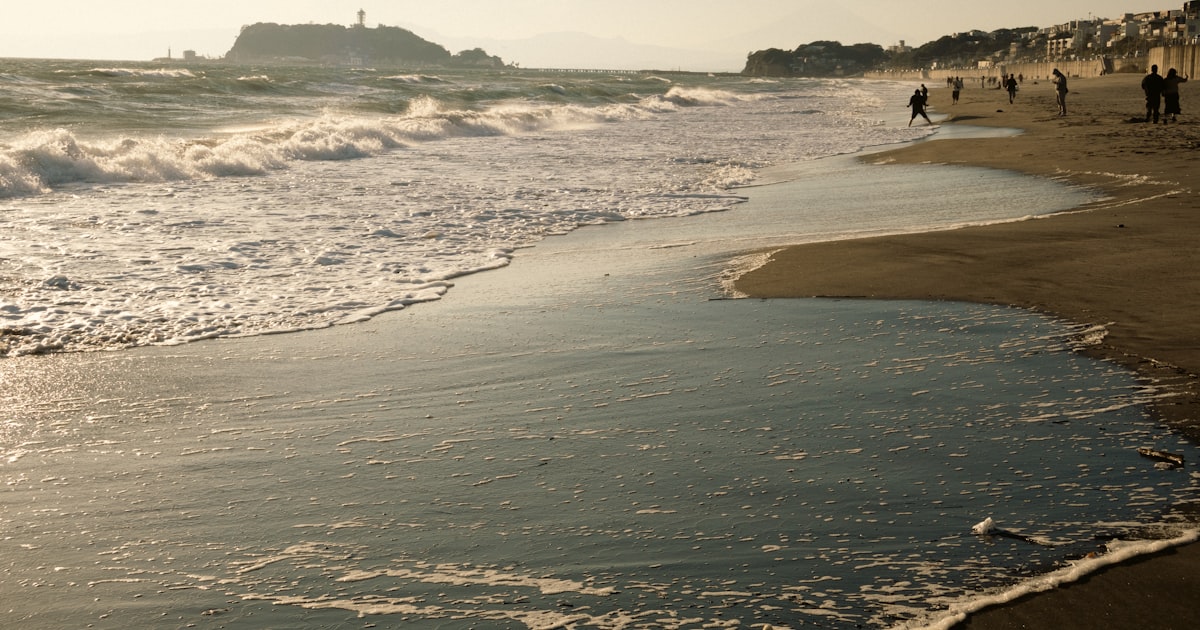
    Enoshima is the island most Kamakura day-trippers only glimpse from the beach — a green, shrine-covered hump connected to the mainland by a footbridge, with sea caves at one end and a lighthouse-observation tower at the other. It’s compact enough to see in half a day but hilly enough that you’ll want good shoes, and it pairs naturally with a morning in Kamakura before you head back to Tokyo. Here’s what you actually need to know before you go.

    Getting There

    Most travelers combine Enoshima with Kamakura, and the easiest way to move between the two is the Enoshima Electric Railway (Enoden), a slow, single-track tram line that hugs the coast. From Kamakura Station, ride the Enoden about 25 minutes to Enoshima Station; the one-way fare is around ¥310. If you’ll be hopping on and off — Kamakura’s temples, Hase’s Great Buddha, and Enoshima all sit along this line — the Enoden’s one-day pass (“Noriorikun,” around ¥800) pays for itself after three or four rides.

    Coming straight from Tokyo, the Odakyu Line runs from Shinjuku to Katase-Enoshima Station, about 70–90 minutes depending on the train, with a reserved-seat Romancecar option if you want to avoid standing. Odakyu also sells a combined Enoshima-Kamakura Freepass covering the round trip from Shinjuku plus unlimited rides on local lines in the area, which is worth pricing against individual tickets if you’re doing both destinations in one day. A third option, the Shonan Monorail, runs from Ofuna Station (on the JR Tokaido Line) to Shonan-Enoshima Station — useful if you’re starting from a JR line covered by a rail pass; see our guide to regional JR rail passes for what JR East coverage does and doesn’t include this far south of Tokyo. If you’d rather drive, note that Enoshima’s parking lots fill up and get expensive on weekends and holidays — our guide to renting a car in Japan covers what to expect on coastal roads like this one, but the train is genuinely less hassle here.

    Whichever line you take, you’ll cross the Enoshima Benten Bridge on foot to reach the island itself — about a 10-minute walk from Katase-Enoshima or Enoshima Station.

    Enoshima Shrine and the Escar

    The island is essentially one hill, and Enoshima Jinja is spread across it in three parts: Hetsunomiya, Nakatsunomiya, and Okutsunomiya, connected by a steep stone path lined with souvenir shops and food stalls. The shrine is dedicated to Benzaiten, the goddess of music, wealth, and the sea, and one hall houses a nude statue of her — a design that surprises some first-time visitors but is a legitimate and centuries-old object of worship, not a novelty.

    To skip some of the climbing, the Enoshima Escar is a series of outdoor escalators running up through the hillside in three sections, priced per section or as a combined ticket (roughly ¥360 for adults for the full run). It’s genuinely worth it in summer heat or if you’re short on time — you still walk plenty on the way back down and out to the far end of the island.

    Samuel Cocking Garden and the Sea Candle

    Near the top of the island, the Samuel Cocking Garden is a small botanical garden built on the foundations of a 19th-century British merchant’s greenhouses, worth a quick walk-through and especially pretty when seasonal flowers are out. Inside it stands the Enoshima Sea Candle, an observation lighthouse tower with a deck offering 360-degree views — on a clear winter day you can see Mount Fuji across Sagami Bay, which is the single best reason to time your visit for a cold, dry morning. Entry to the tower runs around ¥500 for adults, with a combined ticket for the garden and tower typically saving a bit over paying separately. At night the whole hillside sometimes hosts seasonal illumination events (most notably in winter), which draw bigger crowds and mean the last Enoden or Odakyu trains back matter more than usual.

    Iwaya Caves

    Keep walking past the garden and down the far side of the island and you’ll reach Chigogafuchi, a rocky tidal area with good sunset views, and eventually the Iwaya Caves at the island’s western tip — two shallow sea caves that were historically a pilgrimage site linked to the Enoshima Jinja legend. Admission is around ¥500 and includes a candle lantern, since the caves aren’t electrically lit. This is the far end of the island, roughly 30–40 minutes of walking from the bridge, so budget accordingly — it’s easy to underestimate how much of Enoshima is stairs and slope rather than flat path.

    What to Eat

    Shirasu (tiny whitebait) is the local specialty, caught in Sagami Bay and served raw, boiled, or dried over rice as shirasu-don at restaurants along the shopping street up to the shrine and in Katase. It’s genuinely a regional dish worth trying here rather than a tourist gimmick — prices for a bowl generally run ¥1,200–2,000. If you’d rather have sushi in a more familiar format, there are conveyor-belt chains around Fujisawa and Kamakura stations; our comparison of kaiten-zushi chains is useful if you want a reliable, budget-friendly fallback. For a quick snack on the shrine approach, tako-senbei (flattened, pressed whole octopus crackers) and grilled squid on a stick are the classic street food here. Note that the Enoshima Aquarium, one of the better aquariums in the Tokyo area, is actually on the mainland near Katase-Enoshima Station, not on the island — easy to combine with your visit if you’re traveling with kids.

    Best Time to Visit and Common Mistakes

    Weekday mornings are dramatically quieter than weekends, when the shrine approach and Escar lines can get genuinely crowded. Winter (December–February) gives you the clearest odds of seeing Mount Fuji from the Sea Candle, while summer brings heat, humidity, and beach crowds on the mainland side, plus fireworks displays in some years. The most common mistake is underestimating the walking and stairs — flat shoes matter — and the second is arriving late in the afternoon expecting to see everything; the caves and far side of the island genuinely take a few hours round-trip if you’re walking, not riding the Escar both ways. Plan on a half day minimum, and if you’re pairing it with Kamakura, do Kamakura’s temples first thing in the morning and save Enoshima for a slower, sunset-timed afternoon.

  • Arima Onsen: Kobe’s Ancient Hot Spring Town

    Arima Onsen: Kobe’s Ancient Hot Spring Town

    Photo by note thanun on Unsplash

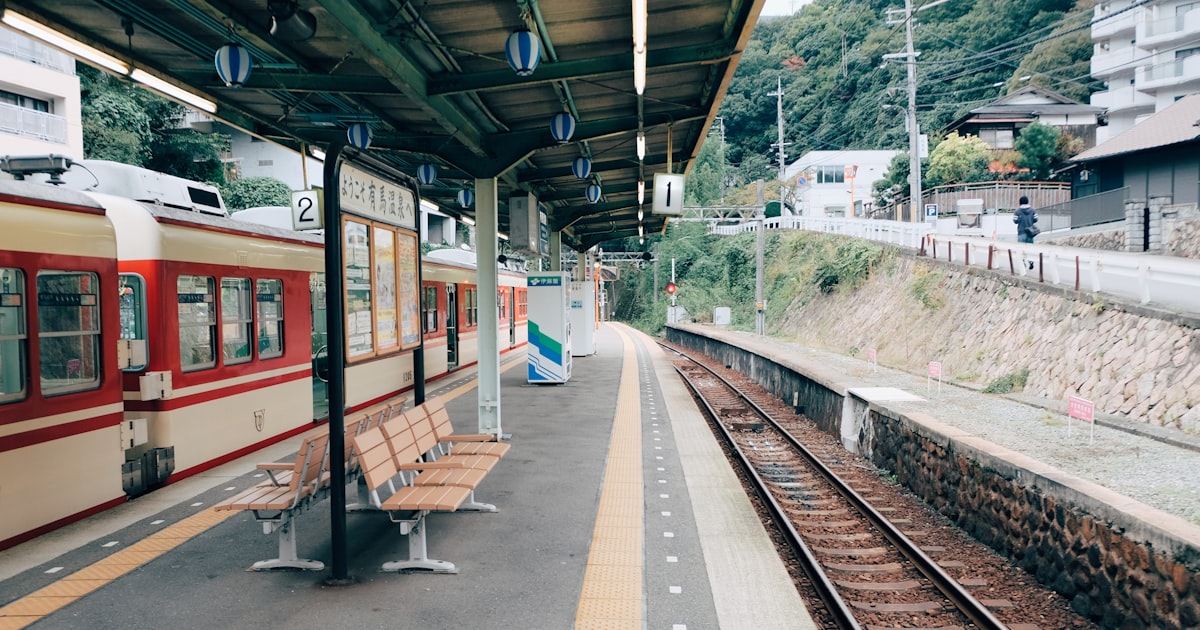
    Tucked into the hills above Kobe, Arima Onsen has been drawing bathers for over a thousand years — it gets a mention in the 8th-century Nihon Shoki, and both Toyotomi Hideyoshi and the Buddhist monk Gyoki are said to have soaked here. Unlike remote mountain onsen towns that eat up a full day of travel, Arima sits close enough to Kobe and Osaka that you can do it as a half-day or overnight trip without much planning. Here’s what you actually need to know before you go.

    Why Arima Onsen Is Worth the Detour

    Arima is one of Japan’s “three ancient springs” (Nihon Sankei) alongside Dogo Onsen and Shirahama Onsen, and it’s rare in having two chemically distinct hot spring waters bubbling up within a few hundred meters of each other. The town itself is compact — a cluster of steep, narrow streets lined with ryokan, souvenir shops, and public bathhouses that you can walk end to end in about 15 minutes. That makes it an easy add-on if you’re already based in Kobe or Osaka and want a genuine onsen experience without committing to a multi-hour train ride into the mountains.

    Two Waters: Kinsen (Gold) and Ginsen (Silver)

    Arima’s defining feature is having two types of spring water with different mineral content:

    • Kinsen (金泉, “gold spring”) — iron- and salt-rich water that oxidizes to a rust-orange/reddish-brown color on contact with air. It’s said to be good for muscle and joint pain and improving circulation. This is the more famous of the two and what most public baths in town serve.
    • Ginsen (銀泉, “silver spring”) — clear water containing radium and carbonate, lighter and cooler, believed to help with fatigue and skin conditions.

    Most ryokan pipe in one or both types, so if you have a preference, check before booking. Note that Kinsen’s iron content can stain light-colored swimwear or towels, so bring a dark or old towel if you’re precious about it.

    Getting There: Trains, Buses, and the Ropeway

    From Kobe’s Sannomiya or Shin-Kobe stations, the most direct option is the Shinki Bus (via the Hankyu/Shinki bus network), which runs straight to Arima Onsen in about 30 minutes for roughly ¥720–750 one-way, IC card accepted. From Osaka (Umeda), Hankyu operates a direct highway bus in around 60–70 minutes for about ¥1,400 one-way — book ahead on weekends, since seats sell out.

    The train route is slower but scenic: take the Kobe Electric Railway (Kobe Dentetsu) Arima Line, changing at Shin-Kaichi or Tanigami depending on your starting point, for a total travel time of around 60–70 minutes. If you’re combining Arima with a Mount Rokko visit, the Arima-Rokko Ropeway links Arima Onsen Station directly to the Rokko Garden Terrace area (roughly ¥1,000 one-way, operating hours generally 9am–5pm, with reduced winter schedules) — from there you can take the Rokko cable car down to the city side and bus back into Kobe, making a loop instead of backtracking. If you’re driving in from Osaka on the Chugoku or Meishin expressways, it’s worth checking the roadside stations (michi-no-eki) along the route for a coffee or produce break, and see our guide to renting a car in Japan if self-driving is on the table — parking in Arima itself is limited and many ryokan charge ¥1,000–1,500/night for a spot.

    Where to Soak: Public Bathhouses vs. Ryokan Day Baths

    You don’t need to stay overnight to bathe in Arima. Two public bathhouses anchor the town:

    • Kin no Yu (金の湯) — the Kinsen gold-water bathhouse, entry around ¥800 for adults, open roughly 8am–10pm (last entry 9:30pm), closed the 2nd and 4th Tuesday of the month. There’s also a free foot bath (ashiyu) just outside for anyone who doesn’t want to pay for a full soak.
    • Gin no Yu (銀の湯) — the Ginsen silver-water bathhouse, entry around ¥700, open roughly 9am–9pm, closed the 1st and 3rd Tuesday. A combined ticket for both is available for a small discount.

    Budget travelers can hit both bathhouses for well under ¥2,000 total. Mid-range and splurge travelers should look at ryokan day-bathing (higaeri onsen), where non-guests can pay to use a ryokan’s private baths, typically ¥1,500–2,500 for a couple of hours — Taiko no Yu and Gosho-bo are well-known for this. If you want the full experience, an overnight ryokan stay with kaiseki dinner runs anywhere from about ¥20,000 to well over ¥50,000 per person depending on the property and season, and usually includes unlimited access to the inn’s own baths.

    Best Time to Visit and How Much Time to Budget

    Arima works year-round, but late November is peak season for autumn foliage on the surrounding hillsides, and the town gets genuinely crowded — book ryokan and bus seats well in advance if you’re going then. Summer is quieter and hot, which pairs oddly well with a cool Ginsen soak. For a day trip, budget 4–6 hours including travel from Kobe: enough time for one or two baths, a walk through the shopping streets, and a meal. If you want to add the ropeway/Mount Rokko loop, plan for closer to a full day.

    Shopping and Snacking in the Onsen Streets

    The two main shopping lanes, Yumoto-zaka and Ne-no-yu-zaka, are worth a slow wander. Look for tansan senbei — thin, slightly sweet crackers made using Arima’s naturally carbonated spring water, sold in most souvenir shops for around ¥500–800 a box. Arima is also known for Arima-ningyo-fude, decorative writing brushes with a small wooden doll dangling from the handle that pops out when you write, and for Arima-goma, hand-spun wooden tops — both make more distinctive souvenirs than the usual keychain. If you’re building out a broader souvenir list from your Japan trip, it’s worth comparing these regional crafts against more widely available items like carved hanko stamps or Akoya pearl jewelry, which you’ll find more easily in Kobe or Osaka’s main shopping districts. Note that quite a few of the smaller family-run shops in Arima are cash-only, so carry some yen.

    Common Mistakes to Avoid

    • Assuming both public baths keep the same hours and closed days. Kin no Yu and Gin no Yu close on different Tuesdays — check the calendar before you build your day around visiting both.
    • Not booking weekend ryokan baths or buses ahead. Arima is a popular weekend escape for Kobe and Osaka residents, and both accommodation and the Hankyu highway bus can sell out.
    • Bringing light-colored towels into a Kinsen bath. The iron content will stain fabric orange-brown — bathhouses sell inexpensive towels if you forget.
    • Missing the last bus back. Direct buses to Sannomiya and Osaka thin out in the evening; if you’re day-tripping, check the return schedule before you get comfortable in the bath.
    • Treating it purely as a bathing stop. The Taiko no Yudono Ato ruins — the excavated remains of Hideyoshi’s private bath — are a small but interesting historical stop most visitors walk right past.

    If your itinerary already has you routing through the Kansai region, it’s worth checking whether the Kansai regional rail passes cover any of your connecting legs into Kobe or Osaka, though note that Arima’s own local buses and the Kobe Dentetsu line generally fall outside standard JR pass coverage, so you’ll pay those fares separately.