Japan Trove

Category: Uncategorized

  • Trying a Martial Arts Class in Japan: Judo, Karate and Aikido Dojos for Visitors

    Trying a Martial Arts Class in Japan: Judo, Karate and Aikido Dojos for Visitors

    Photo by Tim D on Unsplash

    Watching a sumo tournament or a kendo match from the stands is one thing — stepping onto the mat yourself is another. Japan’s major martial arts organizations have gotten noticeably more welcoming to short-term visitors over the past decade, and you no longer need a standing dojo membership or years of prior training to try a real class. Here’s how to find a legitimate dojo, what a trial session actually costs, and how to avoid the etiquette slip-ups that mark you as a tourist who didn’t do their homework.

    Why Try a Martial Arts Class in Japan

    Judo, karate, and aikido were all either invented or substantially codified in Japan within the last 150 years, and the organizations that still run them — the Kodokan for judo, the Aikikai for aikido, and groups like the Japan Karate Association for Shotokan karate — maintain their world headquarters in Tokyo. Training there isn’t just a tourist activity; it’s training at the actual source, often in the same buildings where the founders taught. For visitors with even a passing interest in budo (the martial Way), a single two-hour session gives you a far deeper understanding of Japanese concepts like rei (respect/bowing), discipline, and group harmony than any museum placard can.

    Judo at the Kodokan: The Sport’s Spiritual Home

    The Kodokan Judo Institute in Bunkyo, Tokyo, is judo’s headquarters, founded by Jigoro Kano in 1882. It’s a short walk from Kasuga Station (Toei Mita and Oedo lines) or Suidobashi Station (JR Chuo-Sobu line, Toei Mita line). Visitors who are not yet judoka can watch training for free from the observation gallery on upper floors most days the dojo is open — a worthwhile stop even if you don’t train. For actual participation, the Kodokan runs structured courses for international visitors (including short-term and resident programs), but these typically require advance registration through the Kodokan’s international section rather than a walk-in trial, so email or check their official site weeks ahead of your trip rather than expecting a same-day class. The on-site shop sells judogi (uniforms), belts, and Kodokan-branded gear, which makes a far more meaningful souvenir than anything from a mall.

    Aikido at the Aikikai Hombu Dojo

    Aikido’s world headquarters, the Aikikai Hombu Dojo, sits in a quiet residential pocket of Shinjuku, Tokyo. Unlike judo and karate, aikido has no competitive sparring, which makes it a gentler entry point for visitors who are intimidated by the idea of being thrown or struck on day one. The Hombu Dojo runs a regular schedule of general classes that foreign visitors can join, usually for a per-class fee in the ballpark of a few thousand yen, but — and this matters — you’re expected to contact the dojo office in advance by email to confirm space and get instructions, not show up unannounced. Many visitors underestimate how physically demanding aikido’s falls (ukemi) are; if you have any knee or shoulder issues, mention it to the instructor before class starts.

    Karate: Dojo Visits and Regional Roots

    Karate is more fragmented than judo or aikido, with dozens of major styles (Shotokan, Goju-ryu, Wado-ryu, and more) and no single Tokyo headquarters equivalent to the Kodokan. The Japan Karate Association, the main body for Shotokan karate, is based in Tokyo and can point visitors toward affiliated dojos that accept trial lessons. If your trip includes Okinawa, that’s actually the better pilgrimage: Okinawan karate (the style’s true birthplace, predating its mainland spread) has small, family-run dojos in and around Naha that are often more open to drop-in foreign visitors than the larger mainland organizations, precisely because they’re used to curious travelers. Expect a trial lesson anywhere from roughly ¥2,000 to ¥5,000, sometimes with gear rental included if you don’t own a gi.

    What to Wear, Bring, and Expect

    Budget options: most dojos that run visitor programs will rent or lend a gi (uniform) for a trial class, so you don’t need to buy one before you’ve confirmed you’ll enjoy it. Mid-range: if you decide you want your own, a basic judogi or karategi runs roughly ¥6,000–¥15,000 at specialty martial arts shops, several of which cluster near the Kodokan itself. Splurge: competition-weight gi with embroidered dojo or federation branding can run ¥20,000+ and usually needs to be ordered rather than bought off the rack. Either way, bring a towel, a change of clothes, and expect no air conditioning relief mid-class — traditional dojos keep windows open rather than running AC during practice, even in summer, so you will sweat through your clothes. It’s worth packing a reliable antiperspirant for the rest of your day’s itinerary; our guide to Japanese deodorants and antiperspirants covers what locals actually buy, since the formulations differ from what you’ll find at home. Also bring clean socks to change into — you’ll be barefoot on the mat but need something for the walk to and from the dojo.

    Getting There and Timing Your Visit

    The Kodokan and Aikikai Hombu Dojo are both well served by Tokyo’s subway network, so you won’t need a car for either. If your trial class is at a smaller regional dojo outside the main train lines — not uncommon for Okinawan karate schools or suburban judo clubs — a short-term car-sharing booking can be more practical than a taxi; see our guide to Times Car and Careco for short hops without a rental counter for how that works without a full rental agreement. Timing-wise, spring (April–May) and autumn (October–November) are the most comfortable seasons to train, since un-air-conditioned dojos get brutally hot in July and August and unheated in January. Evening classes (typically starting between 6 and 8pm on weekdays) are when most adult visitor sessions run, since mornings and early afternoons are often reserved for children’s classes or competitive team practice.

    Common Mistakes Visitors Make

    The single biggest mistake is showing up unannounced expecting a walk-in trial — nearly every legitimate headquarters dojo requires advance email contact, and turning up cold will get you turned away at the door. Second is forgetting to bow when stepping on and off the mat (not just at the start and end of class) — it’s the one etiquette point instructors notice immediately in a visitor. Third is wearing jewelry or having long, unclipped nails, which is a genuine safety issue in grappling arts like judo and will get you benched. Finally, don’t expect to “perform” — most visitor classes are deliberately basic, covering stances, falls, and etiquette rather than throws or strikes, so arrive with curiosity rather than expectations of a highlight-reel session. Afterward, a bowl of something warm and filling is the right way to close out a training day; tonjiru, Japan’s pork and vegetable miso soup, is cheap, hearty, and sold within walking distance of most Tokyo dojos. If you want a meal with a wink at the word itself, Tokyo also has old-school restaurants serving dojo nabe, the city’s humble loach hot pot — no relation to the training hall, but a fun pun to end the day on.
  • Steteco: Japan’s Traditional Men’s Loungewear Shorts and Where to Buy Them

    Steteco: Japan’s Traditional Men’s Loungewear Shorts and Where to Buy Them

    Photo by Sean Nufer on Unsplash

    If you’ve wandered the men’s floor of a Japanese department store in June or ducked into a Don Quijote during a heat wave, you’ve probably seen racks of loose, knee-length shorts in cheerful stripes or indigo patterns labeled “ステテコ” (steteco). They look like old-fashioned underwear, and in a sense, they are — but they’ve also become one of Japan’s most practical souvenir buys for anyone suffering through the country’s humid summers. Here’s what steteco actually are, why Japanese men (and increasingly women) swear by them, and exactly where to find a good pair.

    What Exactly Is Steteco?

    Steteco are loose-fitting, lightweight cotton shorts that reach to just above or below the knee, traditionally worn as an underlayer beneath kimono or yukata to stop the fabric from chafing bare skin and to absorb sweat in summer. The name is thought to derive from the Meiji-era “sutetenko” or “steteko” dance craze of the 1870s, though the exact etymology is debated — what’s certain is that by the early 20th century, steteco had become standard men’s summer underwear across Japan, eventually losing ground to Western-style briefs and boxers in the postwar decades.

    What makes them worth buying today isn’t nostalgia — it’s the cut. Steteco are wide through the thigh, have no tight elastic cuffs, and are almost always made of breathable cotton (often “tenjiku” double-weave cotton), so they trap far less heat than synthetic sleep shorts. On a 35°C Tokyo night, that difference is real.

    Why Steteco Became a Modern Loungewear Trend

    Around the mid-2010s, brands like Kyoto’s SOU•SOU and hosiery maker Gunze repositioned steteco from “old man’s underwear” to stylish summer room wear, printing them in bold Japanese patterns and marketing them as loungewear and pajama bottoms rather than something hidden under clothes. That rebrand worked: steteco now sit comfortably next to the jinbei (two-piece summer sets) and the loungewear popularized by brands like Gelato Pique on seasonal shop floors every summer. The key difference from jinbei is that steteco are shorts only, meant to be worn with a plain T-shirt, not a matching top — so don’t buy them expecting a two-piece set unless the package explicitly says so.

    Where to Buy Steteco in Japan

    Budget (¥980–1,500): Don Quijote is the easiest option for visitors — most stores stock a basic steteco corner near the men’s underwear section, with plain navy, grey, or striped cotton pairs from around ¥980. Don Quijote’s big Tokyo locations (Shibuya, Akihabara, Shinjuku) tend to carry the widest size range and stay open late or 24 hours, which is handy if you’re shopping after a long day of sightseeing.

    Mid-range (¥1,290–2,990): MUJI sells clean, unpatterned steteco in cotton and cotton-linen blends, usually in the men’s sleepwear section, with sizes clearly marked M/L/LL. Gunze, the century-old Kyoto hosiery company that helped popularize the modern steteco revival, sells its BODY WILD and seasonal steteco lines in department stores like Isetan and Takashimaya, as well as in Aeon supermarkets nationwide — look for the summer “steteco” seasonal end-cap display, usually set up from late April through August.

    Splurge (¥5,000–8,000+): SOU•SOU, based in Kyoto’s Kiyamachi/Shijo area near the Kamo River, sells steteco in distinctive Japanese-pattern cotton — indigo-dyed, kasuri weave, or ukiyo-e-inspired prints — that double as genuinely good-looking loungewear rather than something you’d hide. These make far better gifts than the budget versions, and the fabric quality (often 100% cotton tenjiku weave) is noticeably softer after a few washes. If you’re already in Kyoto shopping for textile crafts, it’s worth pairing a SOU•SOU stop with a look at traditional tool shops, the way enthusiasts browse Japanese woodworking hand tools for the same mix of function and craft.

    Sizing, Fabric, and Common Mistakes

    Japanese sizing runs smaller than US/EU standards, so check the waist measurement in centimeters rather than relying on the letter size — M is typically a 70–80cm waist, L around 80–90cm, and LL up to 100cm. Steteco have no fitted waistband; most use a drawstring or soft elastic, so there’s more forgiveness than with regular shorts, but if you’re above a US size 38 waist, go straight for LL or check Gunze’s extended sizing before committing to a Don Quijote impulse buy.

    The biggest mistake visitors make is grabbing a polyester or poly-cotton blend because it’s cheaper — it defeats the entire purpose, since synthetic fabric traps heat and sweat exactly like the cuffed Western shorts steteco were designed to replace. Check the tag for “綿100%” (100% cotton) or at least a majority-cotton blend. The second mistake is wearing them as outerwear in public; despite the stylish prints, steteco are still culturally understood as an indoor or underlayer garment in Japan, and older generations in particular will read them as underwear if worn alone outside the house or a ryokan.

    Best Time to Shop for Steteco

    Stock and selection peak from late April through August, when department stores and Don Quijote roll out dedicated summer displays; this is also when you’ll find the most pattern variety at SOU•SOU and similar boutiques. By September, remaining stock often goes on clearance at 30–50% off, which is a good window if you don’t care about color choice. Outside of summer, steteco are still sold year-round at MUJI and Gunze outlets, just with a far smaller selection — don’t expect to find them easily in winter at a general supermarket.

    How to Wear Them

    The standard pairing is a steteco with a plain crew-neck T-shirt as sleepwear or at-home wear, which is also how they’re displayed in-store. If you’re staying somewhere warm and humid with no air conditioning at night — a guesthouse, a share house, or a budget ryokan — a cotton steteco under loose sleep shorts genuinely helps with the heat, much the way breathable fabric choices matter when picking Japanese deodorants and antiperspirants suited to the climate rather than what you’d normally buy at home. For travelers packing light, steteco also roll up small and dry quickly, making them a smart addition to a carry-on alongside other practical Japan-specific buys, the same logic that applies when picking up specialty gear like a sukumizu for Japan’s public pools — niche, but genuinely useful once you understand what it’s for.

    Whether you grab a ¥980 pair from Don Quijote on a whim or invest in a patterned SOU•SOU set as a souvenir, steteco are one of the few traditional Japanese garments that are both authentic and immediately practical for a hot-weather trip — no special occasion or styling knowledge required, just a hot night and the right fabric.

  • Hiyoko Manju: Fukuoka’s Chick-Shaped Bun and Where to Buy It

    Hiyoko Manju: Fukuoka’s Chick-Shaped Bun and Where to Buy It

    Photo by Syria Polidoro on Unsplash

    Shaped like a baby chick and filled with smooth white bean paste, Hiyoko Manju is the one souvenir almost every traveler leaving Fukuoka ends up carrying home in a yellow box. It looks almost too cute to eat, tastes like a cross between a soft castella cake and a custard bun, and has been Kyushu’s best-selling confectionery souvenir for over a century. Here’s what it actually is, where to buy it without wasting time, and the mistakes that trip up first-time buyers.

    What Exactly Is Hiyoko Manju?

    Hiyoko Manju (ひよ子) is a small, chick-shaped cake with a thin sponge-like exterior wrapped around a filling of smooth, lightly sweetened white bean paste (shiroan). The texture sits somewhere between a Japanese manju and a Western-style cake — moist, dense, and not overly sweet, which is part of why it travels well as a gift. Each piece is individually wrapped in plastic, so there’s no need to refrigerate it during a trip, and a single chick is a neat two-bite snack.

    The confection was created in 1912 by Yoshinodo, a confectioner based in Iizuka, in Fukuoka Prefecture’s inland Chikuho region, and it remains the company’s signature product. It’s commonly listed alongside dishes like tonjiru as one of the comfort foods Kyushu travelers come home talking about, though Hiyoko Manju sits firmly in the sweets category rather than a meal.

    A Fukuoka Icon With a Confusing Tokyo Connection

    Here’s the twist that surprises a lot of visitors: Hiyoko Manju is also sold at Tokyo Station, Ueno, and in Tokyo department stores, which leads many travelers — and more than a few Japanese people outside Kyushu — to assume it’s a Tokyo souvenir. It isn’t. Yoshinodo expanded into the Tokyo market decades ago, and the product became so popular there that a separate company began selling a nearly identical chick-shaped sweet under the same name in the Kanto region. The resulting trademark dispute over the three-dimensional “chick” shape went all the way to Japan’s Supreme Court in the early 2000s, with the original Fukuoka-based Yoshinodo ultimately prevailing. If you want the authentic, original version with its Fukuoka roots, buy it in Fukuoka — the packaging there is explicit about its Iizuka/Fukuoka origin.

    Where to Buy It in Fukuoka

    You don’t need to seek out a specialty shop; Hiyoko Manju is sold everywhere travelers pass through in Fukuoka. The most convenient stops:

    • Hakata Station — The basement and ground-floor souvenir areas of JR Hakata City (the station’s shopping complex) carry Hiyoko Manju at several counters, including dedicated Yoshinodo kiosks. This is the easiest stop if you’re catching a Shinkansen home. Shops generally operate from around 8:30am to 8:30pm, matching train traffic.
    • Fukuoka Airport (domestic terminal) — Souvenir shops past security and in the pre-security shopping area both stock it, open roughly 6:30am to 8pm to cover early and late flights. This is the last-chance option if you forgot to buy it in the city.
    • Tenjin department stores — Iwataya and Daimaru both have confectionery floors (usually basement level, “depachika”) selling Hiyoko Manju alongside other Kyushu sweets, typically open 10am to 8pm.
    • Canal City Hakata — A smaller selection, useful if you’re already shopping there and don’t want a separate station trip.

    If you’re continuing your Kyushu trip inland toward the hot spring towns of Oita, note that Iizuka — the sweet’s actual birthplace — sits on the way; travelers detouring to a spot like Hita’s mountain hot springs will pass reasonably close to Yoshinodo’s home turf, though the Hakata Station shops are more than sufficient for most itineraries.

    Prices and Box Sizes

    Pricing is simple and hasn’t fluctuated much in recent years:

    • Single pieces, where sold individually, run around ¥130–150 each.
    • A box of 8 is a common small-gift size, typically around ¥1,100–1,300.
    • Boxes of 10–12 run roughly ¥1,400–1,700 — the most popular size for bringing back to an office or small group.
    • Larger boxes of 20–24 for bigger gift-giving land around ¥2,700–3,300.

    There’s no real “splurge” tier for Hiyoko Manju itself — it’s a mass-market, reasonably priced souvenir rather than a premium craft item. If you want something with more of a luxury feel from the same trip, pair it with a regional specialty that does have a splurge option, like the rare, melt-in-the-mouth beef featured in Shizuoka’s toro-grade hamburg steak — a different region, but a useful comparison for how Japan prices everyday versus premium food souvenirs.

    Best Time to Buy (and When Not To)

    Because the cakes contain fresh bean paste and no artificial preservatives, shelf life is limited — generally around 12 to 14 days from the production date printed on the box, though always check the date stamped on your specific box rather than relying on this figure. This makes Hiyoko Manju a bad buy on day one of a two-week trip and a perfect buy on your last day in Fukuoka, right before heading to the airport or boarding the Shinkansen. There’s no meaningful seasonal variation — it’s sold year-round and doesn’t change with cherry blossom or autumn foliage seasons the way some regional sweets do.

    If you’re combining the souvenir with a Hakata Station layover on the way to or from another Fukuoka Prefecture stop, buy it on your way out of the city, not on arrival, so the clock on freshness starts as late as possible.

    Common Mistakes to Avoid

    • Buying it too early. With under two weeks of shelf life, a box bought on day one of a three-week trip will likely spoil before you get it home.
    • Assuming it’s a Tokyo souvenir because you’ve seen it at Tokyo Station. The original and the version with genuine Fukuoka heritage is the Yoshinodo product sold in Kyushu.
    • Checking bags with it in checked luggage on a hot day. It doesn’t need refrigeration for short periods, but cargo holds and hot cars can still soften the filling. Keep it in a reasonably cool bag if you have a long connection.
    • Expecting a strong, distinct flavor. First-timers sometimes expect something closer to a Western pastry; it’s mild and subtly sweet, closer in spirit to the gentle, unfussy sweets served at traditional kanmidokoro tea-and-sweets shops in Kyoto than to a rich Western cake.

    If You Want to Diversify Your Souvenir Box

    Hiyoko Manju travels well precisely because it’s shelf-stable and individually wrapped, which makes it easy to combine with other regional specialties in one suitcase. Travelers building out a broader Japan food-souvenir collection often pair it with something like Toyama’s pressed trout sushi, masuzushi (best eaten quickly rather than packed for later, but worth knowing about for the same trip) or other regional sweets picked up along a Kyushu or wider Japan itinerary. The key with Hiyoko Manju specifically is quantity and timing: buy enough boxes for everyone on your gift list, buy them near the end of your trip, and you’ll have a reliable, well-loved souvenir that needs zero explanation back home — most people recognize the chick shape on sight, even if they’ve never been to Fukuoka.

  • Dojo Nabe: Tokyo’s Humble Loach Hot Pot and Where to Try It

    Dojo Nabe: Tokyo’s Humble Loach Hot Pot and Where to Try It

    Photo by Michael Wu on Unsplash

    Long before ramen and conveyor-belt sushi defined Tokyo dining for visitors, laborers and craftsmen in the old city were warming themselves over bubbling pots of dojo — loach, a small muddy-flavored freshwater fish related to catfish and eel. Dojo nabe (どぜう鍋 or どじょう鍋) is one of the last surviving dishes of that Edo-period food culture, and a handful of Tokyo restaurants still serve it almost exactly as they did 200 years ago. It’s not glamorous, and it won’t show up on most “best of Tokyo” lists, but it’s one of the more genuinely old-Tokyo experiences you can have at a table.

    What Is Dojo Nabe, Exactly?

    Dojo is a thin, bony pond loach that was once abundant in the rice paddies and canals around Tokyo. Cooks discovered that simmering it slowly in a sweetened, soy-based dashi broth softened the bones enough to eat whole, and the dish became popular with manual laborers who needed cheap, high-protein food. Like unagi (eel), dojo was traditionally associated with surviving the brutal humidity of a Tokyo summer, and old-fashioned shops still lean into that “stamina food” reputation even though the dish is served year-round today.

    There are two main styles you’ll encounter:

    • Marunabe — whole loach, bones and all, simmered in individual metal pots and piled with a thick layer of sliced Tokyo negi (long onion). You eat the onion down as it wilts into the broth, then work through the fish underneath.
    • Sasagaki — the loach is butterflied and deboned by hand before cooking, giving a more delicate, less fishy result. It costs more because of the extra prep work, but it’s the easier entry point if the idea of whole small bones puts you off.

    Both are usually eaten with a dusting of sansho pepper or shichimi, a side of rice, and a small bowl of dojo-jiru (loach miso soup) if you want to try the fish in an even gentler form.

    Komagata Dozeu: Asakusa’s 220-Year-Old Original

    The benchmark restaurant for this dish is Komagata Dozeu (駒形どぜう), founded in 1801 near Komagata Bridge in Asakusa and still run from the same stretch of road today. The honten (main shop) seats diners on tatami on the upper floors, often at low sunken tables, and the atmosphere — dark wood, paper lanterns, elderly regulars nursing a flask of sake before their nabe even arrives — feels closer to a woodblock print than to modern Tokyo.

    It’s a short walk (around 5–7 minutes) from Asakusa Station, served by the Tokyo Metro Ginza Line, Toei Asakusa Line, and Tobu Skytree Line, making it an easy add-on to a Senso-ji temple visit. The restaurant generally opens for both lunch and dinner, roughly 11:00 to 21:00 with last orders before close, though hours can shift seasonally, so it’s worth checking signage or calling ahead on the day. Expect to remove your shoes at the tatami seating, so wear something easy to slip on and off.

    On pricing: a marunabe set typically runs somewhere in the ¥2,000–2,500 range, sasagaki (deboned) versions run a bit higher at roughly ¥2,800–3,500, and if you want the fuller experience — multiple small dishes plus nabe and rice — multi-course menus climb toward ¥6,000–8,000 per person with drinks. Treat these as ballpark figures rather than a current menu, since prices do move over time.

    Other Places to Try It in Tokyo

    Komagata Dozeu isn’t the only option, just the most famous. Iidaya, a long-running dojo specialist in Sendagi near Yanaka and Nezu Shrine, is a quieter, more neighborhood-feeling alternative if Asakusa’s crowds aren’t your scene — it’s worth combining with a wander through Yanaka’s old shotengai streets. A few general izakaya around the old shitamachi (low city) districts of Asakusa, Ueno, and Kanda also put dojo-jiru or a simplified nabe on seasonal menus, though the dedicated specialist restaurants are a more reliable bet for the real marunabe experience. If you’re building out a food-focused itinerary around Tokyo’s old-fashioned, unglamorous comfort dishes, dojo nabe pairs well conceptually with something like tonjiru, Japan’s hearty pork and vegetable miso soup — both are humble, laborer-born dishes that survived because they’re genuinely good, not because they’re photogenic.

    Best Season and Timing for Dojo Nabe

    Dojo nabe is served all year, but it has two natural “seasons.” The traditional one is midsummer (July–August), when the dish’s reputation as a stamina food — much like eel on the midsummer “Day of the Ox” — makes it popular with Tokyoites looking to fight off heat fatigue with a protein-dense meal, counterintuitive as a hot pot in August sounds. The more intuitive season is autumn through winter (October–February), when a bubbling individual pot of broth is simply a comfortable thing to eat on a cold evening, and restaurants tend to feel cozier with the heaters and low tables.

    For timing within the day, go for an early dinner (around 17:00–18:00) if you want tatami seating without a wait — Komagata Dozeu’s evening tatami floor can fill up with regulars and tour groups after 19:00. Lunchtime is generally calmer and occasionally has a simpler, cheaper set menu.

    How to Eat It (and Mistakes to Avoid)

    • Don’t expect unagi. Dojo is muddier, gamier, and boveal in a way that surprises people expecting something close to eel or tempura. Go in curious rather than expecting a crowd-pleaser.
    • Let the negi wilt before digging in. The thick pile of raw onion on top looks like garnish, but it’s meant to cook down into the broth over a minute or two of simmering. Eating it raw and crunchy misses the point.
    • Order sasagaki if you’re nervous about bones. Marunabe bones are simmered until soft, but they’re still there, and first-timers sometimes spend the whole meal picking anxiously rather than eating naturally.
    • Bring cash or check card acceptance. Older, traditional restaurants in this category sometimes still prefer cash or have limited card/IC options, especially at smaller branches.
    • Don’t assume there’s an English menu. Some locations have none. Pointing at a neighboring table’s order or asking simply for “marunabe” or “sasagaki” usually works.
    • Remove shoes properly at tatami seating. Slip-on shoes save you the fumbling that mildly embarrasses a lot of first-time visitors.

    Budget, Mid-Range, and Splurge Options

    If you just want a taste without committing to a full meal, a bowl of dojo-jiru (loach miso soup) on its own is the cheapest entry point, often in the ¥500–800 range where it’s offered as a side dish. For a proper sit-down meal, the marunabe set at a specialist restaurant is the natural mid-range choice, landing around ¥2,000–2,500 and giving you the full ritual — pot, burner, negi, rice, and pickles. For a splurge, build out a full course with sasagaki, grilled dojo skewers, seasonal small plates, and a sake pairing; this is where the bill moves into the ¥6,000–8,000+ territory, but it turns a curiosity dish into a proper old-Tokyo dinner.

    Dojo nabe will never be the headline of anyone’s Japan trip, and that’s exactly its appeal — it’s one of the few dishes left in central Tokyo that was built for workers, not tourists, and eating it today puts you at the same low tables, in front of the same kind of simmering pot, that Edo-period Asakusa knew two centuries ago.

  • Lake Chuzenji and Kegon Falls: Nikko’s Scenic Lake Loop Beyond the Shrines

    Most visitors to Nikko spend their energy on Toshogu Shrine’s gilded carvings and never make it up the mountain to Lake Chuzenji. That’s a mistake. Twenty minutes above the shrine district by road, the elevation climbs over 1,200 meters, the air cools noticeably, and you get a volcanic lake, a 97-meter waterfall, and a loop of quieter sights that most day-trippers from Tokyo skip because they run out of time. This guide covers how to get up there, what’s actually worth paying for, and when to go.

    Getting There: The Irohazaka Switchbacks

    From Tokyo, take the Tobu Skytree Line (or JR/Tobu combined pass) to Tobu Nikko Station, about two hours from Asakusa. From either Tobu Nikko or JR Nikko Station, catch the Tobu Bus bound for Chuzenjiko Onsen — it’s roughly a 50-minute ride for around ¥1,150 one way. Buses run fairly frequently in daytime but get crowded on autumn weekends, so build in buffer time rather than cutting it close to a return train.

    The bus climbs via Irohazaka, a pair of one-way mountain roads (one up, one down) with 48 hairpin curves between them — supposedly one for each character of the old Japanese iroha alphabet. It’s a genuinely scenic ride, but if you’re driving yourself during peak foliage (early-to-mid October), expect stop-and-go traffic for long stretches. Taking the bus and letting someone else deal with the switchbacks is the easier call for most visitors.

    Kegon Falls: Japan’s Most Dramatic Waterfall Viewing

    Kegon Falls is the headline attraction, and it earns the reputation — a single 97-meter drop formed by lava from Mount Nantai’s eruption, ranked among Japan’s most celebrated waterfalls. The free upper observation deck, a short walk from the Chuzenjiko Onsen bus stop, gives you a solid view straight down into the gorge.

    For the better angle, pay for the Kegon Falls Elevator, which takes you roughly 100 meters down to a lower platform at the base — admission is around ¥570 for adults. From there you’re looking up at the full curtain of water at eye level, with spray reaching you on windy days. Hours run roughly 8:00–17:00 in high season, shorter in winter (closer to 9:00–16:30), and the elevator sometimes closes briefly in heavy rain or ice, so don’t treat it as guaranteed if you’re visiting in January or February.

    Beyond the Falls: Lake Chuzenji’s Quieter Corners

    Once you’ve seen Kegon, most tour groups turn around. Don’t — the lake itself is the part worth lingering over. Lake Chuzenji sits at about 1,269 meters elevation, dammed naturally by the same lava flow that created the falls, and a walking path rings part of the shore.

    At the far end of the lake, Ryuzu Falls is a smaller, twin-channel cascade that’s free to view and considerably less crowded than Kegon — it’s one of the best spots on the loop for autumn color photos, with maples framing the water. Along the southern shore, the former Italian Embassy Villa (now a memorial park) and the nearby British Embassy Villa are preserved lakeside retreats open seasonally, roughly mid-April through November, closed for winter. They’re a nice, calm counterpoint to the waterfall crowds — wooden verandas looking straight out over the water.

    If you have an extra hour, Chuzenjiko Kisen runs sightseeing boats on the lake; the full loop takes about 55 minutes and costs in the ¥1,400 range for adults. It’s not essential, but it’s a relaxed way to see Mount Nantai from the water if the weather’s clear.

    Best Time to Visit and Seasonal Notes

    Autumn is peak season here, and it peaks later than Nikko town itself because of the altitude — expect the best color from roughly mid-October to early November, versus late October to mid-November down at Toshogu. That means you can sometimes catch two different stages of foliage in one day trip by doing the lake first, then the shrine area. Weekends in this window get genuinely congested, both on the Irohazaka road and around the falls viewpoints, so arrive early.

    Summer is the other strong case for making the trip: the elevation keeps temperatures noticeably cooler than Tokyo, which is why Chuzenji became a 19th-century foreign-embassy retreat in the first place. Winter is quieter and the lake occasionally develops partial ice, but some facilities (boat cruises, the embassy villas) close for the season and roads can require caution — check conditions before driving yourself.

    Where to Eat and Stay Around the Lake

    Chuzenji Onsen, the small town by the bus terminal, has a cluster of lakeside restaurants and a few onsen ryokan with lake-view baths. On the budget end, soba and yuba (Nikko’s local tofu-skin specialty) sets at casual shokudo near the bus stop run roughly ¥1,000–1,500. For something warming after a cold walk around the falls, a bowl of tonjiru shows up on a lot of mountain-town menus for exactly this reason — it’s the kind of hearty pork-and-vegetable miso soup built for cold lake air.

    Mid-range travelers can book a day-use onsen bath at one of the lakeside ryokan for a few thousand yen without staying overnight. If you want a splurge and a full overnight stay, the lakefront ryokan with private Nantai views book out fast in October, so reserve weeks ahead for autumn weekends.

    If the idea of a quieter, less-touristed mountain escape appeals to you beyond this trip, two other day-trip destinations worth comparing are Nyuto Onsen in Akita, a genuinely secluded forest hot spring, and Yudanaka’s soba-and-orchard scene in Nagano, which plays the same “quiet alternative” role there that Lake Chuzenji plays relative to Nikko’s shrine crowds.

    Common Mistakes to Avoid

    The biggest one is treating Toshogu Shrine and the lake as a single easy half-day — between the shrine visit, the bus ride up Irohazaka, and actually seeing Kegon Falls and the lake properly, you need closer to a full day from central Tokyo. Trying to cram both in with a late start usually means rushing the lake or missing your return bus.

    Second, don’t assume the Kegon Falls elevator will be open and quick in winter or bad weather — check before building your whole visit around the lower platform view. Third, if you’re driving yourself in October, don’t underestimate Irohazaka traffic; locals and bus drivers plan around it, and self-drivers often don’t. Finally, pack a layer even in summer — the jump in elevation from Nikko town to the lake is enough to catch people off guard in a t-shirt.

  • Tonjiru: Japan’s Hearty Pork and Vegetable Miso Soup and Where to Try It

    Tonjiru: Japan’s Hearty Pork and Vegetable Miso Soup and Where to Try It

    Photo by White.Rainforest ™︎ ∙ 易雨白林. on Unsplash

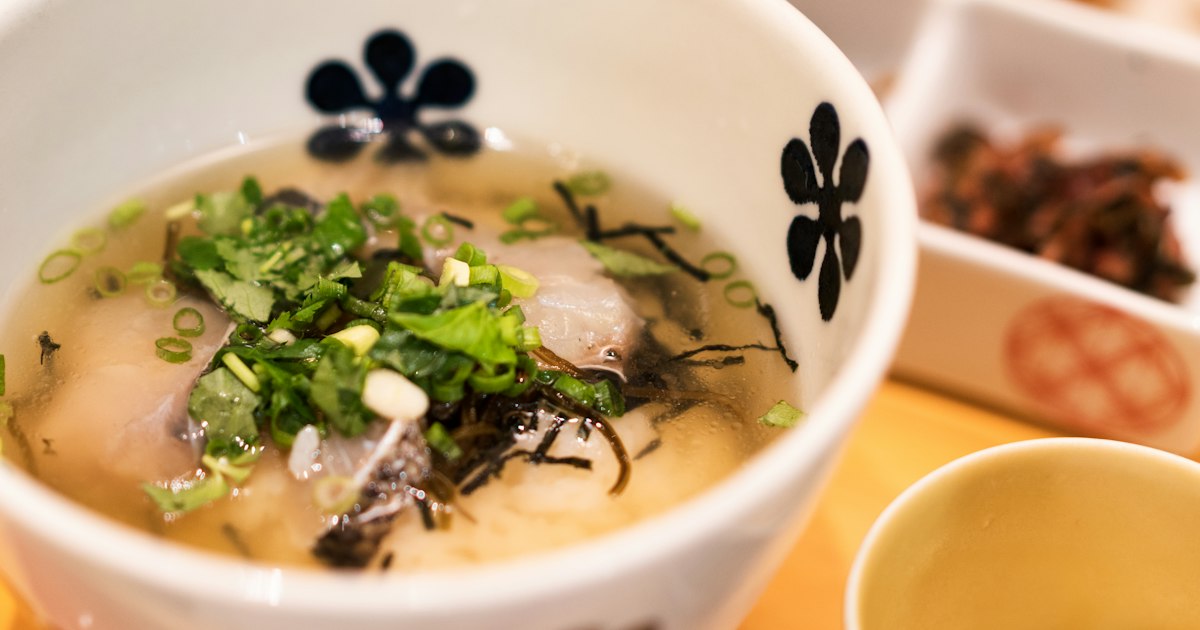
    On a cold morning at a mountain trailhead, a hot spring town, or a neighborhood diner, you’ll eventually run into a bowl of cloudy, pork-flecked soup that smells like home cooking even if you’ve never been to Japan before. That’s tonjiru — literally “pork soup” — and it’s one of the most comforting, least-hyped dishes a visitor can order. It won’t show up on many “must-eat Japan” lists next to ramen or sushi, but it’s the dish locals actually crave when the weather turns, and it’s cheap, filling, and easy to find once you know where to look.

    What Exactly Is Tonjiru?

    Tonjiru is a miso-based soup built around thin-sliced pork belly or pork offcuts and a mix of root vegetables — usually daikon radish, carrot, taro (satoimo) or potato, burdock root (gobo), and konnyaku, simmered in a dashi stock and finished with miso paste. It’s thicker and more substantial than a standard miso soup; think of it as sitting somewhere between soup and stew. Pork fat renders into the broth as it cooks, giving it a richness that plain miso soup doesn’t have, and the vegetables are cut into hearty, bite-sized chunks rather than the thin shavings you’d see in a lighter soup.

    It’s closely related to kenchinjiru (a vegetarian version using no meat, often served at temples) and to butajiru, which is essentially the same dish — the names are regional and largely interchangeable. You’ll also see it appear inside bento boxes, as a side to a grilled fish teishoku (set meal), or standing alone as a meal with a bowl of rice.

    Where to Try It: From Convenience Stores to Mountain Huts

    Tonjiru’s best quality is that you don’t need a reservation or a special trip to find good versions of it.

    • Teishoku chains: Ootoya and Yayoiken, both nationwide chains, serve tonjiru either as a side upgrade (around 150–250 yen added to a set meal) or as a standalone bowl with rice for roughly 700–900 yen. These are reliable, open daily, usually from around 11:00 to 22:00.
    • Convenience stores: 7-Eleven, Lawson, and FamilyMart all sell cup or bagged tonjiru, especially from autumn through late winter, for 150–300 yen. It’s microwaved or hot-water prepared and is a legitimately good option if you’re cold and just got off a train.
    • Mountain trail huts: Mt. Takao in western Tokyo, a popular half-day hike reachable via the Keio Line to Takaosan-guchi Station (about 50 minutes from Shinjuku), has several rest huts near the summit selling tonjiru for roughly 600–800 yen, best enjoyed after the climb in autumn (November foliage) or winter.
    • Hot spring towns: Ryokan dinners in onsen areas frequently include a pork-and-vegetable miso soup course, especially in colder regions. If you’re heading somewhere remote and snowy like Nyuto Onsen in Akita, expect it on the dinner table almost automatically — it’s the kind of dish that mountain ryokan kitchens make well because they’ve been making it for generations.
    • Winter festivals and markets: Street stalls at matsuri and New Year markets often sell tonjiru from large pots for 300–500 yen a cup, a good low-commitment way to try it while sightseeing.

    Best Season and Timing

    Tonjiru is a cold-weather dish through and through. It appears on menus most reliably from late October through March, and many seasonal-only stalls (festival vendors, ski-resort huts, mountain trail shops) simply don’t sell it in summer. If you’re visiting snow country — the same kind of region covered in our guide to Yudanaka’s snow-country soba and apple orchards — tonjiru is often the thing locals eat before or after visiting a hot spring, precisely because it warms you up fast and pairs naturally with onsen-town dining. Lunchtime (11:30–13:30) is the most dependable window at teishoku restaurants; dinner service at ryokan is usually fixed by your reservation time.

    Budget, Mid-Range, and Splurge Options

    This is a dish where spending more doesn’t necessarily buy you something dramatically different, but the quality ceiling is real:

    • Budget (150–500 yen): Convenience store cups and festival stalls. Fine for a quick, honest version, though the pork is often minimal.
    • Mid-range (700–1,000 yen): Teishoku chains and local diners (shokudo), where tonjiru comes with generous vegetables and visible pork belly, often as part of a set with rice, pickles, and a small side.
    • Splurge (included in a kaiseki or ryokan dinner, typically 12,000–30,000+ yen per person for the full meal): Here tonjiru isn’t ordered on its own — it’s one course in a multi-dish dinner at a quality ryokan, made with better pork, house-made dashi, and seasonal root vegetables sourced locally. The soup itself isn’t “luxury,” but the surrounding meal elevates it considerably.

    Common Mistakes Visitors Make

    A few easy ones to avoid:

    • Confusing it with miso soup: If you order “miso soup” expecting tonjiru, you’ll get a small, light bowl with tofu and seaweed — not the hearty pork version. Ask specifically for tonjiru or butajiru.
    • Assuming it’s available year-round at every restaurant: Many casual spots drop it from the menu in summer. If you’re visiting in July or August, don’t count on finding it outside of all-season chains.
    • Not checking for allergens: Tonjiru almost always contains pork and often dashi made from fish or bonito, so it’s not vegetarian or halal despite looking like a vegetable soup. Kenchinjiru is the dish to ask for instead if you need a meat-free version.
    • Skipping it because it looks “too plain”: It photographs modestly next to ramen or sushi, but it’s one of the most genuinely flavorful, unpretentious dishes in everyday Japanese cooking — worth ordering even if it won’t be your most Instagrammed meal.

    Making Tonjiru Yourself

    If you’re staying in a weekly mansion or apartment-style hotel with a kitchenette, tonjiru is one of the easiest Japanese dishes to cook with minimal equipment — a pot, a knife, and a rice cooker is really all you need, which makes it a good match for the kind of setup covered in our guide to compact rice cookers and mini kitchen gear for Japan’s weekly mansions and studio stays. For ingredients, a well-stocked supermarket will have everything, but if you want higher-quality miso, dashi packs, or thick-cut pork belly without hunting through multiple stores, Seijo Ishii is a reliable one-stop option in most major cities.

    A basic version: sauté thin pork belly slices until the fat renders, add chopped daikon, carrot, gobo, and satoimo, cover with dashi stock, simmer 15–20 minutes until the vegetables soften, then stir in miso paste off the heat (boiling miso dulls its aroma). A handful of green onion on top finishes it. Total cost for ingredients at a supermarket is typically under 1,000 yen for enough to serve two or three people over a couple of meals.

    Final Thoughts

    Tonjiru rewards visitors who are willing to eat like locals rather than chase photogenic food. It’s inexpensive, it’s everywhere once you know to look, and it tends to show up exactly when you need it most — after a cold hike, during a winter festival, or at the start of a ryokan dinner in the mountains. Order it without overthinking it; it’s meant to be simple.

  • Gelato Pique: Japan’s Loungewear Obsession and Where to Buy It

    Gelato Pique: Japan’s Loungewear Obsession and Where to Buy It

    Photo by Ruta Gudeliene on Unsplash

    If you’ve noticed Japanese women gliding through train stations in oversized, impossibly soft hoodies and matching pants that look too polished to be pajamas, you’ve spotted Gelato Pique. It’s Japan’s biggest “room wear” brand — a category that sits somewhere between loungewear, sleepwear, and streetwear — and it has quietly become one of the most popular souvenir purchases for visitors who stumble into a store expecting to browse for five minutes and leave forty minutes later with a bag of fleece. Here’s what the brand actually is, what’s worth buying, and how to shop it without overpaying or wasting a trip to a store that’s closed.

    What Is Gelato Pique, and Why Is It Everywhere in Japan?

    Gelato Pique launched in 2006 and built its entire identity around “ouchi time” (おうち時間) — the Japanese concept of deliberately comfortable time at home. The brand’s signature fabric, a brushed micro-fleece they call “moca,” is softer and more breathable than typical fleece, and it’s the reason the brand has outlasted dozens of loungewear copycats. Unlike Western “athleisure,” Gelato Pique pieces are designed to look presentable enough to wear to the convenience store or even on a short flight, which is part of why they’ve become a genuine lifestyle brand rather than just sleepwear.

    The lineup covers women’s, men’s (sold as “gelato pique Homme”), and baby/kids lines, plus recurring collaborations with Disney, Sanrio, Studio Ghibli, Peanuts, and Moomin that sell out fast and show up on resale sites within days.

    What to Buy: The Core Lineup and Real Prices

    Prices below are typical tax-included retail as of recent seasons — expect slight variation by item and season:

    • Loungewear tops (pullovers, border tees): ¥4,400–¥6,600
    • Pajama/room wear sets (top + pants): ¥8,800–¥13,200
    • Fleece ponchos and “baby moca” blankets: ¥6,600–¥9,900
    • Socks and room shoes: ¥1,100–¥2,200
    • Tote bags and pouches (moca fabric): ¥2,200–¥4,400
    • Character collaboration sets (Disney, Ghibli, etc.): ¥9,900–¥16,500

    The best entry point for first-time buyers is a single moca pullover or a pair of socks — enough to understand why the brand has a cult following, without committing to a full pajama set sight unseen. Sizing runs small to true-to-size by Japanese standards; most items are “free size” (one size fits most), but the cut is closer to a Japanese medium than a Western one, so try before buying if you’re above a US women’s large.

    Where to Find Gelato Pique Stores

    Gelato Pique doesn’t have one flagship everyone agrees on — it’s a mall and department-store brand with dozens of locations, which is good news because you’re rarely far from one in a major city:

    • Shibuya Scramble Square / Shibuya Parco, Tokyo — large store with the fullest size and collab range.
    • Lumine Shinjuku and Lumine Est, Tokyo — convenient if you’re already train-hopping through Shinjuku station.
    • Narita Airport (Terminal 1 and 2) and Haneda Airport (Terminal 2 and 3) — good for last-minute shopping before a flight, though selection is smaller than city stores.
    • Umeda and Shinsaibashi, Osaka — department store locations inside Hankyu and other major retailers.

    Most mall-based stores keep the same hours as the building — typically 10:00–21:00 daily. Airport stores often open earlier (around 7:00) and close later to match flight schedules, but double-check on Gelato Pique’s official store list before making a special trip, since hours shift seasonally.

    Best Time to Shop: Sales and Collabs

    Gelato Pique runs two major sale periods: a summer sale around July and a winter sale in late December into January, with discounts commonly reaching 30–50% off end-of-season stock. January also brings “fukubukuro” lucky bags — sealed grab bags of loungewear sold at a fixed price (often ¥5,500–¥11,000) worth considerably more than the contents’ retail value, though you don’t get to choose what’s inside.

    If a character collaboration is what you’re after, those tend to launch in limited quantities and sell out within the first week, especially Studio Ghibli and Disney releases — check the brand’s official social accounts before your trip if a specific collab is the goal, since stock doesn’t get replenished once it’s gone.

    Winter (November–February) is genuinely the best season to shop here: that’s when the full moca fleece range is in stores, and it’s also when wearing a plush loungewear set actually makes sense if you’re staying in a heated apartment-style hotel or weekly mansion for a few nights — the kind of trip detailed in our guide to compact kitchen gear for weekly mansions and studio stays, where a comfortable “home base” matters more than it does in a standard hotel room.

    Budget, Mid-Range, and Splurge Picks

    Budget: If you love the loungewear aesthetic but don’t want to pay Gelato Pique prices, Daiso’s upscale sister stores sell comparable fleece basics for a fraction of the cost — see our breakdown of Standard Products and Threeppy for what’s actually worth grabbing there.

    Mid-range: A single Gelato Pique moca pullover (¥5,500ish) paired with their socks makes a satisfying, gift-worthy purchase without breaking ¥8,000.

    Splurge: A full matching pajama set in a Ghibli or Disney collaboration print, often ¥13,000–¥16,500, is the version people actually buy as a “this trip mattered” souvenir rather than a practical purchase.

    If you’re drawn to the broader Japanese idea of comfortable, almost ceremonial home-and-leisure wear, it’s worth knowing the tradition runs deeper than fleece — a haori jacket is the traditional-wear equivalent: a layer meant to be thrown on over everyday clothes for exactly the same at-home comfort Gelato Pique is chasing with modern fabric.

    Common Mistakes to Avoid

    • Assuming airport stores are cheaper. They’re not duty-free and prices match city stores — shop there for convenience, not savings.
    • Skipping the fitting room. “Free size” is generous but not universal; try sets on, especially pajama bottoms, which run shorter than many Western buyers expect.
    • Buying a collab item without checking it’s in stock city-wide. Popular prints sell out at specific branches first — call ahead or check the official site’s store-stock feature if a specific design matters to you.
    • Forgetting tax-free paperwork. Larger stores process tax-free purchases over ¥5,000 on the spot with your passport — bring it, since without it you’ll pay full price with no way to claim it back later.

    Gelato Pique isn’t a destination shop you plan a whole day around — it’s the kind of find that rewards simply walking into one while you’re already at Shibuya, Shinjuku, or the airport. Budget twenty minutes, try on a pullover, and you’ll understand immediately why so many visitors end up checking a second bag just for fleece.

  • Rokuyo: Japan’s Six-Day Luck Calendar and Why It Still Shapes Wedding Dates

    Rokuyo: Japan’s Six-Day Luck Calendar and Why It Still Shapes Wedding Dates

    Photo by Kouji Tsuru on Unsplash

    Flip to the small print on almost any Japanese wall calendar, desk diary, or smartphone calendar app set to Japanese, and you’ll notice a tiny label under each date: 大安, 友引, 仏滅, or one of three others. This is rokuyo, a six-day cycle of “luck” that has nothing to do with the modern seven-day week, yet still quietly dictates when Japanese couples get married, when halls raise their prices, and when city offices get busier. For visitors, it’s a window into a part of Japanese daily life that rarely makes it into guidebooks but shows up constantly once you know what to look for.

    What Rokuyo Actually Is

    Rokuyo (六曜, “six weekdays”) is a system imported from China centuries ago and adapted in Japan, originally tied to the old lunisolar calendar. Unlike Monday-through-Sunday, which repeats in a fixed seven-day loop, rokuyo cycles through six fixed days in a set order, repeating endlessly: Sensho, Tomobiki, Senbu, Butsumetsu, Taian, Shakko, then back to Sensho. Because the cycle is tethered to the old lunar month rather than the solar calendar, it drifts and occasionally skips a day when the lunar new month resets — so you can’t predict a date’s rokuyo without a calendar or app that calculates it. It has no official standing (shrines, Buddhist temples, and the national government don’t endorse it), but it’s deeply embedded in everyday superstition, printed on calendars sold everywhere from convenience stores to department stores.

    The Six Days and What Each One Means

    • Taian (大安) — “great peace,” the luckiest day. Ideal for weddings, store openings, and signing contracts.
    • Tomobiki (友引) — “pulling friends along.” Neutral-to-good for most things and traditionally fine (even favored) for weddings, but considered bad for funerals, since it implies pulling a friend toward misfortune. Many crematoriums in Japan actually close on Tomobiki.
    • Sensho (先勝) — lucky in the morning, unlucky after 2pm.
    • Senbu (先負), sometimes read Senpu — the reverse: unlucky morning, better luck after noon.
    • Shakko (赤口) — mostly unlucky, except for a short lucky window around 11am-1pm. The red in its name is associated with blood and fire, so it’s seen as risky for anything involving knives, fire, or confrontation.
    • Butsumetsu (仏滅) — “the Buddha’s death,” the unluckiest day. Weddings, openings, and other celebratory events are usually avoided.

    Why It Still Shapes Wedding Dates Today

    Even secular, non-religious Japanese couples who never think about rokuyo otherwise will often pay attention to it for one event: their wedding date. Taian Saturdays and Sundays in the peak wedding months (spring, around April–May, and autumn, around October–November) are the most requested slots at wedding halls and hotels, and popular venues in cities like Tokyo, Kyoto, and Osaka are frequently booked out six to twelve months in advance for those dates. Conversely, Butsumetsu dates are the slowest days on a hall’s calendar, and it’s common for venues to offer discounted packages — sometimes 10-20% off food, flowers, or hall rental — specifically to fill those otherwise-empty slots. If you’re comparing kimono photo studios for a pre-wedding shoot, the same logic applies to booking windows; see our comparison of Studio7 vs Yumeyakata’s formal kimono photo studios in Kyoto for how far ahead popular slots fill up.

    It’s not just weddings. Many couples also time their marriage registration (婚姻届, kon’in todoke) — the paperwork filed at a municipal office that legally marries them in Japan — for a Taian date, even if the actual ceremony happens later. Ward and city offices (kuyakusho/shiyakusho) accept these forms through a night drop-box outside normal hours, and staff report a visible spike in submissions on Taian days, especially ones that also fall on a numerically “lucky” date like November 11 or December 12.

    How to Spot Rokuyo on a Japanese Calendar

    If you want to see this in action, pick up a Japanese tear-off desk calendar (hibi-goyomi) or a standard wall calendar from a stationery aisle — Loft, Tokyu Hands, or the budget-friendly Standard Products and Threeppy stores all stock them for around ¥500-1,500, and they make an easy, lightweight souvenir that’s genuinely useful to a Japan-curious friend back home. Most Japanese smartphone calendar apps (and even Google Calendar, if you add a Japanese holidays/rokuyo calendar subscription) will display the six-day label automatically if your region is set to Japan.

    If You’re Planning a Wedding or Visiting During Wedding Season

    Foreign couples getting married in Japan — whether at a shrine, church-style chapel, or hotel — will usually find that rokuyo comes up unprompted during venue consultations. Wedding planners routinely ask “do you have a preferred rokuyo?” as a standard intake question, the same way they’d ask about guest count. A few practical notes:

    • Budget: national surveys of Japanese wedding costs (ceremony, reception, photography, and attire combined) commonly put the average total somewhere in the ¥3-4 million range, though a simple registry-office-only marriage with no reception can cost under ¥50,000.
    • If Taian dates are full or priced at a premium, asking specifically about Tomobiki availability is a good middle-ground move — it’s considered lucky enough for weddings and usually less contested than Taian.
    • Avoid assuming Butsumetsu is unbookable — it’s often the easiest date to secure on short notice and the one most likely to come with a discount, which can matter if you’re trying to fit a wedding around a tighter trip budget.

    Common Mistakes Visitors Make

    The most frequent mix-up is assuming rokuyo is a religious or Shinto/Buddhist-sanctioned system — it isn’t, and you’ll find plenty of Japanese people who ignore it entirely, particularly younger urban couples. Another is confusing Tomobiki’s funeral taboo with a general “unlucky” label; it’s actually fine, even popular, for weddings. And because the cycle doesn’t map onto weekdays, don’t assume “Saturday” automatically means a particular rokuyo day — you have to check the specific date. Finally, if you’re trying to time a souvenir calendar purchase, note that most hibi-goyomi and large-format calendars for the coming year go on sale from late October through December, same as everywhere else, so shelves thin out fast in January.

    A Small Window Into Daily Life

    Rokuyo won’t affect your train schedule or your onsen reservation, but once you notice it, you’ll start spotting it everywhere — on receipts, in real estate listings (move-in dates get the same Taian/Butsumetsu treatment), and in the fine print of event invitations. If you’re building out a broader sense of how Japan’s calendar culture works year to year, our guide to mochitsuki, Japan’s New Year rice-pounding tradition, covers another old calendar-linked custom that’s still very much alive and easy for visitors to join.

  • Masuzushi: Toyama’s Pressed Trout Sushi and Where to Try It

    Masuzushi: Toyama’s Pressed Trout Sushi and Where to Try It

    Photo by Akari unsplash on Unsplash

    If you’ve only ever had sushi served warm from a chef’s hands over a counter, Toyama’s masuzushi will throw you a curveball: it’s cold, pressed flat into a round wooden mold, wrapped in bamboo leaves, and meant to be eaten hours — even a day or two — after it’s made. This is Toyama Prefecture’s signature food, sold everywhere from train station kiosks to century-old specialty shops, and it travels so well that it’s one of the few sushi styles you can legally carry onto a plane or shinkansen without worrying about it spoiling. Here’s what it actually is, where to buy the good stuff, and how to avoid the rookie mistakes that lead to an underwhelming first bite.

    What exactly is masuzushi?

    Masuzushi (鱒寿司) is a type of oshizushi, or pressed sushi: vinegared rice is packed into a round, lidded wooden mold called a wappa, topped with thin slices of cured masu (trout, traditionally sakura masu/cherry trout, though farmed rainbow trout is common now), then pressed under the lid for hours until the layers fuse. The whole disc is wrapped in fresh bamboo leaves, which do double duty — they add a faint herbal aroma and act as a natural antibacterial wrapping, which is exactly why this became Toyama’s preferred travel food and gift item long before refrigeration was reliable.

    The flavor is milder and more vinegar-forward than you’d expect from trout — closer to a firm, pale-pink cousin of saba-zushi (pressed mackerel sushi) than to fatty salmon nigiri. Texture-wise, the rice is compact and slightly sticky from the press, and the trout is thin enough that each bite is mostly rice with a delicate fish layer on top.

    Where to buy it in Toyama

    You don’t need to hunt for masuzushi — the harder task is choosing between the handful of long-running specialist shops, each with its own house style:

    • Minamoto (源) Honten — One of the most famous names, with a shop a short walk from Toyama Station and counters inside the station itself. A standard one-layer masuzushi runs roughly ¥1,300–¥1,600; look for their “ichiju” (one tier) versus “niju” (two tiers, more trout and rice) options.
    • Masuya (鱒屋) — Known for a slightly thicker trout layer and a more pronounced vinegar bite. Also sold at Toyama Station and in department store food halls.
    • Takasagoya (高多屋) and Yoshinozushi — Smaller, more old-fashioned shops with loyal local followings; prices are similar, around ¥1,300–¥1,800 depending on size.
    • Toyama Station itself — The easiest option for travelers: the station concourse and the “Toyama Catch” food area inside it stock masuzushi from multiple brands side by side, so you can compare without crossing town. Expect ¥1,200–¥2,000 for a standard box, with premium versions (thicker trout, two tiers, or limited seasonal cuts) going up to ¥2,500–¥3,000.

    Budget travelers can also find smaller individual-portion masuzushi (one or two pressed pieces instead of a full round) for around ¥500–¥800 at convenience stores and station kiosks — a good way to try it before committing to a full box as a gift.

    How to get there and when to go

    Toyama is reachable in about 2 hours from Tokyo via the Hokuriku Shinkansen (Kagayaki or Hakutaka trains to Toyama Station), or roughly 1 hour from Kanazawa on the same line. The masuzushi shops and station counters are open daily, generally from around 8:30am to 7pm, though individual shop hours vary slightly and some close earlier on weekdays — it’s worth checking the specific shop’s hours if you’re arriving late in the evening, since kiosk stock can sell out on busy travel days.

    There’s no strict “best season” the way there is for cherry blossoms — masuzushi is sold year-round — but spring (March–May) is when sakura masu (cherry trout) runs are traditionally associated with the dish, and some shops highlight seasonal trout varieties then. Winter visitors heading to nearby Toyama attractions like the Tateyama Kurobe Alpine Route (open mid-April through November) often pick up masuzushi as a packable lunch for the trip, since it needs no reheating and holds up well in a daypack for several hours.

    How to eat it (and common mistakes)

    Masuzushi is sold pre-sliced into wedges, still wrapped in its bamboo leaf — you unwrap each piece like a small parcel and eat it by hand or with the small pick/fork often included in the box. A few things trip up first-timers:

    • Don’t refrigerate it if you’re eating it same-day. Cold storage hardens the vinegared rice and dulls the flavor; it’s designed to be eaten at room temperature within a day of purchase. If you need to keep it longer, refrigerate and let it come back to room temperature before eating.
    • Don’t peel off the bamboo leaf and discard it immediately. It’s not edible, but leaving the sushi wrapped until just before eating keeps it from drying out — unwrap piece by piece as you go rather than exposing the whole disc at once.
    • Don’t expect raw, sashimi-style trout. The fish is cured (usually with vinegar and salt), not raw, so if you’re expecting the fatty richness of salmon sashimi, the firmer, tangier masuzushi texture can be a surprise. It pairs better with a light green tea than with soy sauce, which most shops don’t even include.
    • Don’t buy it as your very last purchase before a long flight unless you intend to eat it, gift it immediately, or refrigerate it on arrival — like any fish product, quality drops noticeably after 1–2 days even with the bamboo wrapping.

    Budget, mid-range, and splurge picks

    For a quick taste, grab an individual-portion pack (¥500–¥800) from a Toyama Station kiosk — this is the easiest no-commitment way to decide if the style suits you. For a standard gift-quality box, the one-tier offerings from Minamoto or Masuya at ¥1,300–¥1,800 are the sweet spot most locals actually buy. If you want to splurge, look for the two-tier (niju) boxes or limited sakura-masu-season editions at ¥2,500–¥3,000, which use thicker, more generously layered trout and are the version most often given as a formal gift (omiyage) back home or to colleagues.

    Pairing it with the rest of a Toyama trip

    Masuzushi makes an easy packed lunch if you’re combining Toyama with a day trip into the Japanese Alps or onward toward Nagano — travelers doing the regional soba-and-onsen circuit covered in our guide to Yudanaka’s snow-country soba and apple orchards often route through Toyama on the Hokuriku Shinkansen line. And if you’re stocking up on regional specialty foods to bring home as gifts, it’s worth comparing masuzushi against other distinctly regional Japanese snacks and sweets — our rundown of Okayama’s kibidango and Mie’s tonteki covers two other prefecture-specific foods with the same “buy it where it’s from” logic. If you’d rather sip something regional than eat it, Toyama is also within range of several whisky vending machine spots worth a detour, as covered in our guide to hunting Suntory and Nikka collectible bottles around Japan.

    However you time it, masuzushi is one of the rare souvenir foods that’s genuinely better bought in person at the source — it’s inexpensive, doesn’t require refrigeration for a day of travel, and gives you a legitimate reason to stop in Toyama even if it’s just a station transfer on the way to or from Kanazawa.

  • Yudanaka’s Snow-Country Soba and Apple Orchards: A Quiet Alternative to Jigokudani’s Crowds

    Yudanaka’s Snow-Country Soba and Apple Orchards: A Quiet Alternative to Jigokudani’s Crowds

    Photo by Hyungman Jeon on Unsplash

    Most people who come to Yamanouchi, Nagano, come for one thing: the snow monkeys soaking in the hot spring pools at Jigokudani Yaen-koen. Fair enough — it’s a genuinely good wildlife sight. But the park has a single narrow trail, a single viewing area, and, on any clear weekend between December and March, a crowd thick enough that you’ll spend more time waiting for a gap between tripods than watching macaques. Yudanaka, the onsen town at the base of the mountain, is where almost nobody lingers — and it’s worth lingering in. It has century-old public bathhouses, soba made with mountain buckwheat and walnuts, and some of the best apple orchards in Japan within a 15-minute drive. This guide covers how to use Yudanaka as a base rather than just a bus stop on the way to the monkeys.

    Getting There and Getting Around

    From Tokyo, take the Hokuriku Shinkansen to Nagano Station (about 80–100 minutes from Tokyo Station depending on the train). At Nagano, transfer to the Nagano Dentetsu (Nagaden) Line, which terminates at Yudanaka Station after roughly 45–55 minutes, depending on whether you catch a limited express or a local train. Nagaden sells a combined “Snow Monkey Pass” that bundles the Nagano–Yudanaka round trip with the local bus to Jigokudani and discounted monkey-park admission — worth it even if the monkeys aren’t your main reason for coming, since it also covers hopping on and off at Shibu Onsen and Obuse along the way.

    Once in Yudanaka, you don’t need a car. The town is small enough to walk end to end in 15 minutes, and the neighboring onsen village of Shibu is a 10-minute walk or two-minute train ride away. If you want to reach the apple orchards around Nakano or the chestnut-and-art town of Obuse, local buses run but are infrequent — a taxi (around 1,500–2,500 yen for most orchard runs) or a rental car for the day is the less stressful option, especially in apple season when orchards are spread across the hillsides rather than clustered near the station.

    The Snow-Country Soba Worth Detouring For

    Nagano Prefecture is one of Japan’s great soba regions, and the mountain villages around Yamanouchi have their own local variation: kurumi soba, where the dipping sauce is built from ground walnuts rather than straight dashi-and-soy, giving it a sweeter, nuttier finish that holds up well against the cold. You’ll find it at small family-run shops in and around Yudanaka and neighboring Shibu, usually for 900–1,400 yen for a basic zaru-style plate, or 1,800–2,500 yen for a set with tempura and local vegetables. Most of these shops are tiny — six to ten seats — and close whenever the day’s buckwheat runs out, often by early afternoon, so treat soba as a lunch mission, not a dinner backup plan. Portions in snow-country soba shops also tend to be generous compared to Tokyo soba counters, since this was traditionally working food for people shoveling snow, not a light bite.

    Shinshu Apples: Picking Season and Where to Go

    Nagano is Japan’s second-largest apple producer after Aomori, and the Yamanouchi–Nakano–Obuse corridor just below Yudanaka is thick with orchards that welcome walk-in visitors. Picking season runs roughly from early September through mid-to-late November, with the earlier Tsugaru variety giving way to Jonagold in October and the classic Fuji apple as the main late-season draw into November. Most orchards charge a flat fee to eat as many apples as you like on the spot — typically 300–500 yen per person — with a separate per-kilogram or per-piece charge (often around 100–150 yen per apple) if you want to take fruit home. Obuse, a 10-minute train ride from Yudanaka, is worth combining with an orchard visit: it’s a well-preserved town known for chestnuts, Hokusai woodblock prints, and a walkable old quarter, so you can turn apple picking into a half-day rather than a quick stop.

    One practical note: if snow monkeys are your priority and you’re visiting in deep winter (January–February), apple picking is over for the season. The two experiences overlap best in November, when early snow sometimes dusts the orchards while the last Fuji apples are still on the trees — a genuinely rare and photogenic combination if the timing lines up, but not something to count on.

    Where to Soak: Yudanaka and Shibu’s Public Baths

    Yudanaka and Shibu sit on genuine hot spring water, and unlike flashier onsen towns, the bathing culture here is unpretentious. Shibu Onsen is famous for its “kuri-mawari” tradition — nine public bathhouses scattered through the old wooden streets, each said to cure a different ailment, which guests staying at a Shibu ryokan can visit on a stamp-rally basis using a key issued at check-in. Yudanaka has its own smaller set of public baths for locals and lodgers, generally far less crowded than Shibu’s circuit. If you’re not staying overnight, several ryokan in both towns sell day-use bathing for roughly 500–1,000 yen, and it’s worth asking your inn directly rather than assuming every bath is open to outsiders — a handful are reserved strictly for registered guests. After a long soak, keep an eye out for retro glass-bottled fruit milk at the bathhouse vending fridges, a classic pairing covered in more detail in Furutsu Gyunyu: Japan’s Retro Bathhouse Fruit Milk and Where to Try It.

    Best Time to Visit and Common Mistakes

    If snow monkeys are the goal, December through March is prime season, since the macaques only reliably pile into the hot pools when it’s genuinely cold — on a mild autumn day they may barely touch the water. If soba and apples are the priority, September through November is better, with foliage color in the surrounding mountains peaking in late October to early November as a bonus. The most common mistake visitors make is day-tripping Jigokudani from Nagano or even Tokyo and never actually walking into Yudanaka itself — the monkey park bus stop is a 5–10 minute walk from most of the town’s soba shops and bathhouses, and travelers in a rush skip straight past them. The second mistake is assuming orchards are open and staffed like a retail shop; many are small family operations that may close early, run out of ripe fruit on a given variety, or require advance phone reservations in Japanese during peak weekends — asking your ryokan to call ahead on your behalf solves this easily.

    For travelers who like the idea of basing themselves in an under-visited mountain town rather than a headline destination, Yudanaka fits the same mold as spots like Nyuto Onsen in Akita or Hida Furukawa in Gifu — real working towns that happen to sit next to a famous attraction, rather than built around one.

    A Simple Overnight Plan

    One night in Yudanaka is enough to do this properly: arrive midday, eat soba for lunch, walk the Jigokudani trail in the early afternoon when day-trip crowds thin out, soak in a Shibu or Yudanaka bath before dinner, and spend the following morning at an orchard in Nakano or wandering Obuse before heading back to Nagano Station. Budget roughly 15,000–25,000 yen per person for a simple ryokan stay with two meals, soba lunch, orchard fees, and transport — noticeably less than many of Nagano’s more polished resort towns, and with far fewer people in every photo.