Japan Trove

Category: Uncategorized

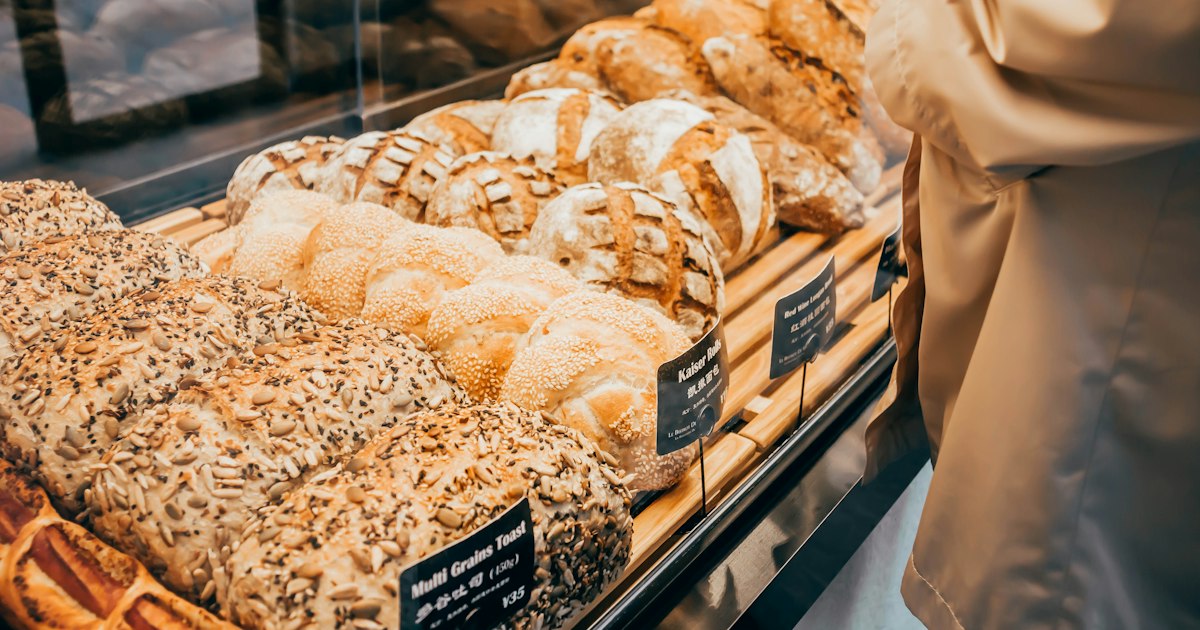
  • Yakisoba Pan: Japan’s Noodle-Stuffed Bread and Convenience Store Carb Culture

    Yakisoba Pan: Japan’s Noodle-Stuffed Bread and Convenience Store Carb Culture

    Photo by 燕珊 张 on Unsplash

    Somewhere in Japan’s postwar school cafeterias, someone looked at a plate of fried noodles and a soft bread roll and decided they belonged together. The result, yakisoba pan, is still one of the strangest and most beloved items in any convenience store’s bread case: a hot dog-style bun split down the middle and stuffed with saucy, griddled yakisoba noodles. It sounds like a carb joke. It is also genuinely delicious, costs less than 200 yen, and tells you a lot about how Japan actually eats on the go.

    What exactly is yakisoba pan?

    Yakisoba pan is pre-made yakisoba (wheat noodles stir-fried with cabbage, carrot, and a tangy Worcestershire-style sauce) packed into a soft, slightly sweet white bun that’s been sliced lengthwise, the same shape used for Japanese hot dog rolls. Some versions add a smear of mayonnaise, a scattering of beni shoga (pickled red ginger), or aonori (dried seaweed flakes) on top. It’s sold cold or room-temperature on the shelf, then eaten as-is — no reheating required, though convenience stores will microwave it for you free of charge if you ask at the register (“atatamete kudasai”).

    It emerged in the 1950s-60s as an inexpensive way for bakeries and school kiosks to turn leftover yakisoba into a portable meal, and it stuck around because it hits the same note as a carb-on-carb snack like a french fry sandwich: comforting, cheap, and strangely satisfying.

    Where to buy it and what it costs

    You don’t need to seek out a specialty shop — yakisoba pan is a convenience store and bakery staple nationwide. All three major chains carry their own version:

    • 7-Eleven, Lawson, FamilyMart: roughly 150-220 yen, located in the bread/sandwich section near the onigiri, not the hot food counter.
    • Standalone bakeries (pan-ya): often 200-280 yen for a thicker bun and more generous noodle filling, sometimes with a fried egg or extra sauce.
    • Yamazaki and other packaged bread brands: found in supermarkets, usually the cheapest option at around 130-170 yen.

    Budget option: any convenience store version, fine as a 150-yen snack between sightseeing stops. Mid-range: an independent bakery’s fresh-baked take, worth the extra 50-100 yen for a better bun. There isn’t really a splurge version — this is intentionally a cheap food, and paying much more than 300 yen for one usually just means it’s oversized or loaded with extra toppings like cheese or katsu.

    How to actually get one without wasting a trip

    Convenience stores restock bread in the morning and again in the afternoon, so yakisoba pan is most reliably in stock between about 7am and 7pm; late at night the shelf can be picked over or empty. If you’re set on trying a specific bakery’s version, check their hours before heading over — most independent pan-ya open around 7-8am and sell out of popular items by mid-afternoon, closing anywhere from 6pm to 8pm. There’s no reservation or ticket system involved; you walk in, grab one, and pay at the register like any other convenience store item. If you’re self-checking out at a convenience store for the first time, bagging and scanning etiquette can trip up first-timers — our guide to self-checkout in Japanese grocery and convenience stores covers what to expect.

    Best season and timing to try it

    Yakisoba pan isn’t seasonal — it’s sold year-round and makes no appearance in Japan’s rotating seasonal snack menus the way sakura or pumpkin items do. That said, it’s a genuinely good practical choice in two situations: as a filling, inexpensive breakfast grabbed from a convenience store before an early train, or as portable food for a long outdoor day in hot weather, since the bread holds up well without refrigeration for a few hours. In summer heat, pair it with a cold drink and consider tucking a handy fan in your bag, since you’ll likely be eating it standing outside rather than seated in air conditioning.

    Common mistakes tourists make

    • Looking in the hot food case. Yakisoba pan is shelved with packaged bread and sandwiches, not with the oden or fried chicken near the register.
    • Expecting it hot. It’s sold at room temperature. If you want it warm, ask staff to microwave it — they will, for free, in a matter of seconds.
    • Assuming it’s always vegetarian. The sauce base is usually Worcestershire-style and vegetable-forward, but some versions include small bits of pork or use a sauce with animal-derived ingredients. Check the package label (or ask) if you have dietary restrictions, since ingredient lists are in Japanese only at most chains.
    • Eating it as a full meal and being surprised it’s not very filling. It’s a snack-sized portion, around 300-400 calories — treat it as a light breakfast or between-meal bite, not lunch.

    Other convenience store carb culture worth trying

    Yakisoba pan belongs to a broader genre of Japanese convenience store bread that pairs starch with starch or treats bread as a vessel rather than a base: think curry pan (fried bread filled with curry), potato salad sando, and the korokke sandwich, which tucks a fried potato croquette between bread slices. If you like the croquette side of that family, it’s worth detouring to an actual butcher shop rather than just a convenience store — our guide to korokke and the butcher shops worth a detour covers where to find the best versions. Together, these items explain why convenience store bread aisles in Japan are worth browsing even if you think you already know what a sandwich is.

    Yakisoba pan is a small, inexpensive thing to try, but it’s one of the more honest windows into everyday Japanese food culture: practical, a little indulgent, and not at all precious about combining carbs with more carbs. Grab one on your way to the station and you’ll understand its appeal within the first bite.
  • Ogura Toast: Nagoya’s Red Bean Butter Toast and Its Kissaten Morning Service

    Ogura Toast: Nagoya’s Red Bean Butter Toast and Its Kissaten Morning Service

    Photo by Gang Hao on Unsplash

    In most of Japan, ordering a cup of coffee gets you a cup of coffee. In Nagoya, it can also get you a thick slab of toast slathered in butter and topped with sweetened red bean paste — for free, if you time it right. That dish is ogura toast, and the custom behind it, the kissaten “morning service,” is one of the most distinctive and least-known food traditions in the country. Here’s how to find both.

    What Is Ogura Toast, Exactly?

    Ogura toast (小倉トースト) is thick-cut bread, toasted and buttered, topped or sandwiched with ogura-an — a chunkier, less-sweetened cousin of the smooth red bean paste used in most wagashi. The texture is the whole point: whole and half-crushed azuki beans sit on top of melting butter, so you get a hot-cold, savory-sweet contrast in every bite. Most kissaten (old-school coffee shops) serve it either open-faced, with the bean paste piled on top of the toast, or as a closed sandwich with the paste and sometimes a layer of whipped cream in between.

    The dish is specific to Nagoya and the wider Aichi/Chukyo region, growing out of a local habit of eating toast with red bean paste at home that cafes eventually formalized into a menu item, likely in the early-to-mid 20th century. You won’t find it as a standard item outside this region, which is exactly why it’s worth seeking out here rather than assuming you’ll stumble on it elsewhere in Japan.

    The Nagoya Kissaten Morning Service, Explained

    The “morning service” (モーニングサービス, moningu sābisu) is a local custom where ordering any drink — usually coffee, for around ¥400–600 — comes bundled with a free side: toast, a boiled or fried egg, and sometimes a small salad or yogurt. Many shops let you upgrade the plain toast to ogura toast for a small supplement, often ¥100–200, while some genuinely include it at no extra charge.

    This isn’t a one-off promotion; it’s standard practice at kissaten across Nagoya and much of Aichi Prefecture, and it’s considered the normal way locals start their day before work. The service window usually runs from opening (many kissaten open around 7:00–8:00 AM) until about 11:00 AM, though a handful of shops extend it to 11:30 AM. Order after that cutoff and you’ll pay full menu price for toast and eggs as separate items.

    Where to Try It: From Humble Kissaten to Komeda

    The most famous destination for ogura toast specifically is Konparu (コンパル), a kissaten chain founded in 1947 whose main shop sits near Osu Kannon temple. It’s known as much for ogura toast as for its ebi furai (fried shrimp) sandwiches, and it’s usually busy with a mix of elderly regulars and visitors who’ve read about it. Expect to pay around ¥500–600 for ogura toast à la carte here, with coffee as a separate order rather than a morning-service bundle at Konparu specifically.

    For the full morning-service experience, independent neighborhood kissaten are actually a better bet than famous destinations — nearly every old-fashioned coffee shop near Nagoya Station, Sakae, or Osu runs some version of it, and part of the fun is just picking one that looks local and unglamorous.

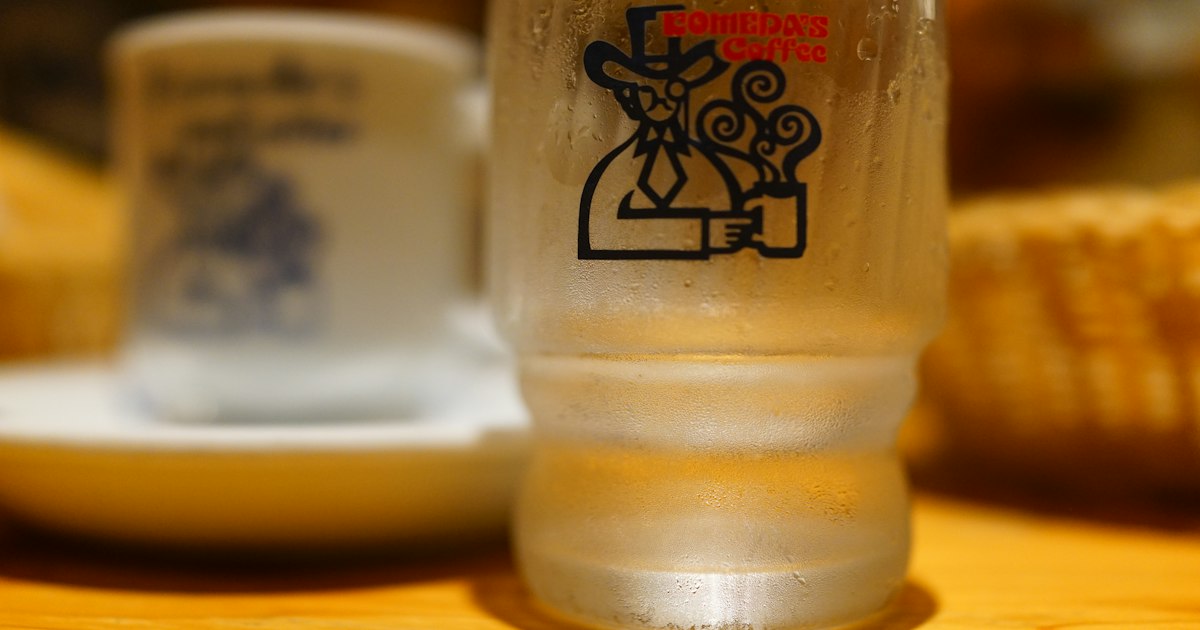
    If you want a reliable, chain-level version, Komeda Coffee (コメダ珈琲店) is the one to know. It started in Nagoya in 1968 and is widely credited with popularizing morning service beyond the original kissaten scene; it now has locations nationwide and even overseas. Komeda’s version of morning service typically runs until 11:00 AM and includes free toast and a boiled egg (or red bean paste, at some locations) with any drink order, and the menu also offers ogura-themed items like “Ogura Cream” toast and seasonal ogura desserts à la carte for those visiting outside morning hours.

    How to Get There and When to Go

    Nagoya is on the Tokaido Shinkansen line, about 100 minutes from Tokyo and 35–50 minutes from Osaka or Kyoto, which makes it an easy half-day or full-day stop for travelers routing between the two. Konparu’s main Osu shop is a short walk from Osu Kannon Station on the Tsurumai subway line; Komeda and independent kissaten are scattered throughout Nagoya Station, Sakae, and the Osu shopping arcades, so you’re rarely more than a few minutes’ walk from one.

    Go in the morning — ideally before 10:30 AM on a weekday — to actually catch morning service and avoid the breakfast rush that builds at popular spots on weekends. There’s no strong seasonal angle to ogura toast; it’s served year-round and is just as satisfying in summer with iced coffee as in winter with a hot blend. If you’re planning a Nagoya base for day trips, it’s also the natural jumping-off point for a side trip to Mie Prefecture — worth pairing with a stop for Matsusaka beef if you have an extra day.

    Budget, Mid-Range, and Splurge Options

    • Budget (¥400–600): Independent neighborhood kissaten during morning-service hours — a coffee at regular price gets you toast and an egg thrown in, with an ogura upgrade for a small supplement.
    • Mid-range (¥700–1,000): Komeda Coffee or Konparu, ordering ogura toast or an ogura-topped drink à la carte outside morning hours, plus a coffee.
    • Splurge (¥1,200+): A full kissaten set with ogura toast, a hearty sandwich (Konparu’s ebi furai sando is the classic pairing), and a specialty coffee or dessert drink — easy to reach if you’re also treating yourself to a dessert item like Komeda’s seasonal parfaits.

    Common Mistakes to Avoid

    The biggest mistake is showing up after 11:00 AM expecting the free toast-and-egg deal — morning service genuinely ends, and staff won’t bend the rule for tourists. Second, don’t assume morning service exists everywhere in Japan; it’s a strong regional custom in Nagoya and Aichi, and asking for it at a random cafe in Tokyo or Osaka will usually get you a blank look. Third, don’t expect ogura-an to taste like the smooth anko used in mochi or dorayaki — it’s chunkier, less sweet, and meant to play off the saltiness of melted butter, so going in expecting a dessert-level sugar hit will leave you unimpressed. Finally, at busy locations like Konparu’s Osu shop, be ready to wait or share a table during peak breakfast and lunch hours; it’s a small space with a loyal local following.

    Bringing the Flavor Home

    If you like the combination enough to recreate it, Japanese supermarkets and department store food halls sell canned or packaged ogura-an (look for 小倉あん on the label) that travels well and just needs spreading on toasted bread with butter once you’re home. It’s a low-effort souvenir that actually gets used, unlike most things that sit in a cupboard — similar in spirit to how other regional comfort foods travel, like the tea-soaked rice of ochazuke or home-style nikujaga stew. And if cafe culture and queue-worthy desserts are your thing beyond Nagoya, Japan’s soufflé cheesecake scene is worth building into the same trip.

  • Matsusaka Beef: Mie’s Pampered Wagyu Brand and Where to Eat It

    Matsusaka Beef: Mie’s Pampered Wagyu Brand and Where to Eat It

    Photo by EMANUELE Ricciardi on Unsplash

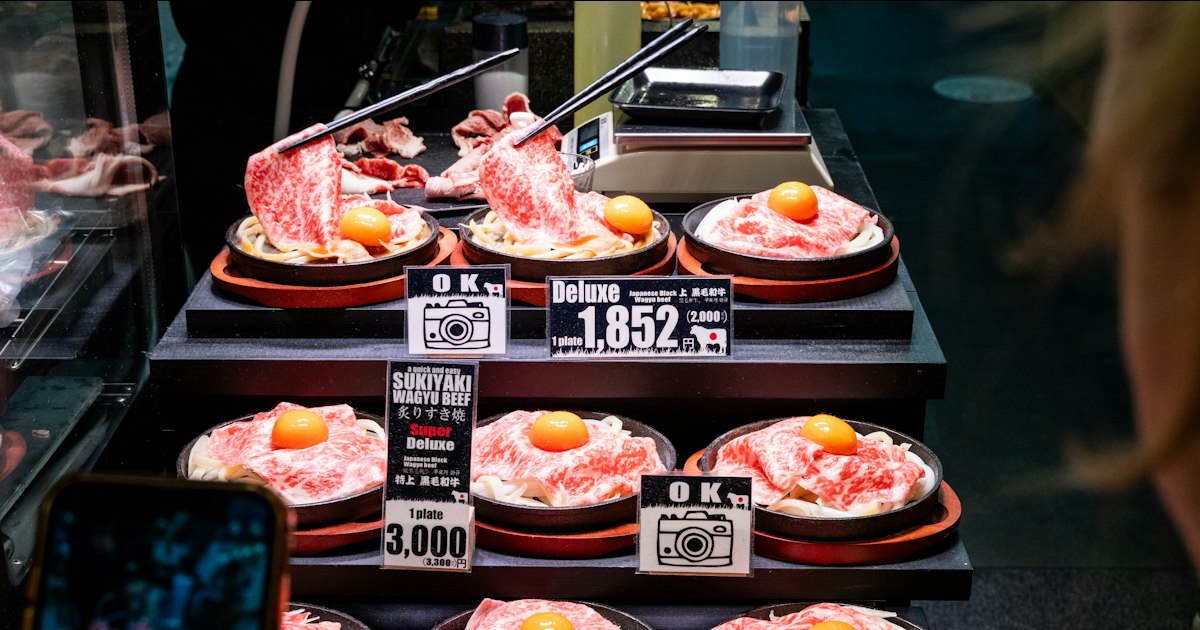
    Kobe gets the international name recognition, but ask most Japanese beef connoisseurs which wagyu they’d actually choose for a special occasion, and a surprising number will say Matsusaka. Raised in the hills of Mie Prefecture, Matsusaka beef is a smaller, stricter, and in many ways more exclusive brand than Kobe — most of it never leaves Japan, and a meaningful share never leaves Mie. Here’s what makes it different, and where to eat it without wasting money on an imitation.

    What Actually Makes Matsusaka Beef Different

    Matsusaka beef comes exclusively from virgin female Japanese Black (Kuroge Washu) cattle, most descended from the Tajima bloodline also prized in Kobe and Hyogo. The certification rules require the cattle to be raised within the Matsusaka region for the majority of their lives, and the feeding period is unusually long — often well past 900 days, versus roughly 26-30 months for standard wagyu. That extra time, combined with individual farmer attention, produces extremely fine, lace-like intramuscular fat (the marbling known as shimofuri) that starts melting at a lower temperature than most beef, which is why the fat tastes clean rather than greasy.

    The “pampered” reputation isn’t just marketing. Some farmers do feed beer or shochu as an appetite stimulant during hot months and hand-massage the animals to keep them calm and evenly conditioned — practices that vary by farm but have stuck in the brand’s lore for decades. Each certified animal gets an individual ID, and restaurants serving genuine Matsusaka beef can usually show you the cow’s certificate of origin with its nose-print registration on request. If a menu doesn’t mention this and the price looks too reasonable for wagyu, it’s likely a blend or a different regional brand wearing the name loosely.

    Getting to Matsusaka

    Matsusaka City sits between Nagoya and Ise on the Kintetsu Yamada Line, which makes it an easy add-on to an Ise-Shima trip rather than a destination you need to plan a whole day around.

    • From Nagoya: Kintetsu Limited Express to Matsusaka Station, about 70-90 minutes, roughly ¥3,000-3,500 one way.
    • From Osaka (Namba): Kintetsu Limited Express, around 1 hour 50 minutes.
    • From Ise: Just 15-20 minutes by Kintetsu express, making it simple to combine a Matsusaka lunch with an Ise Grand Shrine visit the same day.

    JR’s Kisei Line also stops at Matsusaka Station, but Kintetsu is faster for most tourist routes. The main restaurant district is a short walk or taxi ride from the station — confirm with your hotel or the restaurant, since some of the oldest shops are tucked into residential streets without obvious signage in English.

    Where to Eat It: Splurge

    Wadakin (和田金), founded in 1877, is the restaurant most associated with Matsusaka beef in Japan — a wooden, old-merchant-house building near the station that still raises and fattens its own cattle. It serves sukiyaki and steak courses, and this is not a casual lunch: expect to pay somewhere in the ¥20,000-40,000 per person range depending on the course and cut. Reservations are essentially mandatory, ideally made days or weeks ahead for weekends, and the restaurant keeps traditional, limited service hours (roughly late morning and early evening sittings), so check current hours and closed days directly before you go, as they shift seasonally. Gyugin Honten (牛銀本店) is Wadakin’s long-running rival, similarly historic and similarly priced, also specializing in sukiyaki using its own graded beef.

    If you’ve ever planned around the Toyosu tuna auction’s limited viewing slots, the mindset is the same here: the best Matsusaka beef experiences are small-scale and fill up, so lock in a reservation rather than showing up and hoping.

    Where to Eat It: Mid-Range

    Matsusaka Maruyoshi (松阪まるよし) is the most tourist-friendly way to try genuine certified Matsusaka beef without a splurge-level bill. It’s a butcher shop and restaurant chain, with its main Matsusaka location and branches as far as Nagoya, offering steak lunch sets, sukiyaki, and shabu-shabu starting around ¥3,000-6,000 for lunch and climbing toward ¥10,000-15,000 for dinner courses with higher grades. Portions are smaller than at Wadakin but genuinely use certified Matsusaka beef with the paperwork to prove it, and lunch sets are a realistic way to taste the brand on a normal travel budget.

    Several butcher shops around Matsusaka Station also grill small skewers or sell beef croquettes using trim cuts — a much cheaper way to taste the fat quality. If that kind of butcher-shop detour appeals to you, it’s worth reading up on Japan’s korokke culture and the butcher shops worth seeking out, since Matsusaka’s meat shops follow exactly that pattern.

    Where to Eat It: Budget

    True certified Matsusaka beef rarely gets genuinely cheap, but there are two realistic low-cost entry points. First, the city holds an annual Matsusaka Beef Festival (Matsusaka Niku Matsuri), typically in autumn, where grilled samples and beef-based street food are sold at a fraction of restaurant prices — schedules shift year to year, so check the Matsusaka tourism association’s current dates before building a trip around it. Second, supermarkets and butcher counters in Matsusaka sell off-cuts, ground beef, and stew meat from certified animals at a steep discount to prime steak cuts, which is a good way to actually cook with it. A home-style preparation like nikujaga, Japan’s classic meat-and-potato stew, is traditionally made with exactly this kind of humble beef, and it’s a satisfying way to use a small, affordable portion of Matsusaka beef if you’re cooking during your stay rather than dining out.

    Best Time to Go and Common Mistakes

    Matsusaka beef doesn’t have a sharp “season” the way seafood does — cattle are raised year-round — but sukiyaki and shabu-shabu, the classic preparations for the fattiest cuts, feel most natural from October through March, and several restaurants lean into hot-pot menus in those cooler months. Summer visits are still fine, especially for steak or grilled cuts, which stay on the menu all year.

    The most common mistakes visitors make:

    • Assuming any beef bought in Matsusaka city is “Matsusaka beef.” The certification is strict and tied to an individual animal’s documentation — ask to see it if the price seems unusually low for wagyu.
    • Ordering a thick grilled steak expecting Kobe-style char. The fat in top-grade Matsusaka beef is prized for melting at low heat, which is why sukiyaki and shabu-shabu — quick cooking in broth, not a hot grill — are the traditional showcase, not always steak.
    • Walking in without a reservation at the famous houses. Wadakin and Gyugin Honten are small, old buildings with limited seating; same-day walk-ins are often turned away, especially on weekends.
    • Treating it as a quick stop. A proper sukiyaki course is a slow, multi-stage meal — budget 90 minutes to two hours, not a fast lunch between trains.

    Pair the trip with Ise Grand Shrine or the Ise-Shima coastline and Matsusaka stops being a detour and becomes a natural, satisfying stretch of a Mie itinerary — one built around genuinely pampered cattle rather than a brand name alone.

  • Hiroshima Oysters: Season, and Where to Eat Them Raw and Grilled

    Hiroshima Oysters: Season, and Where to Eat Them Raw and Grilled

    Photo by Zion C on Unsplash

    Hiroshima Prefecture produces roughly 60% of Japan’s farmed oysters, and the bay’s calm, nutrient-rich water around Miyajima and Eta Island has been growing them for over 400 years. If you only eat oysters once in Japan, this is where to do it — but timing and location matter more than most visitors expect. Here’s how to plan it.

    Why Hiroshima Is Japan’s Oyster Capital

    The oysters here are Crassostrea gigas (the Pacific oyster), raised on rope lines hung from rafts in Hiroshima Bay. Compared to the smaller, briny Miyagi oysters from the north, Hiroshima oysters tend to run larger and plumper, with a milder, creamier finish — which is part of why they’re served grilled and in hot pots as often as raw. The main growing areas are around Miyajima, Eta Island (Etajima), and Kure, but most of the harvest ends up on plates in Hiroshima City and on Miyajima itself.

    When to Go: Season and Peak Months

    Hiroshima oysters are in season roughly from late October through March, with December through February considered the peak for size and flavor. Water temperature drops in winter, which slows the oysters’ metabolism and concentrates their glycogen content — this is what makes them taste sweeter and richer in the cold months. Outside this window (spring through early autumn), many restaurants switch to frozen stock or close their oyster menus entirely, so don’t expect the same experience if you’re visiting in July.

    If you’re building an itinerary around winter seafood generally, Hiroshima oysters pair well conceptually with other cold-season specialties like Toyama’s winter yellowtail (kanburi) — both are “wait for the cold water” dishes that reward visiting Japan in December or January rather than peak cherry blossom season.

    Eating Them Raw

    Raw oysters (nama-gaki) are usually served with a squeeze of lemon, a dab of ponzu-grated-daikon (oroshi ponzu), or just soy sauce. In Hiroshima City, a reliable spot is Kanawa, a floating restaurant moored on the Motoyasu River near Peace Memorial Park — it’s been serving oyster courses since the 1960s from a boat that also houses the prefecture’s own oyster research. A multi-course oyster meal here runs roughly ¥4,000–¥8,000 per person depending on the course, and reservations are strongly recommended in peak winter weekends. It’s typically open for lunch and dinner, closed irregularly, so check the current schedule before going.

    A word of caution: raw oyster safety depends on water temperature and the specific farm’s handling, which is exactly why reputable Hiroshima restaurants only serve raw oysters in the cold months — they’re not being coy about freshness, they’re following the same seasonal logic as the fishery itself. If a place offers raw oysters in August, that’s a red flag rather than a bonus.

    Grilled Oysters on Miyajima

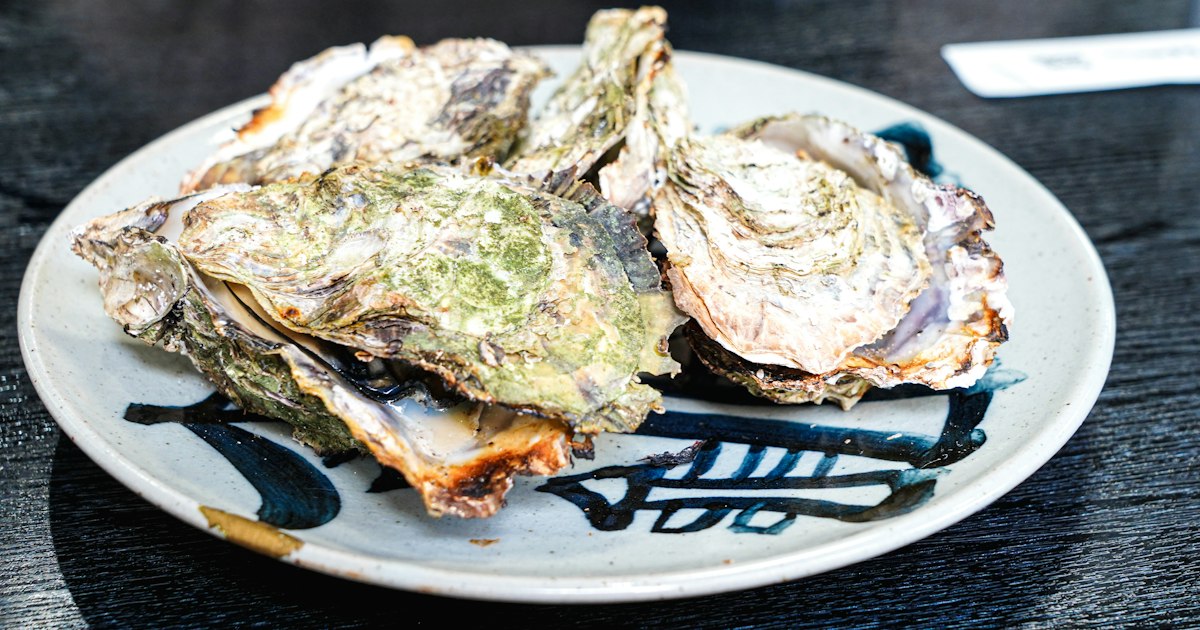
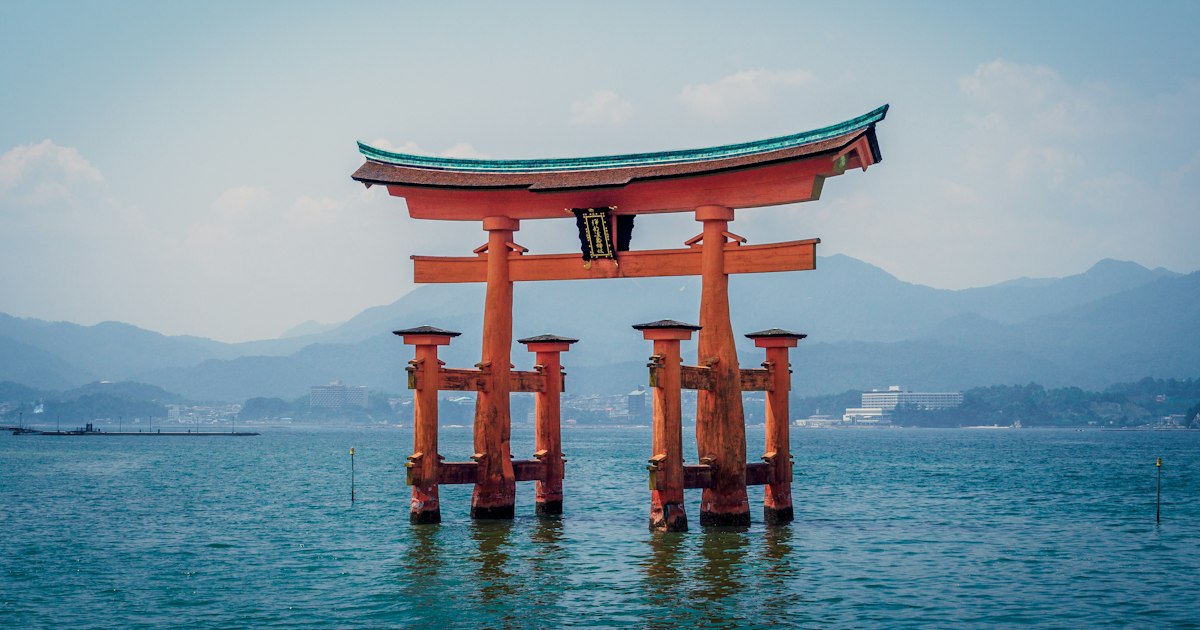
    Miyajima — the island famous for the floating torii gate — is also the easiest place in the region to eat grilled oysters (yaki-gaki) as street food. Along Omotesando shopping street, between the ferry terminal and the shrine, several stalls grill oysters in their shells over charcoal right in front of you. Expect to pay around ¥400–¥600 for a single oyster from a street stall, or set plates of grilled oysters at sit-down shops for roughly ¥1,200–¥2,000. Yakigaki no Hayashi, near the ferry pier, is a long-running specialist worth seeking out if you want a sit-down version rather than a street snack.

    Grilled oysters are generally the safer and more forgiving option for anyone nervous about raw shellfish, and they’re also easier to eat while walking around — a reasonable pairing with the kind of grazing you’d do at a grilled-food market stall, similar in spirit to the stand-and-eat grilling culture under Yurakucho’s Gado-Shita in Tokyo, just with a torii gate view instead of train tracks overhead.

    Oyster Shacks at Ujina Port

    For something more filling, Hiroshima City runs seasonal kaki-goya (oyster shacks) at Ujina Port, usually open from around November through March. These are tent-style restaurants where you grill oysters yourself at a tabletop grill, often as part of an all-you-can-eat or set-course format. Typical pricing is in the ¥3,000–¥5,000 range per person for a time-limited all-you-can-grill session (commonly 90–100 minutes), sometimes with drinks included in a slightly higher tier. Because these shacks are seasonal pop-ups, exact dates, hours, and operators can shift year to year, so confirm the current season’s schedule before building a day around it — a quick search for “Ujina kaki-goya” plus the current year will usually turn up the operating dates.

    Getting There

    Hiroshima City is about 4 hours from Tokyo and roughly 1.5 hours from Osaka/Shin-Osaka by Shinkansen, both covered by the Japan Rail Pass. From Hiroshima Station, Ujina Port is a short tram or bus ride (around 20–30 minutes). For Miyajima, take the JR Sanyo Line or a tram to Miyajimaguchi, then the JR ferry or Miyajima Matsudai Kisen ferry across — the crossing takes about 10 minutes and the JR ferry is covered by the JR Pass. If you’re planning your broader Japan arrival logistics, it’s worth handling Visit Japan Web registration before you land so customs and immigration go faster on arrival day, leaving more daylight for the oyster crawl.

    Common Mistakes to Avoid

    • Visiting outside winter and expecting the full raw-oyster experience. Many restaurants quietly scale back or close their raw menus from spring to early autumn.
    • Skipping reservations at Kanawa or other sit-down restaurants on weekends in December and January — this is peak season and peak demand overlap, and walk-ins can mean long waits or no seats at all.
    • Assuming all oyster stalls are equal. Street-grilled oysters on Miyajima vary in freshness and size between vendors; it’s fine to look at a few stalls before buying, the way you would compare stalls at any Japanese food market.
    • Forgetting cash. Smaller street stalls on Miyajima and some kaki-goya operators still prefer cash over card payments, especially for individual ¥400–¥600 purchases.
    • Not checking tide times on Miyajima. The famous floating torii is only “floating” at high tide — if you’re timing a day trip around both oysters and the iconic photo, check the tide schedule in advance.

    Done right, a Hiroshima oyster day is simple: ferry over to Miyajima in the morning for grilled oysters and the shrine, then back to Hiroshima City in the evening for a raw oyster course on the river. Between November and February, it’s one of the most reliably good seafood days you can build into a Japan itinerary.

  • Oarai: Ibaraki’s Anime Pilgrimage Beach Town and Fishing Port Seafood

    Oarai: Ibaraki’s Anime Pilgrimage Beach Town and Fishing Port Seafood

    Photo by Nicki Eliza Schinow on Unsplash

    Oarai is a small fishing town on the Ibaraki coast, about two hours northeast of Tokyo, that somehow manages to be three destinations at once: a pilgrimage site for fans of the anime “Girls und Panzer,” a working fishing port with some of the cheapest fresh seafood in the Kanto region, and a genuinely nice beach town with a torii gate standing in the surf. It’s an easy, affordable day trip from Tokyo, and one of the few places where you can watch tuna get sliced for lunch and buy anime character goods from the same shopping street an hour later.

    Why Oarai, and why the anime connection

    “Girls und Panzer” (nicknamed “Garupan” by fans) is set at a fictional high school in Oarai, and the anime deliberately used real local landmarks — the train station, the shrine, the shopping arcade — as backdrops. Since the show aired, the town has leaned into it rather than fought it: shops display character panels and signed goods, vending machines are wrapped in tank art, and the local tourism board runs a stamp rally tied to the series. You don’t need to know the show to enjoy Oarai, but if you do, half the fun is spotting the real locations against scenes you’ve seen on screen. If you’re already into the broader itabag and acrylic-stand side of anime fan culture, it’s worth reading Itabags & Acrylic Stands before you go — several Oarai shops sell blank charm bases and character acrylic stands specifically made for pilgrimage trips here.

    How to get to Oarai from Tokyo

    The standard route is JR Joban Line limited express (“Hitachi” or “Tokiwa”) from Tokyo or Ueno Station to Mito Station — about 70-80 minutes, with the limited express ticket plus base fare running roughly ¥4,000-4,500 one way (a bit less if you use an unreserved seat). At Mito, transfer to the Kashima Rinkai Railway’s Oarai Kashima Line for the short 15-20 minute hop to Oarai Station; this local line fare is only a few hundred yen. All in, budget around 2 hours door to door and ¥4,500-5,000 one way. Slower but cheaper: regular (non-limited-express) Joban Line trains to Mito take longer but save the limited express surcharge, which is worth it if you’re not pressed for time.

    If you’re coming from the Tokyo area and already have a Visit Japan Web QR code set up for immigration and customs, this kind of regional day trip is exactly the sort of side excursion worth planning around — see Visit Japan Web if you haven’t registered yet. Oarai Station itself is small and walkable, and most sights in town are within 15-20 minutes on foot or a short local bus/taxi ride.

    The sea torii and the main pilgrimage spots

    The single most photographed spot in Oarai is the Kamiiso-no-Torii, a weathered stone gate standing directly in the ocean just below Oarai Isosaki Shrine. It’s free to visit, open at all hours, and best photographed at sunrise, when the sun comes up directly behind the gate — a shot that also appears in the anime. Mornings are calmer and better for photos; by midday the rocks and tide pools around it get crowded with both tourists and fishing families.

    • Oarai Station — the platform and station building carry character murals and a small pilgrimage info corner; free to visit, open station hours.
    • Oarai shopping street (near the station) — several shops sell exclusive Garupan goods, and restaurants run character-themed menu items; browsing is free, souvenirs typically run ¥500-3,000.
    • Oarai Marine Tower — an observation tower with harbor and coastline views; admission is modest (roughly ¥500 for the observation deck) and it’s a good orientation point before you explore on foot.

    A common mistake is trying to do Oarai as a rushed half-day trip squeezed between Tokyo activities. The sights themselves aren’t far apart, but the shrine, shopping street, port, and beach are spread across the town in different directions, so give yourself most of a day if you want to see all of it without sprinting.

    The fishing port and where to eat seafood

    Oarai is a real working fishing port, not a seafood theme park, which is why the fish is both fresh and cheap. Right in town, the Oarai fish market area near the harbor sells the day’s catch and has simple stalls where you can eat grilled or raw seafood on the spot — budget roughly ¥1,000-2,500 for a generous seafood lunch, far less than you’d pay for equivalent quality in central Tokyo.

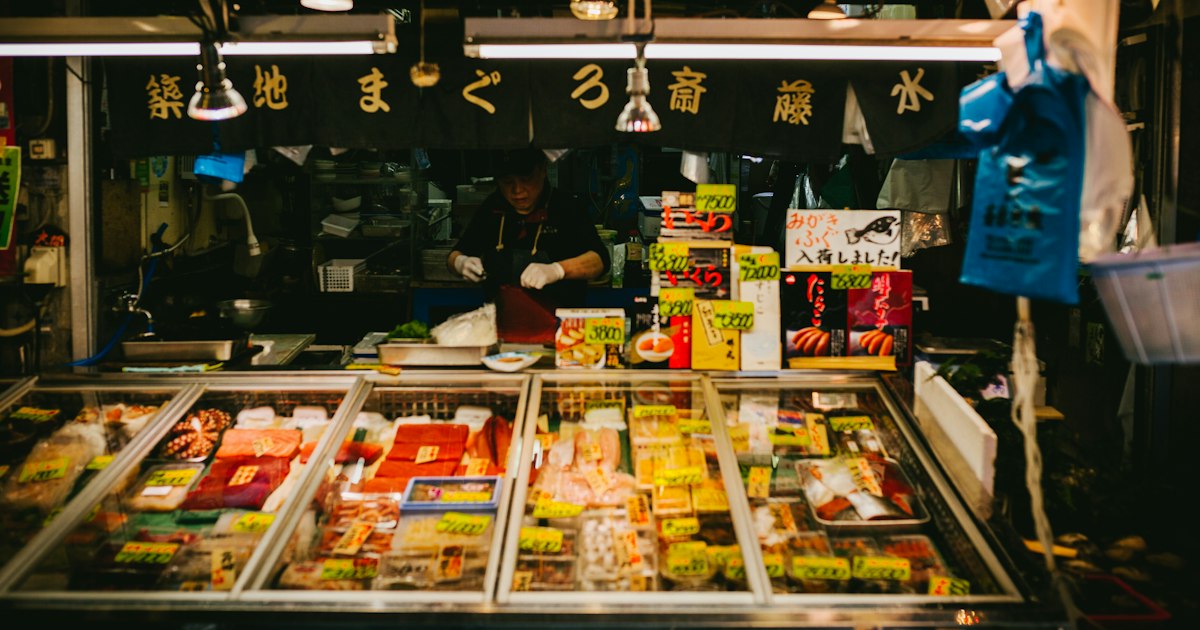
    For an even bigger and more famous market experience, cross the river into neighboring Hitachinaka City to the Nakaminato Fish Market (Nakaminato Osakana Ichiba), a short bus or taxi ride (or a walk across the Minato Bridge) from Oarai. Dozens of stalls sell fresh tuna, scallops, uni, and whatever’s in season that morning, often at prices noticeably below what you’d see at Tokyo’s Toyosu Market — if you’ve read about watching Toyosu’s tuna auction, Nakaminato is the low-key, no-reservation-needed cousin of that experience, aimed at regular shoppers rather than tourists, which keeps it honest and cheap.

    Oarai’s true local specialty, though, is ankou — monkfish — served as ankou nabe (monkfish hot pot) in winter, roughly November through February/March. It’s a hearty, gelatinous, deeply savory dish that locals treat the way other regions treat crab or fugu, and several restaurants near the port run set menus for it in the ¥2,500-5,000 range depending on portion and extras. Worth noting for anime fans: the show’s tank team is literally named after this fish, a nod locals appreciate when you mention it.

    Beach, aquarium, and the rest of the day

    Oarai Sun Beach is a proper swimming beach with lifeguards during the official summer swimming season (roughly mid-July through late August), and it’s free and open to walk on year-round outside that window, though swimming isn’t advised off-season due to currents and lack of supervision. If you’re visiting in summer sun, bring real shade — Oarai has little natural cover on the sand — and a UV-cut folding parasol or a hat is genuinely more useful here than sunscreen alone.

    Aqua World Ibaraki Oarai, a large aquarium a short bus ride from the station, is worth a couple of hours if you have kids or just like marine life; adult admission is around ¥2,000 (check the official site for current pricing before you go), and it’s known for one of Japan’s larger shark collections and an ocean sunfish (manbo) tank. The aquarium and the port area sit close enough together that you can reasonably combine both with lunch in a single afternoon.

    Timing and practical notes

    Spring and autumn give the most comfortable walking weather for covering the shrine, shopping street, and port in one day. Summer adds beach season but also heat and crowds around the torii at sunrise. Winter brings ankou nabe season and quieter pilgrimage spots, though the beach is purely scenic rather than swimmable. Whatever the season, check return train times before you wander — the Kashima Rinkai Railway back to Mito runs less frequently than you’d expect for a town this popular with day-trippers, and missing one by ten minutes can mean a 30-40 minute wait for the next.

  • Toyosu Market’s Tuna Auction: How Tourists Can Watch It and Get a Ticket

    Toyosu Market’s Tuna Auction: How Tourists Can Watch It and Get a Ticket

    Photo by Karsten Gohm on Unsplash

    The predawn tuna auction at Toyosu Market is one of Tokyo’s most-requested — and most misunderstood — experiences. Since the market moved from Tsukiji in 2018, tourists can no longer simply wander onto the auction floor the way they used to. There’s now a formal system with a free viewing deck, a competitive lottery, and a strict calendar of closures. Here’s how to actually see it, step by step.

    What the Tuna Auction Actually Is

    Every morning except Sundays, most Wednesdays, and designated market holidays, hundreds of whole frozen and fresh tuna — some weighing over 200 kg — are laid out on the wholesale floor for licensed buyers to inspect and bid on. Auctioneers call out prices in rapid, chant-like Japanese while buyers signal bids with hand gestures. The real bidding is fast and over within an hour, usually running between roughly 5:30 and 6:30 AM, which is why any viewing plan has to start before sunrise.

    This isn’t a tourist show — it’s the actual supply chain for sushi restaurants across Tokyo, including the famous shops whose owners fly in daily to hand-pick fish. That authenticity is exactly why it draws visitors, but it also means the market prioritizes working buyers over sightseers, which shapes everything about how you’re allowed to watch.

    Two Ways to Watch: Free Deck vs. the Lottery Tour

    There are two distinct viewing options, and mixing them up is the most common tourist mistake.

    • The free observation deck: A glassed-in corridor on the upper floor of the wholesale fish market building overlooks the auction floor from a distance. It’s open to anyone during market hours, no reservation needed, and costs nothing. The catch is that you’re viewing through glass from fairly far away, and the action is tiny — bring a zoom lens or binoculars if you want to actually see the bidding rather than a sea of distant hats.
    • The close-up auction floor tour: A small number of visitors are let onto an elevated platform inside the auction area itself, much closer to the action. This is free but strictly limited — around 120 people per day, split into two short viewing sessions — and access is only granted through an advance online lottery, not on a walk-up basis.

    If your goal is photos of auctioneers mid-chant with tuna at their feet, you need the lottery tour. If you just want to say you saw it and don’t mind distance, the free deck is enough.

    How to Apply for the Observation Lottery

    Applications open on the Tokyo Metropolitan Central Wholesale Market’s official website roughly two months before your travel dates, in a short application window each month. You submit your preferred date, number of visitors (usually capped at a handful per application), and contact details; winners are chosen by random draw rather than first-come-first-served, and notified by email a few weeks before the visit date. Bring the confirmation email plus photo ID — a passport is fine for foreign visitors — and arrive at the designated check-in point by the specified time, typically well before 5:30 AM, since latecomers forfeit their slot.

    Demand far outstrips supply, especially for weekend dates and the first week of January, so apply the moment the window opens and have backup dates ready. If you don’t win, the free deck remains a solid fallback, and it’s worth building your Tokyo trip logistics — including customs and tax-free shopping registration through Visit Japan Web — before you land, since early mornings leave little time to sort paperwork once you’re jet-lagged.

    Opening Hours, Closures, and Best Timing

    Toyosu Market’s public areas generally run from around 5:00 AM, with most sushi breakfast counters and shops winding down by early afternoon. The market is closed on Sundays, most Wednesdays, and a published list of holidays — always check the official calendar for your exact travel dates, since the Wednesday closures rotate and aren’t the same every week. The auction itself is also suspended around the New Year holiday period.

    The one exception worth planning around is the New Year’s first auction (hatsu-zeri) in early January, when the season’s first bluefin tuna sells for eye-watering, headline-making prices. It’s a fun spectacle but also the single most crowded and competitive day to get a lottery slot, so expect it to be nearly impossible to win on short notice.

    Outside that, any weekday morning is a good bet, and winter months tend to have slightly better tuna quality and variety than peak summer.

    Getting to Toyosu Market

    The easiest route is the Yurikamome automated line to Shijo-mae Station, which sits directly across from the market entrance — a near door-to-door trip. Alternatively, take the Yurikamome or Tokyo Metro Yurakucho Line to Toyosu Station and walk about 10 minutes via the covered pedestrian bridge connecting to the Senkyaku Banrai complex next to the market. Since you’ll be arriving before dawn, note that Yurikamome’s first trains start running quite early but not at 4 AM — check the first-train time against your check-in deadline, and budget for a taxi from central Tokyo if your lottery slot requires an earlier arrival than public transit allows.

    Common Mistakes Tourists Make

    • Assuming it works like old Tsukiji. At the former Tsukiji site, visitors could often just show up. Toyosu is far stricter — the auction floor is off-limits without a lottery win.
    • Applying too late. Because the window opens two months out and fills immediately, booking a week before your trip essentially guarantees a loss in the draw.
    • Dressing wrong. The auction floor is a cold, wet, working fish market — closed-toe shoes and a warm layer matter, even in the glassed viewing areas.
    • Forgetting the market’s closure calendar. Showing up on a closed Wednesday or Sunday after an early wake-up is a frustrating way to start the day — double-check before you set an alarm.
    • Expecting a long show. The close-up viewing session is brief, often just 10–15 minutes per group, so have your camera ready rather than fumbling with settings once inside.

    Where to Eat Breakfast After

    Toyosu’s upper-floor “gourmet” area is packed with restaurants that source directly from the market below, making it the logical next stop after the auction.

    • Budget (¥1,500–2,500): Counter-style donburi shops serving fresh sashimi rice bowls — filling, fast, and good value for the quality.
    • Mid-range (¥4,000–6,000): Sit-down sushi sets with seasonal nigiri courses, a step up in variety and presentation.
    • Splurge (¥8,000–15,000+): The relocated branches of famous Tsukiji-era sushi counters draw queues from before 4 AM for omakase courses built around that morning’s auction catch.

    If seafood is turning into a theme of your trip, it’s worth comparing Toyosu’s bluefin to the regional specialty covered in Kanburi: Toyama’s Prized Winter Yellowtail, and if you want a very different, lower-key food-and-drink scene for the same evening, the retro grilled-skewer stalls at Yurakucho’s Gado-Shita are a short ride away near Ginza.

  • Gujo Hachiman: Gifu’s Water Town and Its All-Night Summer Dance Festival

    Gujo Hachiman: Gifu’s Water Town and Its All-Night Summer Dance Festival

    Photo by WANG Tianfang on Unsplash

    Most travelers crossing the Alps between Takayama and Nagoya never notice the exit sign for Gujo Hachiman — and that’s exactly why it’s worth taking. This small Gifu castle town is built around snowmelt-fed canals so clear that locals still wash vegetables in them and koi swim in roadside troughs, and for one month every summer it turns into the site of Japan’s longest dance festival, when the entire town fills the streets and dances until sunrise. It’s an easy day trip or overnight stop between the more famous stops on the Takayama–Shirakawa-go circuit, and it rewards the detour with almost none of the crowds.

    Why Gujo Hachiman Is Worth the Detour

    The town sits at the confluence of the Yoshida and Nagara rivers, and its identity is built entirely around water. Sogi-sui, a spring-fed water source behind a small shrine near the castle base, was one of the first sites in Japan designated among the country’s “100 famous waters,” and it still supplies drinking water for free to anyone who stops with a bottle. Walk the old merchant streets and you’ll pass dozens of hida-gawa — small stone washing basins fed by diverted canal water, where households rinse dishes and vegetables as they have for generations. It’s a genuinely lived-in town rather than a preserved museum piece, which is part of the charm.

    Above it all sits Gujo Hachiman Castle, a wooden reconstruction (Japan’s oldest wooden reconstructed castle keep, built in 1933) perched on a forested hill. The climb up is steep but short, and the view over the town’s tiled roofs and river confluence is one of the better castle views in the Chubu region — less crowded and arguably more atmospheric than Himeji Castle, if you’re comparing castle visits on a longer Japan itinerary.

    Getting There

    Gujo Hachiman doesn’t have its own Shinkansen or JR station, so most visitors arrive by highway bus or car. The simplest route is the Meitetsu or JR bus from Nagoya’s Meitetsu Bus Center to “Gujo-Hachiman IC” or the “Gujo-Hachiman Johoku” bus stop, which takes roughly 80–90 minutes and costs around ¥2,500–3,000 one way. From Gifu City, local buses run less frequently (check Gifu Bus schedules in advance — service thins out considerably on weekdays). If you’re coming from Takayama or Shirakawa-go, there’s a seasonal/limited bus connection, but renting a car for the Hida–Gujo leg of the trip is far more reliable and gives you flexibility for the surrounding gorges and villages. There’s no train station in the old town itself; the nearest railway stop, Gujo-Hachiman Station on the Nagaragawa Railway, is a scenic but slow local line from Mino-Ota, useful mainly if you’re combining it with other Gifu river-town stops.

    Once in town, everything is walkable — the castle, the old streets, and Sogi-sui spring are all within a 20–25 minute walk of each other.

    Gujo Odori: The All-Night Dance Festival

    The reason most Japanese travelers know Gujo Hachiman at all is Gujo Odori, a Bon dance festival that runs on scattered nights from mid-July through early September — roughly 30 nights in total, making it one of the longest-running folk dance festivals in Japan. On ordinary nights, dancing runs from about 8pm to 10:30pm in a rotating set of locations around town, and anyone can join in; the dances are simple enough to pick up by watching for a few minutes, and no costume is required, though a yukata adds to the atmosphere.

    The festival’s centerpiece is the Tetsuya Odori (all-night dancing) period, usually four nights in mid-August (around August 13–16, overlapping with Obon), when dancing continues literally until dawn, with musicians on a raised float and thousands of participants circling through the streets in yukata. This is the only night of the year it’s genuinely an all-night event — on the other scheduled nights it ends at a normal hour. If an all-night dance is the specific experience you’re after, confirm the exact dates for the current year with the Gujo Hachiman Tourism Association before booking travel, since the schedule shifts slightly year to year.

    Yukata rental shops pop up around town during festival season, generally ¥3,000–5,000 for a same-day rental including obi and geta sandals. If you’re bringing your own and plan on a warm, sweaty night of dancing, a handheld electric fan is genuinely useful gear here — Gifu summers are hot and humid, and dancing until midnight in a yukata without one is miserable.

    Best Time to Visit

    For the festival itself, mid-August is the obvious window, but it’s also the busiest and hottest time to visit — accommodation in town books out months ahead for the Tetsuya Odori nights, so reserve early or stay in Gifu City/Mino and bus or drive in for the evening. For a quieter visit focused on the water town atmosphere and castle rather than the dancing, April–May (mild weather, fewer tourists) or October–November (autumn color on the hills above town) are more comfortable. Winter is very quiet and some facilities reduce hours, but the clear canals and snow on the castle hill have their own appeal if you don’t mind the cold.

    Food and Where to Eat

    Gujo is famous within Japan as the birthplace of the plastic/wax food replica industry — several workshops in town let you make your own fake tempura or lettuce keychain for about ¥1,500–3,500, a genuinely fun hour if you’re traveling with kids. For real food, look for hoba miso (miso grilled on a magnolia leaf) and the town’s soba, both common on lunch menus near the old streets. If you want something more universally comforting after a long day of walking, a bowl of ochazuke or a plate of korokke from a small local shop is an easy, inexpensive option — budget ¥800–1,200 for a simple set lunch, or ¥2,000–3,000 for a sit-down dinner with hoba miso and local trout.

    Common Mistakes to Avoid

    • Assuming every night is an all-night dance. Only the mid-August Tetsuya Odori nights run until dawn; other festival nights wrap up by 10:30pm.
    • Not checking bus schedules back out. Local and highway buses to Gujo Hachiman run infrequently outside peak season, and the last bus back to Nagoya or Gifu can be earlier than expected — confirm the return time before you commit to staying for the evening dance.
    • Underestimating the heat. August in Gifu’s inland valleys is brutally humid; carry water (Sogi-sui spring water is free and safe to drink) and dress light under any yukata.
    • Treating it as a quick photo stop. The town rewards slow wandering — the washing basins, narrow alleys, and castle views are easy to miss if you rush through in under an hour.

    Practical Notes

    Gujo Hachiman Castle is open roughly 9am–5pm (shorter in winter, extended in peak summer), admission around ¥320 for adults. Most shops and the tourist information office near the old town are open 9am–5pm. There’s no large grocery or convenience chain presence in the old streets themselves, so stock up on snacks or supplies if you’re coming from a bigger city before arriving — if you’re also weighing how much cash and pre-arranged documentation to carry on a multi-stop Japan trip, it’s worth sorting your Visit Japan Web registration before you leave home so entry and tax-free paperwork are already done.

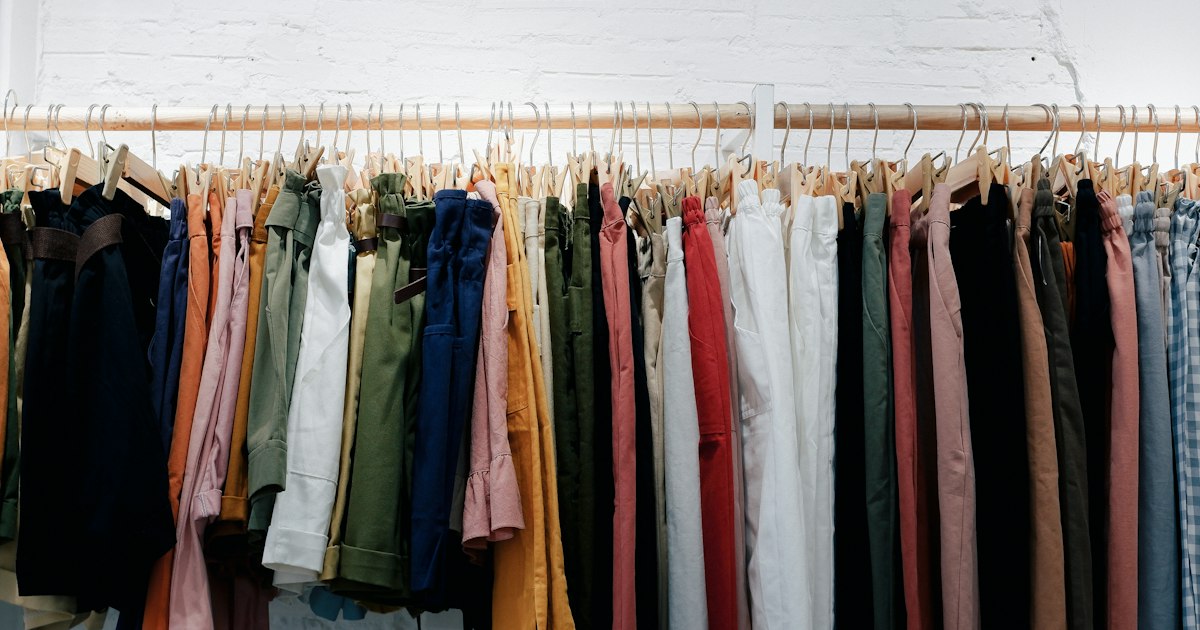
  • Vintage Levi’s & Americana: Why Japan Is a Treasure Hunt for Old American Clothing

    Vintage Levi’s & Americana: Why Japan Is a Treasure Hunt for Old American Clothing

    Photo by Fujiphilm on Unsplash

    It sounds backwards: the best place on Earth to find a 1960s Levi’s 501 or a decades-old Pendleton flannel isn’t a flea market in California — it’s a narrow side street in Tokyo or Osaka. But Japan has spent over fifty years obsessively importing, preserving, and curating American clothing, and the result is a vintage market deeper and better organized than almost anywhere in the country that originally made the stuff. If you care even a little about denim or Americana, it’s worth building a few hours of your itinerary around it.

    Why Japan Became the World’s Attic for American Clothing

    The obsession dates back to the postwar era, when American GI culture, Hollywood films, and later surf and skate imagery made US workwear a symbol of cool for young Japanese consumers. By the 1970s and 80s, Japanese buyers were flying to the US specifically to clean out army surplus stores, thrift shops, and rural outlets for Levi’s, Lee, Pendleton, and military-issue clothing — often paying more attention to construction details (selvedge seams, button-back designs, chain-stitch hems) than American collectors did at the time. Decades of careful storage, a culture that values well-kept objects, and Japan’s famously low humidity in many storage warehouses mean a lot of this stock survived in better condition than it would have stateside. Japanese brands like Evisu, Studio D’Artisan, and Momotaro later built entire reproduction industries around reverse-engineering these pieces, which only deepened the country’s expertise and appetite for the originals.

    Tokyo’s Vintage Neighborhoods

    Three Tokyo areas cover most of what you’ll want:

    • Harajuku (Ura-Harajuku backstreets): Home to some of the most serious vintage Levi’s dealers in the world. Berberjin specializes in rare “Big E” and selvedge Levi’s, with museum-piece 1950s–60s jeans displayed like artifacts — expect high prices but also pieces you won’t see elsewhere. Buffalo Bobs and RUSH are longtime Levi’s specialists with more accessible stock. Most shops here open around 12:00–20:00 and are closed on irregular weekdays, so check social media before a special trip. Reach Harajuku via JR Harajuku Station on the Yamanote Line, then walk into the quieter backstreets north of Takeshita-dori.
    • Shimokitazawa: A looser, more affordable vintage district packed into a maze of small lanes near the station. Flamingo, Big Time, New York Joe Exchange, and Jumble Store all sit within a few minutes’ walk of each other. This is a great spot for flannel shirts, varsity jackets, and band tees at friendlier prices than Harajuku. It’s about 8 minutes from Shibuya or Shinjuku on the Odakyu or Keio Inokashira lines.
    • Koenji: The budget-friendly cousin of Shimokitazawa, with multiple branches of the secondhand chain Kinji and a grittier, less touristed feel. Ten minutes from Shinjuku on the JR Chuo Line.

    Shop addresses in these districts are often written as building names and block numbers rather than clear street addresses, which can make them tricky to navigate even with a map pin — it helps to understand how Japanese addresses work before you go wandering the backstreets.

    Kojima, Okayama: Japan’s Denim Town

    If Tokyo is where you buy original American vintage, Kojima in Okayama Prefecture is where you see Japan’s side of the obsession. Kojima Jeans Street is a few hundred meters of denim-focused shops and ateliers from brands like Momotaro, Japan Blue, Betty Smith, and Studio D’Artisan, most using vintage shuttle looms to reproduce the exact selvedge fabric American mills stopped making decades ago. It’s less about finding a real 1960s pair and more about understanding why Japanese denim commands the reputation it does — worth an afternoon if you’re already in the Okayama/Kurashiki area. Take the Shinkansen to Okayama Station, then a local train on the Seto Ohashi Line to Kojima Station (about 20 minutes), followed by a short bus ride or 15-minute walk to the street.

    Osaka’s Amerika-Mura

    Osaka’s answer to Harajuku, Amerika-Mura (“America Village”) near Shinsaibashi station, is a dense cluster of secondhand and vintage shops, including outposts of chains like Chicago and Second Street alongside independent dealers. It’s a good stop if your trip is Kansai-focused and you don’t have time for a dedicated Tokyo vintage crawl.

    What to Actually Look For

    A few details separate genuine old stock from reproductions or later remakes:

    • Selvedge edge:
    • “Big E” vs small “e”: Levi’s capitalized the “E” in “LEVI’S” on the red tab until 1971. A big E alone doesn’t guarantee age (some are reissues), but a small e rules out anything pre-1971.
    • Arcuate stitching and leather patch: Check stitch pattern and material against reference photos — many dealers in Harajuku will happily explain the dating points of a specific pair, since that’s half the appeal of the purchase.
    • Condition honesty: Reputable shops disclose repairs, re-weaves, and replaced buttons. Ask directly; most staff speak enough English for this kind of transactional detail.

    Real Prices in Yen

    • Budget: Chain stores like Kinji and Second Street sell well-worn 1990s–2000s Levi’s 501s, band tees, and flannels from roughly ¥1,500–5,000.
    • Mid-range: Clean 1980s–90s “Made in USA” Levi’s 501s or 505s typically run ¥8,000–25,000 at specialist shops; vintage Levi’s trucker jackets or Pendleton wool shirts often land in the ¥15,000–50,000 range.
    • Splurge: Big E selvedge 501XX from the 1950s–60s can run ¥80,000–300,000+ depending on condition, and documented pre-war or WWII-era pieces at specialists like Berberjin can reach into the hundreds of thousands of yen or more.

    Common Mistakes and Practical Tips

    Don’t try to haggle — Japanese retail, including most vintage shops, runs on fixed pricing, and bargaining attempts tend to just confuse staff. Bring cash; a surprising number of small vintage boutiques are cash-only or charge a fee for card payments. If your total purchase at one store exceeds ¥5,000, ask about tax-free processing — it’s worth pre-registering your passport and customs details through Visit Japan Web before you land so the paperwork at checkout is quick. Finally, don’t assume a quiet midweek afternoon means bad timing — many shops restock after buying trips on no fixed schedule, so the best pieces often disappear fast after being posted on a shop’s Instagram, and weekend crowds in Harajuku and Shimokitazawa can make unhurried browsing difficult. If you’re serious about a specific item, follow a shop’s social media for a week or two before your trip and go in with realistic expectations about size — vintage American clothing runs larger than most contemporary Japanese sizing, which is part of why it fits so well into current oversized trends.

  • Yakiimo Trucks: Japan’s Roasted Sweet Potato Street Vendors and Winter Tradition

    Yakiimo Trucks: Japan’s Roasted Sweet Potato Street Vendors and Winter Tradition

    Photo by Tuan Nguyen on Unsplash

    If you’re walking through a Tokyo neighborhood on a cold evening and hear a low, mournful recorded voice drifting down the street chanting “ishi-yaki-imoooo, yaki-imooo,” you’ve just met one of Japan’s most charming winter traditions. It’s not a ghost story — it’s a yakiimo truck, a small mobile stall selling stone-roasted sweet potatoes, and following that sound to its source is one of the simplest, cheapest, and most satisfying things you can do on a winter trip to Japan.

    What Is Yakiimo, Exactly?

    Yakiimo (焼き芋) means “roasted sweet potato.” The classic version sold from trucks is ishiyaki-imo (石焼き芋), meaning the potatoes are slow-roasted directly on a bed of heated stones rather than in a conventional oven. This method takes longer — often an hour or more — but it caramelizes the natural sugars inside the potato, turning the flesh a deep amber color with a texture closer to a dense, sweet custard than a regular baked potato. Japanese sweet potatoes (satsumaimo) have purplish-red skin and pale yellow-to-orange flesh, and they’re noticeably sweeter and drier than the orange-fleshed sweet potatoes common in North America.

    The truck itself is usually a small kei-truck (a compact Japanese mini-truck) with a metal drum or roasting chamber built into the bed, a chimney releasing a thin curl of smoke, and a speaker looping that distinctive recorded call. Some vendors sell on foot pulling a small cart instead. Either way, you’ll usually smell the roasting potatoes — a warm, faintly caramelized, woodsmoke-adjacent scent — before you spot the truck.

    Best Season and Timing to Find One

    Yakiimo trucks are a strictly cold-weather phenomenon. They start appearing in late autumn, pick up through November and December, and are most common from January through February, tapering off by mid-March as temperatures rise. You won’t find them in summer at all — there’s no version of this trade in warm months.

    Timing within the day matters too. Trucks typically circulate in residential neighborhoods in the late afternoon and early evening, roughly 3:00 PM to 7:00 PM, when people are heading home from work or school and want something warm. They’re less common in the middle of the day and essentially absent late at night. Weekends can be hit-or-miss since some vendors work a fixed weekday route through the same neighborhoods. If you hear the call, don’t dawdle — these trucks keep moving and may only pause for a few minutes per block before driving on.

    Where to Look (and Where Not To)

    This is the trickiest part for visitors: yakiimo trucks don’t have fixed locations or listed addresses, and they rarely appear in the busiest tourist districts. They work residential side streets, not Shibuya Crossing or Senso-ji’s Nakamise shopping street. Your best odds are in quieter residential wards of Tokyo — places like Setagaya, Nerima, Suginami, or the backstreets of Yanaka — or similar neighborhoods in Osaka, Kyoto, and smaller cities nationwide. If you’re staying in an Airbnb or guesthouse outside the main tourist core, you have a genuine shot at hearing one pass by.

    Because these trucks don’t follow a posted schedule, hunting for one is really about being out and about in residential areas in the late afternoon during winter, not seeking out a specific spot. If your trip is mostly concentrated in central tourist areas, you might go the whole trip without seeing one — in which case, your backup is the convenience store or supermarket route below. For getting between neighborhoods to increase your odds, riding the Yamanote Line and hopping off at a residential-feeling stop like Nishi-Nippori or Komagome in the early evening is a reasonable, low-effort way to put yourself in the right kind of neighborhood.

    How Much It Costs and How to Order

    Expect to pay roughly ¥300–¥600 for a single potato from a truck, with prices scaling by size — vendors often display several price tiers (small, medium, large) on a handwritten sign. Cash is standard; these are small independent operators and very few carry card or IC card readers, so keep coins and small bills on hand. There’s generally no menu to puzzle over: point at the size you want, hand over the cash, and the vendor will often hand you the potato already wrapped in paper, piping hot.

    You don’t need any Japanese to order — pointing and holding up fingers for size or quantity works fine, and vendors are used to simple transactions. Eat it on the spot while it’s hot; there’s no seating, so this is strictly a walk-and-eat or stand-and-eat situation. Be careful biting in right away, as the inside holds heat remarkably well.

    If You Can’t Find a Truck: Reliable Backups

    Trucks are the authentic, atmospheric way to get yakiimo, but they’re genuinely unpredictable to track down as a short-term visitor. Luckily, the broader yakiimo tradition has several more reliable substitutes:

    • Convenience stores (Lawson, 7-Eleven, FamilyMart): Many sell oven-roasted sweet potatoes from a warming case near the register in winter, usually ¥150–¥350. Not stone-roasted, but genuinely good and available any time of day.
    • Supermarkets: Often have a rotisserie-style yakiimo oven near the prepared foods section, sold by weight, typically ¥100–¥200 per 100g.
    • Dedicated yakiimo specialty shops: A growing number of stand-alone shops in cities sell artisanal stone-roasted varieties, sometimes using named potato cultivars like Beniharuka or Silk Sweet, for ¥400–¥900. These are the closest thing to a “splurge” tier and worth seeking out if you want to taste the difference between potato varieties.
    • Winter festival and matsuri food stalls: Yakiimo often turns up alongside other street food at winter illumination events and shrine fairs, similarly priced to truck vendors.

    In that sense, yakiimo sits in the same broader category as Japan’s other humble, beloved street and stall foods — similar in spirit to grabbing a korokke from a neighborhood butcher shop, or the grilled, smoky stall food you’ll find at Yurakucho’s Gado-Shita under the train tracks. None of these require a reservation or fluent Japanese — just showing up hungry.

    Common Mistakes Visitors Make

    The single biggest mistake is assuming you can plan around yakiimo trucks the way you’d plan around a restaurant — checking hours online, mapping a location, showing up at a set time. They simply don’t work that way; there’s no app or website tracking individual vendors’ routes, and treating the hunt as a happy accident rather than an errand will save you frustration.

    Visitors also sometimes mistake the recorded chant for an ice cream truck jingle and ignore it, or assume the smoky smell is from a food cart selling something savory like yakitori. If you hear that slow, descending “ishi-yaki-imooo” call, it’s worth jogging toward it — these trucks move at walking pace but won’t wait around indefinitely.

    Finally, don’t expect a yakiimo truck to have obvious signage with an address or storefront — part of what makes them hard to find on a map is that they’re inherently mobile and informal, which ties into a broader pattern in Japan where addresses describe districts and blocks rather than exact storefront locations. A yakiimo truck doesn’t have an address at all — just a route.

    Why the Tradition Endures

    Yakiimo trucks trace back to post-war Japan, when mobile vendors sold roasted potatoes as an affordable, warming snack during lean winters. The stone-roasting method and the recorded call have stayed essentially unchanged for decades, which is part of the appeal — it’s one of the few pieces of daily Japanese life that hasn’t been streamlined into a convenience-store product or an app-based delivery service. For visitors, catching one is less about the potato itself (good as it is) and more about stumbling into an unscripted, local moment that has nothing to do with sightseeing checklists — the kind of small discovery that often ends up as the most memorable five minutes of a trip.

  • Korokke: Japan’s Potato Croquette and the Butcher Shops Worth a Detour

    Korokke: Japan’s Potato Croquette and the Butcher Shops Worth a Detour

    Photo by Tim Toomey on Unsplash

    Walk down almost any shopping street in Japan and you’ll eventually smell it: hot oil, browning panko, and something faintly meaty and sweet underneath. Follow your nose and you’ll usually find a queue outside a neighborhood butcher shop, everyone waiting for the same thing — a fresh-fried korokke, Japan’s answer to the croquette, sold straight out of the fryer for less than the price of a canned drink. It’s one of the cheapest, most satisfying street foods in the country, and the best versions aren’t found in restaurants at all, but in unglamorous meat shops that have been perfecting the recipe for decades.

    What Is Korokke, Exactly?

    Korokke (コロッケ) comes from the French “croquette” but took on its own identity after arriving in Japan in the late Meiji era. The standard version is mashed potato mixed with sautéed onion and a little ground meat, shaped into a flat disc or oval, coated in flour, egg, and panko breadcrumbs, then deep-fried until the crust is a deep golden brown. Inside, it should be soft and almost creamy — nothing like a hash brown or a Western-style potato croquette, which tends to be denser and starchier.

    Variations are everywhere: curry korokke (spiced with Japanese curry powder), kabocha (pumpkin) korokke, crab cream korokke (korokke’s rich, sauce-based cousin, made with béchamel instead of potato), and menchi katsu, a close relative that’s almost entirely ground meat with just enough onion and breadcrumb to hold it together. If you’ve tried chawanmushi or ochazuke, korokke sits at the opposite end of Japanese comfort food — loud, crunchy, and meant to be eaten walking down the street, not sipped slowly.

    Why Butcher Shops Make the Best Korokke

    Japanese neighborhood butcher shops (nikuya, 肉屋) started selling fried items decades ago as a way to use trimmings and off-cuts efficiently — the mince left over from custom orders went straight into the croquette mix. Over time, the korokke became the shop’s calling card rather than a side business. Because the shop is already buying and grinding meat daily, the quality-to-price ratio is usually far better than at a supermarket or convenience store, and the croquettes are fried in small batches throughout the day rather than sitting under a heat lamp.

    The giveaway signs of a good butcher-shop korokke stand: a stainless fryer visible from the street, a handwritten sign listing today’s fried items, and a line of regulars holding exact change. Most of these shops sell korokke for between ¥100 and ¥250 each, with menchi katsu and beef croquettes running ¥200–¥400. There’s rarely a menu in English, but pointing and holding up fingers for quantity works everywhere.

    Tokyo’s Essential Korokke Detours

    Sugamo, a few stops from Ikebukuro and reachable directly if you’re riding the Yamanote Line, is home to Niku no Osaka-ya, a butcher shop on the Jizo-dori shopping street that’s become something of a pilgrimage site for korokke fans. It’s famous enough that lines form before lunchtime on weekends, and the shop fries continuously to keep up — a fresh potato korokke here costs around ¥120–¥150. Sugamo itself is nicknamed “the old ladies’ Harajuku,” so plan to spend an hour browsing the arcade after you eat.

    In Jiyugaoka, Satou is a Yonezawa-beef specialty shop whose menchi katsu and beef korokke are genuinely splurge-worthy — expect ¥400–¥600 per piece, but the beef content and flavor are on another level from a standard potato korokke. There’s almost always a short queue at the takeout window, and it moves quickly since the shop fries to order in batches.

    If you’re food-hopping through central Tokyo in the evening, pair a korokke stop with Yurakucho’s Gado-Shita — not for korokke itself, but as a logical next stop for the same kind of unpretentious, standing-room street food crawl.

    Beyond Tokyo: Regional Korokke Worth Seeking Out

    Osaka’s Kuromon Ichiba Market has several butcher stalls frying korokke and kushikatsu-style skewers to order for market-goers; prices run similar to Tokyo, roughly ¥150–¥300, and it’s a good way to snack your way through the market without committing to a sit-down meal. In Yamagata Prefecture, Yonezawa — famous for Yonezawa beef — has butcher shops selling beef-heavy korokke and menchi katsu that showcase the local wagyu; if you’re already drawn to regional specialties like Toyama’s winter yellowtail, this is the same spirit of seeking out a prefecture’s signature ingredient in its most casual form.

    How to Order and Eat Korokke Like a Local

    Most butcher shops operate on a simple system: tell the staff how many pieces you want, pay at the counter (cash is still king at smaller shops, though more now take IC cards), and they’ll hand it to you in wax paper or a small bag, sometimes with a toothpick skewer through it. There’s usually no seating — you eat standing just outside the shop or while walking, which is completely normal and not considered rude in this context, unlike eating on a train.

    Timing matters more than you’d think. Korokke are fried in batches, often starting around 10–11am and continuing through early evening, with shops typically open roughly 10am to 7pm and closed one day a week (often Sunday or Monday — check the shop’s posted sign, as hours vary by store). The best time to go is right after a fresh batch comes out, which you can usually tell by a sudden cluster of customers or a shop employee calling out that a new batch is ready. Avoid the very end of the lunch rush (12:30–1pm) when the case may be temporarily empty.

    Common Mistakes to Avoid

    • Buying from a cold display case instead of a fryer counter. Supermarket korokke sitting under plastic wrap is a different, much soggier product than one fried minutes ago.
    • Not asking if it’s fresh. “Atatakai?” (is it warm/fresh?) is a fine, simple question if you’re unsure — staff will often tell you the next batch’s timing.
    • Biting in immediately. Fresh-fried korokke retain heat and can be surprisingly hot inside; let it sit for a minute if you’ve just watched it come out of the fryer.
    • Assuming every korokke is potato-based. Crab cream korokke and some regional versions use a béchamel base that’s much runnier — ask before buying if you want the classic potato texture.

    Budget, Mid-Range, and Splurge Picks

    For a no-frills budget option, any neighborhood butcher shop korokke at ¥100–¥150 will do the job — this is genuinely some of the best value food in Japan. For a mid-range experience worth a small detour, Niku no Osaka-ya in Sugamo at around ¥120–¥150 per piece, plus a browse of the surrounding shopping street, makes for an easy half-day outing. For a splurge, Satou’s Yonezawa beef menchi katsu in Jiyugaoka at ¥400–¥600 shows what the format can do with premium meat, and makes a good contrast if you’ve already tried a home-style dish like nikujaga, korokke’s simmered, non-fried cousin, which uses nearly identical ingredients to very different effect.