Japan Trove

Category: Uncategorized

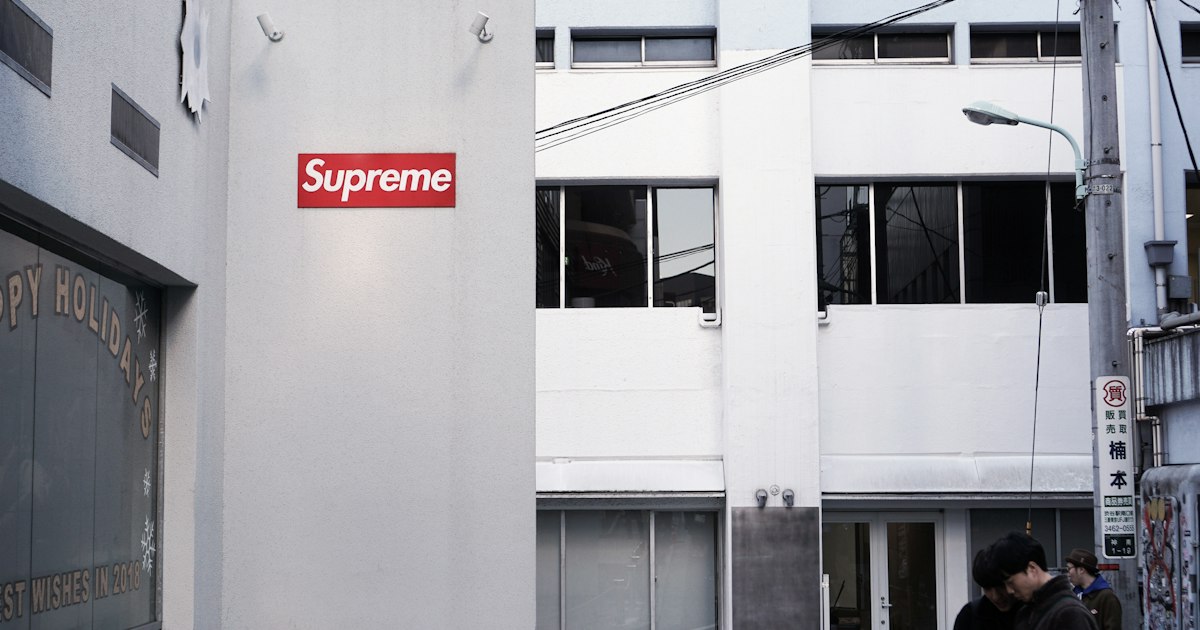
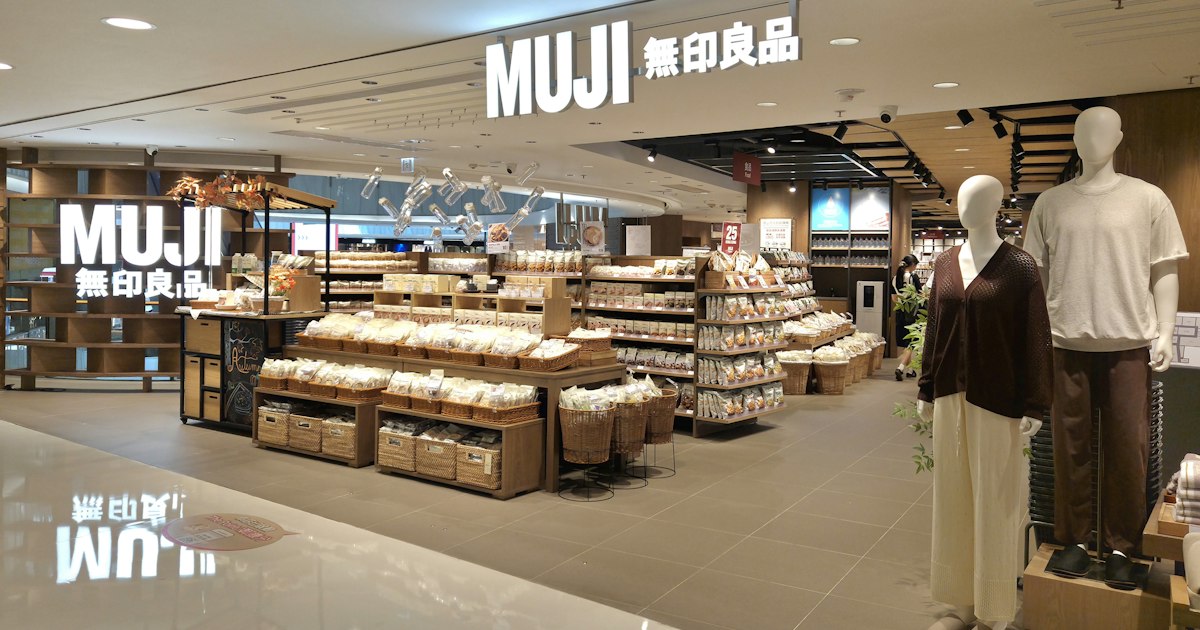
  • GU: Uniqlo’s Trendier, Cheaper Sister Brand and Why It’s Worth a Visit

    GU: Uniqlo’s Trendier, Cheaper Sister Brand and Why It’s Worth a Visit

    Photo by Cheung Yin on Unsplash

    If you’ve already hit Uniqlo on your Japan trip and want something a notch trendier and even cheaper, GU (pronounced “jee-yoo”) is the sister brand you’re probably missing. Owned by the same parent company, Fast Retailing, GU takes Uniqlo’s basics-first philosophy and adds faster fashion cycles, bolder colors, and prices that often undercut Uniqlo by 20–40%. For visitors who want a few statement pieces or a full seasonal wardrobe refresh without blowing their souvenir budget, GU is one of the best-value stops in any Japanese shopping district.

    What Makes GU Different from Uniqlo?

    Uniqlo leans into timeless basics — Heattech, Airism, quality cotton tees meant to last for years. GU is built for trend turnover: it restocks new styles every few weeks, chases whatever’s popular on Japanese street fashion and social media, and leans into collaborations with designers, anime franchises, and artists. The fabric and construction are noticeably more budget than Uniqlo (expect it to show wear faster), but that’s the trade-off for prices that let you experiment with a trend for a season instead of committing long-term. If Uniqlo is your reliable travel-capsule wardrobe, GU is where you buy the going-out top or the statement jacket you’ll only wear for a few months.

    What Things Actually Cost

    GU’s pricing is genuinely one of its biggest draws. As a rough guide for what you’ll see on the racks:

    • Basic T-shirts and tanks: ¥990–¥1,290
    • Graphic tees and collab prints: ¥1,490–¥2,490
    • Jeans and trousers: ¥1,990–¥3,990
    • Sweaters and hoodies: ¥1,990–¥2,990
    • Outerwear (light jackets, puffer coats): ¥3,990–¥6,990
    • Accessories (bags, hats, socks): ¥590–¥1,990

    Sales racks near the entrance or back wall often drop these further, with end-of-season clearance items going for ¥990 or less. Keep 10% consumption tax in mind — prices on tags are usually shown tax-included, but it’s worth double-checking signage during sale periods since some stores display both tax-in and tax-out figures.

    Where to Find the Best GU Stores

    GU has hundreds of locations across Japan, usually inside shopping malls or train station buildings, but a handful of flagship stores are worth seeking out for their size and selection:

    • GU Harajuku — a large multi-floor flagship a short walk from Harajuku Station on Jingu-dori, right in the middle of Tokyo’s trendiest shopping strip. This is the best single stop for the widest selection and newest drops.
    • GU Shibuya — convenient if you’re already shopping the area; pairs naturally with a stop at Shibuya 109, Japan’s famous youth-fashion department store, if you want to compare GU’s prices against the pricier boutique brands inside 109.
    • GU Ginza — a sleeker, more polished location if you’re in the upscale shopping district and want a quieter browsing experience than Harajuku’s crowds.

    Most urban GU stores open at 11:00 and close at 21:00, while mall-based locations generally follow the mall’s hours (often 10:00–20:00 or 21:00). There’s no need to reserve anything — just walk in.

    Best Time to Visit

    GU runs on a fast seasonal cycle, so timing affects both selection and price. New seasonal collections typically land in early spring (February–March) and early autumn (August–September), which is when the trendiest and most limited pieces are in stock but also full price. If your goal is value over novelty, visiting during end-of-season clearance — late June to July for summer items, and late December to January for winter items — can get you 30–50% off. If you’re chasing a specific collaboration piece (GU runs frequent character and designer tie-ins), those tend to sell out within days, so check early in your trip rather than saving it for the last stop before your flight home.

    Sizing Tips for Foreign Shoppers

    GU sizing runs close to Uniqlo’s — generally smaller than US/UK/EU equivalents — and the size range skews toward Japanese body types. XL and XXL exist but are limited in selection, especially for trend-forward pieces, and are usually concentrated at larger flagship stores like Harajuku rather than smaller mall locations. Fitting rooms are available and it’s standard practice (and expected) to try things on rather than guess. If you’re above a US size L / UK 14, it’s worth prioritizing the flagship stores where stock depth is better, or trying the men’s/unisex lines, which tend to run a bit roomier than women’s cuts.

    Common Mistakes to Avoid

    • Judging quality by Uniqlo standards. GU is deliberately cheaper and thinner-feeling; it’s not meant to be a 5-year staple. Buy it for the trend, not the longevity.
    • Skipping the sale corner. It’s often tucked at the back or on a separate floor, and many visitors miss it entirely.
    • Assuming all locations carry the same stock. Collaboration items and larger sizes are concentrated at flagship stores — a small suburban GU may have a fraction of the selection.
    • Not checking for tax-free eligibility. Large flagship stores (Harajuku, Shibuya, Ginza) typically offer tax-free shopping for foreign visitors, but not every small mall location does.

    Tax-Free Shopping at GU

    Like Uniqlo, GU’s larger stores participate in Japan’s consumption tax exemption program for tourists. If you spend over ¥5,000 (before tax) in a single day at one store, you can have the 10% consumption tax waived at checkout by presenting your passport — look for a “Tax-Free” sign at the register or a dedicated tax-free counter in bigger locations. The exemption is applied immediately rather than refunded later, which makes GU’s flagship stores an easy, no-hassle way to stretch your shopping budget a bit further. Keep your passport handy and be aware that items must generally stay unopened and leave Japan with you, consistent with the rest of Japan’s tourist tax-free rules.

    Whether you’re after a quirky collab tee, an affordable outer layer for unpredictable weather, or just a cheap way to refresh your look mid-trip, GU rewards a little exploring. Pair a stop at the Harajuku or Shibuya flagship with a browse through budget lifestyle shops like 3 Coins for accessories and small goods, and you can put together an entire fresh outfit for less than the price of a single souvenir T-shirt back home.
  • Youkan: Japan’s Dense Red Bean Jelly Sweet and Where to Buy It

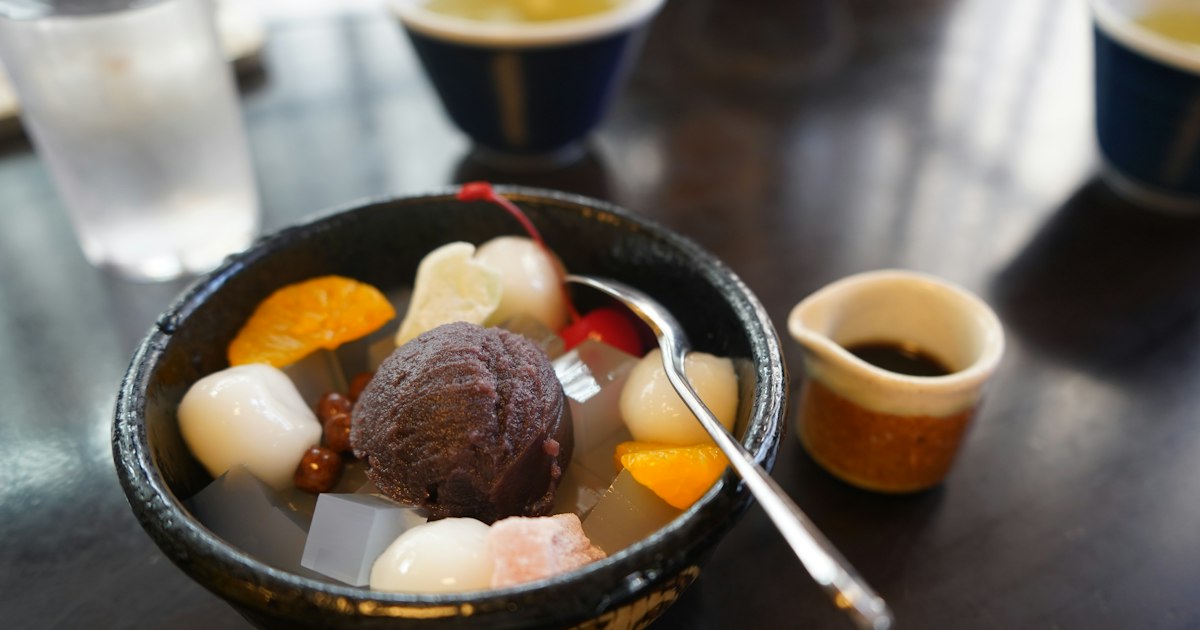
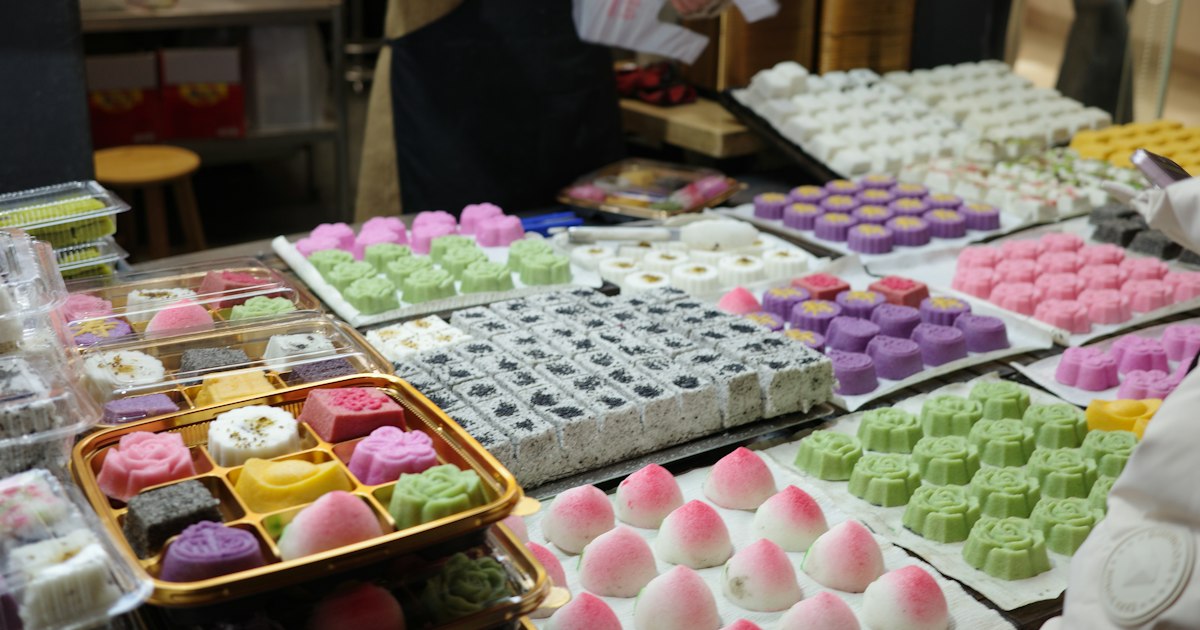
    Youkan: Japan’s Dense Red Bean Jelly Sweet and Where to Buy It

    Photo by Yosuke Ota on Unsplash

    Long before daifuku and matcha KitKats took over souvenir shelves, youkan (羊羹) was already the gift wagashi of choice in Japan — a dense, jewel-like bar of sweetened red bean paste set with agar. It doesn’t photograph as prettily as a strawberry mochi, but it’s one of the most practical sweets a visitor can buy: it’s shelf-stable, slices neatly, pairs with green tea, and survives a long flight home far better than almost anything else in a Japanese confectionery shop. Here’s how to understand it and where to actually buy it.

    What Youkan Actually Is

    Youkan is made from anko (sweetened red bean paste, usually azuki), sugar, and kanten (agar, a seaweed-derived gelatin substitute). The mixture is cooked down and set in a rectangular mold, then sliced into thick, glossy pieces. The texture is firm and dense — closer to a stiff fruit jelly or thick pâte de fruit than to the chewy rice-based sweets most visitors already know, like daifuku or sakura mochi. It’s eaten in thin slices, usually with hot green tea, and is one of the oldest confectionery traditions in Japan, with some shops tracing their recipes back over 400 years.

    The Three Types You’ll See

    Not all youkan is the same, and knowing the difference helps you buy the right one for your trip:

    • Neri youkan — the classic, dense “kneaded” style. This is the long-lasting, travel-friendly version, with an unopened shelf life often measured in months at room temperature. This is the one to buy as a souvenir.
    • Mizu youkan — a lighter, softer, more watery version served chilled, mostly as a warm-weather treat (though in Hokuriku and Hokkaido it’s traditionally eaten in winter around the kotatsu, which surprises a lot of first-time visitors). It needs refrigeration and spoils within days, so it’s not a good choice to pack for later.
    • Kuri youkan — neri youkan studded with whole chestnuts, often sold as a premium autumn/winter gift item.

    You’ll also find matcha, white bean (shiro-an), and kuromitsu brown-sugar versions, especially at specialty shops.

    Where to Buy It in Tokyo

    Toraya is the name most associated with youkan in Japan, with records going back to the late 1500s. The Akasaka main store (Toraya Akasaka Honten, 4-9-22 Akasaka, Minato-ku) is open daily, roughly 9:00–18:00, and is about a 7-minute walk from Akasaka Station (Chiyoda Line) or Nagatacho Station. A single bar of standard neri youkan runs about ¥900–1,300; small gift boxes of three mini bars are around ¥1,600–2,200. Toraya also has counters inside Tokyo Midtown and most major department stores.

    Funawa in Asakusa, a short walk from Senso-ji, has been making wagashi since 1902 and is especially known for imo-youkan (a sweet-potato version shaped like classic youkan) alongside standard red bean bars, from around ¥500–900 per piece. It’s open daily, roughly 9:00–20:00, and makes a natural stop if you’re already exploring Asakusa or taking the Tokyo Water Bus from Asakusa to Odaiba.

    Eitaro Sohonpo in Nihonbashi (founded 1818) is another long-running option worth seeking out if you’re near Nihonbashi Station, with classic bars priced similarly to Toraya’s.

    For one-stop comparison shopping, the depachika (basement food halls) of department stores like Isetan Shinjuku, Mitsukoshi Nihonbashi, or Takashimaya carry several regional youkan brands side by side, typically open 10:00–20:00. It’s the easiest way to sample different makers without crossing town.

    Worth the Trip in Kyoto

    Kyoto is where a lot of wagashi culture originates, and Toraya itself traces its roots there before opening in Tokyo. If you want a more dedicated experience, seek out Ozasa, a small Kyoto shop famous for mizu youkan sold in limited daily quantities — it regularly sells out and draws a line, so go early (shops like this typically open around 9:00–10:00 and can close once stock is gone). Because mizu youkan needs refrigeration and doesn’t keep, treat this as something to eat in Kyoto, not to carry home.

    Budget, Grab-and-Go, and Splurge Options

    Youkan scales from convenience-store snack to formal gift, which makes it flexible for different budgets:

    • Budget (~¥130–160 each): Morinaga and similar brands sell individually wrapped mini youkan tubes at convenience stores (7-Eleven, Lawson, FamilyMart) and supermarkets nationwide. These are genuinely popular with hikers and commuters as a compact, non-melting energy snack — easy to toss in a daypack.
    • Mid-range (~¥900–2,500): A single bar or small boxed set from Toraya, Funawa, or Eitaro makes a solid, presentable souvenir or omiyage for coworkers.
    • Splurge (~¥3,000–6,000+): Larger lacquered or seasonal gift boxes with multiple flavors (kuri, matcha, kuromitsu), often sold around New Year or autumn, make an impressive gift for a host or client back home.

    If you’re stocking up on shelf-stable Japanese snacks generally, it’s also worth knowing Costco Japan sometimes carries large multipacks of packaged wagashi-style sweets at bulk prices, though selection varies by store and season — don’t make a special trip just for youkan.

    Common Mistakes to Avoid

    • Buying mizu youkan early in your trip. It needs refrigeration and spoils within days — buy the dense neri youkan instead if you’re carrying it for more than a day or two.
    • Assuming it’s mochi. First-timers sometimes expect the chewy texture of daifuku and are thrown off by youkan’s firm, jelly-like bite. It’s meant to be sliced thin and eaten slowly with tea, not bitten into like candy.
    • Overpaying at the airport. Narita and Haneda souvenir shops stock boxed youkan (often ¥1,000–3,000) for convenience, but the same or better selection is usually cheaper at the original shop or a depachika — airport prices often run 10–20% higher.
    • Using a dry knife to cut it at home. Youkan is sticky; wet the blade with water before slicing for clean, shiny cuts like you see in shop displays.

    Packing It for the Trip Home

    Unopened neri youkan in its original wrapping is one of the easiest Japanese sweets to fly home with — no refrigeration required, and most boxed versions are vacuum-sealed or individually wrapped with a shelf life of several months. It’s a reliable gift for someone who also likes other traditional red bean sweets, such as monaka or the seasonal rice cakes served during Higan. Just check your home country’s customs rules on bringing in food containing beans or plant material — most processed, sealed confectionery is fine, but a handful of countries (Australia and New Zealand in particular) have stricter agricultural import rules worth a quick check before you fly.

  • Daifuku & Ichigo Daifuku: Japan’s Strawberry Mochi Craze and Where to Buy It

    Daifuku & Ichigo Daifuku: Japan’s Strawberry Mochi Craze and Where to Buy It

    Photo by Jun Weng on Unsplash

    If you’ve scrolled past a photo of a pale pink mochi ball sliced open to reveal a whole strawberry nestled in red bean paste, you’ve seen ichigo daifuku — and once you’re in Japan, you’ll find it everywhere from convenience store shelves to centuries-old wagashi shops. It’s one of the easiest, cheapest, and most photogenic snacks a visitor can pick up, but timing and where you buy it matter a lot. Here’s how to find the real thing, what to pay, and how to eat it without a mochi mishap.

    What Daifuku and Ichigo Daifuku Actually Are

    Daifuku (大福) is a small ball of pounded glutinous rice (mochi) wrapped around a sweet filling, almost always smooth red bean paste (anko). It’s one of Japan’s oldest and most common wagashi (traditional sweets), sold year-round in every supermarket and convenience store. Ichigo daifuku (いちご大福) is the strawberry version: a whole fresh strawberry is tucked inside the anko before the mochi is wrapped around the whole thing, so each bite gives you soft rice cake, sweet-but-not-cloying bean paste, and a burst of tart fruit. It’s believed to have become popular in Japanese sweet shops in the 1980s and has stayed a seasonal favorite ever since. If you like the red-bean-and-rice-cake combination but want something closer to home-style and seasonal rather than fruit-based, the ohagi served around the equinox holidays, covered in our guide to Higan and ohagi, is a good comparison point.

    Best Season and Timing

    This is the detail most visitors miss: ichigo daifuku is a cold-weather item. Japanese strawberries are grown in greenhouses and peak from December through April, so shops and convenience stores roll out ichigo daifuku from around late December through Golden Week in early May, with the richest selection in February and March. By June it mostly disappears, replaced by other seasonal fruit daifuku (melon, peach) in summer. If strawberry mochi is a priority, plan a winter or spring trip — it overlaps nicely with cherry blossom season, and some shops even sell a “sakura” version with pink-tinted mochi during late March and early April. For a fruit-free, cherry-blossom-season alternative that’s available at the same time, see our piece on sakura mochi.

    Budget Option: Convenience Stores and Supermarkets

    The fastest and cheapest way to try ichigo daifuku is at any 7-Eleven, Lawson, or FamilyMart during the season. Expect to pay roughly ¥150–250 for a single piece, or ¥300–500 for a two- or three-pack, usually shelved in the chilled dessert section near the sandwiches. Quality varies by batch and the strawberry size can be hit or miss, but it’s a completely reasonable introduction and available at nearly any hour. Supermarkets such as Life, Seijo Ishii, and Aeon stock similar multipacks, often slightly cheaper than convenience stores, in the refrigerated wagashi aisle. Because mochi stiffens in the cold, buy it same-day if possible and let it sit at room temperature for 10–15 minutes before eating for the best texture.

    Mid-Range and Splurge: Depachika and Specialty Wagashi Shops

    For a noticeably better version, head to a depachika — the basement food hall of a department store. Isetan Shinjuku, Takashimaya, and Mitsukoshi Nihombashi all host counters from established wagashi makers selling fresh ichigo daifuku daily during the season, typically priced ¥300–600 per piece. These use larger, better strawberries and finer anko, and some stores let you choose white bean paste or a tofu-skin (“gyuhi”) mochi variation. It’s a nice stop if you’re already browsing the kind of specialty snacks you’d find near fashion-forward neighborhoods like the ones in our Shibuya 109 guide, since many department stores sit a short walk from major shopping districts.

    Toshimaya in Sugamo: Tokyo’s Most Famous Daifuku Shop

    If you want the classic, no-frills version done by people who’ve been doing it since 1781, go to Toshimaya on Jizo-dori shopping street in Sugamo, Tokyo — a neighborhood nicknamed “Grandma’s Harajuku” for its old-fashioned shopping street popular with older locals. Toshimaya is best known for its shio daifuku (salt-accented plain daifuku, around ¥160–180 each) rather than the strawberry version specifically, but during strawberry season it also sells ichigo daifuku, and lines form outside from the morning. The shop is roughly a 2-minute walk from Sugamo Station (JR Yamanote Line or Toei Mita Line), open approximately 8:30/9:00 AM to 6:00 PM, and is cash-only — bring coins, as pieces sell out by early afternoon on busy days. It’s a genuinely local experience rather than a tourist stop, and worth pairing with a stroll down the rest of Jizo-dori for other old-school snack shops.

    Buying in Bulk

    If you’re self-catering, staying somewhere with a kitchen, or just want to feed a group, Costco Japan sells large multipacks of daifuku and mochi (including seasonal strawberry versions) at a noticeably lower per-piece price than convenience stores — useful if you’re already planning a trip there for the bulk snacks and exclusive items covered in our Costco Japan guide. Just know that Costco’s mochi is usually frozen or has a longer shelf life than the fresh, same-day versions from a wagashi shop, so texture-wise it’s a different experience — great for convenience, not quite the same as the artisanal version.

    How to Eat It (and Common Mistakes)

    A few things trip up first-timers: mochi dries out and toughens quickly once refrigerated, so eat it within a few hours of purchase rather than saving it for the next day. Biting into it top-down rather than from the side can squeeze bean paste or strawberry juice out unexpectedly — hold it from underneath, in the paper or plastic cup it usually comes in, and bite from the side in two bites rather than one. If you’re buying for kids or elderly travelers, note that whole-strawberry daifuku is dense and slightly chewy, which has occasionally raised choking concerns in Japan, the same caution given around other mochi-based sweets like monaka and New Year’s rice cakes — cut it into smaller pieces for young children. Finally, don’t store it in a hot bag all day while sightseeing; the mochi softens and the strawberry can bruise, so buy it close to when you plan to eat it, ideally as a last stop before heading back to your hotel.

  • Legoland Japan vs. Fuji-Q Highland: Which Theme Park Fits Your Trip?

    Legoland Japan vs. Fuji-Q Highland: Which Theme Park Fits Your Trip?

    Photo by Hannes Knutsson on Unsplash

    Japan has no shortage of theme parks, but if you’re choosing between a family-friendly day and a white-knuckle one, it usually comes down to two names: Legoland Japan in Nagoya and Fuji-Q Highland near Mount Fuji. They couldn’t be more different — one is built for kids under 12 with gentle rides and brick-building workshops, the other holds multiple world-record coasters and a horror house that makes grown adults tap out. Here’s what each actually costs, how to get there, and which one matches the trip you’re planning.

    Legoland Japan: Built for Younger Kids

    Legoland Japan sits on Kinjo Pier in Nagoya’s port area, about 24 minutes from Nagoya Station on the Aonami Line to Kinjo-futo Station, then a short walk. The park is split into themed zones — Bricktopia, Pirate Shores, Lego Ninjago World, Miniland with scaled-down Japanese landmarks rebuilt entirely from bricks — and nearly every ride is rated for riders as young as 2 or 3. There are a few mild coasters and a couple of water-splash rides, but nothing here is designed to scare anyone.

    Opening hours typically run 10:00–17:00 on weekdays and slightly longer on weekends and holidays, though the park sometimes closes on a weekday (often Tuesday or Wednesday) during slower winter months — always check the exact calendar before you go, since it shifts month to month. One-day tickets use dynamic pricing tied to the date, roughly ¥4,000–5,500 for adults and somewhat less for children (ages 3–12), with discounts for advance online purchase versus walk-up. A combination ticket with the adjacent Sea Life Nagoya aquarium is worth considering if you have a full day to spend on the pier.

    Legoland Japan Hotel sits right next to the park entrance, and staying there gets you early entry — genuinely useful in peak season when the park’s modest size means popular attractions queue up fast by late morning.

    Fuji-Q Highland: Built for Thrill-Seekers

    Fuji-Q Highland is in Fujiyoshida, Yamanashi, with Mount Fuji looming directly behind the park — on a clear day the view from the top of Fujiyama, one of its signature coasters, is as much the draw as the ride itself. This is a park built around records: Fujiyama was once the world’s tallest coaster, Takabisha holds a Guinness record for steepest drop, Eejanaika runs a 4D seat-rotation system, and Dodonpa (relaunched in 2023 with reduced top speed after a 2020 derailment) is still one of the hardest-launching coasters in the country. There’s also a dedicated Thomas Land section with gentle rides for younger children, so families with a mix of ages aren’t entirely out of luck.

    Standard park hours run roughly 9:00–17:00, extending later in summer and shortening in winter — weekday and weekend hours also differ, so check the official calendar for your travel date. Entry-only admission is around ¥2,000–2,500, but almost everyone buys the Fuji-Q Highland “Free Pass,” which bundles entry with unlimited rides, generally in the ¥6,000–7,800 range for adults and less for children, with seasonal pricing variation. Height and age restrictions apply to the big coasters — most require at least 110–140cm depending on the ride — so check restrictions in advance if you’re traveling with smaller kids.

    Getting There

    Legoland Japan is a Nagoya day trip, easy to slot into a Tokyo–Kyoto itinerary if you’re routing through Nagoya anyway. From Nagoya Station, it’s a single train change to Kinjo-futo on the Aonami Line — no reservations or transfers to worry about.

    Fuji-Q Highland takes more planning. From Tokyo, the most direct option is the JR Chuo Line’s limited express “Fuji Excursion,” which runs straight from Shinjuku to Fujisan Station in about two hours with no transfer. Highway buses from Shinjuku or Shibuya take a similar amount of time and are often cheaper, though subject to traffic. If you’re coming from Tokyo Station via shinkansen to Otsuki and transferring to the Fujikyu Railway, pack a snack for the ride — see our guide on ordering food on the Shinkansen if you’re combining this with a longer rail leg. Either way, buy your Fuji Excursion or bus seat in advance during weekends and holiday periods, since both sell out.

    Which Park Fits Your Trip

    • Traveling with kids under 8: Legoland Japan is the easier choice — shorter lines, shorter hours, nothing that will terrify a toddler, and a hotel built for stroller-friendly mornings.
    • Traveling with teens or thrill-seekers: Fuji-Q wins outright. The coaster lineup and the Mt. Fuji backdrop make it one of the most photogenic parks in the country, and nothing in Legoland’s lineup competes on adrenaline.
    • Mixed-age family group: Fuji-Q’s Thomas Land section lets younger kids ride while older siblings or parents hit the big coasters — genuinely the more flexible park if your group spans ages.
    • Tight on time: Legoland is a half-day park; most families clear the highlights in 4–5 hours. Fuji-Q easily fills a full day, especially if you want to ride the headline coasters more than once.

    If neither quite matches your plans — say you’re stuck in Tokyo on a rainy day with younger kids — the indoor character parks covered in our Sanrio Puroland and Namjatown guide are a solid backup that needs no weather luck and no long-distance travel.

    Common Mistakes to Avoid

    The biggest one is assuming either park’s hours are fixed year-round — both adjust closing times and weekday closures seasonally, and showing up to a locked gate on an off-day is a wasted morning. Check the official calendar for your exact visit date, not just a general “hours” page.

    Second: at Fuji-Q, don’t skip pre-booking your Free Pass online if you’re visiting on a weekend or during school holidays — the ticket booths alone can eat 30–45 minutes before you’ve ridden anything. Many visitors also underestimate the coaster queues; Fujiyama and Takabisha can run 60–90 minute waits on busy days even with the Free Pass, since it covers unlimited rides but not priority queuing (a separate paid fast-pass option exists for the busiest attractions).

    Third, at Legoland Japan, don’t come expecting thrill rides for older kids or adults — reviews that call it “boring” are usually written by people who brought a 14-year-old expecting Fuji-Q-style intensity. It’s genuinely built for the 2–10 age range and is best enjoyed with that expectation set going in.

    Best Time to Visit

    For Fuji-Q, weekday mornings outside Japanese school holidays (avoid late July through August, New Year’s week, and Golden Week in early May) give you the shortest queues and the best odds of a clear Fuji view — mornings tend to be clearer than afternoons for mountain visibility. Late autumn and winter weekdays are underrated for this reason, even though it’s cold.

    Legoland Japan is less crowd-sensitive given its smaller scale, but the same holiday weeks still push wait times up noticeably. If you’re buying tickets online for either park, pay with a credit card registered to your home address if the official site asks for billing verification, and keep a screenshot or printed copy of your QR ticket — Japan’s konbini multi-copy machines, covered in our guide to printing and ticketing at convenience stores, are a reliable backup if your phone battery dies or you need a paper copy on the day.

  • Buying Concert & Event Tickets in Japan as a Tourist: Ticket Pia, e+ & Resale Rules

    Buying Concert & Event Tickets in Japan as a Tourist: Ticket Pia, e+ & Resale Rules

    Photo by Jezael Melgoza on Unsplash

    Seeing a J-pop idol group, a Japanese rock band, or a sumo tournament during your trip sounds simple until you try to actually buy the ticket. Japan’s ticketing system runs almost entirely on domestic platforms, lottery-based presales, and convenience store machines that assume you have a Japanese phone number and address. It’s not impossible for tourists — it’s just a different game than Ticketmaster. Here’s how Ticket Pia, e+, and Lawson Ticket actually work, how to get a ticket without a Japanese SIM card, and what Japan’s strict anti-scalping law means for buying resale.

    Why Japanese Ticketing Feels So Unfamiliar

    Most popular concerts in Japan don’t go on sale first-come-first-served. They open with one or more rounds of senko chusen (先行抽選), a lottery presale restricted to fan club members or app users, followed by a general sale (ippan hatsubai, 一般発売) about a month before the show, once remaining tickets are released. Big arena and stadium tours for acts like idol groups or major K-pop/J-pop artists often sell out the lottery round entirely, so by the time the general sale opens online, availability can be thin or gone within minutes.

    The other wrinkle: almost every platform wants a Japanese mobile number for SMS verification at account registration, and some require a Japanese billing address for the credit card. This is the single biggest hurdle for visitors, more than language.

    The Big Three Platforms

    Ticket Pia (チケットピア) is Japan’s largest general ticketing site, handling everything from concerts to theater and exhibitions. Registration requires a Pia member account; phone verification is usually required for lottery entries but is sometimes skippable for straightforward credit-card purchases of already-on-sale tickets.

    e+ (イープラス) is the other major player and the one most friendly to overseas fans — e+ runs an English-language portal for select international tours and anime/idol events, occasionally letting you pay by credit card and collect a QR ticket without ever touching the Japanese-language site.

    Lawson Ticket (ローソンチケット) is tied to the Lawson convenience store chain and is strong for comedy, regional events, and some concerts. It leans heavily on in-store Loppi terminal purchases and pickup.

    A fourth option worth knowing: Peatix, widely used for smaller live-house shows, DJ nights, and indie/English-friendly events in Tokyo and Osaka. It has a full English interface, accepts foreign credit cards, and needs no Japanese phone number — by far the easiest entry point if the show you want happens to be listed there.

    How to Actually Buy a Ticket as a Visitor

    Start on the artist or venue’s official website — most link directly to which platform (Pia, e+, Lawson, or a local box office) is handling sales, and whether there’s an “overseas” or “international” ticket allocation. Some major tours now run a separate English-language presale specifically for travelers, bypassing the lottery entirely at a slightly higher service fee.

    If the show is only sold through the Japanese-language site and demands a Japanese phone number, you have three realistic paths: ask a Japan-based friend or hotel concierge to register and purchase on your behalf; use a proxy/relay service (the same kind of service used for buying from Japanese online stores, such as Buyee) that some now offer for event tickets; or pick up a cheap Japanese prepaid SIM on arrival purely to receive the one SMS code needed to register — many budget SIMs (around ¥1,000–¥2,000) include SMS reception even on data-only plans.

    For venues in Shibuya, Shinjuku, or other nightlife districts, it’s worth building your ticket purchase trip around other errands in the same neighborhood — Shibuya, for instance, is also home to Shibuya 109, so a ticket pickup and a shopping stop can happen in the same afternoon.

    Picking Up and Paying for Your Ticket

    Unless you opt for a mobile e-ticket (increasingly common for international presales), Japanese tickets are typically issued as a physical stub printed in-store. Ticket Pia tickets are usually collected at FamilyMart‘s Famiポート terminals; e+ and Lawson Ticket at Loppi terminals inside Lawson or Ministop stores. You enter a reservation number on the touchscreen, print a payment slip, take it to the register, pay (cash or card), and receive your ticket — a process that takes 5–10 minutes and carries a small issuing fee, typically ¥110–¥220 per ticket on top of the ticket price.

    Some tickets can instead be printed or collected at the multi-copy machines found at konbini chains like 7-Eleven, which also handle ticketing for certain platforms alongside their printing and bill-pay functions — useful to know if your hotel is near a 7-Eleven but not a Lawson or FamilyMart. Keep the confirmation email or reservation number on your phone; without it, staff generally cannot look up your order.

    Japan’s Resale Rules: What’s Actually Legal

    Japan tightened its scalping laws in 2019 with the Act on Prohibition of Unauthorized Reselling of Specified Paid Admission Tickets. In plain terms: reselling tickets to designated high-demand events above face value, without the organizer’s permission, is illegal — both for the seller and, in some interpretations, risky for the buyer who knowingly pays an inflated price. This covers most major concerts, sports, and idol events where the organizer has registered the show under the law.

    The legal workaround is official resale. Ticket Pia runs Ticket Treasure (チケトレ), and e+ has its own official resale marketplace; both let ticket holders who can no longer attend relist at face value (or very close to it) to a verified buyer, with the transfer handled securely through the platform. If you’re offered a ticket on a street corner outside a venue, through an unofficial reseller site, or via social media at a steep markup, assume it is not legal and that the ticket could be voided at entry with ID checks increasingly common for big shows.

    Common Mistakes to Avoid

    • Waiting until the trip to search for tickets. Lottery presales for major tours often close 2–3 months before the show date; by general sale, popular dates may already be sold out.
    • Assuming all tickets are e-tickets. Many still require konbini pickup with a Japanese-capable payment method and a working reservation number.
    • Buying from unofficial resale sites because the official channel showed “sold out” — check チケトレ or the e+ resale marketplace first; they often restock as original buyers cancel.
    • Forgetting ID requirements. Non-transferable tickets for idol and K-pop shows increasingly require the purchaser’s ID (sometimes passport) at entry, matching the name on the reservation.

    Budget, Mid-Range, and Splurge Expectations

    Small live-house shows and indie gigs (often found on Peatix) run roughly ¥2,500–¥4,500, frequently with an additional ¥500–¥600 drink charge paid at the door — standard practice at Japanese live houses. Mid-range arena shows for J-pop or visual-kei acts typically land between ¥8,000 and ¥13,000. Major stadium tours, international pop acts, and premium seating at classical concert halls can run ¥15,000–¥30,000 or more, before resale or platform fees. Factor in the ¥200–¥500 system/handling fee most platforms add per ticket, plus the konbini issuing fee if you’re printing a physical stub.

  • Shibuya 109: Inside Japan’s Gyaru Fashion Mecca and What to Buy

    Shibuya 109: Inside Japan’s Gyaru Fashion Mecca and What to Buy

    Photo by Fikri Rasyid on Unsplash

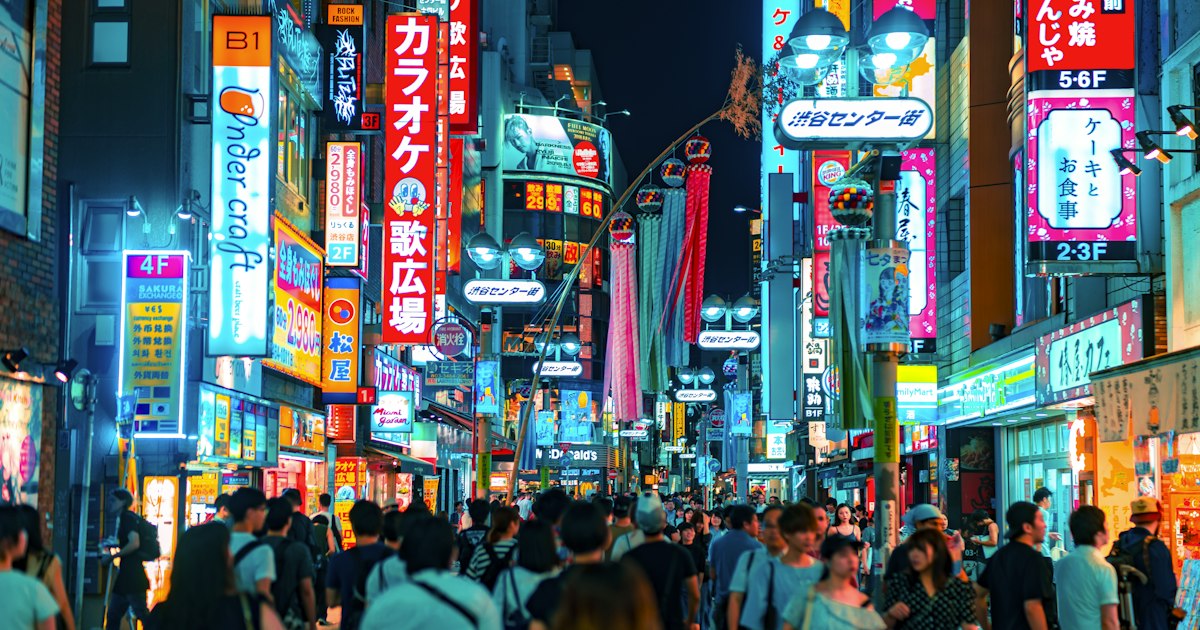
    If you’ve ever seen photos of Tokyo street fashion with platform boots, elaborate nails, and gravity-defying hair, there’s a good chance it traces back to one building: Shibuya 109. For over four decades this cylindrical department store across from Shibuya Station has been the epicenter of “gyaru” (gal) culture and the broader teen-to-twenties fashion scene that ripples out across Japan. It’s touristy, it’s loud, and it’s also genuinely one of the best places in Tokyo to see — and buy into — a fashion subculture up close rather than through a magazine.

    What Is Shibuya 109, Really?

    Shibuya 109 (pronounced “ichi-maru-kyu,” a play on the numbers 1-0-9 sounding like “to” and “kyu” for the Tokyu department store group that owns it) opened in 1979 and became the defining shopping address for Shibuya’s youth culture through the gyaru boom of the 1990s and 2000s — the era of tanned skin, bleached hair, and the “109 girls” who set trends copied nationwide. The building has since rebranded as SHIBUYA109 and broadened its tenant mix toward general Gen Z fashion, but gyaru-adjacent brands, nail salons, and accessory shops are still very much part of the lineup, making it the closest thing left to a living museum of the look.

    It’s not a single shop — think of it as a vertical mall packed with dozens of small, independently run boutiques, most only a few hundred square feet, selling everything from trendy basics to full-on decora and gyaru pieces.

    Getting There and Best Times to Visit

    The address is 2-29-1 Dogenzaka, Shibuya — literally across the street from the Shibuya Scramble Crossing and about a one-minute walk from Shibuya Station’s Hachiko Exit. Any train line into Shibuya (JR Yamanote, Keio Inokashira, Tokyu Toyoko, Ginza Line, or the Fukutoshin/Hanzomon lines) puts you within sight of it; just follow the crowd crossing toward Dogenzaka.

    Shop floors are generally open from 10:00 to 21:00, with restaurants and cafes on the upper floors often staying open later. The building is busiest on weekend afternoons, especially when school is out, so if you want to browse without fighting crowds, aim for a weekday morning right at opening. Late autumn and spring also bring seasonal sales (end-of-season markdowns typically hit in late June–July and late December–January), which is the best time to find deeper discounts on boots, jackets, and outerwear.

    What’s Inside: Floors and Brands

    SHIBUYA109 spans roughly ten floors, from two basement levels up to the eighth floor, and the layout skews toward smaller specialty shops rather than big-name flagships. Lower floors tend to concentrate on cosmetics, nails, and accessories; mid floors carry clothing brands popular with teens and twenty-somethings; upper floors mix in cafes, photo booths (the purikura machines are a cultural institution here), and event spaces that regularly host pop-ups tied to anime, idols, or seasonal fashion themes. There’s no single “map” that stays accurate for long because tenants rotate fairly often — part of the building’s appeal is that the mix genuinely changes year to year, so even repeat visitors find something new.

    If pure gyaru style is what you’re after, look for shops selling platform boots, decora-style layered accessories, and the maximalist nail and lash culture the building helped popularize — pairing well with a stop to pick up press-on nail sets and nail art stickers if you want to recreate the look without booking a salon appointment.

    What to Buy: Budget, Mid-Range, and Splurge

    Prices vary a lot by shop, but here’s a realistic range:

    • Budget (¥500–¥2,500): Hair accessories, scrunchies, phone charms, small jewelry, and novelty socks. Several shops sell themed socks and tights that pair nicely with a stop at Tabio if you want a sturdier, higher-quality pair to go with the look.
    • Mid-range (¥3,000–¥9,000): Statement tops, skirts, and bags from the building’s smaller independent brands. This is where most visitors end up spending, since a lot of the floor space is dedicated to exactly this price bracket.
    • Splurge (¥10,000+): Platform boots and full outfit sets from the more established gyaru-legacy brands are the classic big-ticket purchase — expect ¥12,000–¥20,000 for well-made boots that are genuinely hard to find outside Japan.

    Cash and major credit cards are both widely accepted, but smaller independent stalls sometimes prefer cash, so carry some yen just in case. Tax-free shopping (for purchases over ¥5,000 at participating counters) is available at some but not all tenants — ask at the counter before you buy if you’re trying to hit the threshold, since it’s handled per-shop rather than building-wide.

    Common Mistakes First-Timers Make

    The biggest mistake is treating it like a single department store with one return policy and one fitting-room system — it’s actually dozens of independent tenants, so returns, exchanges, and even sizing charts differ shop to shop. Japanese clothing sizes also run smaller than US/UK/EU sizing, and gyaru-style tops in particular often run a size or two tighter than standard Japanese fashion, so try before you buy whenever a fitting room is available.

    Another common misstep is expecting a “pure” 1990s-2000s gyaru experience throughout the whole building — the tenant mix today is broader and more mainstream than it was at the subculture’s peak, so if you’re specifically chasing that retro look, it pays to ask staff which floors or shops lean gyaru versus general trend fashion. Finally, don’t skip the top floors assuming they’re “just restaurants” — that’s often where the rotating pop-up events and photo booths are, and those change frequently enough to be worth checking even on a repeat visit.

    Make a Day of It Nearby

    Shibuya rewards lingering. After shopping, Shibuya’s side streets are packed with casual eating options if you want something quick between stores — a bowl of oyakodon or katsudon is an easy, filling lunch nearby. If your feet and scalp need a break from a day of walking Shibuya’s slopes, there are several head spa treatments within the neighborhood worth booking as a relaxing follow-up to the shopping crowds.

    Whether you’re there to study the subculture, hunt for one specific accessory, or just want a slice of Tokyo youth fashion history, Shibuya 109 is worth the detour even if gyaru style isn’t your usual aesthetic — it’s one of the few places where a fashion movement’s past and present are stocked on the same shelves.

  • Higan & Ohagi: Inside Japan’s Quiet Equinox Holiday and Its Red Bean Rice Cake

    Higan & Ohagi: Inside Japan’s Quiet Equinox Holiday and Its Red Bean Rice Cake

    Photo by Su San Lee on Unsplash

    Twice a year, Japan pauses for a quiet, mostly invisible holiday called Higan. There are no parades, no illuminations, and almost no tourist infrastructure built around it — which is exactly why most visitors miss it entirely. But if you’re in Japan during the week of the spring or autumn equinox, you’ll see its one unmistakable marker everywhere from convenience store shelves to century-old sweet shops: a soft, round rice cake called ohagi, coated in sweet red bean paste. Here’s what Higan actually is, when it falls, and how to find good ohagi without stumbling into the common mistakes first-time visitors make.

    What Is Higan? Japan’s Equinox Holiday Explained

    Higan (彼岸) literally means “the other shore” — a Buddhist reference to the far bank of a river separating this world from enlightenment. The term is applied to the seven-day period centered on each equinox: three days before, the equinox day itself, and three days after. Because day and night are of equal length on these dates, they were historically seen as a moment when the boundary between worlds is thinnest, making it an ideal time to honor ancestors.

    In practice, Higan is a family observance rather than a public festival. People visit and clean family graves (a trip called ohigan mairi), offer flowers, incense, and food, and sometimes attend a short service at a temple. The spring equinox (Shunbun no Hi) and autumn equinox (Shuubun no Hi) are both official national holidays, so banks, post offices, and city offices close, though most shops, restaurants, and train services run normally — just busier, since it’s a popular weekend getaway stretch for Japanese families.

    Ohagi (and Botamochi): The Sweet at the Heart of Higan

    The food most associated with Higan is ohagi — a ball of lightly pounded sticky rice (a mix of glutinous and regular rice, pounded just enough to keep some grain texture) coated in sweet adzuki bean paste. It’s related to mochi but chewier and grainier, since the rice isn’t pounded smooth.

    Confusingly, the same sweet has two names depending on the season: in spring it’s traditionally called botamochi, named after the peony (botan) flowers blooming at that time, while in autumn it’s called ohagi, after the bush clover (hagi) of early fall. A nice detail traditional shops still honor: spring versions often use smooth bean paste (koshian), since last autumn’s beans have hardened skins by then, while autumn ohagi uses chunkier paste (tsubuan) made from the freshly harvested crop, skins and all. Today most shops sell them as “ohagi” year-round regardless of season, but the smooth-vs-chunky distinction is worth asking about if you want the traditionally “correct” version.

    If you’ve already tried sakura mochi, think of ohagi as its less photogenic but arguably more satisfying cousin — no pickled leaf wrapper, just rice and bean paste, sometimes finished with kinako (roasted soybean flour) or black sesame instead of anko. Fans of red bean sweets in general should also seek out monaka, the wafer-shelled version, while you’re exploring wagashi shops.

    When to Go: 2026 Equinox Dates

    Japan’s National Astronomical Observatory calculates the exact equinox date each year, so it’s worth double-checking closer to your trip, but current projections are:

    • Spring Higan 2026: centered on Shunbun no Hi, expected Friday, March 20, 2026 — Higan week runs roughly March 17–23.
    • Autumn Higan 2026: centered on Shuubun no Hi, expected around September 22–23, 2026 — Higan week runs roughly September 19–25.

    Spring Higan overlaps with early cherry blossom anticipation in Tokyo, and because it’s a national holiday that often creates a long weekend, trains to popular day-trip destinations (and hotel rates) can spike. If your plans include something like a day trip via the Enoden line to Enoshima or a visit to Mount Nokogiri, booking transport a few days ahead during Higan week is a good idea.

    Where to Buy Ohagi: Budget to Splurge

    Budget (¥140–320): Convenience stores — 7-Eleven, Lawson, and FamilyMart — stock individually wrapped ohagi for about ¥140–170 each during Higan season, often sold in twin packs for ¥280–320. These are fresh daily and a perfectly good first taste; look for the seasonal sweets section near the rice balls and sandwiches.

    Mid-range (¥200–400): Local wagashi (traditional sweets) shops sell noticeably fresher, better-textured ohagi for ¥200–280 per piece, with gift boxes of 6–8 pieces running ¥1,200–2,500. Most neighborhood wagashi-ya open around 9:00 or 10:00 and close by 18:00–19:00, with one weekly closing day (often Monday or Wednesday) — call ahead or check a storefront sign, since hours aren’t always listed online.

    Splurge (¥300–450+): Depachika — the basement food halls of department stores like Isetan Shinjuku, Takashimaya, or Mitsukoshi — carry ohagi from well-known, old-establishment confectioners during Higan week specifically, often in limited seasonal flavors like yuzu-scented or matcha-dusted versions. These sell out by early afternoon on peak Higan days, so go in the morning if you want a specific shop’s version.

    How to Experience Higan as a Visitor

    Since Higan itself isn’t a spectator event, the easiest way to experience it respectfully is to visit a temple during the week and simply be present without intruding on family rites. Zojoji Temple in Tokyo (near Tokyo Tower, a short walk from Shiba-koen or Daimon stations) holds equinox services and keeps its grounds open from early morning to dusk, free of charge. In Kyoto, Higashi Honganji and Nishi Honganji hold their own Higan-e services and welcome visitors into their main halls outside service times, typically from around 5:30–6:00 AM to 5:30 PM, also free.

    Keep a respectful distance from families at gravesites — cemeteries attached to temples are genuinely busier during Higan week, and it’s not the moment for close-up photos of strangers’ family rituals.

    Common Mistakes to Avoid

    • Confusing Higan with Obon. Obon is the mid-August ancestor festival with bon-odori dances and lanterns; Higan is quieter, equinox-based, and has no dancing or public performances.
    • Expecting a tourist festival. There are no fireworks or crowds to seek out — the “event” is a national holiday plus a seasonal sweet, not a spectacle.
    • Assuming everything is closed. Only banks, government offices, and some corporate offices close for the holiday; restaurants, shops, and transit run as normal, just more crowded on the holiday itself.
    • Buying ohagi and expecting mochi’s smooth texture. The rice is only partly pounded, so the texture is deliberately grainy — that’s correct, not a bad batch.

    Ohagi is sold in limited quantities around Higan week specifically and often disappears from shelves outside that window, so if you’re chasing the “authentic” seasonal version rather than a year-round convenience-store one, time your visit to land inside the week before or after the equinox date.

  • Oyakodon & Katsudon: Japan’s Classic Rice Bowl Combos and How to Order Them

    Oyakodon & Katsudon: Japan’s Classic Rice Bowl Combos and How to Order Them

    Photo by Xavier Chng on Unsplash

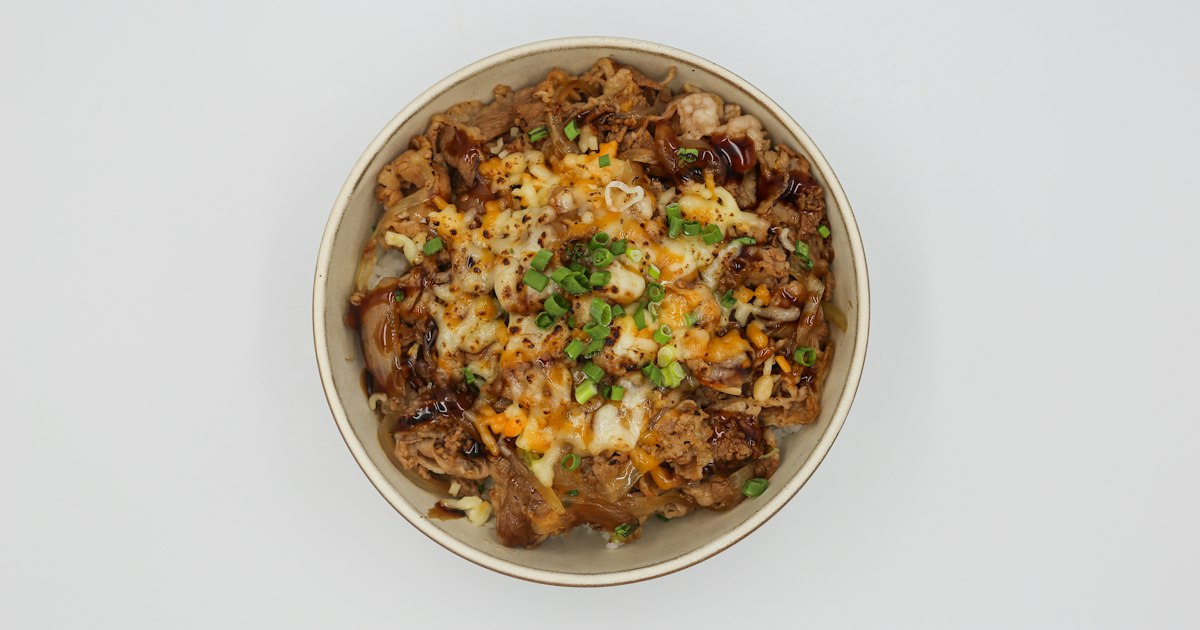
    Walk into almost any donburi shop, soba joint, or train station counter in Japan and you’ll find two bowls doing most of the heavy lifting: oyakodon, a soft simmer of chicken and egg over rice, and katsudon, a crispy pork cutlet drowned in sweet-savory egg and onion. Both are cheap, fast, and deeply satisfying, but they’re also easy to mix up or order clumsily if you don’t know the shorthand. Here’s what each one actually is, where to get a good one, and how to order without hesitating at the counter.

    What Oyakodon and Katsudon Actually Are

    Oyakodon (親子丼) literally means “parent-and-child bowl” — the parent being chicken, the child being egg, cooked together. Thin-sliced chicken thigh simmers in a dashi-soy-mirin broth with onion, then beaten egg is poured in and cooked just until set, so it stays glossy and a little runny. The whole thing goes over a bowl of rice, sometimes with a scattering of mitsuba (Japanese parsley) or nori strips.

    Katsudon (カツ丼) starts with tonkatsu — a breaded, deep-fried pork cutlet — which is then simmered briefly in the same kind of sweet soy-dashi sauce with egg and onion, so the crispy coating softens into something closer to a savory custard crust. It’s heavier and richer than oyakodon, and the cutlet itself is usually pork loin (rosu) or fillet (hire).

    Both are a subcategory of donburi (rice bowl dishes), and both are considered comfort food rather than fine dining — though some specialty shops treat them with real craft and charge accordingly.

    Where to Eat Them: Budget, Mid-Range, and Splurge

    Budget (¥500–¥900): Chain restaurants are the fastest, cheapest route. Yoshinoya, Sukiya, and Matsuya all serve both dishes, with oyakodon typically ¥500–¥650 and katsudon ¥600–¥800. Ordering is often via a ticket machine at the entrance — insert cash or a card, press the picture button, hand the ticket to staff. Soba and udon chains like Fuji Soba also sell a small katsudon or oyakodon as a set alongside noodles, which is a good way to try both in one sitting.

    Mid-range (¥900–¥1,500): Standalone donburi-ya (rice bowl specialty shops) and tonkatsu restaurants that also do katsudon tend to use better cuts of pork, free-range or brand-name eggs, and house-made sauce. Look for shops with a lunch set that includes miso soup and pickles.

    Splurge (¥1,800–¥3,500+): Some tonkatsu specialists — especially in Tokyo’s older neighborhoods — use heritage pork breeds (kurobuta, or black pig) and finish katsudon with a soft-cooked egg rather than fully set, served at lunch only in limited quantities. Oyakodon has its own high end too: a handful of old Tokyo and Osaka restaurants are known almost exclusively for one superlative version, using a specific chicken breed and a near-raw egg finish, often costing ¥1,500–�r2,500 for a single bowl with a line out the door.

    How to Order at the Counter

    At a ticket-machine chain, just press the button matching the photo — no Japanese needed. At a counter-service restaurant without a machine, these phrases cover almost every situation:

    • “Oyakodon, hitotsu” (親子丼、ひとつ) — “One oyakodon, please.”
    • “Katsudon, onegaishimasu” (カツ丼、お願いします) — “Katsudon, please.”
    • “Namitsuyu de” / “Ōmori de” — “regular size” / “large size” (ōmori often costs ¥100–¥150 more).
    • “Tamago wa han-juku de” — “half-cooked egg, please,” if you want the softer, runnier style some shops offer as an option.

    Most shops bring water or tea automatically and expect no tipping. If there’s a line of regulars and no English menu, pointing at a photo on the wall or a plastic food model in the window works fine — nobody will mind.

    Common Mistakes Visitors Make

    The biggest mix-up is confusing katsudon with katsu curry or tonkatsu teishoku (a cutlet served plain alongside rice and sides) — these are different dishes with different flavor profiles, so check the picture menu carefully if you specifically want the egg-simmered version. Another common error is assuming oyakodon is always served cold or “raw” — some versions do use a barely-set egg, which can look underdone to first-timers but is standard and safe at any reputable shop, since the chicken and egg are cooked together in hot broth. Finally, don’t expect a fork; a spoon is sometimes offered for the sauce, but these bowls are built to be eaten with chopsticks, mixing the egg and rice as you go rather than eating them separately.

    Best Time to Go and How to Avoid Waiting

    Lunch (roughly 11:30am–2pm) is when both dishes shine, since many specialty shops only serve their best katsudon or oyakodon sets at lunchtime and switch to a different, pricier dinner menu afterward. Famous single-dish specialists in Tokyo and Osaka often sell out their limited daily portions by 1pm, so arriving right at opening (usually 11am or 11:30am) is the only reliable way to avoid a sold-out sign. Chain restaurants have no such limits and serve both dishes all day, including late at night, making them the reliable fallback if you’re traveling off the typical lunch schedule — for instance after getting off a late Shinkansen, when onboard food options have already run thin.

    Pairing and Variations Worth Trying

    Many donburi shops serve oyakodon or katsudon as part of a teishoku (set meal) with miso soup, pickles, and sometimes a small side of soba — a good way to sample a second regional specialty, like hiyashi chuka in summer, in the same sitting. If you’ve already tried the fried-pork route in sandwich form via a konbini katsu sando, katsudon is the hot, saucier cousin worth comparing. And if you’re near a train station with limited time, many stations have a quick-service counter nearby serving a simplified katsudon alongside standing noodle stalls — worth checking next time you’re navigating eki soba counters for a fast meal between trains.

    Regional variations exist too: Nagoya does a version with miso-based sauce instead of the standard soy-dashi, and some Kansai shops serve katsudon without simmering the egg at all, laying a freshly fried cutlet directly over rice with sauce poured on top — closer to a katsu-don hybrid than the classic Tokyo style. Neither is wrong; it’s worth trying both if your itinerary covers more than one region.

  • Hot Vending Machine Drinks in Japan: Canned Coffee, Corn Soup & Winter Vending Culture

    Hot Vending Machine Drinks in Japan: Canned Coffee, Corn Soup & Winter Vending Culture

    Photo by Shigeki Wakabayashi on Unsplash

    Walk past almost any street corner, train platform, or rural bus stop in Japan between October and April, and you’ll notice something: half the drinks in that glowing vending machine have a red label instead of a blue one. Those red labels mean hot, and they’re the gateway to one of Japan’s most underrated travel pleasures — canned coffee, corn soup, and red bean soup dispensed hot, right into your hands, for the price of a small snack. Here’s how to actually use this system, what to order, and when to look for it.

    How to Spot a Hot Drink Vending Machine

    Japanese vending machines (jidōhanbaiki, often shortened to “jihanki”) that sell both hot and cold drinks label each button clearly: a red background with あたたかい (atatakai, “warm”) means hot, and a blue background with つめたい (tsumetai, “cold”) means cold. Many machines sell the exact same canned coffee or tea in both temperatures side by side, so double-check the color before you insert your coins — grabbing an ice-cold can in January because you read the brand name instead of the label is the single most common mistake visitors make.

    Most cans and bottles run ¥120–¥160, with larger 250ml–280ml cans or PET bottles closer to ¥160–¥190. Machines take coins, ¥1,000 notes, and increasingly IC cards like Suica and Pasmo — tapping your transit card is the fastest way to buy one without digging for change.

    Canned Coffee: Japan’s All-Day Companion

    Canned coffee is the backbone of hot vending culture. The big names are Suntory BOSS, Georgia (Coca-Cola’s coffee brand), Asahi Wonda, and UCC — all sold in nearly every machine nationwide. Standard black coffee (often labeled “Black” or “Kuro”) has no sugar or milk; “Café au Lait” or “Milk Coffee” is sweeter and creamier; and seasonal blends appear every autumn with names like “Toasty” or limited-edition cans. A 185g hot can typically costs ¥130–¥150.

    If you’re killing time waiting for a train, this pairs naturally with a quick platform meal — grab a hot can of Boss or Georgia on your way to or from one of the standing eki soba noodle stalls many stations still run, since both are built around the same fast-in, fast-out convenience that defines station food in Japan.

    Corn Soup, Red Bean Soup & Other Hot Classics

    Beyond coffee, the hot side of a vending machine is where things get interesting for visitors. Pokka Sapporo’s corn potage (corn soup) is the most famous non-coffee hot drink — a thick, sweet-savory canned soup that tastes like dessert and dinner at once, usually ¥150–¥170 for a 190g can. Equally worth trying is oshiruko (sweet red bean soup, sometimes with a small mochi piece inside), zenzai, or hot amazake, a low-alcohol fermented rice drink that’s naturally sweet and often marketed as a health tonic. Hot lemon drinks, hot barley tea (mugicha doesn’t usually come hot, but hojicha and genmaicha do), and bottled hot green tea like Ayataka or Iemon round out the lineup. Expect ¥140–¥180 for soups, slightly less for tea.

    These soup cans are seasonal and regional — you’ll see more variety in corn soup and oshiruko machines in colder prefectures like Nagano, Niigata, and Hokkaido than in Okinawa, where hot options are far more limited even in winter.

    When Vending Machines Switch to Winter Mode

    Most dual-temperature machines switch over gradually as autumn temperatures drop, typically starting in late September in northern Japan and through October elsewhere, running through April or even into May in colder regions like Tohoku and Hokkaido. There’s no fixed national switch-over date — operators adjust based on local weather — so if you’re traveling in early autumn or late spring, don’t be surprised if a machine is still cold-only or has just gone hot-only for the season.

    The best window for hot vending machine hunting is December through February, when nearly every dual machine runs a full hot lineup and you’ll see steam rising off cans as people pop them open on the street. It’s a particularly good pairing with a winter onsen trip like Kusatsu, where a hot can of coffee or amazake from the machine outside the bathhouse is practically a ritual after soaking.

    Where to Find the Best Hot Vending Machines

    You genuinely don’t need to search — Japan has roughly one vending machine for every 23 people, among the highest densities in the world, and they’re on nearly every residential street corner, outside convenience stores, inside train stations, and at highway rest stops (service areas). That said, a few locations consistently have better selections:

    • Train station platforms and concourses — wider variety, often including soup and tea options alongside coffee, and useful if you’re also budgeting time for food before boarding; see our guide to what food options exist once you’re on the Shinkansen if you’d rather buy before you board.
    • Ski resort areas and onsen towns — heavy on amazake, corn soup, and oshiruko given the colder clientele.
    • Highway service areas (SA/PA) — large machine banks with regional specialty cans you won’t find in cities.
    • Older residential neighborhoods — small, independently stocked machines sometimes carry retro or local-only brands.

    Common Mistakes Foreign Visitors Make

    The red/blue label mix-up is the big one, but a few others trip people up. First, cash machines in rural areas sometimes don’t accept ¥10,000 or even ¥5,000 notes — carry ¥1,000 notes and coins. Second, the can will genuinely be hot, sometimes close to 55–60°C, so give it a second before cracking it open bare-handed in winter gloves weather. Third, don’t assume every machine is dual-temperature; plenty of machines, especially newer ones focused on bottled tea and water, are cold-only year-round. Finally, hot cans have a shorter shelf rotation than cold ones, so flavor and stock can vary more day to day — if your favorite blend isn’t there, it may just be between restocks.

    Budget, Mid-Range & Splurge Picks

    For a no-brainer budget option, a basic hot black or milk coffee at ¥130–¥150 is hard to beat for the price-to-warmth ratio. Mid-range means stepping up to corn potage or oshiruko at ¥150–¥180, which doubles as a light snack. For a splurge, look for machines (increasingly common in Tokyo and Osaka) selling hot specialty drinks like premium matcha lattes, hot fruit teas, or limited “Craft Boss” cold-brew-style coffee lines, which can run ¥200–¥280 but taste noticeably better than the standard lineup. None of it will break a travel budget, which is exactly the point — hot vending machines are one of the cheapest, most reliable comforts you’ll find on a winter trip through Japan.

  • Eki Soba: Japan’s Standing Noodle Stalls at Train Stations and How to Order Fast

    Eki Soba: Japan’s Standing Noodle Stalls at Train Stations and How to Order Fast

    Photo by Alex Heuvink on Unsplash

    Somewhere between the ticket gates and the platform edge, you’ll spot a small counter with steam rising off bowls of noodles and a row of commuters slurping standing up. This is eki soba (駅そば), Japan’s standing noodle stall culture, and it’s one of the fastest, cheapest, and most satisfying meals you can get on a travel day. No reservation, no menu small talk, no sitting down — just hot noodles in the time it takes to check your phone. Here’s how the system works and how to order without holding up the line.

    What Is Eki Soba?

    Eki soba literally means “station soba,” and it refers to no-frills counters — usually with no seating, just a standing-height bar — that serve soba and udon noodles in broth, built for speed rather than atmosphere. They’ve existed since the late 1800s, when stations needed a way to feed travelers during short stops, and the format barely changed: a cook behind the counter ladles noodles and broth into a bowl in under a minute, you eat standing, and you move on. You’ll find them inside ticket gates on platforms, in concourses before the gates, and sometimes as standalone shops just outside stations.

    Many regions have their own take — Nagano and Gunma, both soba-growing prefectures, are especially known for good eki soba because the noodles are made locally rather than trucked in. If you’re already exploring Nagano’s food scene, the same region is home to oyaki, the stuffed buckwheat dumpling — worth pairing with a bowl of eki soba on a station stopover.

    Where to Find the Best Stalls

    A few stations are genuinely famous among noodle enthusiasts, not just convenient:

    • Omiya Station (Saitama) — has multiple standing soba counters on different platforms, all run by the same operator but famously inconsistent in taste depending on which cook is working that platform. Train fans compare notes on which platform’s stall is best that week.
    • Nagano and Karuizawa Shinkansen platforms — short layovers here made eki soba a ritual for Shinkansen passengers transferring trains, with locally made noodles reflecting the region’s soba reputation.
    • Takasaki Station (Gunma) — another well-regarded platform stall, convenient if you’re connecting toward Kusatsu Onsen.
    • Tokyo-area JR stations generally — Shinjuku, Tokyo, Ueno, and most major JR East stations have at least one stall tucked near a stairwell or concourse corner.

    They’re almost always JR East or JR West territory; private railway stations have them less often, though not never.

    How to Order Like a Local

    The process is near-identical at every stall, which is part of the appeal once you know it:

    1. Find the ticket machine (shokken-ki) — a small vending machine, usually right beside or in front of the counter, covered in buttons with photos and prices.
    2. Insert cash (coins and small bills; card acceptance is improving but still not universal at older machines) and press the button for what you want.
    3. Take the printed ticket and hand it directly to the staff behind the counter — don’t try to order verbally first, as most stalls expect the ticket.
    4. Step to the counter and wait 30–90 seconds. Food comes out fast because noodles are often pre-boiled and just reheated to order.
    5. Eat standing at the bar, then return your bowl and chopsticks to the designated tray when done — this is expected, not optional.

    If the machine’s buttons are unlabeled in English, the leftmost or top-row buttons are usually the cheapest, most basic options (plain kake soba), with pricier items further right or lower.

    Menu Guide and Prices

    Prices vary by region and station, but here’s a realistic range as of 2026:

    • Kake soba/udon (plain noodles in broth) — roughly ¥300–420, the cheapest option and a safe default if you can’t read the machine.
    • Tempura soba (with a shrimp or kakiage vegetable fritter) — around ¥420–600, the most popular order.
    • Tsukimi soba (topped with raw egg) — about ¥400–500.
    • Niku soba (with thin sliced beef or pork) — roughly ¥480–650.
    • Add-on toppings (extra egg, wakame, extra noodles) — usually ¥50–150 each, selected as separate buttons on the machine.

    A full meal rarely exceeds ¥700, making it one of the cheapest hot meals in any major train station.

    Best Times to Go

    Eki soba is built around commuter rhythms, so timing affects both crowding and hours:

    • Morning rush (7:00–9:00am) — busiest, with the fastest-moving lines; staff are extremely efficient but expect to wait behind 3–5 people.
    • Late morning to early afternoon (10am–2pm) — calmest window, good if you want to linger a beat longer without feeling rushed.
    • Evening rush (5:30–7:30pm) — busy again with commuters grabbing dinner before a train.
    • Hours vary by location — platform stalls in major stations often open as early as 6:00am and run until 9:00 or 10:00pm; smaller or suburban stalls may close by early evening or only operate on weekdays. Always check the stall itself rather than assuming station-wide hours, since different operators run different counters even within one station.

    If you’re connecting between Shinkansen trains, eki soba is tailor-made for a 10–15 minute layover — faster than anything you could order from a seat. For longer rides where you’d rather eat after boarding, see our guide to ordering food on the Shinkansen for what’s available once you’re on board.

    Common Mistakes to Avoid

    • Trying to order without buying a ticket first — staff will usually point you back to the machine, costing you time you don’t have between trains.
    • Only carrying large bills or cards at an old cash-only machine — keep ¥1000 notes and coins on hand just in case.
    • Lingering at the counter after finishing — there’s no seating because the space is meant to turn over quickly; eat, clear your bowl, and move along.
    • Cutting it too close to departure — the food is fast, but a queue of five people during rush hour can still eat up several minutes. If your transfer window is under 8 minutes, consider grabbing something you can eat on the platform instead, such as a katsu sando from a nearby kiosk.
    • Assuming all stalls at one station are identical — as Omiya proves, different platforms can have different operators with noticeably different quality.

    Budget, Mid-Range, and Splurge Options

    Eki soba itself is inherently a budget category — that’s the point — but there’s still a range:

    • Budget (¥300–400): Plain kake soba or udon, the fastest and cheapest hot meal in the station.
    • Mid-range (¥450–650): Tempura soba, niku soba, or a bowl with an added egg — still well under ¥700 total and the most common order among regulars.
    • Splurge (¥700–900): Some regional stalls, particularly in Nagano and Gunma, offer premium versions made with locally milled soba flour or seasonal toppings like matsutake mushroom in autumn — worth the extra few hundred yen if you’re passing through a soba-growing region and want the real deal rather than the standard commuter version.

    However you order it, eki soba is less about the meal itself and more about experiencing a slice of everyday Japanese commuter life — a two-minute ritual millions of people repeat without a second thought, and one of the easiest ways for a visitor to do the same.