Japan Trove

Category: Uncategorized

  • Tabio: Inside Japan’s Specialty Sock Shop Chain and What Makes Its Socks Different

    Tabio: Inside Japan’s Specialty Sock Shop Chain and What Makes Its Socks Different

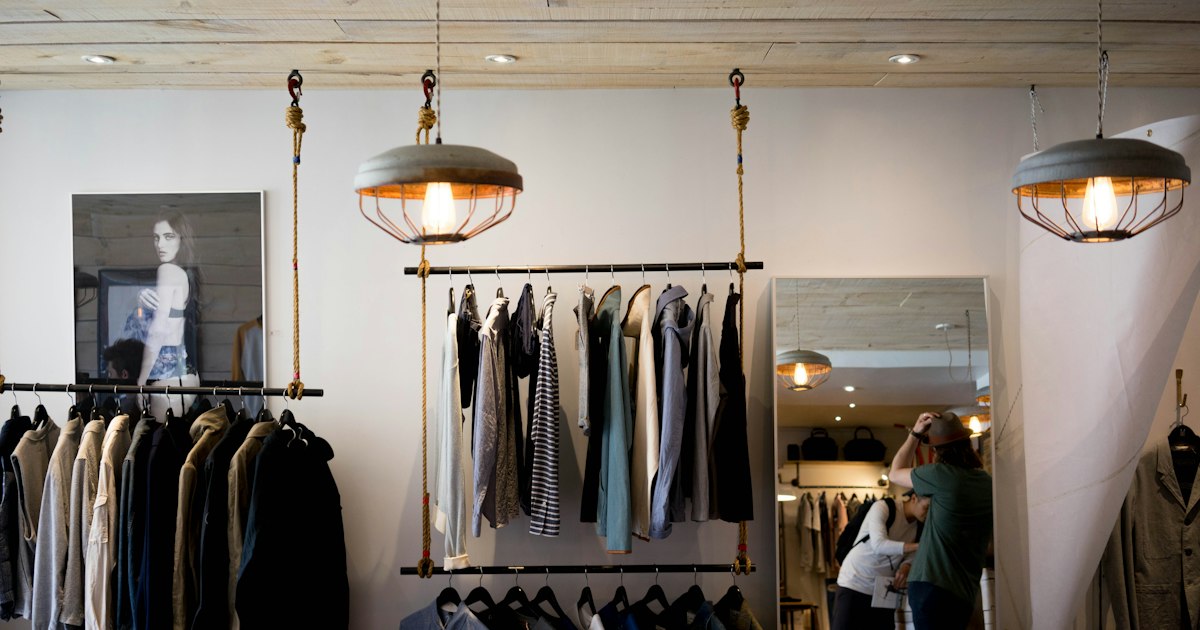
    Photo by Clark Street Mercantile on Unsplash

    Most visitors to Japan don’t plan a shopping stop for socks. Then they walk into a Tabio store, see a wall of foot-shaped displays organized by centimeter size rather than S/M/L, and leave with four pairs they didn’t know they needed. Tabio (靴下屋, “Kutsushita-ya,” literally “sock shop”) is Japan’s best-known sock specialty retailer, and it’s a useful case study in how seriously Japanese manufacturers treat even the most mundane everyday item. Here’s what makes the socks genuinely different, what to buy, and how to shop the stores without overpaying or overbuying.

    What Is Tabio, and Why Are Its Socks Different?

    Tabio was founded in 1968 and built its reputation entirely on socks — no shoes, no shirts, just socks, sold with the kind of attention to fit and construction usually reserved for footwear. The two things that separate Tabio from a three-pack of socks at a department store are sizing and seam construction.

    Sizing is done in centimeters that correspond to shoe size, not generic small/medium/large bands, so the heel and arch actually sit where your foot bends. Construction uses flat “linking” seams at the toe instead of the bulkier seams found in mass-produced socks, which is the main reason regular Tabio customers say the socks don’t bunch up or rub inside shoes. Many lines are still knitted in Japan using older, slower circular-knitting machines that produce a denser, more durable fabric than fully automated high-speed production — part of why a basic pair costs more than a convenience-store equivalent but tends to outlast it by a wide margin.

    The Nara Connection: Japan’s Sock-Making Heartland

    Tabio’s roots are in Nara Prefecture, and specifically the Hirokawa area, which has supplied a large share of Japan’s domestically produced socks for decades thanks to its textile mills and knitting factories. That regional specialization is why Japan treats socks as a category worth getting right, the same way certain towns specialize in knives, ceramics, or lacquerware. If you’re visiting Nara for the deer park and temples, it’s worth knowing the city’s other export is the sock on your feet.

    What to Buy: Tabio’s Signature Styles

    The lineup goes well beyond basic crew socks. The styles most worth seeking out as a visitor:

    • Five-toe (tabi-style) socks — individual toe pockets that reduce friction and are popular with hikers and people on their feet all day; also the most “only in Japan” souvenir in the lineup.
    • Silk liner socks — thin inner layers worn under a second pair for warmth without bulk, a classic Japanese winter layering trick.
    • Wool and wool-blend socks — genuinely warm, not just marketed as such, and a sensible pickup if you’re heading somewhere cold like Kusatsu Onsen in winter.
    • Pile-lined “room socks” — thick, slipper-like socks for bare floors and tatami, which pair naturally with a kotatsu at home.
    • Compression and support socks — a practical buy before a long flight home.
    • Kids’ and maternity sizing — harder to find well-made in these specific fits outside Japan.

    Price Guide: Budget to Splurge

    Tabio prices in yen, tax included, roughly as follows:

    • Budget (¥660–¥1,100): basic cotton crew socks and simple ankle socks — a reasonable everyday souvenir.
    • Mid-range (¥1,320–¥2,200): five-toe socks, wool blends, patterned or ribbed designs, and most of the silk liner range.
    • Splurge (¥2,750–¥5,500+): pure silk socks, premium merino lines, and gift-boxed sets — still cheaper than flying to Nara just to buy socks, but noticeably above convenience-store pricing.

    Buying three or four pairs at once is common practice among regulars, since the quality difference shows up most in socks you wear repeatedly, not the one pair you grab for a single trip.

    Where to Find a Store, and How to Shop One

    Tabio has branches concentrated in and around Tokyo Station, Shibuya, and other major shopping districts, plus locations in Osaka, Kyoto, and Nara itself. Store hours generally run with the host building — typically 10:00 or 11:00 to 20:00 or 21:00 for mall and station locations — so check the specific branch before a special trip, since hours shift with the department store or station building they sit inside.

    In-store, look for the foot-shaped size charts mounted on the wall or counter; matching your sock size to your shoe size (in cm) rather than guessing S/M/L is the single biggest difference from Western sock shopping. Staff are generally happy to help with fit if you ask, even with limited English — pointing at your shoe size works fine. If you’re assembling a broader wardrobe of Japan-only everyday wear during the same trip, Workman is a good complementary stop for technical outerwear and functional basics at low prices.

    Best Season to Buy and Common Mistakes

    Any time of year works, but the product mix shifts seasonally: wool and pile-lined socks appear from around October through February, while lighter cotton and linen-blend socks dominate the shelves from May through September. If you’re traveling in winter and want warm socks to go with a hanten or tanzen padded jacket, shop in the cooler months when the full wool range is in stock rather than clearance leftovers.

    The most common visitor mistakes: buying by eyeballed size instead of checking the cm chart (five-toe socks in particular fit poorly if sized wrong), assuming all Tabio socks are made in Japan when some lower-priced lines are imported — check the tag if domestic manufacture matters to you — and buying only one pair to “try it,” then not finding the same store again before flying home. Since sizes and limited-edition patterns sell out at individual branches, buying multiples on the spot is the safer bet if you find a style and size you like.

    Socks pack flat, weigh almost nothing, and survive a suitcase better than almost anything else on a Japan shopping list, which makes Tabio an easy stop to fold into a day that also includes bigger-ticket browsing — a swing through Plaza by Sony for gifts, for instance, or a wander through a neighborhood shopping street between sightseeing stops.
  • Iwakuni: Yamaguchi’s Arched Kintai Bridge and White Snake Shrine

    Iwakuni: Yamaguchi’s Arched Kintai Bridge and White Snake Shrine

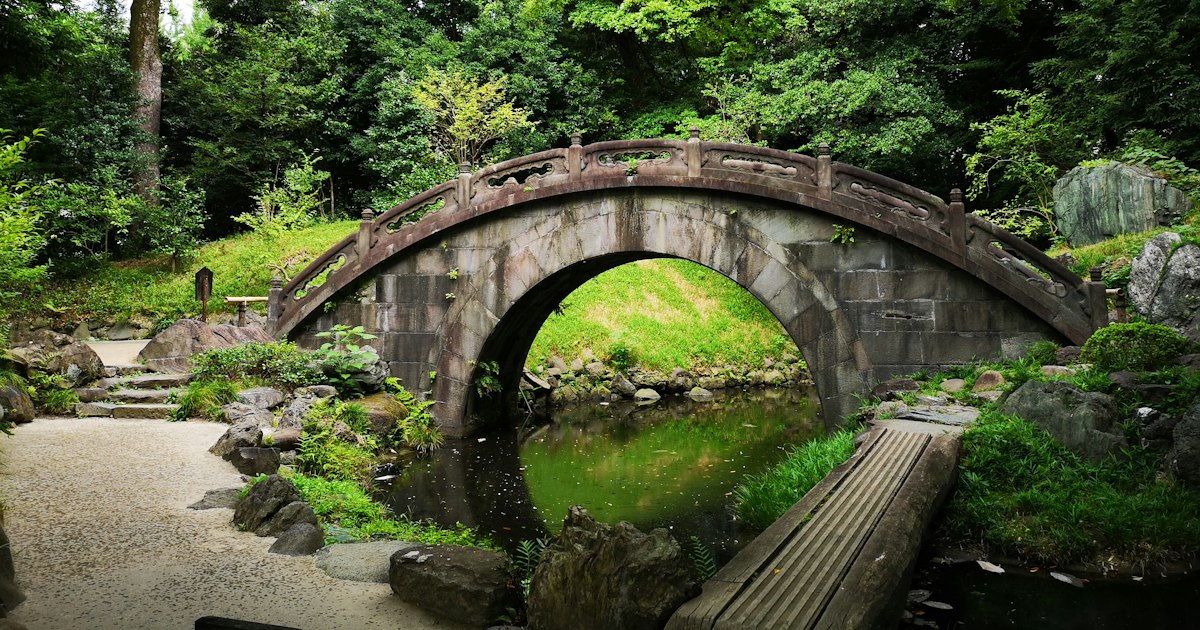
    Photo by Scott Law on Unsplash

    Most travelers see Yamaguchi Prefecture as a blur out the Shinkansen window between Hiroshima and Kyushu. Iwakuni deserves a stop. Its five-arched wooden bridge is one of Japan’s most photographed structures, and a few minutes’ walk away is a shrine built to honor a genetic rarity: wild albino snakes found almost nowhere else on Earth. It’s an easy half-day or full-day trip, light on crowds, and cheap enough to do on a tight budget.

    Getting to Iwakuni

    Iwakuni sits in Yamaguchi Prefecture, about 40km southwest of Hiroshima, and there are two practical ways in. The fastest is the Sanyo Shinkansen to Shin-Iwakuni Station — about 15-20 minutes from Hiroshima Station on a Kodama or Hikari service, or reachable directly from Osaka/Kyoto if you’re traveling the Shinkansen line. From Shin-Iwakuni, a local bus (Iwakoku Bus, roughly 15-20 minutes, around 300 yen) runs to the Kintaikyo bus stop right at the bridge. The slower, cheaper option is the regular JR Sanyo Line to Iwakuni Station (about 45 minutes from Hiroshima, covered by the JR Pass), followed by a 15-minute bus or taxi ride to the bridge area. If you’re renting wheels for the trip, the coastal and mountain roads around the Seto Inland Sea near here are genuinely scenic — worth a look at our guide to renting a motorcycle or scooter in Japan if you want to extend the trip into a proper touring route rather than a straight there-and-back day trip.

    Kintaikyo Bridge: what you’re actually paying for

    The Kintai Bridge (“Brocade Sash Bridge”) arcs across the Nishiki River in five elegant wooden spans, built entirely with traditional joinery — no nails in the original construction method. The first version went up in 1673; floods and a 1950 typhoon destroyed it more than once, and the bridge you walk today is a 2004 reconstruction using the same carpentry techniques as the Edo-period original. Crossing costs 300 yen for adults (150 yen for children), sold as a round-trip ticket at the booth on either bank — you’re meant to cross, look around, and cross back. The wooden deck is steep and slightly uneven underfoot, so skip flip-flops; it’s also closed to strollers and wheelchairs, who use a separate flat footbridge nearby instead. Budget 15-20 minutes to cross both ways and stop for photos, though most visitors linger longer on the riverbank taking pictures from below, which is free and arguably the better photo angle.

    Kikko Park, the castle ropeway, and a combined ticket

    On the far bank from the train station side is Kikko Park, a pleasant, mostly flat green space with samurai-era relics, a small canal, and the entrance to the Iwakuni Castle ropeway. The ropeway (round trip about 550 yen) carries you up Mt. Shiroyama to Iwakuni Castle, a 1962 concrete reconstruction of the original 17th-century keep, torn down centuries ago under the shogunate’s one-castle-per-domain rule. The view from the top over the river bend and the city is the main reward; the castle’s interior museum is modest. If you plan to do the bridge, ropeway, castle, and the local history museums, look for the combined ticket sold at the bridge booth — it bundles several attractions for less than buying each separately and is worth asking about rather than assuming you need individual tickets.

    The White Snake Shrine

    This is Iwakuni’s genuinely unusual draw. The area is home to a wild population of leucistic Japanese rat snakes — true albinos with white scales and red eyes — found natively almost nowhere else in Japan. They’re protected as a national natural monument, and locally they’re treated as messengers of Benzaiten, the goddess of wealth and good fortune, which is why the city built Iwakuni Shirohebi Shrine (Iwakuni Shirohebi Jinja) near Kikko Park in 2012. The shrine itself is small and free to visit, with coin offerings and snake-motif charms for sale at the entrance. Next door, the Shirohebi no Yakata museum (admission around 200 yen) keeps several live white snakes in glass enclosures along with explanatory panels in Japanese and some English — it’s a quick 15-minute stop, but if you’re the kind of traveler who sought out Gotokuji’s sea of lucky cat statues in Tokyo, this scratches the same “specific, slightly odd, deeply local” itch.

    Best time to visit

    Cherry blossom season (typically late March to early April) is the single best time: the riverbanks on both sides of the bridge fill with sakura, and the arches reflected in the water make for the shots you’ve probably seen online. Early April also tends to coincide with the Iwakuni Festival, when samurai processions cross the bridge. Summer brings a fireworks festival over the river (early August, check the exact date each year since it shifts), which is popular with locals but means crowds and no evening bridge access during the show. Autumn foliage along the river, mid-to-late November, is a quieter and arguably underrated alternative to spring. Winter is the least crowded season and the bridge itself looks striking with any snow, but check hours — the bridge and park are open year-round, roughly 8:00 to 17:00 for the ticket booths, though the bridge deck itself has no gate and can be viewed anytime from the banks. Yamaguchi gets a genuine rainy season in June, so if you’re visiting then, don’t rely on a convenience-store umbrella falling apart on you — our guide to Japan’s vinyl umbrella culture covers which ones are actually worth buying.

    Food, souvenirs, and common mistakes

    Iwakuni has its own local specialty: Iwakuni-zushi, a pressed, layered sushi served in thick square blocks rather than individual pieces, traditionally made for festivals and found at shops near the bridge and station. The region is also known for renkon (lotus root), grown in the surrounding paddies and sold dried, pickled, or as crisp chips in souvenir shops around Kikko Park — a better takeaway gift than generic Hiroshima momiji manju if you want something distinctly Iwakuni. The most common visitor mistake is treating this as a quick photo-stop and rushing back to the station within an hour; between the bridge, the shrine, the museum, and the ropeway, a relaxed visit easily fills three to four hours, and trying to compress it means missing the castle view or the snake museum entirely. The second mistake is skipping lunch here and eating at the station — the handful of riverside restaurants near the bridge serving Iwakuni-zushi and local udon are inexpensive (most mains 800-1,200 yen) and far more atmospheric than a station kiosk.

    Where to stay

    Most visitors day-trip from Hiroshima and don’t need a hotel here, but if you want to catch the bridge lit up at night or attend the summer fireworks without rushing for the last train, Iwakuni has a few small, family-run minshuku near the old town that cost a fraction of a Hiroshima business hotel. If you haven’t booked one of these before, our guide on how to book a minshuku covers the process, since most don’t list on the big international platforms. For a splurge, a handful of riverside ryokan-style inns overlook the bridge directly — worth it if photography is your main reason for the trip, since you get the golden-hour view without fighting day-trip crowds on the banks.

  • Kusatsu Onsen: Gunma’s Legendary Hot Spring Town and Its Yumomi Water-Cooling Show

    Kusatsu Onsen: Gunma’s Legendary Hot Spring Town and Its Yumomi Water-Cooling Show

    Photo by mits hak on Unsplash

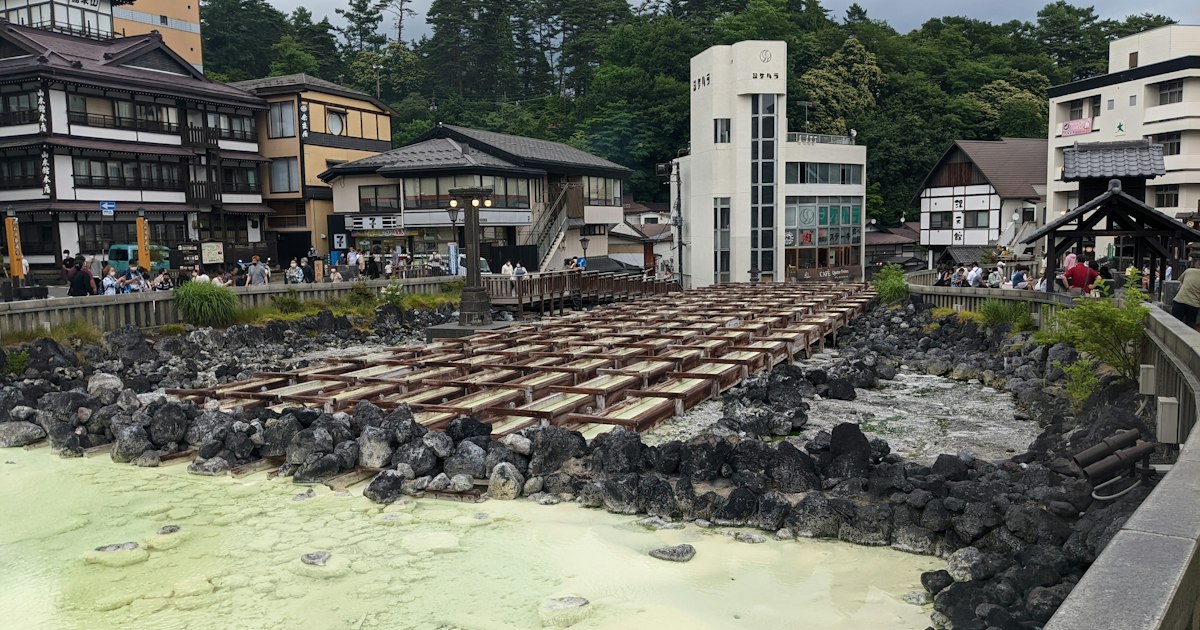
    Kusatsu Onsen, tucked into the mountains of northwestern Gunma Prefecture, is routinely ranked among Japan’s three or four most famous hot spring towns, and locals have a saying to back up the reputation: the water here cures “every illness except lovesickness.” That’s not just marketing — Kusatsu produces more raw hot spring water per minute than almost anywhere else in the country, and its steaming, strongly acidic springs have drawn bathers since at least the Muromachi period. The town’s signature experience, the yumomi water-cooling show, is a genuinely unusual piece of living history, not a tourist invention, and it’s reason enough to build a day or overnight trip around.

    Why Kusatsu’s Water Is Different

    The spring water bubbling up around town emerges at well over 50°C and sits at a pH of roughly 2 — acidic enough to sting an open cut and strong enough to tarnish silver jewelry, so take rings and necklaces off before you bathe. That acidity is also what locals credit for the water’s reputed effects on skin conditions and muscle pain. Because the water is too hot to enter straight from the source, Kusatsu developed a distinctive solution centuries ago: rather than diluting the spring with cold water (which bathing-cure traditionalists believe weakens its properties), bathers would stir and fan the water with long wooden paddles to cool it down while keeping its mineral strength intact. That technique is yumomi, and it’s still demonstrated daily in town.

    The Yumomi Show at Netsu-no-Yu

    The best place to see yumomi is Netsu-no-Yu (熱の湯), a wooden hall right beside the Yubatake in the center of town. Performers in traditional dress plunge long paddles into a huge tub of scalding spring water, stirring and lifting it in rhythm while singing the folk song “Kusatsu Kouta.” Shows run multiple times a day — typically mid-morning and mid-afternoon, with extra performances added on weekends and holidays — and each lasts about 20 minutes. Admission runs around ¥600 for adults and ¥300 for elementary-school children; some sessions also let visitors grab a paddle themselves for a small additional fee. Because showtimes shift with the season, check the board posted outside Netsu-no-Yu or ask at the tourist information center near the bus terminal when you arrive rather than relying on an old printed schedule.

    Yubatake: The Town’s Beating Heart

    Yubatake literally means “hot water field,” and it’s the open channel system in the middle of town where spring water flows down wooden gutters to cool naturally before being piped to the town’s ryokan and public baths. It’s free to walk around at any hour, and it’s particularly striking after dark when the whole field is lit up and steam rises against the night sky. Scattered around the perimeter you’ll find free footbaths (ashiyu) — bring a small towel, since none are provided, to dry your feet afterward. A few minutes’ walk uphill, Sainokawara Park has a large open-air bathing area (around ¥700 admission, separate men’s and women’s sides) set among rocks and a shallow stream, plus another free footbath if you’d rather not undress.

    Getting to Kusatsu Onsen

    From Tokyo, the standard route is Joetsu Shinkansen from Tokyo or Ueno Station to Takasaki (about 50 minutes, roughly ¥5,000–6,000 for a reserved seat), then a transfer to the local JR Agatsuma Line to Naganohara-Kusatsuguchi Station (about 70 minutes, around ¥1,200). From there, a JR Bus Kanto connecting bus covers the final stretch up into the mountains to the Kusatsu Onsen bus terminal in about 25 minutes (around ¥700). All together, budget roughly 2.5–3 hours of travel time.

    If you’d rather skip the transfers, a direct highway bus runs from Shinjuku (and some departures from Tokyo Station) straight to Kusatsu Onsen in about 3.5–4 hours, usually priced between ¥3,500 and ¥5,000 one-way depending on the season and seat class — slower but cheaper and simpler with luggage. Reserve a seat in advance during weekends, holidays, and ski season, since buses do sell out.

    If you’re the type who prefers to drive the mountain roads yourself, Kusatsu sits near the base of the Shiga-Kusatsu Kokudo, Japan’s highest paved through-road, which is a spectacular ride in its own right; anyone considering a two-wheeled approach should look at renting a motorcycle or scooter in Japan before the trip, since license requirements catch a lot of visitors off guard.

    Best Time to Visit

    Kusatsu is a year-round destination, but the character of the trip changes a lot by season. Winter (December–February) is the classic draw — snow piled around steaming footbaths, and Kusatsu Onsen Ski Resort a short bus ride away for anyone who wants to combine soaking with skiing. Autumn (mid-October to early November) brings strong foliage color to the surrounding hills without the crowds or extreme cold. Summer is cool and pleasant relative to lowland Tokyo, which makes Kusatsu a popular heat-escape. Whatever season, avoid arriving during Obon (mid-August) or the New Year holidays unless you’ve booked lodging well ahead — the town is small, and ryokan fill up fast.

    Where to Stay and Soak

    Budget travelers can find simple guesthouses and family-run lodgings in and around town for roughly ¥6,000–9,000 a night without meals; if you want that homestay feel, look into booking a minshuku rather than a hotel. Mid-range ryokan with half-board (dinner and breakfast included) run roughly ¥15,000–25,000 per person per night and typically include access to an indoor and outdoor bath fed directly by the springs. For a splurge, several larger ryokan offer rooms with private open-air baths (kashikiri-buro) starting around ¥30,000 per person — worth it if you want unlimited private soaking rather than sharing communal baths on a schedule. Whatever your budget, pack or buy a padded hanten or tanzen jacket for lounging between baths in cooler months — most ryokan provide a yukata, but it’s not always warm enough once the sun goes down. After a long soak, warm up with a bowl of zenzai or oshiruko at one of the small shops near Yubatake — it’s the classic post-bath treat in mountain onsen towns like this one.

    Common Mistakes to Avoid

    The biggest mistake is treating Kusatsu as a quick stopover — the town itself is compact, but travel time from Tokyo eats a big chunk of a day trip, so an overnight stay gets you far more value. Don’t skip the yumomi show thinking it’s just a photo-op for tourists; it’s one of the few hands-on demonstrations of a genuinely functional historical bathing technique left in Japan. Avoid touching the water directly at the source points around Yubatake — it’s hot enough to burn and acidic enough to irritate skin before it’s been cooled and piped to the baths. Finally, don’t wear anything silver or gold-plated into the baths, and check with your ryokan about which of their baths (if any) restrict visible tattoos, since policies vary more at smaller, traditional establishments than at large hotels.

  • Sanma: Japan’s Autumn Grilled Saury and Where to Try It

    Sanma: Japan’s Autumn Grilled Saury and Where to Try It

    Photo by Jan Ledermann on Unsplash

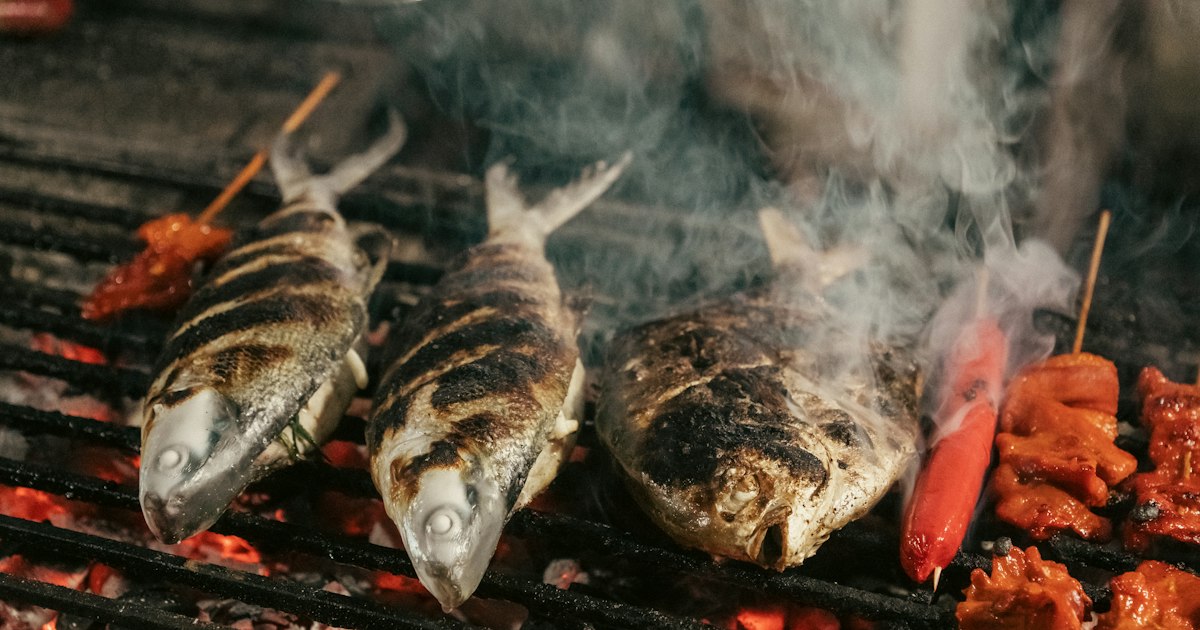
    Every September, something shifts on Japanese menus: whiteboards outside izakaya start advertising “sanma” in thick brush strokes, supermarket fish counters pile up silver, torpedo-shaped fish on ice, and the smell of charcoal smoke drifts out of narrow backstreet grill restaurants. Sanma — Pacific saury — is one of Japan’s most anticipated autumn foods, prized less for rarity than for its brief, perfect window of fattiness. If you’re visiting Japan between late summer and early winter, it’s one of the easiest, cheapest ways to eat like a local.

    What Is Sanma and Why Autumn Is Its Season

    Sanma (秋刀魚, literally “autumn sword fish”) is a slender, silver-skinned fish related to mackerel, caught in the cooler waters off Japan’s Pacific coast as it migrates south in autumn. The fish fattens up considerably as it prepares for its migration, so sanma caught from roughly late August through October is noticeably oilier and more flavorful than sanma caught earlier or later in the year. Peak quality is generally considered to be September into early October, though it stays on menus into December.

    It’s worth knowing that sanma catches have declined sharply over the past decade due to changing ocean conditions and increased fishing by other countries along its migration route, so prices have risen and portions sometimes shrunk compared to what older guidebooks describe. A single fresh sanma at a supermarket might run anywhere from 250 to 500 yen depending on the year’s catch, noticeably more than the under-100-yen prices it once had. It’s still good value — just don’t expect the rock-bottom prices of the past.

    How It’s Traditionally Served

    The classic preparation is shioyaki — salted and grilled whole over charcoal or a gas grill until the skin blisters and crisps. Traditionally this is done over binchotan charcoal, the same long-burning, high-heat charcoal used across Japanese grilling; if you’re curious about the fuel itself, our guide to binchotan charcoal covers why it’s prized for yakitori and fish alike. The fish is served whole, head and tail on, usually with a mound of grated daikon radish (daikon oroshi) and a wedge of sudachi or lemon. You squeeze the citrus over the fish, dab a little soy sauce onto the daikon, and eat the flesh off the bone in sections, working from the back toward the belly, where the richest, fattiest meat sits near the dark-colored innards.

    A genuine point of debate among locals is whether to eat the innards (harawata). They’re bitter and slightly metallic, closer to the taste of good dark chocolate or strong coffee than to typical fish liver — many sanma enthusiasts consider them the best part, but it’s completely normal to leave them if you’d rather not. No one will think less of you either way.

    Common Mistakes Visitors Make

    The biggest mistake is ordering sanma out of season expecting the same experience — a sanma teishoku (set meal) in April or May will be a thinner, blander fish, often frozen from the previous autumn’s catch. Another common misstep is trying to fillet the whole fish with a knife and fork; sanma is meant to be eaten by hand or with chopsticks, lifting the top fillet off the central bone in one motion, flipping, and repeating on the other side. Don’t be shy about asking staff for a demonstration — it’s a common enough question that most servers at traditional restaurants are used to it. Finally, many visitors skip the grated daikon, but it’s there to cut the fish’s oiliness, not just as decoration — use it.

    Where to Try Grilled Sanma

    Budget (900–1,500 yen): Teishoku-ya (set-meal diners) and casual izakaya are the easiest and cheapest places to try sanma shioyaki, usually served with rice, miso soup, and pickles. Chains and neighborhood diners across Tokyo and other cities put it on the autumn menu without much fanfare — look for handwritten signs reading 秋刀魚 or さんま outside storefronts from September onward.

    Mid-range (1,500–3,000 yen): Izakaya specializing in robata-yaki (fireside charcoal grilling) will often grill sanma to order in front of you, sometimes offering it alongside other seasonal autumn fish, paired well with a glass of shochu — if you want to go deeper into that pairing, our guide to Kagoshima’s shochu culture explains the regional spirit many izakaya pour alongside grilled fish.

    Splurge (4,000 yen+): Kappo-style restaurants and kaiseki courses in autumn frequently feature sanma as a seasonal course — sometimes simmered in soy and ginger (tsukeni) rather than grilled, or served as sashimi/tataki when the fish is fresh enough, a preparation rarely offered outside sanma season.

    Festival sanma (often free, but expect lines): Several Tokyo neighborhoods hold sanma festivals in early September, most famously around Meguro, where tens of thousands of fish — often donated by fishing towns in Iwate and Miyagi — are grilled over open charcoal braziers on the street and handed out, frequently free of charge, to anyone willing to queue. Lines can form hours before grilling starts, so arrive early and expect the smoke and crowds to be part of the experience rather than an inconvenience.

    Tohoku’s Sanma Ports

    If you’re traveling in the Tohoku region during autumn, towns like Kesennuma and Ofunato in Iwate and Miyagi prefectures are historically among Japan’s biggest sanma landing ports, and local market restaurants there serve it about as fresh as it gets. If your itinerary has you anywhere near Japan’s autumn holiday travel window, it’s worth checking our guide to Silver Week, since the crowds and train congestion of that holiday cluster often overlap with peak sanma season and are worth planning around.

    A Related Seasonal Fish

    If grilled whole fish turns out to be your thing, sanma isn’t the only seasonal catch worth seeking out — in summer, river restaurants across Japan serve ayu (sweetfish) in a very similar salt-grilled style. Our guide to grilled ayu and the riverside restaurants that serve it is a good next stop if you’re building a trip around Japan’s seasonal grilled-fish calendar rather than just its autumn stretch.

    Sanma rewards timing more than hunting down a specific famous shop — if you’re in Japan between September and November, you’re very likely to come across it without even trying. The better goal is simply ordering it when you see it, rather than waiting for a “best” version that mostly comes down to how recently the fish was caught.

  • Kamameshi: Japan’s Clay-Pot Rice Ekiben and the Stations Famous for It

    Kamameshi: Japan’s Clay-Pot Rice Ekiben and the Stations Famous for It

    Photo by wei on Unsplash

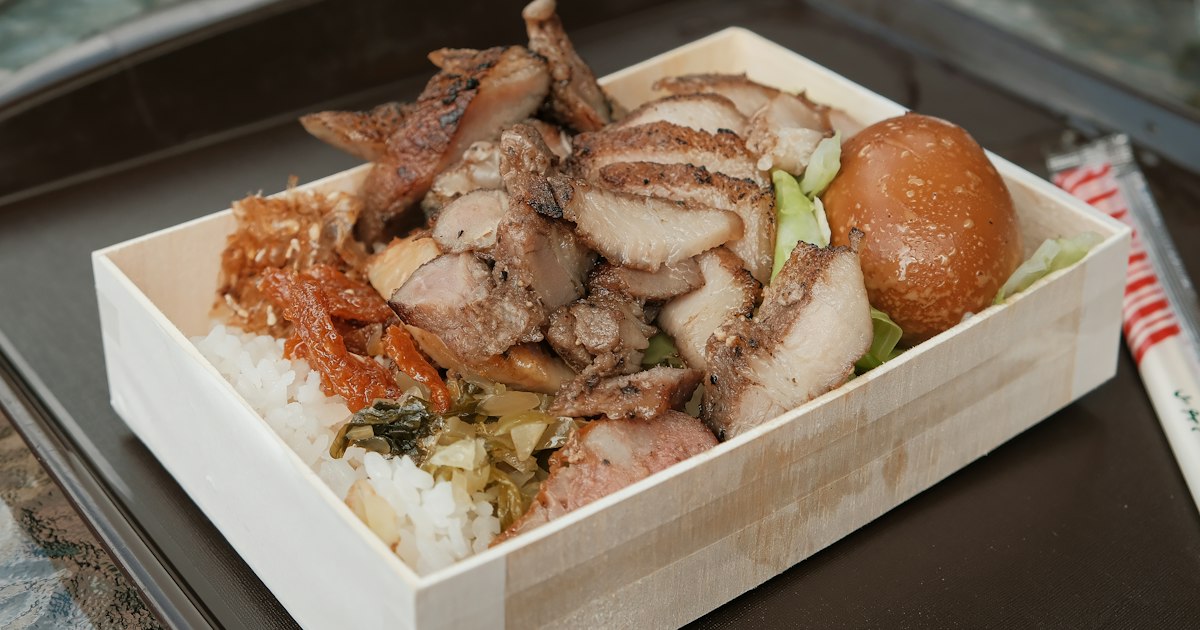
    If you’ve ever walked a Japanese train platform and seen someone carrying a small ceramic jar wrapped in a furoshiki cloth, you’ve spotted kamameshi — rice cooked and served in a miniature clay pot, usually topped with chicken, mushrooms, bamboo shoots, or seasonal mountain vegetables. Unlike most ekiben (station bento), which come in disposable trays, kamameshi comes in a real earthenware pot you can take home. That single detail turned a regional specialty into one of the most collected souvenirs on Japan’s rail network, and a handful of stations have built their reputation on it for decades.

    What Kamameshi Actually Is

    Kamameshi (釜飯) means “rice cooked in a kama,” the traditional iron or clay cooking pot. The ekiben version is a single-serving clay jar, usually unglazed on the outside and lined with rice that’s been steamed with dashi, soy sauce, and mirin, then layered with toppings — chicken and shiitake, scallop, eel, chestnut, or whatever the region is known for. The rice at the bottom often has a light scorched layer (okoge), which is considered the best part by regulars. It’s eaten cold or at room temperature, straight out of the pot, with the disposable wooden spoon tucked under the lid.

    The appeal isn’t really the flavor alone — it’s the ritual. You buy it from a platform vendor or station shop minutes before departure, settle into your seat, and the pot is still faintly warm. It travels well, doesn’t leak, and the clay container means the rice stays more textured than anything packed in plastic.

    The Station That Started It: Yokokawa

    Oginoya’s kamameshi at Yokokawa Station in Gunma Prefecture, on the old Shin’etsu Main Line, is the one that made the dish famous nationwide. It launched in 1958 as a way to give travelers something substantial during the long, slow climb over the Usui Pass before the bullet train era. The line itself was eventually truncated and the steep mountain section closed, but Oginoya kept selling the kamameshi, and it’s now sold at the Usui Pass Railway Heritage Park (the old Yokokawa Station site), at several service areas along the Kan-etsu and Joshinetsu expressways, and in department stores around Tokyo and Gunma. A standard chicken kamameshi runs about ¥1,080–¥1,200. If you’re driving between Tokyo and Nagano, the Yokokawa service area on the Joshinetsu Expressway is the most reliable place to get one hot off the shelf, typically available from around 8:00 am to 7:00 pm, though hours vary by outlet.

    Other Stations Worth Seeking Out

    Kamameshi culture spread well beyond Gunma, and each region has its own version:

    • Takasaki Station (Gunma) — also an Oginoya stronghold, with platform kiosks selling the same chicken kamameshi for Shinkansen travelers connecting from Tokyo.
    • Yokawa and Karuizawa — smaller vendors near the old Usui Pass route sell seasonal variations, including mountain vegetable and matsutake mushroom versions in autumn.
    • Toyama Station — famous for masu (trout) and shirami kamameshi using Toyama Bay seafood, priced around ¥1,300–‘1,500.
    • Yonezawa Station (Yamagata) — beef kamameshi made with locally raised Yonezawa beef, a splurge option at roughly ¥1,500–¥1,800.

    Most of these are sold from platform kiosks (often open only around peak departure times, roughly 7:00 am–8:00 pm) or from the station’s ekiben corner inside the ticket gates, which usually keeps standard station hours.

    How to Buy and Eat It Without Fumbling

    Ekiben vendors move fast and lines form right before popular limited-express and Shinkansen departures, so the easiest approach is to buy 15–20 minutes before your train rather than racing the platform at the last minute. Most kamameshi are sold already assembled and ready to eat cold, so there’s no heating step to worry about — just peel back the paper or cloth wrap, lift the lid, and the wooden spoon is usually tucked inside or taped to the side.

    Common mistakes:

    • Assuming it’s reheated on board. It isn’t. Kamameshi is designed to be good at room temperature; don’t go looking for a microwave.
    • Tossing the pot. The clay container is reusable — people genuinely wash and keep these for soup, rice storage, or as a small planter. If you’re flying home, wrap it well; it’s heavier than it looks and the lid can chip.
    • Buying right as the train pulls up. Popular flavors (chestnut and seasonal mushroom versions in particular) sell out before the last departures of the day.
    • Expecting it everywhere. Kamameshi isn’t a universal ekiben — it’s concentrated in Gunma, Nagano, Toyama, and Yamagata. Don’t expect to find it at, say, a Kyushu station.

    Best Season and Timing

    Kamameshi is sold year-round, but autumn (late September through November) is the best window because that’s when mushroom and chestnut toppings appear — the mountain vegetable and matsutake versions are seasonal limited editions at several Gunma and Nagano outlets. Winter versions sometimes feature root vegetables and heartier broths. If you’re building an autumn itinerary around food, it pairs naturally with other seasonal trips — plum and foliage-season day trips like Dazaifu’s plum blossom season follow the same logic of timing travel around what’s in season, and if you’re traveling during Japan’s autumn holiday cluster, it’s worth checking Japan’s Silver Week guide since stations get noticeably busier and ekiben sell out faster.

    Budget, Mid-Range, and Splurge Picks

    For a quick comparison while planning a rail itinerary:

    • Budget (~¥900–¥1,100): Standard Oginoya chicken kamameshi at Yokokawa service area or Takasaki Station — the most widely available version.
    • Mid-range (~¥1,300–¥1,500): Toyama’s seafood kamameshi, worth the stop if you’re already changing trains there en route to Kanazawa.
    • Splurge (~¥1,500–¥1,800): Yonezawa beef kamameshi, a reasonable one-time treat if you’re passing through Yamagata on the Yamagata Shinkansen.

    None of these require a reservation — they’re grab-and-go purchases, which makes them one of the easiest “real” regional meals to work into a tight train-transfer schedule. If you’re stringing together a food-focused rail trip, it’s worth pairing a kamameshi stop with other portable regional specialties, the same way grilled ayu sweetfish is tied to specific riverside towns rather than available everywhere.

    Getting There

    Yokokawa and Takasaki are both reachable from Tokyo via the JR Joetsu Shinkansen and local lines (Takasaki is about 50 minutes from Tokyo Station on the Shinkansen; Yokokawa requires a further local transfer or a short drive). Toyama is about 2 hours from Tokyo on the Hokuriku Shinkansen. Yonezawa is roughly 2 hours from Tokyo on the Yamagata Shinkansen. All of these are easily added as a stop on a longer Tohoku, Hokuriku, or Nagano-bound itinerary rather than a dedicated day trip — the kamameshi is meant to be bought on the way through, not the sole reason for the detour.

  • Hanten & Tanzen: Japan’s Traditional Padded Winter Jackets and Where to Buy

    Hanten & Tanzen: Japan’s Traditional Padded Winter Jackets and Where to Buy

    Photo by Teslariu Mihai on Unsplash

    If you’ve stayed at a ryokan or minshuku in the colder months, you’ve probably already worn one without knowing its name: a short, boxy, quilted jacket hanging in your room, meant to be thrown over a yukata before you shuffle down to the bath. That’s a hanten, or its longer cousin, a tanzen — and outside of lodging freebies, both make genuinely useful, good-looking souvenirs for anyone visiting Japan between November and March. Here’s what they are, what they cost, and where to actually buy one.

    What Hanten and Tanzen Actually Are (and How They Differ)

    Both are padded with cotton wadding (wata) sandwiched between two layers of fabric, which is what makes them genuinely warm rather than just decorative — this is the same construction logic behind futon bedding, and it traps air far better than a thin synthetic liner. The difference is length and function:

    • Hanten is hip- or thigh-length, cut like a simple kimono-style jacket with no overlap in front (it closes with ties or just hangs open), and no obi needed. It’s workwear turned loungewear — the kind of thing a shopkeeper or craftsman wore for warmth while keeping their hands and arms free.
    • Tanzen (also called dotera in some regions) is a full-length robe, worn like a thick kimono over a yukata, usually tied with a simple sash. It’s what you’ll find in your ryokan closet in winter, meant to be worn around the inn, not outdoors.

    Neither is the same as a happi coat — the light, unpadded cotton coat worn at summer festivals (matsuri). Shoppers sometimes buy a happi thinking it will be warm; it won’t be, since it has no wadding at all.

    Reading the Designs: Sashiko, Firefighter Motifs, and Family Crests

    Part of what makes hanten fun to shop for is the design language. Traditional ones often carry:

    • Sashiko stitching — the geometric white-on-indigo running-stitch patterns (diamonds, waves, hemp-leaf shapes) that were originally used to reinforce workwear fabric.
    • Firefighter and festival motifs — bold kanji, ladder patterns, or the circular crests (mon) once used by Edo-period firefighting brigades, now mostly decorative.
    • Plain indigo or navy cotton — the simplest and most versatile option, closer to what shop staff or craftspeople actually wore.

    If a Japanese family crest or kimono-adjacent accessory has caught your eye, it’s worth pairing a hanten shopping trip with a browse through our guide to obi belts — a simple obi-style sash is sometimes sold alongside tanzen as a cinch, and the same shops tend to carry both.

    Where to Buy Them in Japan

    Asakusa, Tokyo is the easiest starting point. The streets just off Nakamise-dori and around Denboin-dori have several kimono and yukata specialty shops that stock hanten seasonally, generally open around 10:00–18:00, with no fixed closing day but reduced hours on some weekdays — it’s worth checking before a special trip. The area is walkable from Asakusa Station (Tokyo Metro Ginza Line, Toei Asakusa Line, or Tobu Skytree Line).

    Kyoto’s Nishijin district, historically the center of Japan’s weaving industry, has textile shops that sell higher-end sashiko and silk-faced hanten, often alongside obi and kimono fabric remnants.

    Department store kimono floors (depato) in any major city stock hanten and tanzen seasonally, usually from late October through February, on the same floor as yukata and other traditional wear — ask staff for “hanten” (はんてん) if you don’t see them displayed.

    Don Quijote and discount variety stores carry cheap, machine-made polyester-fill versions year-round in winter, often in novelty prints — fine as a cheap souvenir, not as a long-term piece.

    Secondhand and vintage hanten, often decades old with genuinely interesting hand-stitched patterns, show up regularly on Mercari. If you haven’t used the app before, our guide to buying on Mercari Japan from abroad covers how foreign buyers can get a Japanese shipping address and navigate listings — search “半纏” (hanten) or “丹前” (tanzen) rather than the English romanization, since results are far more plentiful.

    Neighborhoods with a concentration of small textile and craft workshops, like the area around Monzen-Nakacho, are also worth a detour if you’re already in the area and want a quieter, less touristy shopping experience than Asakusa.

    Budget, Mid-Range, and Splurge Picks

    • Budget (¥2,500–5,000): Machine-made, polyester-fill hanten from discount stores or souvenir shops. Warm enough for indoor lounging, not built to last years.
    • Mid-range (¥8,000–18,000): Cotton-wadded hanten with sashiko stitching or dyed patterns from a specialty kimono shop. This is the sweet spot for most visitors — genuinely warm, well-made, and still reasonably packable.
    • Splurge (¥25,000–60,000+): Hand-stitched sashiko work, silk-faced panels, or made-to-measure pieces from artisan workshops, particularly in Kyoto. Tanzen at this tier are often heavier and intended as a proper at-home robe rather than a travel souvenir.

    Best Time to Shop and Sizing Tips

    Shops stock up heaviest from late October through December, which is also when selection is best. End-of-season sales run January through February, sometimes knocking 20–30% off remaining stock — a good option if you’re visiting in deep winter and don’t mind a narrower color selection.

    Sizing is usually S/M/L/LL based on chest width and body length rather than exact measurements, and hanten run roomy by design — they’re meant to go over a sweater or yukata, not fit snugly. If a shop has English-speaking staff, ask them to measure you with the kimono-style tape rather than guessing from Western jacket sizing, since the proportions (short sleeves, wide body) don’t map directly.

    Common Mistakes to Avoid

    • Confusing hanten with happi. Festival happi coats look similar but have no padding — fine for a summer matsuri, useless in January.
    • Assuming it’s an outdoor coat. Hanten and tanzen are loungewear, not wind- or rain-proof outerwear. Layer them indoors or over other warm clothing for a quick errand, not for a day outside in snow.
    • Taking home the ryokan’s loaner tanzen. Unlike some yukata, which inns sometimes let guests keep or buy, the in-room tanzen at a minshuku or ryokan is shared property for guests, not a gift — ask at the front desk if you’d like to purchase a similar one rather than packing the room’s.
    • Machine-washing a cotton-wadded piece. This is the single most common way a nice hanten gets ruined — the wadding clumps and shifts permanently.

    Caring for Your Hanten Once You’re Home

    Cotton-wadded hanten and tanzen should be hand-washed cold or dry-cleaned, then air-dried flat or on a wide hanger — never wrung out or tumble-dried, since heat and agitation both flatten the wadding unevenly. Store it folded rather than hung for long stretches, in a breathable cotton bag if possible, and air it out at the start of each winter before wearing. A well-made mid-range piece, cared for this way, will easily outlast a decade of winters.

  • Dazaifu: Fukuoka’s Scholarly Shrine Town and Plum Blossom Season

    Dazaifu: Fukuoka’s Scholarly Shrine Town and Plum Blossom Season

    Photo by Hiroshi Tsubono on Unsplash

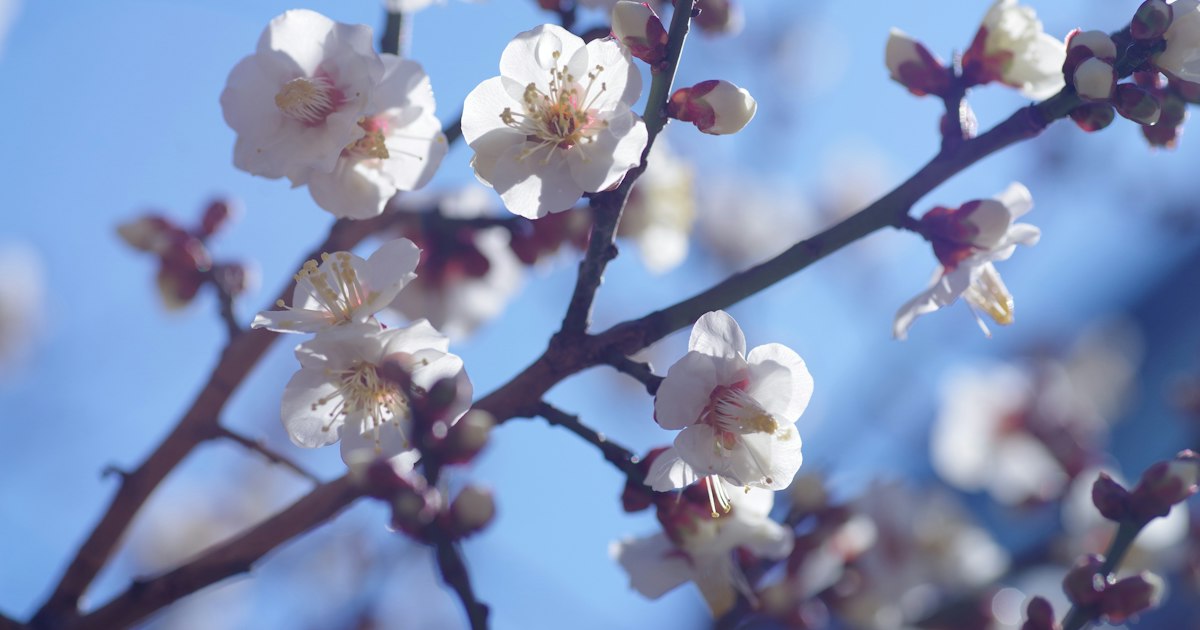
    Thirty minutes outside Fukuoka City, Dazaifu feels like a different century. It’s a small town built almost entirely around one shrine — Dazaifu Tenmangu, dedicated to the ninth-century scholar-poet Sugawara no Michizane, who was exiled here and, after his death, deified as the god of learning. Students across Japan still travel to pray here before exams, and every February the shrine’s thousands of plum trees turn the whole precinct pink and white, tying back to a poem Michizane wrote about the plum tree he left behind in Kyoto. It’s an easy half-day or full-day trip from Fukuoka and one of the better-value destinations in Kyushu.

    Why Dazaifu Matters: A Shrine Built for a Scholar

    Dazaifu wasn’t always a quiet shrine town — during the Nara and early Heian periods it was the administrative and military headquarters for all of Kyushu, essentially a regional capital. Michizane was sent here in 901 as a political exile, a demotion from his post in the imperial court, and died two years later. Misfortunes back in the capital were blamed on his angry spirit, so the court deified him as Tenjin, god of scholarship, and built Dazaifu Tenmangu over his grave. That origin story is why the shrine is less about grand spectacle and more about the specific, earnest ritual of students writing wishes on wooden ema plaques before entrance exams — you’ll see this year-round, but especially heavily from January through March, exam season in Japan.

    Getting There from Fukuoka

    The easiest route is the Nishitetsu train, not JR. From Nishitetsu Fukuoka (Tenjin) Station, take the Nishitetsu Tenjin Omuta Line to Nishitetsu Futsukaichi Station (about 15 minutes), then transfer to the short Nishitetsu Dazaifu Line for the final two stops to Dazaifu Station (about 5 minutes). Total travel time is roughly 30 minutes, and the one-way fare is around 420 yen. Trains run frequently, so there’s no need to book ahead. From Dazaifu Station, it’s a flat, easy 5-10 minute walk down the covered approach street to the shrine gates — this is also where most of the food stalls and souvenir shops are, so budget extra time for browsing on the way in or out.

    If you’re coming from Hakata Station on JR, you can take a local train to Futsukaichi and then a short bus or 15-minute walk, but it’s a less direct option than the all-Nishitetsu route. There’s no need for a rental car; parking near the shrine is limited and the train is faster during the day.

    When to Go: Plum Blossom Season and Beyond

    Dazaifu Tenmangu has roughly 6,000 plum trees on its grounds, and the famous one — the “flying plum” (tobiume) beside the main hall — is said to have followed Michizane from Kyoto to Dazaifu overnight out of devotion. Peak bloom typically runs from early February to early March, with the exact window shifting year to year depending on winter temperatures; mid-to-late February is usually the safest bet. This is also entrance exam season, so you’ll see the shrine at its most emotionally charged, with students and parents praying intensely at the honden.

    Outside plum season, early autumn is pleasant and far less crowded, and the shrine grounds themselves are attractive any time of year thanks to the arched Taiko bridge and large pond. Avoid Japanese public holidays and weekends in February if you want to move through the grounds without a crowd — weekday mornings, ideally before 10am, are noticeably quieter. The shrine grounds are open roughly 6am to 7pm (hours shift seasonally) and are free to enter; the treasure hall and adjoining garden charge a separate admission, around 500 yen for adults.

    What to See Beyond the Main Shrine

    Don’t rush straight back to the train after the main hall — Dazaifu rewards a slower pace. A long, partly underground moving walkway connects the shrine precinct to the Kyushu National Museum, one of only four national museums in Japan and the only one outside the Honshu-Shikoku-Kyushu “mainland” cluster. It focuses on Japan’s historical exchange with the rest of Asia and is worth 60-90 minutes; adult admission is around 700 yen, with special exhibitions priced separately.

    A 10-minute walk from the shrine, Komyozenji Temple is a quiet counterpoint to Tenmangu’s crowds — a small Zen temple with a raked-gravel dry garden out front and a moss garden behind, both viewable for a token entry fee of around 200 yen. It rarely appears on rushed itineraries, which is exactly why it’s worth the detour if you want a few minutes of stillness.

    Eating Your Way Down the Approach Street

    The approach street (sandō) leading to the shrine is lined with shops selling Dazaifu’s signature snack, umegae mochi — a thin, slightly crisp grilled mochi cake stamped with a plum blossom pattern and filled with sweet red bean paste. Most shops sell them fresh off the grill for around 150-160 yen each, and multiple long-running shops (Kasanoya and Umegaemochi Souhonten among them) compete along the same stretch, so it’s worth comparing a couple before committing. It’s a lighter, more portable cousin to the red bean desserts covered in our guide to zenzai and oshiruko, and a good quick bite between the station and the shrine gate rather than a sit-down meal.

    Common Mistakes to Avoid

    • Treating it as a quick photo stop. The shrine grounds plus museum plus Komyozenji easily fill 3-4 hours; rushing it to catch an earlier train back to Fukuoka means missing most of what makes Dazaifu worthwhile.
    • Going on a weekend during peak plum bloom without a plan. The approach street gets genuinely packed in mid-to-late February weekends. If your dates are flexible, a weekday morning visit is dramatically calmer.
    • Assuming JR gets you there directly. The Nishitetsu line is the standard route from central Fukuoka; checking a generic train app without specifying Nishitetsu stations can send you on a slower, more complicated path.
    • Skipping rain gear in winter. February in Fukuoka brings cold rain as often as clear skies; a compact umbrella is worth carrying, and our guide to Japan’s clear vinyl umbrellas covers where to grab a sturdier one than the convenience-store minimum if yours gives out.

    Where to Stay

    Dazaifu itself has limited lodging, so most visitors base themselves in Fukuoka City and day-trip in — Tenjin or Hakata areas put you within the same 30-minute Nishitetsu ride and give you far more dining and nightlife options in the evening. If you’d rather slow down and stay somewhere more local and personal than a city hotel, it’s worth reading our guide to booking a minshuku, as small family-run guesthouses do exist in the quieter parts of greater Fukuoka and northern Kyushu. And if Dazaifu is one stop on a broader Kyushu itinerary, it pairs naturally with destinations further south — our Kagoshima and Sakurajima guide is a useful next stop if you’re building out a longer regional loop rather than a single Fukuoka day trip.

  • Kagoshima & Sakurajima: Kyushu’s Smoking Volcano City and Its Shochu Culture

    Kagoshima & Sakurajima: Kyushu’s Smoking Volcano City and Its Shochu Culture

    Photo by Geoff Oliver on Unsplash

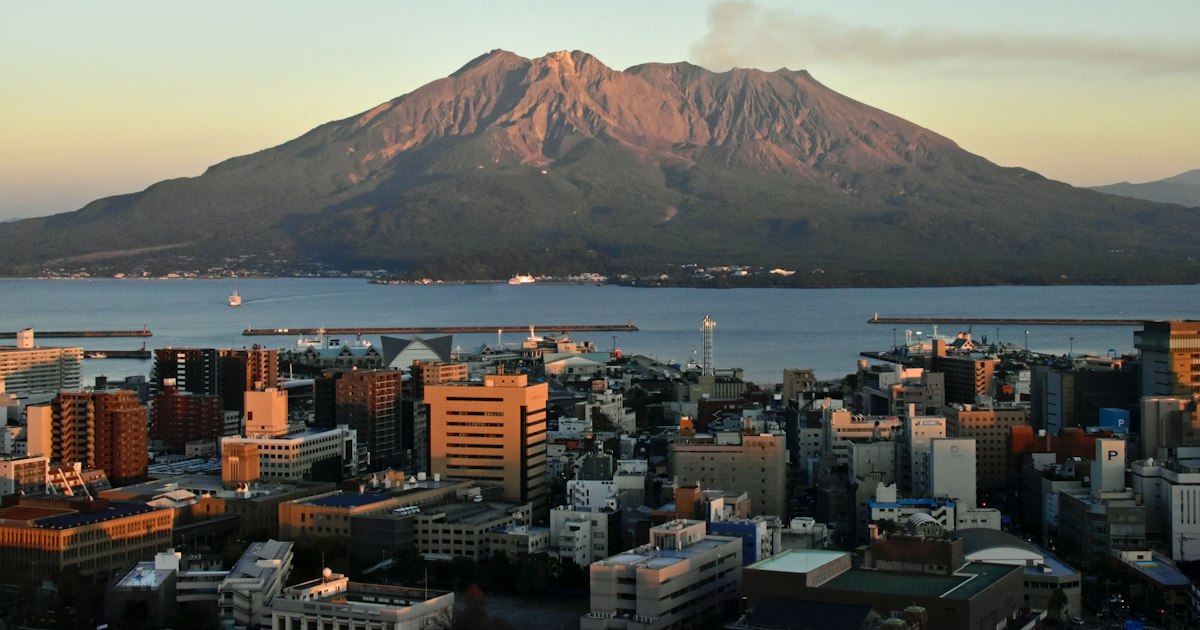
    Kagoshima is the only city in Japan where an active volcano smokes directly across the harbor from the downtown shopping arcades, and where residents sweep volcanic ash off their porches the way other cities sweep up fallen leaves. Pair that with Kagoshima Prefecture’s status as Japan’s biggest producer of shochu, and you get a destination that feels distinct from anywhere else in the country — equal parts geology lesson, food trip, and small-city charm. Here’s how to see Sakurajima properly and drink like a local while you’re at it.

    Getting to Kagoshima

    The Kyushu Shinkansen connects Hakata (Fukuoka) to Kagoshima-Chuo Station in about 1 hour 20 minutes on the fastest Mizuho services, with one-way reserved-seat fares around ¥10,500–11,000. From Tokyo or Osaka, flying into Kagoshima Airport is faster overall — roughly 1 hour 45 minutes from Haneda — though the airport sits about 40 minutes from downtown by limousine bus (around ¥1,800 one-way). Kagoshima-Chuo is the city’s transport hub; from there, the Kagoshima City View sightseeing bus loops past most major sights, including Sengan-en, for a flat fare of around ¥200 per ride or ¥600 for a one-day pass.

    Sakurajima: Riding the Ferry to an Active Volcano

    Sakurajima sits in Kagoshima Bay and has been erupting in small, frequent bursts for decades — it’s one of the most active volcanoes in Japan, and minor ash emissions are a near-daily occurrence rather than a rare spectacle. The ferry to the island departs from Kagoshima Port, about 15–20 minutes by bus or taxi from Kagoshima-Chuo Station (not from the station itself, which trips up first-timers). The crossing takes just 15 minutes and, unusually for a Japanese day trip, the ferry runs 24 hours a day, with departures every 10–15 minutes during the daytime — so there’s no need to clock-watch for a “last boat.” Fare is a flat ¥200 per adult, paid in cash after you disembark on the Sakurajima side, not before boarding.

    On the island, the free Sakurajima Visitor Center (open 9:00–17:00) near the ferry terminal has clear, English-friendly displays on the volcano’s eruption history and current activity. Right outside, the free Yojin Tamateyu foot bath is a nice way to soak tired feet while staring at the crater. To get farther around the island, hop on the Sakurajima Island View loop bus (around ¥440 per ride, or a ¥500 day pass), which stops at the Arimura Lava Observatory and climbs to Yunohira Observatory, the highest point open to the public at 373 meters — this is as close as visitors are allowed to get; actual crater hikes are off-limits due to ongoing activity.

    Walking the Lava Trail and Living with Ash

    The Arimura Lava Trail is an easy 1.5 km walkway through solidified lava fields from the massive 1914 eruption, which was so large it fused Sakurajima to the Osumi Peninsula and turned what had been an island into a peninsula itself. Wear closed shoes — the lava rock is sharp and uneven, and sandals are a common regret here.

    Ash fall is the city’s daily reality, and it’s worth planning around it rather than being surprised by it. Winds tend to carry ash away from downtown in winter and toward the city in summer, so if you want the clearest skyline views of the volcano, aim for a visit between November and February. The city hands out free, clear plastic ash-collection bags to residents for sweeping up deposits, and locals often carry a small umbrella on hazy days — less for rain than for shielding against grit in the air, a habit not unlike the convenience-store clear vinyl umbrella culture found everywhere else in Japan.

    Sengan-en and the City’s Volcano Views

    Back on the mainland, Sengan-en is the former seaside garden of the Shimazu clan, who ruled this region for nearly 700 years, and it’s deliberately designed to frame Sakurajima as a “borrowed scenery” backdrop across the bay. Entry to the garden plus the adjoining Shoko Shuseikan museum (housed in Japan’s oldest surviving Western-style factory building) runs around ¥1,600; the garden alone is cheaper. It’s open daily from roughly 9:00 to 17:00 and is one of the better photo spots for the volcano when ash haze isn’t in the way. Tenmonkan, the city’s main covered shopping and nightlife arcade, is a 10–15 minute walk or short tram ride from Kagoshima-Chuo and the best base for dinner, bars, and browsing.

    Shochu Culture: Kagoshima’s Sweet Potato Spirit

    While most of Japan drinks sake, Kagoshima Prefecture produces more shochu than anywhere else in the country, built on volcanic soil that happens to be ideal for growing sweet potatoes. The result is imo-jochu, a distilled spirit around 25% ABV with an earthy, slightly sweet character very different from rice-based spirits. Satsuma shochu (Satsuma being the old name for this region) holds a protected geographical indication, similar to Champagne or Cognac, so a bottle labeled this way is guaranteed to be made here from local ingredients.

    Locals rarely drink it neat or chilled — the common styles are on the rocks, mizuwari (cut with water), oyuwari (cut with hot water, especially in winter), or maewari, where it’s pre-diluted with water the night before to mellow the flavor. Izakaya around Tenmonkan typically stock dozens of local labels and will happily recommend one if you ask for something smooth for a beginner versus something more traditionally funky. A few distilleries around the prefecture, including Hamada Shuzo (makers of the popular, fruit-forward Daiyame label), open their doors for tours and tastings — check current days and hours before heading out, as they vary by season. If you fall for a particular label and can’t find it back home, tracking down rarer bottles later through resale is realistic — our guide to buying on Mercari Japan from abroad covers how to do that.

    Side Trips: Ibusuki’s Sand Baths and Chiran’s Samurai Streets

    Two worthwhile half-day trips extend a Kagoshima stay. Ibusuki, about 50 minutes south by the Nanohana limited express train, is famous for sunamushi — naturally heated black sand baths where attendants bury you up to the neck on the beach. Saraku Sand Bath Hall charges roughly ¥1,100–1,500 including yukata rental. Chiran, reachable by bus in about an hour, preserves a row of Edo-period samurai residence gardens (entry around ¥530 for the set of seven) and is also home to a sobering museum dedicated to the kamikaze pilots who trained nearby during WWII.

    For overnight stays near either of these spots, small family-run lodgings are common and often the best value — see our guide to booking a minshuku for how that process works if you don’t speak Japanese.

    Practical Tips and Common Mistakes

    Don’t expect to summit Sakurajima’s crater — no trail goes there, and the volcano is monitored for exactly that reason. Check a weather and wind forecast before committing to a “best view” day, since haze and ash can hide the mountain entirely even on a clear-feeling afternoon. Bring small bills for the ferry fare, collected on arrival rather than at the ticket window in Kagoshima. If your trip falls in late September, note that national holidays cluster that week — our overview of Japan’s Silver Week is useful for avoiding the busiest local crowds on the ferry and at Sengan-en. And if volcanic hot spring towns are your thing, Kagoshima pairs naturally with a detour to Unzen Onsen in Nagasaki, another Kyushu town built around dramatic geothermal activity.

  • Seicomart: Hokkaido’s Beloved Local Convenience Store Chain

    Seicomart: Hokkaido’s Beloved Local Convenience Store Chain

    Photo by Edward Howell on Unsplash

    Walk into a Seicomart in Sapporo, Hakodate, or a tiny fishing town on the coast, and you’ll notice something different from the 7-Eleven or FamilyMart you’ve seen everywhere else in Japan. The shelves carry local milk and cheese from Hokkaido dairy farms, the hot food counter smells like an actual kitchen rather than a microwave, and the staff often know regular customers by name. Seicomart isn’t trying to be a national chain — it’s Hokkaido’s own, and for decades it has quietly out-charmed the giants on their own turf. If you’re spending any time on Japan’s northernmost main island, it’s worth knowing what makes this chain worth a detour.

    What Makes Seicomart Different

    Seicomart was founded in Sapporo in 1971 and has grown to more than 1,100 stores, almost all of them in Hokkaido (with a smaller cluster in Saitama and Ibaraki on Honshu). What sets it apart is vertical integration: Seicomart owns its own dairy processing plant, bakery, and food factories in Hokkaido, so a surprising amount of what’s on the shelf — milk, yogurt, bread, bento fillings — was sourced and made within the same prefecture you’re standing in. That’s also why the chain has topped Japan’s national convenience store customer satisfaction survey for well over a decade running, beating 7-Eleven, Lawson, and FamilyMart despite being a regional player.

    Prices tend to run a notch cheaper than the national chains, especially on dairy, hot food, and in-house bakery items, because Seicomart isn’t paying as much in supply-chain markup for Hokkaido-made goods.

    The Hot Chef Counter: Seicomart’s Secret Weapon

    Most convenience stores reheat pre-made food. Seicomart’s “Hot Chef” counter actually cooks in-store — fried chicken, croquettes, hot dogs, oden in winter, and fresh onigiri are prepared on site through the day rather than shipped in frozen and microwaved. The fried chicken (often sold as karaage or a tartar-sauce-topped cutlet) typically runs ¥120–¥180 per piece, and a hot dog or croquette is similarly priced. If you’ve already compared the rivalry between FamilyMart’s Famichiki and Lawson’s Karaage-kun, Seicomart’s Hot Chef items are worth trying as a third contender — see our breakdown in Famichiki vs Karaage-kun: Japan’s Convenience Store Fried Chicken Rivalry for how conbini fried chicken culture works nationwide, then taste-test Seicomart’s version against it.

    A full bento box with rice, a protein, and sides generally costs ¥450–¥700, which is noticeably cheaper than what you’d pay at a Honshu conbini for a comparable box.

    Hokkaido-Only Treats Worth Seeking Out

    A few items are specific to Seicomart and worth hunting down:

    • Soft-serve ice cream — made with Hokkaido milk, usually ¥150–¥250, and noticeably creamier than standard conbini soft serve.
    • Secoma private-label dairy — milk, yogurt, and pudding under the “Secoma” house brand, priced ¥180–¥300 and genuinely good, since it comes from the company’s own Hokkaido processing plant.
    • Local bread and pastries — baked fresh via Seicomart’s in-house bakery arm rather than trucked in from Honshu.
    • Regional seasonal snacks — look for melon, corn, or potato-based items in summer and autumn tied to Hokkaido’s harvest seasons.

    None of these are flashy souvenirs, but they’re some of the most honest, cheap eating you’ll find on the island — a nice contrast to standing-bar meals like the ones described in Tachigui Sushi: Tokyo’s Standing Sushi Bars for a Fast, Affordable Meal, which covers another fast, budget-friendly way to eat well in Japan without a restaurant reservation.

    Where to Find One, and When It’s Open

    Seicomart stores are everywhere in Hokkaido’s cities — Sapporo, Hakodate, Asahikawa, and Otaru all have multiple locations within walking distance of train stations. If you’re visiting the canal district covered in our Otaru: Hokkaido’s Canal Town of Glassblowing and Music Boxes guide, there’s a Seicomart a short walk from Otaru Station — a good stop for a cheap breakfast or coffee (Seicomart’s drip coffee is usually around ¥100–¥150) before a day of glass-shop browsing.

    A common mistake is assuming every Seicomart is open 24 hours, the way most urban conbini are. Many Sapporo and Hakodate branches do run around the clock, but a fair number of rural and small-town stores keep shorter hours — often roughly 7:00 to 23:00 or similar — especially outside the main cities. Don’t plan a late-night snack run around a Seicomart in a small town without checking the posted hours on the door or via a map app first. Also note that Hot Chef items are made fresh in batches through the day, so the fried chicken and hot dogs are best in the late morning through evening; very early or very late, the counter selection thins out.

    Budget, Mid-Range, and Splurge Picks

    Budget: A Hot Chef piece of fried chicken (¥120–¥180) plus a rice ball (¥120–¥150) and a bottle of Secoma milk (¥180–¥250) gets you a filling snack for under ¥600.

    Mid-range: A full bento box (¥450–¥700) with a soft-serve cone (¥150–¥250) afterward makes a legitimate lunch for around ¥700–¥900 — hard to beat anywhere else in Hokkaido.

    Splurge (relatively speaking): Seicomart occasionally stocks limited-edition Hokkaido seafood onigiri, crab-based snacks, or seasonal regional bento featuring local seafood or produce, which can run ¥600–¥900 for a single item but offer flavors you won’t find in a Tokyo conbini. These sell out fast, so grab them when you see them rather than planning around them.

    Best Season and Timing Tips

    Seicomart’s seasonal food rotation is genuinely tied to Hokkaido’s harvest calendar — corn and melon items appear in summer, root vegetable and hot oden items pick up from autumn through winter. If your Hokkaido trip falls around Japan’s autumn holiday cluster, it’s worth reading Japan’s Silver Week: The Autumn Holiday Cluster and How to Plan Around It, since domestic travel surges during that period and even Seicomart’s popular Hot Chef items can sell out faster than usual in tourist-heavy towns. Outside of holiday weeks, there’s no bad time to visit — the chain’s appeal is everyday reliability rather than a seasonal spectacle.

    Common Mistakes to Avoid

    Don’t confuse Seicomart with Seico Mart’s occasional regional variations in product lineup — stock differs store to store depending on local suppliers, so if a specific Secoma dairy item isn’t at one branch, try another nearby. Also, don’t rush past the Hot Chef counter assuming it’s the same reheated food as other chains; ask staff what was just cooked, since items are made in small batches throughout the day and the freshest pick is often not what’s sitting under the warming lamp the longest. Finally, bring small cash or a Japan-compatible IC card — some smaller, older Seicomart locations in rural Hokkaido are slower to adopt every payment method that big-city conbini already support.

    Seicomart won’t show up on most first-time Japan itineraries, but if your trip takes you to Hokkaido, it’s one of the most genuinely local, satisfying ways to eat cheaply and well between sightseeing stops.

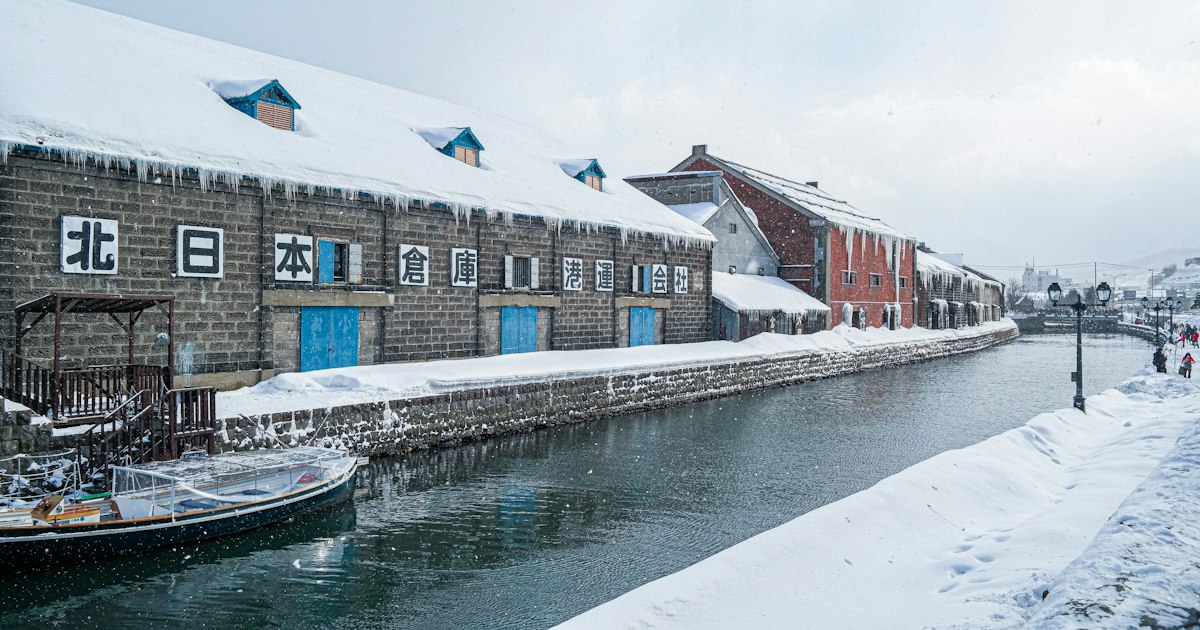
  • Otaru: Hokkaido’s Canal Town of Glassblowing and Music Boxes

    Otaru: Hokkaido’s Canal Town of Glassblowing and Music Boxes

    Photo by KWON YOUN on Unsplash

    Thirty minutes west of Sapporo by train, Otaru trades the city’s grid of department stores for a stone canal lined with converted warehouses, gas lamps, and glass shop after glass shop. It’s an easy half-day or full-day trip, but the towns that work best as day trips are also the ones people rush through — Otaru rewards a bit of pacing, especially once you factor in the glassblowing studios, the music box halls, and a sushi scene good enough that locals from Sapporo drive out just to eat here.

    Getting to Otaru from Sapporo and New Chitose Airport

    From Sapporo Station, take the JR Rapid Airport (Kaisoku Airport) line bound for Otaru or New Chitose Airport — it takes about 32 minutes and costs around ¥640 one-way for an unreserved seat. Slower local trains run the same route for the same base fare, just taking closer to 50–60 minutes, which is a fine trade if you’re not in a hurry. Trains run roughly every 15–20 minutes, so there’s no need to pre-book.

    Coming straight from New Chitose Airport, you can take a direct Rapid Airport train to Otaru without changing at Sapporo — budget around 70–80 minutes and roughly ¥2,000 one-way. If you’re arriving from Narita or Haneda first, note that domestic connections to New Chitose are a separate leg entirely; it’s worth checking Narita to Haneda (and Back): Routes, Time & Cost Compared if your itinerary involves switching Tokyo airports before heading north.

    Otaru Station itself is a short, mostly downhill 10–15 minute walk to the canal — easy, but worth knowing if you’re hauling luggage, since the last stretch has stairs.

    Walking the Canal: What to See and When

    The Otaru Canal was built in 1914 to let cargo boats unload directly into the brick and stone warehouses that still line its banks. Today those warehouses hold cafés, glass shops, and a brewery, and the canal itself is at its best in two windows: early morning, before the tour buses from Sapporo arrive (typically mid-morning onward), and after dark, when around 60 gas lamps light the water. Both ends of the canal path are free to walk at any hour.

    A 40-minute canal cruise runs during the day and in the evening for around ¥2,000 per adult — pleasant, but skippable if your budget’s tight, since you can see most of the same scenery on foot for free. The evening lamplight is genuinely photogenic, and if you’re the type who likes a physical print rather than just a phone photo, it’s a good excuse to bring along an instant camera — see Instax Cheki Culture: Japan’s Instant Camera Craze and Where to Buy Film if you need film while you’re in Hokkaido.

    Don’t skip the former Bank of Japan Otaru Museum, a five-minute walk from the canal — free admission, open 9:30–17:00, closed Mondays. Otaru was once a major financial hub for Hokkaido’s herring and coal trade, and the old vault and banking hall are worth the detour even if banking history isn’t normally your thing.

    Kitaichi Glass and Otaru’s Glassblowing Tradition

    Otaru’s glass industry didn’t start as souvenirs — it started with oil lamps and the glass floats (bidama/uki) used by local herring fishermen to keep their nets afloat. When the fishing industry declined and electric lighting replaced oil lamps, glassmakers pivoted to tableware, lamps, and ornaments, and that’s the industry you see today along Sakaimachi Street.

    Kitaichi Glass (Kitaichi Garasu), founded in 1901, is the biggest name and has several shop buildings scattered within a few minutes’ walk of each other, generally open from around 8:45 or 9:00 AM to 6:00–7:00 PM. The main Sangokan building, lit by hundreds of oil lamps, is worth visiting even if you don’t buy anything.

    Several studios, including Kitaichi and smaller independent glassblowing workshops nearby, offer hands-on experiences where you make your own paperweight, cup, or small vase under a craftsperson’s guidance — expect roughly ¥3,300 to ¥6,600 depending on the piece, with sessions taking 20–40 minutes plus cooling/pickup time (some pieces ship home instead of being handed to you same-day). Reserve ahead in peak summer and around the February festival, since slots fill up with day-trip tour groups.

    Otaru Orgel Hall and the Music Box Shops of Sakaimachi Street

    A few steps from the glass shops, Otaru Orgel Hall occupies a 1912 building with a steam clock replica out front that whistles and puffs on the hour. Entry is free; you’re browsing a working music box shop and small museum rather than a paid attraction. Hours run roughly 9:00–18:00. Inside, you can build or customize a music box — picking the mechanism, the figures on top, and the music — for somewhere between ¥2,000 and ¥5,000 depending on complexity, making it one of the more personal souvenirs you’ll find in Japan. A second, smaller antique hall nearby displays vintage European and Japanese music boxes, some over a century old.

    If you’re generally drawn to Japanese craft shopping, Otaru’s glass and music box trade sits alongside a broader world of regional specialty goods — similar in spirit to guides like Obi Belts: A Buying Guide to Japan’s Kimono Sashes as Everyday Fashion Accessories, if you want to round out a souvenir list with something wearable too.

    Best Time to Visit

    Summer (July–August) is the busiest season, partly because Otaru is a regular stop for cruise ships docking in Hokkaido, which can flood Sakaimachi Street with foot traffic by midday. Spring and early autumn are quieter and comfortable for walking. If your trip falls during Japan’s autumn holiday cluster, it’s worth checking Japan’s Silver Week: The Autumn Holiday Cluster and How to Plan Around It, since domestic tourism spikes nationwide during that window and Otaru is a popular Hokkaido stop for it.

    Winter brings the Otaru Snow Light Path Festival (Yuki Akari no Michi), usually held in mid-February, when snow lanterns and candles line the canal and a disused rail line nearby. It’s the town’s most atmospheric moment, but temperatures regularly sit well below freezing — dress for it, and expect some shops to keep shorter hours in deep winter.

    Where to Eat: Otaru’s Sushi Streets

    Otaru’s harbor still lands excellent seafood, and the town has two sushi-dense streets, Sushiya-dori and Dekimachi-dori, within walking distance of the station. Budget-wise, a casual sushi set lunch runs around ¥1,500–2,500, a solid mid-range omakase is roughly ¥5,000–8,000, and the top-tier counters known for uni and seasonal Hokkaido catch can run ¥10,000–15,000 or more per person. If you’d rather eat on the move before browsing glass shops, a quick seated counter meal works the same way as Tokyo’s standing sushi culture described in Tachigui Sushi: Tokyo’s Standing Sushi Bars for a Fast, Affordable Meal — fast, no-frills, and good value.

    Common Mistakes to Avoid

    • Coming only as a rushed midday stop. Tour buses cluster between late morning and early afternoon; arriving before 10 AM or staying until the gas lamps light up gives a much calmer experience.
    • Not booking a glassblowing slot ahead in peak season. Walk-in availability shrinks fast in summer and during the February festival.
    • Underestimating winter cold. Canal-side wind off the harbor makes February feel colder than the thermometer suggests.
    • Assuming everything opens early. Most Sakaimachi Street shops open around 9:00–9:30 AM, so an 8 AM arrival means waiting around before shops are ready.