Japan Trove

Category: Uncategorized

  • Geta & Zori: A Buying Guide to Japan’s Traditional Wooden and Thonged Sandals

    Geta & Zori: A Buying Guide to Japan’s Traditional Wooden and Thonged Sandals

    Photo by Roberto Martins on Unsplash

    Every souvenir shop in Japan sells a pair of geta or zori, but most of what’s on those racks is vinyl, made for a photo rather than a walk. If you actually want footwear you’ll wear again — with a yukata at a summer festival, with a kimono at a shrine, or just as a conversation piece back home — it helps to know the difference between a tourist trinket and a pair built by someone who makes them for a living, and what a fair price looks like at each level.

    Geta vs. zori: what you’re actually choosing between

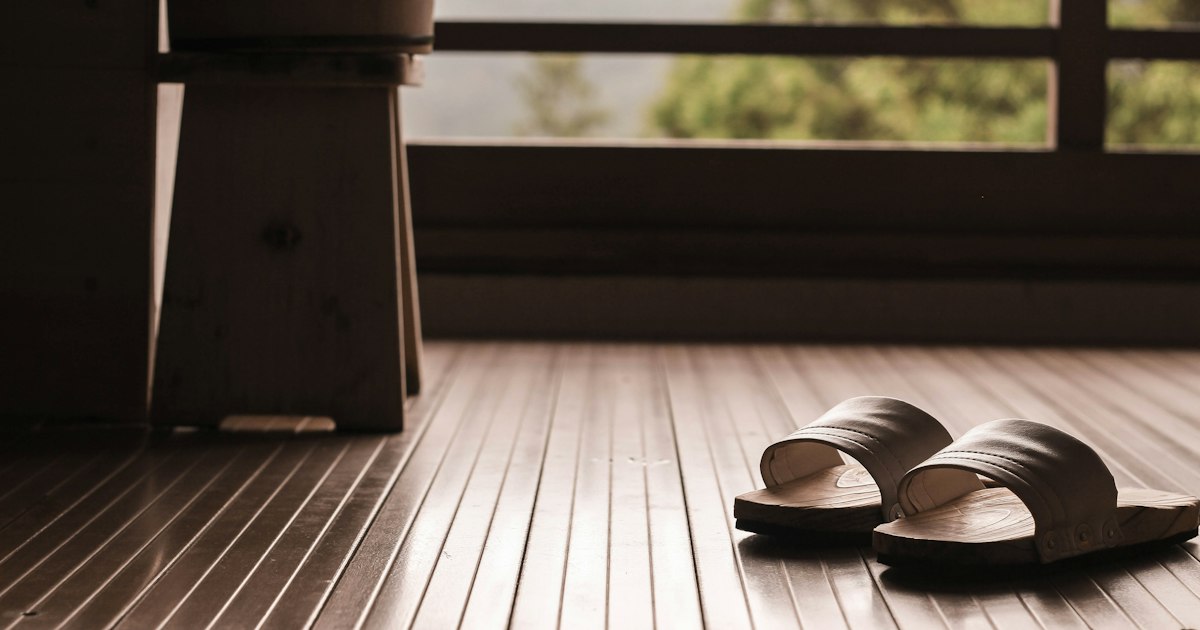
    Geta are the ones with a raised wooden platform and one or two transverse teeth (called ha) underneath, traditionally worn with bare feet or thin tabi socks. The clatter they make on pavement is the sound you associate with festival nights. Zori are flatter, with a woven or synthetic sole shaped more like a modern sandal — they’re the formal pairing for kimono and are what most people wear with a yukata rental today, since they’re quieter and easier to walk in for a full day.

    Both use the same basic strap system: a single thong (hanao) that runs between the big toe and second toe and loops to either side of the foot. That strap is also the main thing that makes or breaks comfort, and it’s usually replaceable — a good shop will re-string a worn-out hanao rather than make you buy a whole new pair.

    Where to actually buy them

    Souvenir strips in Asakusa and Kyoto’s Gion and Higashiyama districts sell cheap pairs aimed at tourists, and they’re fine for a one-off festival night, but specialty footwear shops (geta-ya) and the footwear counters inside kimono shops carry real wood and proper hanao in a range of widths. Kyoto’s Nishiki Market and the backstreets around Gion have several long-running specialty shops; in Tokyo, Asakusa’s side streets off Nakamise-dori and the kimono district around Nihonbashi are the best hunting grounds. Department stores like Takashimaya and Isetan also have kimono floors with a small but good-quality footwear selection, useful if you want air conditioning and a staff member who can measure your foot properly.

    If you’re staying in Tokyo, Asakusa is easiest to reach via the Tokyo Metro Ginza Line or the Toei Asakusa Line — worth knowing which is which before you go, since Tokyo’s two subway operators aren’t interchangeable for ticketing and transfers. Most geta-ya open around 10:00 or 11:00 and close by 18:00 or 19:00; small family-run shops often take an irregular weekday off, so it’s worth a quick search or phone check before making a special trip.

    Sizing: the part almost every first-timer gets wrong

    Geta and zori are sized by length in centimeters, not by shoe size, and the fit convention is the opposite of sneakers: a small overhang of the heel off the back edge (roughly 1–1.5 cm) is normal and considered correct, not a sign you bought the wrong size. Buying a pair with no overhang at all, trying to match your sneaker size exactly, is the single most common mistake — it leaves the sandal too long in the toe box and loose at the strap, which causes the foot to slide and the skin between the toes to blister.

    Ask a shop assistant to measure your foot (most will do this for free) and expect sizes roughly in these bands: women’s pairs often run 21.5–24.5 cm, men’s 24.5–28 cm, though exact ranges vary by maker. If you’re buying for someone else, bring their shoe size and a rough sense of foot width — hanao come in narrow and wide fittings, and the wrong width is the second-biggest source of discomfort.

    What things cost: budget to splurge

    • Budget (¥1,500–3,500): Mass-produced vinyl or synthetic-sole zori and geta from souvenir shops or general stores like Don Quijote. Fine for one summer festival; the hanao isn’t adjustable and the sole won’t hold up to daily wear.
    • Mid-range (¥5,000–12,000): Real wood (often kiri/paulownia, which is light and resists warping) or woven-sole zori from a specialty shop, with a properly fitted hanao. This is the sweet spot for most visitors — durable enough for repeat wear, and the shop can usually re-fit or replace the strap later for an extra ¥1,500–3,000.
    • Splurge (¥20,000–60,000+): Lacquered geta (kyo-geta style) or zori with silk or chirimen-crepe hanao, made to order and fitted to your exact foot. Custom orders can take anywhere from a few weeks to a couple of months, so this isn’t a same-day purchase — plan ahead if you want a bespoke pair shipped home or picked up before you fly out.

    Timing your purchase

    Stock and attention from shop staff are both better outside the peak summer festival season. From late June through August, geta and yukata sell fast around hanabi (fireworks festival) dates, and popular sizes and hanao colors can sell out in the cities hosting the biggest shows — if you’re buying specifically to wear at a fireworks festival, shop at least a few days ahead rather than the morning of. If you’re also putting together a yukata outfit for one of these nights, it’s worth reading our guide to buying fireworks sets in Japan, since the same shopping streets often sell both.

    Spring and autumn are quieter for footwear shopping and better if you want unhurried help with fitting and strap selection. Winter is fine too, though note that wood sandals can feel cold underfoot — some shops sell fleece-lined tabi socks specifically for this.

    Common mistakes beyond sizing

    • Wearing thick socks with tabi-style zori: tabi socks are designed to be thin and split at the big toe; bulky regular socks underneath distort the fit and defeat the point.
    • Buying “ame-geta” for sun and vice versa: rain geta (ame-geta) have a lacquered or rubber-lined underside and are taller to clear puddles; everyday geta aren’t weatherproofed the same way and the wood can swell if soaked repeatedly.
    • Skipping the break-in: new hanao are stiff. Walk short distances first, or ask the shop to pre-soften the strap, rather than wearing a brand-new pair for a full day of sightseeing.
    • Treating them like flip-flops on stairs: the elevated sole of geta changes your center of balance; take stairs and slopes slower than you would in sneakers, especially the first few times.

    A quick practical note on shrine and temple visits

    If part of your reason for wanting geta or zori is dressing up for a shrine visit, remember that most shrine buildings still require shoes off at certain thresholds, and sandals make that far easier than lace-ups. It also pairs naturally with starting a goshuin collection — if you haven’t already, our guide to starting a goshuincho covers how to collect shrine stamps on the same trip where you’re dressed for the part.

    Whatever level you buy at, keep the receipt and ask the shop how to care for the wood or weave — a quick wipe-down and keeping them away from direct heaters is usually all that’s needed, and a pair bought from a real craftsman will easily outlast a few festival seasons.
  • Hirosaki Castle: Aomori’s Cherry Blossom Stronghold and Apple Orchards

    Hirosaki, a quiet castle town in Aomori Prefecture, punches well above its size for two completely different reasons: it hosts one of Japan’s most photographed cherry blossom festivals, and it sits in the middle of the country’s biggest apple-growing region. Few visitors realize both experiences are a ten-minute walk apart, which makes Hirosaki one of the better day-trip or overnight additions to a Tohoku itinerary. Here’s what’s actually worth your time, what it costs, and when to go.

    Why Hirosaki Castle Is Worth the Trip North

    Hirosaki Castle’s current keep dates to 1810 — the original, built in 1611, burned down after a lightning strike in 1627. It’s a modest three-story tower by castle standards, but it’s one of only twelve castle keeps in Japan that survive in original (non-reconstructed) form, which gives it real historical weight despite its small footprint. The castle sits inside Hirosaki Park, a large grounds with multiple moats, stone walls, and roughly 2,600 cherry trees, most of them Somei Yoshino planted more than a century ago.

    The park itself is free and open 24 hours a day. You only pay to enter the inner citadel area around the castle tower and the adjacent Fujita Memorial Garden, a traditional Japanese garden built by a Meiji-era businessman. The castle tower costs 320 yen for adults (100 yen for elementary/junior high students), the garden is also 320 yen, and a combined ticket covering both runs 520 yen. These paid areas are generally open 9:00 AM to 5:00 PM, with extended hours and night illumination until around 9:00 PM during cherry blossom season.

    Cherry Blossom Timing: The Main Event

    Hirosaki’s Sakura Matsuri (Cherry Blossom Festival) typically runs from mid/late April into early May, timed to overlap with Golden Week. Peak bloom is weather-dependent and can shift by a week or more year to year, so check the Japan Meteorological Corporation’s bloom forecast a few weeks out rather than booking strictly by the calendar date.

    The signature sight here isn’t the castle tower itself but the West Moat (Nishi-Bori), where falling petals blanket the water’s surface in a phenomenon locals call “hanaikada” (flower rafts). Rowboat rentals on the moat let you drift directly through the petals — expect roughly 1,000–1,500 yen for 30 minutes, cash only at the boathouse, with lines during peak weekends. Night illumination turns the moat reflections into the festival’s most-photographed scene, so if you can only visit once, make it after dark.

    Common mistake: showing up on a weekday morning expecting solitude. Peak weekends during Golden Week draw enormous crowds, and food stalls (yatai) line the main approach selling grilled Tsugaru specialties — budget extra time just for walking the perimeter. If you want blossoms without the festival crush, aim for a weekday the week before the forecast peak.

    Getting to Hirosaki

    Hirosaki has no shinkansen station of its own. The route is: take the Tohoku Shinkansen to Shin-Aomori Station, then transfer to the JR Ou Line. The limited express “Tsugaru” covers Shin-Aomori to Hirosaki in about 35 minutes (roughly 1,900–2,500 yen depending on reserved/non-reserved seating); local trains take closer to 45–55 minutes for a lower fare. From Tokyo, the full shinkansen-plus-transfer trip runs around 3.5 hours.

    From Hirosaki Station to the castle park, the 100-yen Dotemachi loop bus takes about 15 minutes and drops you near the park’s main gates. Walking takes 20–25 minutes through the old shopping streets, or a taxi runs roughly 1,000 yen. If you’re also comparing transit logistics elsewhere on a Tohoku route, it’s worth noting Hirosaki’s bus and rail setup is far simpler than the overlapping networks you’ll deal with in Tokyo’s dual subway system — one bus line, one fare, no transfer puzzles.

    The stone paths and uneven ground inside the park’s older sections can be tough going for anyone with mobility limitations; if that’s a concern for your group, it’s worth looking at renting a wheelchair or mobility scooter before you arrive rather than trying to arrange one locally.

    Beyond the Castle: Hirosaki Shrine and the Old Town

    Inside the park grounds, Hirosaki Shrine is easy to miss but worth the five-minute detour — it’s a working Shinto shrine with its own stamp available for those collecting shuin. If you haven’t started a stamp book yet, this is as good a place as any; our guide on starting a goshuincho covers the etiquette and typical costs (usually 300–500 yen per stamp).

    Outside the park, Hirosaki’s old samurai district and the Dotemachi/Kagamiyama shopping streets have a slower, less touristed feel than most castle towns near major cities — closer in spirit to the rural Tohoku atmosphere you’d find in Tono’s folklore countryside a few prefectures south, just with better train access.

    The Apple Orchards: Aomori’s Other Claim to Fame

    Aomori Prefecture produces roughly half of Japan’s entire apple crop, and Hirosaki sits at the center of that industry. The city leans into it hard — there’s an “Apple Pie Map” tracking over 100 cafes and bakeries around town each selling their own version, and apple-themed snacks are the default souvenir in every shop near the castle.

    For actual orchard visits, several pick-your-own farms operate on the outskirts of the city, generally charging a modest entry fee (around 200–500 yen) plus a per-weight charge for what you pick, often in the 300–400 yen per kilogram range depending on variety and season. Picking season runs roughly September through November: early varieties like Tsugaru ripen in September, while the iconic Fuji apple — bred and named after nearby Mount Iwaki, not Mount Fuji — isn’t ready until late October into November. This means apple season and cherry blossom season never overlap; you’re choosing one trip or the other, not combining them in a single visit.

    If you’re visiting in summer between the two seasons, pack accordingly — Hirosaki Park’s moats and greenery attract plenty of mosquitoes in the humid months, and it’s worth knowing what actually works from Japan’s repellent aisle before you’re stuck scratching through a garden visit.

    Budget, Mid-Range, and Splurge Options

    On a tight budget, the park’s free zones alone (most of the moat walks, the cherry grove paths, and the outer grounds) deliver most of the visual payoff without paying the 320 yen entry fee — fine if you’re just here for blossom photos rather than the castle interior. Mid-range visitors should spring for the 520 yen combined ticket to see both the castle tower’s steep wooden interior and the Fujita Memorial Garden’s teahouse views over the Tsugaru plain toward Mount Iwaki. For a splurge, pair your visit with a stay at one of the ryokan or hot spring inns around Owani Onsen, a 20-minute drive or short train ride from Hirosaki, where multi-course kaiseki dinners built around local apples and Tsugaru beef run from around 15,000 yen per person with a room included.

    Whichever season you pick, give Hirosaki at least a half day — rushing through as a pure day trip from Shin-Aomori is doable, but the castle, the old town, and an apple pie stop genuinely deserve a slower pace than most Tohoku itineraries allow.

  • Shimonoseki: Japan’s Pufferfish Capital and the Kanmon Straits

    At the southwestern tip of Honshu, where the Sea of Japan meets the Seto Inland Sea, Shimonoseki sits across a narrow strait from Kyushu — close enough that you can walk between the two main islands in about fifteen minutes. The city is best known for two things: it handles the vast majority of Japan’s wholesale pufferfish (fugu), and it watches over the Kanmon Straits, one of the busiest and most historically loaded waterways in the country. It’s an easy, rewarding day trip if you’re already in Fukuoka or Kitakyushu, and a worthwhile overnight stop if you care about fugu, Genpei-era history, or just want to stand in a spot where two islands almost touch.

    Why Shimonoseki Is Japan’s Pufferfish Capital

    Shimonoseki’s Karato Market handles a large share of the country’s fugu wholesale trade, a status that dates back to the Meiji era, when the restaurant Shunpanro became the first establishment in Japan licensed to serve pufferfish after a ban on the dish was lifted locally in 1888. That restaurant is still open today, and the city has built an entire food identity around fugu sashimi (tessa), fugu hotpot (fugu-chiri), and fugu skin salad. Wild tiger pufferfish (torafugu) is a winter specialty, but farmed fugu is served year-round, so you don’t need to time a trip around a short season to try it.

    Karato Market: Fugu Sushi on a Budget

    Karato Market (唐戸市場), right on the waterfront, is a working wholesale fish market on weekday mornings, roughly 5:00am–3:00pm. The real draw for visitors is the weekend and public-holiday event known as the Karato Ichiba Grand Sushi Street (土曜市 / 活きいき馬関街), when dozens of vendor stalls inside the market sell individual plates of sushi and sashimi — fugu, but also tuna, sea urchin, and whatever’s fresh that day — for roughly ¥300–800 per piece or plate. It typically runs from around 10:00am to 3:00pm on Saturdays, Sundays, and holidays; there’s free seating on the rooftop deck where you can eat with a view straight across the straits to Kyushu. This is the cheapest, most enjoyable way to eat well in Shimonoseki, and it’s a mistake to show up on a weekday expecting the same spread — midweek, it’s mostly working wholesalers rather than tourist stalls.

    Next door, the Kaikyokan aquarium (海響館) specializes in pufferfish, with well over 100 species on display alongside a popular penguin exhibit. Adult admission runs around ¥2,090, with discounts for children; it’s an easy hour or two if the weather turns.

    Crossing the Kanmon Straits on Foot (or by Boat)

    The Kanmon Straits (関門海峡) are the channel separating Honshu from Kyushu, narrowing to about 600 meters at their tightest point. The Kanmon Bridge spans it for cars, but the more memorable way to cross is the Kanmon Tunnel pedestrian walkway, a free 780-meter underwater passage you access by elevator on either shore. The walk takes about 15 minutes and is one of the few places in Japan where you can cross between two main islands entirely on foot — step over the painted prefectural border line in the middle and you’ve gone from Yamaguchi to Fukuoka.

    If you’d rather cross by water, Kanmon Kisen runs a small passenger ferry between Karato pier in Shimonoseki and Mojiko in Kitakyushu, a roughly five-minute ride for about ¥400 one way, departing every 15–20 minutes. On the Kyushu side, Mojiko Retro is a short walk from the ferry terminal — a cluster of early-1900s port buildings worth an hour of wandering before heading back. Every August 13th, the two cities co-host the Kanmon Kaikyo Fireworks Festival, launching fireworks simultaneously from both shores — one of the larger synchronized displays in Japan, with the straits themselves as the stage.

    History on the Water’s Edge: Akama Shrine and the Treaty Table

    Akama Jingu, a short walk from Karato, is dedicated to the child-emperor Antoku, who drowned here in 1185 at the Battle of Dan-no-ura, the sea battle that ended the Genpei War and wiped out the Taira clan. Its vermillion Suiten-mon gate, built to resemble a dragon palace beneath the waves, is one of the more distinctive shrine entrances in the country, and the grounds hold the Heike mausoleum and a hall associated with the famous ghost story “Hoichi the Earless.” If you’re keeping a shrine stamp book on your trip, this is a good one to add — see our guide to starting and using a goshuincho if you haven’t picked one up yet.

    A few minutes away, Shunpanro isn’t just the birthplace of licensed fugu cuisine — it’s also where the Treaty of Shimonoseki was signed in 1895, ending the First Sino-Japanese War. It’s still a working restaurant today, so you can eat a fugu course in the same building where that history happened.

    Getting to Shimonoseki

    Shin-Shimonoseki Station is on the Sanyo Shinkansen line, served by Kodama and some Hikari trains (Nozomi doesn’t stop here) — about 45–50 minutes from Hakata Station in Fukuoka. From Shin-Shimonoseki, it’s a 15–20 minute bus or local train ride into the city center and Karato. If you’re coming from Kitakyushu, it’s even simpler: a regular JR Sanyo Line train runs through the undersea Kanmon Tunnel between Kokura/Mojiko and Shimonoseki Station in about 15 minutes for a few hundred yen, no shinkansen needed. Many travelers stage this trip from Fukuoka, in which case it’s worth timing your departure around a stop at Hakata Station’s basement food floor for last-minute souvenirs before or after.

    Best Time to Visit

    Wild tiger fugu is at its best from around December through February, so winter is the classic season for a serious fugu meal — though farmed fugu keeps restaurants serving it year-round, so there’s no need to force a winter trip if your schedule doesn’t allow it. Spring (late March–early April) brings cherry blossoms to Hinoyama, the hill overlooking the straits on the Shimonoseki side. August brings the fireworks festival mentioned above, but also summer heat and crowds, so arrive early if you want a spot by the water.

    Common Mistakes to Avoid

    • Mixing up Shimonoseki Station and Shin-Shimonoseki Station. They’re several kilometers apart and not interchangeable — the shinkansen only stops at Shin-Shimonoseki, while Karato Market and most sights are closer to the older Shimonoseki Station.
    • Assuming the Karato sushi street runs every day. It’s a weekend/holiday event; a weekday visit gets you the working market, not the sushi stalls.
    • Not reserving a dinner fugu course. Casual sashimi at Karato needs no booking, but a proper kaiseki-style fugu dinner (roughly ¥10,000–20,000 per person at well-known restaurants) often requires a reservation, especially in winter.
    • Treating it as a one-stop city trip. Shimonoseki pairs naturally with onward travel — east into Kyushu toward Nagasaki, where you can try the city’s own seafood noodle dish, champon, or west along the San-in coast toward more remote stops like the Oki Islands if you have extra days to spend off the main tourist corridor.
  • Marugame Seimen: How to Order at Japan’s Self-Serve Udon Chain

    Marugame Seimen: How to Order at Japan’s Self-Serve Udon Chain

    Photo by Jinomono Media on Unsplash

    If you’ve walked past a glass storefront in Japan with cooks visibly rolling and cutting noodles by hand, you’ve probably seen Marugame Seimen. It’s one of the easiest, cheapest, and most satisfying meals you can have in Japan — but the self-serve ordering line trips up almost every first-time visitor. Here’s exactly how it works, what to order, and what it costs.

    What Marugame Seimen Is (and Why the Name Doesn’t Match the Address)

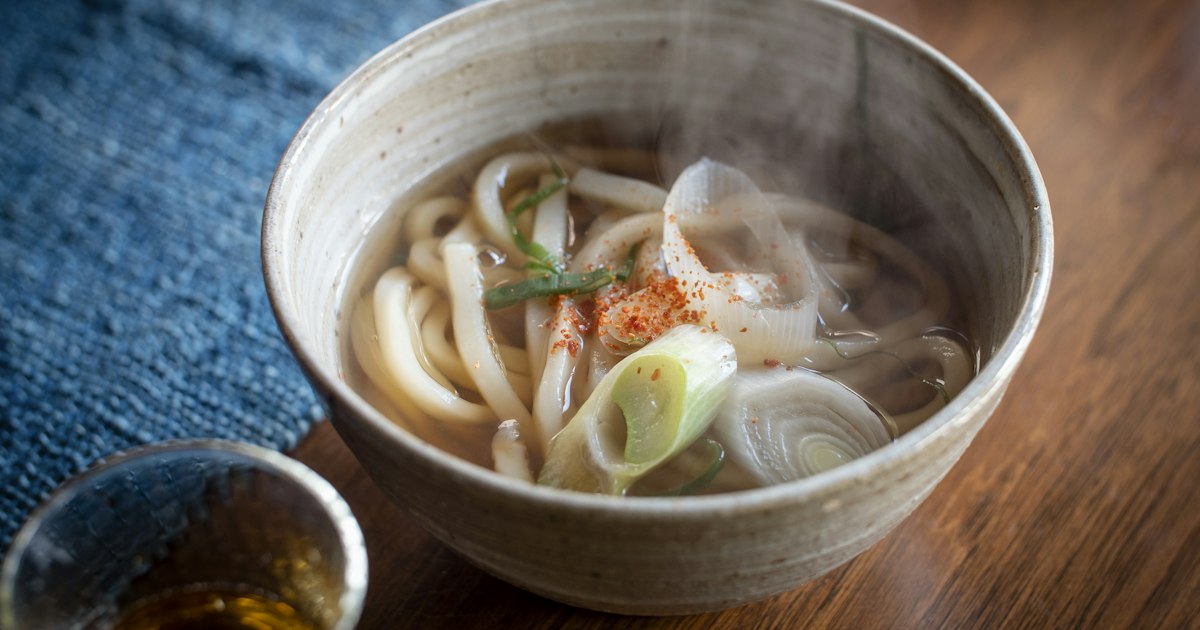
    Marugame Seimen (丸亀製麺) is a nationwide udon chain with well over 800 locations across Japan, run by the Toridoll Holdings group. The name references Marugame, a city in Kagawa Prefecture famous as the heartland of Sanuki udon — but the chain itself didn’t start there. It launched in Kanagawa Prefecture in the early 2000s, built around the idea of making Sanuki-style udon fresh, in-house, at every single store, with the noodle-making process visible to customers through an open kitchen window. That’s the chain’s whole pitch: thick, chewy, fresh-cut noodles at convenience-store prices.

    You’ll find locations attached to train stations, inside shopping mall food courts, and as standalone roadside restaurants. In Tokyo, there are branches near Shibuya, Shinjuku, and most major hubs — if you’re navigating the city by train, our guide to the Tokyo Metro vs Toei subway systems is worth a skim so you’re not stuck figuring out transfers on an empty stomach.

    How the Self-Serve Line Actually Works, Step by Step

    Every Marugame Seimen runs on the same tray-line system, modeled on a cafeteria. Here’s the order of operations:

    • Grab a tray at the entrance — trays and chopsticks are stacked right there.
    • Tell the first staff member your udon order. They’ll ask hot or cold (atsui/tsumetai) and the size — typically small (nami), medium (naka), or large (dai). This is the one spot where English menus with photos are usually posted, so you can just point.
    • Watch them cut and boil your noodles to order — this is the fun part, and the reason the noodles taste different from most chains.
    • Move down to the tempura and side-dish counter. Trays of tempura, onigiri, and inari sushi sit under a heat lamp. Use the tongs provided, pick what you want, and set it on your tray yourself.
    • Pay at the register at the end of the line. The cashier rings up everything on your tray at once. Cash, IC cards (Suica/Pasmo/ICOCA), and credit cards are all accepted at most locations now.
    • Help yourself to condiments — grated ginger, shichimi chili pepper, and tenkasu (crispy tempura bits) are usually free and self-serve, sitting near the drink and water station after the register.
    • Find a seat, eat, then bus your own tray to the return window near the exit when you’re done. Scrape remaining liquid into the designated bin and stack the dishes — staff won’t clear your table for you.

    What to Order: Udon Styles and Approximate Prices

    Prices vary slightly by location and have crept up with inflation, but as a rough guide (small size, tax included):

    • Kake udon (plain noodles in hot dashi broth) — around ¥320-390. The cheapest, most basic order.
    • Kamatama udon (hot noodles tossed with raw egg and soy sauce, no broth) — around ¥470-530. A textural, less soupy choice.
    • Niku udon (simmered sweet-savory beef on top) — around ¥590-690.
    • Curry udon — around ¥590-690, thick curry broth that splashes easily, so tuck a napkin in if you’re wearing anything nice.
    • Zaru udon (cold noodles with dipping sauce) — a good pick in summer, roughly ¥390-470.

    Upsizing from small to medium is usually free or just a few dozen yen; large typically adds ¥100-150. If you’re hungry, there’s no shame in going large — portions at “small” are genuinely small by Western standards.

    Tempura, Onigiri, and the Free Condiment Bar

    The tempura counter is where the bill adds up and where the fun is. Individual pieces generally run ¥100-200 each: chikuwa (fish cake) tempura and kakiage (vegetable fritter) tend to be on the cheaper end, around ¥105-130, while ebi (shrimp) tempura runs closer to ¥160-200. Onigiri and inari sushi are usually ¥130-170 each. A full meal — udon plus two tempura pieces plus a drink — typically lands somewhere between ¥700 and ¥1,000, which is extraordinary value for a freshly made meal in Japan.

    Don’t skip the condiment station after the register. The free tenkasu (crispy tempura scraps) and grated ginger genuinely improve a plain kake udon, and there’s usually a self-serve tea or water dispenser so you don’t need to buy a drink.

    Common Mistakes First-Timers Make

    The line moves fast and the staff expect you to know the drill, so a few things catch visitors off guard:

    • Not deciding hot/cold and size before reaching the counter. Decide while you’re still in line — hesitating holds everyone up.
    • Trying to pay at the noodle counter. You don’t pay until the very end, after tempura. Keep your tray moving.
    • Missing the tempura counter entirely because it looks like a side display rather than part of the ordering line — it’s not optional decoration, it’s self-serve and you can take as little or as much as you want.
    • Forgetting to return the tray. Look for the conveyor-belt-style return window; abandoning a tray on the table is a minor faux pas.
    • Assuming all locations are identical. Smaller roadside or rural branches sometimes have a shorter tempura selection or slightly different hours than big-city, station-adjacent ones.

    When and Where to Go

    Most locations open around 10:00 or 11:00 AM and close between 9:00 and 11:00 PM, though hours vary by store — it’s worth checking the specific branch if you’re planning a very early or late visit. The lunch rush, roughly 12:00-1:00 PM on weekdays, is the one time the line genuinely backs up, especially at branches near office districts or train stations. Arriving just before noon or after 1:30 PM gets you a much shorter wait. Udon itself isn’t seasonal, but cold zaru and bukkake styles are especially popular — and refreshing — in Japan’s hot, humid summer months (June-September), while curry and kamatama udon see more orders in winter.

    Budget, Mid-Range, and Splurge Versions of the Same Meal

    Marugame Seimen is already budget food, but there’s still a range: a true budget run is a small kake udon with free tenkasu stirred in — often under ¥400. A satisfying mid-range meal is a medium niku or kamatama udon plus one tempura piece, landing around ¥700-900. The “splurge” version, relatively speaking, is a large curry or niku udon with two or three tempura pieces and an onigiri, which can reach ¥1,200-1,400 — still remarkably cheap for a made-to-order meal.

    If you’re building out a broader noodle itinerary around Japan, Marugame Seimen’s fresh Sanuki-style udon pairs well with regional specialties worth seeking out elsewhere, like Morioka’s jajamen with miso meat sauce, Nagasaki’s seafood-loaded champon, or Hokkaido’s Sapporo soup curry if curry udon won out over kake on your first visit.

  • Jajamen: Morioka’s Flat Noodles with Miso Meat Sauce

    Jajamen: Morioka’s Flat Noodles with Miso Meat Sauce

    Photo by Cody Chan on Unsplash

    If you ask someone from Morioka what to eat in their hometown, jajamen (じゃじゃ麺) usually comes up before anything else — even before the city’s famous wanko soba. It’s a bowl of thick, flat wheat noodles tossed in a dark, savory miso meat sauce, topped with cucumber, scallion, ginger, and a touch of chili oil, and it comes with a built-in second course if you know how to ask for it. It’s cheap, filling, and almost unknown outside Tohoku, which makes it one of the better reasons to build a day around Morioka rather than just passing through on the Shinkansen.

    What Is Jajamen, Exactly?

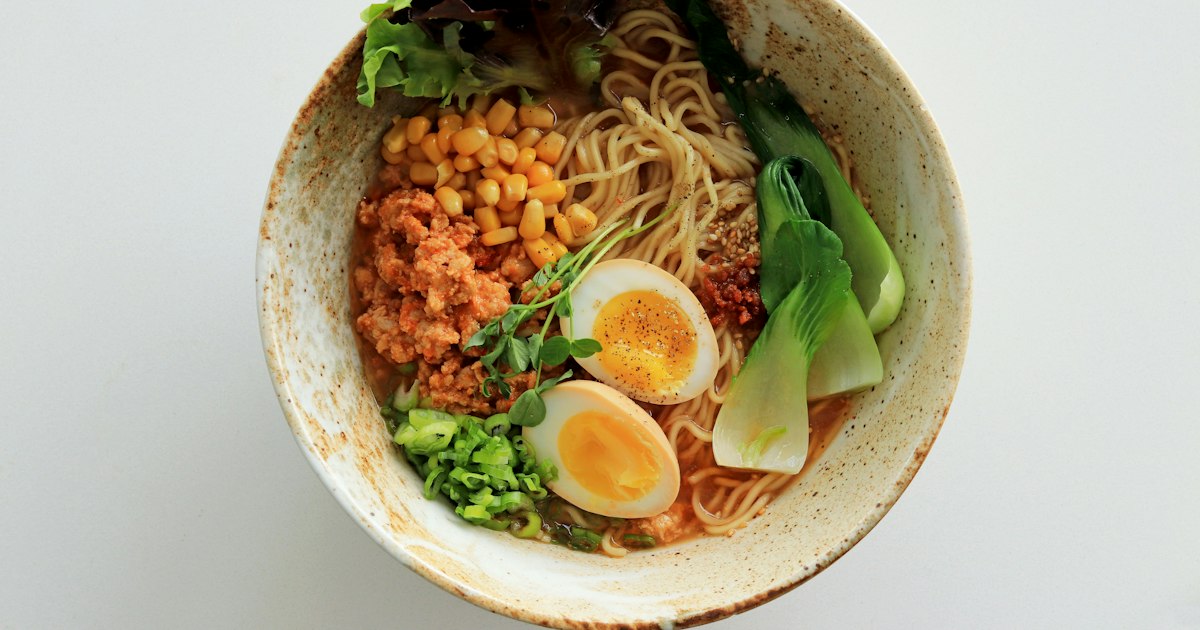
    Jajamen is Morioka’s local take on Chinese zhajiangmian (fried sauce noodles), adapted by a Chinese chef who settled in the city after World War II. The noodles are flat and chewy, closer to udon than ramen, and they’re served dry — no broth — under a spoonful of nikumiso (minced pork cooked down with miso, sugar, and soy) along with raw cucumber strips, chopped scallion, grated ginger, and sometimes garlic. A dab of rayu chili oil sits on the side for you to add to taste.

    You don’t get a pre-mixed bowl. Part of the experience is tossing everything together yourself with chopsticks until the noodles are evenly coated in sauce — locals mix much more thoroughly than first-timers expect, scraping from the bottom of the bowl, before taking the first bite. The flavor is savory and slightly sweet rather than spicy, so don’t go in expecting a fiery broth.

    How to Eat It Like a Local: The Chitantan Finish

    The real signature move comes at the end of the meal. Once you’ve eaten most of the noodles, leave a small amount of sauce and a few noodle scraps at the bottom of the bowl and tell the staff “chitantan onegaishimasu” (ちーたんたんお願いします). They’ll crack a raw egg into your bowl, take it to the kitchen, and return it with hot stock stirred in — turning the leftover miso sauce into a light egg-drop soup you drink as a second, separate course. It typically costs about ¥100 extra and is considered the correct way to finish the dish, not an optional extra, so don’t skip it just because no one explains it to you.

    Where to Try It in Morioka

    The most famous shop is Hakuryu (白龍), locally nicknamed “Pairon,” generally credited as the dish’s originator. The main store sits in the Osawakawara-dori area near Zaimokucho, a short walk or quick taxi from Morioka Station, and there’s also a branch inside the Fezan shopping complex attached to the station itself — the easiest option if you’re short on time between trains. Expect to pay roughly ¥500–650 for a regular bowl, plus the ¥100 chitantan add-on.

    • Budget: A bowl of jajamen plus chitantan rarely runs past ¥750 total — it’s one of the cheapest sit-down meals you’ll find in a prefectural capital.
    • Mid-range: Pair it with a plate of gyoza or a side of Morioka reimen (chilled noodles in sweet-spicy broth) at the same shokudo for a two-dish lunch around ¥1,200–1,500.
    • Splurge: There isn’t really a luxury version of jajamen — it’s a working-class noodle shop dish by design. If you want a bigger food experience in the same city, follow it with a proper wanko soba session, where staff keep refilling tiny bowls of soba until you cap your bowl, usually ¥3,000–4,000 per person.

    Lines form quickly around lunchtime (roughly 11:30–13:00), especially on weekends, and popular locations can be closed one day a week — it’s worth confirming current hours before you make a special trip across town.

    Getting to Morioka

    Morioka is the gateway city to Iwate Prefecture, reached directly from Tokyo on the Tohoku Shinkansen (Hayabusa or Komachi services) in about 2 hours 10 minutes to 2.5 hours, with one-way fares around ¥14,000 for a reserved seat (less with a rail pass that covers the route). From Morioka Station, the jajamen shops around Zaimokucho are about a 15–20 minute walk or a short, inexpensive taxi ride.

    If you’re already exploring Tohoku, Morioka pairs naturally with a side trip to Tono, Iwate’s kappa-folklore countryside town, which is about an hour away by local train and makes for an easy day-trip add-on to a Morioka food stop.

    Best Time to Go

    Jajamen is a year-round comfort dish, so there’s no wrong season, but context changes the experience. Winter in Morioka is genuinely cold and snowy (December–February), and a hot bowl of noodles followed by chitantan soup feels purpose-built for that weather. Early August brings the Morioka Sansa Odori festival, one of Tohoku’s biggest drumming festivals, which fills the city’s noodle shops with a livelier, more festive crowd — book accommodation early if your visit overlaps with it.

    Common Mistakes to Avoid

    • Not mixing thoroughly: A few stirs isn’t enough — scrape the bottom of the bowl so the sauce coats every noodle before you start eating.
    • Skipping the chitantan: It’s the dish’s signature finish, not a random add-on, and most locals order it automatically.
    • Expecting heat or broth: Jajamen is dry and mild by default; the rayu on the table is there so you can add spice yourself, in small amounts.
    • Assuming cards work everywhere: Many of Morioka’s small noodle shops are cash-only or have low card minimums. Carry enough yen, and if you need to top up, see our guide on using foreign cards at Japan Post Bank ATMs, which are reliably available even in regional cities like Morioka.
    • Treating it as a quick snack: Lunch rush lines move fast, but if you’re set on a specific shop at peak hours, build in 15–20 minutes of buffer rather than rushing for a train.

    Jajamen won’t show up on most first-time Japan itineraries, which is exactly its appeal — it’s a dish you eat because you went out of your way to a regional city, not because it was on a highlight reel. If you’re already chasing regional specialties elsewhere in Japan, it sits well alongside other single-city dishes like Nagasaki’s champon or Sapporo’s soup curry — proof that some of the best eating in Japan happens well outside Tokyo and Osaka.

  • Champon: Nagasaki’s Hybrid Seafood Noodle Dish and Where to Try It

    Champon: Nagasaki’s Hybrid Seafood Noodle Dish and Where to Try It

    Photo by Alex Haney on Unsplash

    Order a bowl of champon in Nagasaki and you’ll get something that doesn’t quite look Japanese, doesn’t quite look Chinese, and tastes like a cafeteria hack that somehow became a regional treasure — because that’s exactly what it is. This cloudy, milky-white seafood noodle soup was invented for broke college students over a century ago, and it’s still one of the best reasons to build a day trip around Nagasaki’s harbor.

    What Is Champon, Exactly?

    Champon is a noodle soup built around thick, chewy wheat noodles (not ramen noodles, not udon — their own in-between texture) simmered directly in a pork-and-chicken bone broth, often finished with a splash of milk for body and a pale, slightly opaque color. The noodles cook right in the broth rather than being boiled separately and dropped in, which is part of why the dish tastes so unified.

    On top goes a stir-fried mix of whatever the kitchen has fresh that day: pork, squid, shrimp, kamaboko fish cake, cabbage, bean sprouts, carrot, and sometimes kikurage mushroom or a quail egg. It’s less a recipe than a formula — hearty, cheap to make, and packed with vegetables and protein in one bowl.

    Where It Started: A Dish Made for Hungry Students

    Champon was created around 1899 at a restaurant called Shikairo (四海樓) by Chen Pinshun, a Chinese immigrant running a Chinese restaurant in Nagasaki’s old foreign settlement. At the time, Nagasaki had a sizable community of Chinese students who couldn’t afford much to eat. Chen started tossing leftover scraps of meat and vegetables with inexpensive noodles into a filling, nutritious soup he could sell cheap — and it caught on far beyond the student crowd.

    Shikairo still exists today as a large multi-floor restaurant near Glover Garden and Oura Cathedral, with a small museum on champon’s history built into the building. A standard bowl runs roughly ¥1,450–¥1,650, and a deluxe version loaded with extra seafood can run ¥2,500–¥3,000. It’s touristy and often has a short wait around lunch, but it’s the closest thing Nagasaki has to a “pilgrimage” restaurant for this dish, and worth it once.

    Champon vs. Sara Udon: Don’t Mix Them Up

    This trips up a lot of first-timers. Sara udon (皿うどん) uses the exact same stir-fried toppings and a similar sauce — but poured over crispy, deep-fried noodles instead of soup. If you want the soft, soupy version, ask for champon specifically; if a menu photo shows noodles piled dry on a plate with sauce drizzled over, that’s sara udon. Many Nagasaki restaurants serve both, and ordering “half and half” isn’t usually an option, so pick one.

    Where to Eat Champon in Nagasaki

    Budget (¥700–900): Chain restaurants around Nagasaki Station and the shopping arcades serve a solid, no-frills bowl. It won’t be fancy, but it’s the same basic flavor profile and a fair way to try champon before committing to a sit-down restaurant.

    Mid-range (¥1,000–1,800): Kagetsu and Kouran-tei, both in the Shinchi Chinatown area, are long-running local favorites with less tourist traffic than Shikairo and comparable quality. Shinchi Chinatown itself is a compact few blocks worth wandering before or after your meal — it’s one of Japan’s three official Chinatowns, alongside Yokohama’s and Kobe’s. If you’re curious how a similar Chinese-Japanese food district plays out in another port city, Kobe’s Nankinmachi Chinatown makes for an interesting comparison if your trip includes the Kansai region.

    Splurge (¥2,000–3,500): Shikairo’s premium champon, piled with extra shrimp, squid, and scallop, plus a harbor-view table, is the splurge move — go for lunch when the dining room gets natural light over Nagasaki Bay.

    Finding Champon Outside Nagasaki

    You don’t actually need to go to Nagasaki to eat champon. Ringer Hut, a nationwide chain that originated in Nagasaki in the 1970s, serves a reliable, inexpensive version (around ¥700–900 a bowl) at hundreds of locations across Japan, including train stations and shopping mall food courts in Tokyo, Osaka, and Fukuoka. It’s a smart fallback if you’re short on time but still want to taste the dish, and a genuinely good option on a travel day — similar in spirit to grabbing a regional specialty at a station food hall, the way travelers do at Hakata Station’s basement food floor before catching a train out of Kyushu.

    Getting to Nagasaki and Timing Your Visit

    From Fukuoka’s Hakata Station, take the Relay Kamome limited express to Takeo-Onsen, then transfer to the Nishi-Kyushu Shinkansen “Kamome” into Nagasaki Station — the whole trip takes around 1 hour 50 minutes to 2 hours. By air, Nagasaki Airport connects to Tokyo Haneda in about 2 hours, with an airport limousine bus to the city center taking roughly 45 minutes.

    Champon is a year-round dish — it’s hot soup, so it’s genuinely more satisfying in the cooler months (November through March) than in Nagasaki’s hot, humid summer, though locals eat it in all seasons. If you’re visiting in autumn or winter, pair it with the Nagasaki Lantern Festival (held around Lunar New Year, usually mid-to-late January or February) in Shinchi Chinatown, which adds a festive backdrop to the same neighborhood where the dish has deep roots.

    Common Mistakes to Avoid

    • Confusing champon with chanpuru: Okinawan chanpuru is a totally different stir-fried dish — similar-sounding name, unrelated food.
    • Ordering without specifying soup vs. fried: As noted above, champon and sara udon share a menu and similar names on some signage; double-check before ordering if you want the soup version.
    • Letting it sit too long: Champon noodles keep absorbing broth even after serving. It’s best eaten promptly rather than treated like a slow ramen session — if you wait 20 minutes photographing it, the noodles will have swelled and softened considerably.
    • Skipping the vinegar or chili oil on the table: Most Nagasaki champon shops provide a small vinegar bottle or rayu (chili oil) for the broth — a splash cuts the richness nicely and is worth trying before you judge the base flavor.

    Champon isn’t trying to be elegant — it’s a working dish built on improvisation, and that’s exactly what makes it worth seeking out. Whether you eat it harborside at Shikairo or grab a quick bowl at a Ringer Hut between trains, it’s one of the more memorable regional specialties in a country full of them.

  • Goshuincho: How to Start (and Actually Use) a Japanese Shrine Stamp Book

    Goshuincho: How to Start (and Actually Use) a Japanese Shrine Stamp Book

    Photo by Karen Zhao on Unsplash

    Walk past the ticket counter of almost any major shrine or temple in Japan and you’ll notice a small side window with a handwritten sign, a line of visitors, and someone behind the counter painting characters onto a page with a brush. That’s the goshuin counter, and the little accordion-bound book people are holding out is a goshuincho — part souvenir, part spiritual record, and genuinely one of the most satisfying things a visitor can collect in Japan. Unlike a fridge magnet, each stamp is hand-written on the spot, so no two are exactly alike, and the book itself becomes a timeline of your trip.

    What exactly is a goshuin?

    A goshuin (御朱印) is a seal stamped in red ink and overlaid with brush calligraphy, usually showing the shrine or temple’s name, the date, and sometimes the name of the enshrined deity or a related Buddhist phrase. Historically it was proof that a pilgrim had visited and copied or donated a sutra; today it’s offered to any respectful visitor who asks, in exchange for a small fee. It is written directly into your goshuincho (御朱印帳) — a dedicated accordion-fold notebook, usually covered in cloth or washi paper — not onto a loose piece of paper. That distinction matters: most shrines and temples will only stamp a proper goshuincho, not a regular notebook or sketchbook.

    Buying your first book

    You can buy a goshuincho almost anywhere that sells goshuin, which means your very first stop can double as your shopping stop. Basic books run about ¥1,000–¥1,500 at a neighborhood shrine, while famous temples (Senso-ji in Asakusa, Meiji Jingu, Kiyomizu-dera in Kyoto) sell nicer designs — often with embroidered covers, seasonal motifs, or temple-specific artwork — for ¥1,500–¥3,000. Limited-edition or artist-collaboration books at well-known temples can reach ¥4,000–¥6,000. Department stores (Tokyu Hands, Loft) and stationery shops also stock plain, undecorated goshuincho for ¥1,000–¥2,000 if you’d rather buy before you even reach a temple. Some people keep separate books for shrines (jinja) and temples (otera), since the two religious traditions are technically distinct, but this is a personal preference, not a rule — mixing both in one book is completely fine and is what most casual collectors do.

    How much a goshuin actually costs

    Budget ¥300–¥500 per stamp at most shrines and smaller temples. Larger or more famous sites, and anywhere offering a hand-drawn seasonal design (cherry blossoms in spring, autumn maple leaves, New Year motifs), often charge ¥500–¥1,000. A few special multi-page or large-format goshuin at head temples can run ¥1,000–¥1,500. There’s no fixed national price — it’s officially framed as a “donation” (osaimai) rather than a fee, but in practice the amount is posted or stated clearly, and you pay before the monk or shrine staff writes in your book. Always have small bills and coins ready; staff can rarely break a ¥10,000 note, and card payment is essentially nonexistent at these counters. If you’re stocking up on cash for a long trip, it’s worth reading about Japan Post Bank ATMs, which reliably accept foreign cards even in smaller towns where goshuin-collecting often takes you.

    Timing, queues, and where to go

    Goshuin counters usually operate within the shrine or temple’s general visiting hours — commonly 9:00 am to 4:00 or 5:00 pm — but they can close earlier than the grounds themselves, especially at quieter rural sites, so arrive at least 30–45 minutes before the stated closing time. Weekday mornings are the easiest time to get a stamp without waiting; weekends, national holidays, and the first three days of January (hatsumode season) can mean 30-minute-plus queues at popular shrines, since the monk or shrine attendant is hand-writing each one in order. Major Tokyo stops worth starting with include Senso-ji and Meiji Jingu, both well served by the city’s rail network — if you’re new to navigating it, this rundown of the Tokyo Metro vs Toei Subway systems explains how transfers actually work between the two operators. For something off the well-trodden path, remote sites like the shrines scattered across the Oki Islands offer goshuin you genuinely won’t find in any guidebook, though staffing hours there are shorter and less predictable, so check locally before making a special trip.

    Etiquette and common mistakes

    • Don’t skip the visit. The goshuin is meant to follow an actual prayer or visit to the main hall — walking straight to the stamp counter without paying respects is considered poor form, even if no one stops you.
    • Don’t ask for extra pages or a specific date retroactively. Each goshuin reflects the day it’s written; staff won’t backdate one for a visit from last week.
    • Bring exact-ish change. Fumbling for coins while a line forms behind you is the single most common tourist slip-up at these counters.
    • One book, one line. Handing over someone else’s goshuincho along with your own to save a second trip through the queue is generally frowned upon at busy sites; some places now explicitly limit it to one or two books per person.
    • Protect the ink. It’s wet when applied and can smudge or bleed through if the book is closed too soon — most staff will tell you to wait a minute, but a soft cover case (sold alongside the books themselves) protects pages during a long trip.
    • Not every site offers one. Small neighborhood shrines, unstaffed sites, and some temples simply don’t provide goshuin — there’s no shame in asking politely and moving on if the answer is no.

    Budget, mid-range, and splurge approaches

    On a tight budget, a ¥1,000 plain book plus ¥300 stamps at local shrines near your hotel is enough to leave with a dozen genuine mementos for under ¥5,000. Mid-range collectors tend to pick one themed book — Kyoto temples, Tokyo’s “Shichifukujin” seven lucky gods route, or a regional pilgrimage circuit — and budget ¥500 per stamp across 15–20 stops, landing around ¥10,000–¥12,000 total including the book. For a splurge, seek out temples known for elaborate, multi-color or gold-ink goshuin (several temples around Kyoto and Nara are famous for this), where single stamps can run ¥1,000+ and a beautifully bound book itself might cost ¥5,000; these make genuinely framable keepsakes rather than everyday souvenirs.

    Whichever route you take, the goshuincho rewards slowing down — it nudges you toward the quiet side shrine you’d otherwise walk past, and gives you a reason to actually step inside instead of just photographing the gate from outside. Few souvenirs carry this much of the trip itself, written in someone’s actual hand, inside pages you’ll keep adding to on your next visit.

  • Shirasu Don: Enoshima and Shonan’s Whitebait Rice Bowl

    Shirasu Don: Enoshima and Shonan’s Whitebait Rice Bowl

    Photo by Lucius Hunter on Unsplash

    If you’ve wandered the touristy lanes of Enoshima and spotted lines of people waiting outside small seafood restaurants for a bowl of rice topped with what looks like tiny silver fish, you’ve found shirasu don. It’s the signature dish of the Shonan coast — simple, cheap by Japanese dining standards, and genuinely different depending on the day you visit. Here’s what it actually is, where to eat it, and how to time your trip so you don’t end up disappointed.

    What Is Shirasu Don?

    Shirasu (しらす) are the tiny, nearly translucent juveniles of sardines and anchovies, caught in huge numbers in Sagami Bay, the stretch of water facing Enoshima and the Shonan coastline between Kamakura and Odawara. A “shirasu don” is simply a bowl of rice piled with these little fish, usually finished with grated ginger, shredded shiso leaf, sesame seeds, and a drizzle of soy sauce.

    What makes it interesting is that shirasu is sold in two very different forms. Kamaage shirasu is boiled briefly in saltwater right after being caught — it’s soft, white, and available almost every day the fish were caught. Nama shirasu (raw shirasu) is unboiled and has a completely different texture: slightly sweet, slippery, and faintly briny, closer to a very delicate sashimi than anything cooked. Most restaurants offer a “half and half” bowl with both side by side so you can compare them in one sitting.

    Where to Eat It in Enoshima

    The best-known name is Tobiccho, which has several branches clustered around the base of Enoshima island near the Benten Bridge and shopping street — look for the building with a giant fish-shaped sign. Expect a wait of 30–90 minutes on weekends and holidays, especially around lunch; weekday visits cut that dramatically. A shirasu don there typically runs about ¥1,600–¥2,800 depending on whether you order the boiled-only version or a mixed raw-and-boiled bowl with extras like shrimp or sea bream.

    Beyond Tobiccho, the narrow shopping street leading up to Enoshima Shrine (Enoshima Benzaiten Nakamise-dori) has several smaller shokudo-style restaurants serving shirasu don at similar prices, usually with shorter lines. Many of these places open around 10:00 or 11:00 and close in the early evening, roughly 19:00–20:00, so this is a lunch-and-early-dinner dish, not a late-night option.

    Raw vs. Boiled: Reading the Menu

    This is the detail most visitors miss. Raw shirasu is only sold on days when boats actually brought back a fresh catch that morning — it spoils quickly and isn’t frozen or shipped in. If the sea was rough, or the local fishery was between its seasonal fishing bans, restaurants simply won’t have it, no matter how good the restaurant is. Boiled (kamaage) shirasu, by contrast, is almost always available, since it’s more stable and often sourced over a slightly wider window.

    Restaurants that have raw shirasu that day usually put up a handwritten sign or sandwich board out front saying so — in Japanese it’s written 生しらす (nama shirasu). If you don’t see that sign, assume raw isn’t on the menu and you’ll save yourself confusion when you sit down.

    Best Season and Timing to Visit

    Shirasu fishing in Sagami Bay generally runs from spring through autumn, roughly March to December, with a conservation closure in the coldest winter months (typically mid-January through early March, though exact dates shift slightly year to year) to protect stocks. Within that window, spring (April–June) is considered the prime season for raw shirasu, when the fish are smaller, sweeter, and the catch is most consistent.

    Even in season, raw shirasu availability depends on weather day-to-day, so if trying nama shirasu specifically is the whole point of your trip, build in flexibility — don’t plan a single rushed visit on your only free afternoon. If you’re traveling in deep winter, go in expecting the boiled version only, and you won’t be let down.

    Getting to Enoshima and Shonan

    From central Tokyo, the easiest route is the Odakyu Line from Shinjuku to Katase-Enoshima Station (about 70–90 minutes; the limited-express Romancecar cuts this down and requires a seat reservation fee). Alternatively, take the JR Tokaido Line or Shonan-Shinjuku Line to Fujisawa Station, then switch to the Enoshima Electric Railway (Enoden) to Enoshima Station — a slower but scenic option, since the Enoden runs right along residential streets and the coast. The Shonan Monorail also connects Ofuna to Shonan-Enoshima Station if you’re coming from Kamakura or Yokohama first.

    From Enoshima Station or Katase-Enoshima Station, it’s a 10–15 minute walk to the island’s entrance and the restaurant cluster at its base. Many visitors combine Enoshima with a Kamakura day trip, since the two are only about 10–15 minutes apart by Enoden.

    Common Mistakes to Avoid

    • Going only for raw shirasu without a backup plan. If it’s not available that day, have the boiled version or a mixed seafood bowl in mind instead.
    • Showing up at peak lunch on a weekend. Arrive before 11:30 or after 14:00 to avoid the worst of the queue at popular spots like Tobiccho.
    • Assuming every restaurant takes cards. Several of the smaller, family-run shirasu shokudo on the shopping street are cash-only or card-only above a minimum spend — it’s worth carrying cash, and knowing how to pull it from a Japan Post Bank ATM in a pinch.
    • Forgetting the walk involves stairs and slopes. Enoshima island itself is hilly, with staircases up to the shrine and lookout points; if mobility is a concern, it’s worth looking into renting a wheelchair or mobility scooter in Japan before you go, since there’s no local rental option on the island itself.

    Budget, Mid-Range, and Splurge Options

    On a tight budget, look for shirasu-topped rice balls, shirasu toast, or small cups of shirasu sold at stalls along the shopping street for a few hundred yen each — a quick taste without committing to a sit-down meal. For a standard mid-range meal, a sit-down shirasu don at one of the shokudo near the island entrance runs roughly ¥1,500–¥2,500 and comes with miso soup and pickles. For a splurge, several restaurants offer a “gozen” set that pairs a smaller shirasu don with sashimi, grilled fish, or local Shonan shirasu paired with sakura ebi (tiny pink shrimp, another Sagami Bay specialty) — these sets typically run ¥3,000–¥4,500 and make for a proper seafood lunch rather than a quick bite.

    Shirasu don won’t take up more than an hour or two of a Kamakura–Enoshima day trip, but it’s one of the few dishes in the Tokyo day-trip radius that genuinely changes character depending on the weather and the season — which is exactly what makes it worth timing your visit around, rather than treating it as a guaranteed souvenir meal.

  • Sapporo Soup Curry: Hokkaido’s Spiced Soup-Based Curry and Where to Eat It

    Sapporo Soup Curry: Hokkaido’s Spiced Soup-Based Curry and Where to Eat It

    Photo by j on Unsplash

    Sapporo soup curry looks like nothing else in Japan’s curry rice canon. Instead of a thick brown sauce ladled over rice, you get a thin, spiced broth — closer to a consommé than a gravy — arriving in a deep bowl with a whole chicken leg, a few large-cut vegetables, and a separate plate of rice for dipping and scooping. It’s Hokkaido’s most distinctive regional dish, born in Sapporo in the 1970s–90s, and it’s worth planning at least one meal around if you’re visiting the city.

    What Makes Soup Curry Different

    Classic Japanese curry rice (the kind served at chains like CoCo Ichibanya) is roux-based: flour-thickened, sweet-savory, and poured directly over rice. Soup curry skips the roux almost entirely. The base is a clear, spiced stock — often built from chicken bones, dashi, and a long list of ground spices (cumin, coriander, cardamom, chili, sometimes garam masala blends each shop guards closely) — kept thin and drinkable rather than gloopy.

    The classic build is one whole bone-in chicken leg (thigh and drumstick), simmered until the meat falls off easily, plus seasonal vegetables cooked whole or in large chunks: half a potato, a wedge of pumpkkin, a carrot, half an ear of corn, eggplant, lotus root. Rice comes separately in a small bowl — you eat it by dipping spoonfuls into the soup rather than mixing everything together, which keeps the rice from going soggy until you want it to.

    How to Order Like a Regular

    Most shops ask you three things: spice level, rice portion, and toppings.

    • Spice level (辛さ, karasa): Usually numbered 1 through 10 or more, sometimes higher on request. Level 1–2 is comparable to a mild Japanese curry; level 5 is genuinely hot; above 7 is for people who actively enjoy pain. Staff will often warn you if you order high without asking, and some shops add a small surcharge for extreme levels.
    • Rice amount: Small, regular, and large, usually at no extra charge for the first step up, with large sometimes costing ¥100–150 more. You can also ask for genmai (brown rice) or a rice reduction at some shops.
    • Toppings: This is where the bill grows. Cheese, extra vegetables, a soft-boiled egg, extra chicken, or ingredients like squid and scallops are add-ons, typically ¥100–400 each. A base bowl might be ¥1,000–1,300, and a loaded version with three or four toppings can climb to ¥2,200–2,600.

    One common mistake: ordering a high spice level on your first try because “Hokkaido food can’t be that spicy.” It can. Start at level 2 or 3 if you’re unsure — you can always order hotter next time.

    Where to Eat It in Sapporo

    Budget (around ¥1,000–1,300 for a basic bowl): Soup Curry Suage+ (スアゲプラス), a short walk from Sapporo Station, is known for deep-fried vegetables added to the soup for extra texture and for lines that form fast at lunch — arrive by 11:30 on weekends if you don’t want to wait 30–40 minutes. Lunch sets here are some of the best value in the city.

    Mid-range (¥1,300–1,800): GARAKU, near Susukino and Odori, is probably the single most recommended soup curry shop among both locals and guidebooks, with a rich, well-balanced soup and generous vegetable portions. Expect a wait at peak lunch hours (12:00–13:00); it’s worth it, but come at 11:00 or after 14:00 if you want to walk straight in. Rojiura Curry SAMURAI, with several branches across Sapporo (including one near Nijo Market and one in Susukino), is a reliable chain-level option with a thicker, more robust soup and a loyal fan base — good if your first choice has a long line.

    Splurge / destination visit (¥2,000+): Magic Spice in Toyohira is widely credited as one of the dish’s originators and takes its spice seriously — their upper spice levels are a genuine challenge, and loading up on seafood or extra meat toppings easily pushes the bill past ¥2,000. It’s a short subway ride south of central Sapporo (Gakuendori Station on the Toho Line, then a short walk), which makes it feel more like a pilgrimage than a quick stop — plan it as its own outing rather than squeezing it between sightseeing.

    Best Time to Go

    Soup curry is eaten year-round, but it earns its reputation in winter: Sapporo’s lunch and dinner crowds thicken noticeably from December through February when a hot, spiced broth is exactly what you want after walking through snow. Many shops also run seasonal vegetable toppings — corn and eggplant peak in summer, root vegetables and pumpkin in autumn and winter — so the bowl genuinely changes with the season. If you’re visiting during the Sapporo Snow Festival (early February), expect the most popular shops like GARAKU to have the longest waits of the year; going right at opening time is your best bet.

    Most soup curry restaurants open for lunch around 11:00 and close the kitchen between 14:30 and 15:00 before reopening for dinner around 17:00–17:30, closing around 21:00–22:00. A few, including Suage+, stay open through the afternoon without a break. Hours shift seasonally and some shops close one weekday (often Monday or Tuesday), so it’s worth checking the shop’s own site or a map listing on the day you plan to go rather than relying on older guides.

    Practical Notes for Visitors

    Many smaller, independent soup curry shops in Sapporo are still cash-preferred or cash-only, especially outside the station area — if you’re relying on an IC card or credit card for most purchases in Japan, keep enough cash on hand, and see our guide to Japan Post Bank ATMs for withdrawing yen with a foreign card if you run short. Seating at the most popular shops is limited, often 15–25 seats, so solo travelers and small groups generally get seated faster than parties of four or more.

    If your Hokkaido trip ends by flying out of New Chitose Airport, it’s a reasonable last stop — the airport’s dining floor includes soup curry options, so you can get one more bowl in even if you’re pressed for time before boarding. Just budget time to sort out any rental gear beforehand; if you’re carrying a pocket Wi-Fi or SIM to return, check our guide on returning a rental pocket Wi-Fi or SIM at the airport so you’re not rushing between the return box and your gate.

    One more mistake to avoid: don’t skip the rice bowl thinking it’s optional garnish. The soup is intentionally thin so that dipping rice into it, bite by bite, is the whole point — pour it all in at once and you’ll end up with a thin, rice-diluted soup instead of the contrast that makes the dish work.

  • Tono: Iwate’s Kappa Folklore Town and Rural Tohoku Countryside

    Tono: Iwate’s Kappa Folklore Town and Rural Tohoku Countryside

    Photo by Maxx Gong on Unsplash

    Tono sits in a quiet valley in Iwate Prefecture, about an hour by local train from the Tohoku Shinkansen line, and it has spent the last century building a reputation as Japan’s unofficial capital of folklore. This is where kappa — the green, pond-dwelling tricksters of Japanese legend — are said to still live in the rivers, where L-shaped farmhouses with thatched roofs sit between rice paddies, and where a 1910 book of collected ghost stories put a small farming town permanently on the folklore map. It’s not a place with blockbuster sights; it’s a place you slow down in. Here’s how to actually plan the trip.

    What Makes Tono Japan’s Kappa Capital

    Tono’s fame traces back to “Tono Monogatari” (The Legends of Tono), a 1910 collection of local folk tales assembled by ethnologist Kunio Yanagita from stories told by a Tono resident, Kizen Sasaki. It became the founding text of Japanese folklore studies, full of kappa, zashiki-warashi (house spirits), and mountain gods. The town has leaned into that identity ever since — kappa statues turn up on street corners, manhole covers, and shop signs, and the local tourism board markets Tono as a living folklore museum rather than a single attraction. The appeal is atmospheric: narrow river paths, old farmhouses, and small shrines where the stories feel plausible rather than kitschy.

    Getting to Tono From Tokyo or Sendai

    From Tokyo, take the Tohoku Shinkansen (Hayabusa) to Shin-Hanamaki Station, roughly 2 hours 40 minutes. From there, transfer to the JR Kamaishi Line local train to Tono Station — about 1 hour, roughly ¥770 one way. The catch: the Kamaishi Line is a rural single-track line with only around 8-10 trains a day in each direction, so check the timetable before you leave Tokyo and build your day around it rather than assuming you can just show up and go. Hanamaki Station (one stop before Shin-Hanamaki on the Kamaishi Line) also connects, and there are direct highway buses from Morioka and Hanamaki that run a bit more flexibly than the train. From Sendai, it’s about 2.5 hours via Shinkansen to Shin-Hanamaki and the same local transfer.

    Because Tono’s sights are spread across 5-10 km of countryside, renting a car at Shin-Hanamaki or Hanamaki Station is genuinely worth it — local buses around Tono run only a handful of times a day, and taxis from the station add up fast if you’re visiting more than one site.

    The Must-See Kappa and Folklore Sites

    Kappa Fuchi (Kappa Pool), a shaded bend in the river behind Joken-ji Temple, is the town’s signature kappa spot — a small shrine to the local kappa deity sits on the bank, and it’s free to visit. For a bit of fun, the temple’s adjacent shop sells a novelty “kappa fishing license” (around ¥300) that lets you legally dangle a fishing rod baited with cucumber at the pool, in the unlikely event a kappa bites. It’s silly, it’s cheap, and it’s the most photographed five minutes in town.

    Tono Furusato Village (Tono Furusato Mura) is an open-air museum of relocated Edo-period farmhouses set among rice paddies, with staff in period dress and seasonal activities like straw-rope making or soba pounding. Admission is around ¥550 for adults, open roughly 9:00-17:00 (shorter hours, to around 16:30, from December through March), with occasional winter closures — check ahead if visiting in the colder months. Tono Denshoen, a separate folklore park closer to the town center, is smaller and cheaper (around ¥320), with a working waterwheel and storytelling sessions in Japanese.

    Rural Magariya Farmhouses and the Countryside

    The region’s signature architecture is the magariya — an L-shaped farmhouse where the stable for horses was built directly into one wing of the house, a design unique to this part of Iwate. Several original and relocated examples are preserved at Furusato Village and scattered around the valley, and simply driving or cycling the backroads between rice paddies, past wooden storehouses and small roadside shrines, is as much the point of visiting Tono as any single ticketed site. Bicycle rental is available near Tono Station for travelers not driving.

    Best Time to Visit

    June brings freshly planted, vividly green rice paddies and is also when Tono’s hop fields — this is one of Japan’s largest hop-growing regions, supplying major domestic beer brewers — start to climb their trellises. September and October are the strongest months overall: harvest season turns the paddies gold, the weather cools, and the Tono Matsuri festival (early September) brings parades and traditional horse-mounted archery (yabusame) to the town center. Winter is quiet and atmospheric but several outdoor sites reduce hours or close, and snow can complicate the rural roads. Summer is lush but humid, and mosquitoes near the rice paddies and riverbanks are persistent — if you’re prone to bites, it’s worth packing something effective; our guide to Japan’s mosquito repellent aisle covers what actually works and is sold in local drugstores.

    Where to Eat and What to Buy

    Tono’s food leans hearty and rural: hittsumi (hand-torn wheat dumplings in a miso or soy broth) is the local comfort dish, similar in spirit to the stick-rice hot pots found elsewhere in Tohoku — if you enjoy this kind of regional one-pot cooking, it’s worth also reading about kiritanpo in neighboring Akita. Local soba, made with buckwheat grown in the surrounding hills, is widely available and reasonably priced (bowls typically ¥700-900). For souvenirs, kappa figurines and charms are sold at nearly every shop near the station and Kappa Fuchi, and Tono-brewed beer using the valley’s own hops makes a distinctive, packable gift. The Sarugaishi River that runs through town is also a legitimate spot for freshwater fishing beyond the novelty kappa license — if that interests you, check our guide to rental gear and licenses for fishing in Japan before you go, since real river fishing requires an actual permit from the local fishing cooperative.

    Common Mistakes and Practical Tips

    The biggest mistake visitors make is treating Tono like a city day trip with frequent transit — it isn’t. Check the Kamaishi Line timetable both directions before you leave your hotel, since missing the last train back to Shin-Hanamaki can mean an expensive taxi or an unplanned night. Second, don’t expect convenience-store density; Tono is a small town, and card acceptance is inconsistent at smaller shops and farmhouses-turned-cafes, so carry cash. If you need to withdraw yen once you’re out here, Japan Post Bank ATMs are the most reliable option in rural areas like this one — our guide on how foreign cards actually work at Japan Post Bank ATMs is worth reading before you arrive, since not every machine in small towns accepts international cards the same way. Finally, budget at least a half-day, ideally a full day, to see Tono properly — trying to squeeze it into a quick stop between Shinkansen connections rarely does it justice, and the whole appeal of the place is unhurried countryside, not a checklist of sights.