Japan Trove

Category: Uncategorized

  • Tebasaki: Nagoya’s Fried Chicken Wings and Where to Eat Them

    Tebasaki: Nagoya’s Fried Chicken Wings and Where to Eat Them

    Photo by Dean Zhang on Unsplash

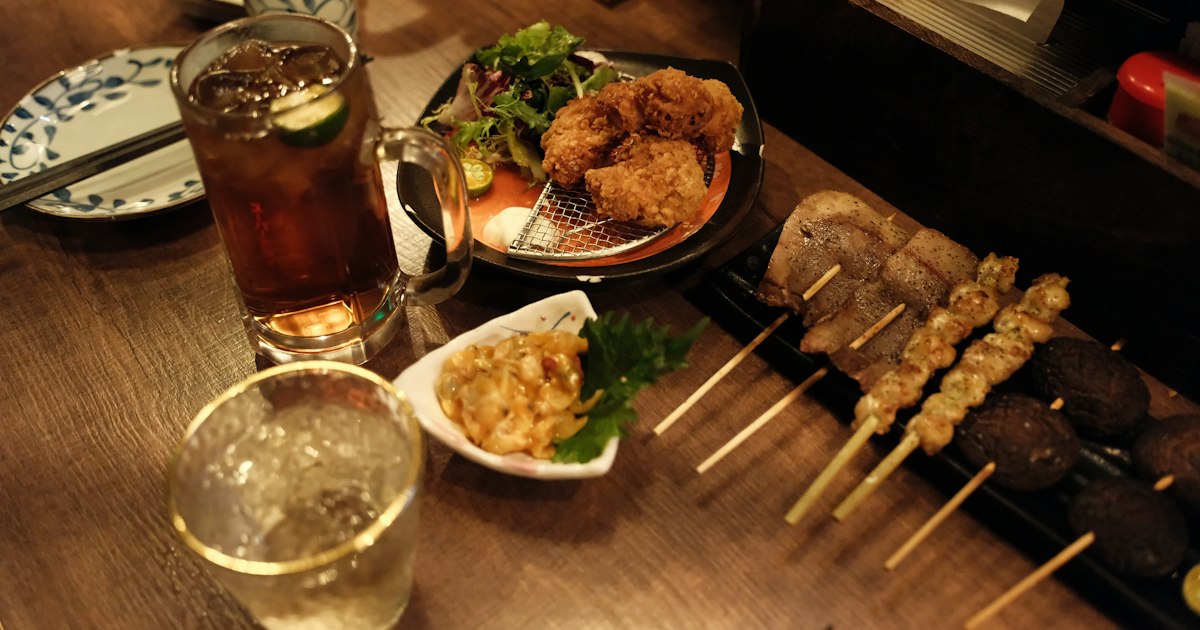
    If you ask someone from Nagoya what to eat in their city, tebasaki usually comes up before anything else. These double-fried chicken wings, glazed in a sticky-sweet soy sauce and dusted with black pepper and sesame, are the signature bar food of central Japan — crispy enough to crackle, messy enough that you’ll need both hands, and addictive enough that most people order a second round before finishing the first. This guide covers where tebasaki came from, which shops are worth your time, what to expect to pay, and the small mistakes that trip up first-time visitors.

    What Makes Tebasaki Different From Regular Fried Chicken

    Tebasaki are chicken wings — specifically the whole wing, not just the drumette — that are deep-fried twice without any batter. The first fry cooks the meat through and renders out fat; the second fry, done at a higher temperature, crisps the skin until it’s almost lacquered. While still hot, the wings are tossed or brushed in a glaze built from soy sauce, sugar, and sometimes mirin or garlic, then finished with a generous shake of black pepper and white sesame seeds.

    The result is sweet, salty, peppery, and sticky all at once, with a skin that shatters before the tender meat underneath. There’s no batter or breading, which is a key difference from American-style wings — the crunch comes purely from the skin itself.

    The Two Shops That Define Tebasaki

    Nagoya has dozens of izakayas serving tebasaki, but two chains are considered the originators and are the ones most visitors should try first.

    • Furaibo (風来坊) — Often credited as the inventor of modern tebasaki, dating back to the early 1960s. Furaibo’s wings are typically a touch milder and slightly less peppery than the competition, with a more balanced sweet-savory glaze. The chain has numerous branches around Nagoya Station and the Sakae district.
    • Sekai no Yamachan (世界の山ちゃん) — The better-known name internationally, thanks to branches that have expanded to Tokyo and even overseas. Yamachan’s wings lean spicier, with a heavier hit of black pepper. It started in Nagoya’s Imaike neighborhood and has since grown into a nationwide izakaya chain with a bright yellow sign and rooster mascot that’s easy to spot.

    Both are casual izakayas — noisy, bright, and built for drinking beer with friends — rather than quiet restaurants. Expect laminated menus, picture-based ordering, and staff shouting orders back toward the kitchen.

    Where to Find Them

    The easiest hunting ground is right around Nagoya Station. Several Yamachan and Furaibo branches operate within a 10-minute walk of the station’s central exits, making this a sensible first or last stop on a Nagoya day trip. The Sakae district, Nagoya’s other major downtown hub, has an even denser cluster of izakayas, including multiple tebasaki specialists tucked into the side streets around Sakae subway station.

    For something closer to the source, Yamachan’s original shop is in Imaike, a few subway stops east of Sakae on the Tsurumai Line — worth the detour if you want to see where the chain started before it spread across Japan. Most locations open for dinner around 17:00 and run late, often past midnight, which fits the after-work drinking crowd these places were built for. Lunch service is far less common; tebasaki is fundamentally an evening, beer-in-hand food.

    How Much Tebasaki Costs

    Pricing is consistent across most chains and genuinely budget-friendly:

    • Budget: A plate of 5–6 wings typically runs around ¥500–700. Pair that with a ¥500 draft beer and you’ve got a full snack for under ¥1,200.
    • Mid-range: A proper izakaya dinner — tebasaki plus a few other small plates like fried tofu, edamame, or grilled skewers, with a couple of drinks — lands around ¥2,500–4,000 per person.
    • Splurge: Many branches offer an all-you-can-drink (nomihodai) course bundled with a full food set for roughly ¥3,500–5,000 per person over a fixed 90–120 minute period, which is the standard way groups eat here.

    Tax and sometimes a small table charge are added, but tipping is not expected anywhere in Japan.

    How to Order and Eat Them

    Tebasaki are eaten with your hands, not chopsticks — restaurants know this and bring a small bowl of water or a wet towel (oshibori) for cleanup afterward. Pick up the wing, bite along the bone, and twist to strip the meat; it takes a wing or two to get the technique down, but staff won’t think twice if you make a mess.

    Portions are usually ordered as a shared plate for the table rather than one per person, so a group of three or four typically orders two or three plates to start and adds more as needed. Beer is the default pairing — the sweetness of the glaze and the saltiness of the skin are built around it — though lemon sours and highballs are common alternatives if you’d rather skip beer.

    If you have dietary restrictions, it’s worth preparing ahead, since izakaya staff in Nagoya aren’t always used to explaining ingredients in English. A printed card showing your allergy or restriction in Japanese, as covered in our guide to food allergy cards and menu translation in Japan, can save a lot of back-and-forth, especially since the glaze sometimes contains sesame.

    Common Mistakes to Avoid

    A few things trip up visitors who haven’t eaten tebasaki before:

    • Ordering too little. A single plate of 5–6 wings disappears fast between two people. Order in rounds rather than trying to guess the right quantity upfront.
    • Skipping the wet towel. The glaze is sticky, and your fingers will show it — use the oshibori provided rather than napkins.
    • Going at lunchtime. Many tebasaki specialists don’t open until the evening, so don’t plan this as a midday meal unless you’ve checked the specific branch’s hours.
    • Expecting a quiet meal. These are loud, casual izakayas built for groups and drinking — if you want a calmer dining atmosphere, this isn’t the venue, though it’s worth comparing to a more atmospheric option like Kyoto’s Pontocho Alley for a different kind of evening out.

    Most tebasaki izakayas in Nagoya now accept cashless payment, including QR code apps, so if you’re relying on your phone to pay, our guide to using PayPay and Rakuten Pay as a tourist is worth a quick read before you go.

    Planning Your Visit

    Nagoya is an easy stop on the Tokyo–Osaka Shinkansen route, roughly 100 minutes from Tokyo and 50 minutes from Osaka on the Tokaido Shinkansen, which makes it realistic as a day trip or a one-night stopover built around dinner. There’s no real seasonal angle to tebasaki — it’s served year-round and tastes just as good in August as it does in January — so the only real timing consideration is going in the evening when these izakayas actually open. If you’re building a Nagoya stop into a longer Japan itinerary, an evening of tebasaki and beer around Sakae or Nagoya Station is a reliable, inexpensive way to spend a few hours between bigger-ticket stops elsewhere in the country.
  • Kiritanpo: Akita’s Grilled Rice Stick Hot Pot and Where to Try It

    Kiritanpo: Akita’s Grilled Rice Stick Hot Pot and Where to Try It

    Photo by 0xk on Unsplash

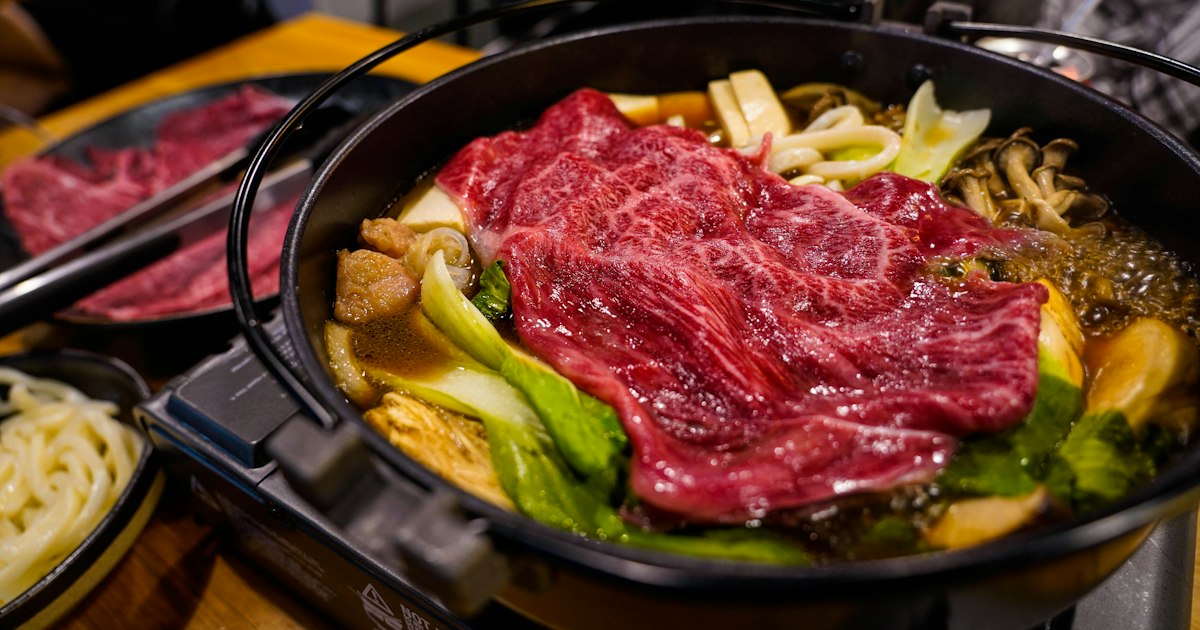
    If you ask someone from Akita Prefecture what dish they miss most when they leave home, odds are good they’ll say kiritanpo. It’s rice, but not as most travelers know it: pounded and grilled onto cedar skewers, then simmered in a savory chicken broth with mushrooms, burdock root, and green onion until it’s soft on the outside and chewy within. It’s one of Japan’s great regional comfort foods, and almost unheard of outside Tohoku — which is exactly why it’s worth seeking out. Here’s what kiritanpo actually is, when to go for it, and where to eat a good bowl without wasting a meal on a mediocre one.

    What Is Kiritanpo, Exactly?

    Kiritanpo starts as freshly cooked short-grain rice that’s mashed in a mortar until about two-thirds of the grains are crushed — just enough to hold together, but not pounded smooth like mochi. The rice paste is molded around a cedar or Japanese cypress skewer in a cylinder shape and grilled over charcoal until the surface turns golden and lightly crisp. The name comes from its resemblance to a “tanpo,” an old-fashioned padded spear tip used in kendo practice.

    On its own, grilled kiritanpo is sometimes brushed with sweet miso and eaten as a snack — look for this version, called “miso tanpo,” at roadside stands and festivals. But the dish most visitors come to Akita for is kiritanpo-nabe, where the skewers are removed, the rice sticks are cut into bite-sized lengths, and they’re added to a hot pot at the table.

    Kiritanpo-Nabe: The Classic Hot Pot

    A proper kiritanpo-nabe is built on dashi made from Hinai-jidori, a prized local breed of free-range chicken, simmered with soy sauce into a clear, deeply savory broth. Into the pot go maitake mushrooms, burdock root (gobo), negi (Japanese leeks), konnyaku, and seri (a peppery wild parsley that’s a signature Akita winter vegetable), along with chicken pieces. The kiritanpo rice sticks go in last, only for a few minutes — just long enough to soak up the broth without dissolving into mush.

    Expect to pay roughly ¥1,500–¥2,500 for a single-serving kiritanpo-nabe set at a casual restaurant, and ¥3,000–¥6,000 per person at a specialty restaurant serving it as part of a multi-course meal with regional sake. Many places require a minimum of two diners for the hot pot version, since it’s traditionally cooked in a shared pot at the table — solo travelers should call ahead or ask if a single-portion nabe is available.

    Best Time to Visit for Kiritanpo

    Kiritanpo is a cold-weather dish through and through. Restaurants serve it from around October through March, with the richest flavor in November and December when the new rice harvest and fresh seri are both in season. Odate City, widely credited as kiritanpo’s birthplace, holds an autumn Kiritanpo Festival (usually in October) where a massive communal pot — large enough to feed hundreds — is cooked outdoors. If your trip lines up with this, it’s worth the detour; otherwise, aim for a December or January visit when nabe season is in full swing and most restaurants have it on the menu without needing advance notice.

    Outside this window — spring and summer — many restaurants quietly drop kiritanpo-nabe from the menu or only offer the grilled miso version, so don’t plan an Akita trip around it in warmer months.

    Where to Try It in Akita

    Budget: Izakaya and teishoku (set meal) restaurants around Akita Station and in the city’s Omachi nightlife district often list kiritanpo-nabe as a seasonal item for ¥1,500–¥2,000, usually sized for one or two people. This is the easiest way to try it without a reservation.

    Mid-range: Specialty kiritanpo restaurants, concentrated in Akita City and in Odate, serve it as a proper course with Hinai-jidori chicken sashimi or yakitori on the side, typically ¥3,000–¥4,500 per person. These are the places to go if you want to taste the difference good broth and real Hinai-jidori make.

    Splurge: Ryokan and kappo-style restaurants in Kakunodate or around Tazawa-ko pair kiritanpo-nabe with a full kaiseki spread and local Akita sake (the prefecture produces some of Japan’s best, including Yuki no Bosha and Takekuma), running ¥6,000–¥10,000+ per person. If you’re combining kiritanpo with a visit to Kakunodate’s samurai district, this is worth booking in advance.

    Getting to Akita from Tokyo is straightforward: the Akita Shinkansen (Komachi) takes about 3.5–4 hours directly from Tokyo Station, or you can fly to Akita Airport in roughly 1 hour 15 minutes from Haneda. For Odate specifically, Odate-Noshiro Airport has flights from Haneda in about 70 minutes, which is faster than the train if that’s your main destination.

    Cash is still common at small-town restaurants in Akita, though QR code payment is spreading — if you’re relying on your phone to pay, it’s worth reading up on QR Code Payments in Japan: Using PayPay & Rakuten Pay as a Tourist before you head somewhere rural, since not every kiritanpo restaurant takes cards.

    Where to Try It Outside Akita

    If your itinerary doesn’t reach Tohoku, Akita Furusatokan, the prefecture’s antenna shop in Nihonbashi, Tokyo, sells vacuum-packed kiritanpo rice sticks and nabe broth kits you can take home or cook in a rental kitchen, along with Hinai-jidori products when in stock. It’s a reasonable fallback, though the texture of fresh-grilled kiritanpo doesn’t fully survive packaging — treat it as a souvenir option rather than a replacement for eating it in Akita. A handful of Tohoku-regional restaurants in Tokyo and Osaka also run kiritanpo-nabe as a winter special, usually worth a quick search for “きりたんぽ” plus your city before you go.

    Common Mistakes to Avoid

    • Confusing it with mochi. Kiritanpo looks similar but isn’t pounded into the stretchy, gluey texture of mochi — it’s firmer and holds its shape in broth. Don’t expect mochi’s stretch.
    • Ordering it outside winter. If you visit Akita in summer, you may only find miso tanpo (the grilled skewer snack), not the hot pot. Check the season before building a trip around it.
    • Not checking the party size. Many restaurants serve kiritanpo-nabe as a shared pot with a two-person minimum. Solo travelers should ask ahead rather than assume it’s orderable for one.
    • Overlooking allergens in the broth. The soy-based dashi typically contains soy and sometimes sesame, and it’s built on chicken stock, so it isn’t suitable for vegetarian, vegan, or halal diets as traditionally made. If you’re traveling with dietary restrictions, our guide to Food Allergy Cards & Menu Translation in Japan is useful for checking ingredients at smaller restaurants that may not have English menus.
    • Treating it as a one-off curiosity instead of planning around it. Kiritanpo is best enjoyed as part of a winter Tohoku itinerary rather than a single detour. If you’re already chasing cold-season specialties, it pairs naturally with a trip built around other winter foods — see our guide to Zuwaigani: Japan’s Winter Snow Crab Season for how to structure a broader winter food trip.

    Kiritanpo won’t show up on most first-time Japan itineraries, which is exactly its appeal — it’s a dish you have to go looking for, in a prefecture most tourists skip entirely. If rice itself interests you as a travel subject, it’s worth noting Akita’s grain also turns up in other regional specialties; for a lighter, non-alcoholic rice drink elsewhere in Japan, see Amazake: Japan’s Sweet Fermented Rice Drink. But for the real thing, a cold night in Akita with a steaming pot of kiritanpo-nabe and a cup of local sake is hard to beat.

  • Zuwaigani: Japan’s Winter Snow Crab Season and Where to Eat It

    Zuwaigani: Japan’s Winter Snow Crab Season and Where to Eat It

    Photo by EMANUELE Ricciardi on Unsplash

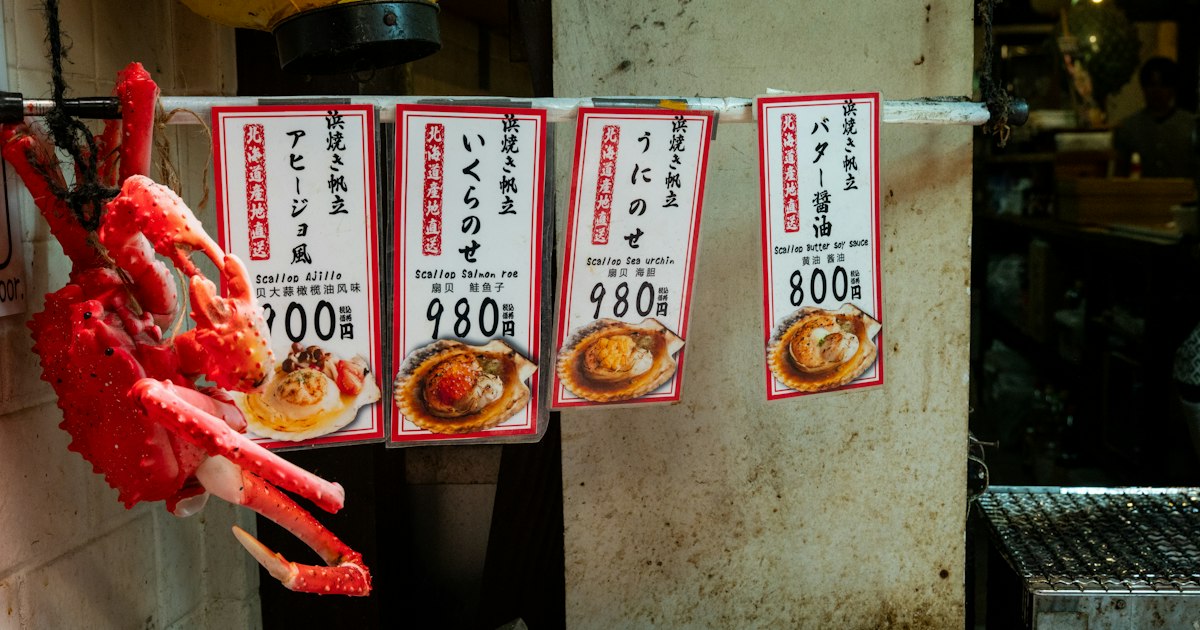
    Every November, fishing ports along the Sea of Japan erupt into celebration as the first boats of the season haul in zuwaigani — snow crab — and restaurants from Kyoto to Hokkaido start chalking “kani” specials onto their boards. For visitors, it’s one of the most satisfying seasonal food experiences in the country: sweet, delicate crab meat eaten steamed, grilled, raw as sashimi, or simmered into a hot pot at the table. Here’s how to time it right, where to go, and how to avoid overpaying for a disappointing plate.

    What exactly is zuwaigani?

    Zuwaigani (ズワイガニ) is Japan’s most prized crab, distinct from the larger, spinier taraba-gani (king crab) and the squat kegani (hairy crab) also sold in winter. Zuwaigani has thinner legs and a more delicate, slightly sweet flavor that Japanese diners generally rank above king crab for quality, even though king crab is bigger and photographs better. Regional names add to the confusion for first-timers: crab landed in Fukui is branded echizen-gani, in Tottori it’s matsuba-gani, and in Hyogo/Kyoto it’s often called kasumi-gani or Tajima-gani. They’re all the same species — the branding reflects the port and the quality grading, not a different crab.

    The very best specimens are tagged with a small plastic ring on one claw, indicating they were certified by local fishing cooperatives for size, weight, and shell firmness. A tagged echizen-gani from Fukui can fetch tens of thousands of yen at auction for a single large male crab — these are the ones gifted in boxes at department stores.

    When is the season?

    Zuwaigani season on the Sea of Japan side runs from around November 6 to late March, with a closure in the summer months to protect stocks. The sweetest window for visitors is December through February, when the crab has fattened up for winter and meat yield is highest. Late January to mid-February is often considered the peak, coinciding with the egg-laying season for females (seko-gani or koubako-gani), which are smaller but prized for their roe and sold at a fraction of the price of males.

    This overlaps with peak ski season in places like Niseko, so if you’re already planning a Hokkaido powder trip (see our guide to Niseko, Hokkaido’s powder snow capital), it’s easy to build in a crab detour, since Hokkaido’s own crab markets in Sapporo and Otaru run through the same months. Just note that heavy snow and occasional winter storm delays can affect train and flight schedules into the San-in and Hokuriku coasts — check conditions before locking in a single-day crab pilgrimage.

    Best regions to eat it

    Fukui and Ishikawa (Hokuriku coast) — home of echizen-gani, considered by many the top-tier crab. Kanazawa’s Omicho Market has multiple crab stalls and sit-down counters where you can get a full crab set for lunch. Echizen Town itself holds a crab festival in November.

    Tottori — matsuba-gani country, and Tottori Prefecture lands more zuwaigani by volume than anywhere else in Japan. Kasumi Port in Hyogo (just over the Tottori border) is a famous, slightly less touristy base for crab-focused ryokan stays.

    Kyoto and Kobe — Kyoto doesn’t land crab itself, but its restaurants source heavily from the nearby San-in coast, and kani kaiseki (multi-course crab dinners) are common in traditional restaurants, including some tucked into the lantern-lit lanes of Pontocho Alley.

    Hokkaido — not the origin of “zuwaigani” branding culture in the same way, but excellent, affordable crab at Sapporo’s Nijo Market and Otaru’s canal-side shops, often sold by weight for take-away as well as eat-in.

    Tsukiji Outer Market, Tokyo — the easiest option if you can’t travel to the coast. Several stalls sell steamed crab legs and crab sashimi by the piece, though prices run higher than at the source.

    What it costs and how to order

    Prices vary a lot by grade, region, and whether it’s market, restaurant, or ryokan dining:

    • Budget (¥1,500–3,500): A few crab legs or a half-crab at a market stall, eaten standing or at a counter. Nijo Market and Omicho Market are good for this.
    • Mid-range (¥4,000–9,000): A set lunch with half or whole crab, rice, miso soup, and small sides at a dedicated crab restaurant. Many coastal towns have set-menu specialists that cater specifically to day-trippers.
    • Splurge (¥15,000–40,000+ per person): A kani kaiseki dinner or a one-night ryokan stay with a full crab course — sashimi, grilled, steamed, crab hot pot (kani nabe), and crab porridge (zogani) to finish the broth. Kasumi and Kinosaki Onsen are classic places for this kind of overnight crab-and-hot-spring trip.

    At markets, it’s normal and expected to ask for a price before pointing at a crab — many stalls display weight-based pricing per 100g rather than a flat price, and a live, uncooked crab bought whole will need cooking instructions if you plan to take it back to a kitchen. If you’re buying to ship home as a gift, most department store food halls (depachika) offer vacuum-packed, cooked crab with export-friendly packaging, though check your home country’s customs rules on seafood before committing.

    Common mistakes to avoid

    • Confusing crab types. Taraba-gani (king crab) is often cheaper per kilo but less flavorful than zuwaigani; some tourist-area menus list both without much distinction, so look for “zuwai” specifically if that’s what you want.
    • Assuming bigger is better. Female crab (seko-gani) is smaller and can’t legally be sold outside its home prefecture in some regions, but it’s often tastier for the price because of the roe — don’t skip it assuming the big male crab is automatically the better order.
    • Not checking if it’s frozen. Fresh, live-caught crab (always true at the source ports in winter) tastes notably different from previously frozen imported crab, which is common in Tokyo restaurants outside of winter. Ask “namagani desu ka?” (is this fresh/raw crab?) if unsure.
    • Underestimating the mess and time. A proper crab meal is slow and hands-on — most restaurants provide picks, scissors, and sometimes gloves. Don’t book a tight schedule right after a kaiseki crab dinner.

    Getting there and paying

    Kanazawa and Tottori are both reachable by direct shinkansen or limited express from Osaka, Kyoto, or Tokyo in roughly 2.5–4 hours, making a day trip or one-night stay realistic from the Kansai region. Smaller crab towns like Kasumi or Echizen require a transfer to a local line, so build in extra time, especially in snow season when trains can run slower or be delayed.

    Most market stalls and smaller crab restaurants in coastal towns still prefer cash, though this is changing — bigger restaurants and department store food halls increasingly accept PayPay or Rakuten Pay and major IC cards. It’s still wise to carry enough cash for a full crab meal when heading to smaller fishing towns, since card machines can be unreliable or absent entirely at the smallest family-run spots.

    A quick seasonal pairing

    Crab season lines up neatly with Japan’s broader winter food calendar — hot pots, warming rice dishes, and drinks meant to be enjoyed slowly after a cold day at the market. If you want something non-alcoholic to pair with a crab dinner, a warm cup of amazake is a traditional, mild-sweet counterpoint that many coastal towns sell alongside their seafood in winter stalls.

  • Niseko: Hokkaido’s Powder Snow Capital and Australia’s Favorite Ski Town

    Niseko: Hokkaido’s Powder Snow Capital and Australia’s Favorite Ski Town

    Photo by Marek Okon on Unsplash

    Ask any Australian skier where they go for their winter fix and there’s a good chance the answer is Niseko. This cluster of ski towns on Hokkaido’s western coast has been quietly building a reputation since the early 2000s as one of the most reliable powder destinations on earth, and it now draws visitors from Singapore, Hong Kong, the UK, and the US as much as it does from Sydney and Melbourne. Here’s what you actually need to know to plan a trip.

    Why Niseko gets so much snow

    Niseko sits directly in the path of cold Siberian air masses that pick up moisture crossing the Sea of Japan, then dump it as dry, light powder when they hit the slopes of Mt. Yotei and the Niseko Annupuri range. The result is an average seasonal snowfall of around 14-15 meters — some of the most consistent powder conditions of any resort in the world. Unlike many European or North American resorts, it’s common to get fresh snow several days in a row rather than one big storm followed by a dry spell.

    The town itself is really four connected ski areas collectively marketed as “Niseko United”: Grand Hirafu, Hanazono, Niseko Village, and Annupuri. A single lift pass covers all four, and a free shuttle bus and connecting lifts link them, so you can ski across the whole mountain in a day without ever taking your skis off.

    Getting to Niseko

    Niseko has no airport of its own. Most travelers fly into New Chitose Airport (CTS) near Sapporo and continue by road or rail.

    • Direct resort bus: Several companies (including the Chuo Bus “Niseko Liner” and private resort shuttles) run direct buses from New Chitose Airport to Hirafu, Niseko Village, and Annupuri, taking roughly 2.5-3 hours depending on traffic and road conditions. Expect to pay somewhere in the ¥5,000-7,000 range one-way; book ahead in peak season (late December-February) as seats sell out.
    • Train: Take the JR Hakodate Line from Sapporo or New Chitose Airport to Otaru, then transfer to a local train bound for Kutchan or Niseko Station — total travel time is about 2.5-3.5 hours. From Kutchan or Niseko Station, taxis and resort shuttles cover the final 10-15 minutes into town.
    • Rental car: Doable, but winter driving in Hokkaido requires studded or dedicated winter tires and real confidence on snow and ice. Most first-time visitors skip this and rely on buses, shuttles, and taxis once in town.

    If you’re arriving from Tokyo, you’ll fly into New Chitose first — there’s no direct train link from Tokyo. If your itinerary starts in Narita or Haneda, it’s worth reading up on airport transfer options into central Tokyo before you connect onward to Hokkaido.

    When to go

    The Niseko season generally runs from late November to early May, but the window most skiers care about is mid-December through February, when snowfall is heaviest and most consistent. January is typically the coldest and snowiest month — expect daytime highs around -5°C to -10°C. Late February into March brings milder temperatures and still-solid snow depth, often with fewer crowds than the peak holiday weeks.

    Avoid the last week of December through the first week of January if you don’t like crowds or inflated prices — this is peak season for both Australian school holidays and Lunar New Year travelers, and accommodation books out months in advance. Early and late season (late November, April) can have thin coverage lower on the mountain, so stick to December-March for the most reliable powder.

    Lift passes and getting around the mountain

    A one-day adult lift pass covering all four Niseko United areas typically runs around ¥7,500-9,500 depending on the season and whether you buy online in advance (usually cheaper) or at the window. Multi-day passes bring the per-day cost down noticeably, and Niseko also has reciprocal arrangements with some international pass programs, so check whether a pass you already own includes days here.

    Within the resort, IC cards or printed passes work at all gates, and a free inter-area shuttle bus connects the four base areas for anyone not skiing between them. Night skiing is a genuine highlight at Grand Hirafu and Hanazono — the terrain is lit well into the evening, and it’s far less crowded than daytime runs.

    Where to stay, eat, and shop

    Budget: Shared dorm rooms or basic guesthouses in Hirafu or Kutchan town run from roughly ¥4,000-7,000 per person per night. Kutchan, a short bus or taxi ride from the lifts, is noticeably cheaper than staying slope-side in Hirafu.

    Mid-range: Western-style condos and hotels in Hirafu or Niseko Village, many ski-in/ski-out, generally start around ¥15,000-25,000 per night for a couple, climbing fast in peak weeks.

    Splurge: High-end options like the Park Hyatt Niseko Hanazono or private ski chalets can run ¥50,000-150,000+ per night, often with private onsen baths and in-room chefs.

    Hirafu Village itself has turned into a surprisingly international dining scene — Australian-run bars, wood-fired pizza joints, ramen shops, and izakayas sit side by side. Most places take credit cards, but smaller noodle shops and convenience stores are a good place to use PayPay or another QR code payment app if you’ve set one up, since cash machines can have long lines during peak hours.

    If you’re renting ski or snowboard gear and have larger feet or a bigger frame, book ahead and ask specifically about size availability — Japanese rental stock skews smaller, and it’s worth checking our guide to big and tall shopping in Japan for where to find outerwear and boots that actually fit before you arrive.

    Common mistakes to avoid

    • Underestimating the cold: Hokkaido winters are drier than Honshu’s but genuinely cold. Layer properly and bring real waterproof gloves, not fashion ones.
    • Skipping travel insurance: Backcountry and off-piste terrain is popular here, but it comes with real avalanche risk outside marked boundaries. Make sure your insurance covers winter sports before you go off-piste.
    • Not booking transport in advance: Airport shuttle buses and popular accommodation sell out weeks ahead in January. Book both before you land.
    • Assuming it’s just like a Western resort: Smaller lodges and restaurants may be cash-only or close early (many shops shut by 9-10pm), so plan dinner reservations ahead on busy nights.

    Combine Niseko with other Hokkaido highlights if you have the time — the Okhotsk drift ice cruises near Abashiri and the wildlife-rich Shiretoko Peninsula are both reachable with a longer Hokkaido itinerary and showcase a very different side of the island’s winter landscape.

  • Pontocho Alley: Kyoto’s Narrow Lantern-Lit Dining Lane

    Pontocho Alley: Kyoto’s Narrow Lantern-Lit Dining Lane

    Photo by ayumi kubo on Unsplash

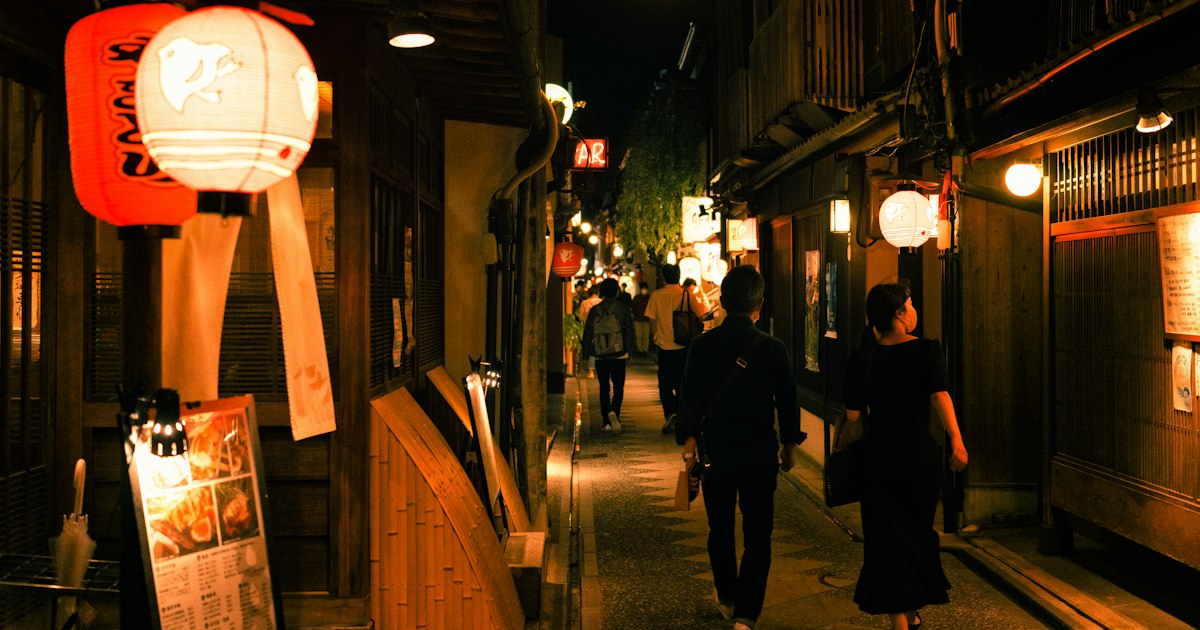
    Squeezed between the Kamo River and Kiyamachi Street, Pontocho (先斗町) is a single stone-paved alley barely wide enough for two people to pass side by side, yet it packs in more than a hundred restaurants and bars behind wooden facades and paper lanterns. It’s one of the most photographed streets in Kyoto, and also one of the most misunderstood — plenty of visitors walk its full length and leave without eating anything because the menus aren’t posted and the doors look intimidating. Here’s how to actually use the alley, not just photograph it.

    Where Pontocho Is and How to Get There

    Pontocho runs parallel to the Kamo River on its west bank, connecting Shijo-dori to Sanjo-dori, right across the water from the Gion district. The easiest approach is on foot from Kyoto’s Keihan Main Line — get off at Gion-Shijo Station and it’s a 3-minute walk across Shijo Bridge. From Kyoto Station, take the city bus (around 230 yen) toward Gion or hop on the Karasuma subway line to Shijo Station, then walk roughly 10 minutes east to the river. Taxis from Kyoto Station run about 1,200–1,500 yen depending on traffic. The alley itself has no vehicle access, so once you’re there, everything is on foot.

    Best Time to Visit

    Pontocho is at its most atmospheric just after sunset, when the lanterns come on but there’s still enough light to see the alley’s wooden architecture — roughly 6:00–7:00pm depending on the season. Most restaurants open for dinner between 5:00pm and 6:00pm and stay busy until around 11:00pm; a handful of izakaya-style spots stay open past midnight. Lunch service exists but is far sparser, with many places only doing dinner. If you want photos without a wall of people, go on a weekday just before 6pm — Friday and Saturday nights get genuinely crowded, with the alley reduced to a slow shuffle. In summer (June–September), ask about kawadoko or noryoyuka seating — raised platforms built over the river where select restaurants serve dinner with a breeze off the water; these are seasonal and usually need reservations.

    How to Choose a Restaurant Without Overpaying

    The single biggest mistake visitors make here is walking into a place with no visible pricing and ending up with a bill far larger than expected. Many traditional establishments, especially ones with a noren curtain but no menu board, are geared toward regulars and can run 10,000–20,000 yen per person with drinks. That’s not a scam — it’s simply a different kind of restaurant — but it catches people off guard. A few rules of thumb:

    • Budget (1,500–3,000 yen): Look for yakitori counters and casual izakaya with laminated or photo menus posted outside, often on the Kiyamachi-dori side streets branching off the alley. These are pay-as-you-order with clear prices.
    • Mid-range (4,000–8,000 yen): Many kaiseki-lite or kyo-ryori restaurants offer a fixed-course dinner at this price, usually bookable same-day or with a few hours’ notice by phone or through your hotel.
    • Splurge (15,000 yen+): Formal kaiseki or ryotei-style dining, often requiring an introduction or at minimum an advance reservation, sometimes only taken in Japanese. Hotel concierges can usually arrange this for you.

    If a shopfront has no posted price and no English, that’s usually a signal it’s an introduction-only or regulars’ spot — not necessarily unfriendly to tourists, but worth a quick “do you have an English menu?” at the door before sitting down, so you’re not guessing at the bill afterward. For those with dietary restrictions, it’s worth preparing in advance — Pontocho’s older, smaller kitchens aren’t always set up for substitutions, so a card explaining allergies or dietary needs helps avoid misunderstandings; see this guide to food allergy cards and menu translation in Japan for templates you can show staff.

    What to Expect Once You’re Seated

    Many Pontocho restaurants are tiny — some seat fewer than 15 people — so expect close quarters and, in traditional spots, tatami seating where shoes come off at the entrance. A per-person seating charge (otsumami or otoshi, typically 300–800 yen) is common at izakaya-style places and isn’t optional; it’s simply built into the bill, similar to a cover charge. Cash is still king in some of the older establishments, though card and IC card payment has spread considerably since the pandemic — it’s worth carrying at least 10,000 yen in cash as backup for smaller spots.

    Common Mistakes to Avoid

    • Treating it as a walk-through, not a destination. The alley is narrow and many restaurants’ entrances are easy to miss if you’re focused on photographing the lanterns overhead — slow down and actually read the small signs.
    • Showing up at 7pm on a Saturday without a reservation. Popular spots fill fast on weekends; call ahead or ask your hotel to book same-day in the afternoon.
    • Assuming geisha sightings are guaranteed. Pontocho is one of Kyoto’s five remaining geisha districts and you may spot a geiko or maiko moving between appointments in the early evening, but it’s not staged for tourists — don’t block the alley or chase them for photos, which is both rude and, in parts of neighboring Gion, now fined by the city.
    • Skipping the side streets. Kiyamachi-dori, running alongside the canal just one street over, has a more relaxed, bar-heavy scene with easier-to-read menus if Pontocho itself feels too formal.

    Pairing It With the Rest of Kyoto

    Pontocho sits within easy walking distance of Gion, the Kamo riverbank (a popular spot to sit with a convenience-store drink on summer evenings), and Nishiki Market for daytime food browsing. If you want to try a lighter, nonalcoholic alternative to the sake and shochu on offer in the alley’s bars, keep an eye out for amazake, Japan’s sweet fermented rice drink, which some traditional sweets shops near the river sell seasonally — see this guide to amazake for where it turns up. And if Pontocho’s prices skew too far upmarket for your trip budget, it’s worth knowing that Japan’s public holiday calendar can swing both crowd levels and prices here — check which 2026 holiday dates to plan around before you book, since Golden Week and New Year push both wait times and seating charges up across Kyoto’s dining districts.

  • Amazake: Japan’s Sweet Fermented Rice Drink and Where to Try It

    Amazake: Japan’s Sweet Fermented Rice Drink and Where to Try It

    Photo by Marvin Meyer on Unsplash

    Thick, pale, and faintly sweet, amazake looks like a dessert and gets marketed like a health tonic — and in Japan, it’s been both for centuries. If you’ve seen small cartons of it at a convenience store and wondered whether it’s a drink, a dessert, or something you should avoid if you don’t drink alcohol, this guide covers what amazake actually is, when Japanese people drink it, and where to try it yourself — from a 400-year-old mountain teahouse to the shrine stalls that hand it out for free on New Year’s morning.

    What Amazake Actually Is

    Amazake (“sweet sake”) is a thick, porridge-like drink made by fermenting rice with koji — the same mold culture (Aspergillus oryzae) used to make sake, miso, and soy sauce. Koji enzymes break down the rice’s starch into natural sugars, which is why amazake tastes sweet without any sugar being added. It’s often served hot in winter and chilled in summer, sometimes strained smooth and sometimes left with visible grains of rice still in it.

    Edo-period Japan actually drank more of it in summer than winter. Street vendors sold amazake as a cheap source of quick energy and B vitamins during the hottest months, and it picked up the nickname “nomu tenteki” — a drinkable IV drip — for its concentrated glucose and amino acids. The modern association with cozy winter warmth is a more recent shift, but you’ll still find amazake sold year-round for exactly the reason Edo-era peddlers pushed it: it’s an easy nutritional boost in a cup.

    Two Types — and the Alcohol Question

    There are two distinct styles sold under the same name, and the difference matters if you care about alcohol content:

    • Koji amazake is made only from rice, koji, and water, fermented for roughly 8–10 hours. It contains no alcohol at all and is the type most commonly sold at supermarkets and convenience stores as a health drink for kids, pregnant women, and anyone avoiding alcohol.
    • Sake-kasu amazake is made from sake lees (the solid residue left over from brewing sake) diluted with water and sugar. Because it starts from an alcoholic byproduct, it typically retains a small amount of residual alcohol — usually under 1%, which keeps it classified as a non-alcoholic beverage under Japanese labeling rules, but it’s not zero.

    Packaging doesn’t always make the distinction obvious at a glance, so if you’re buying for a child, a strict teetotaler, or need it to be genuinely alcohol-free, check the ingredient list for “sake kasu” (酒粕) versus “kome koji” (米麹) — only the latter guarantees zero alcohol. This is also worth knowing if you’re traveling with dietary restrictions; our halal food in Japan guide has more on navigating alcohol content in everyday Japanese food and drink. Amazake is also a reasonable option for travelers managing allergies, since koji-style versions are just rice, koji, and water with no dairy, egg, or wheat — see our food allergy cards and menu translation guide if you need to confirm ingredients at a specific shop.

    When You’ll Actually Encounter It

    Amazake shows up at specific, predictable moments in the Japanese calendar rather than being an everyday café drink:

    • New Year (Jan 1–3): Many shrines and temples hand out free cups of hot amazake to visitors doing hatsumode (the first shrine visit of the year) as a gesture of blessing. Kyoto’s Yasaka Shrine and Tokyo’s Sensoji in Asakusa are well known for this, though exact availability varies by year and crowd size. If you’re planning a New Year’s trip, check our 2026 public holidays guide first — the first few days of January are some of the most crowded travel dates in the country.
    • Hinamatsuri (March 3, Girls’ Day): Amazake and its lightly alcoholic cousin shirozake are traditional drinks for this festival, sold at depachika (department store basement food halls) and sweet shops in the weeks leading up to it.
    • Winter generally: Heated vending machines in train stations and rest stops sell canned amazake alongside hot corn soup and coffee, usually for ¥150–200.
    • Year-round at convenience stores: Morinaga’s amazake, sold in a small paper carton (around 190g) for roughly ¥130–160, is the most widely available version and a safe bet if you just want to try it once.

    Where to Try It

    Budget (¥130–200): Any Lawson, FamilyMart, or 7-Eleven carries carton amazake in the chilled drinks section, and winter vending machines sell warm cans at train stations nationwide. This is the lowest-effort way to taste it and a good first try before committing to anything more involved.

    Mid-range (¥300–500): Kyoto’s Nishiki Market has stalls selling cups of warm amazake for around ¥300–400, often alongside koji-based snacks and pickles — a good stop if you’re already walking the market. Sake breweries in Kyoto’s Fushimi district and in Niigata Prefecture (one of Japan’s major rice- and sake-producing regions) frequently offer amazake tasting as part of a brewery visit or small tasting set, usually priced from ¥500 up depending on what’s included.

    Splurge / destination experience: Amazake Chaya is a thatched-roof teahouse on the old Tokaido road in Hatajuku, between Hakone-Yumoto and Moto-Hakone, that has served travelers crossing the Hakone mountains for roughly 400 years. A cup of their hot amazake runs around ¥400–500. It’s reachable on foot along the old stone-paved trail section of the Tokaido, or by bus toward Moto-Hakone with a short walk — it’s as much a historical rest stop as a drink, and worth building into a Hakone day trip rather than treating as a quick stop. Hours shift seasonally and it’s worth confirming the day isn’t a closure day before making the detour.

    Common Mistakes to Avoid

    • Assuming it’s always alcohol-free. As covered above, sake-kasu versions carry trace alcohol. Don’t hand carton amazake to a child or a non-drinker without checking the ingredients first.
    • Expecting it to taste like sake. Amazake is sweet, thick, and closer to a rice porridge drink than anything resembling the clean, dry flavor of sake or the stronger, distilled character of something like Okinawan awamori. If you’re expecting an alcoholic kick, you’ll be surprised either way — one has none, the other is a different drink entirely.
    • Only looking for it in winter. Because amazake is now marketed as a cold-weather comfort drink, travelers visiting in summer often assume it’s unavailable. It isn’t — convenience store cartons are sold cold year-round, and it’s historically a summer drink anyway.
    • Skipping the lumpy versions. Some amazake is strained smooth, but traditional versions retain visible rice grains and a thicker, almost chewable texture. That’s not a quality issue — it’s the standard preparation at many specialty shops and breweries.

    Bringing Some Home

    Bottled amazake (as opposed to the small daily-drink cartons) is sold as a souvenir item at depachika food halls and at sake breweries, usually for ¥300–600 per bottle, and keeps well unopened for weeks. It’s a reasonable, inexpensive gift option if you want to bring back something distinctly Japanese that isn’t alcohol, sweets, or a packaged snack — and it gives you a legitimate reason to walk through a food hall basement, which are worth browsing in their own right for the sheer range of regional products on display.

  • Awamori: Okinawa’s Distilled Rice Spirit and Where to Try It

    Awamori: Okinawa’s Distilled Rice Spirit and Where to Try It

    Photo by The New York Public Library on Unsplash

    Most visitors to Okinawa know the beaches and the shisa statues, but the island’s most distinctive export is something you drink. Awamori is Japan’s oldest distilled spirit, made in Okinawa for over 500 years using a method found nowhere else in the country. It’s stronger than sake, mellower than most Japanese shochu, and tied so closely to local identity that you’ll find it poured in everything from backstreet izakaya to formal toasts at weddings. Here’s what it actually is, where to taste it properly, and how to avoid the mistakes most first-timers make.

    What Makes Awamori Different From Sake

    The confusion is understandable — both are rice-based and both come in small ceramic-looking bottles — but they’re made in completely different ways. Sake is brewed, like beer, and stays under 20% alcohol. Awamori is distilled, like whisky or shochu, and typically comes in around 25-30% ABV, with some undiluted “genshu” bottlings reaching 40-60%.

    Two other things set it apart. First, awamori is made with Thai long-grain (indica) rice rather than Japanese short-grain rice, a legacy of the Ryukyu Kingdom’s historical trade routes with Southeast Asia. Second, it uses black koji mold (kurokoji), which produces citric acid during fermentation — essential in Okinawa’s hot, humid climate, where that acid prevents the mash from spoiling. Mainland shochu generally switched to a milder white koji strain generations ago; Okinawan distillers never did.

    Kusu: Why Aged Awamori Costs More

    Awamori aged three years or longer in ceramic jars (kaame) or stainless tanks can legally be labeled “kusu,” and it’s where the real flavor difference shows up. Young awamori is sharp and grassy; kusu rounds out into something closer to a light brandy or aged rum, with notes of vanilla and dried fruit. Many distilleries use a traditional blending system called shitsugi, continually topping older jars with younger spirit rather than bottling single vintages, which is part of why true aged kusu is prized and priced accordingly.

    As a rough price guide: a standard 720ml bottle of young awamori runs 1,000-1,800 yen at any Okinawan supermarket. A well-regarded 10-year kusu from a known distillery is typically 3,000-6,000 yen. Rare 20-30 year bottlings from small producers can run well past 10,000 yen, and vintage jars sold at auction or specialty shops occasionally hit far higher. If a shop claims “50 year kusu” at a suspiciously low price, be skeptical — ask whether it’s genuinely cask-aged or just a young spirit in an old-looking jar.

    Where to Taste It in Naha

    Kokusai-dori, Naha’s main tourist street, has dozens of izakaya where awamori is the default drink rather than beer — look for menus offering a “awamori flight” or tasting set, usually 1,500-2,000 yen for three or four pours with different ages. For something more local in feel, walk the side streets around Makishi Public Market, a few minutes off Kokusai-dori, where small standing bars sell awamori by the glass for 500-900 yen alongside Okinawan dishes like rafute (braised pork belly) and umibudo (sea grapes).

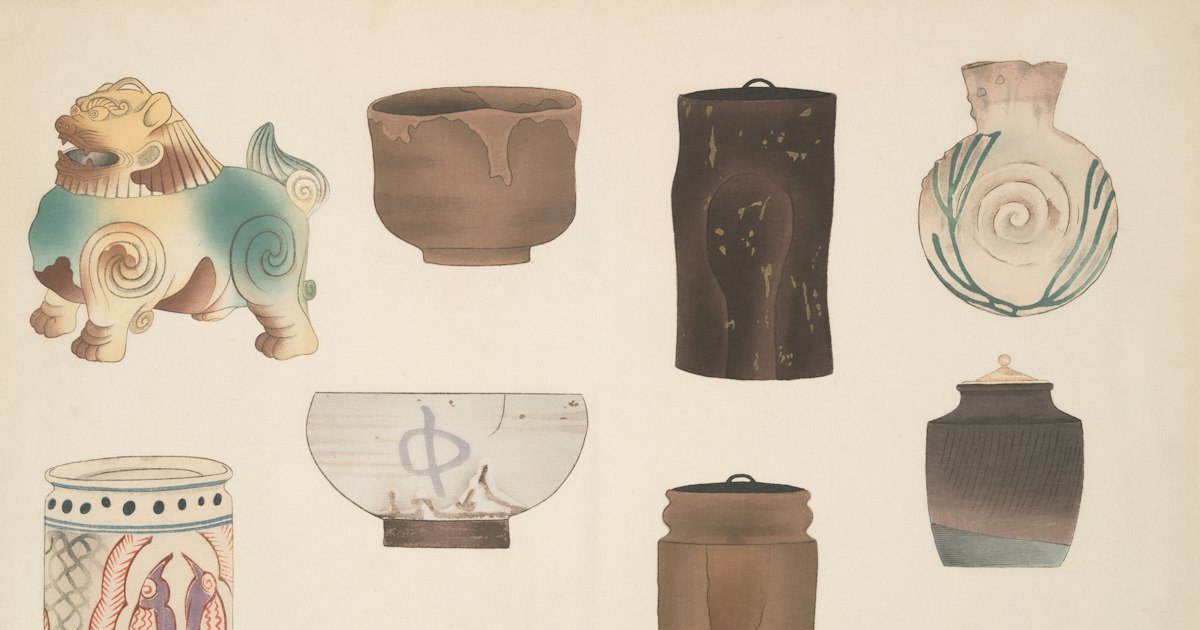
    Don’t skip Tsuboya, Naha’s historic pottery district, about a 10-minute walk from Makishi monorail station on the Yui Rail. This is where the big-bellied kaame jars used for aging kusu are traditionally made, and several pottery shops sell smaller versions suitable as souvenirs — useful if you’re also curious about Japanese ceramic craft traditions like those covered in Suribachi & Surikogi: Japan’s Mortar and Pestle for Grinding Sesame.

    Distillery Tours Worth the Trip

    Several producers welcome visitors, though hours and reservation requirements change seasonally, so check ahead rather than showing up unannounced. Zuisen Distillery, within walking distance of Shuri Castle in Naha, runs short factory tours with a small tasting at the end and is easy to combine with a Shuri Castle visit in a single morning. Helios Distillery, in Nago in northern Okinawa (roughly 1.5 hours by car from Naha via the Okinawa Expressway), is a larger operation with a visitor shop and a pub in Naha’s Kokusai-dori area for anyone who doesn’t want to drive north. If you’re already heading north to Churaumi Aquarium, Helios makes a logical stop along the way.

    Best timing: visit on a weekday morning if possible, since weekend tours fill up faster with domestic tourists, and avoid Okinawa’s rainy season (roughly late May through mid-June) if you also want good weather for the drive. For general date-planning around Japanese holidays that can affect crowds and tour availability, see Japanese Public Holidays: Which Dates to Avoid (or Plan Around) in 2026.

    How to Drink It Like a Local

    Okinawans rarely drink awamori neat. The most common style is mizuwari — awamori mixed with water, often in a roughly 1:1 or 1:2 ratio — served at room temperature rather than chilled, which lets the aroma open up. On the rocks is also common, especially with younger spirit. In winter you’ll sometimes see oyuwari, the same idea with hot water instead. If you’re handed a small flat flask and tiny cups at a traditional bar, that’s a karakara set, used for communal pouring at gatherings — it’s polite to let others pour for you rather than serving yourself.

    A common mistake is ordering awamori expecting something close to sake in flavor and being thrown off by how much stronger and earthier it is; ask the bartender for their mildest aged option if you want an easier introduction. Another is assuming all awamori pairs the same way — young, sharp awamori suits rich pork dishes, while aged kusu is better sipped slowly on its own or with simple snacks.

    Buying Bottles to Bring Home

    Naha Airport’s departure-area shops carry a solid range of awamori, including gift-boxed kusu, so you don’t need to carry bottles through security checkpoints — buy after you clear security if you’re connecting through other Japanese airports, since liquids restrictions apply to carry-on bags before that point. Checked luggage has no such restriction, just pack bottles well; the ceramic kaame-style jars are heavier and more breakable than standard glass bottles, so consider asking the shop to wrap them for transport.

    Check your home country’s duty-free alcohol allowance before buying multiple bottles — many countries cap duty-free spirits at around 1 liter per adult, with extra bottles subject to declaration and duty on arrival. If you’re navigating any language barriers while shopping or ordering awamori-paired dishes, a translated allergy or dietary card can help; see Food Allergy Cards & Menu Translation in Japan: A Traveler’s Safety Guide for how those work.

    Making It Part of a Wider Okinawa Trip

    Awamori tasting pairs naturally with a broader look at Okinawa’s islands — many visitors split a few days between Naha’s food and craft scene and a day trip to the outer islands. If diving or snorkeling is on your list, the Kerama Islands: Okinawa’s Day-Trip Dive Spot for World-Class Visibility are reachable by fast ferry from Naha and make a good contrast to a city day spent on distillery visits and Tsuboya pottery shopping. Plan the drinking-focused day for later in your trip — nothing ruins an early-morning dive boat like an awamori hangover from the night before.

  • Omiya Bonsai Village: Saitama’s Living Tree Museum and Where to Buy Miniature Trees

    Omiya Bonsai Village: Saitama’s Living Tree Museum and Where to Buy Miniature Trees

    Photo by Thor Alvis on Unsplash

    An hour north of central Tokyo, a quiet residential neighborhood in Saitama City holds one of Japan’s strangest and most underrated attractions: a cluster of working nurseries where some of the trees have been trained and shaped for over a century. Omiya Bonsai Village isn’t a theme park or a single ticketed site — it’s a real neighborhood where bonsai masters live and work, and where you can walk from garden to garden looking at living sculptures that predate most of the buildings around them. Here’s how to visit, what it costs, and what to know before you try to buy one.

    What Is Omiya Bonsai Village?

    The village traces back to 1925, when a group of bonsai growers relocated from the Tabata district of Tokyo after the 1923 Great Kanto Earthquake, drawn by Omiya’s clean water and open land. Several of their family-run nurseries are still here, now joined by the Omiya Bonsai Art Museum, which the city opened in 2010 as the world’s first public museum dedicated entirely to bonsai. The whole area covers only about a square kilometer, so it’s an easy, flat half-day walk between the museum and five or six private gardens.

    Getting There from Tokyo

    Take the JR Utsunomiya Line, Takasaki Line, or Keihin-Tohoku Line to Omiya Station (roughly 25-30 minutes from Ueno on a rapid service). At Omiya, transfer to a local JR Utsunomiya or Tohoku Line train for the one-stop, two-minute ride to Toro Station. From Toro Station’s east exit, it’s about a 5-10 minute walk to the Omiya Bonsai Art Museum and the start of the garden cluster. If you’re coming straight from the airport, it’s worth first getting settled in central Tokyo — the airport limousine bus from Narita or Haneda drops you near major hotel districts without a train transfer, and Omiya is an easy train ride from most of them the next day.

    Omiya Bonsai Art Museum: Hours, Tickets, What You’ll See

    The museum is open 9:00-16:30 (last entry 16:00) from March through October, and 9:00-16:00 (last entry 15:30) from November through February. It’s closed Mondays (shifting to Tuesday when Monday is a national holiday) and over the New Year holiday period, so check the calendar before a weekday trip. Admission is modest — around 310 yen for adults and 150 yen for high school and university students, with elementary and junior high students admitted free.

    Inside, rotating indoor displays show a handful of museum-grade specimens under controlled light, while the real draw is the outdoor courtyard garden, where dozens of trees — some pines and junipers well over 100 years old — sit on individual display stands. Information panels explain styling techniques (moyogi, shakan, bunjin) in both Japanese and English, which makes this a good first stop before wandering into the private gardens, where explanations are sparser.

    The Private Bonsai Gardens Worth Visiting

    Within a 10-15 minute walk of the museum are several working nurseries open to the public, including Mansei-en, Toju-en, Seikou-en, Fuyo-en, and Kyuka-en. Most are open roughly 9:00-17:00, and most close one weekday — historically Thursday for several of them, though individual gardens vary, so it’s worth building slack into your schedule rather than targeting just one. Entry to most gardens is free; a few ask a small viewing fee of around 200-300 yen. These are commercial nurseries, not museums, so trees are often for sale and staff are usually happy to talk about care and training if you ask, though English ability varies by garden. Photography rules differ from garden to garden — some restrict flash or tripods — so ask before shooting a tree that’s clearly a showpiece.

    Best Time to Visit (and the Annual Bonsai Festival)

    Because the trees live outdoors year-round, there’s no single “right” season, but spring (April-May) and autumn (November) tend to be the most photogenic, with flowering plum and cherry bonsai in spring and maple color in autumn. Early May is also when the Omiya Bonsai Matsuri (Bonsai Festival) takes over the neighborhood with vendor stalls and demonstrations — a good reason to time a trip around it, though it also brings the largest crowds of the year. If you’re mapping your trip against the national calendar, the rundown of Japanese public holidays to avoid or plan around in 2026 is worth a look, since Golden Week (late April-early May) overlaps with festival season and can mean packed trains out of Omiya Station. Midsummer visits are workable but less rewarding — most deciduous bonsai look fairly plain in the heat, and you’ll be walking outdoor gravel paths with little shade.

    Buying a Bonsai to Take Home (Budget to Splurge, and the Customs Catch)

    Prices at the village nurseries span an enormous range. Small starter bonsai (often called shohin or mame, suited to beginners) can run from roughly 3,000-10,000 yen. Mid-range specimens with more developed shape and age typically run into the tens of thousands of yen, while prize-winning, decades-old pines and junipers can sell for hundreds of thousands of yen or more — some museum-quality trees are effectively priceless to their owners.

    The catch for foreign visitors is customs, not price. Almost every country restricts or bans importing live plants and soil without a phytosanitary certificate and prior quarantine clearance, and casual tourist purchases don’t meet that bar. If you’re serious about taking a bonsai home, ask the nursery specifically about export service — a handful deal with international shipping for approved species and destinations, using bare-rooted plants and official certification, but it’s slow, limited to certain countries, and adds real cost on top of the tree. For most visitors, the more realistic souvenir is a bonsai tool, pot, or book rather than the tree itself — similar in spirit to browsing the workshop-lined streets of Kuramae, Tokyo’s craft workshop neighborhood, where the appeal is watching skilled work in progress as much as buying the finished object.

    Common Mistakes to Avoid

    • Assuming it’s one site. Omiya Bonsai Village is spread across a real neighborhood — budget at least half a day to see the museum and two or three gardens properly, not a quick 30-minute stop.
    • Ignoring closing days. The museum and several private gardens close on different weekdays; a Monday or Thursday trip can leave you with far fewer gardens open than you planned for.
    • Touching the trees. Many specimens are decades or centuries old and extremely delicate — treat them like museum pieces, not garden center stock, even where there’s no visible barrier.
    • Buying first, researching customs later. Confirm export and import rules before falling in love with a specific tree — it can save a disappointing conversation at the register.
    • Leaving cameras or bags behind. It’s a quiet residential area with narrow paths between gardens; if you misplace something en route, Japan’s koban police box and lost-and-found system is efficient, but it’s easier to just keep track of your belongings in the first place.

    Omiya Bonsai Village rewards an unhurried visit — it’s less about ticking off a sight and more about slowing down to look closely at something most people only ever see in photographs. Pair it with a late lunch back near Omiya Station and you’ve got a full, low-key day trip that feels a world away from central Tokyo despite being barely 30 minutes out.

  • Mount Aso: Kyushu’s Active Volcano and the Kusasenri Grasslands

    Mount Aso: Kyushu’s Active Volcano and the Kusasenri Grasslands

    Photo by Jong Hyuk Lee on Unsplash

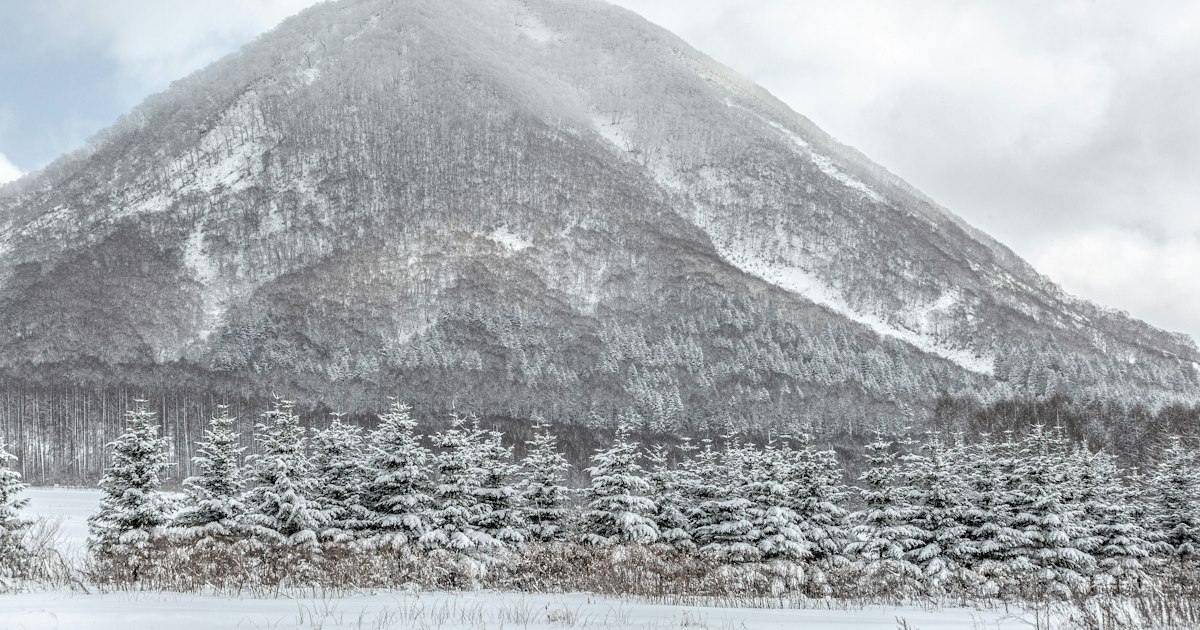
    Mount Aso is one of the few places in Japan where you can drive, bus, or walk into the middle of an active volcano’s caldera and still find grazing horses, a working visitor center, and a pond ringed by grass. It sits in the middle of Kyushu, roughly between Kumamoto and Oita, inside one of the largest calderas on Earth — about 25 km across — and the Kusasenri grasslands occupy a flat stretch of that caldera floor, right below the smoking Nakadake crater itself. It’s an easy day trip if you’re already in Kumamoto, and a worthwhile reason to rent a car and spend a night in the area if you’re not.

    Why Mount Aso Is Worth the Detour

    Most visitors to Kyushu stick to Fukuoka, Nagasaki, and Kumamoto Castle, which means Aso stays relatively uncrowded compared to Mt. Fuji or the Hakone volcanic area near Tokyo. What makes it distinctive is scale: you’re not looking at a single peak but standing inside a caldera large enough to contain towns, farmland, train lines, and a national highway. Nakadake is one of the most active volcanoes in Japan and still periodically closed to visitors, which is part of the appeal — this is a live geological feature, not a dormant postcard. Kusasenri, the grassy plain at its base, is the easiest and safest way to experience that landscape even on days when the crater itself is off-limits.

    Getting There

    The gateway city is Kumamoto. From Kumamoto Station, the JR Hohi Line runs to Aso Station in roughly 1 hour 10–40 minutes depending on the train (around 1,500–2,000 yen one-way); service is limited to roughly one train every 1–2 hours, so check the timetable before you go. From Aso Station, Sanko Bus runs a seasonal “Aso Volcano Line” shuttle up to Kusasenri and the crater area (roughly 30–40 minutes, around 600–700 yen one-way) — but this bus doesn’t run every day in winter, so confirm the current schedule locally or at the station.

    A direct highway bus also runs from Kumamoto Station and Kumamoto Airport to Aso, which is often simpler than the train-plus-local-bus combination. If you’re coming from Fukuoka, there’s no fast direct public transport option — most visitors either transfer through Kumamoto or drive.

    Honestly, a rental car is the most practical way to see Aso properly, since the grasslands, crater area, and surrounding viewpoints are spread across the caldera with infrequent public transport between them. It’s about a 1.5–2 hour drive from Kumamoto city, largely on the scenic “Milk Road” through dairy pastureland. Driving also lets you stop at Daikanbo, a viewpoint on the caldera’s northern rim with a sweeping panorama back across the whole crater floor — arguably a better single photo than anything at Kusasenri itself.

    Kusasenri Grasslands: What to See and Do

    Kusasenri is a broad, grass-covered basin with a shallow pond (Kusasenri-ga-hama) at its center, framed by Mount Eboshi on one side. There’s a paved walking loop around the pond that takes about 20–40 minutes depending on how often you stop for photos, and it’s flat and easy — suitable for most fitness levels and for kids. Horses are grazed here by local operators, and short guided horse rides are sometimes available for a few thousand yen, mostly in warmer months.

    Next to the grassland is the Aso Volcano Museum, which is worth the stop even if the crater is closed that day — it has live-feed cameras pointed into Nakadake plus exhibits on the region’s volcanic history. Admission is roughly 1,200 yen for adults, and it’s open daily, typically 9:00–17:00 (last entry around 16:30). A free public visitor center nearby also has basic information and restrooms.

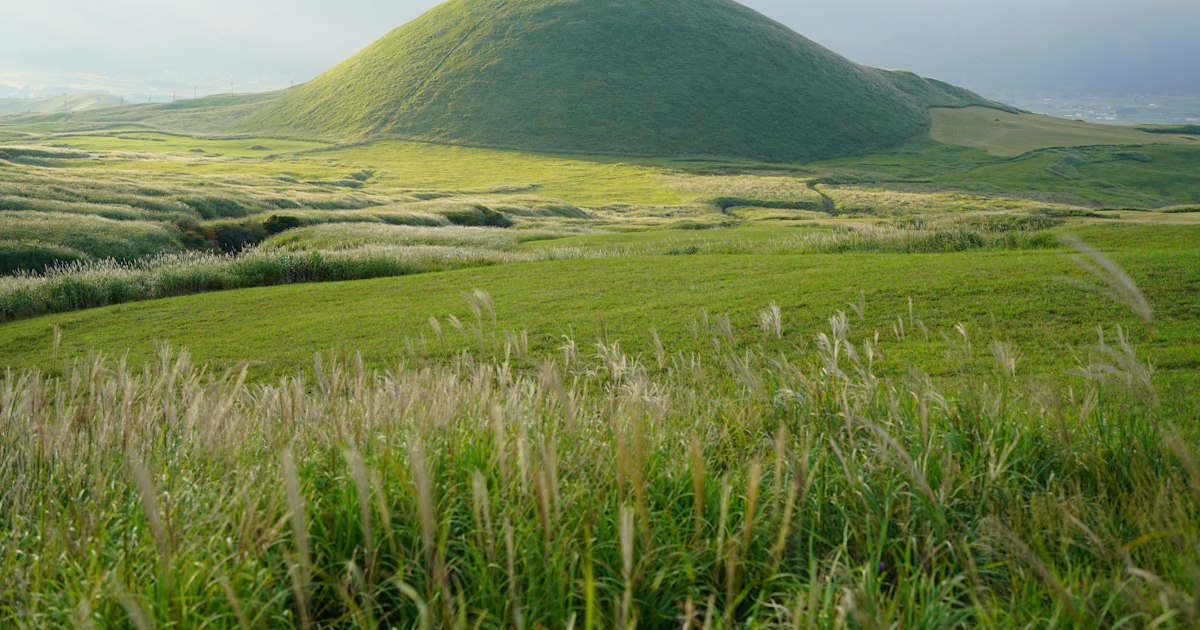
    A short drive or detour from Kusasenri brings you to Komezuka, a small, strikingly symmetrical cinder cone that looks almost artificial — a good 10-minute photo stop if you have a car.

    The Nakadake Crater: When You Can (and Can’t) Get Close

    This is the part of the trip you cannot fully plan in advance. Nakadake’s active crater is monitored by the Japan Meteorological Agency, and access to the crater rim is restricted whenever the volcanic alert level rises — sometimes for days, sometimes for months at a stretch. When access is open, a shuttle bus runs from a staging area up to the crater rim parking area (the old ropeway was destroyed in the 2016 Kumamoto earthquake and never rebuilt), with a round-trip fare in the ballpark of 1,000–1,200 yen. Even when the crater is accessible, rangers can close it on short notice if gas levels spike, so build flexibility into your schedule rather than treating the crater viewing as guaranteed.

    If you’re set on seeing the crater specifically, check the current access status the morning of your visit — local tourist information centers and the Aso Volcano Museum staff keep up-to-date status information, more reliably than most English-language sites. Kusasenri, by contrast, is almost always open regardless of the crater’s status, which is why it’s the more dependable half of this day trip.

    Best Time to Visit

    Spring (April–May) brings fresh green growth to the grasslands and comfortable hiking weather. Late autumn (late October–November) turns the grass silver-gold and is arguably the most photogenic season, with the Kyushu volcanic plains at their most dramatic. Summer is green and lush but can be hazy, and visibility into the caldera is sometimes poor on humid afternoons — aim for a morning visit. Winter brings a real chance of snow dusting the grasslands and crater rim, which is beautiful but also when road and bus closures are most likely, including possible snow chains requirements if you’re self-driving. Many travelers planning a Kyushu itinerary build Aso in around the same window as other regional stops — if you’re mapping dates around Japanese holidays, it’s worth checking which dates to avoid or plan around in 2026, since Golden Week and other holiday periods can make the limited local buses and rental cars harder to book.

    Common Mistakes to Avoid

    • Assuming the crater will be open. Many visitors build their whole day around seeing Nakadake up close and are disappointed when it’s closed for gas activity. Treat Kusasenri as the main event and the crater as a bonus.
    • Underestimating the bus schedule gaps. The Aso Volcano Line bus doesn’t run constantly, and missing the last one back to Aso Station can strand you. Check return times before you set out, especially outside peak season.
    • Not bringing warm layers. Even in summer, the caldera floor and crater rim sit at elevation and can be significantly colder and windier than Kumamoto city.
    • Skipping Daikanbo. If you have a car, this viewpoint gives you the “whole caldera” perspective that you can’t get from inside it at Kusasenri — don’t treat it as optional.

    Where to Eat and Stay Nearby

    For budget options, the Aso Station area has simple soba and curry shops in the 700–1,000 yen range, plus convenience stores for picnic supplies to eat by the Kusasenri pond. Mid-range travelers should try the local specialty, Akaushi (Aso red beef) — restaurants around Aso town serve grilled or hot-pot versions typically running 2,500–4,000 yen per person. The region is dairy country, too, so fresh milk, soft-serve, and cheese from roadside farm stands along the Milk Road are worth the stop. If you’re managing dietary restrictions while trying regional dishes, it’s worth carrying a translated food allergy card, since rural restaurants around Aso are less likely to have English-speaking staff than places in Kumamoto city.

    For a splurge, consider staying a night at one of the onsen ryokan in the Aso or nearby Kurokawa Onsen area rather than doing this purely as a Kumamoto day trip — soaking in a hot spring after a day on volcanic ground is about as thematically appropriate as travel gets. If you’re building out a broader Kyushu itinerary with Aso as one stop among several, the island also rewards detours to lesser-visited spots like the Goto Islands off Nagasaki, which pair well with a Kumamoto–Nagasaki loop.

  • Okhotsk Drift Ice: Riding Abashiri’s Ice-Breaker Cruises Through Hokkaido’s Frozen Sea

    Okhotsk Drift Ice: Riding Abashiri’s Ice-Breaker Cruises Through Hokkaido’s Frozen Sea

    Photo by Vincent Zhao on Unsplash

    Every winter, pack ice forms off the coast of Siberia, drifts south on the Amur River’s outflow and ocean currents, and piles up against the shores of eastern Hokkaido in sheets that can stretch to the horizon. This is the Okhotsk drift ice, or ryuhyo, and it’s one of the strangest seasonal spectacles in Japan: a port town like Abashiri wakes up one January morning to find the sea itself has turned white and solid. The way to experience it up close isn’t from the beach — it’s from the deck of a ship built to crack straight through it.

    What the Drift Ice Actually Is

    The Sea of Okhotsk is one of the southernmost places on Earth where sea ice forms, mainly because fresh water from the Amur River dilutes the surface seawater enough for it to freeze at a higher temperature than normal seawater would. Winds and currents push the resulting ice floes south and east, and by midwinter they jam up against the coastline around Abashiri, Mombetsu, and the Shiretoko Peninsula. The ice isn’t a flat, continuous sheet — it’s a jumbled mass of floes, ridges, and open leads that groan and crack as they shift, with seals, and occasionally Steller’s sea eagles, riding along on top. Locals still watch for “first contact” (ryuhyo settogan hi), the official date the ice is first visible from shore each year, which the local weather office announces and which usually falls in mid-to-late January.

    The Ice-Breaker Cruises: Aurora and Garinko

    Two purpose-built ships run tourist cruises straight into the pack ice, and they work differently:

    • Aurora (おーろら), Abashiri Port: A conventional icebreaker hull that rides up and crushes the ice under its weight. Cruises run roughly one hour, with several departures a day during peak season (often 4–5 sailings between late morning and late afternoon). Fares are around ¥4,500 for adults and ¥2,250 for children, though prices are reviewed each season, so check the current schedule before you go. Boarding is a short walk or taxi ride from Abashiri Station.
    • Garinko-go III IMERU, Mombetsu Port: About an hour’s drive northeast of Abashiri. This ship uses two large screw-shaped drills at the bow to auger through the ice rather than ride over it — a strange, satisfying thing to watch from the rail. Cruises run about 40–60 minutes and typically cost ¥3,500–4,000 for adults, roughly half that for children.

    Both ships only break ice when ice is actually present and reachable; if the floes have drifted offshore (which happens some years, especially in milder winters), the cruise still runs but through open or looser water, which is less dramatic. There’s no refund for a light-ice day — it’s genuinely weather- and current-dependent, so build in a buffer day if you can.

    Best Time to Go

    The operating window is roughly late January through late March, but the sweet spot for thick, shore-hugging ice is early-to-mid February. Late January can be hit-or-miss as the ice is still arriving; by mid-March it’s often breaking up and retreating. If you only have one shot at this, aim for the first three weeks of February. Mornings tend to have calmer seas and clearer light for photos, though ice density matters more than time of day. Winter in general is Abashiri’s off-peak tourist season outside of the ice itself, so hotels are easier to book than in summer — just confirm your dates don’t collide with a national holiday rush; the 2026 public holiday calendar is worth a glance if you’re traveling in late January around the three-day weekend or in mid-February.

    Getting to Abashiri

    Abashiri is remote by Japanese standards, which is part of why the drift ice feels like such an event. Two realistic routes:

    • Fly: Memanbetsu Airport (MMB), about 20–25 minutes by bus or taxi from Abashiri Port, has direct ANA flights from Tokyo Haneda (roughly 1 hour 50 minutes) and seasonal connections from Sapporo New Chitose. This is the fastest option by far.
    • Train: From Sapporo, take a limited express to Asahikawa (about 1 hour 25 minutes), then transfer to the JR Sekihoku Main Line limited express “Taisetsu” or “Okhotsk” service to Abashiri (roughly 3.5–4 hours). Total journey from Sapporo runs 5–6 hours, so it’s really a one-way scenic option rather than a practical return trip unless you have time to spare.

    Once in Abashiri, the Aurora dock, the Okhotsk Ryuhyokan museum, and most hotels cluster within a short bus or taxi ride of JR Abashiri Station — you don’t need a rental car for the cruise itself, though one helps if you want to detour to Mombetsu or Shiretoko.

    What to Bring and Common Mistakes

    The deck is open-air and you’re sitting in the middle of a frozen sea in February — wind chill out there is brutal even on a mild day. The single biggest mistake visitors make is dressing for a city winter instead of a maritime one.

    • Layer up with thermal base layers, a proper insulated winter coat, waterproof gloves (not just wool), and a hat that covers your ears. Many ships rent heavier coats on board if you underestimate the cold, but don’t count on availability.
    • Wear boots with real tread — the pier and deck get icy and slick.
    • Book same-day if possible rather than weeks ahead; sailings are sometimes cancelled or re-timed based on ice conditions and sea state, and walk-up tickets are usually available outside the busiest weekends.
    • Don’t assume the ice will be thick just because it’s “ice season” — check the ferry company’s site or call ahead on the morning of your visit for a real-time ice report if you’re flexible on dates.
    • If you get seasick, take precautions before boarding — the hull shudders noticeably each time it rides up onto a floe.

    Beyond the Cruise

    If the cruise leaves you wanting more ice and more of this corner of Hokkaido, the Okhotsk Ryuhyokan museum in Abashiri (admission around ¥770) has a walk-in freezer room chilled to about -15°C stocked with real drift ice, plus tanks of clione — tiny translucent “sea angels” that only appear near the ice. For a different angle on winter Hokkaido entirely, Shiretoko’s Utoro side, about 90 minutes east, runs guided walks directly on the frozen sea ice in a drysuit, part of the same wildlife-rich coastline covered in our guide to the Shiretoko Peninsula’s UNESCO wilderness and summer cruises — worth reading if you’re building a longer eastern Hokkaido itinerary around both seasons.

    Budget, Food, and Where to Stay

    A budget day trip — one Aurora cruise, a museum stop, and convenience-store meals — runs comfortably under ¥7,000 per person excluding transport. Mid-range travelers should set aside a dinner for Okhotsk crab or local scallops, a specialty of the coast, at one of the seafood restaurants near the station (¥3,000–6,000 for a proper crab or seafood set). For a splurge, several hotels along the Abashiri waterfront offer rooms facing the Okhotsk Sea where you can watch the ice from your window at sunrise — book these early for the February peak, since rooms with a sea view sell out before standard rooms do. If you’re stacking a winter Japan trip with other cold-weather experiences further south, pairing this with a ski town like Nozawa Onsen in Nagano makes for a good contrast — one is ice at sea, the other is snow in the mountains, and both are at their best in the same window.