Japan Trove

Category: Uncategorized

  • Hakata vs Utsunomiya: Japan’s Great Gyoza Rivalry

    Hakata vs Utsunomiya: Japan’s Great Gyoza Rivalry

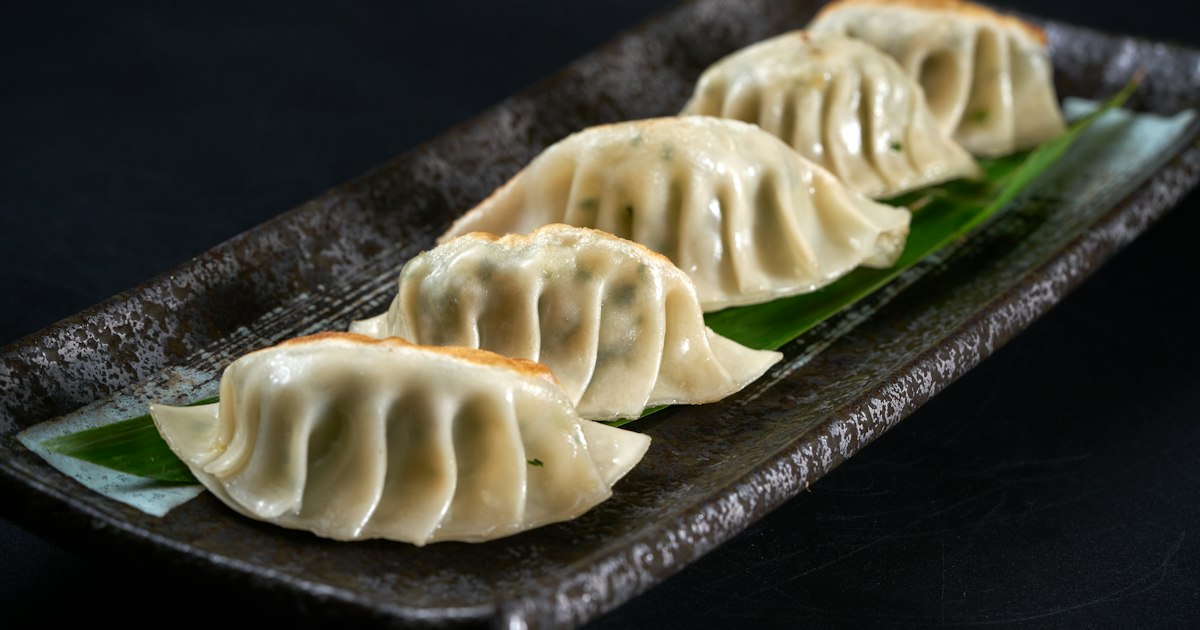
    Photo by Huyen Bui on Unsplash

    Ask someone from Fukuoka and someone from Utsunomiya which city makes Japan’s best gyoza, and you’ll start an argument that’s been running for decades. Both cities have built genuine food cultures — and civic pride — around the pan-fried dumpling, but they taste almost nothing alike. One is tiny, garlicky-but-mild, and built for a late-night yatai stall; the other is big, loaded with cabbage and raw garlic, and sold from a dedicated “Gyoza Stadium.” Here’s how to eat your way through both.

    Two Cities, Two Gyoza Philosophies

    Gyoza arrived in Japan from China via soldiers and civilians returning from northeastern China after World War II, and both Fukuoka and Utsunomiya claim early, independent gyoza scenes that grew up around returnee communities in the late 1940s. From there the styles diverged completely. Hakata (the old city-center name still used for Fukuoka’s food culture) developed small, almost dainty dumplings meant to be eaten two or three bites at a time alongside beer or ramen. Utsunomiya, in landlocked Tochigi Prefecture, leaned into bulk — big, cabbage-heavy gyoza sold by the plate as a meal in themselves, with both fried (yaki) and boiled (sui) versions on most menus.

    Hakata Gyoza: Bite-Sized and Built for Late Nights

    Hakata-style gyoza (hitokuchi gyoza, or “one-bite gyoza”) are small, thin-skinned, and pan-fried in neat rows, usually arriving eight to ten per plate for around ¥400–¥600. The thin wrapper-to-filling ratio and light garlic make them an easy companion to tonkotsu ramen or a round of highballs, not a standalone meal.

    The classic way to eat them is at the yatai (open-air food stalls) along the Nakasu riverside and around Tenjin, where stalls typically set up from around 18:00 and run until 1:00–2:00 am, cash only, with seating for maybe eight to ten people elbow-to-elbow. Weather and construction can shut yatai down with no notice, so treat a specific stall as a “try to find it” rather than a guaranteed stop. For a sit-down version without the gamble, Gyoza no Tetsujin and Gyoza Taiho (near Nakasu, one of the shops credited with popularizing the hitokuchi style) serve the same dumplings daily, typically from lunch through late evening.

    Utsunomiya Gyoza: Gyoza City’s Garlic-Forward Classics

    Utsunomiya markets itself outright as “Gyoza no Machi” — Gyoza City — a title it adopted after statistics repeatedly showed its households among Japan’s top spenders on gyoza (it trades the top spot back and forth with Hamamatsu most years). There’s a gyoza statue outside JR Utsunomiya Station’s west exit, and the dumplings here are a different animal from Hakata’s: larger, stuffed generously with cabbage, and often more assertive with raw garlic.

    The easiest one-stop introduction is Utsunomiya Gyoza Stadium, a food-court-style complex a short walk from the station gathering roughly a dozen of the city’s well-known gyoza shops under one roof, generally open from around 11:00 to 19:00 or 20:00 (hours vary by shop, and some close one weekday). Expect to pay ¥300–¥500 for a plate of six. Minmin, near the station’s east side, is the most famous standalone shop and routinely has a queue out the door at lunchtime — arrive by 11:00 or plan for a 20–30 minute wait.

    Getting There: Trains, Times, and Ticket Prices

    Utsunomiya is the easier day trip from Tokyo. The Tohoku Shinkansen (Yamabiko or Nasuno trains) covers it in about 50 minutes for roughly ¥4,500 one way; the slower JR Utsunomiya Line local/rapid service takes about 1 hour 40 minutes to 2 hours for around ¥1,980 and is covered by wide-area rail passes that include the Tohoku corridor. Either way, it’s a realistic half-day or full-day round trip without an overnight stay.

    Fukuoka is a bigger commitment: the Sanyo/Tohoku Shinkansen from Tokyo takes around 5 hours and costs roughly ¥22,000 one way, while flying takes about 2 hours plus airport time. From Osaka, the Shinkansen to Hakata is about 2.5 hours for around ¥15,000. Most visitors fold Hakata gyoza into a broader Kyushu or Fukuoka city itinerary rather than a standalone trip — it pairs naturally with a ramen crawl or a stop at nearby Shinsekai-style retro food alleys if you’re routing through Osaka’s Shinsekai district on the same trip.

    Best Time to Go and How to Avoid the Lines

    Both cities’ gyoza scenes are year-round, but timing still matters. In Fukuoka, yatai are miserable and sometimes closed outright during the June–July rainy season and the worst of August’s humidity; late autumn through early spring, when the air is cooler, is the more comfortable season to eat standing or on a bench outdoors. In Utsunomiya, Gyoza Stadium and Minmin both get hit hardest at lunch on weekends, when tour groups and day-trippers from Tokyo stack up — a weekday lunch around 11:30, just after opening, is the easiest way to skip the worst of it.

    A common mistake in Fukuoka is wandering Nakasu at 19:00 expecting a full stall lineup — many yatai don’t set up until closer to 19:30–20:00, and some well-known ones only operate a few nights a week. In Utsunomiya, the mistake is assuming one plate is enough; portions are smaller than they look, and most regulars order two or three rounds, splitting yaki and sui styles to compare.

    Budget, Mid-Range, and Splurge Gyoza

    • Budget (¥300–¥600): A single plate at either Gyoza Stadium or a Hakata yatai counter — enough for a snack, not a meal.
    • Mid-range (¥1,000–¥2,000): A full sit-down meal — gyoza plus ramen or rice and a drink in Fukuoka; two or three gyoza plates plus a side at Minmin or a Gyoza Stadium shop in Utsunomiya.
    • Splurge: Neither city’s gyoza scene is really a splurge category — the appeal is precisely that it’s cheap, fast, and unpretentious. If you want to spend more, pair the meal with a proper Hakata ramen tasting or a Tochigi sake flight on the side rather than ordering premium gyoza.

    Mistakes to Avoid

    Bring cash — many yatai and smaller gyoza shops in both cities still don’t take cards, and ATMs aren’t always nearby. Don’t expect English menus at the most authentic stalls; pointing at what the table next to you is eating works fine. If you want to bring gyoza home, both cities sell frozen, vacuum-packed sets designed for travel (look for them at the station or airport) — they make a genuinely appreciated gift, so it’s worth knowing the basics of omiyage etiquette before you hand a box to a Japanese colleague or host. And if your gyoza crawl is part of a bigger regional-specialty trip, it’s worth comparing notes with Japan’s other famous single-dish pilgrimage, Sendai’s grilled beef tongue (gyutan) scene — a useful reminder that almost every Japanese city has staked a claim to one dish, and the fun is in tasting the differences rather than crowning a winner.
  • Melon Pan: Japan’s Beloved Sweet Bread and Where to Find the Best

    Melon Pan: Japan’s Beloved Sweet Bread and Where to Find the Best

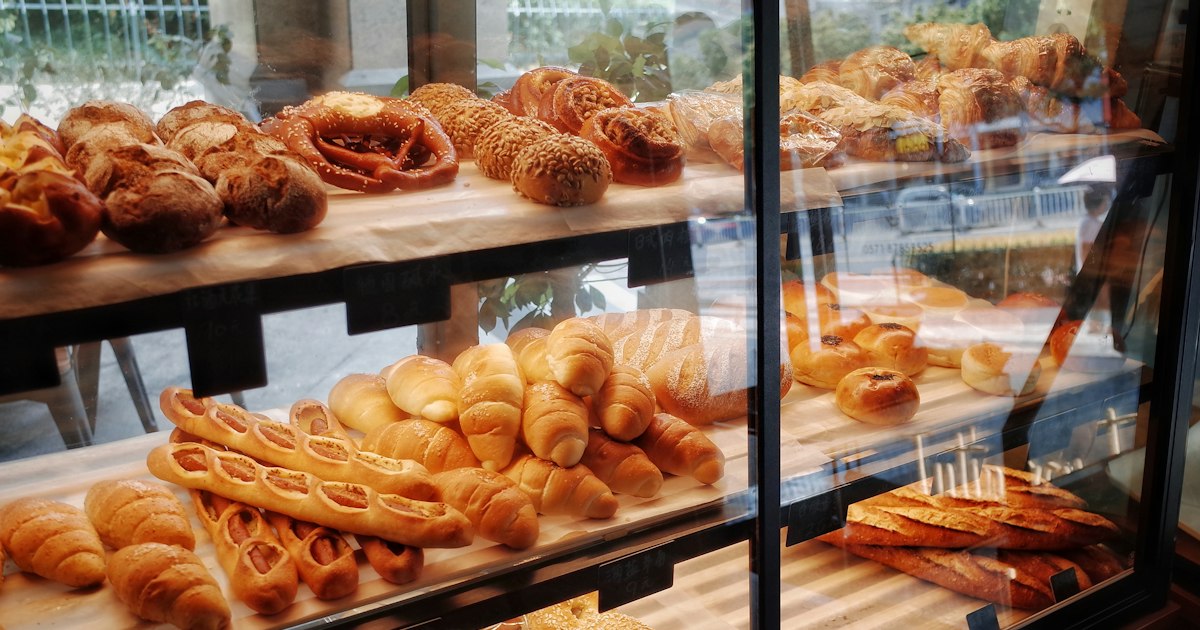
    Photo by Yeh Xintong on Unsplash

    Melon pan is the bread you’ll see piled in the window of nearly every Japanese bakery, convenience store, and train station kiosk — a round, golf-ball-textured bun with a crackly cookie crust and a soft, slightly sweet interior. Despite the name, it rarely contains actual melon. It’s one of Japan’s most accessible, affordable treats, and a genuinely good item to sample on day one of a trip, not just a novelty for Instagram.

    What Melon Pan Actually Is (and Isn’t)

    Melon pan is a yeasted bread dough wrapped in a thin layer of cookie dough (biscuit dough), then scored in a crosshatch pattern before baking so it cracks open like a cantaloupe rind. The “melon” refers to the shape and surface pattern, not the flavor — most versions taste like a lightly sweet vanilla cookie over soft milk bread, with no fruit flavor at all. Some regional and specialty versions do add real melon flavoring or even cream filling, so if you want actual melon taste, look for labels that say “メロン果汁入り” (contains melon juice) or ask for “メロン風味” (melon-flavored) versions — plain “メロンパン” is the classic, melon-less original.

    Texture is the main appeal: a firm, sugar-crusted shell gives way to pillowy bread underneath. It’s best eaten the same day it’s baked, ideally within a few hours, since the crust softens and loses its snap by the next morning.

    Where to Buy: Budget, Mid-Range, and Splurge Options

    Budget (¥110–¥160): Convenience stores (7-Eleven, Lawson, FamilyMart) and supermarket bakeries sell perfectly decent melon pan for around ¥120–¥150. This is a fine way to try one on arrival day with zero planning — similar in spirit to grabbing oden at a convenience store counter in winter, it’s a snack culture built around convenience, not ceremony.

    Mid-range (¥150–¥350): Neighborhood bakeries (machi no pan-ya) and chains like Vie de France or Shiro-Hige’s Cream Puff Factory bake fresher batches, often still warm in the morning. Look for a sign reading “焼きたて” (freshly baked) and ask staff when the next batch comes out — many bakeries bake melon pan two or three times a day.

    Splurge (¥400–¥900): Specialty melon pan shops sell oversized versions (some the size of a small cantaloupe), stuffed versions with custard or ice cream inside, or artisan takes using French butter and high-fat milk. These make a fun, photogenic treat but aren’t necessary to understand what makes melon pan good — the ¥150 version from a decent bakery is genuinely representative.

    Where to Find the Best: Specific Shops Worth Seeking Out

    • Kagetsudo (Asakusa, Tokyo) — Famous for enormous, warm melon pan with a thick cookie crust, sold from a stall near Nakamise shopping street. Expect a queue, especially on weekends; go on a weekday morning for a shorter wait. Roughly ¥280–¥350 each.
    • Yamashiroya and local bakeries in Kagurazaka, Tokyo — This quiet, cobblestoned former geisha district (see our Kagurazaka guide) has a mix of old-school Japanese bakeries and French-influenced patisseries, making it a good spot to compare a traditional melon pan against a butter-heavy French-style one in the same afternoon.
    • Kobe — Often cited as melon pan’s birthplace region, thanks to the city’s early 20th-century bakeries that experimented with Western breads. Kobe’s old foreign settlement bakeries still turn out well-regarded versions, and it’s worth a stop if you’re already in the Kansai area.
    • Department store basement food halls (depachika) — Almost every major department store basement (Isetan Shinjuku, Daimaru, Hankyu) has at least one bakery counter selling fresh melon pan, often with unusual seasonal flavors like matcha, hoji-cha, or chocolate chip versions layered into the crust.

    Best Time to Buy

    Morning is best — most bakeries bake their first batch between 7:00 and 9:00 AM, and melon pan is at its peak within an hour or two of coming out of the oven, when the crust is still crisp and slightly warm. Many popular bakery stalls (like Kagetsudo in Asakusa) sell out of the freshest batch by early afternoon on busy days, restocking a few more times before closing, typically around 18:00–19:00. There’s no strong seasonal angle the way there is with, say, winter oden — melon pan is sold year-round — but summer heat can make the cookie crust go soft faster if you’re carrying it around all day, so plan to eat it soon after buying rather than saving it for later.

    Common Mistakes Travelers Make

    • Expecting melon flavor. The single biggest letdown for first-timers is biting in expecting fruit flavor and getting vanilla-cookie bread instead. Go in knowing this and you’ll enjoy it much more.
    • Buying it too early in the day and eating it too late. The crust-to-bread contrast is the whole point; a melon pan that’s sat in a bag for six hours loses its crackle.
    • Assuming all melon pan is the same. Regional and shop-to-shop variation is significant — some are bready and light, others are dense and buttery, some add chocolate chips inside the dough. If your first one disappoints, try a different shop before writing off the whole category.
    • Not checking for cream or custard-filled versions if you want something richer. These are usually labeled “メロンパン(クリーム入り)” and cost a bit more, but satisfy a different craving than the plain version.

    Bringing Melon Pan Home as a Souvenir

    Fresh melon pan doesn’t travel well and isn’t a practical souvenir to carry home — it’s a same-day eat. If you want to bring a bread-adjacent gift back for coworkers or family, look instead for individually wrapped, shelf-stable melon pan–flavored snacks (cookies, rusks, or KitKat-style confections) sold at souvenir shops and airports, which hold up far better in a suitcase. For general guidance on what makes a thoughtful workplace gift versus what to skip, our omiyage etiquette guide covers the unwritten rules. If you’re assembling a broader snack box from Japan, pairing a shelf-stable melon pan treat with something like a few varieties of senbei gives recipients a mix of sweet and savory. Travelers who enjoyed melon pan in Tokyo and are heading toward the Tohoku region afterward might also want to try zunda mochi and other Sendai sweets as a regional counterpart — both are humble, everyday treats that say a lot about local taste.

    Quick Reference

    Expect to pay ¥110–¥160 at a convenience store, ¥150–¥350 at a neighborhood bakery, and up to ¥900 for oversized or filled specialty versions. Buy in the morning, eat within a couple of hours, and don’t expect it to taste like actual melon. With no reservation needed and shops open from early morning until evening (most bakeries run roughly 7:00/8:00 AM to 19:00/20:00), it’s one of the easiest, cheapest, and most satisfying food stops to slot into any Japan itinerary.

  • Noboribetsu Onsen: Hokkaido’s Hell Valley Hot Spring Town

    Noboribetsu Onsen: Hokkaido’s Hell Valley Hot Spring Town

    Photo by hiding ninja on Unsplash

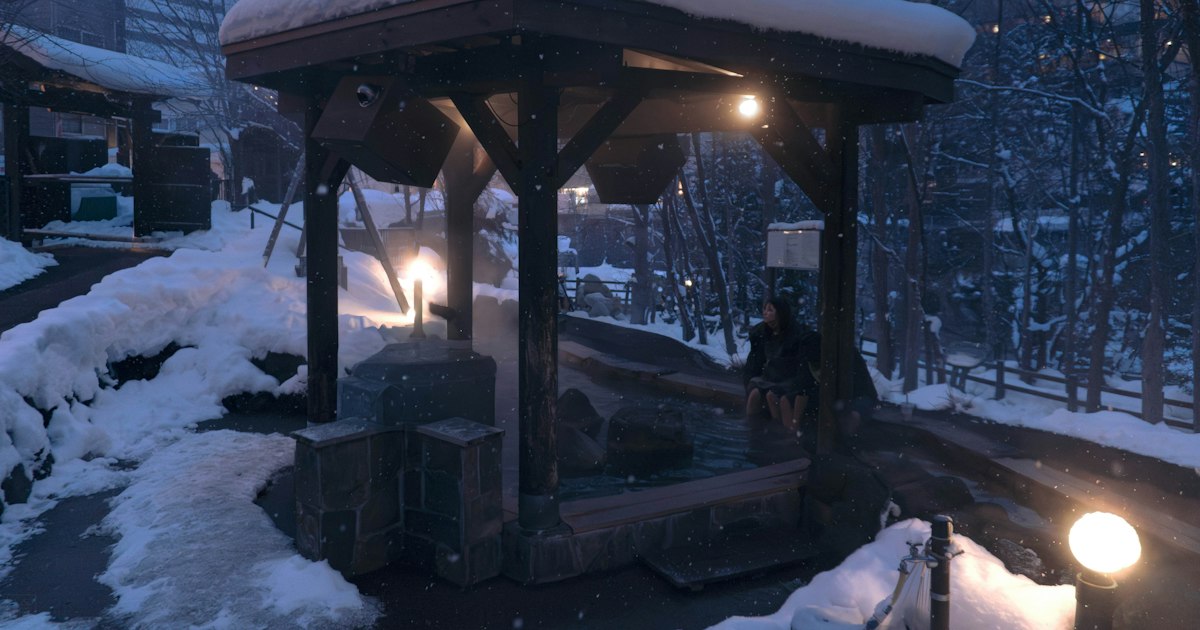
    Noboribetsu Onsen is the hot spring town where Hokkaido’s volcanic underside is impossible to ignore. Walk five minutes from your ryokan and you’re standing at the rim of Jigokudani — “Hell Valley” — a steaming, sulfur-yellow crater that still bubbles and hisses. It’s one of the few onsen towns in Japan where the geology isn’t just marketing copy; you can see, hear, and smell exactly where your bathwater comes from. Here’s how to plan the trip properly.

    What Makes This Hell Valley Different

    Jigokudani is a collapsed volcanic crater right at the edge of town, and it’s the reason Noboribetsu exists as a spa destination at all. A paved boardwalk loop (roughly 1 km, free, open around the clock, best lit for walking from early morning to early evening) takes you past vents releasing sulfurous steam and mineral-stained rock in shades of orange and grey. It’s genuinely dramatic, especially at dusk when the steam catches the fading light — in summer, the valley is illuminated for an evening “Fire Festival” walk.

    About a 10-minute walk further uphill is Oyunuma, a pond fed directly by the volcanic source, and just below it the Oyunumagawa Natural Footbath — a stream where hot spring water cools as it flows downhill, so you can dip your feet in at a comfortable temperature for free. Bring a small towel; there’s nowhere to buy one on site.

    Noboribetsu’s water itself is the other draw: locals claim it has more spring types (sulfur, iron, salt, and several others) feeding the town than almost anywhere else in Japan, which is why so many ryokan here advertise multiple bath rooms under one roof rather than a single tub.

    How to Get There

    Noboribetsu is in southwestern Hokkaido, inland from the coast between Sapporo and Tomakomai, and it’s a manageable day trip or (better) overnight from Sapporo or New Chitose Airport.

    • From New Chitose Airport: Direct highway buses run to Noboribetsu Onsen in about an hour, for roughly ¥2,000–2,500 one-way. This is the easiest option if you’re arriving or departing by air.
    • From Sapporo: Direct highway buses (Donan Bus) take around 1 hour 40 minutes and cost roughly ¥2,500–2,800 one-way. Alternatively, take a JR limited express (Hokuto/Suzuran) from Sapporo Station to Noboribetsu Station (around 1 hour, limited express fare included), then a local bus from the station up into the onsen town itself (about 15 minutes, around ¥350). The bus is simpler since it drops you right in the town center; the train requires the extra transfer but runs more frequently.

    Either way, budget the better part of a travel day if you’re coming from Sapporo and back — it’s not a quick in-and-out like some hot spring towns closer to Tokyo, such as the ones covered in our Izu Peninsula guide.

    Best Time to Visit

    Noboribetsu works year-round, but the experience changes a lot by season. Winter (December–March) is the classic choice: snow around the crater rim, steam rising harder in the cold air, and the contrast of a hot bath against sub-zero temperatures is the whole point of onsen culture. Just note that Hokkaido winters are serious — pack real winter boots, since the paths into Jigokudani can be icy.

    Summer (July–August) brings warmer, greener valley walks and the town’s Jigoku Matsuri (Hell Festival) in late August, a three-day event with a parade featuring the town’s giant red oni (devil) statue, Yukyu-jin, which normally stands near the main bus stop year-round. Spring and autumn are quieter and avoid both snow hassle and summer crowds — early November is good for fall color on the hills around the crater.

    Whatever season, arrive at Jigokudani either early morning or after 5pm if you want it without tour-bus crowds; midday is when day-trippers from Sapporo pass through in large groups.

    Where to Stay: Budget to Splurge

    Noboribetsu is a classic case where the ryokan isn’t just a place to sleep — the bathing facilities themselves are the attraction, so it’s worth choosing carefully.

    • Budget: Smaller family-run ryokan and business hotels in town run roughly ¥8,000–12,000 per person per night without meals. Many still offer access to a decent onsen bath, just smaller than the big hotels.
    • Mid-range: Standard ryokan with half-board (dinner and breakfast included) typically run ¥15,000–25,000 per person per night. This is the sweet spot for most visitors and usually includes a multi-course kaiseki dinner featuring Hokkaido seafood and produce.
    • Splurge: Dai-ichi Takimotokan is the town’s best-known large-scale bathing complex, with dozens of indoor and outdoor pools drawing on several different spring sources under one roof — some travelers who aren’t staying overnight pay for day-use bathing (roughly ¥2,000–2,500) just to try it. Full-service stays at the larger flagship hotels run well above ¥30,000 per person with multiple dining options.

    Book dinner timing when you reserve — most ryokan serve set-time kaiseki dinners and won’t accommodate a late arrival without advance notice.

    Onsen Etiquette and Common Mistakes

    A few mistakes trip up first-time visitors here more than anywhere else in Hokkaido, simply because Noboribetsu’s baths are so central to the visit:

    • Tattoos: Many traditional baths still prohibit visible tattoos. If you have one, check with your ryokan before booking, bring a large waterproof cover sticker, or look specifically for a “tattoo-friendly” property — some of the larger hotels have started relaxing the rule or offer private family baths as a workaround.
    • Towel habits: The small hand towel is for modesty walking to the bath and for wiping off before you dry with a full-size towel back in your room — it never goes in the bathwater itself.
    • Shoes off, early and often: Between the ryokan entrance, your room, and the bath changing area, you’ll be removing shoes constantly. If you’re not used to this, our guide to shoe etiquette in Japan covers exactly where the line is and how slippers factor in.
    • Jigokudani timing: Don’t save the valley walk for after dinner thinking you’ll stroll back at night — some sections of the trail have limited lighting and the smell of sulfur is strongest (and the steam least photogenic) in full darkness. Go before or right after check-in.

    Beyond the Baths

    If you have an extra half-day, Noboribetsu Bear Park sits on a hilltop reachable by ropeway from the center of town (round-trip ropeway plus park entry runs roughly ¥2,500–3,000 for adults) and houses Hokkaido brown bears along with a small museum on Ainu culture and bear ecology.

    Before you leave, the main street through town has omiyage shops selling Hokkaido specialties — melon sweets, dairy products, and sulfur-spring bath salts packaged as souvenirs. If you’re bringing anything back for coworkers, it’s worth skimming our omiyage etiquette guide so individually wrapped portions don’t catch you off guard at checkout. And since you’re already in Hokkaido, it’s worth pairing this trip with the region’s other specialties — fresh sea urchin is one of the island’s signature foods, and our guide to Hokkaido uni points you toward where to eat it well, whether in Sapporo before you head to Noboribetsu or on the coast nearby.

    Noboribetsu rewards slowing down — it’s not a drive-by photo stop, it’s a town built entirely around soaking in the thing that makes the ground steam. Give it an overnight if you can.

  • Gyutan: Sendai’s Grilled Beef Tongue and Where to Eat It

    Gyutan: Sendai’s Grilled Beef Tongue and Where to Eat It

    Photo by note thanun on Unsplash

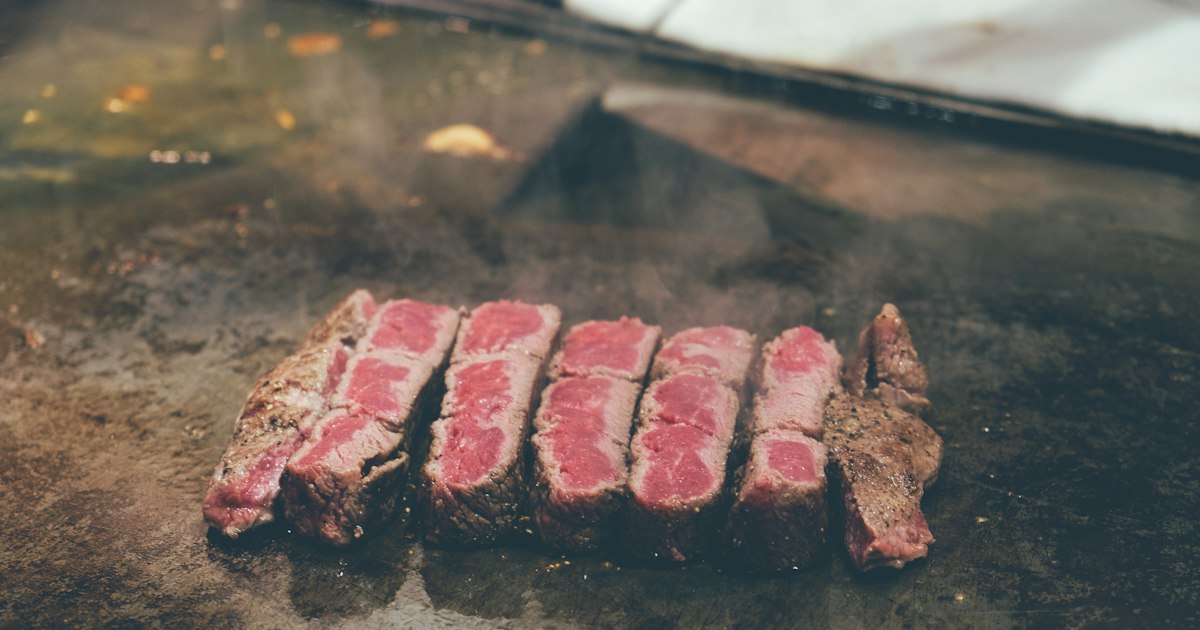
    If you ask someone from Sendai what to eat in their city, the answer comes back almost instantly: gyutan. Thick slices of grilled beef tongue, charred at the edges and chewy in the middle, served with barley rice and a bowl of oxtail soup — it’s one of the few regional Japanese dishes that didn’t exist a century ago and is now a full-blown culinary identity. If you’re passing through Tohoku, or even just changing trains at Sendai Station, this is worth the detour.

    What Gyutan Actually Is (and Why Sendai Claims It)

    Gyutan simply means “beef tongue.” It’s sliced thick — usually 7-10mm — scored lightly so it grills evenly, then cooked over charcoal until the outside is crisp and smoky and the inside stays springy and slightly fatty near the root end. It’s seasoned simply, often just salt, sometimes with a light miso or sauce marinade, and finished with a squeeze of lemon.

    The dish is a Sendai invention, not an ancient one. After World War II, a local restaurateur named Keishiro Sano started experimenting with beef tongue and oxtail, cuts that American occupation forces weren’t using, as a way to avoid wasting food. His shop, Aji Tasuke, is widely credited as the originator, and it’s still open in Sendai today. The dish caught on citywide through the 1960s-80s and is now treated as Sendai’s signature food in the way okonomiyaki belongs to Osaka or Hiroshima.

    The Classic Gyutan Teishoku Set

    Almost every shop serves the same basic format, called a teishoku (set meal), so it’s easy to know what you’re ordering even if the menu is only in Japanese:

    • Grilled beef tongue — usually 4-6 slices for a standard set
    • Mugimeshi — barley mixed into rice, the traditional pairing because it was cheap and filling in the postwar years
    • Tail soup (tēru sūpu) — a clear oxtail broth, often with scallion, that’s simmered for hours
    • Pickles and sometimes raw cabbage or a small side

    Expect to pay roughly 1,600-2,200 yen for a standard teishoku, 2,800-3,800 yen for a “thick-cut” (tokuatsu or tokuchō) version with fewer but noticeably thicker slices, and around 1,200-1,500 yen for a mini or lunch-only set at some shops. Many places also sell a tasting set with three cuts from different parts of the tongue — root, middle, tip — which is a good way to taste the texture range in one sitting.

    Where to Eat: Budget, Mid-Range and Splurge

    You don’t need to leave Sendai Station to eat well. The third floor has a dedicated strip nicknamed “Gyutan Street” (牛たん通り) with several competing shops side by side, and the S-PAL department store basement food court has more options. This is the easiest entry point if you’re short on time between trains.

    • Budget (1,300-1,800 yen): Chain shops like Rikyu (利久) have multiple branches inside and around Sendai Station. The food is consistently good, English menus are common, and turnover is fast — ideal if you have under an hour before a Shinkansen.
    • Mid-range (1,800-2,800 yen): Sasashige, Kiwamiya, and Tan-tan tend to use slightly thicker cuts and char over real charcoal rather than gas, which gives a smokier result. Several branches sit in the Ichibancho covered arcade and the Kokubuncho entertainment district, both walkable from the station.
    • Splurge (3,000-5,000+ yen): Aji Tasuke, the shop that started it all, is still running and worth the trip for the history alone, though it’s smaller and lines form at peak times. Thick-cut multi-course sets here and at similar long-established shops run higher but include a wider range of textures and sometimes grilled vegetables or tongue sashimi-adjacent preparations.

    Most individual shops seat 20-40 people, so queues of 15-30 minutes are normal at lunch (12:00-13:00) and dinner (18:30-20:00) on weekends. Typical hours run from around 11:00 to 22:00, sometimes with a short afternoon closure between lunch and dinner service at the smaller, non-chain locations — it’s worth a quick check of the specific shop’s hours on the day, since smaller operators occasionally close for a midweek rest day.

    How to Get There and Best Timing

    Sendai is about 90 minutes from Tokyo on the Tohoku Shinkansen (covered by the JR East or national JR Pass), making it an easy day trip or a one-night stop on a Tohoku itinerary. The station itself is the single best place to eat gyutan with zero extra travel, since the third-floor restaurant row exists specifically for travelers passing through.

    There’s no strong seasonal angle to gyutan — it’s a year-round grilled dish, not a seasonal ingredient — so the real timing consideration is crowds, not weather. Arrive right at opening (11:00) or go for a late lunch around 14:00 to skip the worst of the queue. If you’re visiting in winter, pairing a gyutan meal with a bowl of the tail soup is especially satisfying since it’s served hot and generously.

    Common Mistakes to Avoid

    • Ordering it rare or pink. Unlike steak, gyutan is always served well-grilled through. Don’t expect — or ask for — a rare center; that’s not how the dish is meant to be cooked.
    • Skipping the tail soup. It’s included in the set for a reason and is arguably as good as the tongue itself. Don’t let it go cold while you focus only on the meat and rice.
    • Assuming all shops are the same. Thickness, char, and seasoning vary meaningfully between the budget chains and the smaller charcoal-grill shops. If you only have time for one meal, lean toward charcoal-grilled over gas-grilled for a more pronounced smoky flavor.
    • Going only for dinner. Lunch sets at several shops are discounted compared to the dinner menu for the same core dish, so lunch is the better-value time to try it.

    Bringing Gyutan Home

    Vacuum-packed, frozen, or retort-pouch gyutan is sold at Sendai Station and in the airport, usually pre-sliced and seasoned for home grilling or microwave reheating, running roughly 1,500-3,000 yen depending on quantity and cut. It travels well in checked luggage if kept frozen until your flight, and it makes a distinctive gift precisely because it’s a single-city specialty rather than something sold nationwide. If you’re bringing it back for coworkers rather than just yourself, it’s worth knowing the informal rules — see our guide to omiyage etiquette for how individually wrapped, shareable gifts are expected to work in a Japanese office.

    Rounding Out a Sendai Visit

    Gyutan is usually just one stop on a short Sendai visit. Right alongside it, the city is equally known for a completely different regional specialty — sweetened mashed edamame used as a topping for mochi — which we cover in our guide to zunda mochi and other Tohoku snacks. If your trip lines up with a home match, Sendai’s J-League club, Vegalta Sendai, plays at a stadium a short ride from downtown, and our guide on watching J-League soccer in Japan covers how to get tickets and what to expect. Between a gyutan lunch at the station, a zunda sweet for the road, and an evening match, it’s an easy way to fill a full day in the city without needing a car.

  • Yuzu: Japan’s Fragrant Citrus and the Products Worth Buying

    Yuzu: Japan’s Fragrant Citrus and the Products Worth Buying

    Photo by Akira on Unsplash

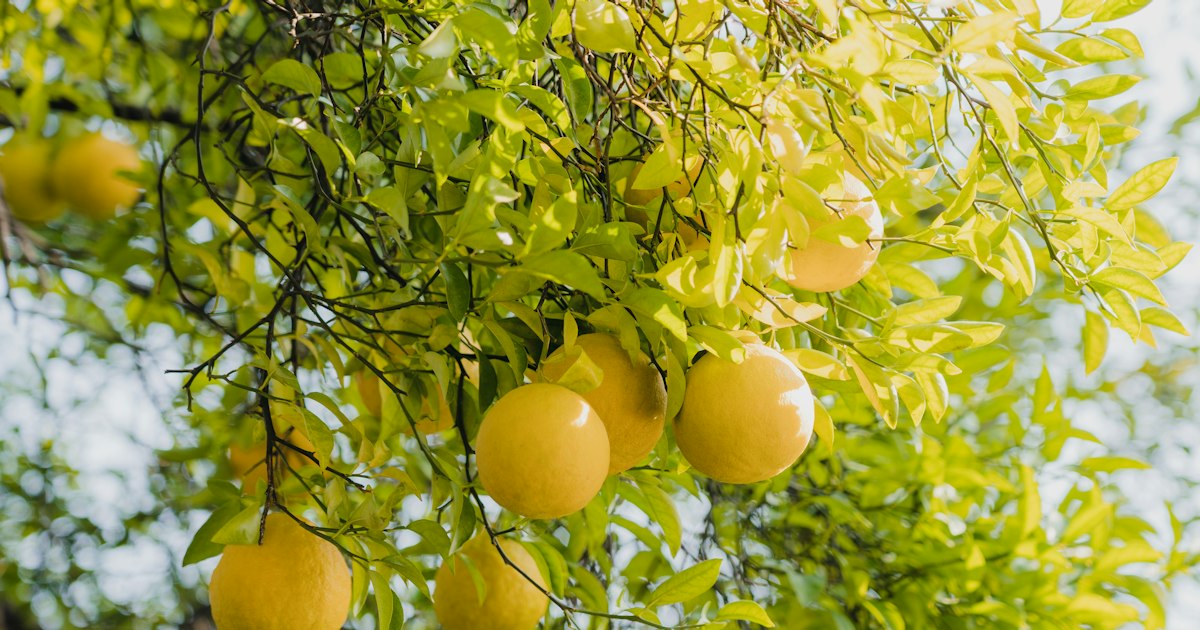
    Walk into any Japanese supermarket or department store food hall between October and February and you’ll catch it before you see it: a sharp, floral citrus scent that’s not quite lemon, not quite grapefruit, and unmistakably yuzu. This knobby yellow fruit is too sour and seedy to eat like an orange, but its zest, juice, and peel flavor an enormous range of condiments, sweets, and bath products that make some of the most distinctive souvenirs you can bring home from Japan. Here’s what’s actually worth buying, when to look for it, and how to avoid the tourist traps.

    What Makes Yuzu Different

    Yuzu (柚子) is a citrus fruit believed to have originated in China and cultivated in Japan for over a thousand years. Unlike a lemon or lime, almost nobody eats yuzu flesh directly — it’s too tart and full of seeds. Instead, the zest and juice are used sparingly to perfume dishes: a few shavings in miso soup, a squeeze in a dipping sauce, a curl of peel floating in a hot pot. The flavor is harder to pin down than lemon — floral, slightly bitter, with a perfume closer to a flower than a fruit. Once you’ve smelled real yuzu, the artificial “yuzu-flavored” candy at souvenir shops becomes easy to spot by comparison.

    When to Go: Season and the Winter Bath Tradition

    Yuzu ripens from green (used mostly for juice and vinegar) in late summer to its familiar bright yellow from November through December. This is peak season for fresh fruit in supermarkets, typically priced around ¥150–300 per fruit or ¥500–800 for a net bag of five or six. If your trip falls in this window, it’s also worth timing a visit to an onsen or sento around the winter solstice (toji), which falls on December 21 or 22 — in 2026, December 22. Many hot spring inns and public bathhouses fill their tubs with whole yuzu fruit for the day, a custom called yuzuyu believed to ward off colds and bring good luck. It’s a wonderfully fragrant, low-cost way to experience the fruit even if you never buy a single product — ask at your ryokan’s front desk whether they’re doing a yuzu bath that week, since not every property participates.

    Where Yuzu Comes From

    Kochi Prefecture on the island of Shikoku grows roughly half of Japan’s yuzu, with Tokushima Prefecture a close second. The single most famous yuzu-producing area is Umaji Village (Umaji-mura) in Kochi, a mountain village where yuzu farming is essentially the local economy. Umaji’s cooperative brand, Umaji no Mori, sells its juice, ponzu, and sweets both locally and in department stores nationwide — if you see that name on a label, you’re getting fruit from the source region. Umaji itself is remote (around 1.5 hours by car from Kochi city), so most visitors encounter the brand in Tokyo or Osaka stores rather than making the trip out, but it’s a worthwhile detour for anyone road-tripping through Shikoku in autumn.

    The Products Worth Buying

    Yuzu shows up in far more forms than most visitors expect. Here’s how to shop it by budget:

    • Budget (¥300–700): Yuzu kosho — a fermented paste of yuzu zest, chili, and salt — is the single most useful souvenir for a cook back home; a small tube or jar runs ¥400–600 at any supermarket and adds instant depth to grilled meat, noodles, or soup. Bottled yuzu ponzu (a citrus-soy dipping sauce) costs ¥350–500 for 360ml and is sold everywhere, including convenience stores. Seasonal yuzu Kit Kats (roughly October–February, ¥300–400 for a share bag) are a fun, easy omiyage for coworkers — see our omiyage etiquette guide if you’re buying for an office back home.
    • Mid-range (¥700–1,500): Honey yuzu tea (yuzu cha), a thick marmalade-like concentrate you spoon into hot water, comes in 400–500g jars for ¥800–1,200 and makes a genuinely useful gift — it keeps for months unopened. Umaji no Mori’s bottled yuzu juice (¥700–900 for 360ml) and yuzu vinegar are good mid-tier picks if you want traceable, single-origin fruit rather than a generic blend.
    • Splurge (¥1,500–5,000+): Kyoto’s Yakami Orchard is the name to know for serious yuzu — a multi-generation producer whose artisanal ponzu, yuzu kosho, and seasonal fruit preserves run ¥1,200–2,500 per item, with boxed gift sets reaching ¥4,000–5,000. These are the ones to buy if the gift recipient already cooks and will appreciate the difference.

    If you like winter snacking in general, yuzu kosho is also a classic condiment for oden broth — see our guide to oden at convenience stores for where to try it alongside your souvenir shopping.

    Where to Buy Yuzu Products in Japan

    Department store basement food halls (depachika) have the widest and best-curated selection — Isetan Shinjuku and Takashimaya Nihonbashi (both generally open 10:00–20:00) stock everything from supermarket brands to Yakami Orchard. Kaldi Coffee Farm, a nationwide import-grocery chain, reliably carries honey yuzu tea and yuzu-flavored snacks at lower prices than department stores, with most branches open roughly 10:00–20:00 or 21:00. Ordinary supermarkets are the cheapest source for fresh fruit and everyday bottled ponzu or kosho. Narita and Haneda airport shops stock boxed gift sets in the final departure area, useful if you’ve left souvenir shopping to the last minute, though prices run 10–20% higher than in the city.

    Common Mistakes to Avoid

    The biggest trap is assuming “yuzu flavor” on a package means real yuzu juice — many cheap candies and drinks use citric acid and artificial flavoring rather than actual fruit; check the ingredient list for 柚子果汁 (yuzu juice) or 柚子果皮 (yuzu peel) if authenticity matters to you. Second, don’t substitute lemon or lime when a recipe or sauce calls for yuzu once you’re home — the flavor profile is genuinely different, which is exactly why it’s worth bringing the real thing back. Third, if you’re shopping at a regional buying guide like this one for the first time in Japan, pace yourself on fermented pastes like yuzu kosho — it’s spicier than it looks, closer to a chili condiment than a citrus one.

    Bringing Yuzu Home

    Bottled sauces, pastes, and jarred tea are fine in checked luggage; if you’re only traveling with carry-on, remember liquids and gels (ponzu, juice, honey yuzu tea) fall under the standard 100ml container rule for cabin bags, so pack larger bottles in checked baggage instead. Fresh whole yuzu fruit is best enjoyed in Japan rather than carried home, since many countries restrict importing fresh citrus — stick to processed products (pastes, bottled sauces, dried peel, tea) for anything you plan to take across a border.

  • Uni in Japan: Where to Eat Hokkaido’s Prized Sea Urchin

    Uni in Japan: Where to Eat Hokkaido’s Prized Sea Urchin

    Photo by EMANUELE Ricciardi on Unsplash

    If you’ve ever had a spoonful of uni so custardy and clean-tasting that it didn’t seem related to the tired, faintly ammonia-scented stuff in a Tokyo conveyor-belt restaurant, there’s a good chance it came from Hokkaido. Japan’s northernmost island supplies the country’s most prized sea urchin, and eating it where it’s caught — sometimes within hours of harvest — is one of the best reasons to build a trip around Hokkaido’s coast. Here’s what to know before you go, including the two main types, when to time your visit, and where to actually sit down and eat it without overpaying for frozen, alum-soaked leftovers.

    Bafun Uni vs. Murasaki Uni: Know the Difference

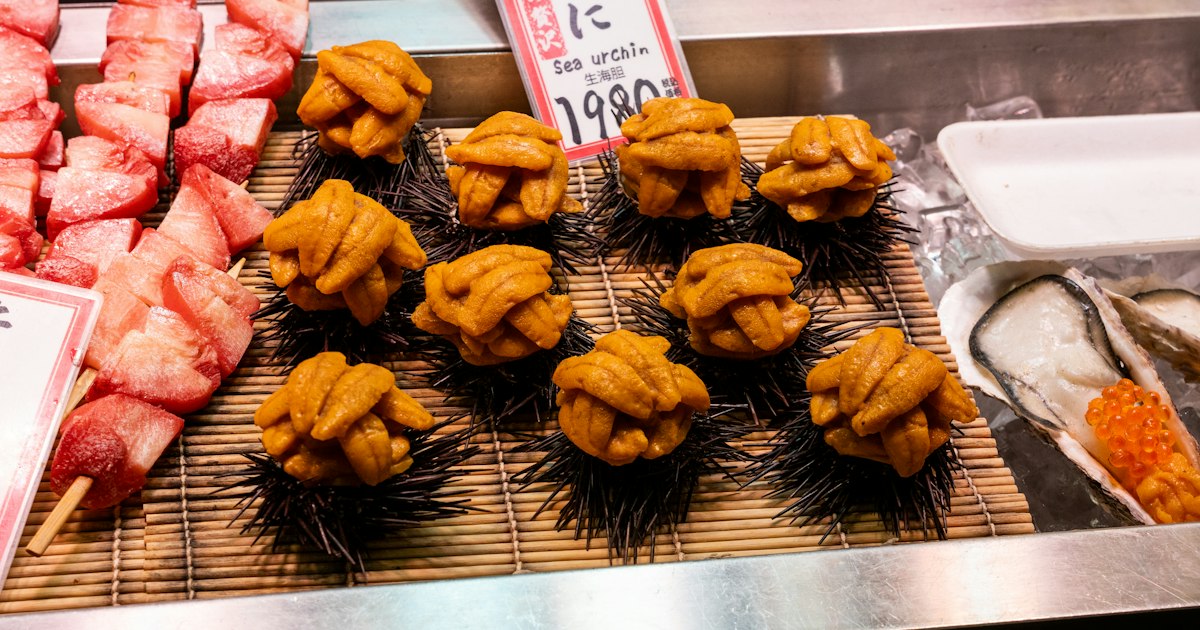
    Almost everything billed as “Hokkaido uni” falls into one of two species. Bafun uni (short-spined sea urchin) has smaller, deep-orange to brownish-gold roe with a dense, rich, slightly savory flavor — it’s the one most associated with Hakodate and the Okhotsk coast. Murasaki uni (long-spined sea urchin) is paler yellow, larger-grained, and sweeter, with a lighter, more delicate finish; Rishiri and Rebun islands off Wakkanai are famous for it, where the urchins feed on dense kelp beds and develop an outsized reputation for sweetness.

    Neither is objectively “better” — it’s a style preference, similar to comparing two single malts. If a menu lets you order both side by side (many Hakodate and Sapporo sushi counters do), it’s worth the extra 1,000–2,000 JPY to compare.

    The Alum Question: Why “Muen” Uni Costs More

    This is the detail most visitors miss. Raw uni roe is extremely fragile and collapses into mush within a day, so most commercial uni is briefly dipped in alum (myoban) to firm it up and extend its shelf life for shipping. It works, but it leaves a faint bitter or metallic edge if you’ve eaten the alternative.

    That alternative is muen uni (無塩, “no salt/alum”) — uni packed in its own liquid with no preservative, meant to be eaten within a day or two. It tastes noticeably sweeter and cleaner, with none of the bitterness. Muen uni is what you want to seek out at source in Hokkaido; it rarely survives shipping to restaurants outside the region, which is exactly why eating it on the island matters. Market stalls and sushi counters in Hakodate, Otaru, and Rishiri will often advertise it directly as 無塩うに.

    When to Go: Uni Season by Region

    Uni is sold year-round in Japan, but “in season” local uni is a different product, and the window is tighter than most people expect:

    • Rishiri & Rebun Islands: roughly early June through August, with the fishery often closing by late August. This is peak murasaki uni territory and the single best place in Japan to eat it fresh.
    • Shakotan Peninsula (near Otaru/Sapporo): a bafun and murasaki season running approximately June to August, coinciding with the peninsula’s famously turquoise “Shakotan Blue” coastline.
    • Hakodate: unusually, has two seasons — murasaki uni in spring (roughly April–June) and bafun uni in autumn (roughly September–December) — because of how the Tsugaru Strait’s currents shift.
    • Rausu/Shiretoko (Okhotsk side): summer season, generally July–September.

    Outside these windows, restaurants are serving frozen or processed stock, which is fine for a casual uni-don but not what you’re traveling for.

    Where to Actually Eat It

    Hakodate Morning Market (Hakodate Asaichi): A few minutes’ walk from JR Hakodate Station, this market is the easiest first stop for uni tourism. Dozens of stalls sell uni-ikura-don (sea urchin and salmon roe over rice) starting around 3,000–4,000 JPY, with “triple” bowls adding crab for 5,000–7,000 JPY. Most stalls open around 6am and wind down by early-to-mid afternoon (roughly 6am–2pm, with some stalls starting earlier in peak summer) — go early, since the best cuts sell out.

    Sapporo’s Nijo Market and Curb Market (Jogai Ichiba): Nijo Market, a short walk from Odori Station, and the larger Curb Market near Sapporo Station both have sit-down counters serving uni-don from about 2,500 JPY for a smaller mixed bowl up to 6,000–8,000 JPY for a premium bafun-only bowl. Shops generally run from around 7am to 6pm, though exact hours vary stall by stall.

    Otaru’s sushi row: Otaru, a 30–40 minute train ride from Sapporo, has one of the highest densities of good sushi counters in Japan, many specializing in Shakotan-caught uni in season. Expect counter courses from roughly 5,000 JPY to 15,000+ JPY, or à la carte uni nigiri from about 800–2,000 JPY a piece depending on grade. It pairs naturally with a stop in nearby Shakotan, and if you’re driving the coastal route yourself, it’s worth reading up on ETC cards and expressway tolls before picking up a rental car.

    Rishiri and Rebun Islands: The furthest to reach — fly or ferry via Wakkanai — but the reward is eating muen murasaki uni the same day it was opened, often at simple local shokudo for 3,000–5,000 JPY a bowl. July’s uni season also overlaps with Rishiri’s famous hiking trail up Mount Rishiri, making it an easy combination trip.

    Budget, Mid-Range, and Splurge

    • Budget (2,500–4,000 JPY): A mixed market uni-don with a modest portion, often from frozen or alum-treated stock outside peak season.
    • Mid-range (5,000–8,000 JPY): A generous market or casual sushi-ya bowl of in-season, muen uni, possibly paired with ikura or crab.
    • Splurge (15,000–40,000+ JPY per person): An omakase sushi course at a reservation-only Sapporo or Hakodate counter, where uni from a named producer or specific bay is presented as one of several courses alongside other Hokkaido seafood.

    Common Mistakes to Avoid

    • Ordering uni-don in Tokyo in January and expecting a Hokkaido-fresh experience. It will be perfectly nice, but it’s not the same product as muen uni eaten in season at the source.
    • Skipping the “no alum” question. If a stall or restaurant doesn’t label it, ask — “Kore wa myoban nashi desu ka?” (“Is this alum-free?”) is a useful phrase.
    • Assuming bigger is better. Larger, more uniform-looking uni blocks are sometimes a sign of alum treatment for shipping; fresh muen uni can look slightly irregular and still taste far better.
    • Treating Hakodate’s two seasons as one window. Visiting in, say, February or late July can mean missing both the spring murasaki and autumn bafun peaks.

    Bringing Some Home

    Fresh raw uni obviously doesn’t travel, but bottled and salt-processed uni (often sold as a paste or in small wooden boxes) is a legitimate, well-regarded souvenir from Hokkaido’s airports and department store food halls, and travels fine in checked luggage if sealed. If you’re bringing some back for colleagues, it’s worth a quick read of the etiquette around omiyage gift-giving, since a strong-smelling or unusual seafood item isn’t always the safest choice for an office gift. If your itinerary doesn’t reach Hokkaido at all, note that the Izu Peninsula, much closer to Tokyo, has its own respected local uni season around Shimoda — a good fallback covered in our guide to the Izu Peninsula’s coastline and day trips.

  • Omiyage Etiquette: The Unwritten Rules of Japan’s Workplace Souvenir Culture

    Omiyage Etiquette: The Unwritten Rules of Japan’s Workplace Souvenir Culture

    Photo by Nina Mercado on Unsplash

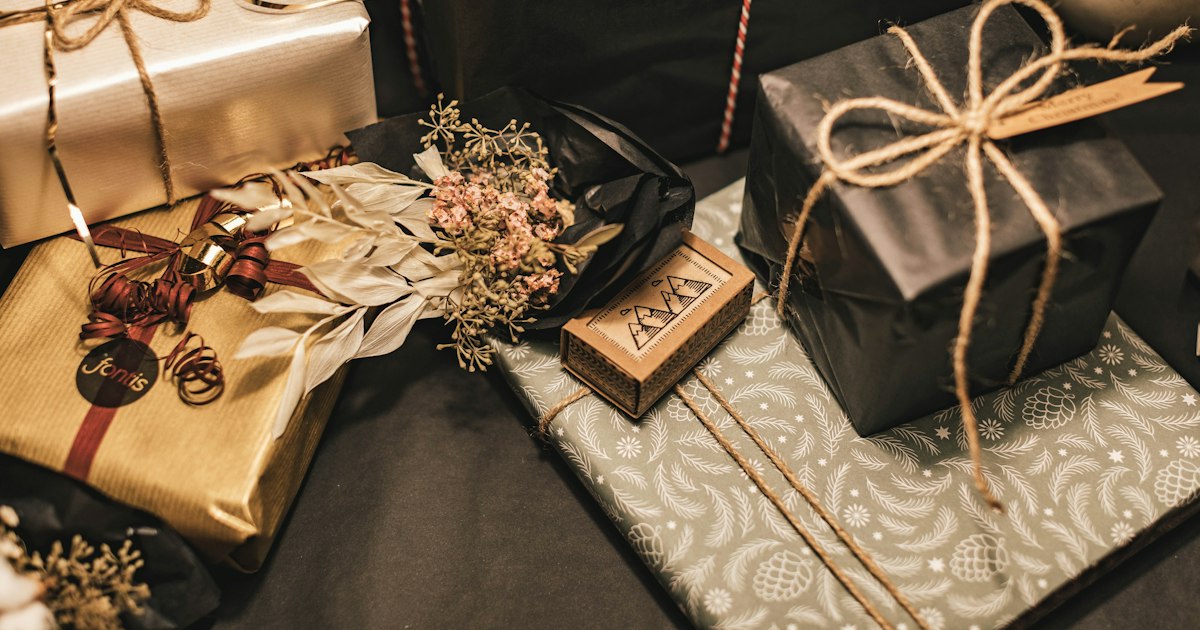
    If you’re heading back to the office after a trip to Japan, your coworkers already expect something — and it isn’t a postcard. Omiyage (お土産) is Japan’s deeply codified souvenir culture, where bringing back individually wrapped snacks for your workplace, family, and neighbors isn’t a nice gesture, it’s closer to a social obligation. Foreign visitors who skip it, or get the format wrong, won’t be scolded, but locals will quietly notice. Here’s how to buy, budget, and present omiyage like you’ve done this before.

    What Omiyage Actually Means (and Why It’s Not Optional)

    Omiyage specifically means a souvenir from a trip, distinct from a birthday present or thank-you gift (those have their own categories, zota and okaeshi). The core idea is that if you travel somewhere — even a weekend trip two hours from Tokyo — you bring back a small, shareable regional specialty for the people who covered your work while you were gone. It’s less about the gift itself and more about acknowledging that your absence inconvenienced others.

    This is why the single most important rule is that omiyage must be regionally specific. A box of Tokyo Banana bought at Haneda Airport signals “I went to Tokyo.” A generic box of chocolates from a convenience store signals nothing, and will quietly disappoint. Every region, city, and even individual train station in Japan sells its own branded specialty for exactly this reason — think momiji manju from Miyajima or zunda mochi from Sendai.

    The Golden Rules: Individually Wrapped, Shareable, and Not Too Fancy

    Four things make an omiyage “correct”:

    • Individually wrapped pieces. A single large cake won’t work in an office — you need 12, 16, or 24 individually sealed portions so colleagues can take one at their desk without cutting or sharing utensils.
    • Food, not objects. Edible omiyage is the default for coworkers. Non-food gifts (ceramics, textiles, stationery) are reserved for closer relationships or more formal exchanges, not the general office.
    • A shelf life of at least a week. You’ll often be handing these out a day or two after returning, sometimes longer if you distribute them gradually. Avoid anything that needs refrigeration unless you’re buying it the morning you fly home.
    • Modest, not showy. Spending too much on an office omiyage is almost as awkward as spending too little — it implies the recipient now owes you something substantial in return (a concept called “okaeshi” debt). Mid-range and visibly regional beats expensive and generic.

    Budget, Mid-Range, and Splurge Options by Price Point

    For a typical office of 10-20 people, Japanese business etiquette guides and department store staff generally suggest a total spend of ¥1,500-¥4,000 for a shareable box, meaning each individually wrapped piece costs roughly ¥80-¥200.

    • Budget (¥800-¥1,500 total): A box of regional senbei rice crackers is a safe, well-liked default — most regions sell their own variety, they travel well in a suitcase, and a bag of 15-20 pieces rarely exceeds ¥1,200.
    • Mid-range (¥1,500-¥3,000 total): This is the sweet spot for most office gifts — think a 12-16 piece box of a prefecture’s signature baked good or wagashi, the kind sold specifically at the train station or airport you’re departing from.
    • Splurge (¥4,000+): Reserve this for your direct manager or a small, close team — a nicer box from a department store basement food hall (depachika), or a bottle from one of the country’s whisky distilleries for a boss who drinks, falls here. Don’t scale this up for the whole office; it creates pressure rather than goodwill.

    Where and When to Buy

    The best omiyage shopping is almost never in a dedicated souvenir shop — it’s built into the infrastructure of departure. Major train stations (Tokyo Station’s Gransta underground mall, Shin-Osaka, Kyoto Station) have entire corridors of regional snack counters, typically open 8:00am-9:00pm or aligned with first/last train times. Airports are the fallback if you’re short on time, though selection skews toward the most famous, already-popular items rather than hidden local specialties.

    Department store basements (depachika) are the best option if you have an afternoon to spare — they’re usually open 10:00am-8:00pm, carry the widest range of regional and artisanal options, and staff will often vacuum-seal or box items for travel on request. If your trip takes you through Toyama or Fukui, this is also where a Kurobe Gorge Railway day trip or a visit to Echizen’s papermaking village pays off twice — you get the experience and the regionally specific gift in one stop, rather than scrambling at the airport on your last day.

    Timing matters: buy omiyage on your last one or two days, not early in the trip. Most are shelf-stable for a week or more, but buying early just means carrying extra weight through the rest of your itinerary.

    Common Mistakes Foreign Visitors Make

    • Buying one big item instead of many small ones. A single beautiful cake can’t be split 15 ways at 9am without a knife, plates, and an audience. It becomes a logistical problem instead of a gift.
    • Over-buying for one person. An expensive, individually chosen gift for a single coworker (rather than a shareable box for the team) can feel oddly personal or create an uncomfortable sense of obligation.
    • Grabbing something generic at the airport in a panic. Staff and coworkers can usually tell when a gift isn’t tied to a specific place — it reads as an afterthought rather than a thoughtful one.
    • Forgetting your own home or neighbors. Omiyage culture isn’t limited to the office — many travelers also bring something back for family and sometimes immediate neighbors, especially around New Year’s travel, when gift-giving norms are at their strictest.
    • Ignoring non-food gift-giving occasions. If you’re closer to someone — a host family, a close colleague — a small well-made object can work too. Browse somewhere distinctive rather than a generic gift shop; even a stop at Village Vanguard for something quirky and affordable beats a bland keychain.

    Presenting the Gift: Timing and Phrasing

    Hand out office omiyage on your first day back, ideally placed on a shared table (the break room, a meeting room counter) rather than distributed desk-to-desk, which lets people take a piece at their convenience. A simple phrase does the job: “Omiyage desu, dōzo” (“Here’s a souvenir, please help yourself”). You don’t need to make a speech or single anyone out — the box speaks for itself. If you’re also bringing something for a specific person, such as someone who covered a major task while you were away, it’s fine to hand that one over separately and a little more personally, but keep the explanation short.

    Get the regional specificity and the format right, and omiyage becomes one of the easiest wins of your trip — a two-minute purchase at a train station that buys you real goodwill back at the office.

  • Oshogatsu in Japan: Osechi Ryori, Hatsumode & New Year Traditions Explained

    Oshogatsu in Japan: Osechi Ryori, Hatsumode & New Year Traditions Explained

    Photo by Samuel Berner on Unsplash

    If you’re in Japan over the New Year, you’ll see a country that slows down, closes its shutters, and then floods its shrines with millions of people within the same 72 hours. Oshogatsu (お正月), Japan’s New Year holiday, is the single most important date on the calendar — bigger than Christmas, bigger than Golden Week — and it runs on its own rules. Shops shut, trains fill up, and entire neighborhoods smell like grilled mochi. Here’s what’s actually happening, what it costs, and how to take part without getting caught out.

    When Oshogatsu Happens and What Actually Closes

    The core holiday is January 1–3, called sanganichi. Many family-run restaurants, small shops, and even some museums close for all three days, re-opening gradually from January 4. Department stores and malls increasingly stay open (some close only on Jan 1), but check individual hours before planning a shopping day — a shop listed as open until 20:00 in December may run reduced hours of 11:00–17:00 during sanganichi. Supermarkets often close just for January 1. Convenience stores (7-Eleven, FamilyMart, Lawson) stay open 24/7 year-round and become genuinely essential during this stretch — it’s also peak season for convenience-store oden, which is sold through the coldest months and makes a cheap, warm meal (around ¥100–200 per item) when everything else is shuttered. Note too that waste collection schedules shift over the holiday — if you’re in a rental apartment or guesthouse, see our guide on sorting trash in Japan, since pickup days routinely get suspended or delayed around Jan 1–3.

    Osechi Ryori: The New Year Feast

    Osechi ryori is a set of symbolic dishes packed into stacked lacquer boxes called jubako, traditionally prepared before December 31 so families don’t have to cook — and so stores can rest — during the first days of the year. Each item has a meaning: black soybeans (kuromame) for health, herring roe (kazunoko) for fertility, rolled kelp (kobumaki) for happiness (“yorokobu”), and sweet chestnut-and-mashed-sweet-potato (kuri kinton) for wealth, since its golden color resembles coins.

    For visitors, the practical way to try osechi is to pre-order a set, which department stores and even convenience stores sell from November through late December for pickup around Dec 30–31. Expect roughly:

    • Budget: ¥3,000–6,000 for a single-tier box from a supermarket or convenience store, feeding 1–2 people.
    • Mid-range: ¥8,000–20,000 for a two- or three-tier set from a department store food hall (depachika), often with a mix of traditional and modern Western-style items.
    • Splurge: ¥25,000–60,000+ for elaborate sets from famous ryotei restaurants or hotels, sometimes requiring reservation by early December.

    If you’re traveling without a kitchen or fridge for a pre-order, your easiest option is a ryokan or hotel New Year’s dinner package, or simply visiting a depachika on Dec 30–31, where unsold osechi items are often discounted in the evening. Also look out for ozoni, a mochi-filled soup eaten on New Year’s morning — the broth and mochi shape vary by region (clear soy-based in Tokyo, white miso in Kyoto).

    Mochi and New Year Snacking

    Pounding mochi (mochitsuki) is a traditional New Year’s Eve activity, and you’ll sometimes see public mochi-pounding demonstrations at shrines, shopping streets, or hotel lobbies in late December. Decorative stacked mochi called kagami mochi (two round rice cakes topped with a small orange) are displayed in homes and shop entrances through early January as offerings, then traditionally broken up and eaten on kagami biraki (around Jan 11). If you want a sweeter regional take on rice-based New Year snacking, Sendai’s zunda mochi is worth seeking out, and rice crackers make reliably good omiyage to bring home — see our senbei buying guide for which varieties travel well and keep longest.

    Hatsumode: The First Shrine Visit of the Year

    Hatsumode (初詣) is the year’s first shrine or temple visit, made to pray for good fortune. It’s the busiest single religious event in Japan: Meiji Jingu in Tokyo alone draws over 3 million visitors across the first three days. Other major sites include Senso-ji in Asakusa, Fushimi Inari Taisha in Kyoto, and Sumiyoshi Taisha in Osaka.

    Timing matters a lot here:

    • Midnight Dec 31–Jan 1: The most crowded window, often with queues of an hour or more just to approach the main hall at famous shrines. Many run special all-night train service for this.
    • Daytime Jan 1–3: Still very busy but more manageable; this is when most Japanese families actually go.
    • After Jan 4, up to Jan 7 or even the 15th: Crowds drop sharply and you can experience the same shrine in near-normal conditions. If your main goal is photos and atmosphere rather than the “first visit” ritual itself, this is the smarter window.

    At the shrine, the ritual is simple: toss a coin into the offering box (a 5-yen coin, go-en, is considered lucky as it’s a pun on “connection”), bow twice, clap twice, pray, bow once. Many visitors also buy an omamori (protective amulet, ¥500–1,500) or draw an omikuji fortune slip (¥100–300) — if you draw bad luck, tying the paper to the designated rack on-site is believed to leave the misfortune behind rather than take it home.

    Common Mistakes to Avoid

    • Assuming everything stays open: Don’t plan a shopping-heavy itinerary for Jan 1–2; confirm hours in advance, especially for restaurants and smaller museums.
    • Underestimating hatsumode crowds and train changes: Some stations restrict entry or exit routes near major shrines during peak hours; allow extra time and expect station staff directing foot traffic.
    • Trying to book accommodation last-minute: Hotels near major shrines and in popular onsen towns sell out weeks ahead for Dec 29–Jan 3; if your New Year plans include a soak, somewhere like the Izu Peninsula is worth booking well before December.
    • Expecting osechi to be ready for walk-in purchase on Jan 1: Most sets must be ordered in advance; walking into a depachika on New Year’s Day looking for fresh osechi will usually disappoint.

    Other New Year Customs Worth Knowing

    You’ll also notice nengajo, New Year’s postcards designed to arrive exactly on Jan 1 (Japan Post processes huge volumes to make this happen), and otoshidama, small cash gifts in decorated envelopes given to children by relatives. Store “fukubukuro” (lucky grab bags), sold from Jan 1 or 2 at a fixed price with a surprise mix of goods worth more than you paid, are a genuinely fun way to shop during the holiday if you enjoy a bit of chance — department stores, electronics retailers, and specialty shops all run their own versions.

    Taken together, Oshogatsu rewards visitors who build in slack: fewer reservations, more flexibility, and an itinerary that treats the first few days of January as a cultural experience to watch and join rather than a normal sightseeing week to power through.

  • Izu Peninsula: Hot Springs, Coastline & Easy Day Trips from Tokyo

    Izu Peninsula: Hot Springs, Coastline & Easy Day Trips from Tokyo

    Photo by Greg Jurgajtis on Unsplash

    Less than an hour from Tokyo by train, the Izu Peninsula packs hot spring towns, rugged coastline, and mild winters into a shape that juts into the Pacific like a thumb off Shizuoka Prefecture. It’s an easy add-on for travelers who’ve already done Hakone and want more coastline, fewer crowds, and ryokan dinners built around just-caught seafood. You can do it as a long day trip from Tokyo or stretch it into two or three days with an onsen stay in the middle.

    Getting There: Trains, Cars, and Timing

    The two gateway stations are Atami and Mishima, both on the Tokaido Shinkansen. A Kodama shinkansen from Tokyo Station to Atami takes about 40-50 minutes and costs roughly ¥4,000-4,500 one way unreserved; the faster Hikari gets you to Mishima in a similar time. Both are covered by the Japan Rail Pass.

    For a one-seat ride deeper into the peninsula, JR’s Odoriko limited express runs from Tokyo Station down to Izukyu-Shimoda in about 2.5-3 hours (around ¥7,000 one way). Seats are reserved, so book ahead on weekends and during cherry blossom season — the train fills up. One catch: Odoriko continues past Atami onto Izukyu Corporation tracks, which the JR Pass does not cover, so pass holders need to pay a supplementary fare for the Atami-to-Shimoda stretch or simply ride JR as far as Atami and transfer.

    To reach Shuzenji, change at Mishima for the private Izuhakone Railway Sunzu Line (about 35 minutes, not JR Pass eligible). If you’re renting a car to cover the coastal roads at your own pace, our guide to ETC cards and expressway tolls is worth reading before you pick up the keys, since the Izu Skyline and coastal routes involve several toll sections.

    Atami and Ito: Onsen Towns Closest to Tokyo

    Atami is the most convenient base, with a retro seafront, a famous fireworks schedule in summer, and dozens of ryokan built into the hillside above the bay. If you don’t want to stay overnight, several hotels sell higaeri (day-use) onsen access for roughly ¥1,000-2,500, letting you soak for a few hours without a room. Atami’s Sun Beach and the Atami Baien plum garden (blooms January-February) are both walkable from the station.

    Ito, 20-25 minutes further by local train, has a quieter, more residential onsen-town feel and is the jumping-off point for the Jogasaki Coast. Budget travelers can find simple guesthouses from around ¥5,000-7,000 a night; mid-range ryokan with kaiseki dinner and private or shared onsen run ¥15,000-25,000 per person; splurge properties with ocean-view rooms and private baths start around ¥40,000 and climb well past that for peak-season weekends.

    Shuzenji: The Historic Spa Town Inland

    Shuzenji, in the center of the peninsula, is one of Izu’s oldest hot spring towns, built around a small river lined with bamboo groves. The Chikurin no Komichi bamboo path and the free foot bath (ashiyu) in the middle of the river are both free and take maybe 30-40 minutes to see properly. It’s a good half-day stop if you’re routing between Mishima and the coast rather than a full destination on its own — most visitors pair it with lunch and a short walk rather than a full day.

    The Jogasaki Coast and Shimoda: Cliffs, Beaches, and Black Ships History

    The Jogasaki Coast, south of Ito, is Izu’s best stretch of scenery: black volcanic cliffs formed by old lava flows, a 9 km coastal hiking trail, and the Kadowaki Suspension Bridge swaying 23 meters above the surf. It’s free to walk and reachable via Jogasaki-Kaigan Station on the Izukyu Line. The cliffs and wide ocean views make it a popular spot for photography — if you’re flying a drone for shots of the coastline, check our rundown of drone laws and photography permits in Japan first, since parts of the coast fall under flight restrictions near residential areas and parks.

    Further south, Shimoda is where Commodore Perry’s “Black Ships” landed in 1854, and the compact old town still has a Black Ships Festival each May along with Perry Road, a short canal-side lane of preserved buildings. Shimoda’s beaches (Shirahama in particular) are some of the clearest-water swimming spots within day-trip range of Tokyo, busy with families June through August. On the west coast, Dogashima is known for sightseeing boats that loop past wave-eroded rock formations — a worthwhile detour if you have a car.

    Best Time to Visit

    Late January through early March is prime time for Kawazu-zakura, an early-blooming pink cherry variety that flowers weeks before Tokyo’s. The Kawazu Cherry Blossom Festival lines the Kawazu River with thousands of trees and illuminates them at night. Early June brings hydrangeas to Shimoda Park. Summer (July-August) is peak beach season with higher hotel prices and crowded trains; autumn (November) brings foliage without the summer crowds. Winter is mild for a hot-spring trip — daytime temperatures often stay in the low teens Celsius, which makes an outdoor rotenburo bath genuinely pleasant rather than just bearable.

    Common Mistakes and Budget Tips

    • Underestimating distances within Izu. The peninsula is bigger than it looks on a Tokyo-area map — Atami to Shimoda by local train can take over 1.5 hours with transfers. Don’t plan to see Atami, Shuzenji, and Shimoda all in one day.
    • Skipping reservations for Odoriko. It’s an all-reserved-seat train on weekends and holidays; showing up without a reservation can mean standing in the aisle or waiting for the next departure.
    • Booking ryokan dinner times too late. Traditional ryokan often serve kaiseki dinner at a fixed early time (around 18:00) — confirm this when booking if you’re arriving late from Tokyo.
    • Forgetting that ryokan trash sorting has its own rules. Guesthouses and self-catering stays expect guests to sort waste correctly; our guide to trash and recycling in Japan covers the basics so you’re not guessing at the bins.
    • Not budgeting for station snacks. Atami and Ito stations both have good souvenir counters — local senbei makers sell wasabi- and seafood-flavored crackers that make better gifts than generic Tokyo omiyage; see our senbei buying guide if you want to know what you’re choosing between.

    For a tight budget trip, a day return from Tokyo to Atami (shinkansen both ways, a higaeri onsen, and lunch) can be done for around ¥10,000-12,000 per person. Stretch that to an overnight ryokan stay with two meals and you’re looking at ¥20,000-35,000 per person total — reasonable for the combination of coastline, hot springs, and genuinely good seafood you get in return.

  • Kurobe Gorge Railway: Toyama’s Open-Air Trolley Train Through Unazuki Onsen

    Kurobe Gorge Railway: Toyama’s Open-Air Trolley Train Through Unazuki Onsen

    Photo by Bbb xzh on Unsplash

    Tucked into the mountains behind Toyama Bay, the Kurobe Gorge Railway (黒部峡谷鉄道) is one of Japan’s most memorable short train rides: a narrow-gauge trolley line built nearly a century ago to haul workers and dam materials into a sheer granite gorge, now carrying sightseers instead. The open-air cars creak across bridges strung high above jade-green water, duck through unlit tunnels, and stop at a hot spring you can only reach by rail. It’s slow, a little cold, and completely unlike anything on a standard Tokyo-Kyoto itinerary.

    What the Kurobe Gorge Railway Actually Is

    The line runs 20.1 km from Unazuki Station to the end-of-the-line Keyakidaira Station, climbing through the Kurobe Gorge along a route originally cut for hydroelectric dam construction in the 1920s-30s. A one-way trip takes about 80 minutes at a walking-pace crawl, with the train winding past tunnels, 41 bridges, and viewpoints where the gorge drops away on both sides. Most cars are genuinely open-air, meaning no windows on the sides — you feel the temperature drop as you enter the mountains, and in tunnels you’ll get a faint mist on your face. This isn’t a polished theme-park ride; it’s a working mountain railway that happens to be scenic enough to attract tourists, and that rough-edged quality is a big part of its appeal.

    Getting There from Toyama

    Start at Toyama Station, reachable via the Hokuriku Shinkansen (about 2 hours from Tokyo, roughly 25 minutes from Kanazawa). From there, take the Toyama Chihou Railway local line to Unazuki Onsen Station — about 1 hour 20 minutes, with limousine-style express trains cutting that down somewhat. Here’s the detail that trips people up: Unazuki Onsen Station (the Chihou Railway stop) and Unazuki Station (the Kurobe Gorge Railway’s starting point) are two separate stations about a 5-minute walk apart, connected by a signed path along the river. Budget extra time for this transfer, especially with luggage.

    If you’re driving, there’s paid parking near Unazuki Station, and the drive from Toyama city takes roughly an hour on local roads. Anyone combining this with a rental car elsewhere in the region should check our guide to ETC cards and expressway tolls before setting off, since several approach routes use toll roads.

    Tickets, Fares, and Which Car to Choose

    There are two main car types. The standard open-air car (ippan-kyaku) is unreserved, first-come first-served, and the one-way adult fare for the full run from Unazuki to Keyakidaira is around ¥1,980 (children roughly half price). The “Relax” car is glass-enclosed with proper windows and padded seats, reservable in advance for a surcharge of around ¥530 on top of the base fare — worth it if you’re visiting during peak autumn weekends when standard cars fill up fast, or if you’d rather not sit exposed to the wind for 80 minutes each way.

    You don’t have to ride the whole line. Shorter fares exist to intermediate stops like Kuronagi and Kanetsuri, which can be a good option if you’re short on time or traveling with young kids who won’t sit still for a 2.5-hour round trip. Buy tickets at the Unazuki Station window on the day, or reserve Relax car seats in advance through the railway’s official booking channels, especially for November weekends.

    Stops Worth Getting Off For

    Kuronagi Station is the most popular midway stop, home to Kuronagi Onsen — a riverside hot spring reachable via a short walk and a tunnel from the platform, with an open-air bath you can soak in for a fee even as a day visitor. Kanetsuri Station has a free footbath (ashiyu) right by the platform, a nice quick stop if you don’t want the full detour to Kuronagi. At the end of the line, Keyakidaira has walking trails to the Sarutobi Gorge viewpoint and the Okukane suspension bridge, plus its own footbath and a small restaurant — plan for at least 30-40 minutes here before the return train, since the turnaround schedule isn’t generous.

    Best Season and Timing

    The line is seasonal, typically running from mid-to-late April through the end of November, closing entirely in winter because snow and avalanche risk make the gorge impassable. Early-to-mid June brings fresh green foliage and is noticeably less crowded than autumn. Late October into early November is peak season for fall colors and also the busiest and most expensive time to find a room in Unazuki — expect sold-out Relax cars and long lines for standard cars if you arrive without a plan. Midsummer is pleasant precisely because the gorge stays cool, often 10°C or more below the valley floor, which is refreshing in August but means you’ll want a jacket no matter when you visit. Services occasionally suspend for heavy rain or rockfall checks, so build slack into your schedule rather than treating this as a tightly timed connection.

    Common Mistakes to Avoid

    • Underdressing: the open-air cars and tunnels are cold even in summer — bring a light jacket regardless of season.
    • Confusing the two Unazuki stations: Unazuki Onsen Station (Chihou Railway) and Unazuki Station (Kurobe Gorge Railway) are separate buildings a short walk apart.
    • Assuming it runs year-round: the line closes for winter; check the operating calendar before building an itinerary around it.
    • Skipping advance booking in autumn: Relax car seats and even standard-car capacity get tight on November weekends.
    • Treating it as a quick side trip: round trip plus transfers from Toyama easily eats half a day — don’t schedule a tight connection afterward.

    If you’re planning to photograph the gorge with a drone, note that flight restrictions apply around many of Japan’s dam and forest areas — our guide to drone laws and photography permits in Japan is worth checking before you pack one.

    Where to Stay and Budget Options

    Unazuki Onsen itself is a proper hot spring town, not just a train depot, with ryokan ranging from simple guesthouses to riverside inns with gorge views. Budget travelers can do the trolley as a day trip from Toyama city and skip lodging entirely — the standard car plus a short stop at Kanetsuri’s footbath makes for a satisfying half-day for well under ¥5,000 per person including transit. Mid-range visitors might add a Relax car reservation and a soak at a public bathhouse in Unazuki before heading back. For a splurge, stay overnight at a ryokan with its own onsen bath and kaiseki dinner, then combine the trip with the nearby Tateyama Kurobe Alpine Route for a multi-day Toyama mountain itinerary — the two routes sit in the same region but offer completely different experiences, one a riverside gorge railway, the other a high-altitude crossing by cable car and bus.