Japan Trove

Category: Uncategorized

  • Hoto Noodles: Yamanashi’s Miso Pumpkin Noodle Soup and Where to Try It

    Hoto Noodles: Yamanashi’s Miso Pumpkin Noodle Soup and Where to Try It

    Photo by Babs Gorniak on Unsplash

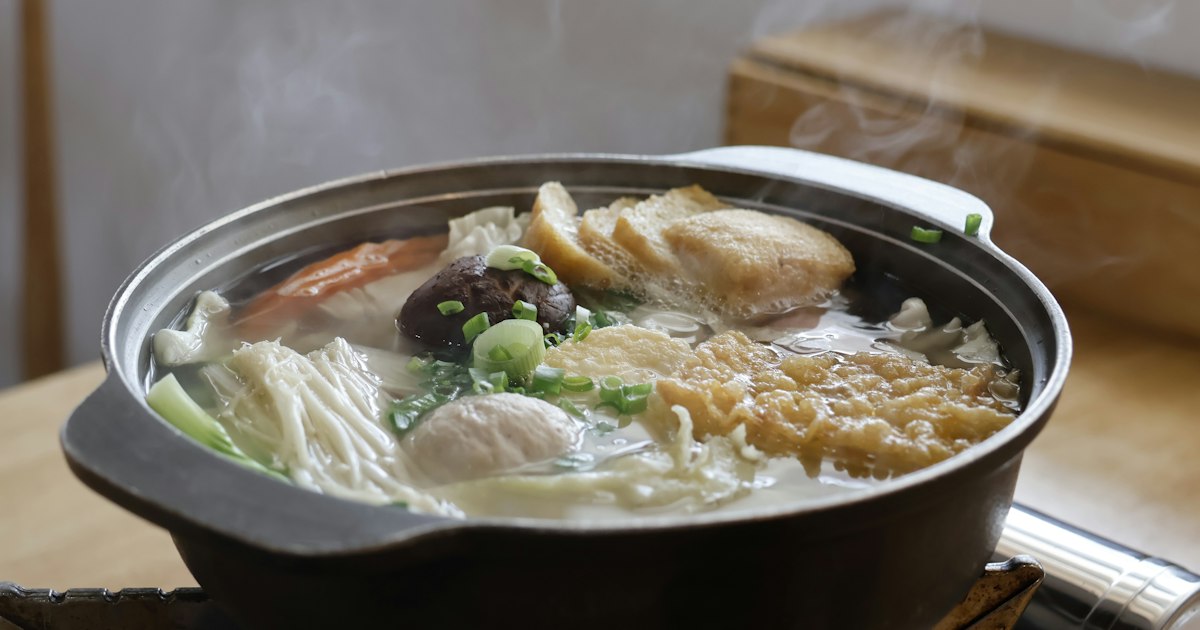
    If you’re spending a cold afternoon around Mt. Fuji or the Fuji Five Lakes and want something heartier than ramen, order hoto. It’s a thick, hand-cut noodle stewed straight in a miso broth with kabocha pumpkin and root vegetables, served bubbling in its own iron pot. It’s Yamanashi Prefecture’s signature comfort food, and unlike a lot of regional specialties, it’s genuinely easy for visitors to track down and try — you don’t need a reservation, a car is optional, and a full bowl rarely costs more than a fast-food combo meal in Tokyo.

    What Is Hoto, Exactly?

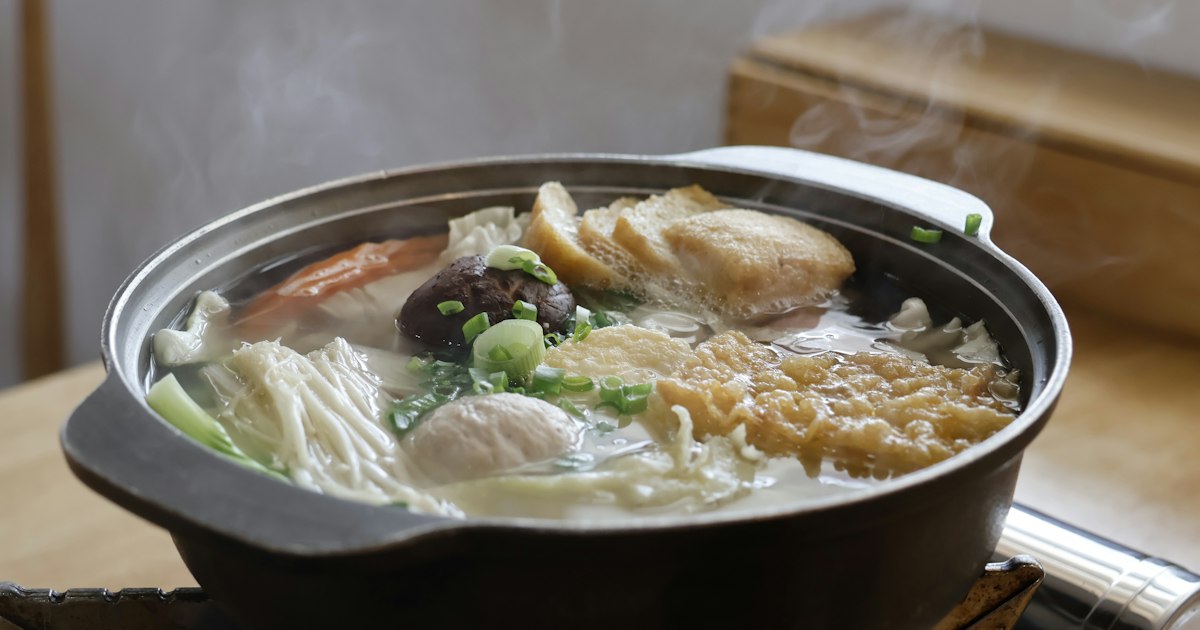
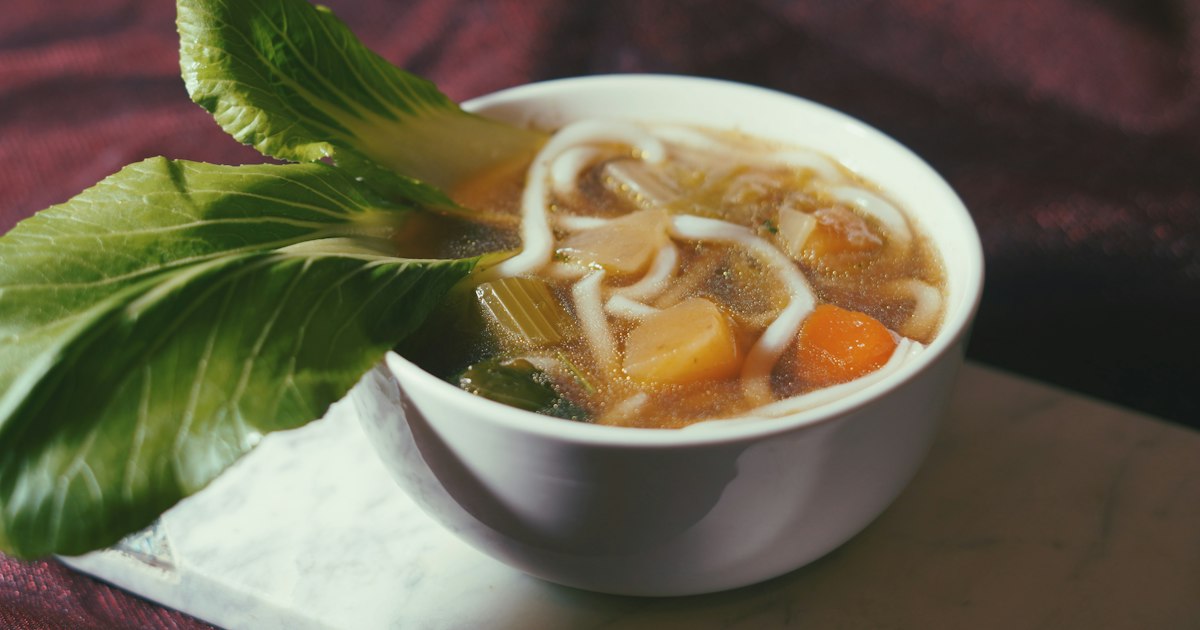
    Hoto (ほうとう) is flat, wide, udon-like noodles simmered directly in a miso-based vegetable soup — usually with kabocha squash, carrot, daikon, mushrooms, and sometimes pork or chicken. The dish is closely tied to Yamanashi’s mountainous terrain: wheat grew better than rice here historically, and pumpkin and root vegetables kept well through winter. Local legend credits the 16th-century warlord Takeda Shingen with popularizing it as a fast, one-pot meal for his troops (whether or not that’s strictly historical, it’s part of how every restaurant menu tells the story).

    Hoto is technically a type of nabe (hot pot) — if you enjoy Japan’s hot-pot culture, it’s worth comparing to the other major styles covered in Shabu-Shabu vs Sukiyaki: Japan’s Hot Pot Styles Explained. Hoto is less about dipping and more about one long, slow-simmered bowl that arrives already finished.

    What Makes the Noodles Different

    The key difference from udon or soba is that hoto noodles are never pre-boiled. They go into the soup pot raw, unsalted, and slightly thick and uneven by hand. As they cook, they release starch directly into the broth, which is what gives hoto its distinctive thick, almost stew-like consistency instead of a clear soup. This also means the noodles have a dense, chewy, sometimes slightly doughy bite — closer to a flat dumpling than a typical noodle. If you’re expecting udon’s smooth, springy texture, hoto will feel unfamiliar at first; that’s normal and part of the dish’s character, not a sign of a bad bowl.

    Because the noodles cook in the pot from raw, hoto also takes longer to prepare than most noodle dishes — expect 15–20 minutes from order to table at most restaurants, and it typically arrives still at a rolling boil in a cast-iron or clay pot set on a portable burner. Don’t rush the first bite.

    Where to Try It Near Mt. Fuji

    The Fuji Five Lakes area, especially around Kawaguchiko, is the easiest place for visitors to eat hoto, since it’s already a major tourist base with English-friendly signage.

    • Hoto Fudo (ほうとう不動) — A well-known local chain with several branches around Kawaguchiko and Fujiyoshida (the Kawaguchiko Interchange and Nishiko branches are the most visitor-accessible). Broth here tends to be on the lighter, saltier side. A bowl runs roughly ¥1,000–1,300. Most branches open around 11:00 and close by early evening (roughly 19:00), though hours shift seasonally, so check the current schedule if you’re planning a late lunch.
    • Kosaku (ほうとう小作) — Yamanashi’s most famous hoto chain, with a thicker, richer miso broth and generous portions. It has locations in Kawaguchiko, Fujiyoshida, and Kofu. Expect roughly ¥1,300–1,700 for the classic kabocha hoto, with heartier versions (adding pork, or a “special” mixed-vegetable version) closer to ¥1,800–2,000. Kosaku’s dining rooms are large and can seat groups easily, which makes it a reliable choice if you’re traveling with others.

    Both are walkable or a short taxi ride from Kawaguchiko Station, and neither typically requires a reservation outside of peak lunch hours (12:00–13:30) in high season.

    Where to Try It in Kofu

    Kofu, Yamanashi’s prefectural capital, is the more “local” alternative if you’d rather eat hoto away from the Fuji tourist crowds. Kosaku has a Kofu branch, and the area around Kofu Station has several smaller, family-run hoto shops that lean more traditional — thicker noodles, more rustic presentation, and prices generally in the same ¥1,200–1,700 range. Kofu is also a reasonable base if you’re combining hoto with a visit to nearby vineyards or the Shosenkyo Gorge, since the city sits at the geographic center of the prefecture.

    Best Season and How to Get There

    Hoto is served year-round, but it’s at its best from autumn through winter, when the weather makes a bubbling pot of hot broth genuinely appealing and kabocha from the summer harvest is at its sweetest after a few months of storage. Winter is also when the Fuji Five Lakes area runs seasonal illumination events, so a bowl of hoto pairs naturally with an evening out — see Japan’s Winter Illuminations: Best Light Festivals and Where to See Them if you’re building a cold-weather itinerary around the area.

    From Tokyo, the two main approaches are:

    • To Kawaguchiko: A direct highway bus from Shinjuku’s Busta Shinjuku terminal takes about 1 hour 45 minutes and costs roughly ¥2,000–2,200 one-way. Alternatively, take the JR Chuo Line to Otsuki and transfer to the Fujikyuko Line to Kawaguchiko Station (around 2 hours total).
    • To Kofu: The JR Chuo Line Limited Express (Azusa or Kaiji) runs direct from Shinjuku to Kofu in about 1.5 hours, with reserved seats typically costing ¥4,000–5,000 one-way.

    If you’re also stopping at an onsen town on the same trip — the Fuji Five Lakes area has several — a bowl of hoto afterward is a classic combination locals actually follow; you’ll often see the same restaurants full of people in yukata after a soak. For more on hot-spring food traditions, see Onsen Tamago: Japan’s Hot-Spring-Cooked Eggs and Where to Try Them.

    Budget, Mid-Range, and Splurge Options

    Hoto is inherently a budget-friendly dish, so the “splurge” tier here is modest compared to other Japanese specialties:

    • Budget (~¥1,000–1,300): Standard kabocha hoto at Hoto Fudo or a small local shop in Kofu.
    • Mid-range (~¥1,300–1,800): Kosaku’s signature bowl, or versions with added pork, mushroom, or extra vegetables.
    • Splurge (~¥2,000+): Ryokan or inn dinners in the Kawaguchiko/Fuji-Yoshida area that serve hoto as part of a multi-course kaiseki-style set, often with local Yamanashi wine, freshwater fish, or seasonal mountain vegetables alongside it.

    Common Mistakes to Avoid

    • Expecting udon. The noodles are intentionally thicker, denser, and less uniform — that’s not a quality issue.
    • Ordering it as a quick bite. Because noodles cook from raw in the pot, hoto takes noticeably longer than ramen or standard udon. Build in time, especially if you have a bus or train to catch.
    • Digging in immediately. The pot arrives at a full boil and stays hot for a while — the broth and noodles near the surface cool faster than what’s underneath, so stir gently before your first bite.
    • Assuming it’s a light meal. Portions are large and the broth is filling; one bowl is usually enough per person, even after a day of walking around the lakes.
    • Skipping it outside winter. Some travelers assume hot pot dishes are only for cold months and avoid it in summer — but the pumpkin and vegetable base makes it satisfying even in the shoulder seasons, and restaurants serve it year-round regardless of temperature.

    Hoto isn’t flashy, but it’s exactly the kind of dish that rewards a short detour — cheap, filling, tied to a specific place, and easy to fit around a Fuji-viewing day without needing advance planning.
  • Japan’s Winter Illuminations: Best Light Festivals and Where to See Them

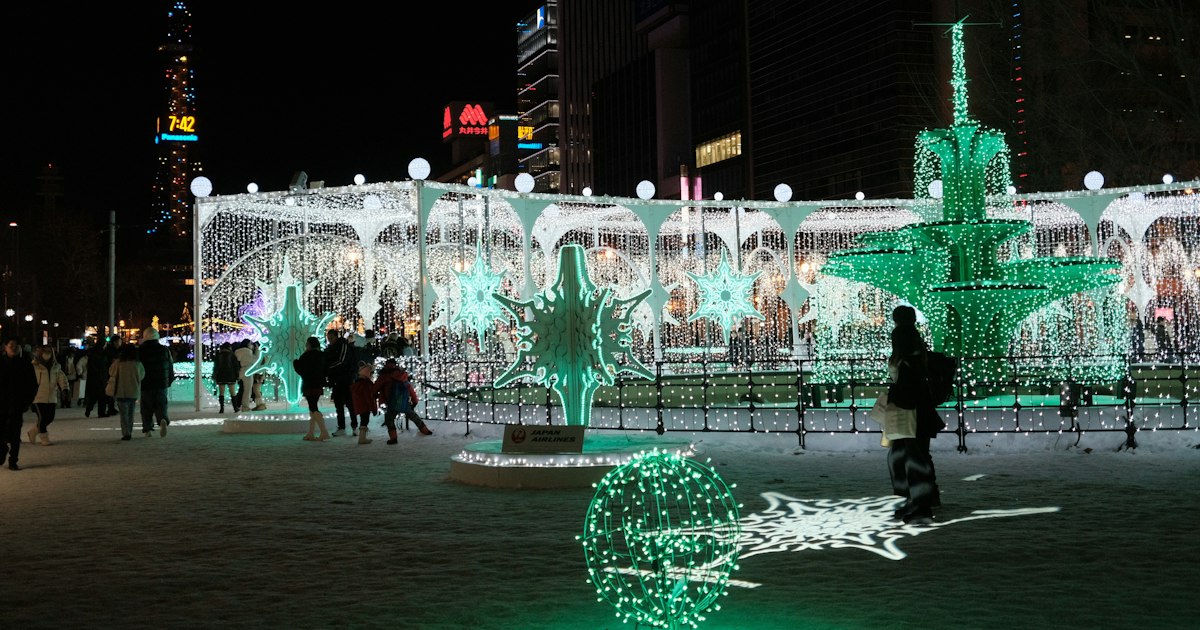
    Japan’s Winter Illuminations: Best Light Festivals and Where to See Them

    Photo by Dominic Kurniawan Suryaputra on Unsplash

    From early November through February, Japan turns its parks, train stations, and mountain resorts into glowing LED wonderlands. Winter illuminations (irumineshon) are one of the country’s most photogenic seasonal traditions, and unlike cherry blossoms or autumn leaves, they’re predictable — no weather gamble, no guessing when peak timing will hit. Here’s where to see the best of them, what they actually cost, and how to avoid the crowds that catch most first-time visitors off guard.

    Kobe Luminarie: the original and still one of the best

    Kobe Luminarie started in 1995 as a memorial to victims of the Great Hanshin Earthquake, and it remains one of Japan’s most striking displays — thousands of ornate metal-framed arches strung with LED bulbs along a corridor near Higashi Yuenchi Park and the Old Foreign Settlement. It typically runs for about ten days in early December (check the current year’s dates, since they shift slightly), lit nightly from around 6pm to 9:30pm. Entry is free. The nearest stations are JR Motomachi or Kobe Sanomiya, both a 5-10 minute walk. Go on a weeknight if you can — weekend crowds funnel through the narrow arch corridor in one direction only, and it can take 30-45 minutes just to shuffle through.

    Nabana no Sato: Japan’s biggest illumination by scale

    In Kuwana, Mie Prefecture (accessible from Nagoya), Nabana no Sato is a flower park that transforms into an enormous illumination garden from mid-October through early May — one of the longest seasonal runs in the country. The signature feature is a tunnel of LED “wisteria” light trees and a massive light-up lake reflection that’s become one of the most Instagrammed scenes in the country. Admission runs around 2,300 yen for adults during illumination season (it’s seasonal, so check current pricing), and hours are typically 9am to around 9pm with lights on from sunset. From Nagoya, take the Kintetsu line to Kuwana Station, then a shuttle bus (about 20 minutes) to the park entrance — the shuttle runs frequently but queues form fast on weekends, so arrive by mid-afternoon if you want a seat and daylight time to walk the flower gardens before dark.

    Tokyo’s illumination circuit: Marunouchi, Roppongi, and Shiodome

    Tokyo doesn’t have one single mega-illumination — instead it has a scattered circuit you can hit in one evening. Marunouchi Naka-dori (near Tokyo Station) strings its keyaki trees with warm white lights from mid-November through Valentine’s Day, free and unticketed, lit from around 5pm to midnight. Roppongi Hills does a blue-toned “Roppongi Hills Christmas” with a giant tree display, also free. Shiodome’s Caretta illumination is smaller but has a good soundtracked show every 15-20 minutes. None of these require tickets or reservations, and they’re all within a 20-minute train ride of each other on the Yamanote/Oedo lines — a practical option if you’re short on time and don’t want to leave the city. If your Tokyo trip also has you exploring old shopping streets, pair an evening illumination walk with a daytime visit to Sugamo’s old-fashioned shopping street or the bargain stalls at Ameyoko Market.

    Sapporo White Illumination and the Snow Festival lead-in

    In Hokkaido, Sapporo’s White Illumination runs Odori Park from late November through around Christmas, free to walk through, lit from around 4pm (it gets dark early up north) to 10pm. It’s a good warm-up if you’re timing a trip toward the Sapporo Snow Festival in February — the two don’t overlap, so pick one based on your travel window. Dress far warmer than you think you need to; Sapporo winter evenings regularly sit below freezing, and standing still for photos gets cold fast. If Hokkaido’s onsen towns are also on your list, this region pairs naturally with a detour to see the snow monkeys at Jigokudani Monkey Park, though note that’s in Nagano, not Hokkaido — worth factoring into your route if you’re combining both.

    Regional standouts worth a detour

    • Ashikaga Flower Park (Tochigi) — roughly 90 minutes from Tokyo by train, this park’s illumination centers on light-wrapped wisteria trellises and is widely ranked among Japan’s top three illuminations. Tickets are around 1,800-1,900 yen for adults during peak illumination dates (late October through early February), with reduced pricing on off-peak weeknights. Hours run to around 8:30pm.
    • Huis Ten Bosch (Nagasaki) — a Dutch-themed park that stages one of the country’s largest illuminations, with over 13 million bulbs across the grounds. Full-day passes run roughly 6,900-7,500 yen for adults, which sounds steep until you realize it includes daytime access to the park’s attractions too. If you’re already in Nagasaki, it’s an easy add-on to a day spent trying castella sponge cake around the city.
    • Karuizawa’s winter illumination — if you’re doing a mountain-resort getaway from Tokyo, Karuizawa runs a more low-key, atmospheric illumination through its outlet mall and shopping streets, a nice contrast to the mega-parks. See our guide to Karuizawa as a mountain resort getaway for the full trip-planning picture.

    Common mistakes and how to budget your evening

    The single biggest mistake visitors make is arriving right at lighting time — that’s when everyone else arrives too. Get to major illuminations 30-45 minutes before lights-on if you want clear photos and a comfortable walking pace; the crowds thin out noticeably about an hour after sunset once the initial rush passes through. Second mistake: underestimating how cold standing still for photos gets, even in relatively mild regions like Kobe or Nagoya — bring more layers than you’d wear for daytime sightseeing. Third: not checking whether an illumination requires a separate ticket from general park admission (Nabana no Sato and Huis Ten Bosch both fold it into one price, but some venues charge extra for evening entry after a daytime closure).

    For budget planning: free options (Kobe Luminarie, Tokyo’s Marunouchi and Roppongi Hills, Sapporo White Illumination) let you build a multi-stop evening for the cost of train fare alone. Mid-range options like Ashikaga Flower Park run under 2,000 yen and are easy day trips from Tokyo. For a splurge that turns into a full day out, Huis Ten Bosch or Nabana no Sato justify their higher ticket prices with daytime attractions plus the light show. If you’re traveling between illumination cities by Shinkansen with winter coats and gear in tow, it’s worth knowing the oversized luggage rules and reservation requirements before you book seats, since bulky winter luggage can trigger the oversized-baggage reservation fee.

    When to go

    Peak illumination season runs from late November through late December, driven by Christmas timing even though Christmas isn’t a major Japanese holiday — it’s treated more as a romantic/seasonal event than a family one. Many illuminations extend into January and February, which is actually the better window for avoiding crowds, since the pre-Christmas rush dies down but the lights stay up. If your trip lands in early November, Nabana no Sato is one of the few major illuminations already running, since its season starts earliest.

  • Gokayama: Toyama’s Quieter Gassho-Zukuri Village Near Shirakawa-go

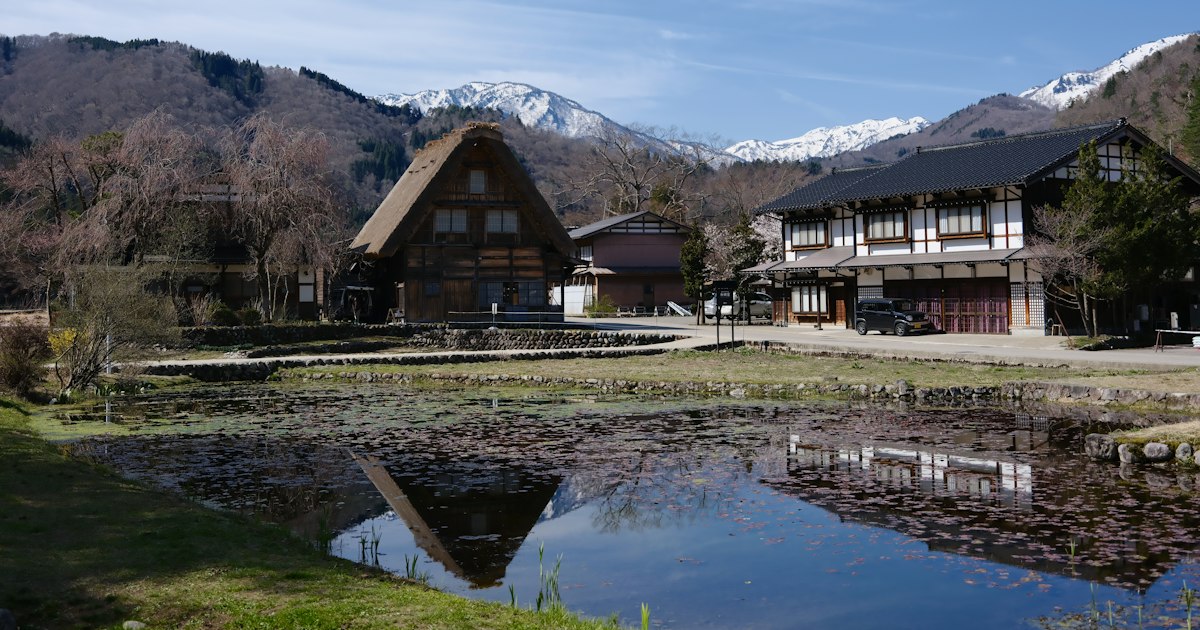
    Gokayama: Toyama’s Quieter Gassho-Zukuri Village Near Shirakawa-go

    Photo by あま あわれ on Unsplash

    Everyone who plans a trip to the Japan Alps ends up looking at photos of Shirakawa-go’s steep, thatched-roof farmhouses. Fewer people realize that the same UNESCO World Heritage listing covers two more villages just up the road in Toyama Prefecture — Ainokura and Suganuma, together known as Gokayama. They have the same gassho-zukuri architecture, the same folk history, and a fraction of the tour buses. If you want the postcard scene without shuffling through crowds for a parking spot, this is where to go.

    Why Gokayama Instead of (or in Addition to) Shirakawa-go

    Shirakawa-go’s main village, Ogimachi, has around 114 gassho-zukuri houses and gets well over a million visitors a year. Gokayama’s two villages together have roughly 30 houses — about 20 in Ainokura and 9 in Suganuma — and see a small fraction of that traffic. The architecture and history are the same: steep 60-degree thatched roofs designed to shed heavy snow, built without nails, in a region so isolated that its feudal-era economy ran on silk farming and gunpowder production made from silkworm droppings fermented under the floorboards. What Gokayama lacks in scale it makes up for in quiet — you can walk the lanes at dusk without dodging selfie sticks, and several houses still function as private homes, not museum exhibits.

    Ainokura vs. Suganuma: Which to Visit

    If you only have time for one, choose based on what you want:

    • Ainokura is the larger of the two, set on a hillside with a viewpoint above the village — the classic wide shot. It has more houses open to visitors, a folklore museum (around ¥300 entry), a few craft shops, and a couple of minshuku (guesthouses) for overnight stays.
    • Suganuma is smaller and sits right on the Sho River, framed by mountains on both sides. It’s the more photogenic, compact option for a quick stop — you can see the whole village in 30-45 minutes. It also has the Gokayama Folklore Museum and the Gassho-zukuri Gunpowder Museum (Enshou-no-Yakata), each around ¥300, or a combined ticket for both for around ¥500.

    If you have a car and time for both, they’re only about 9 km apart along Route 156, roughly a 15-minute drive.

    How to Get There

    Gokayama is genuinely rural, and this is the part first-time visitors underestimate. Without a car, your main option is the Kaetsunou “World Heritage Bus,” which runs between Takaoka Station (reachable via the Hokuriku Shinkansen from Kanazawa or Toyama) and Shirakawa-go, stopping at both Suganuma and Ainokura-guchi along the way. There are only around five to six buses a day in each direction, so check the timetable before you build your itinerary — missing the last bus back means an expensive taxi or an unplanned overnight stay. From Shirakawa-go, the ride to Ainokura takes about 25-30 minutes and costs roughly ¥800 one way; from Takaoka Station, budget closer to 75-90 minutes.

    Driving is far more flexible and lets you combine both villages in one day. Parking at Ainokura’s observation-deck lot and at Suganuma’s roadside station both run around ¥500 per car for the day, since cars aren’t allowed to park inside the villages themselves. If you’re routing through on the Shinkansen with luggage, it’s worth checking our guide to Shinkansen oversized luggage rules before you book seats, since you’ll want your bags accessible for the bus transfer at Takaoka or Shin-Takaoka.

    What to Do Once You’re There

    Walking the villages themselves is free, and that’s most of the experience — narrow lanes between farmhouses, rice paddies, and mountains close on every side. A few things worth building in extra time for:

    • Enter a house. Several gassho-zukuri buildings in both villages are open as small museums (around ¥300 each) showing the multi-story attic space once used for silkworm cultivation, plus the irori hearth that keeps the wooden beams smoke-cured and pest-resistant.
    • Try washi paper-making. Gokayama Washi no Sato, near the villages in Kamitaira, is a working paper mill where you can make your own sheet of traditional washi — a postcard-sized piece runs around ¥800-1,000 and takes about 20-30 minutes. It’s a nice hands-on craft stop, similar in spirit to visiting a pottery town like Shigaraki for ceramics — a living craft rather than a shop shelf.
    • Eat Gokayama tofu. The region’s tofu is famously dense and firm — locally there’s a saying that you can tie it with rope and carry it home. It shows up grilled, in hot pot, and as a souvenir at roadside shops.

    Best Time to Visit

    Late April into May brings fresh green against the thatched roofs and is comfortable for walking. Late October to early November has strong autumn color in the surrounding mountains. Winter (December-February) is when Gokayama looks most like the postcards, with snow piled on the steep roofs — and unlike Shirakawa-go’s tightly ticketed winter illumination nights, Gokayama runs its own light-up events on select Saturdays in January, usually with far less advance-booking pressure. Parking is still limited on those nights, so arrive early and dress for genuinely cold, snowy conditions; regional roads can be icy, so budget extra time if you’re driving.

    Where to Eat and Stay

    Neither village has much beyond a handful of small restaurants and shops, so don’t plan on convenience-store backup — bring cash, since card acceptance is inconsistent in both villages. For lunch, look for simple soba or tofu-based set meals at the small eateries near the parking areas. For a genuinely memorable night, a handful of the gassho-zukuri houses in Ainokura operate as minshuku, where you sleep in the loft-style rooms and eat dinner around the irori hearth — river fish, mountain vegetables, and local tofu. Expect to pay roughly ¥10,000-15,000 per person with two meals, and book well ahead, since there are only a few rooms in the whole village.

    Common Mistakes to Avoid

    • Assuming Gokayama is a quick add-on to Shirakawa-go. The bus schedule is thin enough that a rushed same-day visit to all three villages (Ogimachi, Ainokura, Suganuma) is tight without a car — check timetables before committing.
    • Skipping Suganuma because it’s “smaller.” Its riverside setting is arguably more photogenic than Ainokura, and it takes under an hour to see properly.
    • Walking into private homes. Many gassho-zukuri buildings are still lived in. Only enter ones clearly marked as open to visitors.
    • Not carrying cash. Card and IC-card acceptance is unreliable at rural shops and eateries here.

    Gokayama rewards the extra travel time with exactly what Shirakawa-go’s fame has made harder to find: a working mountain village you can actually stand still in. If you’re already chasing quiet, slow-paced corners of Japan the way you might at a mountain retreat like Karuizawa, or seeking out rural wildlife scenes like Jigokudani’s snow monkeys, Gokayama fits the same itinerary logic — a deliberate detour that pays off.

  • Onsen Tamago: Japan’s Hot-Spring-Cooked Eggs and Where to Try Them

    Onsen Tamago: Japan’s Hot-Spring-Cooked Eggs and Where to Try Them

    Photo by Ophemia on Unsplash

    If you’ve wandered through a hot spring town in Japan and smelled sulfur mixed with the scent of boiling water, you’ve probably also seen little stalls selling eggs with an oddly silky texture — white barely set, yolk warm and custardy. That’s onsen tamago, literally “hot spring egg,” and it’s one of the most satisfying 100-yen snacks in the country. Here’s what it actually is, the science behind the texture, and where to eat the best versions from Hakone to Kyushu.

    What Is Onsen Tamago, Exactly?

    Onsen tamago is not the same as the soft-boiled egg (hanjuku tamago) you get marinated in soy sauce atop a bowl of ramen. It’s cooked whole, in the shell, at a low and steady temperature — traditionally in natural hot spring water, now often replicated with sous-vide-style equipment. Egg whites and yolks set at different temperatures: yolk protein firms up around 65–70°C, while white needs closer to 80°C to fully solidify. Onsen tamago is held at roughly 65–68°C for 30–40 minutes, so the yolk turns gently custardy while the white stays translucent and barely-set, almost like a thin pudding. You eat it straight from the shell with a splash of soy sauce or a dashi-based sauce, or crack it over rice.

    Hakone’s Black Eggs at Owakudani

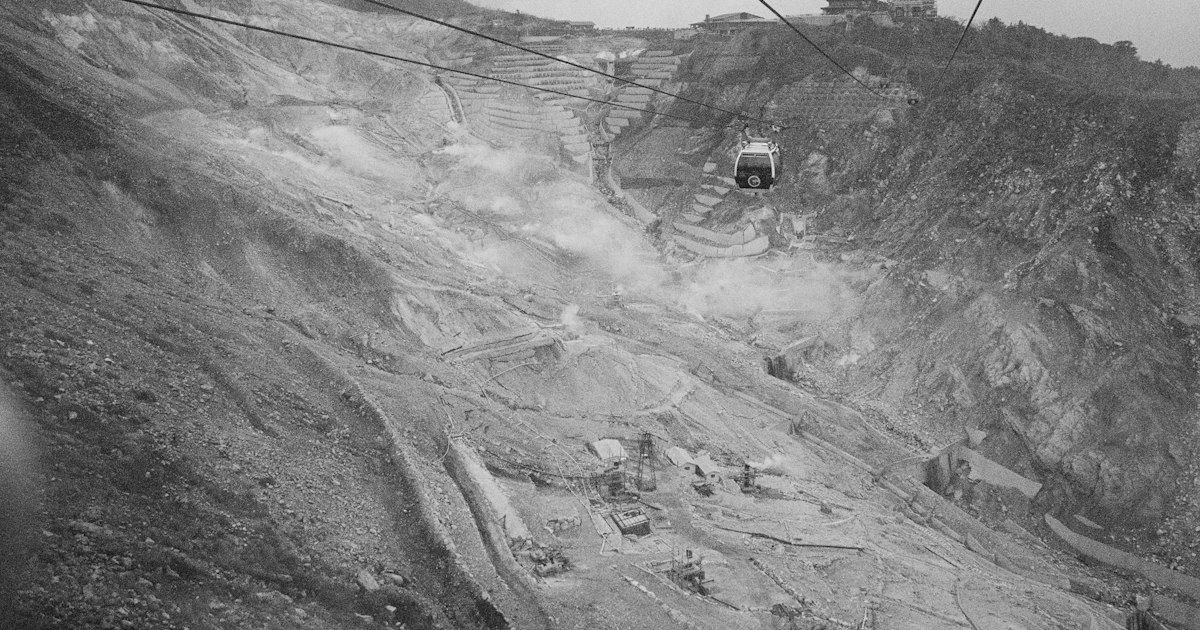
    The most famous onsen egg in Japan isn’t even beige — it’s black. At Owakudani, the volcanic valley above Hakone, eggs are boiled in the naturally sulfuric hot spring water and steam vents, which coats the shells with iron sulfide and turns them jet black. Local legend says eating one adds seven years to your life. You’ll find them sold in bags of five for about ¥500 at the Kuro-tamago-kan shop right by the ropeway station, open daily roughly 9:00–16:00 (hours shift seasonally and Owakudani occasionally closes for volcanic gas monitoring, so check current status before you go).

    To get there, take the Hakone Tozan Cable Car from Gora to Sounzan, then the Hakone Ropeway to Owakudani Station. The views over Mt. Fuji on a clear day are as much the draw as the eggs. Best timing is a morning visit before the ropeway gets crowded with tour groups, and autumn (October–November) or clear winter mornings give the best Fuji visibility. If you’re doing Hakone as a day trip from Tokyo with luggage in tow, it’s worth reading up on coin lockers in Japan so you can stash bags at Odawara or Hakone-Yumoto Station rather than hauling them up the ropeway.

    Kusatsu and Nozawa Onsen: Cook Your Own

    Several classic onsen towns let you boil your own eggs in designated cooking pools — never in the actual bathing water, which is both rude and unsanitary. In Kusatsu Onsen (Gunma Prefecture), shops around the iconic Yubatake hot spring field sell raw eggs in mesh bags for about ¥100–150; you lower them into a public tamago-yu (egg-boiling pool) for around 12–13 minutes and they come out perfectly done. In Nozawa Onsen (Nagano), the historic Ogama boiling spring near the village center serves the same purpose — it’s one of the town’s 13 free public bathhouses, and locals have used the adjacent boiling pool for cooking vegetables and eggs for generations. Both towns are best visited in winter, when steam rising off the springs against snowbanks is genuinely beautiful, though they’re pleasant year-round.

    Beppu’s Hell-Cooked Eggs

    Beppu, in Oita Prefecture on Kyushu, produces more hot spring water than anywhere else in Japan and channels the theatrics into its “Jigoku Meguri” (Hell Tour) — eight dramatically colored, boiling hot spring sites you visit sightseeing-style rather than bathing in. At Umi Jigoku (“Sea Hell”), a cobalt-blue pond that reaches around 98°C, eggs are steamed in cages over the vents and sold on-site for roughly ¥200–300 for a set of two or three. The Hell Tour circuit costs about ¥2,000 for a combined ticket covering all seven paid hells and takes half a day; individual hells run ¥400–500 each. Beppu Station connects to central Kyushu by JR, and local buses loop between the hells.

    Onsen Tamago Near Nagano’s Snow Monkeys

    If you’re heading to the Yudanaka-Shibu Onsen area to see the famous bathing macaques, budget time for the eggs too — this stretch of Nagano is dense with old-school onsen towns and several sell tamago cooked in spring water right along the main streets, typically ¥100–200 each from small vending stalls or ryokan gift shops. The monkeys themselves are the headline act here; see our guide to Jigokudani Monkey Park for access and timing, since the park is a 30-minute walk from the nearest bus stop and gets busiest between 11:00 and 14:00. Nearby Karuizawa, a longtime mountain retreat covered in our Karuizawa guide, also has onsen facilities if you want to combine a soak with the shopping and hiking the town is known for. And if you enjoy hands-on food experiences like cooking your own onsen egg, Nagano’s neighboring regions also offer nagashi somen, another interactive dish worth seeking out in summer.

    Budget, Mid-Range, and Splurge Options

    • Budget: Convenience store onsen tamago (Lawson and 7-Eleven both stock them in the refrigerated section) costs about ¥98–128 and is genuinely decent — a fine way to try the texture before committing to a trip.
    • Mid-range: Eating them fresh at an onsen town — Hakone’s black eggs, Kusatsu’s self-boiled eggs, Beppu’s hell-steamed eggs — runs ¥100–500 depending on location and quantity, plus whatever sightseeing fees apply (ropeway, hell tour tickets).
    • Splurge: Many ryokan serve onsen tamago as part of a kaiseki breakfast, sometimes dressed up with uni, wagyu, or truffle soy sauce. A ryokan stay with two meals included typically runs ¥25,000–60,000+ per person per night, but the tamago course itself is usually just one small, memorable bite within it.

    Common Mistakes to Avoid

    • Cooking eggs in bathing water: Only use designated tamago-yu (egg-boiling) pools, never the pools people are soaking in — staff will stop you, and it’s a real etiquette breach.
    • Confusing it with ramen eggs: Hanjuku tamago (the soy-marinated ramen topping) is fully separate — it’s cooked hotter and longer, then marinated, giving a firmer white and a jammier, browner yolk.
    • Assuming every “black egg” is onsen tamago: Hakone’s kuro-tamago is cooked the same low-temperature way, but the black shell comes from sulfur and iron in the water, not from the cooking method itself — regular onsen tamago elsewhere still has a plain, pale shell.
    • Skipping the timing check at Owakudani: The valley periodically closes ropeway access during elevated volcanic gas readings; check current operating status before building a Hakone day around it.

    Onsen tamago is a small thing, but it’s a good lens for understanding Japan’s hot spring culture more broadly — practical, communal, and built around genuinely using the geothermal water rather than just looking at it. Whether you grab one from a convenience store fridge or boil your own at a mountain onsen, it’s worth the five minutes.

  • Dorayaki: Japan’s Red-Bean Pancake Sandwich and Where to Try It

    Dorayaki: Japan’s Red-Bean Pancake Sandwich and Where to Try It

    Photo by Seiya Maeda on Unsplash

    If you’ve ever watched Doraemon devour a small golden disc with obvious joy, you’ve already met dorayaki. This is Japan’s answer to the pancake sandwich: two soft, castella-like cakes pressed around a filling of sweet red bean paste. It’s sold everywhere from convenience stores to century-old specialty shops, and it’s one of the easiest, most satisfying snacks a first-time visitor can try without needing any Japanese. Here’s what it actually is, where to get the good stuff, and how to avoid the rookie mistakes.

    What Is Dorayaki, Exactly?

    Dorayaki consists of two small pancakes — slightly sweet, eggy, and spongy, closer in texture to castella sponge cake than to a Western pancake — sandwiched around a layer of anko (sweet azuki bean paste). The best versions use a smooth koshian or a chunkier tsubuan, and some shops add whipped cream, chestnut, or matcha cream to the filling. The name comes from “dora,” meaning gong, because the round shape and golden color resemble a bronze gong — legend says the dish was invented when a samurai accidentally left his gong behind after being treated to food by a farmer, and pancakes were later cooked on it.

    Texture matters here: a good dorayaki should be moist and slightly chewy, not dry, and the bean paste should be soft enough to bite through cleanly. A mediocre one tastes like a dry muffin with jam. That difference is exactly why it’s worth seeking out a specialty shop rather than only grabbing one from a convenience store shelf.

    A Quick History (and Why Doraemon Loves It)

    Dorayaki as we know it today — two cakes sandwiching anko, rather than a single folded pancake — dates to the early 20th century, popularized by Tokyo confectioners. Usagiya in Ueno, founded in 1913, is widely credited with establishing the modern two-cake style that spread nationwide. The dish’s fame exploded internationally thanks to the robot cat Doraemon, whose favorite food is dorayaki; that connection is still why some shops near Tokyo’s anime and character-goods districts sell Doraemon-branded boxes as souvenirs.

    Where to Try the Best Dorayaki in Tokyo

    Two shops consistently top locals’ lists:

    • Usagiya (うさぎや), Ueno — The shop often credited with perfecting the modern dorayaki. A short walk from Ueno Station (JR Yamanote Line, or Tokyo Metro Ginza/Hibiya lines), it’s tucked just north of the Ameyoko Market shopping street, so it’s easy to combine with a bargain-hunting stop. Typical hours are around 9:00–18:00, closed Wednesdays; a single dorayaki runs roughly ¥250–300. Go early — the handmade batches sell out.
    • Kameju (亀十), Asakusa — A few minutes from Kaminarimon Gate and Nakamise shopping street, this shop draws long lines for its thick, generously filled dorayaki (around ¥300–350 each). It regularly sells out by mid-afternoon, so treat it as a mid-morning stop rather than an after-Senso-ji-temple dessert plan.

    Beyond these two, most traditional wagashi (Japanese sweets) shops in old shopping streets carry their own version. Neighborhoods known for old-school confectionery — like Sugamo’s Jizo-dori shopping street, nicknamed “Grandma’s Harajuku” — are good places to stumble onto a small family-run shop selling fresh dorayaki alongside senbei and mochi, often for less than the famous Ueno and Asakusa names charge.

    Budget, Mid-Range, and Splurge Options

    • Budget (¥120–160): Packaged dorayaki from convenience stores like 7-Eleven, Lawson, and FamilyMart, or from supermarkets. Perfectly decent for a quick snack, softer and sweeter than handmade versions, and available 24 hours.
    • Mid-range (¥250–400): Fresh, handmade dorayaki from specialty shops like Usagiya or Kameju, or from a neighborhood wagashi shop. This is the tier where the texture difference really shows.
    • Splurge (¥500–4,000): Depachika (department store basement food halls) in places like Isetan Shinjuku or Mitsukoshi Nihonbashi sell gift-boxed assortments with premium fillings — Uji matcha cream, candied chestnut, or seasonal fruit — individually wrapped for freshness. A box of six to eight runs roughly ¥1,500–4,000 and makes a genuinely good omiyage (souvenir gift) since the packaging is built for travel.

    Best Time to Go and Common Mistakes

    Dorayaki is a year-round treat, but two seasonal windows are worth knowing: autumn (September–November), when chestnut-filled versions (kuri dorayaki) appear, and spring, when some shops introduce lighter cream or sakura-flavored fillings. Neither is essential to plan a trip around, but it’s a nice bonus if your timing lines up.

    The most common mistake is buying a large batch expecting it to keep — dorayaki has no preservatives and the moist cake dries out and the filling can spoil within a day or two at room temperature, faster in Japan’s humid summer. Buy what you’ll eat that day, and treat anything from a gift box as a same-week item, not a take-home-to-another-country souvenir unless it’s specifically packaged for shelf stability (check the label). The second mistake is showing up to a famous shop like Kameju in the late afternoon expecting stock — popular flavors sell out, and there’s no guarantee of a restock that day.

    Bringing Dorayaki Home as a Souvenir

    If you want to carry dorayaki further afield in Japan — say, from Tokyo to a mountain retreat like Karuizawa — buy same-day and keep it in your bag rather than checked luggage; it doesn’t need refrigeration for short trips but does need to stay out of direct sun and heat. If you’re sightseeing for hours before returning to your hotel, a coin locker is a reasonable way to keep a fragile box from getting crushed in a crowded train, though ideally you’d eat it the same day regardless. For international travel, stick to the shelf-stable, individually wrapped gift boxes sold at depachika counters — ask staff (usually available in English at major department stores) which boxes are made for longer storage, since not all are.

    Whether you grab one from a convenience store shelf on your way to a train or queue up at Usagiya for the real thing, dorayaki is one of the simplest, cheapest ways to taste a piece of Japanese food culture that’s been essentially unchanged for over a century — and, unlike a lot of “famous” tourist food, it’s genuinely good.

  • Castella: Nagasaki’s Portuguese-Influenced Sponge Cake and Where to Buy

    Castella: Nagasaki’s Portuguese-Influenced Sponge Cake and Where to Buy

    Photo by Robin Stickel on Unsplash

    Long before Japan had convenience-store egg sandwiches or 7-Eleven coffee, it had castella — a dense, honey-colored sponge cake that traces back to Portuguese traders in the 1500s. Today it’s one of Nagasaki’s signature souvenirs, sold in tins and wooden boxes at train stations and department stores nationwide, but the best versions are still baked in the city where it all started. Here’s what makes real castella worth seeking out, and where to buy it whether you’re standing in Nagasaki or just passing through Tokyo station.

    A Sponge Cake with a 16th-Century Portuguese Passport

    Castella’s name comes from “pão de Castela,” or “bread of Castile,” a term Portuguese missionaries and merchants used for a simple egg-and-sugar cake they brought with them when Nagasaki opened as a trading port in the late 1500s. For roughly a century, Nagasaki was Japan’s only window to European trade, and Portuguese, and later Dutch, merchants based on the artificial island of Dejima introduced sugar, bread, and baking techniques that barely existed elsewhere in the country at the time.

    Japanese confectioners adapted the original recipe over generations, swapping in local techniques and ingredients until it became something distinct from its European ancestor. The Portuguese version has mostly disappeared even in Portugal, which makes Nagasaki’s castella one of the more interesting cases of a foreign food surviving, and evolving, far from home.

    What Makes Real Castella Different

    Castella is deceptively simple on paper: eggs, sugar, flour, and mizuame (a thick starch syrup). That last ingredient is the Japanese addition that changes everything — mizuame gives the cake its signature moist, slightly chewy crumb, distinguishing it from a Western-style dry sponge cake. Good castella should feel dense and springy, almost like a firm custard cake, not light and airy like a Victoria sponge.

    One detail confuses first-time buyers: the bottom layer of every traditional castella has a thin band of coarse sugar crystals called zarame. This isn’t a flaw or leftover packaging residue — it’s a mark of a traditionally made cake, formed as the sugar settles and partially caramelizes during slow baking. Shops that skip it are usually cutting corners or using a faster industrial process.

    Where Castella Is Made: Nagasaki’s Old Shopping Streets

    Most of Nagasaki’s historic castella makers are clustered near the city center, within walking distance of Nagasaki’s Chinatown and the Hamanomachi arcade, an easy add-on if you’re already sightseeing at Dejima or Glover Garden. Shops are generally open from around 9:00 or 9:30 AM to 6:00 or 7:00 PM daily, with no reservation needed — you can walk in, sample a piece at the counter, and buy a box on the spot.

    There’s no strong seasonal pull to visiting for castella specifically; it’s sold year-round. The one practical note is summer: because fresh castella has no preservatives, shops recommend eating it within about a week to ten days of purchase, and it’s best kept out of direct heat, which matters if you’re carrying a box around Kyushu in August.

    Where to Buy: Budget, Mid-Range, and Splurge Picks

    Budget (roughly ¥700–900): Individually wrapped slices from Bunmeido or similar brands are sold at convenience stores, supermarkets, and airport shops across Japan, not just Nagasaki. These are mass-produced and less refined than the artisan versions, but they’re a perfectly good, cheap way to try castella or grab a quick souvenir without a special trip.

    Mid-range (roughly ¥1,300–2,500 for a standard box): Bunmeido’s main Nagasaki shop and its long-running Bunmeido Kissa café let you sit down for cake and coffee, and their boxed castella is widely regarded as a reliable, well-balanced version. Bunmeido also has branches in Tokyo and other major cities, so if you can’t make it to Nagasaki, you can still buy the real product.

    Splurge (roughly ¥2,000–4,000+ for a premium box): Fukusaya, founded in 1624 and recognizable by its cannonball-and-turtle crest, is widely considered the gold standard, with a noticeably richer, denser crumb and a devoted following. Shooken, dating to 1681, is another old-guard option and is particularly known for its chocolate-marbled castella, a less traditional but popular variation. Both have compact main shops in central Nagasaki plus a handful of department store counters elsewhere in Japan (Fukusaya, for example, has outposts in Tokyo including inside Nihonbashi Mitsukoshi).

    If you’re combining castella-hunting with a broader look at Japan’s regional food rivalries, it’s worth comparing it mentally with how differently the same idea can turn out from region to region — the same spirit of local pride and technique shows up in things like the Osaka vs. Hiroshima okonomiyaki divide.

    Common Mistakes to Avoid

    • Assuming all castella is the same. Convenience-store castella and artisan castella from a 300-year-old shop are genuinely different products in texture and flavor. If you only try the packaged version, you’re missing the point.
    • Cutting off the zarame bottom. Some travelers trim away the sugary base thinking it’s excess residue. It’s meant to be eaten — it’s part of the texture contrast that makes good castella interesting.
    • Buying too early in a long trip. Because fresh castella has a limited shelf life and is best kept cool, it’s smarter to buy it near the end of your trip rather than at the start of a multi-week itinerary.
    • Not checking the box size. Shops sell castella by “go” (号) sizing — a 0.6-go box might suit one or two people as a gift, while a full 1-go log is a substantial cake meant for sharing. Ask staff which size fits your plans; they’re used to the question from tourists.

    Getting to Nagasaki and Bringing Castella Home

    From Fukuoka’s Hakata Station, the trip to Nagasaki takes roughly 1 hour 20 minutes to 1 hour 30 minutes using the limited express “Relay Kamome” to Takeo-Onsen, then transferring to the Nishi Kyushu Shinkansen for the final leg into Nagasaki Station. From Tokyo, flying into Nagasaki Airport takes about 2 hours and is often more practical than the full rail journey. Nagasaki Station itself sits within walking distance or a short tram ride of the historic shopping streets where the main castella shops are based.

    If you’re carrying boxed castella onward by shinkansen, standard box sizes fit fine as regular carry-on luggage, but if you’re already juggling suitcases on the same trip, it’s worth checking the shinkansen’s oversized luggage reservation rules before you travel so a cake box doesn’t become the least of your space problems. And if you want to explore Nagasaki hands-free before your train, most stations and shopping areas have coin lockers — see this guide to coin locker sizes and prices in Japan for planning ahead.

    Kyushu has other food traditions worth folding into the same trip, from Nagasaki’s own champon noodles to nagashi somen, the flowing-noodle experience associated with the island’s rural mountain areas. Castella just happens to be the one you can pack in a box and take home — as long as you eat it within the week.

  • Shabu-Shabu vs Sukiyaki: Japan’s Hot Pot Styles Explained

    Shabu-Shabu vs Sukiyaki: Japan’s Hot Pot Styles Explained

    Photo by You Le on Unsplash

    Walk into any Japanese hot pot restaurant menu and you’ll usually see both shabu-shabu and sukiyaki listed side by side, often at similar prices, which makes the choice confusing if you’ve never tried either. Both involve thinly sliced beef, a simmering pot at your table, and a communal, slow-paced meal — but the broth, the dipping sauces, and even the table etiquette are completely different. Here’s what actually separates them, what to expect price-wise, and where to try each style without wasting a meal on a tourist trap.

    The Core Difference: Broth vs. Sauce-Simmered

    Shabu-shabu (“swish-swish,” named for the sound of the meat moving through the pot) is cooked in a light, clear broth — usually kombu (kelp) dashi, sometimes with a chicken or pork base. You swish paper-thin slices of beef or pork through the hot broth for just a few seconds until they turn pale pink, then dip them into one of two sauces: ponzu (citrus-soy) or goma dare (sesame sauce). Vegetables and tofu cook in the same pot and get scooped out with the broth.

    Sukiyaki is richer and sweeter. The meat and vegetables are cooked directly in a shallow iron pan with warishita, a mixture of soy sauce, sugar, and mirin, which caramelizes slightly against the hot pan. Instead of a dipping sauce, each piece is dipped in a small bowl of raw beaten egg before eating — the egg cools the food and adds a silky, custard-like coating. Sukiyaki is noticeably sweeter and more filling than shabu-shabu, which stays light and clean-tasting even after a full meal.

    What You’ll Actually Pay

    Price depends heavily on the beef grade, since both dishes live or die on thinly sliced meat quality:

    • Budget (¥1,500–3,000 per person): Chain restaurants like Shabuyo, Nabezo, or On-Yasai offer all-you-can-eat shabu-shabu with pork and standard beef, often with unlimited vegetables and a soft-drink bar. Good for a filling meal but not a wagyu experience.
    • Mid-range (¥4,000–7,000 per person): Set courses at dedicated shabu-shabu or sukiyaki restaurants using Japanese Black (kuroge wagyu) beef, usually including appetizers, a set amount of meat, vegetables, and a rice or noodle finish (zosui or udon cooked in the leftover broth).
    • Splurge (¥10,000–25,000+ per person): Restaurants specializing in A5 wagyu, such as long-established sukiyaki houses in Tokyo’s Ginza or Kyoto’s Gion, where marbled beef is sliced tableside. This is the category where sukiyaki historically shines, since the dish was originally developed as a showcase for premium beef in the Meiji era.

    Note that many restaurants charge per-person minimums for hot pot (often requiring at least two diners), and some add a table charge (otoshi or seki-ryo) of a few hundred yen even before you order.

    Which One Should You Order?

    If you’re watching calories, want a lighter meal, or are traveling with vegetarians who can pick around the meat easily, shabu-shabu is the more flexible choice — the clear broth lets vegetable and mushroom flavors come through, and ponzu cuts through richness well in summer. If you want a heartier, more indulgent meal that feels distinctly “special occasion,” sukiyaki is the better pick, especially in colder months when the sweet, rich sauce feels comforting. Many first-time visitors are unsure about eating raw egg — it’s pasteurized to a food-safety standard in Japan and is standard practice, but if you’d rather skip it, just ask for the egg on the side or omit it; the restaurant won’t blink.

    Common Mistakes First-Timers Make

    • Overcooking the shabu-shabu beef. Because the slices are so thin, 5–10 seconds in the broth is enough. Leaving it in longer, the way you might cook chicken, turns it gray and chewy.
    • Drinking the sukiyaki sauce straight. Warishita is intensely salty-sweet on its own — it’s meant to coat the food, not be sipped like soup.
    • Skipping the ending course. After the meat and vegetables are gone, ask for zosui (rice simmered in the broth) or udon noodles to finish the pot — it’s often not automatically included and needs to be ordered separately, but it’s the best part of the meal since it absorbs all the concentrated flavor.
    • Booking a table for one. Because pots are shared, many traditional shabu-shabu and sukiyaki restaurants require a minimum of two people, and some don’t accommodate solo diners at all — check before you go if you’re traveling alone.

    Best Time to Go

    Hot pot is technically available year-round in Japan (many restaurants run air conditioning specifically so they can serve it in summer), but it’s considered a winter dish, and menus, seasonal vegetables, and set courses are richest from November through March. If you’re visiting Nagano for the snow monkeys at Jigokudani or heading up to Karuizawa in the cooler months, a sukiyaki or shabu-shabu dinner afterward is a natural pairing with the cold-weather scenery. Reservations are strongly recommended for dinner at any well-reviewed shabu-shabu or sukiyaki restaurant, especially on weekends — walk-ins often face 30–60 minute waits or turned-away service once the pots are fully booked.

    Other Japanese Hot Pot Styles Worth Knowing

    Shabu-shabu and sukiyaki are the two most internationally famous nabe (hot pot) styles, but they’re part of a much larger family. If you enjoy the format, look out for chanko nabe, the protein-heavy stew sumo wrestlers eat to bulk up — you can read our full guide to chanko nabe and where to eat it, and if you’re near Tokyo’s sumo stadium, our Ryogoku neighborhood guide lists specific chanko restaurants near the arena. Regional hot pots like Hokkaido’s ishikari nabe (salmon and miso) and Yonezawa’s beef-focused pots are also worth seeking out if you’re traveling outside the major cities.

    Where to Try Both in One Trip

    Tokyo has dedicated restaurants for each style in nearly every major district, so it’s easy to try shabu-shabu one night and sukiyaki the next without much planning. If you’re building out a food-focused itinerary, pair a hot pot dinner with a visit to a neighborhood known for casual eating and shopping, like Kichijoji, which has a good mix of mid-range restaurants and a relaxed, local atmosphere away from the more tourist-heavy central wards. Most restaurants open for dinner around 17:00–17:30 and stop taking last orders between 21:30 and 22:00, so plan to arrive on the earlier side if you want a relaxed pace rather than rushing through the final rice course.

  • Chanko Nabe: Sumo Wrestlers’ Hot Pot and Where to Eat It

    Chanko Nabe: Sumo Wrestlers’ Hot Pot and Where to Eat It

    Photo by You Le on Unsplash

    Chanko nabe is the stew that built sumo. It’s the communal hot pot eaten by wrestlers in training, and while it was never designed for tourists, it has become one of Tokyo’s most satisfying cold-weather meals — a bubbling pot of chicken, fish, tofu, and vegetables shared at the table, usually within walking distance of the sport’s spiritual home. If you’re curious what a 150kg athlete eats to build strength (not just bulk, despite the stereotype), this guide covers what chanko actually is, where to eat it in Tokyo, and how to avoid the tourist-trap version.

    What Is Chanko Nabe, Exactly?

    Chanko is less a single recipe than a category. At its core it’s a one-pot stew simmered at the table in a shared broth — usually shoyu (soy sauce), miso, or a clear shio (salt) base — packed with chicken meatballs or thigh meat, fish, tofu, mushrooms, cabbage, and other vegetables. Each sumo stable (heya) has its own house version, often passed down by the stable’s cooks, who are frequently retired wrestlers themselves.

    Two details surprise most first-timers. First, chanko is deliberately protein- and vegetable-heavy rather than just calorie-dense; wrestlers gain mass through volume eating and training, not through the stew alone. Second, chicken is the traditional main protein specifically because chickens stand on two legs — the idea of a wrestler “going down on all fours” (as a four-legged animal would) is considered bad luck before a match, so pork and beef were historically avoided in stable kitchens, though many restaurants now offer them anyway.

    Why Sumo Wrestlers Eat It — and Why You Should Try It

    In a sumo stable, chanko isn’t just dinner, it’s a daily ritual tied to rank. Junior wrestlers wake before dawn to train on empty stomachs, then cook and serve chanko to their seniors before eating themselves — often two enormous meals a day totaling several thousand calories, followed by a nap that helps convert the meal into mass. For visitors, the appeal is simpler: it’s a warming, communal, genuinely delicious hot pot, mild enough for most palates, and eating it near the sport’s home turf adds an atmosphere you can’t get from a random izakaya menu.

    Ryogoku: Tokyo’s Chanko Nabe Neighborhood

    Nearly every serious chanko restaurant in Tokyo clusters around Ryogoku, the sumo district on the east side of the Sumida River, home to Ryogoku Kokugikan (the national sumo stadium) and dozens of active stables. Many restaurants here are run by retired wrestlers, and some occupy former stable buildings — a few even keep the dohyo (clay ring) intact as a dining room centerpiece. For a full walking guide to the neighborhood, its stables, and the stadium itself, see our Ryogoku sumo district guide, which pairs well with this article if you want to combine a stadium visit with dinner.

    Ryogoku Station is served by both the JR Sobu Line (a few minutes from Akihabara) and the Toei Oedo Line, making it an easy add-on to a day that includes Akihabara or Ueno. If you’re coming from Ueno, the bargain shopping streets of Ameyoko Market are about 15–20 minutes away by train, so an afternoon of shopping followed by chanko for dinner is a realistic combo.

    Where to Eat: Budget, Mid-Range, and Splurge Options

    Chanko restaurants in Ryogoku span a wide price range depending on whether you go for a quick lunch set or a full multi-course dinner.

    • Budget (lunch, roughly ¥1,300–2,000): Most chanko restaurants offer a weekday lunch teishoku — a single-serving pot with rice, pickles, and miso soup. This is the cheapest way to try chanko and doesn’t require a reservation. Lunch service typically runs from around 11:30 to 14:00.
    • Mid-range (dinner course, roughly ¥4,000–6,500 per person): Restaurants like Chanko Kirishima and Tomoegata offer set dinner courses with a shared pot plus several side dishes (sashimi, grilled fish, rice, dessert). Portions are meant for sharing, so groups of 2–4 get the best value.
    • Splurge (roughly ¥7,000–10,000+ per person): A handful of restaurants occupy former stable buildings with a preserved dohyo — Yoshiba, in a converted Miyagino-beya building, is the best-known example. Expect a cover charge or higher course minimum for the atmosphere, plus premium ingredient upgrades like crab or wagyu additions to the pot.

    Kawasaki, one of the oldest chanko restaurants in the area (dating to the 1930s), is worth seeking out for a more old-school, less touristy atmosphere, though it keeps shorter hours and is often closed on Sundays — call ahead or check current hours before making the trip.

    Best Time to Visit: Tournament Season vs. Off-Season

    Tokyo hosts three of Japan’s six annual Grand Sumo tournaments (honbasho) at Ryogoku Kokugikan — in January, May, and September, each running about two weeks. During these windows, Ryogoku is at its liveliest: wrestlers in yukata walk between stables and the stadium, restaurants get busy with a mix of fans and tourists, and same-day walk-in seating becomes unreliable, especially for dinner. If your trip lines up with a tournament, book chanko dinner reservations at least a few days ahead.

    Outside tournament months, the neighborhood is quieter and restaurants are easier to walk into without a reservation, though you’ll see fewer wrestlers on the street. Chanko itself is a year-round dish, but as a hot pot it’s most enjoyable — and most restaurants are busiest — from autumn through early spring (roughly October to March).

    Common Mistakes to Avoid

    • Showing up without a reservation on a weekend or during a tournament. The best-known restaurants seat 30–60 people and fill up fast; a phone reservation (many hotel concierges will call for you) or an online booking a day or two ahead avoids disappointment.
    • Ordering a la carte when a course is better value. Set courses almost always work out cheaper than piecing together the same components individually, and they’re designed to showcase the restaurant’s specific broth style.
    • Going alone and ordering the full pot. Chanko is built for sharing; solo diners should stick to the lunch teishoku rather than a multi-person hot pot portion.
    • Skipping the rice at the end. Many restaurants offer zosui — rice simmered in the leftover broth to make a light porridge — as a final course. It’s often not automatic, so ask if it’s included or available as an add-on.

    Practical Tips for Your Visit

    Most chanko restaurants accept credit cards, but smaller, older establishments may be cash-only or card-only above a certain amount, so carry some cash as backup. If you’re arriving with luggage on a same-day trip — say, heading to Ryogoku right after a shinkansen arrival — Tokyo Station and most major stations have coin lockers; our guide to coin lockers in Japan covers sizes, prices, and locator apps so you’re not carrying a suitcase into a hot pot dinner.

    If chanko whets your appetite for other regional Tokyo specialties, Tsukishima’s griddle-cooked monjayaki is another neighborhood built almost entirely around one dish, and makes a good comparison trip if you have an extra evening in the city.

  • Karuizawa: Tokyo’s Favorite Mountain Resort Getaway

    Karuizawa: Tokyo’s Favorite Mountain Resort Getaway

    Photo by Kishor on Unsplash

    When Tokyo turns into a sauna in July and August, the capital’s elite have had a simple solution for over a century: get on a train and go up a mountain. Karuizawa, a resort town in Nagano Prefecture sitting at roughly 1,000 meters below the slopes of the active volcano Mt. Asama, has been Tokyo’s favorite cool-weather escape since a Canadian missionary named Alexander Croft Shaw built a summer cottage here in 1886. Japan’s imperial family still keeps a villa nearby — Emperor Akihito famously met Empress Michiko on a Karuizawa tennis court in 1957 — and today the town draws a mix of old-money summer residents, outlet shoppers, cyclists, and honeymooners. Here’s how to do it right as a day-tripper or overnight visitor.

    Getting There: The Shinkansen from Tokyo

    Karuizawa’s biggest advantage over other mountain destinations is speed: the Hokuriku Shinkansen connects Tokyo Station to Karuizawa Station directly, with no transfers. The fastest trains, called Kagayaki, take around 65–70 minutes; the slightly slower Asama trains, which stop more frequently, take about 75–80 minutes. One-way fares run roughly ¥5,500–6,500 depending on the seat type and train.

    One detail that trips up rail pass holders: the Kagayaki service is excluded from the national Japan Rail Pass, exactly like the Nozomi on the Tokaido line. If you’re traveling on a JR Pass, you need to book an Asama (or Hakutaka) service instead — the ticket machine or JR staff can point you to the right train. A cheaper but much slower alternative is the highway bus from Shinjuku or Ikebukuro, which costs around ¥2,500–3,500 one way but takes closer to three hours, longer in weekend traffic.

    Best Time to Visit

    Summer (late June through August) is peak season for a reason: while Tokyo bakes in the mid-30s°C, Karuizawa’s daytime highs usually stay in the mid-20s. That comfort comes at a cost — Old Ginza and the outlet mall get genuinely crowded on August weekends and during Obon (mid-August), and the town’s narrow roads can jam with traffic. Autumn, roughly mid-October to early November, brings excellent foliage around Kumoba Pond and the Usui Pass with far thinner crowds. Winter turns Karuizawa into a modest ski destination, with the Karuizawa Prince Hotel Ski Resort operating from around December to March and doubling as one of the easiest beginner ski trips from Tokyo. Spring is quiet and green but many attractions, especially anything nature-focused, are at their least dramatic.

    Old Karuizawa Ginza and the Outlet Mall

    The town splits into two very different shopping experiences, both walkable from Karuizawa Station. Old Karuizawa Ginza, about a 15–20 minute walk (or a short bus ride) from the station, is a roughly 700-meter pedestrian-friendly street lined with jam shops, bakeries, souvenir stores, and small churches like the Shaw Memorial Church, built on the site of the original missionary cottage. Sawaya Jam, founded in 1949, is the classic stop for a jar of blueberry or plum jam to take home.

    Right next to the station’s east exit is the opposite extreme: Karuizawa Prince Shopping Plaza, one of Japan’s largest outlet malls, with roughly 240 stores spread across several zones. Hours are typically 10:00–19:00, extending later in peak summer and shortening slightly in winter, so check the current season’s hours before planning a late visit. If you’re combining a shopping run with luggage you don’t want to drag around, the station itself has coin lockers — see our guide to coin lockers in Japan for sizes and pricing if you’re stashing bags before heading out to explore.

    Outdoor Highlights Worth the Trip

    Karuizawa’s best moments are outside the shopping streets. Kumoba Pond, nicknamed “Swan Lake,” is a free, short walk from Old Ginza and one of the prettiest autumn foliage spots in town. Shiraito Falls, a wide, curtain-like waterfall about 70 meters across but only 3 meters tall, is free to visit but sits roughly 25 minutes from the station by bus or car — it’s not walkable, so budget transit time. The same goes for the Usui Pass and its Meiji-era brick Eyeglass Bridge (Megane-bashi), a former railway viaduct now popular with hikers.

    The town is genuinely flat and bike-friendly, and rental shops near the station rent bicycles for roughly ¥1,000–1,500 for a few hours or around ¥2,000 for a full day — often the most efficient way to link Old Ginza, Kumoba Pond, and the Hoshino area without waiting on buses. In the Hoshino area, Harunire Terrace offers riverside dining and shops, the free-to-enter Karuizawa Kogen Church is a popular wedding chapel worth a quiet look, and the Tonbo no Yu hot spring offers day-use bathing for around ¥1,350. If snow monkeys and hot springs are more your speed, Nagano Prefecture’s other famous cold-weather draw, Jigokudani Monkey Park, is elsewhere in the prefecture and worth knowing about if you’re building a longer Nagano itinerary rather than a single Karuizawa day trip.

    Where to Stay: Budget to Splurge

    For a budget visit, Karuizawa works well as a day trip — take an early Asama train, rent a bike, picnic by Kumoba Pond, and you can spend close to nothing beyond transport and food. Mid-range travelers will find pensions (Western-style guesthouses, a Karuizawa specialty since the Meiji era) and business hotels running roughly ¥8,000–15,000 a night, with the outlet mall and Tonbo no Yu onsen as easy add-ons. At the top end, Hoshinoya Karuizawa and the villa wing of the Karuizawa Prince Hotel offer forest-set luxury from around ¥40,000 a night and up, and are worth it if you want the “imperial retreat” version of the trip rather than the outlet-mall version.

    Common Mistakes to Avoid

    • Booking a Kagayaki with a JR Pass. It won’t be honored at the gate — use Asama or Hakutaka services instead.
    • Visiting on an August weekend without a plan. Old Ginza and the outlet mall get packed, and road traffic can turn a 10-minute taxi ride into 40 minutes.
    • Assuming everything is walkable. Shiraito Falls and the Usui Pass are several kilometers from the station — rent a bike, take a bus, or budget real transit time.
    • Missing the last bus back. Local buses to Shiraito Falls and the Hoshino area run infrequently and often stop by early evening, especially outside summer — check the return time before you head out.
    • Carrying only cards. Many small bakeries, jam shops, and cafes along Old Ginza are cash-preferred, so bring yen.

    Karuizawa rewards a little planning more than most Tokyo day trips: get the train class right, pick your season deliberately, and split your time between the outlet mall and the quieter forest side of town, and you’ll understand exactly why it’s been Tokyo’s escape valve for well over a hundred years.

  • Chu-Hi and Japan’s Canned Cocktail Culture: What to Try

    Chu-Hi and Japan’s Canned Cocktail Culture: What to Try

    Photo by Daniel Tseng on Unsplash

    Walk into any convenience store in Japan and you’ll find an entire wall of slim, colorful cans — some soft and fruity, others stamped with warnings in bold red text. This is chu-hi (チューハイ), Japan’s answer to the hard seltzer, and it’s one of the most fun, least-explained parts of a trip here. Unlike beer or sake, chu-hi doesn’t get its own guidebook chapter, but it’s cheap, everywhere, and varies wildly in strength — which makes it easy to get wrong if you don’t know what you’re looking at. Here’s what it actually is and how to drink it like you’ve done this before.

    What Is Chu-Hi, Exactly?

    Chu-hi is short for “shochu highball” — originally shochu (a distilled spirit) mixed with soda water and flavoring, served in izakayas long before it came in a can. The canned, convenience-store version usually swaps shochu for a neutral distilled base (often called “spirits” on the label) mixed with carbonated water, real or artificial fruit flavor, and sometimes a small amount of juice. It’s Japan’s equivalent of a hard seltzer or RTD (ready-to-drink) cocktail, but it predates that trend by decades and the category is far more developed — you’ll see 30-plus flavors on a single shelf, from grapefruit and lemon to more unusual ones like shikuwasa (a small Okinawan citrus), white peach, or salted lychee.

    The Big Brands to Know

    A handful of names dominate the shelf, and each has a different personality:

    • Suntory Strong Zero (-196°C Strong Zero) — the one with the loud red-and-black can, 9% ABV, frozen-fruit flavor made using a “-196°C freeze-crushing” process. This is the drink locals joke about for hitting harder than it tastes. A 350ml can runs about ¥160–190, a 500ml around ¥230–260 at convenience stores.
    • Suntory Horoyoi — the gentle, pastel-can opposite of Strong Zero, usually 3–5% ABV and genuinely fruity (muscat grape, white sour, mixed berry). “Horoyoi” literally means “pleasantly tipsy,” and it’s aimed at people who want the flavor without much of the alcohol.
    • Kirin Hyoketsu — a cleaner, less sweet style that leans on real fruit juice and less added sugar; a good choice if Strong Zero-style drinks taste too artificial to you.
    • Asahi Slat and Choya’s canned umeshu sours — Choya’s plum wine (umeshu) sodas are worth seeking out if you like something less citrus-forward and a bit sweeter.

    If you’re doing an izakaya crawl in a neighborhood with a good bar scene — Kichijoji is a great one for this, with a dense cluster of small standing bars near the station — you’ll also find draft chu-hi (nama chu-hi) made fresh with shochu and soda, usually cheaper than beer and a good way to try the “real” version before you commit to a case of cans.

    Reading the Can: ABV Is the Whole Game

    This is the part visitors get wrong most often: the cute, fruity can and the aggressive-looking can can have the same or wildly different alcohol content, and there’s no consistent visual logic to it. ABV is printed in small text, usually near the ingredients list, as a percentage. As a rough guide:

    • 3–5% ABV — Horoyoi and similar “light” lines, roughly beer strength.
    • 6–8% ABV — standard chu-hi and most Hyoketsu varieties.
    • 9% ABV — Strong Zero and other “Strong” series cans, closer to wine strength per can, and often sold in 500ml sizes, meaning a single can can equal two to three standard drinks.

    Japan’s legal drinking age is 20, and convenience stores will ask you to confirm your age on the self-checkout screen (a simple on-screen button tap, no ID check in most cases, though staff can ask to see a passport). There’s no open-container law, so drinking a can on a park bench or riverside is completely normal — just avoid drinking on trains during rush hour, which is considered poor etiquette even though it’s not illegal.

    Where to Buy Chu-Hi

    You genuinely don’t need to seek this out — 7-Eleven, Lawson, and FamilyMart all stock a full fridge of chu-hi, and prices are fixed nationwide, so there’s no bargaining or hunting for deals like with souvenirs. For volume and selection, supermarkets and discount stores like Don Quijote beat convenience stores on price, especially if you buy multi-packs. If you’re already exploring Tokyo’s discount shopping streets, Ameyoko Market in Ueno has several liquor shops with deep chu-hi and shochu selections at prices below convenience-store rate, plus imported and limited-edition cans you won’t see elsewhere. Seasonal and regional flavors are worth watching for — sakura and yuzu editions appear around March, and kaki (persimmon) or kōtatsu-themed cans show up in autumn, tied to when a flavor is genuinely in season.

    Pairing Chu-Hi With Food

    Chu-hi’s acidity and carbonation make it a natural match for grilled and fried food — it’s the default drink order at most yakiniku restaurants for exactly this reason, cutting through the fat of grilled meat the way a crisp lager does. If you’re working through a yakiniku meal, a lemon or grapefruit chu-hi alongside the beef is a very normal, very good combination. It also holds up well against rich, savory street food — a hot, batter-heavy dish like okonomiyaki pairs nicely with something citrusy and cold to balance the sauce and mayo. Sweeter varieties like Horoyoi’s grape or peach flavors work better as an after-dinner sipper than a meal pairing.

    Common Mistakes First-Timers Make

    • Judging strength by flavor. A “white peach” can tastes like juice but can still be 8–9% ABV. Always check the printed percentage, not the flavor name.
    • Mixing Strong Zero-style cans like beer. At 9% and often 500ml, one can is genuinely equivalent to 2–3 standard drinks — treat it accordingly, especially on an empty stomach or after a day of walking in the heat.
    • Assuming all brands taste the same. Horoyoi, Hyoketsu, and Strong Zero are aimed at completely different drinkers — buy a single can of each before committing to a multi-pack of one brand.
    • Forgetting recycling etiquette. Japan is strict about separating cans from burnable trash. Convenience stores have a recycling bin near the entrance specifically for cans and bottles bought there — use it rather than carrying an empty can around looking for a general trash bin, which are genuinely hard to find on the street.

    Bringing Some Home

    Chu-hi doesn’t travel in checked luggage well as a souvenir — cans are heavy and airport security limits liquids in carry-on — so the easiest option is buying a bottle of flavored shochu or a boxed set at an airport duty-free shop just before your flight. Most countries allow returning travelers to bring home a small duty-free alcohol allowance (commonly a bottle or two, sometimes stated in liters rather than by can count), but the exact limit depends on your home country’s customs rules, so check that before you buy in bulk. If you just want the memory rather than the bottle, the better souvenir is often a local liquor shop’s regional or limited-edition can label — lightweight, cheap, and a genuinely unique flavor snapshot of wherever you found it.