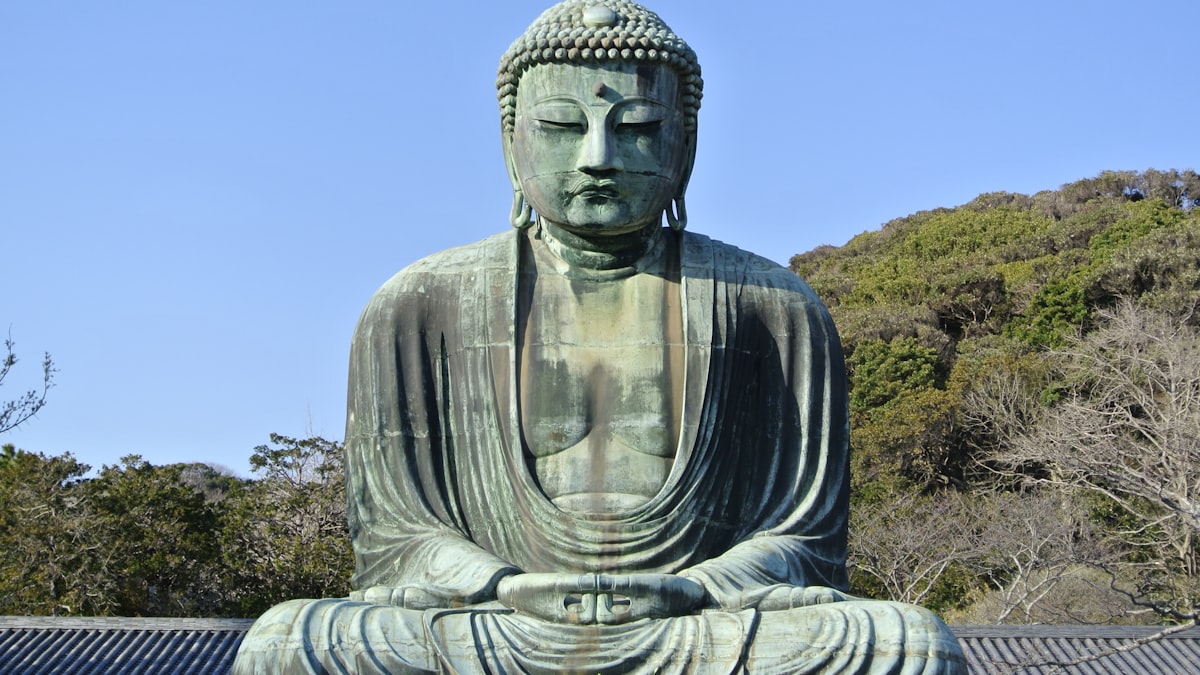
Kamakura is the easy coastal escape from Tokyo — a former samurai capital packed with temples, a giant Buddha, hiking trails, and beach-town charm. Perfect for a day trip.
What to see
- The Great Buddha (Daibutsu) — a 13-meter bronze Buddha at Kotokuin, Kamakura’s icon.
- Hasedera — a hillside temple with sea views, gardens, and a giant Kannon statue.
- Tsurugaoka Hachimangu — the grand central shrine, reached via the Komachi-dori shopping street.
- Hokokuji — a serene bamboo-grove temple with matcha.
- Enoshima — a nearby island with a shrine, caves, and views (great add-on).
Beach & hikes
- Kamakura’s beaches are a summer hangout (more for atmosphere than swimming).
- The Daibutsu hiking trail links temples through the hills — an easy, scenic walk.
- Ride the nostalgic Enoden tram along the coast to Enoshima.
Getting there
- About 1 hour from Tokyo/Shinjuku by JR (covered by the JR Pass).
- A Kamakura–Enoshima pass can be handy for the Enoden line.
- Grab an IC card and go early to beat crowds.
Eat & shop
Komachi-dori is lined with street snacks, matcha treats, and souvenir shops — try shirasu (whitebait) dishes, a local specialty. More ideas in must-try Japanese food.
Tips
- Weekends and holidays get very busy — start early or go midweek.
- Comfortable shoes for temple hills and the hiking trail.
- Pairs well with other day trips from Tokyo; fold into your itinerary.
A suggested half-day route
A smooth loop: start at Hasedera and the Great Buddha in the Hase area (a short Enoden ride from Kamakura Station), then head back toward the center for Komachi-dori street food and Tsurugaoka Hachimangu. With more time, ride the Enoden west along the coast to Enoshima for sunset. Going early keeps you ahead of the crowds at the Buddha and the shrine.
What things cost
- The Great Buddha at Kotokuin costs JPY 300 to view up close, with an extra JPY 50 to enter the hollow interior of the statue itself — a quirky, inexpensive add-on most visitors skip without realizing it’s an option.
- Hasedera’s entry is JPY 400, and Hokokuji’s bamboo grove with matcha service runs about JPY 300 entry plus JPY 600 for the tea — both modest costs for two of the area’s most photogenic stops.
- The Enoden tram between Kamakura and Enoshima runs about JPY 200-300 per short hop, with a 1-day unlimited pass (Noriorikun) worth it if you plan to hop on and off at several stations along the coast.
Common mistakes to avoid
- Visiting the Great Buddha at midday on a weekend — it’s one of the most crowded single spots on any Tokyo day trip; an early departure from Tokyo (aiming to arrive by 9am) makes a dramatic difference.
- Trying to fit Kamakura and Enoshima into a rushed few hours — both areas reward unhurried wandering, and combining them properly is closer to a full day than a half-day if you want to do both without rushing.
- Skipping the Daibutsu hiking trail because it sounds strenuous — it’s a genuinely easy, well-marked walk through forest connecting several temples, and a nice break from pavement and crowds.
Kamakura for beach and hiking lovers
Beyond temples, Kamakura’s coastline and hills reward a more active visit — surfers gather at Yuigahama and Zaimokuza beaches in summer, and hiking trails link the Great Buddha area to Kita-Kamakura’s quieter northern temples through forested hills, a genuinely different pace from the crowded central streets.
A rainy-day backup plan
Kamakura’s temples and gardens are genuinely pleasant in light rain — moss and greenery look their best damp, and crowds thin out noticeably — but if the weather turns heavy, the covered shopping arcade at Komachi-dori and several temple halls with indoor viewing areas (like Hasedera’s museum) make reasonable shelter without abandoning the day entirely.