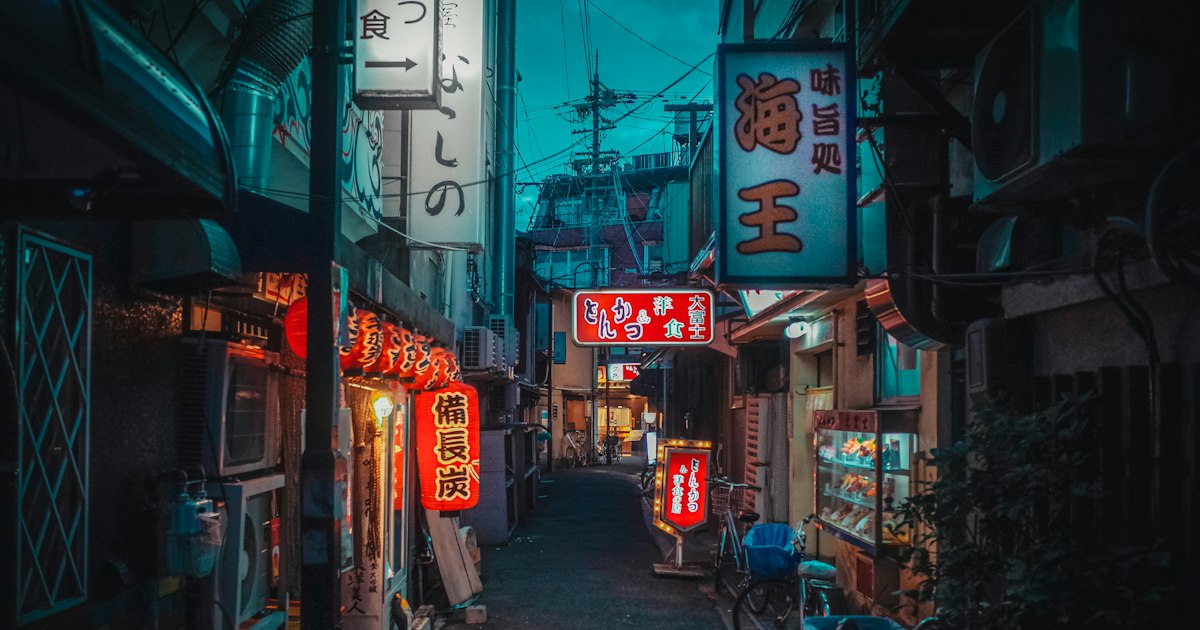
Photo by masahiro miyagi on Unsplash
Walk past almost any train station in Japan and you’ll hear it before you see it: a wall of chiming bells, synthesized fanfares, and a dull roar of cascading metal balls. That’s a pachinko parlor, and despite looking like a slot-machine hall from the outside, it’s one of the most distinctly Japanese entertainment experiences you can have — equal parts pinball, gambling, and sensory overload. Here’s what it actually is, how to play a round without embarrassing yourself, and whether it’s worth your time.
What Is Pachinko, Exactly?
Pachinko is a mechanical game that’s part pinball, part slot machine. You load small steel balls into a vertical machine, fire them up into a pegged playing field using a dial, and watch them fall through pins toward a center “chance” slot. If a ball lands in the right spot, it triggers a digital slot-reel animation on the machine’s screen; certain combinations unlock a bonus round that pays out hundreds or thousands of extra balls.
Technically, pachinko isn’t gambling under Japanese law — you can’t win cash directly from the machine. Instead, you cash out your balls for prize tokens at a counter inside the parlor, then walk those tokens to a separate, unaffiliated exchange booth (usually a small window just outside or around the corner) where they’re converted to yen. This “triangle” system is a legal workaround that’s been in place for decades, and every parlor in the country runs on it.
How to Play: Step by Step
- Pick a machine. Empty machines with balls still sitting in the tray are usually fair game; if in doubt, ask staff (“sumimasen, kore wa ii desu ka?” — “excuse me, is this one okay?”).
- Buy balls. Feed a bill into the machine’s built-in note reader or a nearby ball-vending unit. Most halls price balls between ¥1 and ¥4 each; a ¥1,000 note typically buys 250–1,000 balls depending on the parlor’s rate.
- Fire away. Turn the dial on the lower right — don’t release it, just hold it at a steady position. Balls fire continuously as long as you hold the dial; find the sweet spot where balls fall naturally into the central pocket.
- Watch the reels. When a ball drops into the chance slot, the screen spins. Triple matching symbols (often 7-7-7) trigger a bonus round that dumps balls into your tray.
- Cash out. Press the call button for staff, who’ll print a receipt or hand you a box of balls to take to the counter, where they’re weighed and exchanged for special prize tokens — not cash.
- Exchange the tokens. Take the tokens to the external TUC (Tokyo Union Circulation) booth to receive yen.
Finding a Parlor: Hours, Locations, and Getting There
Pachinko parlors are everywhere — near train stations, along shopping streets, in suburban strip malls — but the biggest and flashiest clusters are in entertainment districts. In Tokyo, try Kabukicho in Shinjuku or Ikebukuro’s east side; in Osaka, Dotonbori and Namba are packed with multi-floor halls run by national chains like Maruhan, Dynam, and DAIICHI. These chain locations tend to be the most tourist-friendly: brighter, newer machines, and staff used to foreigners wandering in out of curiosity.
Most parlors open around 9:00–10:00 AM and close by 10:45–11:00 PM, with exact hours set by local prefectural ordinance rather than the company. Weekend mornings can draw small queues of regulars waiting for the doors to open, chasing machines that haven’t paid out in a while — not something you need to worry about as a casual visitor. If you’re staying at a chain like those covered in our business hotel comparison, there’s a good chance a parlor is within a five-minute walk, since both cluster around train stations. For getting around after a late-night session, see our guide to hailing a taxi with apps like GO and S.Ride.
You must be 18 or older to play, and staff do occasionally check ID at the entrance, especially at night.
The Money Side: Budget, Mid-Range, and Splurge
Pachinko can be as cheap or as expensive as you let it be:
- Budget (¥500–1,000): Many parlors run “low-rate” sections where balls cost ¥1 each instead of the standard ¥4. Ask for “ichi-en pachinko” (1-yen pachinko) — it buys you 30–60 minutes of play for the price of a coffee, with minimal real financial risk.
- Mid-range (¥2,000–5,000): Standard-rate machines (¥4/ball) are what most locals play. A few thousand yen gets you a proper session with a real shot at a bonus round, and if you hit one, you can walk away with your initial stake back or more.
- Splurge (¥10,000+): Pachislot machines — the slot-machine cousins of pachinko, using ¥20 tokens instead of balls — have higher variance and can burn through ¥10,000 in under an hour if luck isn’t on your side. These are popular with serious regulars chasing big jackpots, not casual tourists.
Treat any money you put in as the cost of the experience, not an investment. Parlors are businesses, and the house edge is real.
Etiquette, Noise, and Smoking Rules
Bring earplugs or noise-canceling headphones if you’re sensitive to sound — pachinko halls are genuinely some of the loudest indoor spaces in Japan, often exceeding 80 decibels on the main floor. Since a 2020 national law change, most parlors are now fully non-smoking indoors, though some retain separate enclosed smoking rooms; look for signage at the entrance if it matters to you.
Photography inside is almost universally prohibited — machines, screens, and other players are all off-limits to cameras, so leave the phone in your pocket once you’re past the door. Staff will stop you quickly if you try, and it’s considered quite rude. If you want a game you can freely photograph and that rewards skill rather than luck, the arcade crane games covered in our UFO Catcher guide are a friendlier alternative just a few floors away in most game centers.
Common Mistakes First-Timers Make
- Sitting at a machine mid-session. If balls are actively cycling through a machine or a jacket is on the seat, it’s occupied — always check with staff before sitting down.
- Expecting English support. Outside a handful of major chain locations, signage and machine instructions are Japanese-only. Google Translate’s camera mode helps with button labels, but don’t expect a menu explanation.
- Not budgeting a hard stop. Set a cash limit before you sit down and stick to it — the chimes and animations are designed to keep you playing past when you meant to quit.
- Confusing pachinko with pachislot. They’re often in the same building but are different machines with different rules and far different volatility — ask staff which section you’re in if you want the gentler, ball-based game.
Even if you don’t spend a single yen, poking your head into a pachinko parlor for five minutes is worth it just for the sheer sensory experience — it’s one of the few places in Japan that’s genuinely louder and more overstimulating than Shibuya Crossing at rush hour.