Photo by Nichika Sakurai on Unsplash
Long before Fukuoka became known for ramen stalls and the Yamakasa festival, it was known for dolls. Hakata ningyo — small, unglazed clay figures painted in soft mineral colors — have been made in this corner of Kyushu for roughly 400 years, and the city’s shops, arcades, and craft museums still sell them today. If you’re passing through Hakata Station on a Shinkansen layover or spending a few days in Fukuoka, here’s exactly where to find authentic pieces, what they cost, and what to watch out for.
A Craft Born Beside Fukuoka Castle
According to local tradition, Hakata ningyo began around 1600, when a tile maker working on the construction of Fukuoka Castle started shaping leftover clay into small figures in his spare time. The craft developed over the following centuries into a distinct style of unglazed, hand-painted clay sculpture, and it was formally recognized as a national traditional craft (dento kogei) by the Japanese government in 1976 — the same designation held by crafts like Hagi ware pottery in neighboring Yamaguchi. Unlike glazed ceramics, Hakata ningyo rely on fine clay modeling and a final layer of gofun (crushed shell pigment) and mineral paint for their soft, lifelike skin tones and detailed costumes.
What You’re Actually Looking At
Classic subjects include bijin (elegant women in kimono, often mid-gesture — adjusting a hairpin or playing an instrument), children (karako), Noh and Kabuki characters, historical and samurai figures, and auspicious animals for New Year. More recently, makers have produced figures tied to the Hakata Gion Yamakasa festival and smaller novelty pieces aimed at tourists. The giveaway of a genuine piece is the maker’s signature or a small stamp on the underside of the base, plus visibly hand-painted detail — brushstrokes in the hair and fabric patterns rather than a uniform printed finish.
Best Places to Buy Hakata Ningyo in Fukuoka
The most reliable starting point is the Hakata Traditional Craft and Design Museum (博多伝統工芸館), located directly across from Hakata-za Theater, a short walk from Canal City Hakata and Nakasu-Kawabata or Gion subway stations. It functions as both a small exhibition space and a shop, with work from a range of local artisans at different price points and craftspeople sometimes demonstrating on-site. It keeps standard museum-retail hours (roughly 10:00 a.m. to 6:00 p.m., with a weekly closing day), so it’s worth checking opening status on the day if you’re building a tight itinerary.
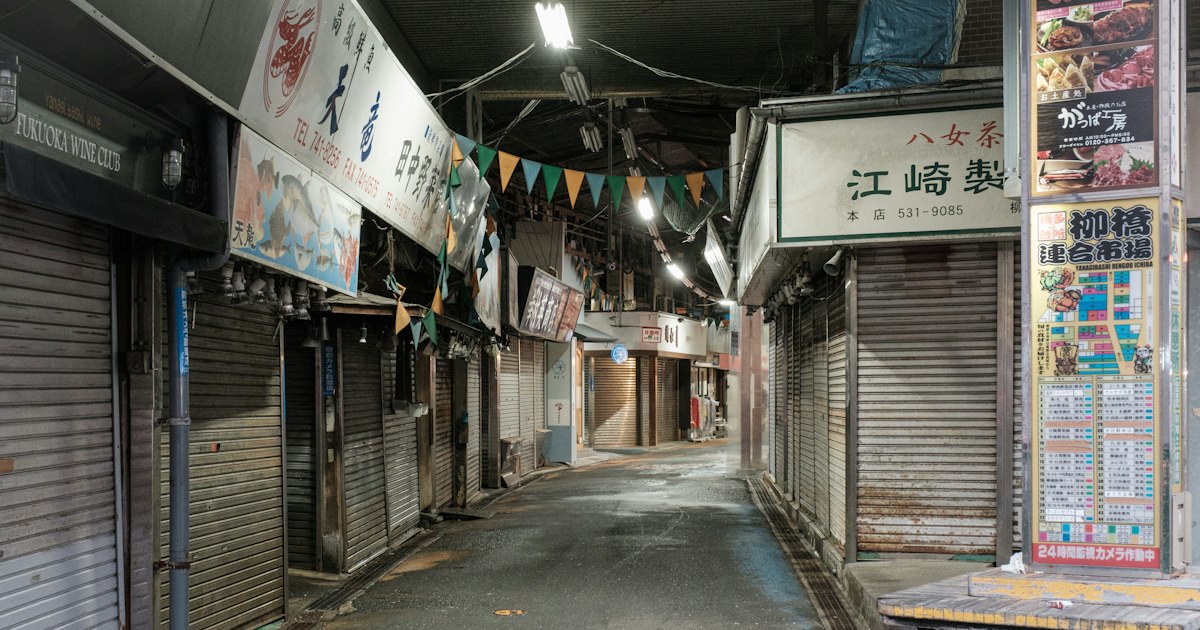
From there, walk into the covered Kawabata Shopping Arcade, Fukuoka’s oldest shopping street, where a handful of long-running shops sell Hakata ningyo alongside other local crafts — this is a good spot for browsing multiple price tiers in one visit without planning a separate trip. Nearby, the Hakata Machiya Furusato Kan near Kushida Shrine has a small shop attached to its exhibits on traditional Hakata crafts and festival culture, useful if you want context on the Yamakasa floats before buying a festival-themed figure.
For a no-fuss option, the craft sections of major department stores in Tenjin (such as Iwataya) regularly stock Hakata ningyo from established studios. And if you’re buying at the last minute, the gift shops at Fukuoka Airport and inside Hakata Station carry smaller, lower-priced pieces — fine as souvenirs, though the selection skews toward simpler, mass-produced designs rather than one-off artisan work.
What You’ll Actually Pay
Prices vary enormously by size and who made the piece:
- Budget (¥1,000–3,000): Small keychain or palm-sized figures, often sold at the airport or station — a fine light souvenir, but not collector-grade.
- Mid-range (¥8,000–30,000): Hand-painted pieces roughly 10–20cm tall from named studios, the sweet spot for a genuine but packable souvenir.
- Splurge (¥50,000–300,000+): Larger, more detailed figures from recognized artisans, sold at the craft museum or specialty shops. Work by designated master craftsmen can run well beyond this.
Unlike shopping on a glossy boulevard such as Omotesando, haggling isn’t customary here — prices are fixed, but staff at the smaller shops are usually happy to explain a piece’s background if you ask.
Best Time to Visit
Any season works for shopping, since the dolls are made year-round, but two windows add extra context. During the Hakata Gion Yamakasa festival (July 1–15), the towering decorated floats around the city are adorned with elaborate figures made using Hakata ningyo techniques, and related festival-themed pieces appear in shops — it’s the most atmospheric time to connect the craft to the city, though accommodation books up and the city is hot and crowded. Around New Year, shops stock seasonal figures (zodiac animals, lucky motifs) that make distinctive, time-stamped souvenirs you won’t find the rest of the year.
Getting There and Getting Around
Hakata Station is the transport hub: it’s the Kyushu Shinkansen terminus and also served by local JR lines and the Fukuoka City Subway. From the station, it’s about a 10–15 minute walk (or one subway stop to Gion or Nakasu-Kawabata) to the Canal City/Kawabata/Kushida Shrine cluster where most of the shops above are concentrated — compact enough to cover on foot in a single afternoon. If you’re coming from an evening out or don’t want to navigate the arcade with shopping bags, a short taxi ride back to your hotel is inexpensive within central Fukuoka. For an overnight stay, Hakata Station itself is ringed with reliable, affordable options — see this comparison of business hotel chains in Japan if you’re deciding between Toyoko Inn, APA, and Dormy Inn locations nearby.
Common Mistakes to Avoid
The biggest one is assuming every clay doll labeled “Hakata” in a souvenir shop is authentic — look for a maker’s signature or association stamp on the base, especially for anything priced like a collector’s piece. Second, these are unglazed, hand-painted clay figures, not resin: they’re more fragile than they look, and dropping one can chip the paint or crack the clay permanently, so ask staff for proper box packing before you leave, particularly if the doll is going into checked luggage. Third, don’t rush the choice — because subjects range from delicate bijin to comic children’s figures to fierce Noh characters, it’s worth browsing a few shops (the craft museum and Kawabata arcade together take under two hours) rather than grabbing the first display case you see near the station. Finally, if you’re also interested in regional crafts elsewhere in Japan, pieces like wa-rousoku candles share the same “small workshop, hand-finished, buy direct from the source” shopping logic — worth keeping in mind if Fukuoka is one stop on a wider craft-shopping itinerary.