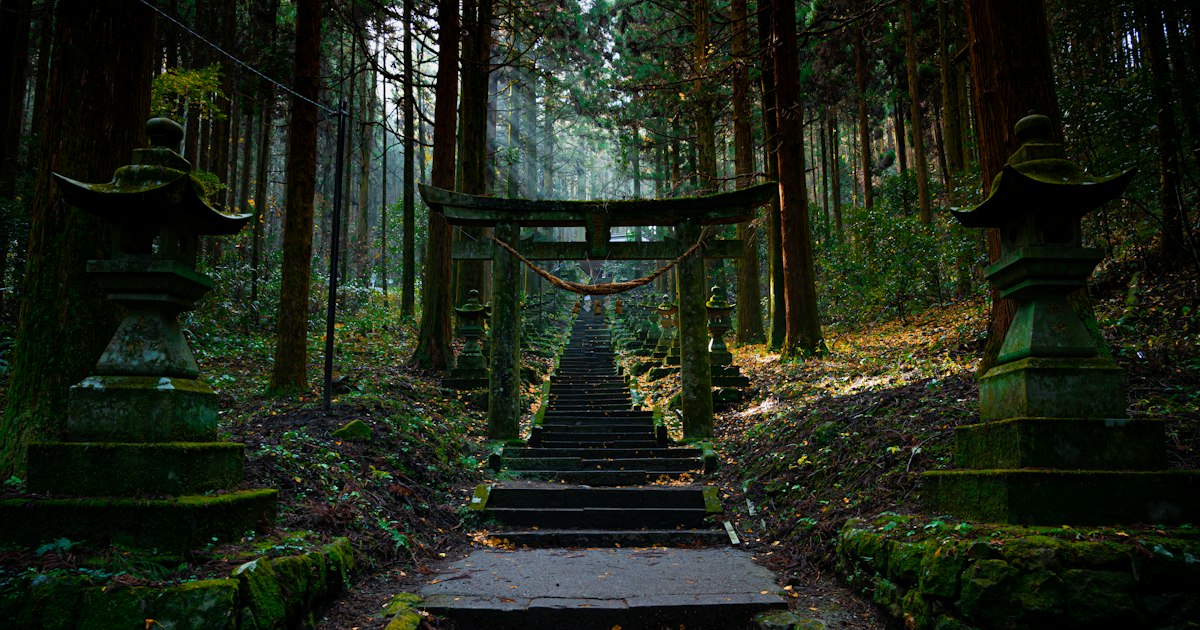
Photo by Samuel Berner on Unsplash
If you’ve heard of Golden Week but not “Silver Week,” you’re not alone — even some Japanese residents get confused about which years it actually happens. Silver Week is a cluster of national holidays in mid-to-late September that, in the right year, lines up into a five-day weekend. It’s smaller and less famous than Golden Week, but for the weeks it occurs, it quietly reshapes train bookings, hotel prices, and crowd levels across the country. Here’s how it works and how to plan a trip around it, whether or not you land on a “true” Silver Week year.
What Exactly Is Silver Week?
Silver Week refers to two national holidays that fall within days of each other in September: Respect for the Aged Day (Keiro no Hi, 敬老の日), which is fixed as the third Monday of September, and Autumn Equinox Day (Shuubun no Hi, 秋分の日), which is set astronomically and usually lands on September 22 or 23. Most years, these two holidays sit several days apart and just give you two separate three-day weekends. But in certain years, the equinox falls exactly two days after Respect for the Aged Day — and Japanese law fills the single gap day in between with a “Citizen’s Holiday” (Kokumin no Kyujitsu). That turns Saturday through Wednesday into one unbroken five-day holiday. This full version happened in 2009, 2015, and again in 2026 (September 19–23). It’s genuinely rare — the next full alignment won’t come around again for several years — so always check Japan’s official holiday calendar for the specific year you’re traveling rather than assuming it repeats annually.
Why It Matters Even in “Normal” Years
Even when the full five-day version doesn’t occur, both holidays still exist independently every year, and each one creates its own three-day weekend when it falls near a Saturday or Sunday. September is also when many Japanese families observe Ohigan, a Buddhist tradition of visiting family graves around the equinox, which means regional trains and expressways heading toward hometowns get busy regardless of whether it’s an official “Silver Week.” So the practical upshot is the same most years: expect elevated domestic travel for a stretch of mid-to-late September, just with varying intensity.
Booking Transport Before It Sells Out
Shinkansen reserved seats go on sale exactly one month before the travel date, at 10:00 am Japan time, through services like Smart EX (Tokaido/Sanyo lines) or JR East’s reservation site. For Silver Week travel, set a reminder and book the moment the window opens — popular routes like Tokyo–Kyoto–Osaka and anything heading toward Hokkaido or Kyushu for autumn foliage can sell out within hours. If you’re flying internationally around these dates, double-check your connecting routes; our guide to getting between Narita and Haneda is worth reading beforehand, since airport transfer options and prices (roughly ¥3,200–¥3,600 one-way by Limousine Bus, cheaper by train) get tighter when everyone’s moving at once. Within Tokyo itself, understanding how the city’s two subway networks connect — covered in our piece on the Tokyo Metro vs. Toei Subway systems — saves real time when stations are more crowded than usual and you don’t want to backtrack through an unfamiliar transfer.
Weather and Crowd Realities
September is peak typhoon season in Japan. It’s entirely possible for a typhoon to brush the main islands during Silver Week, which can delay or cancel Shinkansen services and flights with little warning. Buy refundable or flexible tickets where the price difference is small, and build at least one buffer day into your itinerary if your flight home is right after the holiday ends. Temperature-wise, late September is still warm and humid in most of Japan — Tokyo and Kyoto often sit in the high 20s°C — so it’s not yet foliage season in central Japan (that peaks November), though Hokkaido and parts of Tohoku can start turning in late September.
Smart Day Trips and Things to Do
Because central Tokyo and Kyoto get crowded during the holiday stretch, it’s a good window for an outlet-mall day trip instead of fighting crowds at major temples. Gotemba Premium Outlets, about 90 minutes from Tokyo by direct bus (around ¥2,060–¥3,000 one-way depending on departure point), is open its usual hours (10:00 am–7:00 pm, until 8:00 pm in summer months) through the holiday period and gives you Mt. Fuji views without the shrine-and-temple bottlenecks. If you do want a shrine visit, the equinox is actually a meaningful day to start one — pick up a goshuincho stamp book (typically ¥1,500–¥3,000 at shrine offices) and get your first stamp while the seasonal atmosphere is genuine, just expect a short queue at well-known shrines on the holiday itself.
Common Mistakes to Avoid
- Assuming it happens every year. Most years give you two separate three-day weekends, not one five-day one. Check the actual calendar for your travel year before building an itinerary around a “Silver Week.”
- Booking hotels too late. In true Silver Week years, popular areas like Kyoto, Hakone, and Okinawa can sell out of mid-range hotels six to eight weeks ahead. Lock in lodging as soon as your dates are firm.
- Ignoring Monday/holiday closures. Many museums and smaller shops that normally close on Mondays stay open on the holiday itself but then close the following (otherwise ordinary) Tuesday instead — always check the specific venue’s calendar rather than assuming standard weekday hours apply.
- Skipping travel insurance during typhoon season. Given September’s storm risk, insurance that covers trip delays and cancellations is worth the modest cost.
Budgeting for the Holiday Crunch
Expect a price bump across the board compared to a quiet September week. On a budget, hostel dorm beds (¥3,000–¥5,000/night normally) can rise ¥500–¥1,500 during the holiday and book out fastest, so reserve early. For mid-range travel, business hotel rooms that run ¥8,000–¥12,000 on a normal weeknight often climb to ¥15,000–¥22,000 for Silver Week dates in popular cities. If you want to splurge, a ryokan stay with a kaiseki dinner and onsen bath typically runs ¥35,000–¥60,000 per person during peak holiday pricing — still reasonable compared to Golden Week or New Year rates, since Silver Week’s smaller profile keeps top-tier demand a notch lower. Whichever tier you’re in, locking in dates the moment you know them is the single biggest lever you have over the final price.