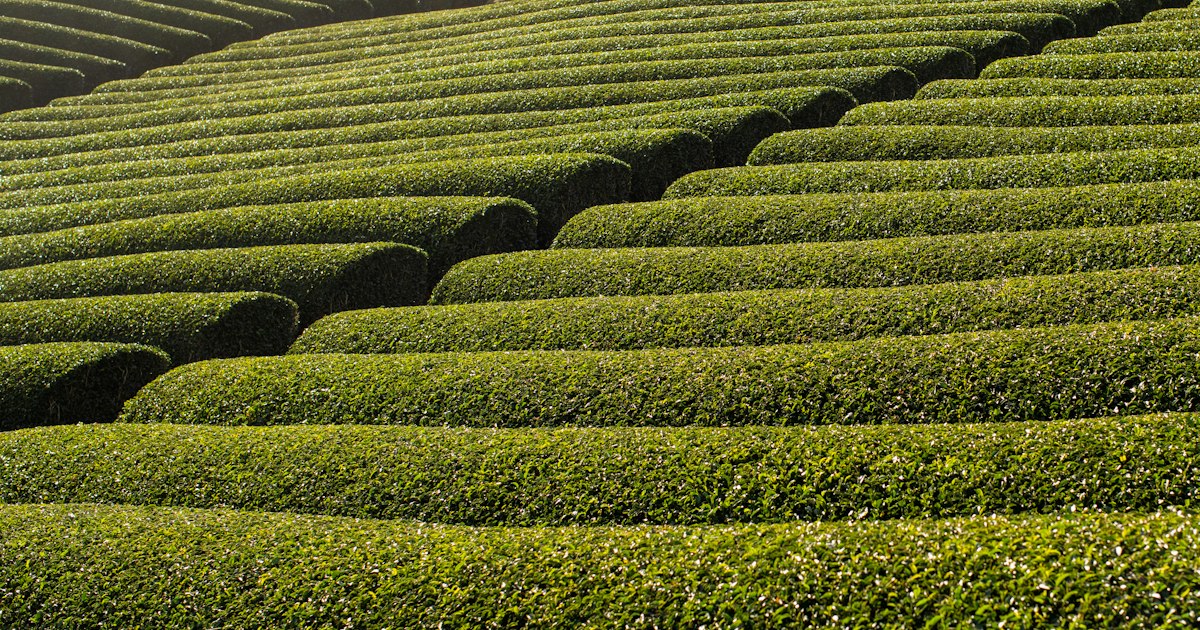
Photo by Bret Lama on Unsplash
Twenty minutes south of Kyoto Station, the town of Uji has been growing and processing Japan’s finest tea since the 13th century — long before matcha lattes existed anywhere else in the world. This is where shogun-era tea masters sourced their leaves, where temple gardens line a jade-green river, and where you can still buy matcha ground to order at shops that have been doing it for thirty generations. It’s an easy half-day trip, but knowing the right station, the right shop hours, and which lines to skip makes the difference between a rushed photo stop and an actual taste of why Uji matcha is considered the benchmark.
Why Uji, specifically
“Uji matcha” is a protected regional term, similar to Champagne or Parma ham — tea sold under that label must be grown and processed in Uji or the surrounding area using traditional methods. The town’s microclimate (river fog that filters sunlight) and centuries of cultivar breeding produce tea with more umami and less bitterness than mass-market matcha. Big-name producers like Marukyu Koyamaen, Fukujuen, and Itohkyuemon all have their roots — and often their flagship shops — right here, not in Kyoto city.
Getting there
There are two separate Uji stations run by different railways, and mixing them up adds a 15-minute walk across the river, so check which one matches your plan:
- JR Nara Line from Kyoto Station: take a Miyakoji Rapid train to JR Uji Station, about 17–20 minutes, ¥240 one-way. This side is closer to Byodoin Temple (about a 10-minute walk).
- Keihan Uji Line from Gion-Shijo or Sanjo (central Kyoto): ride to Chushojima and transfer to the Uji Line, roughly 30–35 minutes total, around ¥330. Keihan Uji Station sits closer to Uji Bridge and Ujigami Shrine.
Both stations are a 10–15 minute walk from each other along the river, so most visitors just pick one route and walk the loop. If you’re also visiting Fushimi Inari that day, it’s on the same JR Nara Line, so you can stack both stops in one morning.
What to see first: Byodoin and Ujigami Shrine
Byodoin Temple’s Phoenix Hall — the building on the back of the ¥10 coin — is the obvious anchor. Garden and museum (Hoshokan) admission is ¥700 for adults; stepping inside the Phoenix Hall itself costs an extra ¥300 and is capped at 50 visitors per 20-minute timed slot, tickets sold same-day only at the hall. On weekends these interior slots can sell out by late morning, so go right at opening (8:30 AM) if seeing the inside matters to you. The garden alone, with its reflecting pond, is worth the visit even without the interior ticket.
A short walk across Uji Bridge, Ujigami Shrine is one of the oldest Shinto shrine buildings in Japan and a UNESCO World Heritage Site — and refreshingly, admission is free. It’s small, so pair it with a stroll along the river rather than treating it as a standalone stop.
Where to actually taste matcha fresh
This is the main event, and it’s worth planning around opening times rather than wandering in blind:
- Nakamura Tokichi Honten — a 19th-century tea merchant’s shop with a tatami café attached, famous for its matcha parfait and matcha jelly. Open roughly 10:00–17:00 (closed Wednesdays); weekend waits often run 45–90 minutes. Arrive at opening or order takeaway soft serve from the window to skip the line.
- Itohkyuemon — right by Byodoin, another long-running tea house with similarly serious queues for its parfaits (around ¥1,200–1,800). The retail counter selling tins of matcha and hojicha moves faster than the café seating.
- Fukujuen Uji Chaho — part museum, part shop. You can watch (and for a fee, try) a traditional stone-mill tea-grinding demonstration, and the retail shop sells a wide range of grades without the café crowds.
- Taihoan — a municipally-run teahouse overlooking the river, built specifically to give visitors an accessible introduction to tea ceremony. A seated matcha-and-sweet set runs about ¥500–600; a short ceremony experience is roughly ¥1,500–2,000. It’s one of the few places in Japan where a drop-in tourist can sit through an actual ceremony without advance booking or ceremony-hall formality.
- Tsuen Tea — right next to Uji Bridge, and reputedly the oldest tea shop in Japan, dating to 1160. Smaller crowds, good for a quick cup and tins to take home.
Street-level matcha soft-serve cones from small stalls near Byodoin’s approach run about ¥400–500 and are a perfectly good budget option if you don’t want to sit down anywhere.
Buying matcha to take home
Every shop listed above sells retail tins, and this is where Uji earns its reputation: ceremonial-grade matcha here starts around ¥1,500–2,000 for a small tin (20–40g) and climbs well past ¥5,000 for competition-grade leaf, noticeably pricier than the souvenir-shop matcha sold in central Kyoto — but it’s fresher and stone-ground rather than machine-processed. If you’re planning to actually whisk it at home rather than just display the tin, you’ll want a proper bamboo whisk (chasen) and bowl, which most of these shops also stock. If you’d rather brew loose-leaf sencha or hojicha instead of whisking matcha, a traditional kyusu teapot makes a big difference in flavor — our guide to Tokoname ware and where to buy a kyusu covers how to pick one up elsewhere in the Kansai/Chubu area.
If the parfaits and soft-serve here leave you wanting to recreate matcha shaved ice at home, it’s worth knowing Japan sells dedicated countertop machines for exactly that — see our piece on home kakigori machines for options you can actually pack in a suitcase.
Best time to go, and common mistakes
Early May is harvest season (shincha), when tea bushes along the hillsides are at their most vivid green and some farms allow tea-picking experiences — check locally, as these aren’t standing offers at every field. Autumn (November) pairs well with Byodoin’s garden foliage. Avoid midsummer afternoons if you can; there’s little shade on the main shopping street and the café queues get worse, not better, in the heat.
The most common mistake is treating Uji as a quick 90-minute stop — the queues alone can eat that. Budget a half-day minimum: temple, shrine, one sit-down tea café, and time to browse the shops. The second mistake is skipping bathroom planning; Uji’s main street has limited public facilities outside the station and temple grounds, so use a toilet-finding resource like our guide to finding a public restroom in Japan before you’re deep into a café queue with no exit.
Uji rewards slowing down rather than checklist tourism — one good cup of properly whisked matcha, drunk where it was grown, tells you more about Japanese tea culture than a dozen rushed souvenir-shop samples back in central Kyoto.