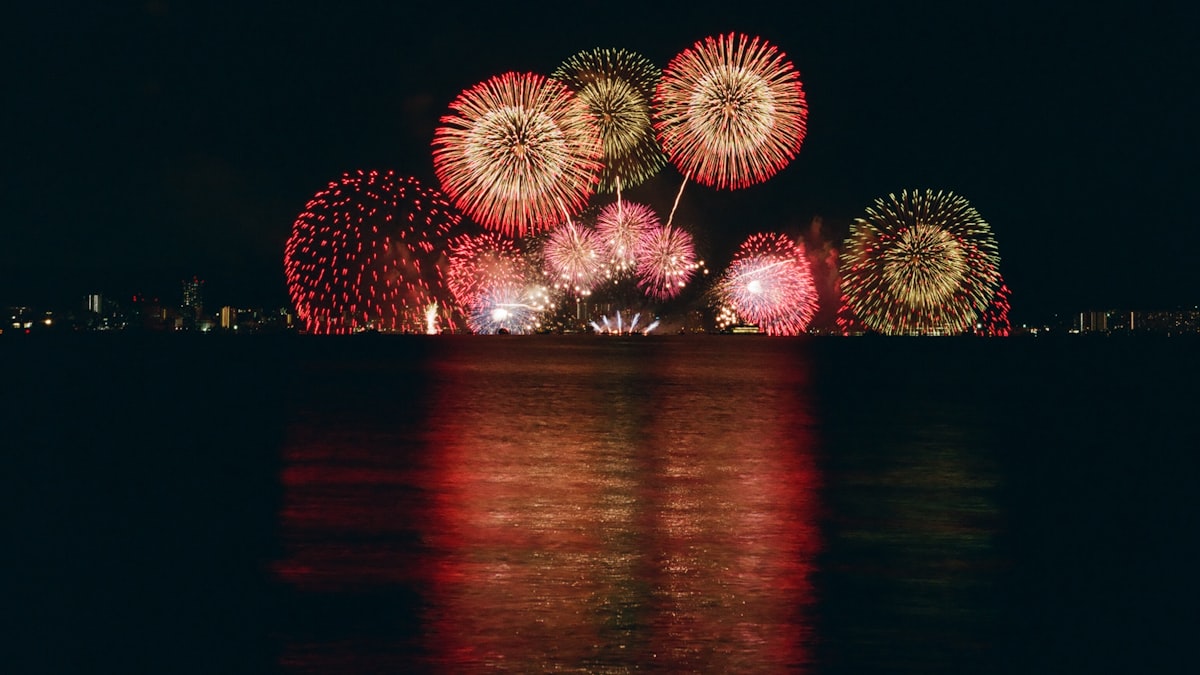
Summer in Japan is hot and humid — but it’s also festival season, with fireworks, mountain escapes, and a lively energy. Here’s how to make the most of a summer trip (and stay cool).
What summer offers
- Matsuri & fireworks (hanabi) — the best festival season; see our festivals guide.
- Mountain & northern escapes — cool retreats like Kamikochi and Hokkaido.
- Beaches & islands — Okinawa is at its best.
- Mt. Fuji climbing season (July–early September); see our Fuji guide.
The heat & humidity (be ready)
- July–August are very hot and humid; June is the rainy season.
- Stay hydrated — vending machines and konbini are everywhere (see our vending machine guide).
- Carry a hand towel, fan, and cooling wipes; use high SPF (see Japanese sunscreen).
Beat-the-heat tips
- Sightsee early and late; take midday breaks in air-conditioned museums, cafes, and department stores.
- Wear breathable clothing — see what to wear in Japan.
- Watch for typhoons late summer and build in flexibility.
Cool summer treats
Kakigori (shaved ice), cold soba, and somen noodles are summer staples. End a hot day with a riverside beer garden. Compare seasons in our best time to visit guide.
Summer trip costs & crowd patterns
- Obon (roughly Aug 13-16) is the single busiest and priciest stretch of summer — domestic travelers go home to see family, so shinkansen seats, flights, and hotel rates spike nationwide. Book that window weeks ahead or plan around it.
- Early-to-mid July (after the rainy season breaks but before the Obon rush) is usually the calmest and cheapest pocket of summer for both flights and city hotels.
- Budget travelers can shave costs by choosing business hotels with strong A/C over ryokan (which can feel stuffy without central cooling) and by leaning on vending-machine and konbini drinks instead of cafe prices.
Common summer mistakes to avoid
- Wearing heavy cotton or synthetic fabrics — they trap sweat; quick-dry technical shirts (available cheaply at Uniqlo AIRism counters) make a huge difference over a walking-heavy day.
- Underestimating typhoons — late August into September is peak typhoon season; a storm can cancel shinkansen and flights for a full day. Build one buffer day into any itinerary that touches this period.
- Skipping electrolytes — plain water is not enough in 34C/95%-humidity heat; pick up Pocari Sweat or Aquarius from any konbini rather than relying on iced coffee.
- Scheduling back-to-back outdoor sightseeing at 1pm — locals shift outdoor plans to morning and evening for a reason.
Regional summer add-ons
If you are building a longer trip, summer is prime time for events outside the usual Tokyo-Kyoto-Osaka loop: Tohoku’s Nebuta and Kanto festivals (early August), Tokushima’s Awa Odori dance festival (mid-August), and the beer garden season up in Hokkaido, where daytime highs stay noticeably lower than in the cities further south.
Budget, mid-range & splurge for a summer trip
- Budget: capsule hotels or business hotels with reliable A/C (JPY 5,000-9,000/night), konbini and set-lunch meals, and free festival-watching over paid fireworks viewing spots.
- Mid-range: a city hotel with a pool or rooftop bar (JPY 15,000-25,000/night), one paid hanabi viewing area ticket, and a day trip to a cooler mountain or coastal town.
- Splurge: a night at a mountain or lakeside resort with a private onsen to escape the city heat entirely, paired with reserved fireworks-viewing seats at a major festival like the Sumida River or Omagari display.
Packing a day bag for summer sightseeing
A small day bag makes a big difference on hot days: a collapsible water bottle you can refill at station fountains, a battery-powered handheld fan (sold everywhere in convenience stores from May onward), cooling wipes or a wet towel in a ziplock bag, and a portable phone charger since heat drains batteries faster and you will be relying on maps constantly. Sunscreen matters more than most travelers expect at this latitude in July and August — see our Japanese sunscreen guide for lightweight, non-greasy options that hold up under humidity.