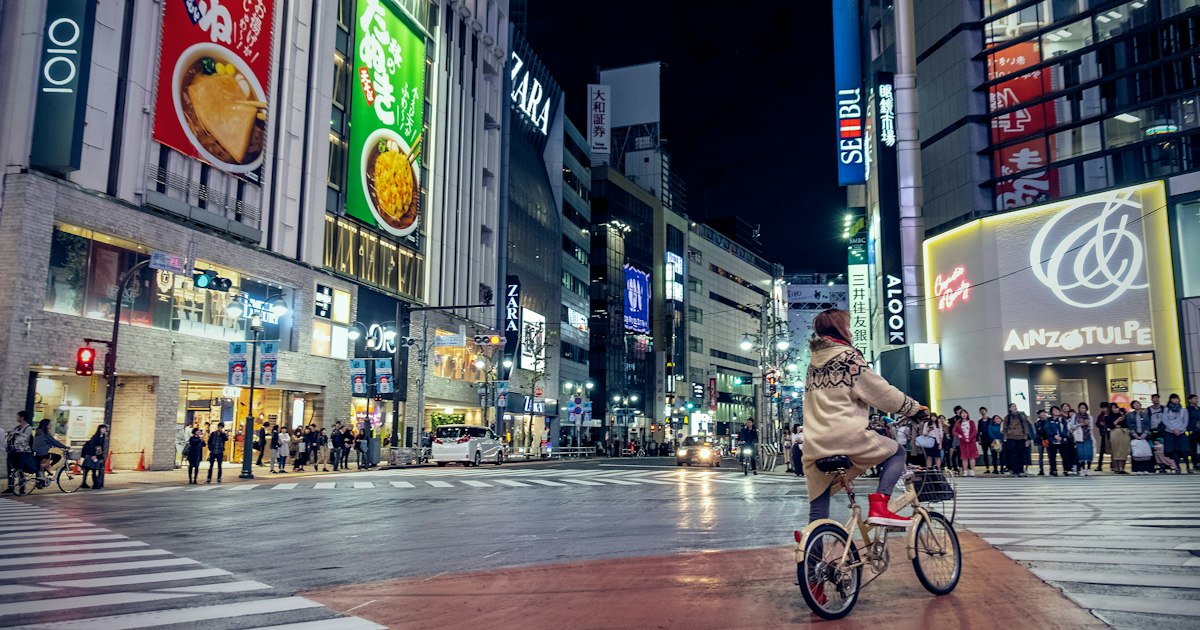
Photo by Bohdan Maylove on Unsplash
If you’ve ever wanted to tear past Tokyo Tower or weave through Shibuya’s neon canyons in a tiny go-kart, you’re not imagining it — companies across Tokyo now run exactly this experience on real public roads. It’s become one of the most photographed things a visitor can do in the city, but it’s also more regulated and more expensive than most people expect going in. Here’s what you actually need to know before you book.
What the Experience Actually Is (and Isn’t)
These tours put you behind the wheel of a small, open-air kart — technically registered as a kei car or mini-vehicle — and send you out onto normal city streets in a guided convoy, following a lead driver who communicates with the group over a radio earpiece. You stop at traffic lights, merge with real buses and taxis, and follow Japanese road rules the entire time. It is not a closed-course ride.
Worth knowing up front: these companies cannot legally dress you as Mario, Luigi, or any other Nintendo character. The original operator, once widely known as “MariCar,” lost a long-running trademark and copyright case brought by Nintendo (the Tokyo courts ultimately ordered tens of millions of yen in damages), and the business rebranded around 2020 as Street Kart, dropping the Nintendo costumes and branding entirely. You’ll still find costume rental — think superheroes, mascots, and other generic characters — just nothing with a plumber’s mustache.
The License You Need Before You Book
This trips up more travelers than anything else. Because you’re driving on public roads, every driver needs a license valid in Japan — there’s no “just ride along” option, since these are single-seat karts. In practice that means one of:
- A Japanese driver’s license
- An International Driving Permit (IDP) issued under the 1949 Geneva Convention — the kind most US, UK, Canadian, and Australian visitors can get from their home motoring association before the trip
- A license from a small list of countries (including France, Germany, Switzerland, Belgium, Monaco, and Taiwan) that Japan recognizes directly without an IDP, provided it comes with an official Japanese translation
If your home country isn’t party to the Geneva Convention and doesn’t have a bilateral agreement with Japan, you may not be able to drive at all, no exceptions. Double-check this weeks before your trip, not the morning of — IDPs typically can’t be issued once you’ve already left your home country.
Choosing a Course: Akihabara, Shibuya, Odaiba and Asakusa
Most operators run several set routes from a few hub locations, and you book by course rather than by generic “Tokyo tour”:
- Akihabara — the original hub and usually the easiest to book; routes loop through the electronics district and often extend toward the Imperial Palace area.
- Shibuya — built around getting a kart’s-eye view of the famous scramble crossing and Shibuya’s backstreets.
- Odaiba — a waterfront course with Rainbow Bridge and bay views, generally calmer traffic than central routes.
- Asakusa — pairs well with a temple visit; if you’re already heading that way for Sensoji, it’s worth building in time afterward to browse Asakusa’s older shopping streets, including the centuries-old spice shop Yagenbori, a short walk from the temple.
Routes and exact start points shift occasionally, so confirm the pickup location on your booking confirmation rather than assuming it matches the shop’s main address.
Prices, Hours and How to Book
Expect to pay roughly ¥8,000–¥16,000 per person depending on course length (typically 1, 2, or 3 hours) and whether you add costume rental or a GoPro-style photo/video package — these add-ons are usually a few thousand yen extra. Most locations operate from around mid-morning into the early evening, with the last tour departures generally in the late afternoon; exact hours vary by location and season, so check the current schedule on the operator’s site when you book, not when you show up.
Book online in advance — same-day walk-ins are possible but far less reliable, especially on weekends and during peak cherry blossom or autumn foliage weeks. Bring your passport and your license/IDP in physical form; photos on your phone are generally not accepted as valid ID.
Best Time of Year (and Day) to Ride
Spring (late March–April) and autumn (October–November) offer the most comfortable driving weather and the best visibility for photos, but they’re also the most heavily booked windows in Tokyo generally. Summer rides are doable but genuinely hot and humid in an open-air kart with no air conditioning — hydrate beforehand. Winter rides are cold since there’s no windshield heater; if you’re booking December through February, dress for the wind chill and consider tucking a couple of disposable kairo hand warmers into your gloves before you set off. Weekday morning slots tend to have lighter traffic and shorter waits than weekend afternoons.
Common Mistakes First-Timers Make
- Assuming an IDP isn’t necessary. It almost always is, and you cannot get one in Japan after arrival.
- Booking the wrong course location. Akihabara, Shibuya, and Odaiba are different shops with different pickup points — don’t assume they’re interchangeable.
- Forgetting that everyone in the group must hold a valid license. There’s no “I’ll just sit this one out and film” option since these are solo karts, not passenger seats.
- Wearing sandals or loose skirts/dresses. You’re operating foot pedals in an open vehicle; closed-toe shoes and clothing that won’t flap into the wheel area are the practical choice.
- Skipping travel insurance. This is street driving among real traffic — confirm your travel insurance or credit card coverage actually extends to this kind of activity before you go.
Pack light for the ride itself — bags don’t fit well in the kart, and valuables are better left at your hotel. If you’re still sorting out what to bring in your checked luggage versus carry-on for the rest of the trip, our guide on packing rules for liquids and locks on your flight home is worth a read before you leave.
Getting There
The Akihabara hub is a short walk from Akihabara Station (JR Yamanote/Sobu lines, plus Hibiya and Tsukuba Express lines), making it the most straightforward to reach without a car. Shibuya and Odaiba locations are similarly close to their namesake stations — Shibuya Station and Daiba/Tokyo Teleport stations on the Yurikamome and Rinkai lines, respectively. Arrive at least 15–20 minutes before your slot for the safety briefing and paperwork; latecomers can lose their spot entirely since the group departs together.