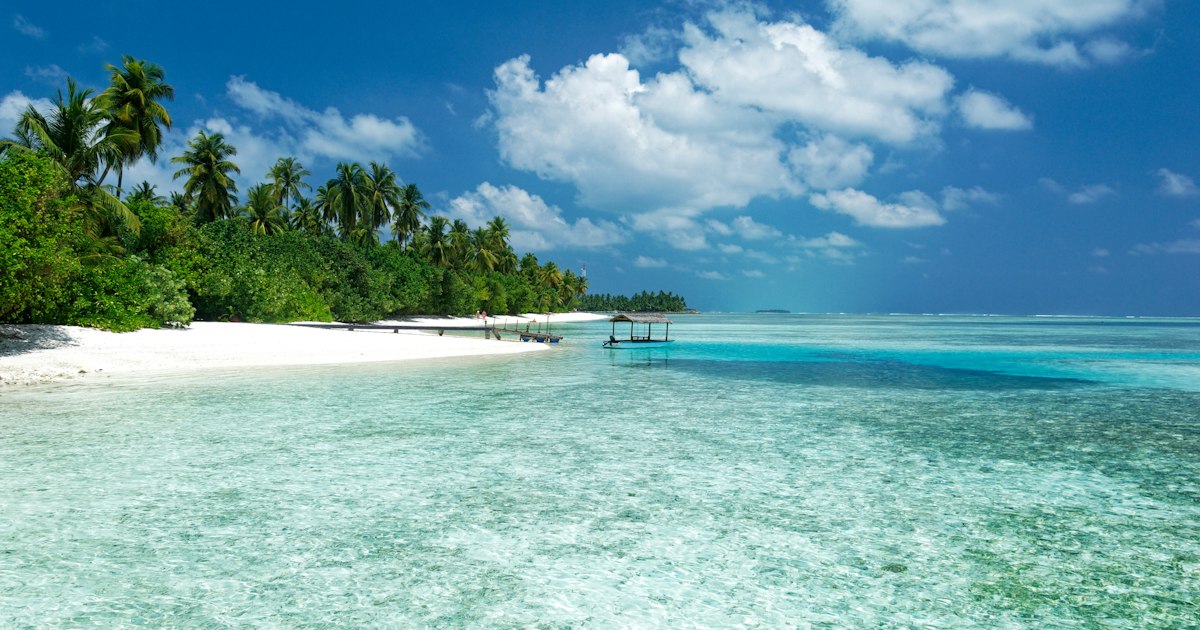
Photo by Colin Watts on Unsplash
Technically part of Kagoshima Prefecture, Yoron Island feels like it belongs to Okinawa — and historically, it did. This tiny coral atoll, just 23 km around, sits closer to Naha than to the Kagoshima mainland, and its turquoise lagoon regularly outranks far more famous Japanese beaches in diver and snorkeler surveys. Because it requires a flight or a long ferry ride to reach, Yoron sees a fraction of the visitors that pile into Okinawa’s main island, which is exactly its appeal: empty white sand, a shallow reef you can wade into, and almost no crowds even in August.
Where Yoron Island Is and Why It’s Different
Yoron-jima is the southernmost inhabited island administered by Kagoshima, sitting roughly 23 km north of Okinawa’s main island and well south of Amami Oshima and Okinoerabu, the other Kagoshima islands in the chain. The island was ruled by the Ryukyu Kingdom for centuries before being absorbed into Satsuma (Kagoshima) territory, and the local dialect, cuisine, and festivals still lean Okinawan rather than mainland Japanese. Geographically it’s a raised coral reef with no rivers and no mountains — just a flat, bike-able loop of cane fields and beaches, with a resident population of around 5,000.
Getting There: Flights and Ferries
There’s no bridge and no bullet train shortcut here — you’re committing to either a short flight or a long, scenic ferry ride.
- By air: Japan Air Commuter (JAC) operates small turboprop flights to Yoron Airport (RNJ) from Kagoshima Airport (around 1 hour 45 minutes) and from Naha, Okinawa (around 30 minutes). Seats are limited on these regional planes, so book a few weeks ahead in summer. One-way fares vary widely with advance-purchase discounts, roughly 10,000–25,000 yen from Naha and 20,000–35,000 yen from Kagoshima if bought close to departure.
- By ferry: Marix Line and A-Line ferries run the Kagoshima–Naha route, calling at Amami Oshima, Tokunoshima, Okinoerabu, and Yoron along the way. Combined, the two companies offer close to daily sailings. Kagoshima to Yoron takes roughly 15–16 hours overnight (2nd-class tatami-room fare is typically 12,000–15,000 yen one way), while Naha to Yoron is a much shorter 3.5–4 hour hop for around 4,000–5,000 yen. Ferry schedules shift with the seasons and typhoon activity, so confirm sailing dates close to your trip rather than relying on last year’s timetable.
If you’re island-hopping through this part of Kagoshima anyway, the same ferry companies also serve Amami and Okinoerabu, so it’s easy to string together a multi-island itinerary rather than flying in and out of Yoron alone.
Yurigahama: The Sandbar That Appears Out of the Sea
Yoron’s single biggest draw is Yurigahama (百合ヶ浜), a sandbar that emerges off Oganeku Beach on the island’s northwest coast only at low tide. At its best — big tides, calm seas, roughly May through September — several hundred meters of pure white sand surface in the middle of a lagoon so clear you can see your own shadow on the seafloor from a boat. Small shuttle boats based at Oganeku Beach ferry visitors out to the sandbar during the low-tide window, typically for around 1,000–1,500 yen round trip; exactly when it’s accessible depends on the tide chart for that specific day, so check with a boat operator or your accommodation the morning you plan to go rather than assuming it’s a fixed daily event. Bring reef shoes, a dry bag, and sun protection — there is zero shade out there.
Beyond the sandbar, the lagoon fringing most of the island’s west coast is shallow and calm enough for casual snorkeling straight off the beach, no boat required. Dive shops near the port and at Oganeku rent full gear and run boat dives to offshore coral walls and a WWII-era wreck site.
Best Time to Visit
April through June and October through November give the most reliable combination of calm seas, good visibility, and manageable heat. July and August are hottest and busiest with domestic travelers (water temperatures are excellent for swimming), but this is also peak typhoon season for the region — flights and ferries can be cancelled with little notice, so build slack into any trip scheduled for late summer. Winter (December–February) is mild by mainland Japan standards but too cool and choppy for swimming; it is, however, one of the best times in Japan to see the Southern Cross low on the horizon, a minor but genuine point of pride for the island given how few places in the country sit far enough south to view it.
Getting Around and Where to Stay
Yoron has no real public bus network, so renting a scooter or a small car at the airport or port is the standard move — the entire coastal loop road is about 21 km, comfortably circled in under two hours with stops. Rental scooters run roughly 2,500–4,000 yen per day; compact rental cars are closer to 5,000–8,000 yen per day.
- Budget: Family-run minshuku guesthouses scattered around the port area, typically 4,000–7,000 yen per night including basic breakfast.
- Mid-range: Small beachfront hotels and pensions near Oganeku or Chabana beaches, generally 10,000–18,000 yen per night for a double room.
- Splurge: A handful of resort-style properties with ocean-view rooms and on-site dining run 20,000–35,000 yen per night, especially during Obon week or the summer music festival season when the island fills up relative to its tiny capacity.
Cash matters more here than in a big city — not every guesthouse or small dive shop takes cards, and ATMs are limited to a couple of locations near the port. If you’re used to pulling cash from a convenience store ATM on the mainland, it’s worth reading up on convenience store ATM withdrawal limits before you go, since Yoron has far fewer ATMs than any mainland town and running out of cash mid-trip is a real inconvenience.
Common Mistakes to Avoid
- Assuming Yurigahama is always accessible: It’s tide-dependent, not a fixed attraction — show up at the wrong hour and there’s no sandbar to see.
- Underestimating the sun: At this latitude, with no shade on the sandbar or most beaches, dehydration and sunburn hit fast. Stock up on electrolyte drinks before heading out; the guide to Japan’s ion-drink culture is a useful primer on which bottled drinks actually rehydrate versus just taste sweet.
- Booking a same-day flight connection: Because Yoron flights and ferries are weather-sensitive, avoid scheduling a tight connection to an international flight out of Naha or Kagoshima on the same day you leave the island.
- Treating it as a drive-through stop: With only a couple of flights and ferries a day, Yoron rewards a minimum two-night stay — one full day is not enough buffer against a cancelled sailing or a bad tide.
If You’re Island-Hopping This Region
Yoron pairs naturally with a broader look at Japan’s lesser-known island escapes. If this remote, low-key island style appeals to you, the Izu Islands of Niijima and Shikinejima offer a similar off-the-radar vibe much closer to Tokyo, while the Megijima and Ogijima island-hop near Takamatsu shows a very different, folklore-driven take on small-island travel in the Seto Inland Sea. None of these are quick day trips from a major city, which is precisely what keeps them uncrowded — Yoron included.