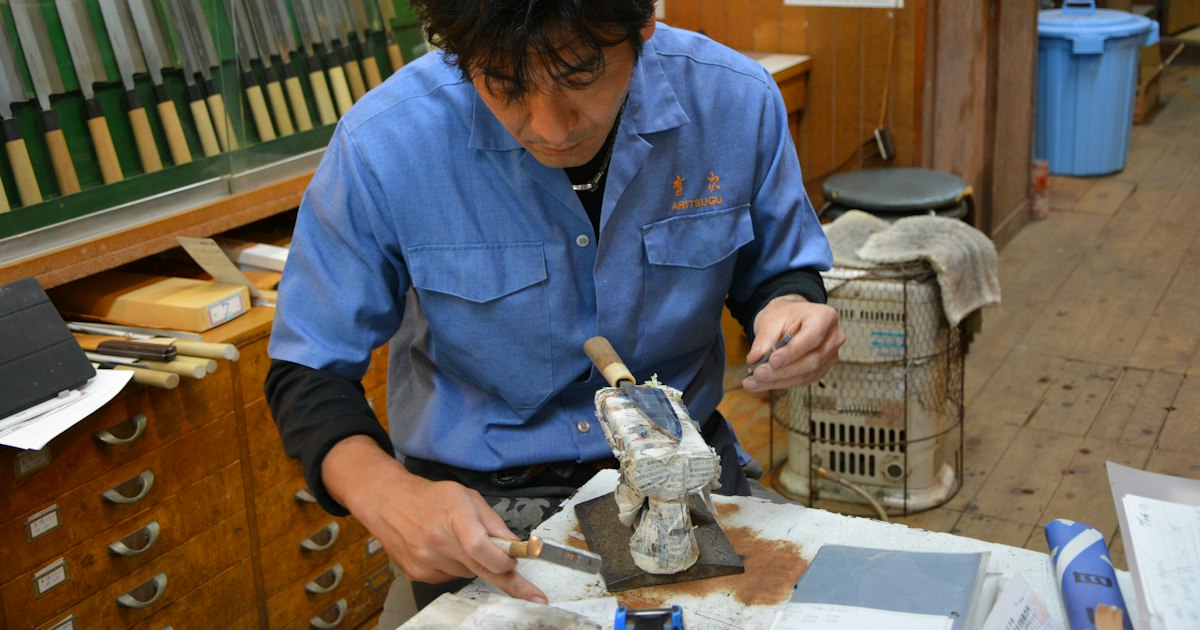
Photo by Beth Macdonald on Unsplash
Omiya Bonsai Village in Saitama gets all the attention, and rightly so — it’s a genuinely lovely afternoon of walking between six working bonsai gardens. But if you’re there to actually buy tools and wire rather than admire trees, Omiya’s shops are aimed at visitors browsing finished bonsai, not stocking a toolbox. The serious gear — the scissors growers use daily, the wire that actually holds a pine branch in place for two years — comes from a smaller set of specialty shops and manufacturing towns most tourists never hear about. Here’s where to find them.
Why Omiya Isn’t the Whole Story
Omiya Bonsai Village (walk 5–7 minutes from Toro Station on the JR Utsunomiya or Takasaki Line) is a cluster of nurseries like Mansei-en, Toju-en, and Fuyo-en, plus the Saitama Omiya Bonsai Art Museum (around ¥310 admission for adults, closed Mondays). Most of the individual gardens are closed on Thursdays, so check before you build a day around it. Entry to the gardens themselves is free, and a few sell basic tools and wire on-site — but the selection tends to be entry-level, priced for tourists buying a souvenir alongside a small tree, not for someone outfitting a serious collection. For that, you need to go to where bonsai is actually grown commercially, or where the tools are forged.
Kawaguchi’s Angyo District: Japan’s Other Bonsai Hometown
Angyo, in Kawaguchi City (reachable by bus from Higashi-Kawaguchi or Nishi-Kawaguchi Station, both about 25–30 minutes from central Tokyo), has been a major center for growing ornamental and bonsai trees for centuries — longer, in production terms, than Omiya. It’s a working nursery district rather than a tourist attraction: rows of wholesale growers along quiet roads, many of whom also sell retail to individuals who walk in. Selection and hours vary nursery to nursery and some are wholesale-only, so this works best as a slow, exploratory afternoon rather than a single planned stop. The upside is pricing — because these growers sell tools and wire as a sideline to their actual business (trees), markups are lower than in retail-focused shops, and staff can tell you exactly which wire gauge and tool a given species needs, since they use the same gear on their own stock.
Tsubame-Sanjo, Niigata: Where the Tools Themselves Are Made
If you want the actual source, go to Tsubame-Sanjo in Niigata, about two hours from Tokyo on the Joetsu Shinkansen. This twin-city area has been Japan’s metalworking heartland for centuries — Sanjo for blades and tools, Tsubame for tableware and precision metal goods — and it’s home to the manufacturers behind brands like Kaneshin and Masakuni, two of the names you’ll see on serious bonsai scissors and concave cutters worldwide. Right outside Tsubame-Sanjo Station is the Tsubame Sanjo Jiba Sangyo Shinko Center (local industry promotion center), which stocks and sells products from dozens of local manufacturers, including garden and bonsai tools, often at prices closer to wholesale than you’d pay through a Tokyo retailer or overseas importer. It’s a niche day trip, but if tool quality matters more to you than convenience, it’s the single best use of a day outside Tokyo for this hobby — not unlike how collectors travel out of their way for a specific regional craft, the way some visitors seek out a Japanese drip kettle made in a particular metalworking town rather than buying one anywhere.
Tokyo Options for When You Can’t Leave the City
If a trip to Niigata or even Kawaguchi doesn’t fit your itinerary, Tokyo still has options, just spread thin. General garden and hardware stores — Cainz, Kohnan, and the enormous Joyful Honda in Ami, Ibaraki — carry basic aluminum bonsai wire and stainless tools at low prices, fine for beginners. Tokyu Hands and Loft stock small starter kits (shears, wire, a turntable) aimed at hobbyists, usually under ¥5,000 total. For something closer to professional grade without leaving the city, it’s worth applying the same logic shoppers use for other specialty gear in Tokyo — the same instinct that sends martial artists to the equipment shops clustered near the Budokan or sends musicians hunting for a specific pro shop instead of a generic music store: search out horticultural specialty retailers rather than department stores, and call ahead, since many are small, family-run, and don’t keep English-friendly websites.
Wire 101: Aluminum vs. Copper, and What to Actually Buy
Don’t buy wire based on price alone. Anodized aluminum wire (roughly ¥300–800 per roll depending on gauge) is softer, easier for beginners to bend, and standard for deciduous trees. Annealed copper wire (roughly ¥1,000–3,000 per roll) holds its shape far better under tension, which is why it’s preferred for pines and other conifers that need firm, long-term styling — but it’s harder to apply and remove without damaging bark, so it’s not the right starting point for a first-timer. If a shop clerk asks what species you’re wiring, that’s a good sign they know what they’re doing; if they just point you at whatever’s cheapest, treat that as a budget-tier shop, not a specialist one.
Budget, Mid-Range, and Splurge Picks
- Budget (¥3,000–5,000 total): Stainless steel shears plus a couple of rolls of aluminum wire from a home center chain like Cainz or Kohnan. Fine for small, young trees and beginners.
- Mid-range (¥15,000–30,000): Carbon steel scissors and a concave branch cutter from Kaneshin or Masakuni, bought at Tsubame-Sanjo or through a specialty nursery. Carbon steel holds a sharper edge than stainless but needs light oiling after use to prevent rust — factor that into your packing if you’re buying mid-trip.
- Splurge (¥50,000+): Hand-forged tool sets from a named smith, sold as a matched roll (shears, jin pliers, root hook, wire cutter). These are investment pieces for people who already have a serious collection, and worth seeking out specifically at Tsubame-Sanjo rather than assuming a Tokyo shop stocks them.
Common Mistakes and Practical Tips
The most common error is buying tools sized for full-grown trees when you’re actually working with shohin (small) bonsai — oversized shears crush rather than cut on delicate branches, so ask for shohin-specific sizing if that’s your collection. Second, don’t assume you can bring soil, moss, or live plant material home; tools and wire, by contrast, are unproblematic for customs almost everywhere. Third, if you’re timing a trip around the Taikan-ten (Great Bonsai Exhibition) in Omiya each February, note that’s also a reasonable window to combine museum visits with tool shopping, since growers and shops are stocked up for the show — just build in buffer time, the same way you would avoid stacking a specialty-shopping day on top of peak Obon travel congestion if your dates happen to overlap.