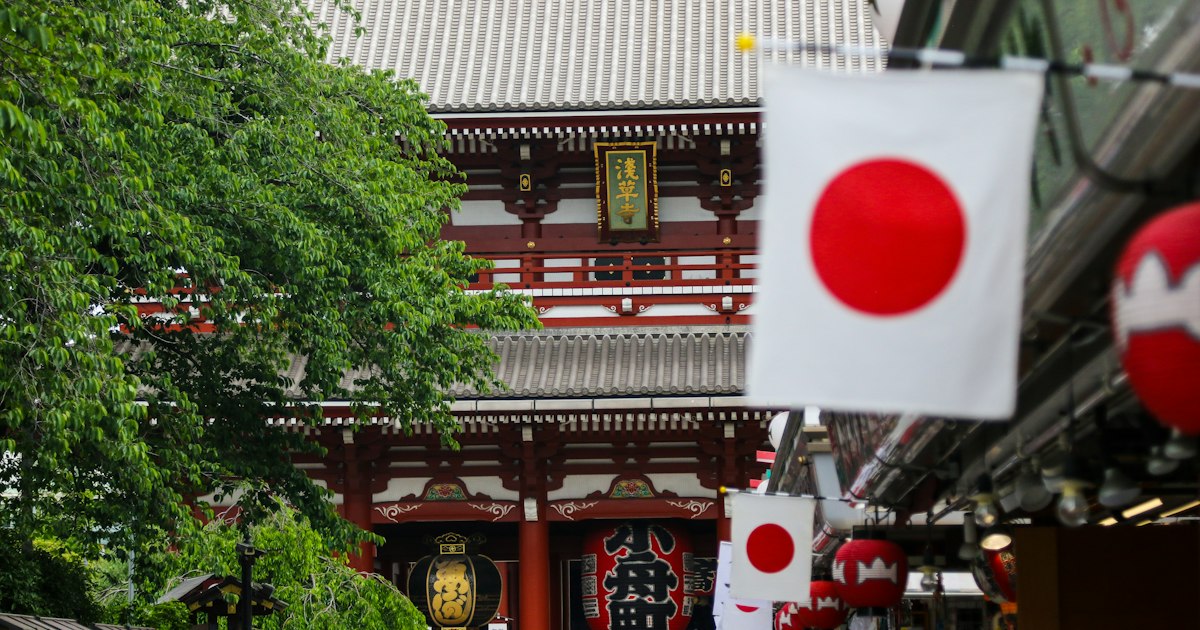
Photo by Colton Jones on Unsplash
Most first-time visitors who ask about Tokyo festivals get pointed straight to Sanja Matsuri in Asakusa, and fair enough — it’s loud, crowded, and happens every May without fail. But Sanja is only one leg of Edo’s “Three Great Festivals” (Edo Sanda Matsuri). The other two, Kanda Matsuri and Sanno Matsuri, are arguably more historically significant, draw smaller foreign crowds, and run on an alternating-year schedule that trips up even repeat visitors. Here’s what actually separates them, when to go, and how to watch without getting in the way.
Tokyo’s Three Great Festivals, Explained
Sanja Matsuri (Asakusa Shrine) happens every year in mid-May and is the rowdiest of the three — dozens of neighborhood mikoshi get shaken and jostled through narrow streets near Senso-ji. Kanda Matsuri and Sanno Matsuri are calmer and more ceremonial, built around a single enormous procession rather than scattered neighborhood mikoshi, and each only stages its full “grand festival” version every other year. Kanda Matsuri’s big year falls on odd numbers (2025, 2027, 2029…); Sanno Matsuri’s falls on even numbers (2026, 2028, 2030…). In the off years, both still happen, just at reduced scale with a shorter mikoshi-only parade instead of the full procession. If you’re trying to time a trip around one specifically, check the year before you lock in dates — showing up for Kanda Matsuri in an even year gets you a much smaller event than the brochures suggest.
Kanda Matsuri: Akihabara’s Samurai-Era Street Carnival
Kanda Matsuri is centered on Kanda Myojin, a shrine that sits just a short walk from Akihabara and Ochanomizu. It dates back to the Edo period and was historically one of the shogunate’s officially sponsored festivals, which is why the main procession (Shinko-sai) is so elaborate: roughly 300 people in Heian- and Edo-period costume, ox-drawn carts, mounted riders, and three sacred mikoshi palanquins moving through a route that covers around 30 kilometers across Kanda, Nihonbashi, Otemachi, and Akihabara over a single day, usually the Saturday closest to May 15. The following Sunday brings a second day where neighborhood mikoshi converge on the shrine itself, which is the more photogenic, close-up moment if you only have time for one day.
Because the shrine sits right next to Akihabara, Kanda Matsuri has picked up an odd but real crossover with otaku culture — it’s not unusual to see mikoshi carried past electronics stores and anime shops, and the shrine itself sells omamori aimed at IT workers and gamers. If you’re already visiting Akihabara for merch — say, a stop at the Pokemon Center — the shrine is close enough to fold into the same afternoon outside festival weekends too.
Sanno Matsuri: The Procession That Walks Past the Diet Building
Sanno Matsuri belongs to Hie Jinja in Akasaka, and its grand-year procession (Jinkosai) is the one that genuinely surprises people: roughly 300 participants in period costume walk a route that passes the National Diet Building, the Prime Minister’s residence, and the Imperial Palace moat before looping through Ginza and Nihonbashi and back to Akasaka — about 9–10 kilometers, usually held on a weekday in mid-June (the festival window generally runs June 7–17, with the main procession day announced each cycle). It’s the closest thing Tokyo has to a state-sanctioned parade through its own seat of government, which makes sense once you know the shrine was historically the guardian shrine of Edo Castle itself.
Hie Jinja’s grounds are worth the climb even outside festival dates — the shrine is built on a small hill with a tunnel of vermilion torii gates leading up to it, similar in spirit to Fushimi Inari on a much smaller scale. During Sanno Matsuri, stalls selling grilled food and amazake line the approach, and the shrine issues festival-specific charms you won’t find the rest of the year.
Getting There and Where to Stand
- Kanda Myojin: 5-minute walk from Ochanomizu Station (JR Chuo/Sobu Line or Tokyo Metro Marunouchi Line), or about 10 minutes from Akihabara Station’s Electric Town exit. For the Shinko-sai procession, the stretch along Yasukuni-dori near Akihabara and the shrine’s own approach on procession-return day are the easiest places to get a clear view without fighting for position.
- Hie Jinja: 3-minute walk from Tameike-sanno Station (Ginza/Namboku Lines) or Kokkai-gijidomae Station (Chiyoda/Marunouchi Lines). For Jinkosai, the area right outside the shrine’s main torii and the stretch near Akasaka-mitsuke tend to be less packed than the Ginza leg of the route.
Both processions are free to watch from the street — there’s no ticket or roped-off paid seating, though some shrines sell limited folding-chair viewing spots near the shrine gate on the day for a small fee (typically a few thousand yen, cash only, sold on-site rather than pre-booked).
Common Mistakes
The biggest one is assuming every year is a grand-procession year — both festivals run a scaled-down version on off years, with no equivalent of the full costumed parade. The second is underestimating how spread out the routes are: unlike Sanja Matsuri, where everything happens within a few blocks of Senso-ji, Kanda and Sanno processions move across several kilometers over hours, so planning to “catch it near the shrine” can mean standing around for a long gap between the procession passing and the mikoshi actually arriving. Bring a shrine map or check the shrine’s own website for the hour-by-hour route schedule published a few weeks ahead, since timings shift slightly each cycle.
Budget, Mid-Range, and Splurge Ways to Experience It
- Budget (free–¥1,000): Watch the procession from the street, buy a festival food stall snack (yakisoba, grilled squid, or amazake typically run ¥500–¥800), and pick up a basic omamori at the shrine (¥500–¥1,000).
- Mid-range (¥2,000–¥5,000): Reserve a paid viewing spot if the shrine is offering one, or book a café or restaurant seat along the route with street-facing windows — several spots near Akihabara and Akasaka-mitsuke take reservations specifically for festival weekends.
- Splurge (¥10,000+): Some local neighborhood associations let outsiders join as mikoshi bearers for a donation, which gets you inside the procession rather than watching from the sidewalk — ask at the shrine office well in advance, as spots are limited and usually require some advance coordination with a local chonaikai (neighborhood group).
Which One Should You Plan Your Trip Around?
If your trip is already anchored around early-to-mid May, Kanda Matsuri’s Akihabara setting makes it an easy add-on to an otherwise electronics-and-anime-focused itinerary. If you’re coming in June, Sanno Matsuri’s route through the government district gives you a version of Tokyo most tourists never see on foot. Either way, check which year you’re traveling in before building plans around the “grand” procession — and if the dates don’t line up, both shrines are worth a quiet, festival-free visit too, especially Hie Jinja’s torii tunnel, which photographs just as well on an ordinary Tuesday.