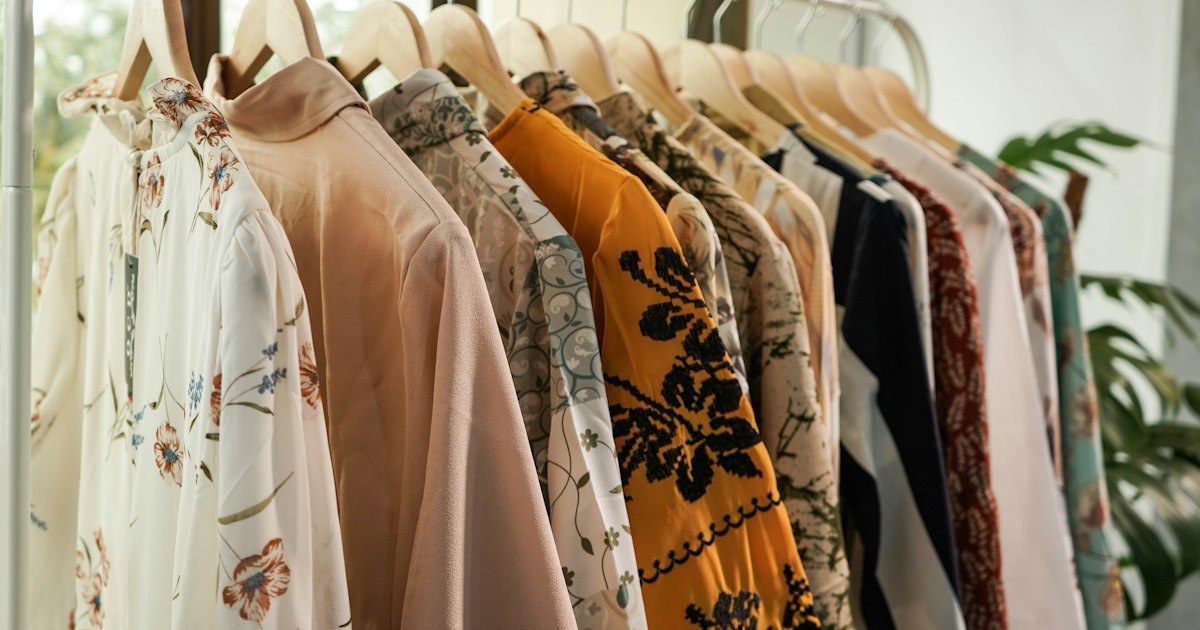
Photo by Aviv Rachmadian on Unsplash
Walk past a pottery studio, a soba shop’s kitchen door, or the back rooms of a Zen temple in Kyoto, and you’ll likely spot someone in loose indigo or brown separates — a simple jacket tied at the chest, paired with wide-legged trousers. That’s samue (作務衣), and it has quietly become one of Japan’s most practical souvenirs: comfortable enough to sleep in, sturdy enough to wear for actual work, and far more versatile than the kimono most visitors assume is Japan’s only “traditional clothing” option.
What Is Samue, Exactly?
Samue takes its name from samu (作務), the manual labor — cleaning, gardening, kitchen duty — that Zen Buddhist monks perform as part of daily practice. The garment was designed for exactly that: a boxy jacket (uwagi) that closes with ties instead of buttons so it won’t snag, and straight or slightly tapered trousers (zubon) with a drawstring waist, cut generously enough to crouch, kneel, and bend without restriction. Traditional pieces were dyed with indigo or persimmon tannin and woven from cotton or hemp, both of which soften and gain character with wear and washing.
Outside temples, samue became the default uniform for Japanese craftspeople — potters, woodworkers, and sake brewers often wear a version of it on the job, which is part of why you’ll see it in person if you ever tour a working brewery (see our guide to visiting a working sake kura during winter brewing season, where staff layer samue-style jackets over thermal wear for the cold brewing floor). In the last couple of decades it’s crossed over into loungewear and sleepwear territory, sold in ryokan gift shops and department stores as something you can actually wear on the street, not just around the house.
Samue vs. Jinbei: Don’t Confuse Them
Shoppers frequently mix these up. Jinbei (甚平) is the short-sleeved, short-legged summer version sold everywhere in July and August — thin cotton, often patterned, meant for festivals and hot nights. Samue is the year-round, long-sleeved, full-length original, and it comes in heavier cotton, quilted, or fleece-lined versions for winter. If a shop clerk hands you something with short sleeves and asks if you want it in a cheerful print, you’re being shown jinbei, not samue. If you’re shopping in summer and specifically want samue, say so — “samue, nagasode” (long-sleeved) will get you the right rack.
Where to Buy Samue in Kyoto
Kyoto is the most reliable city for this because of its density of textile shops and its association with Zen Buddhism. The SOU-SOU cluster of small shops near Nishiki Market and Teramachi, in Kyoto’s Nakagyo ward, sells modern, well-cut cotton clothing with a traditional-workwear sensibility — not all of it is labeled “samue,” but their jacket-and-trouser separates follow the same silhouette and are an easy entry point if you want something wearable outside Japan too. Most of these shops open around 11:00 and close by 19:00 or 20:00; they’re small, so expect to queue briefly during peak afternoon hours.
For more traditional, temple-adjacent shopping, browse the souvenir shops lining approach streets to major temples (Kiyomizu-dera’s Sannenzaka and Ninenzaka lanes, for example) — several sell basic cotton samue sets alongside yukata and tenugumi, aimed squarely at visitors who want something authentic-looking without a steep price tag.
Where to Buy Samue in Tokyo
Asakusa is the easiest Tokyo neighborhood for this: the streets around Nakamise-dori and Asakusa ROX have multiple shops selling Japanese-style clothing, and samue sets show up regularly among the yukata and happi coats, typically in the ¥3,000–¥8,000 range for cotton sets. A short walk away, Kappabashi — Tokyo’s kitchen-and-restaurant-supply street — carries chef’s work jackets that share samue’s button-free, easy-movement design; worth a browse even if you’re mainly there for cookware. Department stores with a dedicated Japanese goods or kimono floor, such as Takashimaya or Isetan, stock higher-quality samue from established brands, with staff who can help with sizing — useful if you’re also shopping for other formal or semi-formal Japanese wear, the way you would when renting a mourning suit in Japan on short notice: department stores are generally the safest bet when you need something correct-looking fast and don’t have time to shop around.
Budget, Mid-Range, and Splurge Picks
- Budget (¥2,500–¥5,000): Souvenir-shop cotton sets in Asakusa, Kyoto’s temple lanes, or large discount stores like Don Quijote. Fine for loungewear or a lightweight gift; fabric is thinner and sizing is usually one “free size” cut for an average Japanese frame.
- Mid-range (¥9,000–¥20,000): Brand-name sets from specialty makers such as Watanosato, which focuses specifically on samue and jinbei and sells online with international shipping if you don’t track down a physical stockist. Heavier cotton, better stitching, and separates sized more generously for larger frames.
- Splurge (¥25,000–¥50,000+): Hand-dyed indigo or kurume-gasuri (a traditional Fukuoka cotton weave) samue, sometimes made to order through specialty textile shops. These are investment pieces meant to be worn for years and improve with each wash.
Sizing, Fabric, and Season Tips
Japanese “free size” samue is cut for an average Japanese adult build — if you’re above roughly 175cm or built broadly, try before buying or look specifically for L/XL labeling, which brands like Watanosato do offer. For fabric: lightweight cotton or hemp blends suit spring through early autumn; quilted or brushed-cotton (fleece-lined) versions are worth seeking out if you’re buying for winter use, especially if you plan to actually wear it as sleepwear at a ryokan, where room temperatures can run cool overnight — relevant if you’re also sorting out which ryokan meal plan to book, since many ryokan already provide a yukata but not a warm samue for colder months. New indigo-dyed pieces can transfer dye onto skin or light fabrics for the first few washes — wash separately at least twice before wearing over anything pale.
Common Mistakes to Avoid
- Buying jinbei when you wanted samue (or vice versa). Check sleeve and trouser length before paying, especially in summer when jinbei dominates the racks.
- Assuming one size fits all. “Free size” samue is genuinely one size, not adjustable beyond the waist ties — if a shop only stocks free size, measure the trouser length against your own before buying, since Japanese inseams run shorter than many Western ones.
- Treating ryokan-loaned yukata and purchased samue as interchangeable. A yukata is thin cotton robe designed for sleeping and short indoor walks; samue is sturdier and meant to be worn outside the ryokan as regular clothing, which is why it’s worth buying rather than just borrowing if you want to actually use it once you’re home.
- Skipping the wash-test on indigo pieces. Unwashed deep-indigo samue can bleed onto hotel towels and light-colored clothing in the first few wears — wash alone in cold water before packing it next to anything pale.
However you plan to use it — as a lightweight souvenir, genuine loungewear, or a piece you’ll actually wear for its original purpose — samue is one of the rare Japanese garments that’s equally at home in a Zen temple, a sake brewery, and your living room back home.