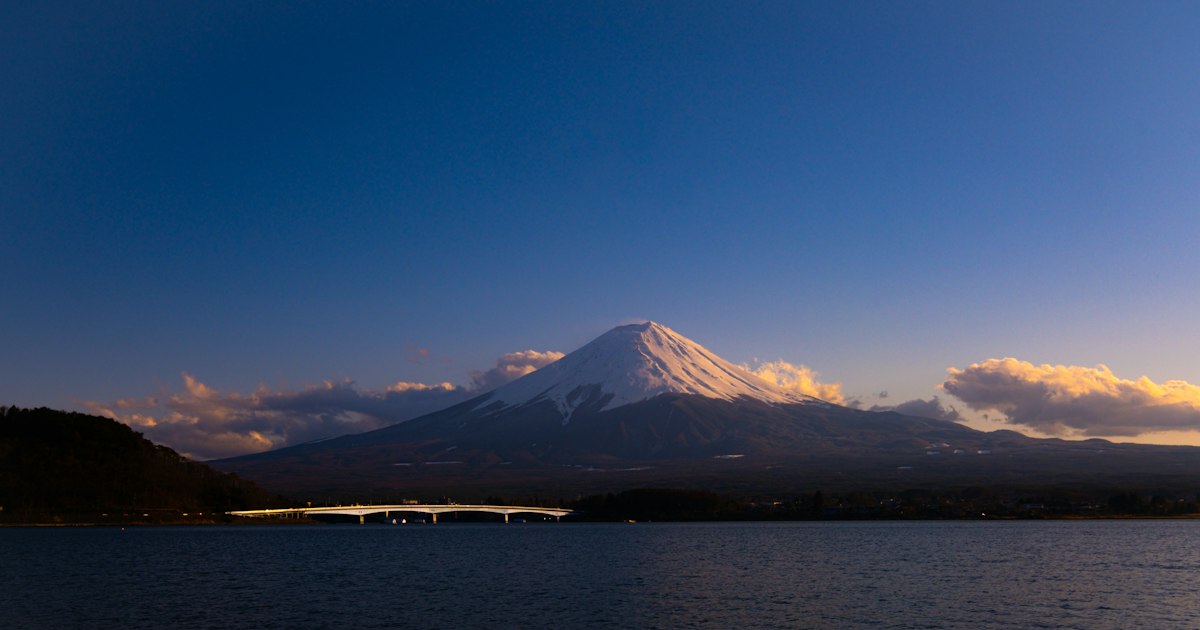
Photo by Dana Andreea Gheorghe on Unsplash
The Tateyama Kurobe Alpine Route is one of the few places in Japan where you cross an entire mountain range without a car, a hiking permit, or a full day of climbing. Over about six hours you switch between a cable car, a highland bus, an underground trolleybus, a “cable-less” ropeway, and another cable car, threading through the Northern Japan Alps between Toyama Prefecture and Nagano Prefecture. In late April and May, the highlight is the Yuki-no-Otani snow corridor—a road cut through walls of snow that can reach 20 meters. The rest of the year, it’s simply one of the most dramatic mountain crossings you can do without technical gear.
What the Alpine Route Actually Is
This isn’t a single train or cable car—it’s a chain of seven different vehicles covering roughly 37 km and climbing to 2,450 meters at Murodo, the route’s highest point. Most travelers go one-way, entering on one side of the Alps and exiting on the other, rather than doing a round trip. The Toyama side starts at Tateyama Station; the Nagano side starts at Ogizawa. In between you’ll transfer at Bijodaira, Murodo, Daikanbo, and Kurobedaira, with a walk across the top of Kurobe Dam—Japan’s tallest dam at 186 meters—built into the middle of the journey.
Because it’s a one-way crossing for most visitors, plan your onward transport in advance: you’ll end up on the opposite side of the Alps from where you started, which usually means either looping back by train or continuing on to Matsumoto or Nagano.
The Yuki-no-Otani Snow Corridor
The snow corridor is a walking path cut through accumulated snow near Murodo Station, and it’s the reason most people time their visit for spring. The walls are tallest right when the route opens for the season—typically mid-April—and they gradually melt down through late June, when the walking section usually closes for the year. If you want the classic photo of walls towering well above head height (12–20 m), aim for the opening weeks in late April; by early June the walls are usually down to a few meters.
Dress like you’re going skiing, not sightseeing. Murodo sits at 2,450 m and stays near or below freezing through May even on sunny days—a warm jacket, gloves, and sturdy shoes are non-negotiable, and the path can be icy underfoot.
How to Get There and Through
From the Toyama side: Take the Toyama Chihō Railway from Dentetsu-Toyama Station (a short walk from JR Toyama Station) to Tateyama Station, about 1 hour. From there it’s cable car to Bijodaira, then highland bus up to Murodo.
From the Nagano side: Take the JR Oito Line from Matsumoto to Shinano-Omachi (about 1 hour), then a local bus to Ogizawa (around 40 minutes). From Ogizawa, the Kanden Tunnel trolleybus takes you into the mountain to start the crossing in reverse.
If you’re driving to either gateway station, note that private cars can’t enter the Alpine Route itself—you park at Tateyama or Ogizawa and switch to the route’s own vehicles. If you’re renting a car for the wider Toyama/Nagano leg of your trip, our guide to ETC cards and expressway tolls is worth reading before you set off, since the drive in involves toll roads on both sides.
Tickets, Prices, and Luggage
You can buy individual tickets for each leg at each station, or a through ticket covering the whole crossing in one direction. The full one-way through ticket (Tateyama to Ogizawa, or the reverse) generally runs in the ¥12,000–13,000 range per adult; children pay roughly half. Fares are adjusted periodically, so check the official Alpine Route website for the current breakdown before you go rather than relying on last year’s numbers.
Because you’re changing vehicles seven times, hauling luggage the whole way is miserable. Both Tateyama and Ogizawa offer a same-day baggage forwarding service (around ¥2,000–3,000 per piece) that sends your bags ahead to a hotel or station on the other side, usually arriving the same evening. If you’re staying in Toyama city before or after, this is worth arranging the day before you cross.
Best Time to Go
The route opens mid-April and closes around November 30 each year. Broadly:
- Late April–early May: tallest snow walls, but also Golden Week (April 29–May 5), when buses and cable cars run at capacity and queues at Bijodaira and Murodo can stretch for over an hour.
- June–July: the snow corridor walking path is gone, but Murodo’s marshland trails (Mikurigaike pond, Midagahara) open up for easy alpine walks, and wildflowers start blooming.
- Late June–mid-October: Kurobe Dam performs its scheduled water release (houshui), a genuinely impressive sight if your timing lines up—check the dam’s release schedule in advance.
- October: autumn colors around Murodo and Bijodaira, with far shorter lines than spring.
For fewer crowds, aim for weekday travel in June or October, and take the first bus/cable car of the morning—departures fill up fast after 9 a.m. in peak season.
Common Mistakes
The most common misstep is treating this as a half-day trip. Budget a full day for the one-way crossing once you add transfers on both ends, and don’t schedule a tight onward train right after you arrive at Ogizawa or Tateyama—delays from weather or bus queues are routine. Second, underdressing: even in August, wind at Murodo and Daikanbo can make it feel 15–20°C colder than at your hotel that morning. Third, assuming you can buy a through ticket for any departure time you want in Golden Week—during the busiest weeks, same-day tickets can sell out by mid-morning, so buy in advance or start early. Finally, don’t forget cash or IC card top-ups for local buses on the Nagano side; not every rural connecting bus takes credit cards.
Budget, Mid-Range, and Splurge
On a budget, do the crossing as a long day trip: take an early train from Toyama, cross to Ogizawa, and continue to Matsumoto or Nagano the same evening, skipping a mountain hotel stay entirely. Mid-range travelers often overnight in Toyama city the night before—handy if you’re also timing a visit around Toyama’s firefly squid season, which runs roughly March through May and overlaps neatly with the snow corridor’s best weeks. For a splurge, book a night at one of the mountain lodges near Murodo or Kurobedaira, which lets you catch sunrise over the Alps before the day-trip crowds arrive on the first bus up from Bijodaira.
If you’re bringing a camera or drone for the scenery, check the rules first—flying over the dam area and other parts of the route falls under restrictions covered in our guide to drone laws and photography permits in Japan, since much of the Alpine Route sits inside a national park where drone use is tightly limited or banned outright.