Japan Trove

Author: JapanTrove Editorial

  • Amanohashidate: How to Visit Japan’s Sandbar Among the Three Scenic Views

    Amanohashidate: How to Visit Japan’s Sandbar Among the Three Scenic Views

    Photo by PJH on Unsplash

    Amanohashidate is a 3.6-kilometer ribbon of sand and pine trees stretching across Miyazu Bay on Kyoto Prefecture’s northern coast, and it has been ranked alongside Matsushima and Miyajima as one of the “Nihon Sankei,” Japan’s Three Scenic Views, since the 17th century. Its name means “bridge to heaven,” a nod to the local legend that this was once a stairway connecting earth and sky, and to the famous upside-down view that makes the sandbar look like it’s floating. It’s a full day trip, not a quick stop, but it rewards visitors who make the effort with scenery you genuinely won’t see anywhere else in Japan.

    What Makes Amanohashidate Worth the Trip

    The sandbar itself is covered in roughly 8,000 pine trees and separates Miyazu Bay from the inland Aso Sea lagoon. What sets it apart from a typical beach walk is the ritual of “matanozoki,” or viewing it upside down by bending over and looking through your legs from a hillside platform on either end. Flipped this way, the horizon line disappears and the pine-covered strip appears to hang suspended between sea and sky—hence the “heavenly bridge.” It sounds gimmicky until you actually do it and understand why generations of Japanese travelers have made the pilgrimage.

    Getting to Amanohashidate from Kyoto and Osaka

    The most comfortable option is the JR limited express “Hashidate,” which runs directly from Kyoto Station to Amanohashidate Station in about two hours, with a reserved seat costing roughly JPY 5,000–5,600 one-way. A cheaper alternative is the highway bus from Kyoto Station, which takes around two hours and fifteen minutes and costs roughly JPY 3,000–3,500 one-way—a good option if you’re already budgeting carefully for the day. From Osaka, take a JR train to Fukuchiyama and transfer to the Kyoto Tango Railway line onward to Amanohashidate; total travel time is similar, around two to two and a half hours.

    Because it’s a two-hour trip each way from Kyoto, this isn’t realistic as a day trip from Tokyo—budget a full day if you’re coming from Kansai, or better yet, stay overnight in Miyazu or nearby Amanohashidate town so you’re not rushing both viewpoints and the crossing into a few hours.

    Crossing the Sandbar: Walking, Cycling, or Boat

    You have three ways to get from one end of the sandbar to the other, and each has a different feel. Walking the full 3.6 km takes about 50 minutes one-way through the pine grove—pleasant but there’s almost no shade, so bring a hat and water in summer. Bicycle rental shops cluster near Chionji Temple at the south end, charging roughly JPY 500 for two hours or around JPY 1,000 for a full day; cycling is the most popular option and takes about 20 minutes end to end. If you’ve used the bike-share systems covered in our guide to renting city bikes in Kyoto & Tokyo, this is even simpler—no app, no membership, just cash at the rental counter. The third option is the small sightseeing boat that crosses Miyazu Bay (roughly JPY 700–800 one-way); many visitors buy a bag of shrimp-flavored crackers (“kappaebi-sen”) on board to feed the seagulls that trail the boat, which is a genuinely fun few minutes with kids.

    The Two Viewpoints and the Matanozoki Trick

    Amanohashidate has a viewpoint on each end, and both are worth doing if you have time, since the perspective changes noticeably. On the north side, Kasamatsu Park is reached by a cable car or chairlift (round trip roughly JPY 1,000) from Ichinomiya. On the south side, near Chionji Temple, Amanohashidate View Land has a chairlift or monorail (round trip roughly JPY 850–1,000) up to an observation deck with the matanozoki platforms built right in, plus a small amusement park area that’s popular with families. A smart itinerary is to cross the sandbar in one direction—walking or cycling—then ride the cable car up on the far side, so you see the pine bridge from both above and at water level rather than doubling back on foot.

    Best Time to Visit

    Spring (late March through April) brings cherry blossoms along the sandbar and mild, generally clear weather, which matters here because the whole point of the viewpoints is visibility across the bay. Autumn, especially November, is similarly reliable and comes with color at nearby Nariaiji Temple, a short bus or taxi ride up from View Land. Summer is warm enough to swim at the beach on the bay side of the sandbar, but expect humidity and crowds around Obon in mid-August. Winter can be strikingly quiet and the crab season (roughly November through March) brings some of the best seafood of the year to Miyazu’s restaurants, but the San’in coast sees more cloud and rain in winter than Kyoto city does, so a clear-sky viewpoint day isn’t guaranteed—check the forecast before committing to an early train.

    Where to Eat and What to Buy

    Miyazu Bay seafood is the reason to eat a proper lunch here rather than grabbing a quick bite. Seafood donburi shops near the station serve fresh catch at reasonable prices (roughly JPY 1,500–2,500 for a bowl), and from November to March many restaurants add matsuba crab (snow crab) to their menus at a premium. Near Chionji Temple, look for small shops selling “chie no wa” charms and cookies tied to the temple’s reputation as a place of wisdom—it’s dedicated to Monju Bosatsu and is popular with students before exam season. If you pick up crab, sake, or other local goods you’d rather not carry for the rest of your trip, our guide to shipping souvenirs home from Japan covers post office and courier options for sending purchases ahead.

    Common Mistakes and Budget Notes

    The most common misstep is trying to squeeze Amanohashidate into a half-day from Kyoto—between the two-hour train ride each way and the time needed to actually cross the sandbar and ride a cable car, you’ll want six to eight hours minimum, and a full day if you’re also visiting Nariaiji Temple or Ine’s boat houses (funaya) about 30 minutes further by bus. Budget travelers can do the whole visit—bus there, bicycle across, casual lunch, one cable car ride—for well under JPY 10,000 including transport. Mid-range visitors often stay a night in a Miyazu ryokan with an onsen and a seafood-focused dinner, running roughly JPY 15,000–25,000 per person. For a splurge, some ryokan offer bay-view rooms and full crab kaiseki courses in winter for JPY 40,000 or more per person—worth it if crab season lines up with your trip.

    If you’re building a longer itinerary along the Sea of Japan coast, Amanohashidate pairs naturally with a stop further west at Matsue and Izumo Taisha, though note that’s a separate multi-hour trip rather than a same-day add-on. Either way, give the sandbar itself the unhurried day it deserves rather than treating it as a photo-stop on the way to somewhere else.

  • Kokeshi Dolls: Tohoku’s Wooden Folk Craft and Where to Buy

    Kokeshi Dolls: Tohoku’s Wooden Folk Craft and Where to Buy

    Photo by Sarmat Batagov on Unsplash

    Long before “kawaii” became a global export, Japanese wood turners in the mountains of Tohoku were carving simple cylindrical dolls with round heads and no arms or legs. These are kokeshi (こけし), and they’ve been made in the same onsen towns for close to 200 years. If you’re traveling through northern Japan — or just want a souvenir with real craft history behind it rather than something stamped out for a gift-shop rack — kokeshi are one of the most satisfying things you can bring home. Here’s how to tell a good one from a mass-produced one, where the tradition actually comes from, and where to buy.

    What Makes a Kokeshi Doll “Traditional”

    Kokeshi originated in the Tohoku region (Miyagi, Yamagata, Fukushima, Iwate, Akita, and Aomori prefectures) in the late Edo period, made by kijishi — wood-turning artisans — as souvenirs for visitors to the area’s hot spring towns. A traditional kokeshi (dento kokeshi) is turned on a lathe from a single piece of dogwood, cherry, or maple, then hand-painted with dye, never printed. The body is usually a simple cylinder and the head is a separate, larger sphere fixed on top; there’s no articulation except in a few regional styles where the head actually rotates and squeaks against the neck joint.

    The key thing to know before you shop: there are two very different categories sold under the same name. Dento kokeshi (traditional) follow one of eleven recognized regional lineages, each with its own head shape, body taper, and painted motifs, usually chrysanthemums or plum blossoms in red, black, and yellow on bare wood. Sosaku kokeshi (creative kokeshi) are a 20th-century offshoot where the artist is free to invent form and color — these can be beautiful but aren’t part of the historical lineage system, and shops don’t always label the difference clearly, so ask.

    The 11 Regional Styles and Where They Come From

    Collectors organize traditional kokeshi into eleven kei (styles), each tied to a specific onsen town: Naruko, Togatta, and Sakunami in Miyagi; Yajiro, Hijiori, and Zao-Takayu in Yamagata; Tsuchiyu in Fukushima; Nanbu and Tsugaru in the north (Iwate and Aomori); and Kijiyama in Akita. A few identifying traits worth knowing:

    • Naruko: the head twists on the neck and squeaks; decorated with chrysanthemums.
    • Tsuchiyu: the smallest, most slender heads, almost spinning-top shaped, with concentric ring patterns.
    • Nanbu: often left completely unpainted, showing bare wood grain, with a head that also rotates.
    • Tsugaru: the most colorful and freely painted, frequently featuring peonies.

    None of this is essential trivia for a casual buyer, but it’s useful for spotting fakes: a “traditional” kokeshi with printed decals, machine-uniform painting, or a shape that doesn’t match any known kei is almost certainly a tourist-shop import, not a handmade piece.

    Naruko Onsen: The Kokeshi Capital You Can Visit

    If you only visit one kokeshi town, make it Naruko Onsen in Miyagi Prefecture, which has the highest concentration of working kokeshi studios in Japan alongside its hot spring ryokan. From Sendai, take the Tohoku Shinkansen to Furukawa Station (about 15 minutes), then transfer to the JR Rikuu East Line local train to Naruko-Onsen Station — the whole trip runs roughly 1 to 1.5 hours depending on connections.

    The town’s centerpiece is the Japan Kokeshi Museum (Nihon Kokeshi-kan), open daily 8:30–17:00 (admission around 400 yen for adults, occasionally closed in winter — check ahead if visiting December–February). It displays kokeshi from all eleven lineages side by side, which is the fastest way to actually learn to tell the styles apart before you buy. Several studios in town, including Naruko Kokeshi workshops along the main street, let you watch an artisan turn a piece on a foot-powered or motorized lathe and paint it freehand in a few minutes — genuinely worth the stop even if you don’t buy anything. Combine the visit with a soak: Naruko’s sulfur baths are some of the most distinctive in Tohoku, and if you want a quieter, more photogenic onsen town nearby for the same trip, Ginzan Onsen is a scenic detour in neighboring Yamagata Prefecture, also within the kokeshi-producing belt.

    Best Time to Go: The Kokeshi Festival

    Naruko Onsen holds its annual Kokeshi Matsuri (Naruko Kokeshi Festival) every year from September 1–3. It includes a memorial service for old and broken dolls, an all-Japan kokeshi competition displaying pieces from every regional style, and a parade — it’s the single best window to see the full breadth of the craft and to buy directly from visiting artisans. Outside festival dates, spring and autumn are the most comfortable seasons to combine a Naruko visit with onsen bathing and nearby Tohoku sightseeing; winter is atmospheric but some smaller workshops reduce hours.

    Where to Buy: Budget, Mid-Range, and Splurge

    Budget (800–2,500 yen): Small factory-turned kokeshi, keychain-sized pieces, and craft-shop souvenirs sold at Sendai Station’s Tohoku gift shops or at general craft stores. Fine as a light, cheap souvenir, but these are usually not signed by an individual artisan.
    Mid-range (3,000–8,000 yen): Hand-painted traditional kokeshi in the 15–25cm range from a named workshop in Naruko, Togatta, or Tsuchiyu Onsen. This is the sweet spot for a genuine, collectible piece — look for a signature or stamp on the base identifying the maker.
    Splurge (15,000–50,000+ yen): Large-format kokeshi (30cm and up) by a designated dentō kōgeishi (certified traditional craftsperson), or antique pieces from a defunct lineage sold through specialist dealers. Serious collectors track specific artisans by name; ask the shop for the maker’s certificate if buying at this level.

    Outside Tohoku, Tokyo options include Japan Traditional Crafts Aoyama Square near Aoyama-Itchome Station, which stocks certified traditional kokeshi alongside other regional crafts, and specialist folk-craft stores in areas like Kappabashi. If you’re already comparing regional craft towns, kokeshi make an interesting pairing with Japan’s pottery traditions covered in our guide to Mashiko and Bizen — both are cases where visiting the production town gets you better pieces and better prices than buying in Tokyo.

    Common Mistakes to Avoid

    • Assuming “kokeshi-shaped” means traditional. Cute modern character versions (sosaku-style, sold everywhere from Tokyo Station to airport shops) are a different category. Both are legitimate crafts, but they’re priced and valued very differently — don’t pay traditional-kokeshi prices for a novelty piece.
    • Not checking the base. Genuine hand-turned kokeshi usually have the artisan’s name or a workshop stamp on the bottom. No mark at all, especially on a piece priced as “artisan-made,” is a red flag.
    • Buying the first one you see in Sendai Station. Prices and quality vary a lot between the station gift shops and the actual production towns. If your itinerary allows even a half-day detour to Naruko, Togatta, or Tsuchiyu Onsen, you’ll get better pieces for the same money.
    • Forgetting they’re fragile wood, not resin. Kokeshi heads can crack if packed loosely in a suitcase. Most shops will wrap them well, but if you’re buying several or a large piece, ask about mailing it — our guide to shipping souvenirs home from Japan covers post office versus courier options and packing for fragile items.

    Getting There and Bringing Them Home

    A realistic day plan: take an early Shinkansen from Tokyo to Sendai (about 1.5 hours), then the local connection to Naruko Onsen (another 1–1.5 hours), giving you a full afternoon for the museum, a couple of workshops, and an onsen foot bath before heading back. If you’re building a longer Tohoku itinerary, Naruko pairs naturally with Yamagata’s Ginzan Onsen or with Sendai as a base. For collectors who end up buying more than fits in carry-on luggage, both EMS and standard surface mail from a Japanese post office handle wooden items well if boxed properly — worth arranging before you fly rather than trying to cushion five kokeshi in a backpack.

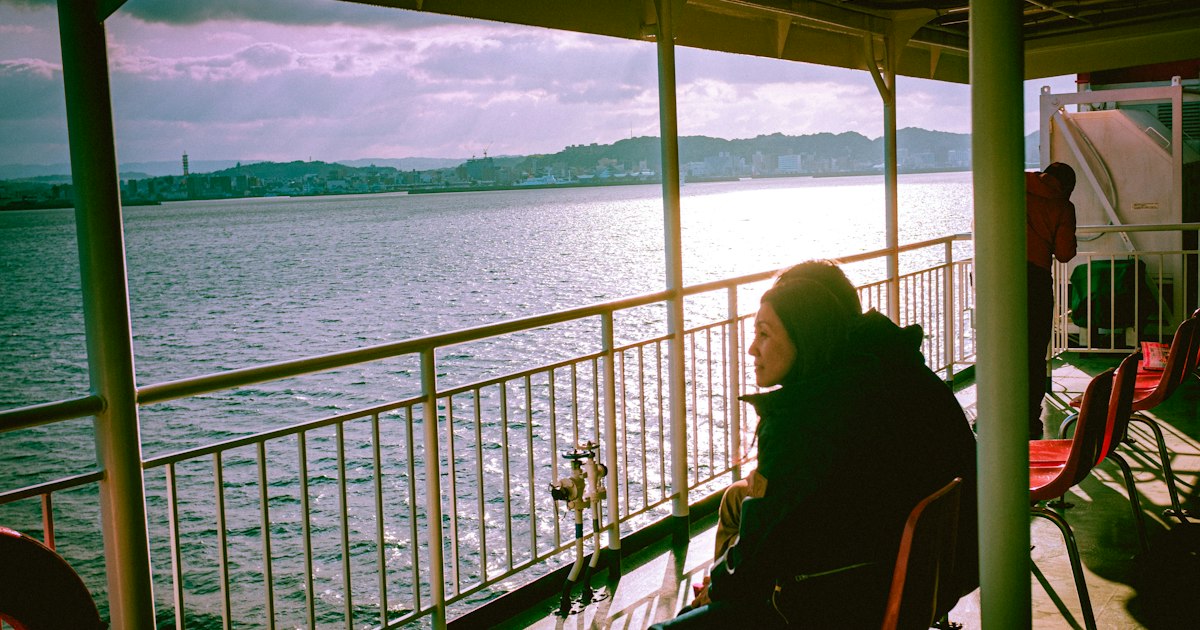
  • Long-Distance Ferries in Japan: Osaka to Beppu and Beyond

    Long-Distance Ferries in Japan: Osaka to Beppu and Beyond

    Photo by Christian Chen on Unsplash

    Japan’s bullet trains get all the attention, but the country also has a genuinely great overnight ferry network — slower, cheaper than flying with a car or bike, and honestly one of the more relaxing ways to cover long distances. The flagship route for most visitors is Osaka to Beppu, an overnight sail through the Seto Inland Sea that drops you in Kyushu’s biggest onsen town by breakfast. Here’s how it works, what it costs, and where else these ferries can take you.

    The Osaka–Beppu Ferry Sunflower

    The Osaka–Beppu route is operated by Ferry Sunflower, using large car ferries that sail nightly in both directions. Ferries depart Osaka’s Nanko Ferry Terminal in the early evening (around 19:50) and arrive in Beppu the following morning (around 06:20–06:35), a crossing of roughly 11.5 hours. Going the other direction, ferries leave Beppu in the evening and reach Osaka the next morning. Either way, you sleep through most of the distance and wake up somewhere completely different — no wasted vacation day sitting on a train.

    The Osaka terminal is at Nanko, in the south of the city. Take the Osaka Metro Chuo Line to Cosmosquare, transfer to the New Tram (Nanko Port Town Line), and get off at Nanko-guchi or Ferry Terminal Station; it’s about 45 minutes from central Osaka including the walk. In Beppu, the ferry port is a short bus or taxi ride from Beppu Station, and a shuttle bus timed to arrivals and departures usually runs for a small fee.

    Cabin Classes and Prices

    Fares vary by season (peak periods like Golden Week, Obon in August, and New Year cost more) and fuel surcharges shift year to year, so treat these as ballpark figures and check the current fare table before booking:

    • Budget: Tourist/2nd class shared tatami rooms, roughly ¥9,000–11,000 one way. You get a futon mat in a large shared room — fine for one night, and how most backpackers travel this route.
    • Mid-range: 2nd-class private or semi-private cabins with bunks, roughly ¥13,000–18,000, worth it if you want a locking door and an actual night’s sleep.
    • Splurge: First-class and special (suite-style) cabins with a window, sofa, and private bathroom, roughly ¥20,000–35,000+. These book out fastest in summer.

    You can also bring a car, motorcycle, or bicycle for an additional fee based on vehicle length — a real advantage if you’re planning a Kyushu road trip and don’t want to drive the whole way down from Kansai. Onboard there’s a restaurant, a bath (often with a window over the sea), vending machines, and an observation deck; some older ships still lean on cash for onboard purchases, so carry some yen even if your cards work fine on land.

    Best Time to Sail and What You’ll See

    Summer evening departures from Osaka catch sunset light over the Akashi Kaikyo Bridge not long after leaving port, and the ship threads narrow channels between small Seto Inland Sea islands before open water — bring a layer for the deck, since it gets breezy after dark. Arriving into Beppu in the early morning, you’ll often see steam rising from the town’s onsen before you’ve even docked, which is a nice way to arrive at a hot spring destination. Typhoon season (roughly August–September) occasionally causes delays or cancellations, so build in a buffer day if you’re sailing then, and winter crossings can be rougher but are usually cheaper and easier to book.

    Common Mistakes to Avoid

    The biggest one is assuming you can book same-day during Obon, New Year, or Golden Week — cabins, especially private ones, sell out weeks ahead in these windows. Check-in also closes well before departure (usually 30–60 minutes), so don’t plan to arrive at the terminal at the last minute after a full day of Osaka sightseeing. If you’re bringing a vehicle, arrive even earlier, since loading takes longer than foot passenger boarding. Finally, don’t assume every route runs daily year-round — some long-haul ferries drop to a few sailings per week outside peak season, so always confirm the actual day and time before building your itinerary around it.

    Other Long-Distance Ferries Worth Knowing

    Osaka–Beppu is the most tourist-friendly route, but Japan’s ferry network reaches much further:

    • Osaka/Kobe – Miyazaki: Another Sunflower-brand overnight route, around 13 hours, landing you on Kyushu’s less-visited east coast.
    • Osaka/Kobe – Shin-Moji (Kitakyushu): Multiple operators run this shorter Kyushu crossing, useful for connecting toward Fukuoka or Nagasaki without flying. If you’re continuing on to the Kyushu coast, our Nagasaki travel guide covers Dejima, Chinatown, and the Peace Park once you’re on the ground.
    • Tokyo (Ariake) – Tokushima – Kitakyushu: A very long haul (around 34 hours total) that also stops in Shikoku, handy if you’re combining Tokyo with a Setouchi and Kyushu loop.
    • Maizuru/Tsuruga – Otaru: The main sea link to Hokkaido from the Japan Sea side, roughly 20 hours, popular with drivers heading north.
    • Nagoya – Sendai – Tomakomai: A multi-stop route connecting central Honshu to Tohoku and Hokkaido without touching Tokyo.
    • Kagoshima – Naha (Okinawa): A roughly 25-hour southbound route through the Amami Islands — one of the few affordable ways to reach Okinawa without flying.

    Several of these routes pass right through the Seto Inland Sea, the same scenic stretch of water that towns like Onomichi look out over — worth keeping in mind if you’re already building a Setouchi itinerary and want to see it from the water as well as the shore.

    Ferry vs. Train: Which Makes Sense?

    For pure speed, the Shinkansen wins every time — Osaka to Beppu by train and bus takes half the ferry’s crossing time. But the ferry saves you a hotel night, lets you bring a vehicle or oversized luggage cheaply, and is often less expensive than a Shinkansen fare plus accommodation, especially if you’re already comparing costs against a regional JR rail pass. If you’re coming from Kobe rather than Osaka and want an onsen experience before or after your Kyushu trip, it’s also worth weighing a stop at Arima Onsen, Kobe’s own historic hot spring town, against pushing straight on to Beppu.

    Book directly through the ferry line’s website (Ferry Sunflower’s booking system has an English interface) rather than through a general travel agent, since fares and cabin availability update in real time there. Reserve at least a few weeks out for summer sailings, and you’ll land in Beppu well rested and ready for a full day of hot springs rather than jet-lagged off a red-eye flight.

  • Gyomu Super & Local Supermarkets: A Visitor’s Guide to Grocery Shopping in Japan

    Gyomu Super & Local Supermarkets: A Visitor’s Guide to Grocery Shopping in Japan

    Photo by Joschka Silzle on Unsplash

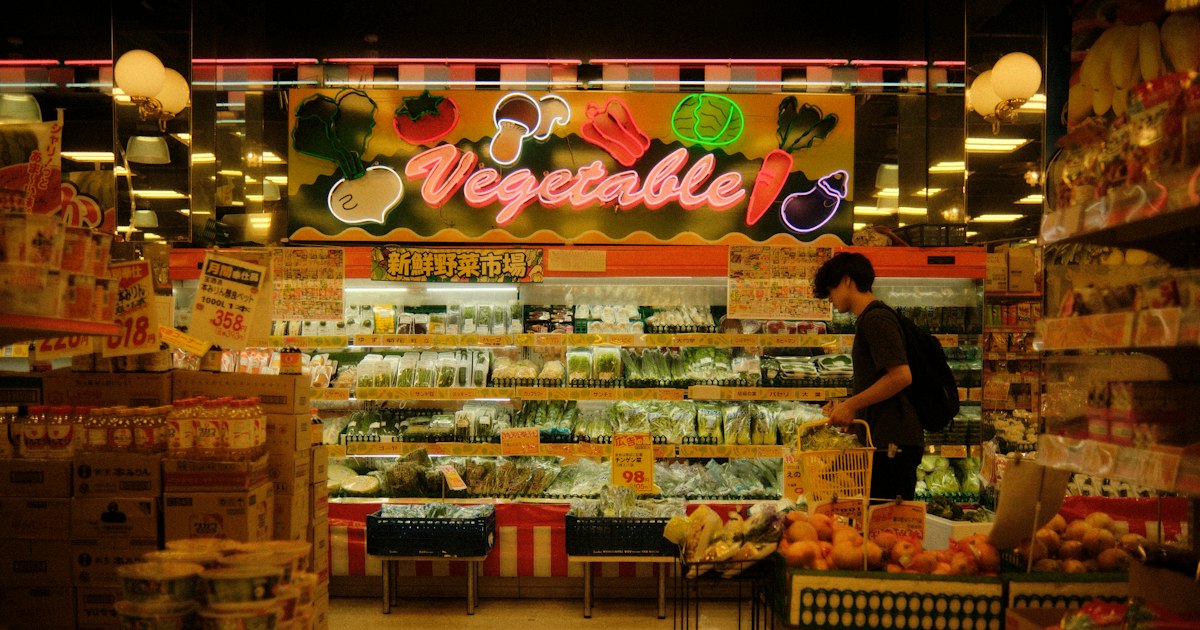
    Skip the souvenir shops for an afternoon and walk into a Japanese supermarket instead. Between the frozen gyoza, the wall of instant ramen, and the seasonal fruit displays, you’ll get a more honest snapshot of daily life here than most museums offer — and you’ll walk out with snacks, cosmetics, and kitchen finds at a fraction of department store prices. Here’s how to shop them like someone who actually lives here.

    What Makes Gyomu Super Different

    Gyomu Super (業務スーパー, “business supermarket”) started as a wholesale supplier for restaurants and now has over 1,000 locations nationwide open to the public. The appeal is volume and price: 1kg bags of frozen mango or blueberries for around ¥500–700, blocks of cheese and butter at prices well below convenience stores, and imported goods (Thai curry paste, Italian pasta, Korean tteokbokki) that are hard to find elsewhere at this cost. Portions run large — many products are restaurant-sized — so it’s better for self-caterers staying a week or more, or for stocking a vacation rental kitchen, than for someone who just wants a single snack.

    Stores are usually plain, warehouse-style buildings with fluorescent lighting and stock piled on pallets rather than pretty shelving. Don’t expect English signage or tax-free service — Gyomu Super is a discount grocery chain, not a tourist shop, and that’s exactly why it’s worth visiting.

    The Other Chains Worth Knowing

    Gyomu Super is one piece of a much larger landscape. A few chains you’ll run into repeatedly:

    • Aeon / Aeon Style / MaxValu — Japan’s largest retail group, found everywhere from city neighborhoods to rural roadsides. Large Aeon Malls often have tax-free counters and English-speaking staff.
    • Life, Summit, Ito-Yokado, Maruetsu — mid-range regional chains, the equivalent of a normal neighborhood grocery store. Reliable, no-frills, good for produce and bento boxes.
    • Seijo Ishii — a step up in price and curation, popular for imported wine, cheese, and its own line of frozen gourmet meals (the frozen beef curry is a cult favorite among residents).
    • Don Quijote (“Donki”) — technically a discount variety store rather than a supermarket, but it stocks groceries, cosmetics, and snacks 24 hours a day and often has a tax-free desk, making it useful late at night when regular supermarkets are closed.

    If you’re road-tripping between regions, also keep an eye out for michi-no-eki roadside stations, which sell local produce and regional specialties you won’t find in city supermarkets at all.

    What to Buy

    Supermarkets are one of the best places to build a souvenir haul without spending much. Good picks: boxed matcha or hōjicha KitKats (¥300–500 for multi-packs, cheaper than airport prices), furikake rice seasoning packets, dashi packs, small bottles of soy sauce or ponzu, and regional instant ramen you can’t get at home. Prepared food counters are worth a look too — pick up an onigiri for a cheap, filling snack (typically ¥120–180), and in season, check the fruit section for a taste of Japan’s famous premium produce culture before splurging on a proper fruit sando at a specialty shop. Evenings are prime time for bento and prepared-food discounts, as stores mark items down 20–50% starting around 7–8pm ahead of closing — look for stickers reading 半額 (half price) or a percentage-off tag.

    Prices, Hours, and Getting There

    Most neighborhood supermarkets open around 9 or 10am and close between 9pm and midnight; Aeon and Donki locations are frequently open until midnight or 24 hours. Gyomu Super stores typically run 9am–8pm and are closed a few days per year around New Year’s. None of these chains cluster near train stations the way convenience stores do — they’re built for local residents doing a weekly shop, so they’re often a 5–15 minute walk from a station in a residential area, or reachable by the bicycles you can rent through Kyoto and Tokyo’s city bike-share systems. Search “Gyomu Super” or “業務スーパー” in Google Maps or Apple Maps and locations near your hotel will show up with hours and reviews.

    Budget travelers can realistically eat well on ¥1,500–2,000 a day buying breakfast and snacks from supermarkets rather than restaurants. Mid-range travelers might spend ¥3,000–4,000 on prepared meals, fruit, and drinks for two. If you want to splurge, department store basement food halls (depachika) sell beautifully packaged sweets and gourmet items at prices several times higher than a regular supermarket — worth it once for the presentation, not for everyday shopping.

    Checkout Etiquette and Common Mistakes

    A few things trip up first-time visitors:

    • Plastic bags cost extra — usually ¥3–5 — since a 2020 nationwide law. Bring a foldable tote or be ready to carry items by hand.
    • Bag your own groceries — the cashier scans and moves items to a tray or basket; you then carry it to a separate packing counter to bag things yourself. Don’t linger at the register once you’ve paid.
    • IC cards work at most chains — Suica, Pasmo, and Icoca are widely accepted, along with major credit cards, though small local shops may be cash-only.
    • Weigh-and-label produce at some stores requires using a self-service scale before checkout — look for signage or ask staff (店員, “ten-in”) if unsure.
    • No tax-free shopping at most standalone supermarkets, since groceries for immediate consumption don’t qualify the way department store souvenirs do; Aeon Mall and Donki locations with tax-free counters are the exception.

    Best Time to Go

    Any season works, but timing your visit around Japan’s produce calendar pays off: strawberries peak from December to April, cherries in June, peaches in July–August, and grapes and persimmons in autumn — all showing up in supermarket displays at a fraction of specialty fruit shop prices. Late December and early January are worth avoiding for Gyomu Super and smaller chains specifically, since many close for a few days around New Year’s, similar to closures you’ll see at other small retailers nationwide.

    Buying more than you can eat before flying home? A number of shelf-stable snacks, sauces, and seasonings travel well in checked luggage, but if you’ve gone overboard, it’s worth reading up on shipping souvenirs home from Japan before you start stress-packing at the airport.

  • Mashiko & Bizen: Japan’s Rustic Pottery Towns and Where to Buy

    Mashiko & Bizen: Japan’s Rustic Pottery Towns and Where to Buy

    Photo by Erik Mclean on Unsplash

    Japan has dozens of historic pottery-producing regions, but two stand out for visitors who want to see kilns, browse hundreds of independent studios, and bring home something no department store sells: Mashiko in Tochigi Prefecture and Bizen in Okayama Prefecture. They sit on opposite sides of the country and produce completely different-looking ware, but both are easy, rewarding day trips (or overnight stays) if you know when to go and how to get there.

    Two Very Different Clays

    Mashiko-yaki (益子焼) is thick, warm, folk-craft pottery — often finished in cream, brown, or “nuka” (rice-husk ash) glazes. It became internationally known through Shoji Hamada, a leader of the mingei (folk art) movement who settled here in the 1920s and helped turn a farming village into one of Japan’s biggest craft towns. Expect functional, everyday tableware: mugs, rice bowls, plates.

    Bizen-yaki (備前焼), from Imbe in Bizen City, is the opposite aesthetic: unglazed stoneware fired for one to two weeks in wood-burning kilns, where ash and flame create natural reddish-brown, mottled, or streaked surfaces (yohen). No two pieces look alike because nothing is painted or glazed on — the color comes entirely from the fire. Bizen is one of Japan’s “Six Ancient Kilns,” a group of pottery towns with continuous production traced back roughly a thousand years, and it’s especially prized for sake cups and tea ceremony ware because unglazed clay is said to soften the taste of drinks.

    Mashiko: Tokyo’s Easiest Pottery Day Trip

    Mashiko is about 90 minutes to 2 hours from central Tokyo, which makes it doable even on a tight itinerary. The town’s main pottery street, Jonaizaka, is lined with kilns, galleries, and shops, and the Mashiko Sankokan (陶芸メッセ益子 / Hamada Shoji Reference Collection Museum) preserves Hamada’s former home, workshop, and kiln — worth the roughly ¥800 admission if you want context before you start buying.

    Most shops are open daily from around 9:00 or 10:00am to 5:00 or 5:30pm, though many smaller studios close one day a week (often Tuesday or Wednesday) at owners’ discretion, so don’t plan a trip around a single shop without checking first. The town holds two major pottery fairs (陶器市) a year — around Golden Week (late April to early May) and in early November — when hundreds of extra stalls set up along the main road and prices drop on seconds and overstock. These fairs are also the town’s busiest days, so expect crowds and book accommodation early if staying overnight.

    Getting to and Around Mashiko

    The simplest route from Tokyo is the direct highway bus from Tokyo Station (Yaesu side) to Mashiko, which runs a few times a day and takes about 2 hours for roughly ¥2,500–3,000 one way. The train alternative is JR or Tobu to Utsunomiya, then a Mashiko-Ijichi line bus (about 1 hour, roughly ¥1,200) into town. Once there, everything of interest is walkable or a short taxi ride from the central bus terminal, and a few shops rent bicycles for exploring the outer studios. If you’re stringing together a Kanto rail itinerary, it’s worth checking the regional JR rail passes guide, since JR East coverage can shave the Utsunomiya leg’s cost if you’re already holding one.

    Bizen: The Six Ancient Kilns’ Rustic Heart

    Imbe, the historic core of Bizen ware, is a compact station town where the main street running from Imbe Station is packed with kiln shops, artist galleries, and the Bizen Ware Traditional Industry Center (備前焼伝統産業会館), a good one-stop shop with work from many different kilns and price points under one roof, open roughly 9:00am–5:30pm (closed Mondays if a holiday falls on Tuesday). Because Bizen firing is slow, fuel-intensive, and unpredictable, expect prices noticeably higher than Mashiko for equivalent-sized pieces — that scarcity and hand-labor is part of what collectors pay for.

    The Bizen Pottery Festival (備前焼まつり) takes place annually in mid-October, when kilns sell factory-second and discounted pieces directly, often at 20–50% off gallery prices — genuinely one of the best pottery-shopping days in Japan if your trip dates align. Outside festival season, Imbe is quiet and unhurried, closer to visiting artist studios than a tourist market.

    Getting to and Around Bizen

    Imbe Station is on the JR Ako Line, about 40–50 minutes from Okayama Station (transfer at Osafune or Nishi-Katakami depending on the service), with fares around ¥770. Okayama itself is a Shinkansen stop roughly 45 minutes from Osaka or 3 hours from Tokyo, which makes Bizen an easy add-on if you’re already routing through the San’yo corridor. Since you’ll likely be based in Okayama, it’s worth pairing the trip with the Kurashiki Bikan canal district, about 20 minutes from Okayama Station in the opposite direction, to turn a pottery day trip into a fuller regional loop. Imbe itself is entirely walkable — the shopping street is a five-minute walk from the station exit.

    What to Buy and How Much to Pay

    • Mashiko budget: mugs and small bowls from independent studios run ¥1,500–3,500; a full set of five matching rice bowls is often ¥8,000–15,000.
    • Mashiko mid-range/splurge: named-artist plates or serving dishes run ¥6,000–20,000+; pieces by well-known kilns connected to the Hamada lineage can go considerably higher.
    • Bizen budget: a guinomi (sake cup) typically starts around ¥3,000–5,000 even from lesser-known kilns — Bizen rarely dips below Mashiko’s entry price point.
    • Bizen mid-range/splurge: a tea bowl (chawan) with good yohen coloring commonly runs ¥15,000–50,000, and vases or works by designated Living National Treasures or their studios can reach six figures in yen.

    Common mistakes to avoid: don’t assume every shop takes credit cards — many smaller studios in both towns are cash-only, so carry enough yen. Don’t buy the first piece you like at the first shop; both towns have enough density that comparing five or six studios before committing is normal and expected. And don’t underestimate weight and breakage risk — a boxed dinner set is heavy and fragile in a suitcase. If you’re buying more than a piece or two, it’s worth reading the guide on shipping souvenirs home from Japan before you shop, since many pottery shops in both towns will pack and ship domestically or internationally for you at the counter, usually for a reasonable added fee.

    Best Time to Go

    For Mashiko, time your visit to the spring or autumn pottery fair if you want the widest selection and festival energy, or come on an ordinary weekday if you’d rather browse without crowds and get more attention from shop staff. For Bizen, mid-October’s pottery festival is the standout date for value, but any weekday outside of that is a calm, uncrowded way to see working kilns. Both towns are functional year-round destinations — pottery shopping doesn’t depend on cherry blossoms or foliage — so they’re a good fit for a rainy day or a shoulder-season itinerary when outdoor sightseeing is less appealing.

  • Fruit Sando & Japan’s Luxury Fruit Culture: A Visitor’s Guide

    Fruit Sando & Japan’s Luxury Fruit Culture: A Visitor’s Guide

    Photo by Mateo Krossler on Unsplash

    A triangle of crustless white bread, a cross-section of glossy strawberries suspended in whipped cream — Japan’s fruit sando has become one of the country’s most photographed foods, and behind it sits a much older, stranger tradition: a national obsession with perfect, expensive fruit. Understanding both halves makes for a much better trip, whether you’re grabbing a ¥350 sandwich from a convenience store fridge or eyeing a single melon that costs more than a hotel night.

    What Fruit Sando Actually Is

    Fruit sando (フルーツサンド) is made with shokupan, Japan’s soft, slightly sweet milk bread, spread thickly with lightly sweetened whipped cream and packed with fruit before being sliced so the cut face shows a clean cross-section of the fruit inside — strawberries are the classic choice because they slice into neat red circles, but mixed versions with kiwi, orange, melon, and muscat grapes are common too. It isn’t a new invention; fruit parlors have served versions of it for decades. What changed is Instagram: the graphic, stained-glass look of the sliced fruit made it a viral hit in the late 2010s, and now everything from convenience stores to century-old fruit specialists sells one.

    Where to Buy It: Budget to Splurge

    Budget (¥280–500): Every FamilyMart, Lawson, and 7-Eleven keeps a few fruit sando in the chilled sandwich case, usually near the onigiri (if you haven’t tried those yet, see our guide to Japan’s rice balls for the same aisle). JR East’s NewDays kiosks inside stations sell them too, which makes for a good grab-and-go breakfast before a shinkansen. Quality varies by chain and even by store, but it’s a legitimately good sandwich, not a novelty.

    Mid-range (¥600–1,200): Department store basement food halls (depachika) — Isetan Shinjuku, Takashimaya, and Mitsukoshi in Ginza or Nihonbashi are the best-known — sell fresher, more generously filled versions from specialty bakeries and fruit shops. This is the sweet spot for most visitors: noticeably better fruit and cream than convenience stores, still affordable.

    Splurge (¥1,500–3,000+): Dedicated fruit parlors build sando around whatever fruit is at its peak that week, often with a single showcase fruit like a whole peach half or premium muscat grapes.

    The Classic Fruit Parlors

    Two names come up constantly. Senbikiya, founded in 1834 in Nihonbashi and generally considered Japan’s oldest fruit specialty retailer, runs “Fruits Parlor Senbikiya” locations in Nihonbashi and Ginza where you can sit down for a fruit sando or an elaborate fruit parfait (parfaits run roughly ¥3,000–5,000). Takano Fruit Parlor, on the upper floors of the Takano building just outside Shinjuku Station’s east exit, is equally famous for its melon parfaits and fruit sando. Both are typically open from late morning into the evening (roughly 11:00–19:00, with last orders earlier), but hours shift seasonally and around holidays, so check the current schedule before you go. Weekend queues of 30–60 minutes are normal at both; arriving right at opening is the easiest way around that. If you like the retro-cafe atmosphere of these parlors, it’s worth pairing this with a stop at a kissaten, Japan’s old-school coffee shops, many of which also serve fruit sando and parfaits as a house specialty.

    Why a Melon Can Cost ¥15,000

    Japan’s luxury fruit market is real and not a tourist myth. Muskmelons grown one-per-vine and individually netted for a flawless pattern commonly sell as gifts for ¥5,000–15,000 each. Hokkaido’s Yubari King melons are the most famous; the first-of-season pair auctioned in Sapporo has fetched headline prices, including a widely reported ¥5 million for two melons in 2019. Ishikawa’s Ruby Roman grapes have set similar records at auction, with single bunches selling for over ¥1 million. These auction prices are ceremonial — buyers are paying for prestige and publicity — but everyday “premium” fruit at this tier genuinely costs 10–20 times what the same fruit costs elsewhere, because of hand-pollination, strict thinning to one fruit per plant, and rigorous grading for shape, color, and sugar content. Fruit here is a gift category unto itself, on par with flowers or wine, which is why depachika fruit counters wrap a single melon in a wooden box with as much care as jewelry.

    Best Season for Fruit Sando and Fresh Fruit

    • Strawberries (December–May, peak January–March): the default sando filling almost year-round thanks to greenhouse growing, but at its best and cheapest in winter.
    • Peaches (July–August): Yamanashi, Fukushima, and Okayama peaches are prized enough that some parlors build an entire sando or parfait around a single half.
    • Muscat and Shine Muscat grapes (August–October): Okayama Prefecture is the heartland for these seedless, intensely sweet grapes — if you’re visiting the canal town of Kurashiki, look for muscat sando and parfaits locally, since the fruit rarely travels as fresh or cheap elsewhere.
    • Mikan and citrus (November–February): winter’s answer to summer melon, mostly from Ehime and Wakayama.

    If you’re road-tripping through fruit-growing regions, Japan’s michi-no-eki roadside stations are the best place to buy fruit direct from local farms at a fraction of city prices — well worth a stop even if you’re just after a snack for the car. And if a specific region’s fruit is the whole reason for your trip (Yamanashi peaches, Yubari melon, Okayama muscat), it’s worth checking whether a regional JR rail pass covers the route more cheaply than individual tickets.

    Common Mistakes to Avoid

    Confusing melon pan with actual melon. Melon pan (メロンパン) is a sweet bun scored to look like a melon’s rind — it does not contain or taste like melon, usually just vanilla. It’s a different product from anything in this guide, and a very common point of confusion for first-time visitors.

    Letting fruit sando sit too long. The cream isn’t heavily stabilized and the fruit is fresh-cut, so these are meant to be eaten the day of purchase, ideally within a couple of hours — not left in a tote bag during a full day of sightseeing, especially in summer heat.

    Assuming you can bring fresh fruit home. Fresh fruit almost never clears customs into the US, EU, Australia, or most other countries, so treat luxury melons and grapes as something to eat in Japan, not to pack. If you want a fruit-themed souvenir that travels, look for fruit jellies, juices, or dried fruit from the same shops — and see our guide to shipping souvenirs home if you’re sending a larger haul of packaged sweets rather than carrying them.

    Fruit sando rewards curiosity at every price point — there’s no wrong way to start, whether that’s a ¥350 convenience-store version eaten on a park bench or a seated parfait at a 190-year-old parlor in Nihonbashi.

  • Onigiri: Japan’s Rice Ball Guide — Where to Buy & What’s Inside

    Onigiri: Japan’s Rice Ball Guide — Where to Buy & What’s Inside

    Photo by Luigi Pozzoli on Unsplash

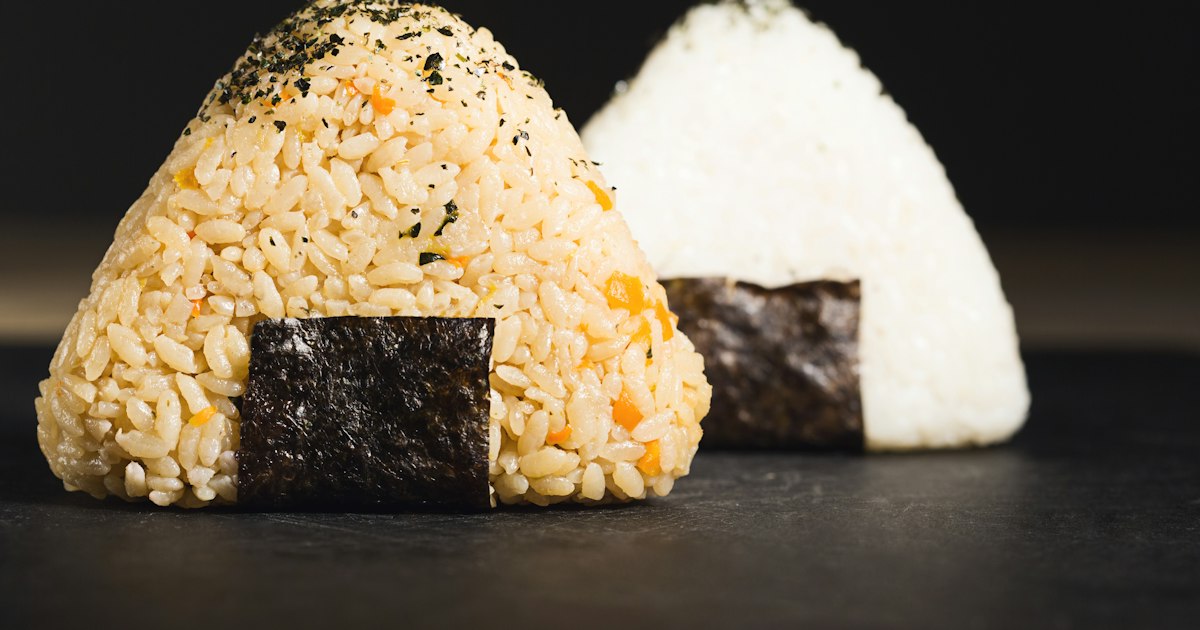
    Onigiri is the food you’ll eat more often than any other in Japan, whether you plan for it or not. It’s the ¥150 lunch you grab at a convenience store between train transfers, the thing your ryokan packs for a hiking day, and, at its best, the centerpiece of a decades-old specialty shop where people line up before opening. This guide covers what’s actually inside these rice balls, where to buy good ones at every budget, and the mistakes that trip up most first-time visitors.

    What Onigiri Actually Is

    Onigiri is a hand-formed ball or triangle of seasoned rice, usually wrapped in a strip of crisp nori (seaweed), with a filling tucked into the center. The rice itself is lightly salted, not sweetened or vinegared like sushi rice — that’s the main giveaway if you’re trying to tell it apart from a sushi roll at a glance. You’ll also see it written as “omusubi,” which is essentially the same food; some regions and shops simply prefer that name.

    The shape matters less than people assume. Triangular is standard in Tokyo, but round and cylindrical shapes show up regionally, and some shops shape onigiri by hand only, which gives a looser, fluffier bite than the machine-pressed convenience store version.

    The Fillings You’ll Actually Find

    Convenience stores stock a fairly fixed rotation, and knowing the kanji or katakana helps you avoid a surprise:

    • Umeboshi (梅干し) — pickled plum, intensely sour and salty. A traditional favorite, divisive for first-timers.
    • Sake / Shake (鮭) — grilled salted salmon flakes, mild and reliable.
    • Tsuna mayo (ツナマヨ) — tuna mixed with Japanese mayonnaise, the closest thing to a “safe” choice for most Western palates.
    • Mentaiko / Tarako (明太子/たらこ) — spicy or plain cod roe, salty and a little briny.
    • Okaka (おかか) — bonito flakes seasoned with soy sauce, savory and umami-forward.
    • Konbu (昆布) — simmered kelp, sweet-salty and chewy.

    Specialty shops go further, filling onigiri with grilled unagi, karaage chicken, mentaiko butter, or seasonal ingredients like matsutake mushroom in autumn. If you like eel, it’s worth reading our guide to unagi before you order an unagi onigiri — the same grading logic (kanto vs kansai style, unadon vs unaju) applies to how shops treat the filling.

    Where to Buy: Budget to Splurge

    Budget (¥120–¥260): convenience stores. 7-Eleven, Lawson, and FamilyMart are the baseline, and honestly a very good one — rice quality is consistent and the nori stays crisp thanks to a clever plastic wrapper with a pull-tab (see the “common mistakes” section below). Seven Premium and Lawson’s private-label onigiri are widely considered the best of the three chains by regular shoppers. Available 24 hours, everywhere.

    Mid-range (¥300–¥600): depachika food halls. The basement food floors of department stores like Isetan Shinjuku, Takashimaya, or Daimaru sell hand-formed onigiri from specialty vendors, often using premium rice varieties like Koshihikari and higher-grade fillings. These make an easy pre-shinkansen lunch since most major stations have a department store attached.

    Splurge (¥350–¥600 per piece, ¥1,500–¥3,000 for a set): specialty onigiri restaurants. Tokyo has a handful of shops built entirely around onigiri. Onigiri Asakusa Yadoroku, near Kappabashi in Asakusa, is generally considered the city’s oldest dedicated onigiri restaurant, operating since the 1950s with a rotating seasonal menu and rice cooked to order — expect it closed on Sundays and holidays, and note it’s cash-only. Onigiri Bongo in Otsuka is famous for fist-sized rice balls and a huge filling menu, with a line that forms well before opening; it’s a short walk from Otsuka Station on the JR Yamanote Line. Both are worth the detour if you want to understand why Japanese people take this simple food seriously.

    Outside Tokyo, roadside michi-no-eki rest stops are an underrated source of regional onigiri if you’re on a road trip — many sell rice balls made with local specialty rice or regional fillings you won’t find in the city.

    Best Time to Eat (and How Long Onigiri Keeps)

    Convenience store onigiri is made fresh daily and marked with a sell-by time, typically 12–24 hours from production — check the small sticker on the back if you’re buying ahead for a hike or long train ride. Once opened, eat it within a few hours; the rice hardens noticeably once refrigerated or left out too long, since starch retrogradation (staling) happens faster in the cold. If you’re packing onigiri for a day trip, buy it in the morning rather than the night before, and avoid leaving it in a hot bag or car — rice with a raw fish or mayonnaise filling especially shouldn’t sit in summer heat for more than an hour or two.

    There’s no strict seasonal window for onigiri itself, but fillings shift with the seasons — you’ll see ikura (salmon roe) and matsutake in autumn, and refreshing umeboshi and shiso leaf combinations pushed more in summer.

    Common Mistakes First-Timers Make

    The plastic wrapper trips up nearly everyone the first time. Convenience store onigiri use a two-layer film specifically designed so the nori stays separate and crisp until you eat it — there’s usually a black arrow or numbered tabs (1, 2, 3) printed on the wrapper. Pull tab 1 first, which splits the wrapper down the middle; then pull the two side tabs (2 and 3) outward and away from the rice. Pulling in the wrong order tears the wrapper and leaves rice stuck everywhere. If in doubt, ask a convenience store clerk to show you once — they’ve done it a thousand times.

    Another common misstep: assuming all onigiri are gentle, plain snacks. Umeboshi and shiozake can be quite salty or sour by design — they were originally preservation methods before refrigeration, not flavor accents. If you want something closer to a safe default, tsuna mayo or okaka are good starting points. Also worth knowing: most convenience store onigiri contain fish, shellfish extract, or bonito flakes even when they look vegetarian, so if you’re avoiding animal products, check the ingredient label (原材料名) or stick to konbu or plain ume varieties.

    Bringing the Flavors Home

    If you get hooked, onigiri is easy to recreate — you mainly need short-grain Japanese rice, nori sheets, and furikake or umeboshi paste, all of which pack well and are sold at most supermarkets and souvenir shops. If you’re buying in bulk toward the end of your trip, our guide to shipping souvenirs home from Japan covers how to mail dry goods like these without paying for excess baggage. And if onigiri gets you curious about other affordable, fast Japanese meals worth comparing, the kaiten-zushi chain comparison is a natural next stop — same rice, very different format.

    Onigiri rewards curiosity more than most Japanese convenience foods. Try a filling you don’t recognize, seek out one specialty shop if your itinerary allows it, and you’ll walk away understanding a food that Japan treats as comfort, craft, and quick lunch all at once.

  • Tenugui: Japan’s Hand Towels and How to Use Them

    Tenugui: Japan’s Hand Towels and How to Use Them

    Photo by Heidi Fin on Unsplash

    Walk into almost any craft shop, department store basement, or festival stall in Japan and you’ll find stacks of thin, colorfully printed cotton cloths folded into neat squares. These are tenugui (手ぬぐい), and they’re one of the most useful — and most overlooked — souvenirs you can bring home. They cost less than a coffee at the low end, pack completely flat, and do far more than dry your hands.

    What Exactly Is a Tenugui?

    A tenugui is a rectangle of thin, plain-weave cotton, almost always about 35cm by 90cm (roughly 14 by 35 inches). Two things set it apart from a Western hand towel. First, the edges are left raw and unhemmed (a finish called kirippanashi) — this is deliberate, not a manufacturing shortcut, since raw edges dry faster and don’t harbor mildew the way a hemmed, looped-pile towel does. Second, traditional tenugui are made using a paste-resist dyeing technique called chusen, where dye is poured through the fabric so the pattern soaks all the way through and looks identical on both sides. That’s the quickest way to tell a “real” tenugui from a cheap printed one: flip it over. If the back is faded or blank, it was printed, not dyed.

    Cheap printed versions sell for as little as 110–330 yen at a 100-yen shop or drugstore. A genuine chusen-dyed tenugui from a craft shop typically runs 800–1,500 yen, and artisan or seasonal limited-edition designs from specialty makers go for 1,200–2,500 yen. Antique or collector’s tenugui can fetch 3,000–8,000 yen and up.

    How Japanese People Actually Use Them

    Historically, tenugui were the all-purpose cloth of daily life before Western towels arrived, and that versatility survives today:

    • Hand or face towel — the original use, still common in bathrooms and kitchens.
    • Dishcloth and place mat — the thin weave absorbs quickly and dries overnight.
    • Wrapping cloth — folded and knotted around a bottle, bento box, or gift, similar to furoshiki but smaller.
    • Headband (hachimaki) — tied around the head at festivals, by chefs, and by manual laborers to catch sweat.
    • Neck towel — draped over the shoulder in summer heat; sushi chefs and craftspeople often keep one tucked into an apron.
    • Wall art — many people buy seasonal-pattern tenugui purely to hang, using a simple wooden display rod called a tenugui-kake (1,500–3,000 yen at craft shops), swapping the design with the seasons.

    That last use is worth knowing about before you shop, because it explains why the patterns matter so much — cherry blossoms and pale pastels appear from February through April, morning glories, goldfish, and fireworks motifs dominate June through August, maple leaves show up in autumn, and pine, crane, and New Year motifs arrive in December. Shops rotate stock seasonally, so a design you love in spring may be gone by summer.

    Where to Buy Them in Tokyo

    The most reliable specialty shop is Kamawanu, founded in 1987, with a flagship near Omotesando/Aoyama and additional branches around the city (Kamawanu also has a shop in the Tokyo Solamachi complex at Skytree). Designs lean playful and contemporary — animals, food motifs, modern graphic patterns — priced around 900–1,300 yen. Most locations open roughly 11am–7pm.

    For a more old-school experience, head to Fujiya in Asakusa, on the covered street just south of and parallel to Nakamise-dori (Denboin-dori). It’s a small, long-running family shop specializing in hand-dyed tenugui with witty Edo-style graphics, and it’s an easy stop after visiting Sensoji — the shop is a short walk from Asakusa Station on the Ginza and Asakusa subway lines. Note that small specialty shops like this can have irregular closing days, so it’s worth checking ahead if this is your only reason for the trip.

    Where to Buy Them in Kyoto

    Kyoto’s textile heritage runs deep, and Eirakuya, founded in 1615, is the city’s best-known tenugui specialist. The main shop sits in Nakagyo-ku near the Karasuma-Oike subway station, with a smaller branch inside Kyoto Station, making it an easy add-on if you’re catching a train. Classic patterns — waves, checkerboards, stylized flora — run 1,000–2,500 yen. If you’re already exploring Kyoto’s old merchant quarters, this pairs naturally with a wander through the city’s traditional shopping streets the same afternoon.

    Budget, Mid-Range, and Splurge Picks

    For a cheap, functional souvenir to hand out to a group, the 100-yen-shop or drugstore printed versions are fine — just don’t expect the through-dyed color or soft hand-feel of a real one. For a genuine gift you’d be happy giving to someone with taste, a mid-range chusen tenugui from Kamawanu or a department store craft floor (Isetan, Takashimaya, and Daimaru all carry them) at 900–1,800 yen is the sweet spot. For a splurge, look for artisan-signed or historically patterned pieces at Eirakuya or a museum shop — some ukiyo-e-inspired designs pair nicely with a visit to a print specialist, if you’re already browsing Japanese woodblock prints on the same trip.

    Common Mistakes to Avoid

    Assuming the raw edges are unfinished and need hemming — don’t sew them; the fraying stops naturally after a wash or two and hemming defeats the fast-drying design.

    Using fabric softener — it coats the cotton fibers and kills the absorbency that makes tenugui useful in the first place. Wash in plain detergent, and wash a new one separately the first time since chusen dyes can release a little color.

    Buying at airport gift shops without comparing — the same designs, and often better ones, are usually cheaper at neighborhood specialty shops than at airport souvenir counters.

    Mistaking printed for dyed — if you want the real thing, check both sides of the cloth before you pay a craft-shop price for a machine-printed one.

    Overpacking them folded in a suitcase corner — they’re thin enough to roll instead, which avoids sharp creases in the dye and saves space.

    Packing and Bringing Them Home

    Tenugui are about as travel-friendly as souvenirs get: flat, light, and cheap to ship if you go overboard buying seasonal patterns. If you end up with more than fits in your bag, a small parcel of folded tenugui is exactly the kind of low-value, lightweight item worth mailing rather than hauling — our guide to shipping souvenirs home from Japan covers post office versus courier costs if you need to send a box ahead. And if you’re building out a shopping list of small, distinctly Japanese items beyond tenugui, traditional crafts like furin wind chimes and custom hanko stamps make good companions on the same shopping afternoon — all three are inexpensive, easy to pack flat or small, and hard to find outside Japan.

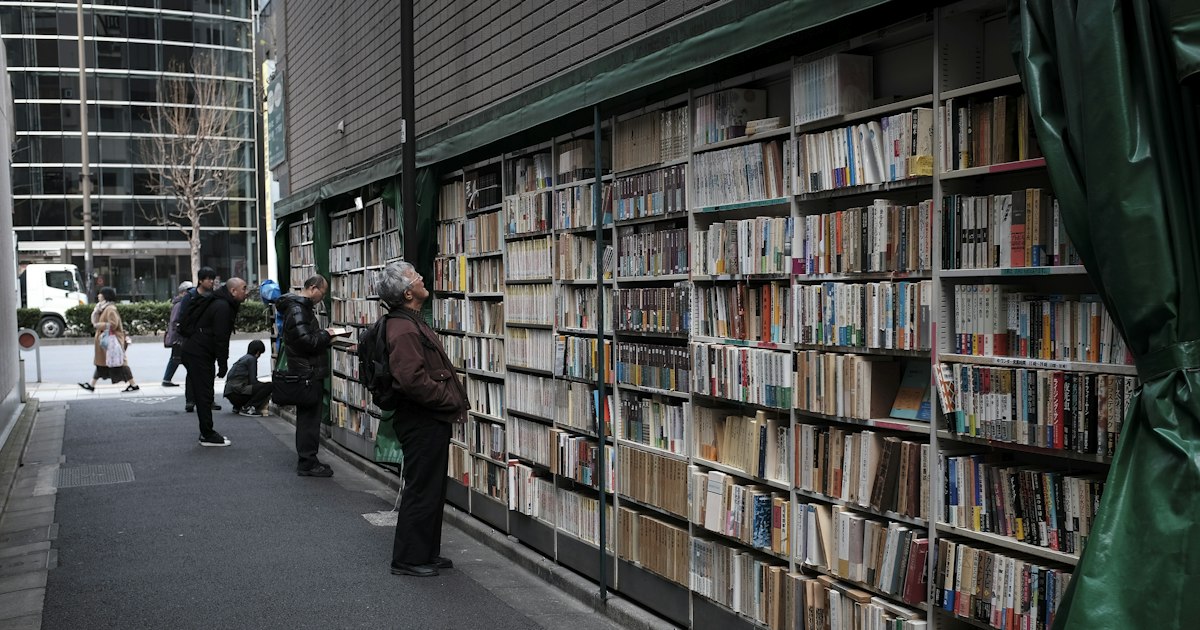
  • Jimbocho: A Book Lover’s Guide to Tokyo’s Secondhand Bookstore District

    Jimbocho: A Book Lover’s Guide to Tokyo’s Secondhand Bookstore District

    Photo by Hakan Nural on Unsplash

    Jimbocho (神保町) doesn’t look like much at first glance — a few blocks of low-rise buildings along a busy avenue in Chiyoda ward. But step inside any of the more than 100 secondhand bookstores packed into this small district and you’ll understand why it’s often called the largest concentration of used bookshops anywhere in the world. Some have been run by the same family for four generations, selling everything from 100-yen paperbacks to Edo-period woodblock prints locked behind glass. Even if you can’t read a word of Japanese, it’s one of the most atmospheric neighborhoods in central Tokyo to spend a slow afternoon.

    Getting There

    Jimbocho Station is served by three lines — the Toei Mita Line, Toei Shinjuku Line, and Tokyo Metro Hanzomon Line — so it’s an easy stop no matter which pass you’re using. Exit A7 puts you directly on Yasukuni-dori, the main street where most of the bookstores cluster. Ochanomizu Station (JR Chuo/Sobu Line or Tokyo Metro Marunouchi Line) is also about a 10-minute walk away and worth combining with a visit, since the route between the two stations passes musical instrument shops and a cluster of sporting goods stores that make for good browsing on the way.

    The core shopping area is compact: Yasukuni-dori (the main road, lined with the bigger antiquarian dealers) and Suzuran-dori (a narrower side street one block south, with smaller and quirkier shops) can both be walked end to end in about 15 minutes — though budget at least two to three hours if you actually want to go inside stores.

    How to Browse: Store Types and Prices

    Most shops specialize, and it helps to know roughly what you’re looking for before you start:

    • General used bookstores stock everything from manga to academic titles, with paperbacks commonly priced ¥100–¥800.
    • Kitazawa Bookstore, open since 1902, is the go-to shop for English-language books — antiquarian Western literature, art books, and academic titles, generally ¥1,000–¥10,000 depending on rarity.
    • Isseido Booksellers, one of the oldest shops in the district (since 1913), deals in fine Japanese literature, historical documents, and antiquarian material for serious collectors.
    • Ohya Shobo specializes in original ukiyo-e woodblock prints and antique maps, with prints typically running from around ¥3,000 for common designs into the tens of thousands of yen for well-preserved Hiroshige or Hokusai pieces. If prints are your main interest, it’s worth reading our guide to Japanese woodblock prints (ukiyo-e) before you go, so you know what separates an original from a modern reproduction.
    • Magnif is known for vintage magazines, fashion photography books, and old advertising ephemera — a favorite with designers.

    Most stores open around 10:00–10:30am and close between 18:30 and 19:00. A meaningful number close on Sundays, since foot traffic drops without the weekday office crowd from nearby universities and publishing houses, so a Saturday or weekday visit is more reliable than a Sunday one. Prices are fixed and clearly marked in yen — haggling isn’t part of the culture here, even at the small stalls. Bring cash; while larger shops increasingly take cards and IC cards like Suica, many of the smaller family-run stores are still cash-only.

    The Kanda Book Festival: Best Time to Visit

    If your trip lines up with it, the Kanda Used Book Festival (神田古本まつり) is the single best time to visit. Held annually for about a week in late October to early November along Yasukuni-dori, dozens of shops move discounted stock out onto outdoor tables and stalls, and the street fills with browsers even on weekdays. Exact dates shift year to year, so check closer to your travel dates, but it reliably falls in that autumn window when Tokyo’s weather is also at its most pleasant for walking around outdoors. Outside festival season, weekday afternoons are the quietest and most pleasant time to browse without crowds.

    Beyond Books: Curry and Coffee

    Jimbocho’s other claim to fame is Japanese curry rice. The neighborhood’s proximity to Meiji-era universities meant cheap, filling curry shops sprang up to feed students, and several from that era are still running — Kyoueikan, founded in 1924, is one of the oldest and most famous, serving a thick, dark roux-style curry for around ¥1,000–¥1,300 a plate. Bondy and Manten are two other long-running favorites nearby. If Japanese curry is new to you, our beginner’s guide to kare raisu explains the different regional styles and what to order.

    For a coffee break between shops, Jimbocho has several classic kissaten (retro coffee shops), including Sabouru, a cave-like basement cafe near the station that’s been serving siphon coffee since the 1950s. Our guide to kissaten and what to order is useful background if you haven’t been to one before — the ordering etiquette and menu differ from a modern chain cafe.

    Common Mistakes to Avoid

    • Expecting mostly English stock. The vast majority of inventory is in Japanese. Kitazawa Bookstore is the reliable exception for English titles; don’t assume other shops will have much for non-Japanese readers.
    • Visiting on a Sunday and finding several favorite shops shuttered — check individual store hours if a specific shop is your main target.
    • Trying to see everything in one pass. With 100+ shops, it’s more enjoyable (and less exhausting) to pick two or three streets or store types and go deep rather than trying to walk in and out of every storefront.
    • Assuming prices are negotiable. They’re not — prices are fixed and typically pencilled directly inside the book’s cover.
    • Forgetting how heavy books get. If you buy more than a few, especially large art books or print portfolios, consider shipping them home rather than carrying them for the rest of your trip. Our guide to shipping souvenirs home from Japan compares post office and courier options and pricing.

    Budget, Mid-Range, and Splurge Options

    On a tight budget, the 100-yen carts and bargain bins set up outside many general stores are genuinely worth digging through — you’ll find old photo books, manga volumes, and Japanese paperbacks for less than the price of a coffee. Mid-range shoppers should budget ¥2,000–¥8,000 for a well-preserved English-language antiquarian title from Kitazawa or a decent ukiyo-e reproduction. For a splurge, an original Edo or Meiji-period woodblock print in good condition from a specialist like Ohya Shobo can run ¥20,000–¥100,000 or more — ask the shop for a certificate or documentation of authenticity, since this matters both for insurance and for customs when you travel home.

    Jimbocho rewards unhurried visitors more than almost any other Tokyo neighborhood. There’s no single must-see landmark — the appeal is in the browsing itself, the smell of old paper, and the chance of finding something you didn’t know you were looking for.

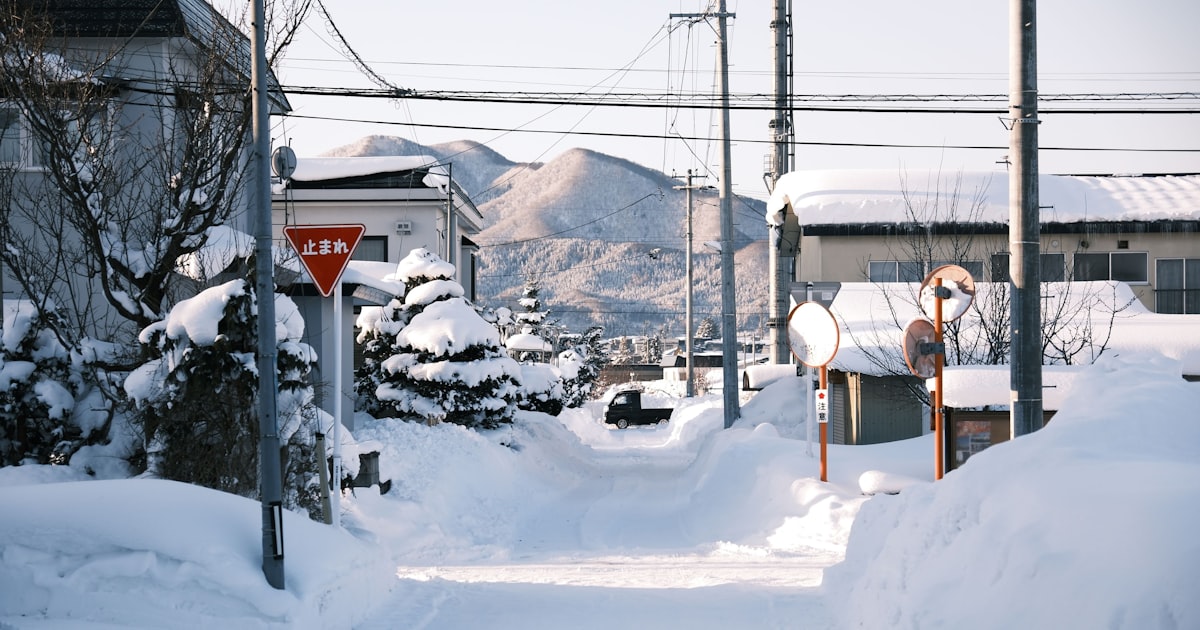
  • Ginzan Onsen: Tohoku’s Snow-Covered Hot Spring Town

    Ginzan Onsen: Tohoku’s Snow-Covered Hot Spring Town

    Photo by Seiya Maeda on Unsplash

    Picture a narrow river gorge lined with three- and four-story wooden ryokan, gas lamps flickering on at dusk, and snow piling softly onto sloped roofs. That’s Ginzan Onsen, a small hot spring town tucked into the mountains of Obanazawa City in Yamagata Prefecture. It’s one of the most photogenic places in Tohoku, and unlike many “hidden gem” claims, this one earns it — provided you time your visit and plan the logistics correctly, since it’s genuinely remote and books up fast in winter.

    What Makes Ginzan Onsen Special

    Ginzan means “silver mountain,” named after the Nobezawa silver mine that operated nearby from the Edo period until the early 20th century. Once the mine closed, the town reinvented itself around its hot springs. A major flood in 1913 destroyed much of the original settlement, and the wooden multi-story ryokan you see lining the river today were largely rebuilt in the Taisho-era (1912–1926) style that gives the town its distinctive retro look — ornate balconies, latticed windows, and gas-style street lamps.

    The town is frequently compared to the bathhouse town in Spirited Away. Studio Ghibli has never officially confirmed Ginzan Onsen as a direct inspiration, but the visual resemblance — especially at night with the lamps lit and snow falling — is strong enough that the comparison shows up in nearly every review and photo caption you’ll find.

    Getting There

    Ginzan Onsen has no train station of its own, so plan for a two-leg trip. The most common route from Tokyo is the Yamagata Shinkansen (Tsubasa) from Tokyo Station to Ōishida Station, a ride of roughly 2 hours 45 minutes costing around ¥11,000–12,000 one-way (unreserved). If you’re using a rail pass for the wider trip, check whether it covers this stretch — see this breakdown of regional JR rail passes covering JR East, since a Tohoku-area pass can offset the shinkansen fare if you’re combining Ginzan Onsen with other Yamagata or Miyagi stops.

    From Ōishida Station, a local bus (operated by Hanagasa/Obanazawa community bus services) runs to Ginzan Onsen in about 40 minutes for approximately ¥1,100 one-way; buses run a limited number of times per day, so check the timetable before you leave Tokyo rather than assuming a bus is waiting. A taxi from Ōishida costs roughly ¥7,000–8,000 and takes about 30 minutes — worth it if you’re traveling with luggage or missed the last bus. If you’re driving, note that private cars are barred from the town’s main street during daytime hours (roughly 10am–5pm); you’ll park in a lot at the town entrance and either walk in (about 15–20 minutes) or catch the seasonal shuttle bus.

    Best Time to Visit

    Ginzan Onsen is beautiful year-round, but winter (mid-December through February) is when it earns its reputation. Fresh snow on the ryokan roofs combined with the gas lamps switching on around 5–6pm creates the scene everyone comes for. Late December through January typically has the most reliable snow cover. Aim to arrive by mid-afternoon and stay until after the lamps are lit — day-trippers who leave by 4pm miss the entire reason people come.

    Autumn (late October–early November) brings good foliage color on the surrounding hillsides with far fewer crowds and easier ryokan bookings. Summer is cooler than most of Japan thanks to the elevation, but lacks the snow atmosphere. Whatever season, weekends and Japanese holidays (New Year, Golden Week, Obon) bring heavier crowds on the narrow main street — weekday visits are noticeably calmer.

    Where to Stay: Budget to Splurge

    Staying overnight is strongly recommended over a day trip, both because the lamplit evening is the highlight and because the last bus back to Ōishida runs relatively early.

    • Budget: Simpler minshuku-style lodging in or near the town runs from around ¥10,000–15,000 per person per night with two meals. Rooms are basic but the location is the same.
    • Mid-range: Standard ryokan with private or shared onsen bathing typically run ¥20,000–30,000 per person per night including dinner and breakfast — the most common bracket for the well-known riverside inns.
    • Splurge: A handful of ryokan, including one renovated by a prominent contemporary architect, offer upgraded rooms and kaiseki dinners from roughly ¥40,000–60,000+ per person per night. These book out months in advance for winter weekends.

    Book as early as you can — three to six months ahead for winter Friday/Saturday nights is not unreasonable, since the town has a genuinely small number of rooms.

    What to Do Besides Soaking

    If you’re not staying at a ryokan with its own bath, two public bathhouses — Shirogane-yu and Kajika-yu — let non-staying visitors bathe for around ¥500 each. There’s also a free footbath (ashiyu) near the central bridge, a good option if you just want to warm up while wandering rather than commit to a full bath. The town itself is walkable in under 15 minutes end to end, so budget your time for photography, browsing small craft and snack shops, and simply sitting somewhere with a hot drink as the lamps come on. Obanazawa City is also known for its local beef and soba, both worth trying at a town restaurant before you head back to the station.

    If you pick up local crafts or snacks and don’t want to carry them for the rest of your trip, this guide to shipping souvenirs home from Japan covers post office and courier options — useful since Ginzan Onsen itself has no shipping counter, so you’d handle this from a larger town like Yamagata or Sendai.

    Common Mistakes to Avoid

    • Treating it as a quick day trip. The round-trip bus/train logistics from Tokyo eat most of a day; without an overnight stay you’ll likely miss the evening lamplight, which is the main draw.
    • Booking too late. Winter weekend rooms sell out months ahead. If your dates are fixed, book as soon as you know them.
    • Assuming you can drive right up to your ryokan. The daytime car ban means you’ll need to park outside town and walk or shuttle in with your luggage — pack light or confirm your ryokan offers luggage pickup from the parking area.
    • Skipping the bus timetable check. Buses from Ōishida run infrequently; missing one can mean a long wait or an expensive taxi.
    • Expecting nightlife or big dining variety. This is a small, quiet town — most visitors eat at their ryokan. Come for the atmosphere and the bath, not bars or shopping variety.

    For a similarly historic but easier-to-reach hot spring town, Kansai travelers often compare notes with Arima Onsen near Kobe — useful context if you’re deciding which onsen town fits your itinerary better. Ginzan Onsen takes more effort to reach, but for snow-season atmosphere, it’s hard to match.