Japan Trove

Author: JapanTrove Editorial

  • Kuruma Oharai: Japan’s Shrine Ritual for Blessing a New Car

    Kuruma Oharai: Japan’s Shrine Ritual for Blessing a New Car

    Photo by Juliana Barquero on Unsplash

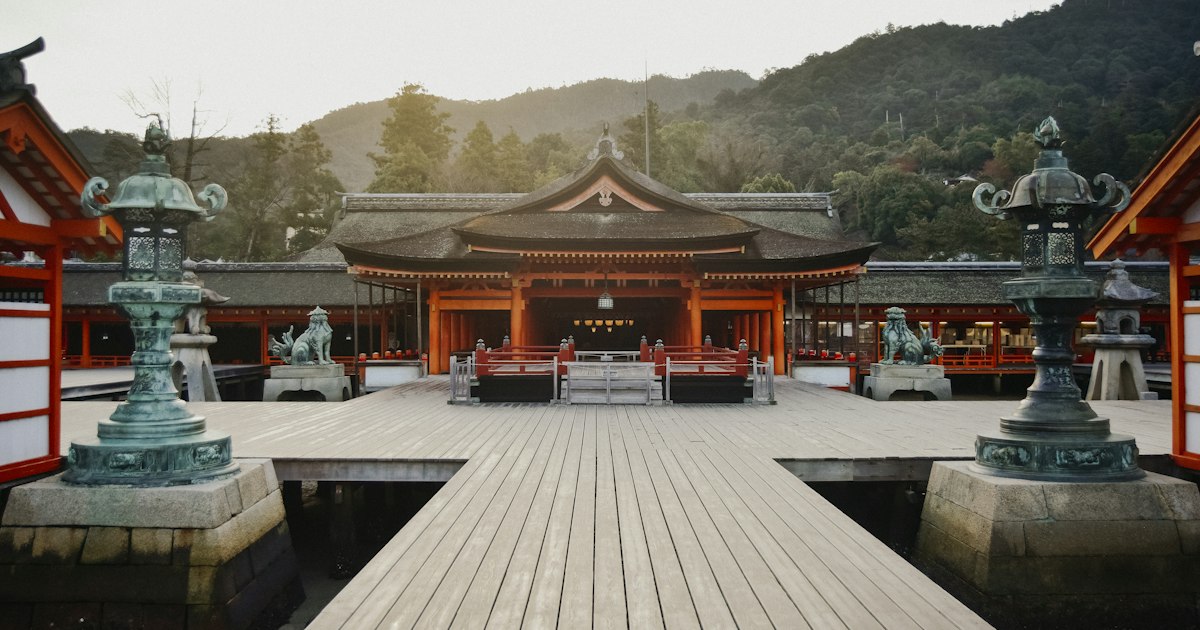
    If you’ve ever driven past a Japanese Shinto shrine and seen a shiny new car parked in front of the main hall with a priest waving a wooden wand over its hood, you’ve witnessed kuruma oharai (車祓い) — the ritual purification of a vehicle. It’s one of Japan’s quieter cultural customs, rarely covered in guidebooks, but it shows up everywhere: car dealership lots, rental agency yards, and the overflow parking areas of neighborhood shrines across the country. For long-term residents, expats buying their first car, or even curious travelers settling in for an extended stay with a rental, it’s worth understanding — both as a window into how spiritual practice threads through everyday Japanese life, and as something you might genuinely want to do yourself.

    What Is Kuruma Oharai?

    Kuruma oharai (also called kuruma no oharai, or shinsha oharai when it’s specifically for a brand-new car) is a Shinto purification ceremony performed to cleanse a vehicle of bad luck and pray for traffic safety (kōtsū anzen) for everyone who rides in it. It sits in the same family of services as yakudoshi prayers for unlucky ages or anzan prayers for safe childbirth — a kigan, or formal prayer request, performed by a resident Shinto priest.

    It isn’t a legal requirement and has nothing to do with Japan’s mandatory shaken vehicle inspection. It’s entirely customary, rooted in the belief that a car, like a new home or a newborn, carries risk until it’s been spiritually cleared. Many Japanese drivers get it done for every new car they buy, whether brand new off the lot or a used car bought secondhand.

    How the Ritual Works

    The process is short, usually 15–20 minutes, and happens right where your car is parked. A typical sequence:

    • You drive to the shrine and park in a designated purification area — often marked off with a small portable table, white cloth, and sometimes a temporary shimenawa (sacred rope) strung in front of the car.
    • You turn off the engine, step out, and stand to the side while the priest performs a norito (ritual prayer) and waves a haraegushi (a wooden wand with paper streamers) over the car, including the interior, trunk, and sometimes the license plate.
    • Salt or sake may be sprinkled near the tires as a final purification step.
    • You receive an ofuda or kōtsū anzen omamori — a paper or cloth talisman — to place on the dashboard, clip to the sun visor, or hang from the rearview mirror.

    Photos are generally fine, but ask the shrine office first — some request that you not photograph the priest during the prayer itself.

    When to Schedule One

    Most people book this within the first few weeks of buying a car, often timed to a taian day — the most auspicious date on Japan’s rokuyo calendar, which many people still consult for big life events. Shrines get noticeably busier on taian weekends, so if you want flexibility, aim for a weekday.

    Spring is a popular season, since Japan’s fiscal and school year starts in April and dealerships see a bump in new car sales. New Year’s is the other major spike: taxi companies, bus operators, and trucking firms line up entire fleets at shrines during hatsumode (the first shrine visit of the year) for a mass blessing — a striking sight if you happen to be near a large shrine on January 2nd or 3rd.

    It’s also common to get a car blessed before a long road trip, especially a first big drive after buying a vehicle. If you’re planning a self-drive itinerary to somewhere remote — the caldera lake loop around Lake Shikotsu and Lake Toya in Hokkaido, or the mountain roads out to Lake Tazawa in Akita — this is exactly the kind of trip Japanese drivers traditionally get blessed before.

    Where to Get It Done

    You don’t need a famous shrine — almost any mid-size or larger Shinto shrine with a resident priest offers this, and it’s usually the same office that handles other kigan prayers. Tokyo’s Kanda Myojin is one of the better-known examples, with a dedicated car-blessing area right in front of the shrine that regularly handles everything from delivery vans to luxury sedans. Outside major cities, your best bet is simply the largest shrine in your area.

    Call ahead. Larger shrines often require a reservation since they need to reserve the parking space and schedule a priest, and walk-ins may face a wait on weekends or auspicious days. Smaller neighborhood shrines are sometimes more flexible, but it’s still polite to call first — ask for “kuruma no oharai” or “kuruma no kigan” specifically, and have your car’s make and approximate size ready, since some shrines charge differently for larger vehicles.

    What It Costs

    The fee is called tamagushiryo or oharairyo, and prices are usually posted at the shrine office or quoted when you book:

    • Budget: ¥5,000 — the baseline at most shrines for a standard passenger car.
    • Mid-range: ¥7,000–¥10,000 — a more elaborate blessing, sometimes including a slightly larger ofuda or small gift set.
    • Splurge: ¥15,000–¥30,000 — typical for commercial vehicles, trucks, buses, or fleet blessings with multiple cars at once.

    Pay in cash. Many shrines expect the fee presented in a noshi-bukuro (a decorative envelope), sometimes with tamagushiryo written on the front — a formality that will feel familiar if you’ve read about kokorozuke, the envelope-based tipping custom at traditional inns. The same instinct — money handed over plainly is a little too blunt, so it goes in paper first — applies here too. If you don’t have an envelope, plain cash is usually accepted without issue; shrine staff won’t make a fuss, but bringing exact change in a clean envelope is the more polished move.

    Common Mistakes to Avoid

    A few things trip up first-timers:

    • Showing up unannounced on a taian weekend. You may be turned away or told to come back; call ahead, especially in spring or around New Year.
    • Confusing it with shaken. This has no bearing on legal roadworthiness or registration — it’s purely a spiritual service.
    • Parking in the wrong spot. Shrine lots are often small; follow staff directions rather than parking wherever looks open.
    • Leaving the engine running during the prayer. Turn it off and step out — staying inside the car is considered disrespectful.
    • Not budgeting cash. Card payment is essentially never accepted for kigan fees.

    Keeping (and Returning) Your Charm

    The ofuda or omamori you receive is meant to stay with the car, not get carried around separately. Most people keep it for about a year, then return it to a shrine — ideally the same one, though any shrine will usually accept it — to be ceremonially burned, often during a New Year dontoyaki fire. You then get a fresh one if you’d like to keep the practice going. It’s a small, low-cost ritual, but it’s also a genuine piece of how many Japanese drivers relate to their cars, and a good reminder that the country’s spiritual customs extend well past temples and New Year’s visits into the most ordinary corners of daily life.
  • Shimabara: Nagasaki’s Castle Town of Carp-Filled Canals and Guzoni Hot Pot

    Most visitors to Nagasaki Prefecture never make it to Shimabara, and that’s exactly why it’s worth the detour. An hour or so from Nagasaki City on a small local railway, this castle town on the Shimabara Peninsula is famous for two unrelated but equally charming things: clear canals running with hundreds of koi carp, and a one-pot stew called Guzoni that’s been served here since the 17th century. It’s a half-day or full-day trip that rewards slow walking more than a packed itinerary.

    How to get to Shimabara

    The main approach is the Shimabara Railway (Shimatetsu), a single-track line that runs along the Ariake Sea coast from Isahaya Station. From Nagasaki Station, take a JR limited express or local train to Isahaya (about 30-40 minutes), then transfer to the Shimatetsu line to Shimabara Station (roughly 1 hour 20 minutes, around 1,500 yen one-way on the private line). The scenery along the way — Mount Unzen on one side, the Ariake Sea on the other — is part of the appeal, so don’t rush straight through on the fastest connection.

    There’s also a ferry option if you’re coming from Kumamoto: high-speed boats cross the Ariake Sea from Kumamoto Port to Shimabara Port in about 30 minutes (roughly 1,000-1,100 yen), with a slower car ferry taking about an hour. This is a genuinely useful shortcut if you’re combining Shimabara with Kumamoto Castle or Mount Aso rather than approaching purely from the Nagasaki side.

    Shimabara Station and Shimabara Port are both within a 15-20 minute walk of the castle and the old samurai district, and the town itself is compact enough to cover on foot. If you’re staying over, note that Shimatetsu’s last trains back toward Isahaya run earlier than you’d expect for a tourist town — check the timetable before you linger too long over dinner; the general rules around last trains in Japan apply just as much on small regional lines as they do in Tokyo.

    Shimabara Castle

    The castle (Shimabara-jo) is a reconstructed concrete keep built in 1964 on the original stone base, but the site’s history is the real draw. The original castle, completed in 1624 by lord Matsukura Shigemasa, became a flashpoint for the brutal taxation that triggered the 1637-38 Shimabara Rebellion, when tens of thousands of farmers and Christians under the teenage leader Amakusa Shiro rose up against the shogunate. The rebellion ended in a mass siege and execution at nearby Hara Castle, and it’s one of the reasons Japan sealed its borders for the next two centuries.

    Inside, the keep houses exhibits on the rebellion, local Christian history, and folk crafts. Admission is around 550 yen for adults, and it’s open daily from 9:00 to 17:30 (last entry around 17:00). Budget 45 minutes to an hour, less if you just want the view from the top floor over the town and the sea.

    The carp-filled canals of the samurai district

    This is Shimabara’s signature image, and it holds up in person. Just west of the castle, the old samurai residence street (Bukeyashiki) and the nearby Shimeikan spring-fed canal network are fed by groundwater melting down from Mount Unzen, so clear it looks tinted blue-green in places. Hundreds of ornamental koi swim freely in the open channels running alongside the street and through private gardens, giving the town its nickname “Mizu no Miyako” — the Water Capital.

    The Bukeyashiki street itself costs nothing to walk, and three preserved samurai houses along it (Yamamoto-tei, Shinozuchi-tei, and Tamura-tei) are open to the public free of charge, with tatami rooms you can step into. A short walk away, the Shimeikan garden has a dedicated koi pond and teahouse where you can sit beside the water for the price of a drink or a light meal. Go in the morning or late afternoon if you want photos without crowds — this area draws domestic day-trippers on weekends, especially in summer when the water looks its most vivid.

    Guzoni: Shimabara’s hot pot with a rebellion story

    Guzoni (具雑煮) is a hearty, individual-sized hot pot of mochi rice cakes, chicken, shiitake, burdock root, kamaboko fish cake, and seasonal vegetables simmered in a soy-based dashi, traditionally served bubbling in a small iron pot (hagama) at the table. It’s technically a style of zoni — the soup usually reserved for New Year’s in most of Japan — but in Shimabara it’s eaten year-round as the town’s signature dish.

    The local legend ties it directly to the 1637 rebellion: besieged farmers and samurai at Hara Castle are said to have combined whatever food they could gather — mochi, vegetables, seafood — into a single pot to stretch supplies during the siege. Whether or not that’s the literal origin, the dish has been a local specialty for centuries, and it rewards the same way Kanazawa’s Jibuni stew does — a regional hot pot that tells you something about the place’s history through what’s in the bowl.

    The best-known place to try it is Himematsuya, a long-running Guzoni specialty restaurant near the castle with a history going back to the early 1800s; a set meal typically runs 1,800-2,500 yen depending on portion size and extras. Several smaller shops around the castle and Bukeyashiki area serve their own versions at similar prices, usually 1,500-2,000 yen for a solo-pot set. It’s filling enough to count as a full meal, so plan it as lunch rather than a snack between sightseeing stops.

    Best time to visit and what to pair it with

    Shimabara works as a day trip in any season — the canals run year-round since they’re spring-fed rather than seasonal, and the castle grounds are pleasant in both cherry blossom season (late March-early April) and autumn. Summer brings the most visible, vigorous koi activity and the liveliest atmosphere, but also more heat and humidity walking between sights.

    If you have more time, Shimabara pairs naturally with Mount Unzen’s hot spring town (Unzen Onsen), about 45 minutes away by bus, where sulfurous steam vents (jigoku) and traditional ryokan make for a good overnight stop — and if you’re staying at a ryokan there, it’s worth knowing about kokorozuke, the cash-tipping custom some guests aren’t aware of. Alternatively, combine Shimabara with a trip north to Sasebo for the Kujukushima island cruise for a fuller look at Nagasaki Prefecture beyond the city itself.

    Common mistakes to avoid

    The biggest one is treating Shimabara as a quick stopover between bigger destinations and only budgeting an hour or two — between the castle, the canal walk, and a proper Guzoni lunch, a comfortable visit takes at least four to five hours, more if you linger in the samurai gardens. Second, don’t assume frequent train service; Shimatetsu trains run roughly once an hour off-peak, so check the timetable before you plan a tight connection back to Isahaya. Finally, if you’re visiting on a weekday, call ahead or check hours for smaller Guzoni restaurants — some close one day a week or shorten hours outside peak tourist season, and arriving to a locked door after the castle visit is a disappointing way to end the trip.

  • Lake Tazawa: Akita’s Deepest Lake and the Golden Statue of Tatsuko

    Lake Tazawa: Akita’s Deepest Lake and the Golden Statue of Tatsuko

    Photo by Hong Ki Tang on Unsplash

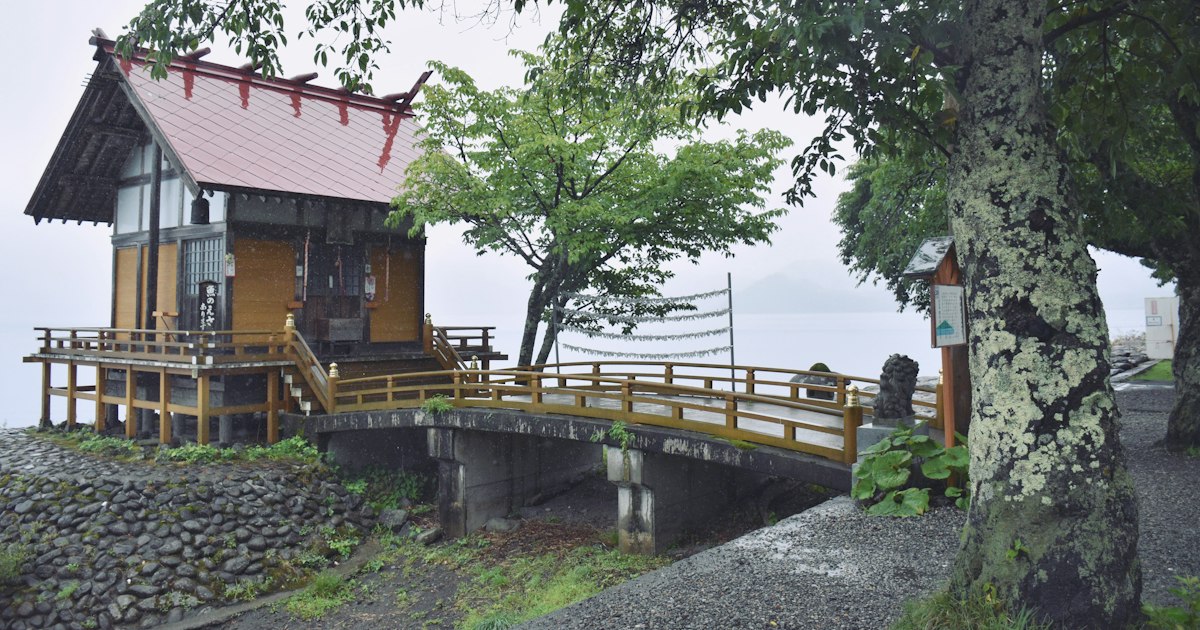
    Lake Tazawa doesn’t announce itself the way Mount Fuji or Kyoto’s temples do. It sits quietly in the mountains of Akita Prefecture, a near-perfect caldera lake whose water is so deep and so clear that it shifts between cobalt, teal, and near-black depending on the light. Add a gilded statue of a legendary young woman standing on the shore, a ring road made for slow cycling, and some of Tohoku’s best-hidden onsen a short drive away, and you have a destination that rewards the kind of traveler willing to go one region past the obvious itinerary.

    Why Lake Tazawa Is Worth the Detour

    Lake Tazawa is Japan’s deepest lake, plunging to 423.4 meters, deep enough that the lake almost never fully freezes even in Akita’s brutal winters, unlike shallower lakes nearby. It formed inside a volcanic caldera, which is why the shoreline curves in such a tidy, almost circular loop, roughly 20 kilometers around. The water’s color is the main event: on clear days it reads a saturated cobalt blue, thanks to the depth and mineral clarity, and locals half-jokingly call it “Tatsuko blue” after the statue that has become the lake’s symbol. If you’ve enjoyed other volcanic lakes in Japan, this one belongs on the same list as Hokkaido’s Lake Shikotsu and Lake Toya or the crater-rim views at Lake Mashu, though Tazawa is easier to reach and has a more walkable, bikeable shoreline than either.

    The Legend of Tatsuko and Her Golden Statue

    The lake’s best-known landmark is a bronze statue coated in gold leaf, standing in the shallows on the eastern shore near Katakurazaki. It depicts Tatsuko, a village girl in local legend who prayed to stay beautiful forever and was transformed into a dragon, becoming the guardian spirit of the lake. A matching statue of her mother, Matsuzaki, is paired at a small shrine nearby, Gozanoishi Shrine, which is dedicated to the deity Tatsuko is said to have become. Both the statue and the shrine are outdoors, free to view, and accessible any time of day; sunrise and late afternoon are the best times for photos, since the statue faces the water and catches the light differently throughout the day. There’s no admission fee and no set “hours” here, which is unusual for a named sight in Japan.

    How to Get There from Tokyo

    The gateway is Tazawako Station, served directly by the Akita Shinkansen “Komachi,” which runs from Tokyo Station via Morioka. The ride takes roughly 3 hours to 3 hours 40 minutes depending on the train, and a one-way reserved seat costs around ¥16,000-17,000; the Komachi is covered by the Japan Rail Pass and most JR regional passes that include the Akita Shinkansen, so it’s worth checking your pass coverage before buying a separate ticket. From Tazawako Station, the statue and the main lakeside area are not walking distance, about 7-8 kilometers around the shore, so you’ll need a seasonal sightseeing bus, a taxi (roughly 15-20 minutes, a few thousand yen), or a rental car. If your plans include a longer loop through Tohoku, build in slack: once you’re out this far from Tokyo, missing the last connecting train back matters more than it would in a big city, so it’s worth knowing how shuden timing works before you commit to a late departure from Tazawako.

    Best Season and Timing

    Lake Tazawa is a year-round destination, but each season gives you something different. Late April through early November is when the “Yurinko” sightseeing bus loops around the lake, stopping at the statue, the shrine, and rental shops, which makes this the easiest window for visitors without a car. Autumn, roughly mid-to-late October, brings foliage along the surrounding ridgelines and is widely considered the most photogenic time, with fewer crowds than Kyoto’s autumn rush. Summer is best for cycling and for the clearest, bluest water, though the lake itself is too cold and deep for casual swimming even in August. Winter turns the shoreline into a quiet snow scene and brings the Tazawako Ski Resort into play, a short drive from the station with lake views from its upper slopes, but the sightseeing bus stops running and taxis become your main option for reaching the statue.

    Getting Around the Shore

    The 20-kilometer loop road is flat enough and scenic enough that cycling is the preferred way to see the lake if you’re visiting between spring and autumn. Rental shops cluster near Tazawako Station and at a few points along the shore, typically charging around ¥500-600 per hour or ¥1,500-2,000 for a full day, with electric-assist bikes available for a bit more; a leisurely full loop takes about two to three hours with stops. If you’d rather not pedal, the seasonal bus sells single-ride tickets (roughly ¥700-1,000 depending on the stretch) and a one-day pass for unlimited rides, which is the better deal if you’re stopping at more than two or three points. Driving is the most flexible option and the only realistic one in winter, with several small parking areas along the road near the statue and shrine.

    Where to Stay: Lakeside and the Nyuto Onsen Villages

    Lake Tazawa works well as a day trip from Akita or Morioka, but staying over opens up one of Tohoku’s most atmospheric onsen areas, the Nyuto Onsen villages, about 30-40 minutes by car or seasonal bus from Tazawako Station. On a budget, the Tazawako area has simple guesthouses and a youth hostel near the station from around ¥4,000-5,000 a night. Mid-range travelers do well at one of the lakeside hotels with onsen baths and lake-view rooms, generally ¥10,000-18,000 per person with dinner included. For a splurge, Tsurunoyu Onsen in the Nyuto Onsen group is the one to seek out: a centuries-old thatched-roof ryokan with milky, sulfurous outdoor baths that regularly appear in Japanese travel features, with rooms from roughly ¥20,000-30,000 per person on a half-board plan. If you’re staying at a traditional ryokan in this area, it’s worth knowing in advance about kokorozuke, the small cash-in-an-envelope gratuity custom some older ryokan still practice, since staff rarely explain it and foreign guests often miss it entirely.

    Common Mistakes to Avoid

    The most common misstep is assuming the statue is walkable from the station; it isn’t, and travelers who find this out after arriving often end up paying for an expensive last-minute taxi. Second, visitors sometimes show up outside the April-to-November bus season expecting the same transport options and get stranded without a car, especially in winter. Third, people occasionally plan to swim or wade deep into the lake on a hot day; the water is cold year-round and the lakebed drops off sharply near the shore, so it’s best treated as a scenery-and-photos stop rather than a swimming spot. Finally, because this is a rural area with limited shops, bring cash; card acceptance at small rental counters and roadside stalls around the lake is inconsistent even now.

    Lake Tazawa rewards a slower pace than most stops on a first Japan itinerary, which is exactly its appeal. Pair it with a night or two at Nyuto Onsen and a loop of the shoreline by bike, and it becomes one of the more memorable detours in a Tohoku trip rather than a rushed photo stop on the way to somewhere else.

  • Oigawa Railway: Shizuoka’s Steam Locomotive Ride Through Tea Country

    Oigawa Railway: Shizuoka’s Steam Locomotive Ride Through Tea Country

    Photo by Red Morley Hewitt on Unsplash

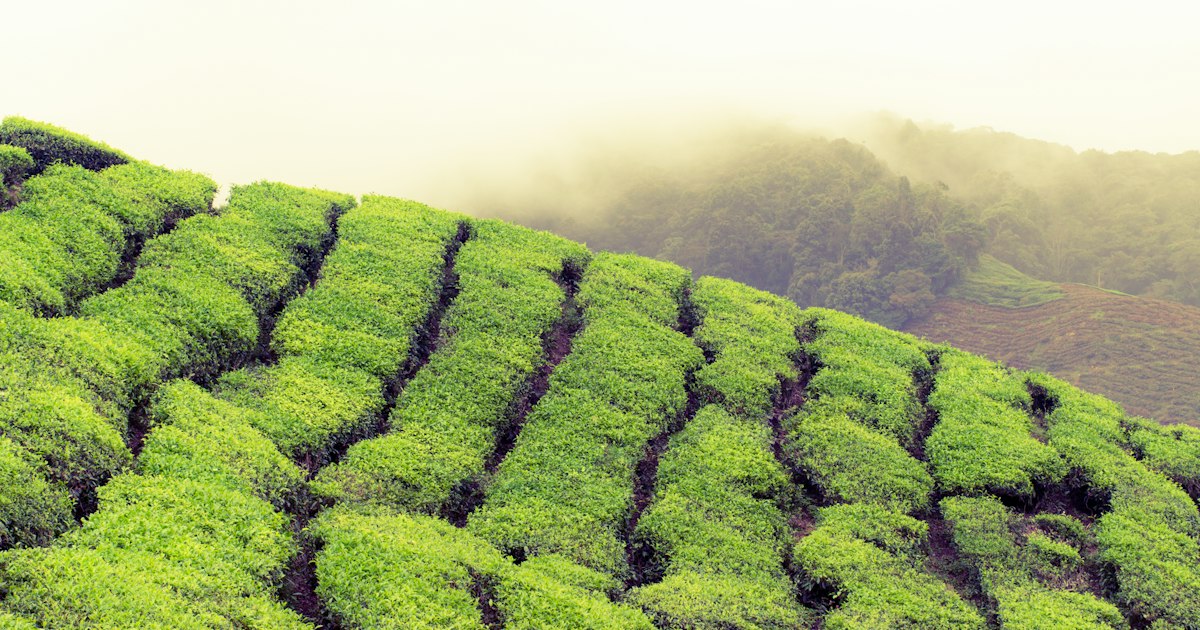
    An hour south of Tokyo by bullet train, then a short hop inland, the Oigawa Railway still runs a working steam locomotive through one of Japan’s best-known tea-growing valleys. It’s not a theme-park recreation — it’s a real regional railway that happens to operate vintage SL trains on a working timetable, hauling passengers past terraced tea fields, river gorges, and a rack-rail mountain line found nowhere else in Japan. If you want a day trip that feels like rural Japan rather than a tourist loop, this is one of the better options within range of Tokyo or Nagoya.

    What Makes the Oigawa Railway Special

    The Oigawa Railway is actually two lines. The Main Line runs 39.5 km between Kanaya and Senzu, and this is where the steam locomotive — branded “SL Kawane Path” (SLかわね路号) — operates. The restored engines (C10, C11, and C56 locomotives, some originally built in the 1930s–40s) pull vintage carriages at a leisurely pace through the Oigawa River valley, with tea bushes running in neat rows right up to the tracks in places.

    Beyond Senzu, the Ikawa Line continues another 25 km into the mountains on Japan’s only Abt rack-and-pinion rail system, used to climb a steep gradient near a dam. This narrow-gauge section is a completely different experience — slow, tiny, single-car trains threading through a river gorge toward Sumatakyo, home to a famous turquoise-colored dam lake and a suspension bridge locals call the “dream bridge” (Sumatakyo Yume-no-Tsuribashi).

    Getting to Kanaya Station

    Kanaya is the gateway station and connects directly to the JR Tokaido Main Line. From Tokyo, the simplest route is Shinkansen to Shizuoka Station (about an hour), then a local JR Tokaido Line train to Kanaya (roughly 30–40 minutes, several transfers possible depending on the train). If you’re deciding which bullet train to book for the first leg, it’s worth reading Nozomi vs Hikari vs Kodama first — a Kodama or Hikari is fine here since you’re only going as far as Shizuoka, so there’s no need to pay Nozomi fares.

    Note that the Oigawa Railway is a private line, so it is not covered by the Japan Rail Pass or any JR regional pass. You’ll need to buy tickets separately at Kanaya Station or in advance online.

    Riding the SL: Schedule, Reservations, and Prices

    This is the detail that trips up most visitors: the steam train does not run every day. It typically operates on a seasonal schedule weighted toward weekends, public holidays, and peak seasons (spring, summer, and autumn), with more frequent runs in August and around autumn foliage. On non-SL days, the line still runs, just with ordinary diesel railcars. Always check the current month’s SL operating calendar on the Oigawa Railway’s official site before building your trip around it — the schedule shifts year to year and many of the published Japanese timetables don’t have a reliable English mirror.

    When the SL does run, it covers part of the Main Line (commonly Kanaya/Shin-Kanaya to Senzu) in about an hour each way. You pay the regular distance-based fare plus an SL reserved-seat surcharge, which has generally run in the ¥1,000–1,240 range on top of a one-way Kanaya–Senzu fare of roughly ¥1,500–2,000. Seats for the steam train sell out, especially on weekends and during the “Day Out With Thomas” events (Thomas & Friends-liveried trains that run on select summer and autumn weekends and are extremely popular with Japanese families) — reserve in advance rather than assuming you can walk up and buy a same-day ticket.

    A common mistake is confusing the steam locomotive surcharge with the full fare, then being surprised at the ticket window. Another is assuming the SL goes all the way to Senzu or beyond into the mountains — check your specific train’s listed destination, since some SL runs terminate at an intermediate station.

    Beyond the Steam Train: The Ikawa Line and Sumatakyo Gorge

    If you have a full day, transfer at Senzu to the Ikawa Line. The rack-rail Abt section near Ohigawa Dam is the mechanical highlight, but the real draw is Sumatakyo: get off at Sumatakyo Onsen Station, and it’s a walk of about 20–30 minutes (including some uphill road) to the suspension bridge over the dam lake’s strikingly clear teal-green water. This spot has become genuinely popular on Japanese social media, so expect some foot traffic on weekends despite how remote it feels.

    Sumatakyo also has a small onsen hamlet with a handful of traditional inns. If you decide to stay overnight at one of these rather than day-tripping, it’s worth knowing the local ryokan tipping custom described in Kokorozuke — small, old-style inns in rural onsen towns are exactly where this practice still shows up.

    Best Time to Visit

    Late April through May is prime tea season — the tea bushes are at their most vividly green right around the first-flush harvest, and the Kawane tea grown along this valley is well-regarded within Shizuoka. Autumn (mid-November into early December) brings foliage color to the river gorge and mountain sections, especially noticeable on the Ikawa Line. Midsummer is popular for the Thomas events and generally warm, clear weather, but also the most crowded and hottest time to be standing on an open platform waiting for a train. Winter service is thinner and the SL runs less often, so it’s the quietest but least reliable season for catching the steam train specifically.

    Common Mistakes to Avoid

    • Not checking the SL calendar first. Build your date around a confirmed steam-train day, not the other way around.
    • Skipping reservations. SL seats, and especially Thomas-train seats, can sell out days or weeks ahead during peak season.
    • Assuming JR Pass coverage. Oigawa Railway is private and fully separate from JR fares.
    • Underestimating the return trip. Rural train frequency drops sharply in the evening — know your last connection back to Shizuoka or Kanaya well before dark, and if you’re continuing on to Tokyo by a late local-to-Shinkansen connection, the mechanics of last trains (shuden) are worth understanding so you don’t get stranded in Shizuoka.
    • Trying to do Sumatakyo and the SL in one tight loop. The full Kanaya–Senzu–Sumatakyo round trip plus the bridge walk is a long day; rushing it means standing around waiting for connecting trains that run infrequently on the Ikawa Line.

    Budget, Mid-Range, and Splurge Options

    Budget: Skip the SL surcharge and ride the ordinary Main Line diesel train to Senzu for just the base fare — you still get the tea-field scenery, just not the steam engine.

    Mid-range: Pay the SL surcharge for the Kanaya–Senzu steam run, pack a bento from a Shizuoka Station kiosk, and do a there-and-back day trip without pushing on to Sumatakyo.

    Splurge: Combine the SL with the full Ikawa Line connection to Sumatakyo, stay a night at an onsen ryokan near the suspension bridge, and come back the next day — the gorge and lake views are noticeably better without the day-trip time pressure, and you avoid the tightest return connections entirely.

  • Kaiyodo, Figma & Good Smile Company: Japan’s Collectible Figure Makers and Where to Shop for Them

    Kaiyodo, Figma & Good Smile Company: Japan’s Collectible Figure Makers and Where to Shop for Them

    Photo by Suzi Kim on Unsplash

    Walk into any multi-floor hobby shop in Akihabara and you’ll see the same three names stamped on boxes again and again: Kaiyodo, figma, and Good Smile Company. They’re not interchangeable — each has a different specialty, price point, and shopping strategy — and knowing the difference will save you money and help you find what you’re actually looking for instead of wandering five floors of shrink-wrapped boxes. Here’s how to shop for Japanese collectible figures like you know what you’re doing.

    Who Makes What: Kaiyodo, Figma, and Good Smile Company

    Kaiyodo is the oldest of the three, founded in Osaka in 1964, and it built its reputation on hyper-detailed capsule toys and museum-quality sculpts — think its Revoltech action figures with poseable ball joints, and its long-running “Choco Egg” animal figures that come hidden inside chocolate eggs at any Japanese supermarket (around ¥230 each). Kaiyodo figures tend to prioritize sculpt accuracy over affordability.

    Figma is a brand, not a company — it’s made by Max Factory, based in Sanjo, Niigata Prefecture. Figma figures are articulated action figures (usually anime, video game, or pop-culture characters) built for posing rather than shelf display, typically priced ¥6,000–8,500 new.

    Good Smile Company, headquartered in Tokyo, is the industry’s commercial engine. It makes the enormously popular Nendoroid line — chibi-style figures with swappable faces and parts, usually ¥4,500–6,500 — plus large-scale PVC figures (1/7 and 1/8 scale) that run ¥15,000–40,000+. Good Smile also distributes figures from smaller studios, so its logo shows up on boxes it didn’t actually sculpt.

    Akihabara: Tokyo’s Figure-Shopping Home Base

    Akihabara is still the center of gravity. Start at the Mandarake Akihabara Complex (3-11-12 Soto-Kanda, Chiyoda-ku), an eight-floor building a short walk from Akihabara Station’s Electric Town exit, open daily from noon to 8pm. Each floor is a different category — figures, doujinshi, retro toys, cosplay — and prices skew secondhand, so you’ll find discontinued Kaiyodo and figma pieces here that are long gone from official stock.

    For new releases, Kotobukiya and Volks both run dedicated Akihabara shops specializing in garage kits and scale figures, and Animate and Super Kids Land stock current Nendoroid and figma lines at retail price. Crane-game (UFO catcher) arcades scattered through the district are worth a look too — prize figures there are often exclusive variants you can’t buy in a box.

    One practical note: most shops here close by 8–9pm, earlier than you’d expect for Akihabara’s reputation. If you’re planning to bar-hop or keep exploring after shopping, check how last trains (shuden) work in Japan before you lose track of time.

    Nakano Broadway: The Collector’s Side Quest

    Twenty minutes from Shinjuku by train, Nakano Broadway (5-52-15 Nakano) is a shabby 1960s shopping arcade that happens to house roughly two dozen separate Mandarake specialty stores, each focused on a narrow niche — one floor for cels, one for dolls, one for vintage tin toys, several for figures split by era or genre. It’s quieter than Akihabara, less touristy, and the prices on used Kaiyodo and older figma pieces are often better. Most shops open around noon; many close on Thursdays, so don’t make this your one shot on a Thursday afternoon. It’s a one-minute walk from Nakano Station’s north exit on the JR Chuo Line.

    Wonder Festival: Time Your Trip Around It

    If your visit lines up with it, Wonder Festival (WonFes) is the single best reason to plan a figure-shopping trip around a specific date. Good Smile Company runs this garage-kit and figure expo twice a year at Makuhari Messe in Chiba — typically early February and late July — and it’s where small studios and independent sculptors sell limited-run resin kits you won’t find anywhere else, alongside early looks at upcoming figma and Nendoroid releases. Makuhari Messe is about 30 minutes from Tokyo Station on the JR Keiyo Line. Tickets sell out and resin kits can disappear within the first hour, so arrive early and expect to queue.

    Kaiyodo’s Home Turf: Kochi Prefecture

    Kaiyodo’s founder is from Kochi Prefecture on Shikoku, and the company maintains hobby museums there as a kind of pilgrimage site for serious fans — display halls built around its decades of sculpts, from dinosaurs to anime figures. It’s a genuine detour: Kochi isn’t served by Shinkansen, so you’d fly in from Tokyo (around 1.5 hours) or connect via limited express train from Okayama after riding the Shinkansen that far. Hours, admission, and exhibits change by season, so confirm the current schedule before building a day around it — this is a trip for completists, not a casual add-on.

    Budget, Mid-Range, and Splurge

    • Budget: Gashapon capsule toys (¥200–500) and Ichiban Kuji lottery pulls (around ¥700–800 per draw) are the cheapest way to bring home something genuine, and both are everywhere in Akihabara and at convenience stores.
    • Mid-range: A new Nendoroid (¥4,500–6,500) or figma (¥6,000–8,500) is the sweet spot most collectors land on — durable, poseable, and easy to pack if you keep the box.
    • Splurge: Scale PVC figures (1/7 or 1/8) from Good Smile Company run ¥15,000–40,000+, and rare secondhand Kaiyodo Revoltech pieces or limited WonFes garage kits can go well beyond that at Mandarake or directly at the event.

    Common Mistakes

    Buying a figure still shrink-wrapped and assuming it’s new-in-box without checking — secondhand shops sometimes reseal boxes, so ask staff directly if you’re paying a premium for “unopened” condition. Not budgeting for tax-free shopping: purchases over ¥5,000 at a single store, same day, qualify for the 10% consumption-tax exemption if you show your passport at checkout, but the item must stay sealed until you leave Japan. And underestimating how fragile PVC figures are in transit — ask for extra bubble wrap or a sturdier box at checkout, especially for anything with thin protruding parts like swords or hair pieces.

    Language can be the real obstacle in smaller garage-kit shops where staff may not speak English and stock details aren’t translated — a pocket translator or translation gadget is genuinely useful here, more so than in most tourist situations. And if figure hunting turns out to be your gateway into Japan’s wider collector culture, the same floor-by-floor patience applies to vintage film camera hunting and to Disney pin trading at Tokyo Disneyland — both run on the same logic of rarity, condition, and knowing exactly where to look.

  • Anello Backpacks: Japan’s Cult Canvas Bag Brand and Where to Buy

    Anello Backpacks: Japan’s Cult Canvas Bag Brand and Where to Buy

    Photo by Hannah Morgan on Unsplash

    If you’ve spent any time in Harajuku or Shibuya, you’ve almost certainly seen one: a boxy canvas backpack with a wide, clam-shell mouth that snaps open with a brass clasp instead of a zipper. That’s Anello, and it’s one of the quiet success stories of Japanese street fashion — a backpack brand that went from practical school-and-commute gear to a must-buy souvenir for visitors from Taiwan, Korea, Hong Kong, and increasingly Europe and North America. This guide covers what the brand actually is, where to buy it for a fair price, and the mistakes that trip up first-time buyers.

    What Makes Anello Worth Seeking Out

    Anello’s signature piece is the “mouth” backpack: heavy cotton-polyester canvas, a wide top opening secured by a metal clasp (instead of a zip), and a boxy silhouette that holds its shape even half-empty. It’s not a luxury brand — it’s a mid-market Japanese label built on durability and a distinctive look, which is exactly why it caught on. The bags are sturdy enough for daily commuting and school use, but the retro clasp design photographs well, which fueled its popularity across Asia in the mid-2010s and kept it in steady rotation ever since.

    Beyond the classic mouth backpack, the current lineup includes mini and large sizes, tote and shoulder bag versions, and frequent colorway drops — plain canvas, denim-look fabric, pastel seasonal colors, and collaboration prints. Some collabs (anime tie-ins, designer crossovers) sell out fast and get resold at a markup, so if you see a print you like, don’t assume it’ll still be there next week.

    Where to Buy: Official Stores

    The most reliable place to buy genuine Anello at list price is an official or authorized store. Tokyo has the best concentration:

    • Shibuya and Harajuku — both areas have standalone Anello shops or large counters inside bigger fashion buildings, stocking the fullest range of sizes and current-season colors. Expect typical Japanese retail hours of roughly 10:00–20:00, though you should confirm the exact hours for whichever location you’re heading to before you go, since storefronts in this area change seasonally.
    • Osaka’s Shinsaibashi/Dotonbori area also has Anello retail presence, useful if you’re doing a Kansai-based trip rather than Tokyo. If you’re coming from Tokyo for a day of shopping, the Nozomi is the fastest Shinkansen option to Osaka and back in a single day.

    Official stores are the safest bet for authenticity and for catching new-season or collaboration releases first, but they rarely discount — you’ll pay full retail.

    Where to Buy: Department Stores and Chains

    You don’t need to hunt down a dedicated Anello shop to find the brand. It’s carried widely enough that casual buyers can simply pick one up while doing other shopping:

    • Loft and Tokyu Hands (now rebranded as Hands in some locations) — both lifestyle chains stock a rotating selection of Anello backpacks, usually the classic mouth style in a handful of colors, at standard retail price. Convenient if you’re already browsing stationery or travel goods.
    • Don Quijote — some larger branches carry Anello alongside other bag brands, occasionally at a slight discount, though selection is inconsistent store to store.
    • Shopping malls and station-adjacent fashion floors in major cities often carry Anello as part of a multi-brand bag section, so keep an eye out even outside Tokyo and Osaka.

    These outlets are good if your schedule doesn’t allow for a dedicated trip to Shibuya or Harajuku — you can grab a bag as a practical add-on to unrelated errands.

    Price Guide: Budget to Splurge

    Anello sits deliberately in the affordable-to-mid-range bracket, which is part of its appeal:

    • Budget (¥2,900–¥3,900): mini and small mouth backpacks, basic solid colors, no special print.
    • Mid-range (¥4,000–¥6,500): the standard regular and large mouth backpacks, most of the mainline colorways, and most of the shoulder bag and tote variants.
    • Splurge (¥7,000+): collaboration prints, limited-edition fabrics (denim, leather-trim), and occasionally repro or “boost” series with premium materials. These are the ones that sell out and get resold above retail on secondhand apps, so buy in-store if you spot one you want rather than waiting.

    Tax-free shopping (consumption tax exemption for tourists) generally requires a minimum spend per store, per day, so it’s worth bundling an Anello purchase with other shopping at the same shop if you’re chasing the tax-free threshold — ask at the register, since eligibility rules depend on passport presentation and the specific retailer.

    Best Time to Shop and Common Mistakes

    Shibuya and Harajuku shopping streets are busiest on weekend afternoons and during school holiday periods, when both tourists and local teenagers crowd the same small shops — weekday mornings right after opening are noticeably calmer and give you first pick of stock. If your trip overlaps with peak Japanese school excursion season, be aware that the same Harajuku/Shibuya crowding pattern shows up around temples and cultural sites too, similar to what’s described in our guide to shugaku ryoko season.

    The most common mistakes buyers make:

    • Assuming airport shops carry it. They generally don’t — Anello is a city-retail brand, not an airport souvenir brand, so buy before you head to Narita or Haneda, not after.
    • Not checking the clasp mechanism in person. Because the signature closure is a metal clasp rather than a zipper, it’s worth testing it open and shut in the shop — quality can vary between the budget and mid-range lines, and a stiff or loose clasp is immediately obvious by hand.
    • Overpaying for “limited edition” resale listings online or through secondhand marketplaces when the same print is still sitting in a Harajuku store at retail price. Check in person before paying a markup.
    • Buying from unmarked street stalls expecting an authentic bag. See below.

    How to Spot a Fake

    Anello’s popularity has produced a steady stream of counterfeit and “inspired by” bags, particularly in discount electronics-and-goods districts like Ameyoko in Ueno, where stalls sometimes sell visually similar mouth-clasp backpacks without the Anello branding or at suspiciously low prices. A few checks: genuine Anello bags have a clear woven brand label inside (not just a printed tag), consistent stitching along the clasp mount, and a QR-code or barcode tag typical of Japanese retail rather than a generic hangtag. If a price feels too low for the size and style — well under the ¥2,900 budget floor — treat it as a red flag rather than a bargain. Buying from an official store, Loft, or Tokyu Hands removes this risk entirely.

    If you’re building out a wider shopping list of authentic Japanese goods to bring home — alongside workwear-inspired pieces like jika-tabi split-toe boots or kitchen items from our sushi-making tools guide — an Anello backpack is a practical, wearable souvenir rather than a shelf item, which is a big part of why it’s stayed popular for over a decade. And if language is a worry while navigating smaller shops outside the main tourist strips, a tool like those covered in our translation gadget guide can smooth over basic questions about sizing, stock, or tax-free eligibility.

  • Takefu Knife Village: Fukui’s Blacksmith Collective and Where to Buy Designer Japanese Knives

    Takefu Knife Village: Fukui’s Blacksmith Collective and Where to Buy Designer Japanese Knives

    Photo by Kevin Doran on Unsplash

    Most of Japan’s famous knife towns — Sakai, Seki, Sanjo — built their reputations on centuries of guarded, family-run workshops. Takefu does something different. In this quiet corner of Echizen City, Fukui Prefecture, a group of independent blacksmiths share one roof, pool their equipment, and openly collaborate with industrial designers to make knives that look nothing like the traditional wa-bocho you’ll find elsewhere. If you want a Japanese knife that’s both genuinely hand-forged and visually modern, this is one of the few places in the country where you can watch it happen and buy directly from the people making it.

    A 700-Year Blacksmithing Tradition in Echizen

    Echizen cutlery (Echizen uchihamono) traces back to the late 1300s, when a swordsmith named Chiyozuru Kuniyasu is said to have traveled from Kyoto to the area and began forging sickles for local farmers. That sideline eventually grew into a full cutlery industry producing kitchen knives, scissors, and sickles, and in 1979 Echizen uchihamono was officially designated a traditional craft by Japan’s Ministry of Economy, Trade and Industry — one of the oldest such designations for blades in the country. The techniques passed down here, particularly the double-layered (warihocho) forging method that sandwiches a hard steel core between softer iron, are the same ones you’ll see used at Takefu Knife Village today.

    What Makes Takefu Knife Village Different

    Takefu Knife Village was established in 1996 when a group of local blacksmiths decided to break from the old model of isolated, secretive family workshops. Instead, roughly a dozen independent craftsmen work under a single roof, sharing forges and grinding equipment while still running their own individual brands. The cooperative also actively invites outside industrial designers to collaborate on new shapes and finishes, which is why you’ll see knives here with minimalist handles, unusual bolster shapes, or mirror-polished Damascus patterns that look closer to a design-museum piece than a traditional Japanese kitchen tool. It’s a deliberate hybrid: old-world forging, new-world design sense.

    Getting There

    Takefu Knife Village sits in Echizen City, in a light-industrial district a short taxi or bus ride from Echizen-Takefu Station. Since the Hokuriku Shinkansen extension opened in March 2024, Echizen-Takefu is now a direct shinkansen stop, roughly 15 minutes from Fukui Station and about an hour from Kanazawa — a huge improvement over the old route, which required switching to a local JR line. If you’re coming from Tokyo, the fastest route is shinkansen to Fukui or Tsuruga and transferring, rather than routing through the Tokaido line (if you’re also mapping out that side of your trip, our guide to choosing the right Tokaido Shinkansen train explains why Nozomi, Hikari, and Kodama matter for the Tokyo–Osaka corridor, though Fukui itself is on the separate Hokuriku line). From the station, it’s a 10–15 minute taxi ride to the Village; there’s no direct train to the door, so budget for a cab both ways unless you’re renting a car, which is the more practical option if you’re combining this with other stops in Fukui or Kanazawa the same day.

    Visiting the Showroom and Watching the Forge

    The Village operates as a working facility, not a museum, so hours follow a typical business schedule — generally weekday daytime hours with the showroom and forge viewing closed on Sundays and national holidays, though as a cooperative of independent artisans, individual workshops sometimes close for trade shows or travel. It’s worth calling ahead or checking current hours before you make the trip out, especially if you’re hoping to see blacksmiths actually working the forge, since that depends on which members are in that day. The on-site shop stocks finished knives from multiple member-blacksmiths side by side, which makes it one of the only places where you can compare several independent makers’ work — and ask questions about steel type, hardness, and maintenance — in a single visit.

    What to Buy and What It Costs

    Prices span a wide range because you’re buying from several independent brands under one roof rather than one factory price list.

    • Budget (around ¥5,000–10,000): Small paring or fruit knives, and simpler single-bevel utility knives, are the easiest entry point and pack well in a suitcase.
    • Mid-range (around ¥15,000–40,000): A well-made gyuto (chef’s knife) or santoku in the 180–210mm range with a laminated steel core typically falls in this bracket — this is the sweet spot most visiting home cooks land on.
    • Splurge (¥50,000 and up): Designer-collaboration pieces, hand-finished Damascus-pattern blades, and larger specialty knives from well-known individual smiths can run well past ¥50,000, occasionally into six figures for signature or limited pieces.

    If you’re building out a full Japanese kitchen setup rather than just a knife, it’s worth pairing this trip with our guide to sushi-making kits and tools to bring home, which covers the hangiri, makisu, and rice essentials that round out what you buy here.

    Common Mistakes to Avoid

    The biggest mistake is treating this like a quick souvenir stop on the way to somewhere else — the Village is genuinely out of the way, and if you arrive without checking hours or without a plan for getting back to the station, you can lose half a day. Second, don’t assume every staff member speaks fluent English; blacksmiths are craftsmen first, not retail staff, so bringing a translation app smooths over questions about steel grade or whether a knife is suitable for a particular cutting board. Our guide to Pocketalk and translation gadgets is a useful reference if you want backup beyond your phone’s default translator. Finally, remember that carbon-steel blades (common on the higher-end pieces here) need to be dried and lightly oiled after use — if you’re not prepared to maintain that, ask specifically for a stainless-clad option before you buy, since staff can usually point you to one.

    Best Time to Visit

    Weekdays are quieter and give you a better chance of seeing an actual forge in operation, since weekend staffing varies by workshop. There’s no strong seasonal reason to time a visit around weather — Fukui’s climate is unremarkable either way — but if you’re building a Hokuriku itinerary, pairing Takefu with Kanazawa makes sense given the new shinkansen link; while you’re in that area, it’s worth trying Kanazawa’s jibuni duck and wheat-gluten stew as a regional meal to go with your new knife. Spring and autumn are the most comfortable seasons for the taxi ride and any walking around the surrounding industrial district, but this is fundamentally an indoor, workshop-based visit, so it works year-round.

  • Yonezawa Beef: Yamagata’s Historic Wagyu Brand and Where to Try It

    Yonezawa Beef: Yamagata’s Historic Wagyu Brand and Where to Try It

    Photo by Madie Hamilton on Unsplash

    Kobe beef gets the international fame, but ask a Japanese food lover to name the country’s great wagyu and “Yonezawa” comes up almost every time. This small castle town in Yamagata Prefecture, tucked in the mountains of the Tohoku region, has been raising prized Japanese Black cattle since the 1800s — and unlike Kobe, it still feels like a local secret rather than a tourist checkbox. Here’s what makes the beef worth the detour, and exactly how to plan the trip.

    A Wagyu Legacy Older Than You’d Expect

    Yonezawa beef is usually named alongside Kobe and Matsusaka beef as one of Japan’s “sandai wagyu,” the three great wagyu brands — though depending on who’s ranking them, Omi beef sometimes takes the third spot instead. What’s not disputed is the origin story: in the 1870s, an English teacher named Charles Henry Dallas taught at Yonezawa’s old samurai academy, the Kojokan. Beef-eating was still unusual in Japan at the time, but Dallas reportedly loved the local cattle so much that word spread back to the foreign community in Yokohama, and Yonezawa farmers started raising cattle specifically for the beef trade rather than just as farm labor. That’s roughly 150 years of continuous reputation-building.

    The cattle themselves are Japanese Black (Kuroge Washu), raised longer than many other wagyu lines — often past 30 months — which gives the meat its dense, evenly distributed marbling. Top cuts graded A4 or A5 practically melt at room temperature; this is beef meant to be eaten in small, rich portions, not a full steak-house slab.

    How to Get to Yonezawa

    From Tokyo Station, take the Yamagata Shinkansen “Tsubasa” (it runs through on Tohoku Shinkansen tracks before splitting off) directly to Yonezawa Station — about 2 hours, with a reserved seat costing roughly ¥10,000–11,000 one way. No transfers, which makes it an easy day trip or one-night stop if you’re also heading toward Yamagata City or Zao Onsen.

    Budget travelers can take an overnight or daytime highway bus instead. Several operators run buses from Basta Shinjuku to Yamagata Prefecture for around ¥4,500–6,500 one way, taking 4.5–5 hours — slower, but a real option if you’re stitching this into a wider Tohoku itinerary on a budget.

    Once in Yonezawa, the town center and most recommended restaurants are within a 10–15 minute taxi ride or a longer walk from the station; there’s also a local loop bus, though it runs infrequently, so check the schedule rather than count on it.

    When to Go: Best Season and Timing

    You can eat well-graded Yonezawa beef year-round — this isn’t a seasonal product the way fish or produce can be. That said, timing your visit around the town itself pays off: late April brings cherry blossoms around Yonezawa Castle ruins (Matsugasaki Park) and the Uesugi Shrine, while autumn (late October to mid-November) lights up the surrounding mountains with color and coincides with the Yonezawa Beef Festival, usually held over a few days in late October, where local shops sell beef dishes at festival-stall prices.

    Winter is also worth considering if you’re combining the trip with skiing — Zao Onsen’s slopes and famous “snow monster” frost-covered trees are about 40 minutes away by car or bus, making a hot beef dinner after a cold day on the mountain feel earned rather than indulgent.

    Where to Eat: Budget to Splurge

    Yonezawa beef is sold three main ways: steak, sukiyaki, and shabu-shabu, plus a local specialty worth seeking out — a bowl of thinly sliced beef served over rice with a raw egg yolk, sold at casual counter shops near the station for a few thousand yen.

    • Budget (¥2,500–4,500): Lunch sets at beef-specialty restaurants are the best value — the same producers who sell premium cuts at dinner often serve a smaller hamburg steak, beef curry, or yakiniku lunch plate at a fraction of the evening price. Look for lunch-only “teishoku” boards outside shops near the station.
    • Mid-range (¥8,000–15,000 per person): A proper sukiyaki or shabu-shabu course at an established restaurant like Tokiwa Honten (登起波本店), a long-running sukiyaki specialist in town, gets you a genuine multi-course experience with rice, pickles, and dessert included.
    • Splurge (¥15,000–30,000+ per person): A5-graded steak courses at the town’s top-tier restaurants, including old meat-shop-turned-restaurant operations like Kigi (黄木), are where you taste the difference grading actually makes — order the sirloin or chateaubriand cut if it’s offered, since that’s where the marbling shows best.

    Reservations matter more than you’d expect for a small town — the well-known restaurants seat limited tables and are popular with domestic food tourists, so book a few days ahead if you have a specific restaurant in mind, especially for dinner or weekend visits. Few places have English menus, so a translation app or device like a Pocketalk helps when you want to ask about grading or cut specifics rather than just pointing at a set menu.

    Buying Yonezawa Beef to Take Home

    If you can’t eat your way through a full course, Yonezawa Station and the shopping street near it sell vacuum-packed cuts, beef jerky, beef-filled rice crackers, and canned beef curry as gifts — small jerky or curry cans run about ¥500–1,500, while a proper gift box of sliced steak or sukiyaki meat for home cooking runs ¥5,000–15,000 depending on grade and weight. Vacuum-sealed raw beef needs to go in checked luggage with ice packs or be shipped via a cold courier service (ask the shop — many will arrange takkyubin delivery within Japan, though not international shipping), so if you’re flying out soon after, stick to the shelf-stable jerky and canned goods instead.

    Common Mistakes to Avoid

    The biggest mistake is treating Yonezawa beef like a Western steak dinner — ordering a huge cut and expecting to finish it. Wagyu this marbled is rich; a 100–150g portion per person at dinner is normal and plenty. Skipping the lunch sets is another easy miss — they’re genuinely the best value-to-quality ratio in town and let you try the beef without committing to a full dinner budget.

    Also don’t assume every “Yonezawa beef” sign in Tokyo or elsewhere is the real thing; the brand is protected but imitation and blended products exist outside the region, so if authenticity matters to you, eating it in Yonezawa itself — or buying from a shop that states the cattle’s traceability number — is the safest bet. Finally, if you’re staying overnight at a nearby ryokan or onsen inn as part of the trip, it’s worth knowing about kokorozuke, the small cash-gift custom some traditional inns still observe — it’s optional, but good to understand before you check in rather than fumbling with it at the front desk.

  • Izakaya Ordering 101: Otsumami, Otoshi Charges & How Nomihodai Deals Work

    Izakaya Ordering 101: Otsumami, Otoshi Charges & How Nomihodai Deals Work

    Photo by Denys Nevozhai on Unsplash

    Walk into a Japanese izakaya for the first time and you’ll hit three small mysteries almost immediately: a dish you didn’t order shows up and gets charged anyway, the menu is a wall of unfamiliar small-plate names, and a server asks if you want “nomihodai” without much explanation. None of this is a scam or a tourist trap — it’s just how izakaya culture works, and once you know the rules, ordering becomes one of the easiest and most enjoyable parts of a Japan trip. Here’s how to read the menu, budget correctly, and drink like a local.

    What an Izakaya Actually Is

    An izakaya (居酒屋) is a casual Japanese pub-eatery built around small shared dishes and drinks, not a sit-down dinner with one main course per person. Think of it as the Japanese answer to tapas bars — you order several small plates over the course of the evening, refill drinks as you go, and the meal has no fixed start or end point. Most izakaya open around 17:00 and run until midnight or later, some until 2:00 or 5:00am in big entertainment districts like Shinjuku or Nakasu. Lunch-only or all-day izakaya exist but are less common; the format really comes alive after dark.

    You’ll find everything from smoky yakitori counters seating eight people to multi-floor chains with picture menus and English translations. Chains like Torikizoku, Watami, and Tsukada Nojo are reliable for first-timers since they post prices clearly and often have tablet ordering. Independent, counter-style izakaya are more atmospheric but require more confidence reading a Japanese menu or pointing at what looks good.

    The Otoshi Charge: Why You’re Billed for a Dish You Never Ordered

    This is the single biggest point of confusion for visitors. Soon after you sit down, staff will bring a small dish — maybe simmered beans, a pickle plate, or a tiny salad — without you asking for it. This is otoshi (お通し), sometimes called tsukidashi in western Japan. It functions as a seating charge disguised as food, typically running ¥300–¥600 per person, and it is not optional. You cannot refuse it or send it back once it’s served (a few places will let you decline if you say so immediately when seated, but this is rare and awkward to negotiate in Japanese).

    Think of otoshi the same way you’d think of a cover charge or table fee — it’s baked into how izakaya price their food (keeping other dishes cheaper) and compensates for low per-table spend from parties who only order drinks. It will appear on your bill automatically, usually unlabeled in English, so don’t assume you’ve been overcharged or scammed when you see an extra line item you don’t remember ordering. If a menu or storefront sign says “お通しなし” (otoshi nashi), that particular place skips the charge — worth knowing if you’re on a tight budget.

    Reading the Otsumami Menu

    Otsumami (お摘み) are the small snack dishes built for drinking — the izakaya equivalent of bar food, but far more varied. A typical order arc for two or three people looks like: one or two cold starters, a grilled item, a fried item, and something rice- or noodle-based to finish. Common categories to recognize:

    • Yakitori (grilled skewers) — ¥130–¥250 per skewer; order 2-3 varieties per person
    • Edamame — ¥300–¥400, the classic starter while you decide on everything else
    • Sashimi moriawase (mixed sashimi platter) — ¥800–¥1,800 depending on quality
    • Karaage (fried chicken) — ¥500–¥700, almost always a safe crowd-pleaser
    • Agedashi tofu — ¥400–¥500, fried tofu in savory dashi broth
    • Grilled or raw seafood specials — prices vary by season and catch

    If you see squid on a coastal menu, it’s worth trying grilled whole — our guide to ikayaki, Japan’s grilled whole squid street food, covers what to expect from the dish if an izakaya near the water offers it. For something richer, salmon roe over rice (ikura donburi) occasionally appears as a late-order rice dish — see our breakdown of ikura and the best donburi to try it on if you spot it on the menu and want to know what you’re getting.

    Order gradually rather than all at once — izakaya dining is paced, with 2-3 dishes arriving at a time so the table doesn’t get crowded or cold. Ordering everything upfront is the most common mistake foreign visitors make; staff genuinely expect you to keep ordering as the night goes on.

    How Nomihodai (All-You-Can-Drink) Works

    Nomihodai (飲み放題) is a fixed-price, time-limited all-you-can-drink deal, almost always sold as an add-on to a food course or as a standalone option at chain izakaya. Standard pricing runs roughly ¥1,500–¥2,500 per person for 90 minutes to 2 hours, with premium plans (including sake, shochu, or better beer) landing closer to ¥3,000–¬¥3,500. The clock usually starts when the order is placed, not when you sit down, and there’s typically a strict last-order cutoff 10-15 minutes before time runs out — staff will come by to remind you.

    Nomihodai menus are usually separate from the regular drink menu and limited to specific items: draft beer, highball, a handful of sours, house sake, and soft drinks. Premium drinks, bottled craft beer, or aged sake usually aren’t included even on upgraded plans. Do the math before committing: if a beer averages ¥500-600 and a highball ¥450-500, you need to drink roughly 4-5 drinks in the window to break even on a ¥2,000 plan. For a couple having 2-3 drinks each over a relaxed dinner, paying à la carte is usually cheaper — nomihodai pays off for groups that drink steadily and fast, like a post-work gathering or a bachelor party crowd.

    One practical note: if you’re on a nomihodai plan and this is a pre-shinkansen or late-train evening, pace yourself and watch the clock independent of the drink timer. Missing the last train home in Tokyo or Osaka is a common and avoidable mistake — our guide on how shuden (last train) times work explains what your options are if you cut it too close.

    Budget, Mid-Range, and Splurge Nights Out

    A realistic budget-night izakaya run — one chain-style spot, a few skewers, edamame, karaage, and 2-3 drinks each — lands around ¥2,500–¥3,500 per person including otoshi. Mid-range, with sashimi, a larger drink count, and a quieter independent izakaya, runs ¥4,000–¥6,000 per person. A splurge night at a higher-end izakaya specializing in seasonal seafood or wagyu skewers, with sake pairings, can run ¥8,000–¥15,000 per person — still social and casual in format, just with better ingredients and sake lists.

    Cash remains useful at smaller, older izakaya even in 2026, though most urban chains now take IC cards and credit cards without issue. Tipping is not expected or practiced at izakaya — unlike the cash-envelope customs you might encounter at a ryokan (see kokorozuke, the ryokan tipping custom), izakaya pricing is all-inclusive and a service charge is never added separately.

    Common Mistakes to Avoid

    • Assuming otoshi is a mistake or a scam — it’s standard practice; raising it with staff as a complaint will just confuse them.
    • Over-ordering at once — pace your dishes across the evening instead of ordering the whole menu in one go.
    • Booking nomihodai without checking the drink list — ask to see the nomihodai-specific menu before committing; it’s usually more limited than you’d expect.
    • Walking in during peak hours without a reservation — Friday and Saturday 19:00–21:00 is prime time in business districts; smaller independent izakaya (often under 15 seats) fill up fast and don’t always take same-day bookings for groups.
    • Forgetting last-train timing — izakaya nights run long and the drinks keep flowing; set a phone alarm if you’re relying on trains to get home.

    Once you know otoshi is non-negotiable, that otsumami ordering is meant to be gradual, and that nomihodai is a math problem rather than an automatic deal, izakaya hopping stops being confusing and becomes one of the most relaxed, affordable ways to eat well in Japan — whether that’s a quick post-sightseeing stop or the centerpiece of your evening.

  • Kokorozuke: The Cash-in-an-Envelope Ryokan Tipping Custom Foreign Guests Rarely Know About

    Kokorozuke: The Cash-in-an-Envelope Ryokan Tipping Custom Foreign Guests Rarely Know About

    Photo by Filiz Elaerts on Unsplash

    Japan famously has no tipping culture — until you check into a traditional ryokan and notice an elderly guest discreetly slipping an envelope to the woman who just carried in a tray of kaiseki dishes. That envelope is kokorozuke (心付け), literally “a gift from the heart,” and it’s one of the few pockets of Japanese hospitality where a little cash still changes hands. Almost no guidebook explains how it actually works, which means most foreign visitors either miss it entirely or get the etiquette backwards. Here’s what you need to know before your next ryokan stay.

    What Kokorozuke Actually Is

    Kokorozuke is a small, voluntary cash gift given to the staff member assigned to look after your room during a ryokan stay — usually the nakai-san, the attendant who serves your in-room dinner and breakfast, lays out the futon, and pours your tea. It’s not a mandatory service fee and it’s not calculated as a percentage of your bill. It’s closer to a thank-you note with money in it: a gesture that acknowledges someone is about to take personal care of you for the length of your stay, not a reward for service already rendered.

    This distinguishes it from Western tipping in an important way. In the US, you tip after the fact, scaled to how well you were served. Kokorozuke is traditionally handed over at the start of the stay, before the service even begins — a point that trips up a lot of visitors who assume it works like a restaurant tip.

    Who Receives It — and Who Doesn’t

    Kokorozuke is specific to traditional ryokan with dedicated room attendants — the kind of inn where meals are served in your room or a private dining area, not a buffet hall. You’ll encounter the custom most often in classic onsen towns: Kusatsu, Kinosaki, Kurokawa, Hakone, and Hokkaido lakeside resorts like the ones around Lake Toya (see our guide to Lake Shikotsu & Lake Toya, both ringed with old-school ryokan). It does not apply to business hotels, capsule hotels, Airbnb-style machiya rentals, or modern ryokan-style hotels that run on a front-desk, no-attendant model. If nobody is personally assigned to your room, there’s no one to give it to.

    Bellhops, taxi drivers, and restaurant servers in Japan are not tipped, full stop. Kokorozuke is the exception that proves the rule, not evidence that tipping is spreading more broadly.

    How Much to Give

    The amounts are modest and have stayed fairly stable for years:

    • Budget / standard ryokan: ¥1,000 per room, regardless of party size
    • Mid-range ryokan (¥20,000–40,000/night): ¥2,000–3,000 per room
    • Splurge / high-end ryokan or multi-night stays: ¥3,000–5,000 per room

    It’s always per room, never per person, and it’s a flat gesture rather than a tip scaled to your total bill. Many ryokan now add a 10–15% “service charge” (サービス料) directly to the invoice; when that’s listed, kokorozuke is optional, since the gratuity is technically already built in. Check your room’s welcome binder or rate confirmation for the phrase service charge included — if it’s there, feel free to skip the envelope without any guilt.

    The Envelope Matters More Than the Amount

    Handing over bare cash is considered somewhat crude in Japan, the same way it would be odd to pass loose bills at a wedding instead of a decorated shugi-bukuro envelope. For kokorozuke, the standard is a pochi-bukuro — a small, often cute or seasonal paper envelope, sold for ¥100–300 at convenience stores, 100-yen shops, and stationery counters. Slide in one or two bills (new or clean notes if you have them), write nothing on the outside unless you want to, and seal it loosely.

    If you didn’t pack one, most ryokan gift shops or nearby convenience stores stock them, and front-desk staff will sometimes provide one if you ask — though this requires a bit of Japanese or a translation app. A device like the ones covered in our Pocketalk and translation gadgets guide can help here, since the phrase you’ll want is simple but easy to fumble: “Kore, kokorozuke desu. Yoroshiku onegaishimasu” (“This is a small token — thank you for taking care of us”).

    Timing: Before Check-In, Not After Checkout

    The classic moment to hand over kokorozuke is right after you’re shown to your room, before the attendant leaves you to unpack — not at checkout, and not after the final meal. Giving it early is the whole point: it’s a gesture of trust ahead of the service, not a tip for service already delivered. Offer it with both hands, a slight bow, and a brief word of thanks; don’t make a show of it, and don’t expect effusive thanks back — a quiet “arigatou gozaimasu” and a small bow from the attendant is the expected response.

    If you forget at check-in, giving it on your last morning is acceptable but considered slightly less elegant. What you should avoid is handing it over mid-stay while asking for a favor — that reads as payment for a specific task rather than a general gesture of goodwill, which defeats the spirit of kokorozuke.

    Common Mistakes Foreign Guests Make

    • Tipping per person instead of per room. One envelope covers your whole party, whether it’s two people or six.
    • Insisting after a polite refusal. Some ryokan — particularly ones with a strict no-tipping policy printed in their guest information — will politely decline. Accept the refusal gracefully rather than pushing the envelope back a second time; repeating the offer can come across as insistent rather than generous.
    • Using a dirty or heavily creased bill. Pulling a wrinkled ¥1,000 note straight from your wallet is considered a bit careless. If you can, swap for a cleaner note at a bank or convenience store ATM before your stay.
    • Confusing it with a service charge dispute. If your bill already lists a service charge, you’re not expected to also hand over cash — doing both isn’t an insult, just unnecessary.
    • Treating it as mandatory. No ryokan will treat you poorly for skipping kokorozuke. It’s a nicety, not a transaction, and plenty of Japanese guests don’t bother with it either.

    When to Skip It Entirely

    Skip kokorozuke at hotels, city ryokan-style accommodations without a personal attendant, and any property where the confirmation email explicitly states a service charge is included or tipping is not customary. It’s also unnecessary for short, one-night stays at casual budget inns where meals aren’t served in-room. If you’re building a ryokan night into a longer rail itinerary — say, routing through Odawara toward Hakone via the Tokaido line, where choosing between the Nozomi, Hikari, and Kodama shinkansen actually matters for which stations you can reach — budget a few ¥1,000 notes and a couple of pochi-bukuro into your packing list so you’re not scrambling for a convenience store the moment you check in. It’s a small detail, but getting it right is one of those quiet signals that you’ve done your homework on Japanese travel etiquette rather than just read a packing list.