Japan Trove

Category: Travel

Practical, up-to-date guides for traveling in Japan — itineraries, rail passes, eSIMs, where to stay, seasonal timing, etiquette, and the local know-how that makes a trip smoother. Written with real Japanese sources so you get the answer that actually works on the ground, not the recycled tourist one.

  • Earthquake & Disaster Prep in Japan: What Travelers Should Know

    Earthquake & Disaster Prep in Japan: What Travelers Should Know

    Japan sits on the Pacific Ring of Fire, and small earthquakes are a genuine, routine part of life there — most are too minor to notice, but the country’s history includes major ones, and typhoons hit with predictable seasonal regularity. None of this should scare you out of a trip; Japan is arguably the best-prepared country on Earth for natural disasters. But a little know-how turns a confusing situation into a manageable one.

    Earthquakes: what actually happens

    Japan records thousands of earthquakes a year, and the overwhelming majority are small tremors that locals barely register. Buildings are built to extremely strict seismic codes — modern high-rises are engineered to sway and absorb energy rather than collapse — so the biggest real risk to a tourist is falling objects, not structural collapse, in all but the most severe events.

    • If you feel a quake indoors — get under a sturdy table if one’s nearby, or move away from windows, glass, and tall furniture; in a hotel room, protect your head and stay low until the shaking stops.
    • If you’re outside — move away from building facades, vending machines, and power lines, which can topple or drop debris.
    • Elevators — most modern elevators in Japan automatically stop at the nearest floor and open during a quake; avoid using elevators until you’ve confirmed things are safe.
    • Aftershocks — expect them after any noticeable quake; they’re usually weaker than the initial shock but can continue for days.

    The Safety Tips app

    Download the free “Safety tips” app (published by the Japan Tourism Agency) before you arrive — it’s available in multiple languages and pushes real-time alerts for earthquakes, tsunami warnings, extreme weather, and volcanic activity, along with basic phrasebook and evacuation information. It also has an offline mode, which matters if a disaster knocks out mobile networks temporarily. This is genuinely the single most useful thing a traveler can do to prepare, and it takes five minutes to set up.

    Typhoons

    Typhoon season runs roughly from June through October, peaking in August and September. Unlike earthquakes, typhoons are forecast days in advance, so preparation is mostly about flexibility:

    • Trains and flights are often suspended pre-emptively, sometimes a day ahead of a major typhoon’s arrival, to get staff and passengers home safely — check JR and airline websites directly rather than assuming your booked train will run.
    • Build slack into itineraries during typhoon season; avoid scheduling a can’t-miss event (a flight home, a non-refundable tour) on a day when a typhoon is forecast to make landfall nearby.
    • Convenience stores and supermarkets sell out fast right before a major typhoon, as locals stock up — if a warning is issued, buy water and snacks early rather than waiting.

    Tsunami basics

    If you’re near the coast and feel a strong or prolonged earthquake, move to higher ground immediately rather than waiting for an official tsunami warning — the shaking itself is the warning in a genuinely dangerous scenario. Coastal towns have blue-and-white tsunami evacuation signs pointing toward higher ground or designated shelters (marked 津波避難場所); it’s worth knowing this sign exists before you’re looking for it under stress. Hotels in coastal areas typically post evacuation routes in guest rooms — take thirty seconds to check them on arrival, the same way you’d note fire exits.

    What to actually pack

    • A portable phone charger/power bank — useful for daily travel anyway, and essential if you need the Safety Tips app or maps during a power outage.
    • A basic paper map or offline map download of your area, in case data networks are overloaded after a major event.
    • A few days’ worth of any essential prescription medication in carry-on luggage, not checked bags.
    • Copies (photo or paper) of your passport and travel insurance details stored separately from the originals.

    Hotel and ryokan preparedness

    Japanese hotels and ryokan are required to post evacuation maps and flashlight locations in every room, and staff run regular safety drills. If an alert sounds or staff give evacuation instructions, follow them immediately and calmly — Japanese emergency response protocols are methodical and well-rehearsed, even if the announcements are only in Japanese. Front desk staff at any mid-range or larger hotel can usually communicate basic safety instructions in English, or will use the Safety Tips app’s translated alerts as backup.

    Keeping perspective

    Millions of tourists visit Japan every year without ever experiencing anything beyond a barely-felt tremor. The country’s disaster infrastructure — early warning systems, seismic building codes, and public drilling — exists precisely because earthquakes are common, which is also why the systems are so mature and effective. Preparation here isn’t about anxiety; it’s the same five minutes of setup you’d spend checking a fire exit at home, and then you can get back to planning your itinerary and your packing list without giving it another thought.
  • Shikoku Travel Guide: Iya Valley, Naruto Whirlpools & the 88 Temple Pilgrimage

    Shikoku Travel Guide: Iya Valley, Naruto Whirlpools & the 88 Temple Pilgrimage

    Shikoku is Japan’s smallest and least-visited main island, and most first-time (and even second-time) visitors skip it entirely. That’s a mistake if you want dramatic mountain scenery, a genuinely unique pilgrimage culture, and one of Japan’s strangest natural phenomena, all without the crowds of Honshu’s major routes. Here’s what’s worth building a few days around.

    The Iya Valley: Japan’s hidden gorge

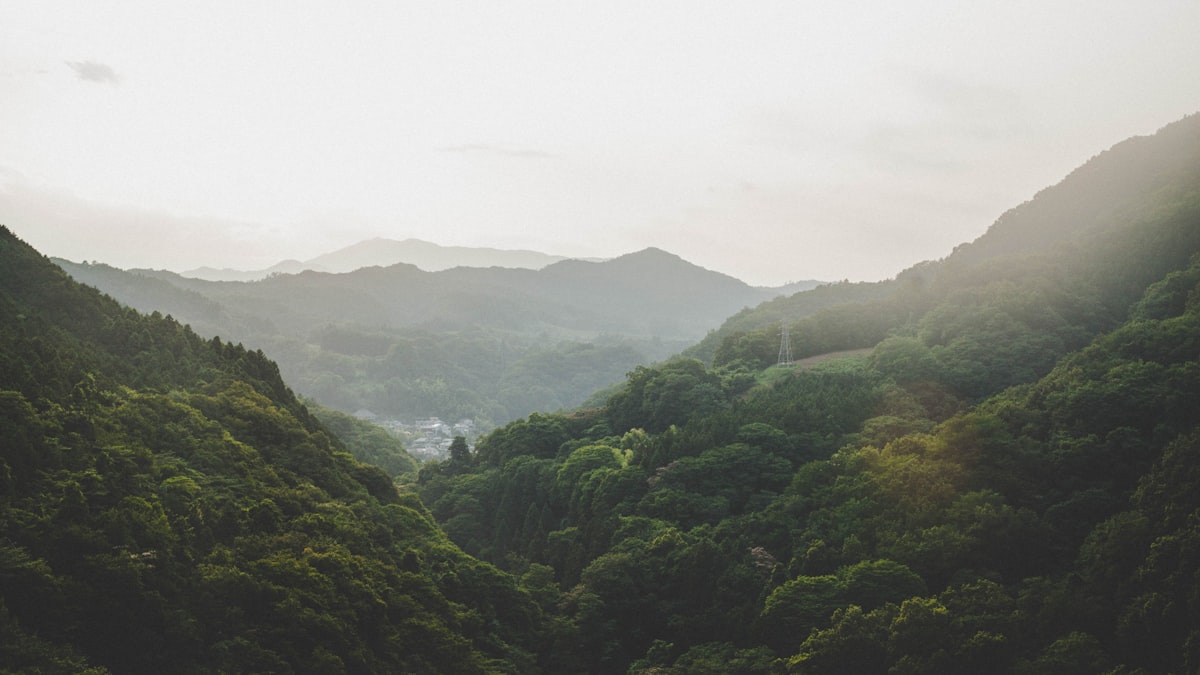
    Deep in Tokushima Prefecture, the Iya Valley is a steep, forested gorge historically so remote it sheltered defeated Heike clan warriors after the 12th-century Genpei War. Today it’s known for:

    • Vine bridges (kazurabashi) — swaying bridges woven from mountain vines, rebuilt every few years using traditional methods; crossing one, with the river visible through the gaps in the vines, is the valley’s signature experience. Entry costs around 550 yen.
    • Remote onsen — small hot-spring ryokan tucked into the gorge, some accessible only by a cable car down the cliff face from the road above.
    • Dramatic mountain roads — narrow, winding routes with viewpoints over the gorge; a rental car is genuinely the best way to explore, since bus service is infrequent.
    • The valley is roughly a 2–2.5 hour drive from Tokushima city, or reachable by a combination of train and infrequent local bus if you’re not driving.

    The Naruto whirlpools

    At the Naruto Strait, between Shikoku and Awaji Island, powerful tidal currents create some of the largest whirlpools in the world, up to 20 meters across at peak tide. Sightseeing boats run close to the vortices for a dramatic view, and the Onaruto Bridge above has a glass-floor observation deck (Uzu-no-Michi) where you can watch the whirlpools form directly beneath your feet. Whirlpool activity is tide-dependent, so check the tide charts (posted at the sightseeing dock and most hotel front desks) before planning your visit — the biggest whirlpools appear around the spring and neap tide cycles, not every day equally.

    The 88 Temple Pilgrimage

    Shikoku is home to Japan’s most famous pilgrimage route: a roughly 1,200-kilometer loop connecting 88 temples associated with the Buddhist monk Kukai (Kobo Daishi), who was born on the island. Completing the full walking pilgrimage traditionally takes about 40–60 days, and pilgrims (called henro) are recognizable by their white jackets, conical straw hats, and wooden walking staffs. You don’t need to walk the whole route to experience it:

    • Visit a handful of temples by car or bus as part of a shorter trip — many are near Tokushima, Kochi, Matsuyama, and Takamatsu, so it’s easy to fold two or three into a city visit.
    • Local hospitality (osettai) — a distinctive part of the culture is residents offering pilgrims small gifts of food, drinks, or money as a form of merit-sharing; travelers who visit temples respectfully are sometimes included in this, even without walking the full route.
    • For context on the broader shrine-versus-temple etiquette involved, see our shrines vs temples guide before visiting.
    • Compare this with the Kumano Kodo on Honshu if you’re deciding between Japan’s two most famous pilgrimage routes — Kumano Kodo is shorter and more forest-focused, while the Shikoku pilgrimage is a full island circuit connecting temples through cities and countryside alike.

    Matsuyama and Dogo Onsen

    Matsuyama, Shikoku’s largest city, is home to one of Japan’s three original wooden castles still standing on its original site, and to Dogo Onsen — reputed to be Japan’s oldest hot spring, with a history stretching back over a thousand years and a mention in Japan’s earliest written records. The main bathhouse building, a wooden structure dating to 1894, is said to have partly inspired the bathhouse in Studio Ghibli’s Spirited Away (see our Ghibli guide). A basic bath here costs around 700 yen; private family bath options cost more and require reservations.

    Getting to and around Shikoku

    • By train — no shinkansen serves Shikoku directly; from Okayama on Honshu, limited express trains cross the Seto-Ohashi Bridge to Takamatsu in about an hour, making Okayama the main gateway.
    • By plane — regional airports at Takamatsu, Matsuyama, Kochi, and Tokushima connect to Tokyo, Osaka, and other major hubs.
    • Getting around the island — a rental car is strongly recommended, especially for the Iya Valley; the four prefectural capitals (Takamatsu, Tokushima, Kochi, Matsuyama) are connected by train and highway bus, but rural attractions are far easier with your own vehicle.

    Planning your visit

    • How long to stay — three to four days covers Iya Valley, Naruto, and one city (Matsuyama or Takamatsu) at a comfortable pace.
    • Best time to visit — spring and autumn for comfortable hiking and driving weather; summer is hot and humid but works for whirlpool viewing since tidal strength doesn’t depend on temperature.
    • Combine it with — Naoshima and the Seto Inland Sea art islands (see our Naoshima guide) sit just off Shikoku’s north coast near Takamatsu, making an easy add-on to a Shikoku itinerary.
  • Sado Island: Gold Mines, Taiko & Rural Japan

    Sado Island: Gold Mines, Taiko & Rural Japan

    Sado Island, off the coast of Niigata Prefecture in the Sea of Japan, is Japan’s sixth-largest island and one of its least-visited major destinations. It has a strange, layered history — a place of exile for emperors and monks in the medieval era, then Japan’s largest gold mine for over 400 years — plus rice paddies restored specifically to bring back the crested ibis, and one of the country’s most famous taiko drumming groups. It’s a genuine off-the-beaten-path trip, not a polished tourist stop, and that’s the appeal.

    A quick history

    For centuries, Sado was Japan’s official place of exile — Emperor Juntoku and the Buddhist monk Nichiren were both sent here, which left the island with an unusually dense concentration of temples and shrines for its size. Everything changed in 1601 with the discovery of gold at Aikawa, and the Sado Gold Mine became the largest in Japan, operated continuously until 1989. The mine complex and its surrounding mining town were inscribed as a UNESCO World Heritage Site in 2024, giving the island a fresh reason to visit.

    What to see and do

    • Sado Gold Mine (Sado Kinzan) — walk through actual mining tunnels dating from the Edo period, with animatronic dioramas showing historical mining techniques, plus the newer Doyu-no-Warito open-pit site, a dramatic V-shaped cleft carved into the mountain by centuries of digging.
    • Taraibune (tub boats) — round, tub-shaped wooden boats originally used by local women to gather seaweed and shellfish among the rocky coves near Ogi; short rides are now a popular, slightly whimsical tourist activity.
    • Toki Forest Park — dedicated to the crested ibis (toki), a bird that went extinct in the wild in Japan before a captive-breeding and reintroduction program on Sado brought it back; you can see the birds up close and, with luck, spot reintroduced ones in the surrounding rice paddies.
    • Sado’s rice and sake — the island’s ibis-friendly farming methods (avoiding pesticides to protect the birds’ food source) have become a selling point for its rice, and several small breweries produce sake worth seeking out; if you’re building out a sake trip, pair this with our sake guide.
    • Ogi and traditional villages — quiet fishing towns and the Shukunegi preserved district, a cluster of Edo-period wooden houses built by shipwrights, packed tightly into a narrow cove.
    • Kodo — the world-renowned taiko drumming ensemble is based on Sado and trains at a dedicated village on the island; their summer Earth Celebration festival draws visitors from well beyond Japan, though tickets and accommodation sell out months ahead.

    Getting there

    • By ferry from Niigata — the main gateway. A car ferry takes about 2.5 hours to Ryotsu port; a faster jetfoil covers the same route in around 1 hour.
    • By ferry from Naoetsu (Joetsu, south of Niigata) — a car ferry runs to Ogi port, seasonally, taking roughly 2 hours 40 minutes.
    • Reaching Niigata — the Joetsu Shinkansen connects Tokyo to Niigata Station in about 2 hours; from there it’s a short bus or taxi to the ferry terminal.

    Getting around the island

    Sado is large — about the size of Tokyo’s 23 wards combined — and public transport is sparse. A rental car is by far the easiest way to see more than one corner of the island in a day; cars can be rented at the ferry terminals in Ryotsu or Ogi. Limited bus routes connect the main towns for travelers without a license, but expect long waits between services, and plan around the timetable rather than around your itinerary.

    Planning your visit

    • How long to stay — a rushed day trip from Niigata is possible for the gold mine alone, but two nights lets you cover the mine, the toki park, and at least one coastal village without rushing between ferry times.
    • Best time to visit — late spring through early autumn for the mildest weather and calmest ferry crossings; the Sea of Japan side can get rough and cold in winter, and some ferry schedules are reduced.
    • Where to stay — Ryotsu and Aikawa have the most accommodation options, from business hotels to small family-run inns; compare options on Booking.com before you go, since choices thin out compared to mainland cities.
    • Budget — the gold mine entry runs around 1,300 yen, taraibune rides around 800–1,000 yen per person, and a rental car for a full day is typically 6,000–9,000 yen — reasonable compared to more touristed regions.

    Who it’s for

    Sado isn’t a first-Japan-trip destination — it rewards travelers who’ve already covered Tokyo and Kyoto and want somewhere genuinely quiet, with real history and no crowds. If you’re already planning a Niigata detour (skiing in winter, or the Echigo-Tsumari art triennial in summer), adding two or three days on Sado turns a regional trip into something memorable rather than a simple add-on.

  • Yakushima: Japan’s Ancient Forest Island

    Yakushima: Japan’s Ancient Forest Island

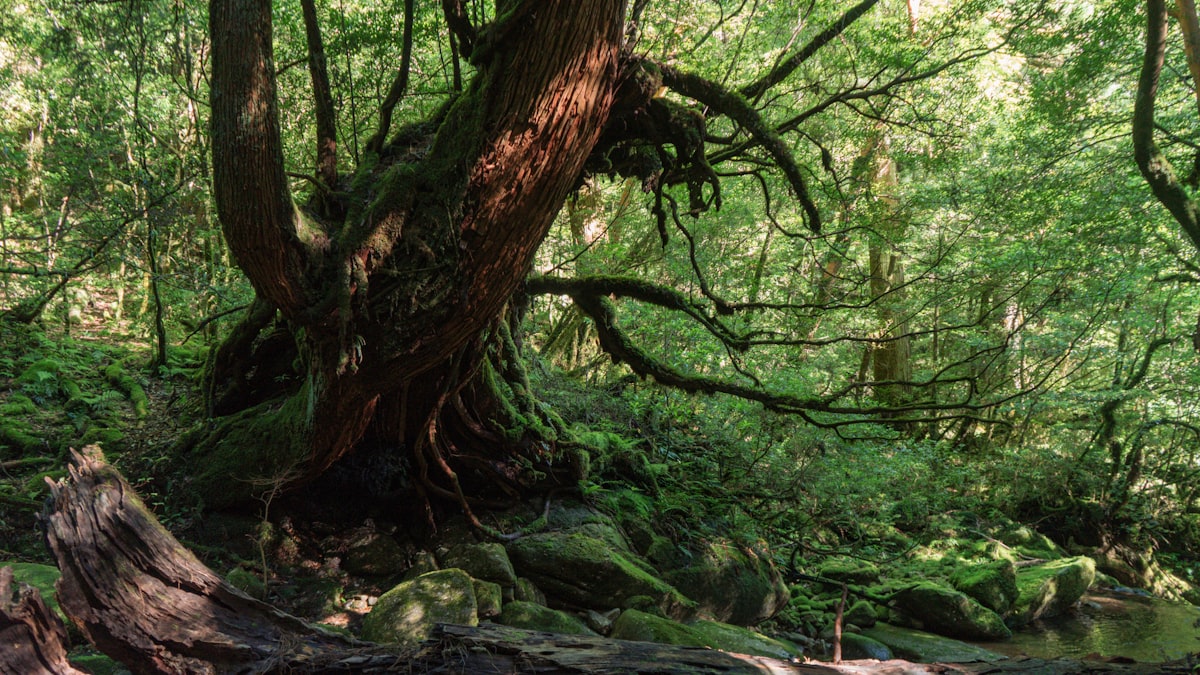
    Yakushima is a small, round, mountainous island off the southern tip of Kyushu, covered in a primeval cedar forest so old and mossy it inspired the forest scenes in Studio Ghibli’s Princess Mononoke — see our Studio Ghibli guide if that’s what brought you here. It’s one of Japan’s two original UNESCO World Heritage natural sites, and it feels almost nothing like the rest of the country: wetter, wilder, and far less visited than Okinawa or Hokkaido.

    Why Yakushima is different

    The island receives extraordinary rainfall — locals joke that “it rains 35 days a month” — which is exactly why its interior supports ancient yakusugi cedar trees, some estimated at over 1,000 years old, with the oldest specimens possibly exceeding 7,000 years. The climate shifts dramatically with elevation: subtropical palm trees near the coast give way to cool temperate forest, then near-alpine conditions at the island’s highest peaks, which top 1,900 meters — genuinely unusual for such a small landmass this far south.

    What to do

    • Jomon Sugi hike — the trek to Japan’s most famous ancient cedar is a full-day commitment: roughly 10 hours round trip, starting well before dawn, with a shuttle bus required to reach the trailhead (private cars are restricted). This is a serious hike, not a casual walk.
    • Shiratani Unsuikyo Ravine — the more accessible option, and the specific forest that inspired the Mononoke imagery. Trails range from an easy 1-hour loop to a 4-hour hike, making it realistic for most fitness levels.
    • Yakusugi Land — an easier forest park with boardwalk trails from 30 minutes to 2.5 hours, good if Jomon Sugi’s full-day hike isn’t feasible.
    • Sea turtles — Yakushima’s beaches (notably Inakahama) are a major loggerhead turtle nesting site from May to July; guided night viewing tours run in season, though flash photography and unguided visits are restricted to protect nesting turtles.
    • Onsen with ocean views — several outdoor hot springs sit right at the coastline, including tidal baths that are only accessible at low tide.

    Getting there

    • By plane — regional flights connect Yakushima Airport with Kagoshima (about 35 minutes) and, seasonally, Osaka and Fukuoka.
    • By high-speed ferry — the Toppy/Rocket jetfoil runs from Kagoshima port in roughly 1 hour 50 minutes to 2 hours 40 minutes depending on the route, a scenic and often cheaper alternative to flying.
    • By slow ferry — an overnight or several-hour car ferry option exists for those bringing a vehicle or on a tighter budget.
    • Kagoshima itself is reachable from Fukuoka and Kumamoto by train, or directly from Tokyo and Osaka by air.

    Getting around the island

    Yakushima is genuinely rural — there’s no train, and bus service is limited outside the main trailhead shuttles. Most visitors rent a car at the airport or port; the coastal ring road takes only about 2–3 hours to circle the entire island without stops, but the interior mountain roads are narrow and slow. If you don’t want to drive, most hotels can arrange trailhead transfers and a handful of local tour operators run day trips that include transport, guiding, and permits where required.

    Planning your visit

    • Best time to visit — spring (March–May) and autumn (October–November) bring the most stable weather; given how much it rains year-round, pack for rain regardless of season.
    • How long to stay — two to three nights is the realistic minimum to fit in a major hike plus the coastal sights without rushing; the Jomon Sugi trek alone should be its own dedicated day.
    • What to pack — proper rain gear, layered clothing for the elevation swing, and sturdy hiking shoes; the popular trails are well-maintained but can be muddy and root-covered.
    • Guides — not required for Shiratani Unsuikyo or Yakusugi Land, but strongly recommended for the full Jomon Sugi trek if you’re not an experienced hiker, since the early start and distance catch people off guard.

    Combining it with the rest of Kyushu

    Yakushima pairs naturally with a wider Kyushu trip that includes Fukuoka and the hot-spring towns of Beppu and Yufuin — fly into Fukuoka, work your way south, and end with the ferry or flight from Kagoshima to Yakushima as the trip’s final, quietest chapter. It’s a demanding add-on rather than a relaxing one, but for travelers who’ve already done Tokyo and Kyoto and want to see a side of Japan that feels genuinely remote, it’s hard to beat.

    Food and where to stay

    Accommodation on Yakushima leans toward small family-run guesthouses (minshuku) and mid-size hotels rather than large resorts, concentrated in the towns of Miyanoura and Anbo near the two ferry ports. Many include two meals a day, which is worth taking given how few restaurant options exist near the trailheads. Local specialties include flying fish (tobiuo), often served as sashimi or deep-fried, and the island’s own citrus, ponkan, in season during winter. Because options are limited compared to mainland cities, book accommodation well ahead for peak seasons — Golden Week and the summer school holidays fill up fastest, and some of the smaller guesthouses only take a handful of guests a night.

  • Super Sento: Japan’s Modern Bathhouses (and How They Differ from Onsen)

    Super Sento: Japan’s Modern Bathhouses (and How They Differ from Onsen)

    Not every hot bath in Japan is an onsen. If you’re staying in a city and don’t want to travel to a hot-spring town, a super sento — a large, modern public bathhouse — gives you almost the same experience for the price of a movie ticket. Here’s what makes them different from both onsen and old neighborhood bathhouses, and how to use one properly.

    Sento vs. super sento vs. onsen

    • Sento — traditional neighborhood public baths, historically for people without a bath at home. Simple, cheap (around 500 yen in most cities thanks to local price caps), usually just a couple of tubs and a washing area.
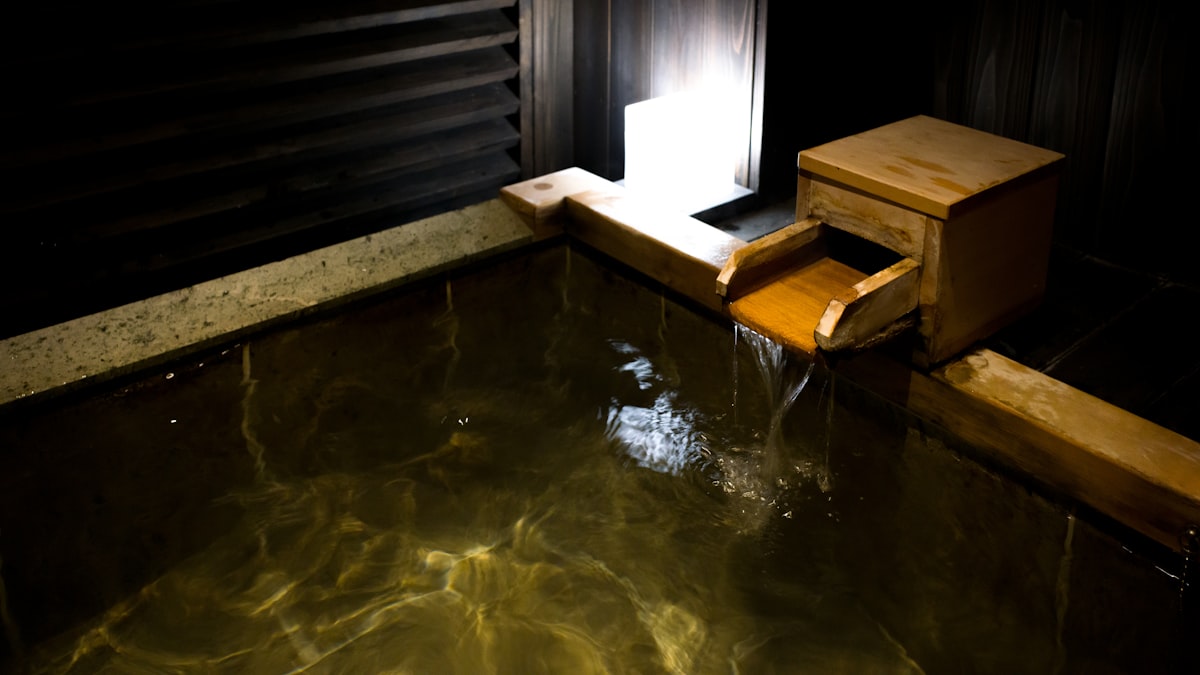
    • Super sento — large, modern bathhouse complexes, often on the edge of cities or near highways, with multiple indoor and outdoor baths, saunas, sometimes carbonated or electric baths, relaxation lounges, restaurants, and occasionally capsule-style rest areas. Entry typically runs 700–1,500 yen.
    • Onsen — legally must use natural geothermal spring water with a minimum mineral content and temperature. A facility can call itself an onsen even in the middle of Tokyo if it pumps genuine hot-spring water from underground; see our onsen etiquette guide for the bathing rules, which apply here too.

    Many super sento actually pipe in real onsen water (some pump it from hundreds of meters underground even in central Tokyo or Osaka), which is worth checking for if you want the genuine mineral-bath experience without leaving the city.

    What a typical visit looks like

    1. Pay at the entrance — often a vending-machine ticket system or a wristband/locker key that tracks charges (food, drinks, extra towels) to settle when you leave.
    2. Undress completely in the locker room — swimwear is not worn in the bathing area, and this applies to everyone regardless of gender or nationality.
    3. Wash thoroughly while seated at the shower stations before entering any bath — this is the one rule that matters most and is taken seriously.
    4. Move between baths — most super sento have several: a large soaking bath, an outdoor rotenburo, a cold plunge, sometimes a “electric” tingling bath (mild and harmless, just unusual), a sauna, and often a salt or steam room.
    5. Rinse and dry off before returning to the locker room — a small hand towel is used for modesty and for wiping down, not for soaking in the bath.
    6. Relax afterward — most super sento have a communal lounge with reclining chairs, a restaurant serving ramen or set meals, and sometimes massage chairs or manga corners, encouraging you to stay for hours, not minutes.

    Tattoos

    Policies vary by facility. Large chain super sento in bigger cities are increasingly tattoo-tolerant or offer cover-up stickers (sold or lent at the front desk) for small tattoos; older or more traditional sento are stricter. If you have visible tattoos, check the facility’s website in advance or see our tattoo and onsen guide, which covers the same etiquette that applies at super sento.

    What to bring (or rent)

    • A small hand towel and a large bath towel — most super sento rent or sell both for a few hundred yen if you come empty-handed.
    • Basic toiletries are usually provided (shampoo, body soap), but bring your own if you have specific skin needs.
    • Cash or IC card for lockers and food — many older facilities still don’t take credit cards, though this is changing.
    • A change of clothes if you’re planning to spend the evening — many travelers use a super sento as an end-of-day reset after a long train journey or hiking day.

    Why travelers should bother

    Super sento solve a real problem: you get the soaking, sauna, and relaxation of an onsen ryokan stay (see our ryokan guide if you want the full overnight version) without needing to leave the city or book a room. They’re also open late — often until midnight or later — which makes them a good option after a long day of sightseeing when your legs are tired and your hotel bath is a cramped unit bath. Families with children, groups, and solo travelers are all common, and unlike some ryokan onsen, super sento rarely require reservations.

    Finding one

    • Search “スーパー銭湯” (super sento) plus your city name on Google Maps — most have English reviews from past visitors noting tattoo policy and crowd levels.
    • Popular chains include Spa LaQua (Tokyo), Oedo Onsen Monogatari-style theme baths, and regional chains like Manyo no Yu, which has locations near several airports — handy for a wash and soak before a late flight home.
    • Weekday afternoons are quietest; weekend evenings and holidays get crowded with local families.

    Quick etiquette checklist

    • Wash before bathing, every time — no exceptions.
    • No swimwear in the water.
    • Keep your towel out of the bathwater — fold it on your head or set it aside.
    • Tie up long hair so it doesn’t touch the water.
    • Photography is not allowed in bathing areas, for obvious reasons.
    • Speak quietly — even busy super sento maintain a calm, low-key atmosphere.
  • Matsumoto: Castle, Soba & Gateway to the Japan Alps

    Matsumoto: Castle, Soba & Gateway to the Japan Alps

    Matsumoto doesn’t get the crowds of Kyoto or the neon of Tokyo, and that’s exactly the point. This compact city in Nagano Prefecture has one of Japan’s finest original castles, a walkable old town, some of the country’s best soba noodles, and — for much of the year — it’s the easiest gateway into the Northern Japan Alps. If you’re heading to Kamikochi or Shirakawa-go, or you simply want a slower, less-touristed stop between Tokyo and Kyoto, Matsumoto earns a full day or an overnight.

    Matsumoto Castle: the “Crow Castle”

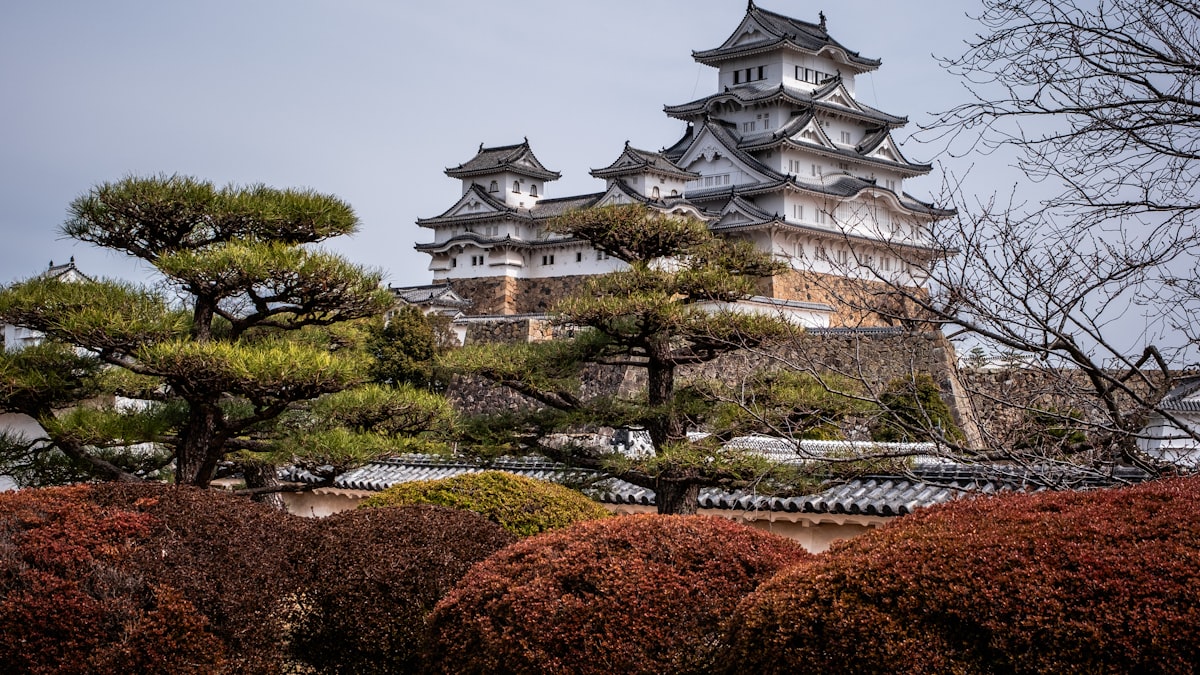
    Matsumoto Castle (Matsumoto-jo) is one of only twelve Japanese castles with an original wooden keep that survived war, fire, and the Meiji-era demolitions — see our guide to Japan’s original castles for the full list. Its black-and-white exterior earned it the nickname “Crow Castle,” and unlike many rebuilt-in-concrete castles elsewhere in Japan, the inside is the real, centuries-old timber structure.

    • Entry fee — around 700 yen for adults; combination tickets with the nearby Nakamachi museum are sometimes available.
    • Hours — typically 8:30am–5:00pm (last entry 4:30pm), extended during cherry blossom and summer weekends.
    • Inside the keep — steep, narrow wooden staircases (some almost ladder-like), low ceilings, and a hidden third floor built to fool attackers. Wear socks you don’t mind showing — shoes come off at the entrance.
    • Best photo spot — the moat’s edge on the castle’s north side, where the keep reflects in the water; arrive near opening time for the fewest people and the softest light.
    • Cherry blossom season (late March–mid April, though timing shifts year to year) — the castle grounds fill with sakura and it’s genuinely one of the best blossom-and-castle combinations in Japan.

    Nakamachi and Nawate: the old town

    A 10–15 minute walk from the castle, the Nakamachi district preserves rows of white-walled kura (storehouses) that now hold cafes, sake breweries, craft shops, and a small museum. Running alongside the Metoba River, the Nawate Street market area is a shorter strip of stalls selling grilled snacks, folk crafts, and — appropriately for a “frog” pun on the river’s old name — frog-themed souvenirs. Neither district takes more than an hour or two, which is exactly why Matsumoto works so well as a single-day stop.

    Eat: soba country

    Nagano Prefecture is one of Japan’s best regions for soba (buckwheat noodles), thanks to the cool mountain climate that suits buckwheat cultivation. In Matsumoto, look for:

    • Zaru soba — cold noodles served on a bamboo tray with dipping sauce, the classic way to judge a shop’s noodle quality.
    • Togakushi-style soba — a Nagano specialty served in small bundles on a round basket, originating from the nearby Togakushi region.
    • Basashi (horse sashimi) — a Nagano izakaya specialty if you’re feeling adventurous; it’s mild and lean, closer to beef tataki than you’d expect.
    • A bowl of good soba typically runs 900–1,500 yen; the oldest shops near Nakamachi have been running for generations and often sell out of noodles before dinner.

    Getting to Matsumoto

    • From Tokyo (Shinjuku) — the JR Azusa or Super Azusa limited express runs directly to Matsumoto Station in about 2 hours 30 minutes to 2 hours 45 minutes, roughly 7,000–7,700 yen one-way (no shinkansen on this route).
    • From Nagoya — the JR Shinano limited express takes about 2 hours direct.
    • From Kyoto or Osaka — take the shinkansen to Nagoya, then transfer to the Shinano limited express; total journey is roughly 3–3.5 hours.
    • The castle and old town are a 15–20 minute walk from Matsumoto Station, or a short taxi/bus ride if you’re short on time.

    Why Matsumoto matters for Alps travel

    Matsumoto’s bus terminal is the main departure point for Kamikochi, the dramatic alpine valley that’s one of Japan’s best hiking destinations, with direct buses taking around 1 hour 5 minutes during the open season (roughly mid-April through mid-November; the road closes to traffic in winter). It’s also a reasonable base for reaching Takayama and Shirakawa-go if you’re building a Japan Alps loop rather than backtracking through Nagoya each time. Staying overnight in Matsumoto — rather than day-tripping from Tokyo — lets you catch the castle at dusk when the crowds thin and the illumination (on select evenings) reflects in the moat.

    Practical tips

    • Best time to visit — early April for cherry blossoms with the castle, or October for the start of Alps autumn color; midsummer is pleasantly cooler than Tokyo or Kyoto thanks to the elevation.
    • How much time to allow — a half-day covers the castle and old town; a full day lets you add a soba lunch and a slower wander through Nakamachi’s shops.
    • Luggage — coin lockers at Matsumoto Station are plentiful but fill up on weekends; if you’re continuing to Kamikochi the same day, use the lockers rather than carrying bags on the mountain bus.
    • Combine it — Matsumoto sits neatly between Tokyo and the Japan Alps/Takayama route, so it fits well into a two-week itinerary without much backtracking.
  • Japan in Summer: Festivals, Heat & What to Do

    Japan in Summer: Festivals, Heat & What to Do

    Summer in Japan is hot and humid — but it’s also festival season, with fireworks, mountain escapes, and a lively energy. Here’s how to make the most of a summer trip (and stay cool).

    What summer offers

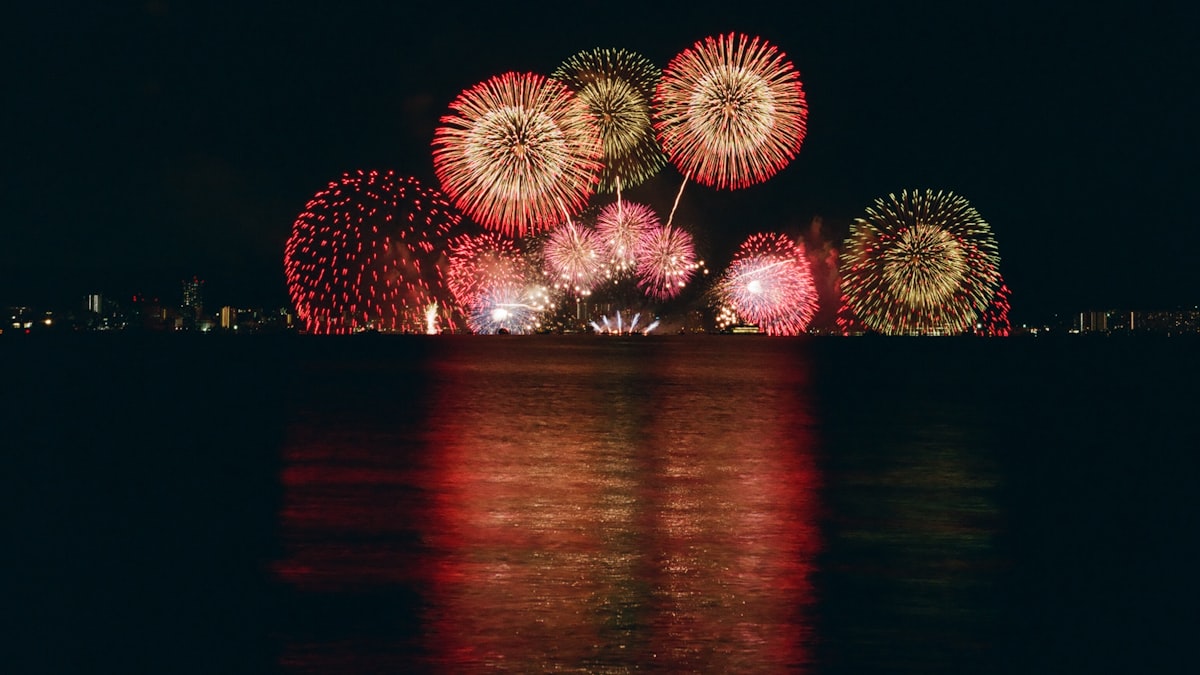
    • Matsuri & fireworks (hanabi) — the best festival season; see our festivals guide.
    • Mountain & northern escapes — cool retreats like Kamikochi and Hokkaido.
    • Beaches & islands — Okinawa is at its best.
    • Mt. Fuji climbing season (July–early September); see our Fuji guide.

    The heat & humidity (be ready)

    Beat-the-heat tips

    • Sightsee early and late; take midday breaks in air-conditioned museums, cafes, and department stores.
    • Wear breathable clothing — see what to wear in Japan.
    • Watch for typhoons late summer and build in flexibility.

    Cool summer treats

    Kakigori (shaved ice), cold soba, and somen noodles are summer staples. End a hot day with a riverside beer garden. Compare seasons in our best time to visit guide.

    Summer trip costs & crowd patterns

    • Obon (roughly Aug 13-16) is the single busiest and priciest stretch of summer — domestic travelers go home to see family, so shinkansen seats, flights, and hotel rates spike nationwide. Book that window weeks ahead or plan around it.
    • Early-to-mid July (after the rainy season breaks but before the Obon rush) is usually the calmest and cheapest pocket of summer for both flights and city hotels.
    • Budget travelers can shave costs by choosing business hotels with strong A/C over ryokan (which can feel stuffy without central cooling) and by leaning on vending-machine and konbini drinks instead of cafe prices.

    Common summer mistakes to avoid

    • Wearing heavy cotton or synthetic fabrics — they trap sweat; quick-dry technical shirts (available cheaply at Uniqlo AIRism counters) make a huge difference over a walking-heavy day.
    • Underestimating typhoons — late August into September is peak typhoon season; a storm can cancel shinkansen and flights for a full day. Build one buffer day into any itinerary that touches this period.
    • Skipping electrolytes — plain water is not enough in 34C/95%-humidity heat; pick up Pocari Sweat or Aquarius from any konbini rather than relying on iced coffee.
    • Scheduling back-to-back outdoor sightseeing at 1pm — locals shift outdoor plans to morning and evening for a reason.

    Regional summer add-ons

    If you are building a longer trip, summer is prime time for events outside the usual Tokyo-Kyoto-Osaka loop: Tohoku’s Nebuta and Kanto festivals (early August), Tokushima’s Awa Odori dance festival (mid-August), and the beer garden season up in Hokkaido, where daytime highs stay noticeably lower than in the cities further south.

    Budget, mid-range & splurge for a summer trip

    • Budget: capsule hotels or business hotels with reliable A/C (JPY 5,000-9,000/night), konbini and set-lunch meals, and free festival-watching over paid fireworks viewing spots.
    • Mid-range: a city hotel with a pool or rooftop bar (JPY 15,000-25,000/night), one paid hanabi viewing area ticket, and a day trip to a cooler mountain or coastal town.
    • Splurge: a night at a mountain or lakeside resort with a private onsen to escape the city heat entirely, paired with reserved fireworks-viewing seats at a major festival like the Sumida River or Omagari display.

    Packing a day bag for summer sightseeing

    A small day bag makes a big difference on hot days: a collapsible water bottle you can refill at station fountains, a battery-powered handheld fan (sold everywhere in convenience stores from May onward), cooling wipes or a wet towel in a ziplock bag, and a portable phone charger since heat drains batteries faster and you will be relying on maps constantly. Sunscreen matters more than most travelers expect at this latitude in July and August — see our Japanese sunscreen guide for lightweight, non-greasy options that hold up under humidity.

  • Japan in Spring: Cherry Blossoms, Weather & Tips

    Japan in Spring: Cherry Blossoms, Weather & Tips

    Spring is many travelers’ favorite time to visit Japan — cherry blossoms, mild weather, and a festive mood. Here’s what to expect and how to plan a spring trip.

    Why spring is special

    • Cherry blossoms (sakura) — the headline event; parks and temples fill with hanami picnics. See our cherry blossom guide.
    • Mild, pleasant weather — comfortable for sightseeing and walking.
    • Fresh spring food — sakura-flavored sweets, strawberries, and bamboo shoots.

    When to go

    • Cherry blossoms peak roughly late March to early April in Tokyo/Kyoto, earlier in the south, later in the north — follow the annual forecast.
    • Late April–May brings lush greenery, wisteria, and fewer crowds after the blossom rush.
    • Watch out for Golden Week (late Apr–early May) — very busy; see our Golden Week guide.

    What to pack & wear

    • Layers — mild days, cool mornings and evenings; a light jacket and compact umbrella. See what to wear.

    Plan around the crowds

    Prefer fewer crowds? Consider autumn or the quiet beauty of winter.

    Spring trip costs & booking timing

    • Cherry blossom week hotel rates in Tokyo and Kyoto can run 30-50% above baseline, and the best ryokan and city-view rooms sell out 2-3 months ahead — this is one of the few times of year we would suggest booking lodging before flights.
    • Late April-early May (Golden Week) is even pricier and busier than blossom season for domestic transport, since it overlaps with Japan’s biggest national holiday stretch.
    • Traveling in the second half of May, after Golden Week but before the rainy season, gets you mild weather and fresh greenery at close to off-season prices.

    Common spring-trip mistakes

    • Fixating only on Tokyo/Kyoto forecasts — bloom dates shift by 2-3 weeks between Kyushu and Hokkaido, so a rigid single-city plan can miss the peak entirely; build in flexibility or pick a target city 4-7 days out once forecasts firm up.
    • Underpacking layers — March and early April mornings can sit near 8-10C even when afternoons feel pleasant; a light down jacket packs small and covers the swing.
    • Assuming picnic spots are free-for-all — popular hanami parks fill from early morning; groups often reserve a tarp spot hours ahead, so arrive early or picnic at a quieter, less-photographed park.

    Budget-friendly ways to enjoy sakura

    You do not need a paid garden to see great blossoms. Riverside paths (like Kyoto’s Philosopher’s Path or Tokyo’s Meguro River), castle moats, and ordinary neighborhood parks are free and often less crowded than headline spots like Maruyama Park or Ueno Park at peak bloom — arrive at dawn for the famous locations if you do want the postcard shot.

    Budget, mid-range & splurge for cherry blossom season

    • Budget: free neighborhood parks and riverside paths, a picnic bought from a konbini or depachika food hall, and off-peak weekday viewing.
    • Mid-range: a paid-entry garden with fewer crowds (like a temple garden with an evening illumination), plus a kimono rental for photos among the trees.
    • Splurge: a ryokan or hotel room with a private view of blossoms, or a boat ride under blooming trees along a canal in Kyoto or Tokyo.

    Beyond cherry blossoms: what else blooms

    Sakura gets the attention, but spring brings a longer flower calendar worth knowing: nemophila (baby blue eyes) carpets fields at Hitachi Seaside Park in April-May, wisteria drapes famous tunnels at Ashikaga Flower Park in late April, and moss phlox (shibazakura) covers hillsides near Mt. Fuji around the same time as the Fuji Shibazakura Festival. If your dates miss peak sakura, one of these can be a rewarding backup rather than a disappointment.

  • Japanese Vending Machines: A Fun Guide (Jihanki)

    Japanese Vending Machines: A Fun Guide (Jihanki)

    Japan’s vending machines are a mini cultural phenomenon — everywhere, always working, and stocked with far more than you’d expect. Here’s a fun guide to jido-hanbaiki (jihanki).

    Why they’re everywhere

    Japan has one of the highest densities of vending machines on earth — on street corners, up mountains, and outside tiny shrines. They’re reliable, safe, and a testament to the country’s love of convenience.

    What you can buy

    • Hot and cold drinks — the classic. Red labels/tabs = hot (coffee, tea, even corn soup); blue = cold.
    • Coffee in a can — surprisingly good and available piping hot in winter.
    • Only-in-Japan finds — hot ramen, ice cream, dashi stock, fresh eggs, umbrellas, and novelty items.

    How to use them

    • Pay with coins, notes, or tap your IC card (Suica/Pasmo) — super convenient.
    • Press the button under your choice; collect from the tray below.
    • Machines give change and rarely jam.

    Etiquette

    • Drink near the machine and use its recycling bin for the empty — don’t walk off drinking, and don’t litter (bins are scarce elsewhere). See our etiquette guide.
    • They’re a lifesaver on hot summer days and cold mountain mornings.

    A fun traveler ritual

    Trying a random hot canned drink from a mountainside machine is a small, delightful part of any trip. Keep some 100-yen coins handy — and enjoy the hunt for weird and wonderful ones. More only-in-Japan fun in our Tokyo guide.

    What things actually cost

    • Canned drinks run about JPY 120-160; bottled tea and water are similar. Rare specialty machines (hot food, ice cream, novelty items) can run JPY 300-600.
    • Machines inside train stations and tourist spots are sometimes priced slightly higher than ones on residential side streets — if you are budget-conscious, wait a block.
    • Most machines now take IC cards, and a growing number take QR/e-money apps, but rural and mountain machines are more likely to be coins-and-notes only — keep JPY 100 coins on hand outside big cities.

    Common mistakes first-timers make

    • Assuming red always means “hot” and blue “cold” — most machines do follow this, but always double-check the small thermometer icon before buying, especially with unfamiliar canned coffee brands.
    • Walking off with your drink and no plan for the can — public trash bins are rare in Japan, but nearly every vending machine has a recycling bin built in or beside it. Finish your drink near the machine if you can.
    • Ignoring the “sold out” light — a lit red dot under a specific button means that slot is empty, not that the whole machine is broken.

    Hunting for novelty machines

    Some of the most memorable finds are off the beaten path: hot corn potage and canned bread near rural train platforms, small-batch fruit and vegetable machines outside farms in the countryside, and toy or gacha-style machines outside arcades. If you enjoy the hunt, pair it with a walk through Akihabara or a quieter residential neighborhood — some of the strangest machines turn up nowhere near the main tourist strips.

    Vending machines as a budget travel tool

    Because prices are fixed and low, vending machines are a genuinely useful budget lever on a Japan trip: a JPY 130 canned coffee or tea beats almost any cafe price, and stocking up before a long train ride or hike saves both money and time compared to hunting for a shop. Keep an eye out for discount machines near supermarkets and discount stores, which sometimes price drinks JPY 20-30 below the norm.

    A quick vocabulary cheat sheet

    A handful of words help at the machine: atatakai (warm/hot) and tsumetai (cold) describe drink temperature, urikire means sold out, and otsuri is your change. Machines outside train stations sometimes display prices in a slightly larger font for tourists’ convenience, but the buttons themselves are rarely translated, so matching the picture on the button to the picture on the machine’s front panel is usually the fastest way to order.

  • Kumano Kodo: Walking Japan’s Ancient Pilgrimage Trail

    Kumano Kodo: Walking Japan’s Ancient Pilgrimage Trail

    The Kumano Kodo is an ancient network of pilgrimage trails through the forested mountains of the Kii Peninsula — one of the world’s few UNESCO-listed pilgrimage routes. Here’s how to walk it.

    What it is

    For over a thousand years, pilgrims have walked these mossy stone paths to the three Kumano grand shrines (Kumano Sanzan). Today it’s a soul-restoring hike through cedar forests, past small shrines, teahouses, and hot springs.

    Popular routes

    • Nakahechi — the most popular route, with good infrastructure and manageable day sections.
    • Kohechi & Ohechi — tougher, remote routes for experienced hikers.
    • Many walkers do 2–4 days, staying in guesthouses (minshuku) along the way.

    Highlights

    • Kumano Nachi Taisha & Nachi Falls — Japan’s tallest waterfall beside a pagoda.
    • Hongu Taisha & Oyunohara — the giant torii gate.
    • Yunomine & Kawayu Onsen — soak your tired legs in riverside hot springs (see onsen etiquette).

    Planning tips

    • Book lodging in advance — small guesthouses fill up; luggage-shuttle services help you walk light.
    • Bring proper hiking gear and rain protection; see our packing list.
    • Combine with a temple stay at Koyasan — the two UNESCO sites connect via the Kohechi.

    Getting there

    Access via Kii-Tanabe or Shingu, reachable from Osaka/Kyoto. It’s remote — carry cash and check bus times. A tranquil counterpoint to the cities in any longer itinerary.

    How long it takes & what it costs

    • A full Nakahechi through-hike (Takijiri to Hongu) typically takes 3-4 days of walking, averaging 4-7 hours a day; a popular shorter taste is the 1-day Takijiri-to-Chikatsuyu or Hosshinmon-oji-to-Hongu section (about 2-3 hours, mostly flat).
    • Minshuku and small guesthouses along the trail run roughly JPY 8,000-15,000 per person per night with two meals included — book directly or through the Tanabe City Kumano Tourism Bureau, which specializes in foreign visitors.
    • Luggage-shuttle services between lodges cost around JPY 1,000-2,000 per bag per transfer, which is what makes multi-day walking practical without a full pack.

    Best season & what to avoid

    • Spring (April-May) and autumn (October-November) offer the most comfortable hiking temperatures and the best foliage or greenery.
    • Summer is hot, humid, and brings the risk of typhoons along this stretch of coast; winter sections can ice over at higher elevations, so check conditions before a winter attempt.
    • The trail is far less crowded than Japan’s famous city sights even in peak season — but that also means fewer amenities, so plan meals and water stops around what the trail actually offers rather than assuming convenience stores nearby.

    Common first-timer mistakes

    • Underestimating the terrain — sections are genuine forest trail with roots, stone steps, and elevation change, not paved paths; trail runners are fine for easy days, but proper hiking shoes matter for the steeper stretches.
    • Not booking lodging far enough ahead — there are only a handful of rooms per village, and they fill months out in peak spring and autumn weeks.
    • Forgetting cash — many minshuku, teahouses, and vending machines along the route do not take cards.

    Budget, mid-range & splurge options

    • Budget: minshuku with shared bathrooms and simple meals, walking the shorter Hosshinmon-oji-to-Hongu section as a day hike rather than the full multi-day route.
    • Mid-range: a 2-3 night guided or self-guided package with luggage forwarding included, staying in family-run guesthouses along the Nakahechi.
    • Splurge: finishing the walk with a night at a high-end onsen ryokan in Kawayu or Yunomine with a private riverside bath to soak out the soreness.

    What to pack for the trail

    Beyond hiking shoes, pack a rain shell (mountain weather changes quickly even in good forecasts), a headlamp for early starts, hiking poles if your knees need help on the steeper descents, and enough small-denomination cash for teahouses that only take exact change. Phone signal is patchy in the deeper forest sections, so download offline maps before you set out and let your accommodation know your rough arrival time each day.