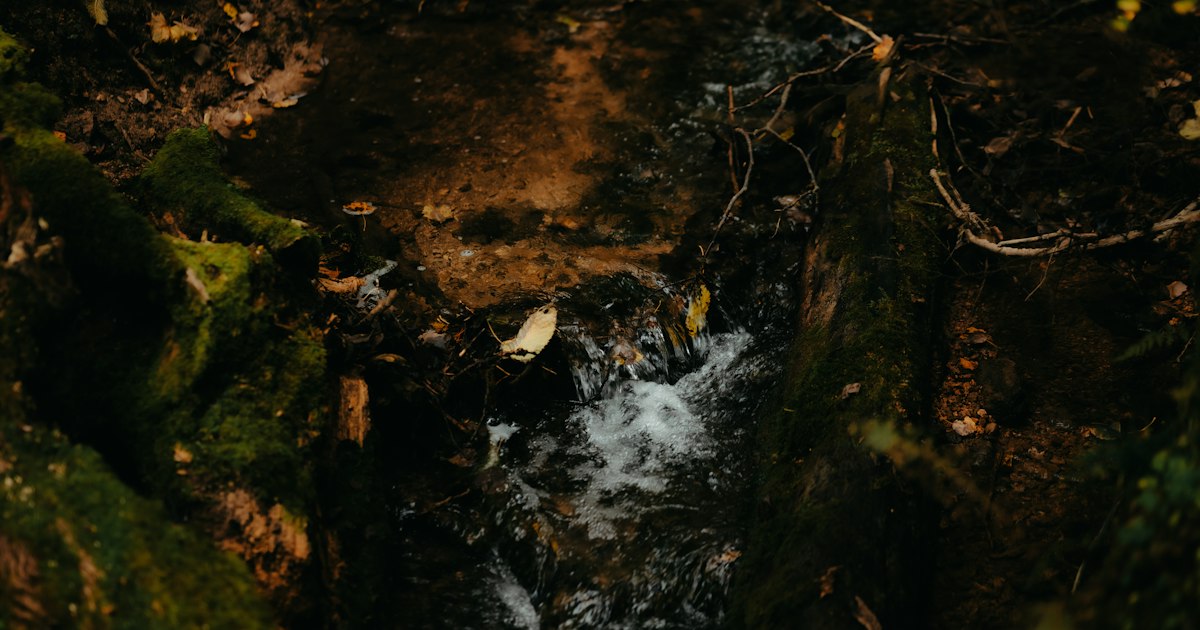
Photo by Kristaps Ungurs on Unsplash
Oirase Gorge (奥入瀬渓流, Oirase Keiryu) is the kind of place that photographs look exaggerated of — mossy boulders, a clear stream tumbling over rock shelves, and a canopy of beech and maple arching over a flat, walkable path. It runs for about 14 kilometers between Lake Towada and the village of Yakeyama in Aomori Prefecture, inside Towada-Hachimantai National Park, and it’s one of the few famous nature walks in Japan that almost anyone can do, regardless of hiking experience. No entrance fee, no technical terrain — just a riverside trail that rewards an unhurried pace.
Getting There from Aomori or Hachinohe
The nearest Tohoku Shinkansen stations are Shin-Aomori and Hachinohe, and both connect to the gorge by seasonal JR bus. From Hachinohe Station, the bus to Yakeyama (the northern end of the trail) takes roughly 2 hours; from Aomori Station or Shin-Aomori, it’s closer to 2.5–3 hours to reach Yakeyama or continue on to the Towadako terminal at the lake. Fares run in the ¥2,000–¥3,000 range one-way depending on where you board and get off. These bus routes typically operate from late April through early November and run far less frequently (or not at all) outside that window, so always check the current JR Bus Tohoku timetable before building your day around a specific departure.
If you’re renting a car, be aware of the “mycar regulation”: during peak autumn foliage weekends (usually mid-to-late October, dates shift slightly each year), private vehicles are barred from the road between Yakeyama and Nenokuchi during daytime hours. You park at a designated lot outside the restricted zone and ride a shuttle bus in — a minor hassle that’s worth planning for rather than discovering at a roadblock.
How to Walk It: Full Trail vs. the Highlight Stretch
The full 14km path from Nenokuchi (at Lake Towada) to Yakeyama takes about 4–5 hours at a relaxed pace with stops for photos, and it’s flat and well-maintained enough for most fitness levels. Most visitors, though, don’t walk the whole thing. The single best stretch — roughly 3km between Nenokuchi and Choshi Otaki waterfall — packs in the most famous scenery (mossy rock gardens, the clearest stretches of stream, and two or three named waterfalls) in about 60–90 minutes of walking.
A common approach: take the bus to one end, walk the highlight section, then catch a later bus from the other end rather than backtracking. Bicycle rental is also available near Yakeyama and Nenokuchi for travelers who’d rather cycle one direction and ride the bus back the other — expect to pay roughly ¥500 per hour. There are few convenience stores or vending machines directly on the trail, so carry water and snacks, and pack out your own trash — rural stretches of Japan like this often have no public bins at all, a point worth knowing before you set out (see our guide to trash and recycling in Japan for how locals handle this).
The Waterfalls and Stops Worth Slowing Down For
Choshi Otaki is the gorge’s signature waterfall and the only one that falls directly from the main stream rather than a side tributary — a wide, roaring curtain about 7 meters high that’s the most-photographed spot on the trail. Further along you’ll pass Kumoi no Taki, Shiraito no Taki (a thin, veil-like fall true to its “white thread” name), and Ryusei no Taki. Between the named falls, the real draw is simply the water itself — impossibly clear, threading around moss-covered boulders in a way that looks engineered but isn’t.
Best Season and Timing
Oirase rewards a visit almost any time of year, but each season looks different:
- Fresh green (shinryoku), early-to-mid May: Bright new leaves, high water flow from snowmelt, fewer crowds than autumn.
- Summer: The canopy keeps the trail noticeably cooler than the rest of Aomori — a good midday escape from the heat.
- Autumn foliage, mid-to-late October: The most popular and most crowded window, with reds and golds along the whole stream. Expect bus and shuttle delays on weekends; go on a weekday if you can.
- Winter: Parts of the stream freeze into dramatic ice formations, with evening illumination events in some years, but trail conditions turn icy and some sections or facilities close. This is a visit for travelers comfortable with winter footwear and shorter daylight, not a casual stroll.
Where to Eat and Stay Nearby
Budget: Pack a convenience-store lunch before you leave Aomori or Hachinohe — options along the trail are limited to a handful of rest houses near Ishigedo and Yakeyama selling noodles and snacks for roughly ¥800–¥1,200.
Mid-range: Oirase Keiryukan, right on the trail near Yakeyama, is the most convenient hotel for an overnight stop, with onsen baths and set-course dinners — a practical base if you want to walk the gorge at dawn before the bus crowds arrive.
Splurge: Lakeside ryokan around Towada-ko (Lake Towada) offer kaiseki dinners built around local Aomori ingredients and lake views; pair a night there with the roughly 50-minute Lake Towada sightseeing cruise (around ¥1,500 for adults) the next morning.
If your Tohoku itinerary continues toward Sendai, it’s worth detouring for the region’s other signature foods — see our guides to zunda mochi and other Tohoku snacks and Sendai’s grilled beef tongue.
Common Mistakes to Avoid
- Treating it as a quick photo stop. The bus schedule out here is sparse — missing a return bus can mean a long wait. Build in buffer time rather than cutting it close.
- Visiting mid-October without a weekday option. Peak foliage weekends bring serious bus and shuttle congestion; if your schedule is flexible, shift to a weekday.
- Assuming you’ll find food or drinks along the way. Outside of Yakeyama and Ishigedo, there’s nothing. Bring your own.
- Not checking the seasonal bus calendar. These routes don’t run year-round, and schedules shift slightly each year — confirm dates before you commit to a plan.
Oirase pairs naturally with other Japan nature day trips if you’re comparing options — it has a similar slow, scenic-walk appeal to the Kurobe Gorge Railway in Toyama, and travelers building a broader “nature escape” itinerary around Tokyo might also look at the Izu Peninsula’s hot springs and coastline. Oirase’s advantage is simplicity: no technical hiking, no entrance fee, just a path, a stream, and a lot of moss — which is exactly why it’s worth the trip north.