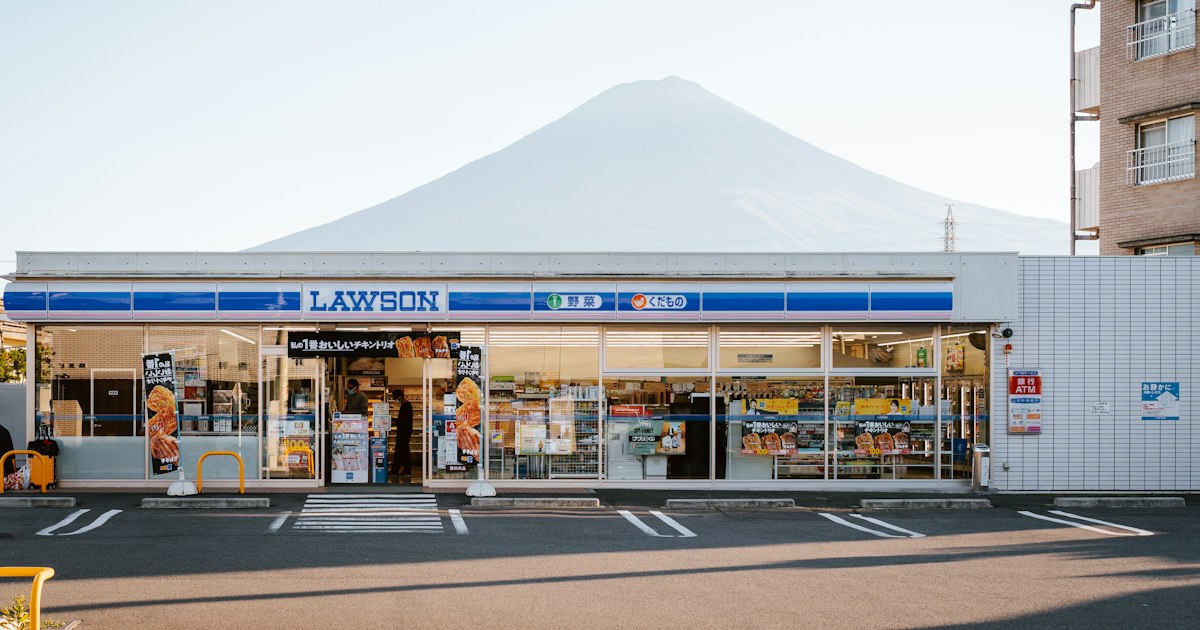
Skip the ¥600 café latte and the 20-minute wait: Japan’s convenience stores (known as “konbini”) sell genuinely good, freshly brewed coffee for about ¥100–¥250, available 24 hours a day at nearly every corner of the country. The catch is that the machines at Lawson, 7-Eleven, and FamilyMart each work a little differently, and first-time visitors routinely end up with a cup of hot water, no lid, or an overflowing mess because nobody explained the steps. Here’s exactly how each chain’s system works, what to order, and how to avoid the rookie mistakes.
How Convenience Store Coffee Works in Japan
All three major chains use the same basic model: you pay for an empty cup first, then fill it yourself at a self-serve espresso/drip machine near the register. This confuses a lot of travelers because the machine itself usually has no payment slot — it only dispenses coffee once it’s “unlocked” by your purchase. Cup sizes are almost always labeled S (short, ~150ml), R or M (regular/medium, ~180–200ml), and L (large, ~260–290ml), with hot and ice versions of most drinks. Prices typically run:
- Drip coffee: ¥100–¥150 (S/R), ¥150–¥200 (L)
- Café latte or cappuccino: ¥150–¥250 depending on size
- Seasonal specialty drinks (hojicha latte, caramel, frappé-style): ¥250–¥400
Convenience stores are open 24/7 nationwide, so there’s no “opening hours” issue — the only timing consideration is that the coffee machines are cleaned and restocked a few times a day (often early morning and around closing of the lunch rush), so you may see a brief “cleaning in progress” sign around 11am or late evening in busy urban stores.
Lawson’s Machi Café: What to Expect
Lawson’s “Machi Café” counter is usually built right into the checkout area, with a touchscreen machine sitting beside the register. Tell the cashier what you want (or scan the item yourself at a self-checkout till), pay, and you’ll get an empty cup with a lid sticker. Walk to the machine, place the cup under the nozzle, and press the button matching your drink and size on the touchscreen — the machine brews on demand, so expect a 20–40 second wait for espresso drinks. Machi Café is well known among Japanese commuters for its matcha latte and seasonal roasted hojicha latte, which are worth trying if you’re not just after a plain black coffee. If you’re already stopping at Lawson for your coffee, it’s also the chain that runs ichiban kuji anime lottery draws, so it’s worth glancing at the counter display while you wait for your cup.
7-Eleven’s SEVEN CAFÉ: What to Expect
SEVEN CAFÉ is arguably the most famous of the three and consistently rated highest for taste by Japanese consumer surveys. The process: grab an empty cup and lid from the stand next to the machine (sizes are stacked separately — don’t grab the wrong one), take it to the register to pay, then bring the paid cup back to the machine and press the corresponding size/hot-or-ice button. The machine grinds beans fresh for each cup, which is why the regular drip coffee tastes noticeably better than typical gas-station coffee back home despite the low price. 7-Eleven also tends to rotate in café-style drinks like caffè latte and seasonal frappés in summer. A coffee here pairs extremely well with their tamago sando egg sandwich, which is sold at the same registers and makes for one of the best cheap breakfasts in the country.
FamilyMart’s Famima Café: What to Expect
FamilyMart’s Famima Café follows the same cup-then-machine logic, though in many renovated stores the machine itself has a card/IC reader (Suica, Pasmo, or credit card) so you can skip the register line entirely and pay directly at the machine — look for a tap-to-pay symbol on the screen before queuing at the till. Famima Café is a reliable choice if you’re craving something heartier alongside your coffee: FamilyMart is one of the best chains for kare pan (curry bread), which holds up surprisingly well as a coffee-and-pastry combo.
Common Mistakes First-Timers Make
- Taking the cup before paying. At 7-Eleven especially, cashiers expect you to bring an unpaid empty cup to the register — don’t fill it first and don’t walk off with it unpaid.
- Grabbing the wrong cup size. S, R, and L cups are often stacked in separate but similar-looking columns; double-check before you pay, since the machine will only accept the size you were charged for.
- Forgetting the lid. Lids are usually in a separate dispenser near the cup stand, not attached to the cup — look for a tray of plastic lids sorted by size.
- Pressing “ice” for a hot drink or vice versa. The buttons are usually labeled only in Japanese kanji (温かい/hot, アイス/ice) with small English sometimes underneath — look for a sun or snowflake icon if you’re unsure.
- Standing too long at a busy machine during rush hour. Office workers queue fast around 8–9am and after lunch (12–1pm); if you’re not in a hurry, mid-morning or mid-afternoon is a calmer window to figure out the buttons without feeling rushed.
Budget, Mid-Range, and Splurge Picks
Budget (¥100–¥150): plain drip coffee, hot or iced, at any of the three chains — genuinely good enough to drink every day of a trip.
Mid-range (¥180–¥250): café latte, cappuccino, or Lawson’s matcha/hojicha latte — closer to café quality, still faster and cheaper than a sit-down coffee shop.
Splurge (¥300–¥400): seasonal frappé-style or specialty drinks that appear a few times a year (think chestnut latte in autumn, frozen caramel in summer) — these rotate quickly, so if you see one that looks interesting, try it before it disappears from the menu.
Best Times to Go and How to Pair It
Because konbini are everywhere — there are roughly 56,000 convenience stores in Japan — they’re an easy substitute for hotel breakfast, especially if you’re staying at a business hotel chain like Toyoko Inn or APA that charges extra for a buffet. Early morning (6–8am) is the quietest time to use the machines before the commuter rush, and most stores restock pastries and sandwiches right around then, so the food selection is freshest. If you want a slightly more indulgent pairing, grab an anpan red bean bun alongside your coffee — the mild sweetness balances the roasted bitterness of konbini drip coffee far better than you’d expect.