Photo by Samuel Berner on Unsplash
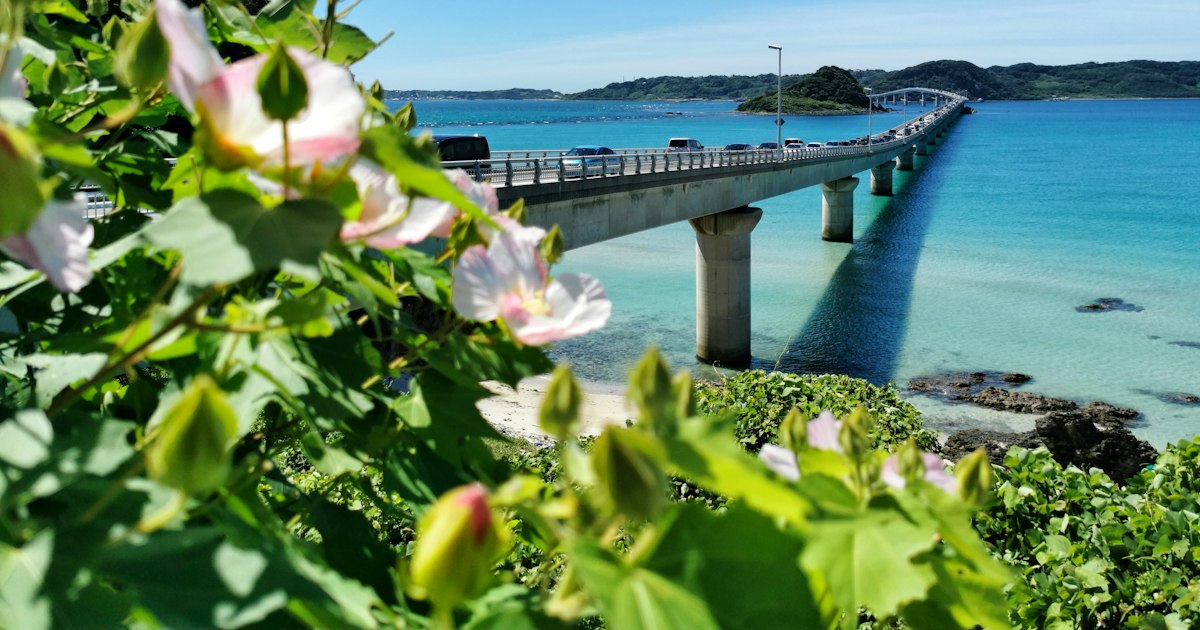
Miyakojima isn’t on most first-time Japan itineraries, and that’s exactly its appeal. This small coral island roughly 300km southwest of Okinawa’s main island has no train, no big-city bustle, and some of the clearest water in the country — the kind of pale turquoise usually reserved for travel brochures about the South Pacific. What makes it unusually easy to explore is a set of free bridges that link Miyakojima to four smaller satellite islands, so a single rental car can take you island-hopping without a single ferry ticket.
Getting There
Miyako Airport (MMY) is the main gateway. ANA, JAL, Skymark, and Peach all fly direct from Naha (about 45 minutes, one-way fares roughly ¥8,000–¥20,000 depending on carrier and how far in advance you book). There are also direct flights from Tokyo Haneda and Narita (around 3 hours), Osaka Kansai (about 2.5 hours), and Fukuoka on ANA and JAL, which can save you a layover in Naha if you’re not otherwise visiting the Okinawa mainland. A second, smaller airport, Shimojishima Airport (SHI), sits on the western side of the island chain and handles limited seasonal and charter service — worth checking if you’re coming from Kobe, but MMY is the reliable option for most itineraries.
There’s no train or monorail on Miyakojima, and public buses run infrequently and mostly for commuters, not sightseers. A rental car is effectively mandatory. Book ahead for Golden Week (late April–early May), summer school holidays, and Obon (mid-August), when cars sell out and daily rates climb from a typical ¥6,000 off-season to ¥10,000–¥15,000 for a compact.
The Bridges That Make This Island Chain Special
Miyakojima’s signature experience is driving across its bridges, each one framed by water so clear you can see the reef shadows from the car. The Irabu Bridge, opened in 2015, is 3,540 meters long and is Japan’s longest toll-free bridge, connecting Miyako Island to Irabu Island in a straight shot over the open sea — it’s free to cross and takes about five minutes to drive. From Irabu, the shorter Kugani Bridge continues on to Shimoji Island. On the northern side, the Ikema Bridge (1,425 meters) links to Ikema Island, home to some of the best snorkeling spots on the chain, and the Kurima Bridge (1,690 meters) connects to Kurima Island to the south. Pull over at the designated lookout points on either end of the Irabu Bridge at sunrise or sunset — it’s one of the few places in Japan where you can watch the color of the water genuinely change by the minute.
The Beaches
Yonaha Maehama Beach, on the island’s west coast, is a roughly 7km stretch of pale sand that regularly ranks among Japan’s best beaches, with gently sloping, swimmable water and enough length that it never feels crowded even in August. Sunayama Beach, closer to Hirara town, is smaller but famous for a natural stone arch at its edge and some of the easiest sunset access on the island. Painagama Beach sits within walking distance of central Hirara, making it a convenient spot for an evening swim without a car. For snorkeling, the protected coves on Ikema Island and the water around Shimoji Island tend to have the best visibility, often 20–30 meters on calm days. Yabiji, a massive reef system off the northern coast, is only accessible by boat tour and is worth it if you want to see coral structures most visitors never reach.
When to Go
April through June is the sweet spot: warm, relatively dry, and before the worst of typhoon season. October and November are also good, with calmer seas and fewer crowds than summer. July through September bring the warmest water and liveliest atmosphere but also peak typhoon risk — Miyakojima sits directly in the typhoon corridor, and flights can be delayed or cancelled with little notice, so build a buffer day into your itinerary if you’re traveling then. Winter (December–February) stays mild, around 18–20°C, and divers still come for the water temperature, but it’s windier and less reliable for beach lounging.
Common Mistakes to Avoid
- Skipping the rental car booking. Walk-up availability disappears fast in peak season, and without a car you’re cut off from most of the island’s beaches and bridges.
- Swimming outside flagged areas. Box jellyfish (habu kurage) are a real hazard roughly June through October; stick to beaches with jellyfish nets and posted flags, and consider a stinger suit if you’re snorkeling off-season beaches.
- Forgetting reef shoes. Several of the best snorkeling spots have rocky or coral entry points — flip-flops aren’t enough.
- Underestimating the sun. There’s little shade on the bridges or the long beaches; bring reef-safe sunscreen and refill water, since convenience stores thin out once you’re outside Hirara.
What to Eat and Bring Home
Miyako soba is the local specialty and differs from Okinawa soba elsewhere in the prefecture — no fish cake, and the pork is typically served underneath the noodles rather than on top. A bowl at a casual shop in Hirara runs around ¥700–¥900. For souvenirs, look for Yukishio (“snow salt”), a mineral-rich sea salt made on Miyakojima using a patented freeze-drying process, sold in small tins and gift boxes at the airport and most souvenir shops — it’s a genuinely distinctive, packable gift that you won’t find made the same way anywhere else in Japan. Miyako-jofu, a traditional hand-woven ramie textile recognized as a UNESCO Intangible Cultural Heritage craft, is sold locally but at a serious price point; smaller accessory pieces are a more realistic buy than full bolts of cloth. If you’re packing snorkeling or beach gear from home rather than buying locally, it’s worth checking Japan’s own outdoor brands — see our guide to Snow Peak and Japan’s outdoor gear brands for well-made, packable options.
Where to Stay
Budget travelers can find guesthouse dorm beds or simple private rooms in Hirara from around ¥3,000–¥6,000 a night. Mid-range beach hotels, many clustered near Yonaha Maehama, typically run ¥15,000–¥25,000 for a double with sea-facing rooms. For a splurge, resorts like Shigira Bayside Suites or the Miyakojima Tokyu Hotel & Resorts offer private beach access and villa-style suites from roughly ¥30,000 a night and up, especially in peak summer months.
If Miyakojima has you thinking about other quieter island escapes in Japan, the Ogasawara Islands offer an even more remote, UNESCO-listed experience reachable only by a 24-hour ferry from Tokyo — read our guide to the Ogasawara Islands before you plan. Closer to the mainland, Shodoshima in the Seto Inland Sea pairs easily with an art-island trip to Naoshima if you want a milder, more accessible island day trip on the same visit.