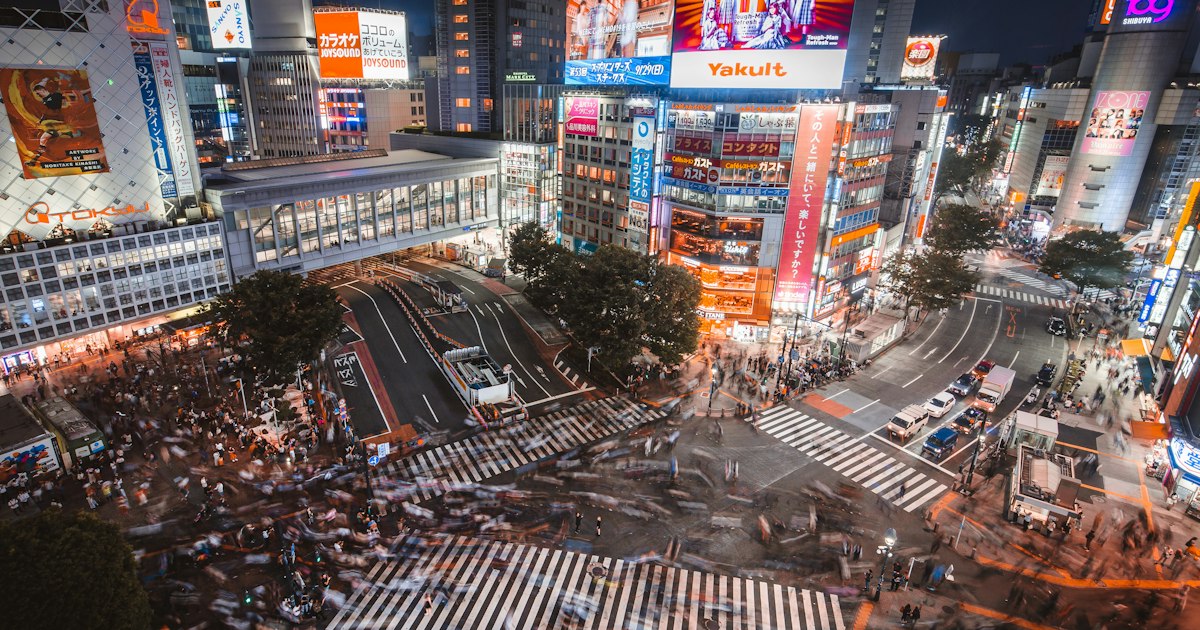
Photo by Denys Nevozhai on Unsplash
Japan has 16 national public holidays, and on their own they’re no big deal — most museums and shops stay open, and trains run on schedule. The trouble starts when holidays cluster into multi-day stretches, because that’s when 125 million residents travel domestically at the same time you’re trying to. Booking a hotel in Kyoto or reserving a Shinkansen seat during the wrong week can mean sold-out trains, 2-3x normal hotel rates, and shoulder-to-shoulder crowds at every major sight. Here’s what to actually watch for in 2026 and how to plan around it.
Golden Week (April 29 – May 6, 2026): The One to Plan Around Most Carefully
Golden Week is four separate holidays bunched together — Showa Day (April 29), Constitution Memorial Day (May 3), Greenery Day (May 4), and Children’s Day (May 5) — and in 2026 they fall across a Wednesday-to-Wednesday span that many Japanese workers bridge into a full nine-day break. This is the single busiest travel week of the year alongside Obon and New Year.
What this means practically: reserved Shinkansen seats between Tokyo, Kyoto, and Osaka sell out days or weeks in advance, especially on the Tokaido Shinkansen. Hotels in Kyoto, Hakone, and other classic itinerary stops routinely double their rates and still fill up. If you must travel during Golden Week, book trains the moment reservations open (one month ahead, at 10am Japan time) and lock in accommodation 2-3 months out. Alternatively, lean into less touristed regions — this is a good window for a trip to a beach town like Shirahama or a quiet mountain escape near Tokyo like Okutama, where domestic crowds are lighter than in the headline cities.
Obon (Mid-August, Unofficial but Unmissable)
Obon isn’t a national public holiday on the calendar, but it’s the de facto summer travel week, typically falling around August 13-16. Many companies close for the full week, and it’s when city dwellers return to their hometowns to honor ancestors — meaning intercity trains and highways are jammed while, oddly, some Tokyo neighborhoods feel emptier than usual. Expect the same Shinkansen crush as Golden Week on travel days (especially August 13 and 16), plus peak summer heat and humidity. If your trip lands in this window, consider pairing it with a cooler retreat — Nozawa Onsen is pleasant in summer for hiking even without snow, and loungewear like jinbei is genuinely practical for the humidity, not just a souvenir.
New Year (December 29 – January 3)
This is the holiday that catches first-time visitors off guard, because unlike Golden Week it actually shuts things down. Many restaurants, small shops, and even some museums close for 3-5 days around January 1st, and department stores close on January 1st before reopening for “fukubukuro” lucky bag sales on the 2nd. Supermarkets and convenience stores stay open, so you won’t go hungry, but don’t plan a trip around trying a specific famous restaurant or craft workshop in this window — check hours in advance. On the upside, New Year brings hatsumode (the first shrine visit of the year), which is a genuinely special experience if you don’t mind queuing at places like Meiji Jingu or Senso-ji. If you’re in Japan for the lead-up, department store Christmas illuminations are also worth seeing — see our guide to Christmas in Japan for what’s actually open and what’s tradition versus marketing.
Other 2026 Holidays Worth Knowing About
- Coming of Age Day (January 12, 2026) — second Monday of January. Minor crowd impact for tourists, but you’ll see young women in elaborate furisode kimono around train stations and shrines, which is a nice photo opportunity rather than a hassle.
- Culture Day (November 3, 2026) and Labor Thanksgiving Day (November 23, 2026) — both can create single long weekends (3 days) with a moderate bump in domestic travel and hotel rates, but nothing like Golden Week. Worth checking if your dates overlap, especially for weekend accommodation in Kyoto or Hakone.
- Mountain Day (August 11, 2026) — falls right before Obon season ramps up, effectively extending the mid-August crunch by a few days.
- Respect for the Aged Day (September 21, 2026) — sometimes creates a “Silver Week” bridge holiday similar in spirit to Golden Week, though shorter; worth a quick calendar check if you’re visiting in September.
School graduation season (mid-to-late March) isn’t a public holiday either, but it’s worth a mention: it’s when you’ll see university students in hakama around campuses and shrines, and it overlaps with the start of cherry blossom season, so late March hotel availability tightens for reasons beyond the holiday calendar.
How to Check Before You Book
Japan’s holidays shift slightly year to year because several are tied to the equinox or defined by “nth Monday of the month” rules rather than a fixed date. Before finalizing flights, search “Japan public holidays [year]” close to your booking date rather than relying on a memorized list — a single day’s difference can matter if it shifts a holiday onto a Friday or Monday and creates a long weekend that wasn’t there before. It’s also worth cross-checking against school term breaks, since those add domestic family travel on top of the official holiday calendar.
If You’re Stuck Traveling During a Peak Period
Sometimes the dates aren’t negotiable. If you’re arriving during Golden Week or Obon regardless:
- Book Shinkansen reserved seats the instant the one-month window opens, or plan to use non-reserved cars and arrive at the platform early — see our notes on Shinkansen transfer flexibility if your plans shift last-minute.
- Reserve accommodation 2-3 months ahead
- Shift your sightseeing clock — arrive at major temples and markets at opening time (many open 8-9am) rather than mid-morning, when tour groups and domestic travelers arrive in force.
- Consider day trips to less obvious spots — somewhere like Kuramae in Tokyo offers craft workshops and a slower pace that holiday crowds tend to skip entirely.
The bottom line: Japan’s public holidays themselves rarely close doors to visitors, but the travel surges around them can define your entire trip if you don’t plan for them. A quick calendar check before you lock in flights is the cheapest insurance you’ll buy for the whole trip.