Golden Week is one of Japan’s busiest travel periods — a cluster of national holidays when the whole country is on the move. Knowing about it can make or break your trip timing. Here’s what to know.
What is Golden Week?
Golden Week is a run of public holidays in late April to early May (roughly April 29 to May 5). Many Japanese people take the whole week off, so domestic travel, transport, and attractions get extremely crowded and prices rise.
Should you avoid it?
- If you can, yes — trains, hotels, and sights are packed, and prices spike.
- Book far ahead if your dates fall here: reserve shinkansen seats and hotels weeks in advance.
- The upside: great weather and a lively, festive atmosphere. It’s doable with planning — just not the relaxed option.
Other busy periods to know
- Obon (mid-August) — a major holiday when many travel to their hometowns.
- New Year (Dec 29–Jan 3) — lots of closures and family travel.
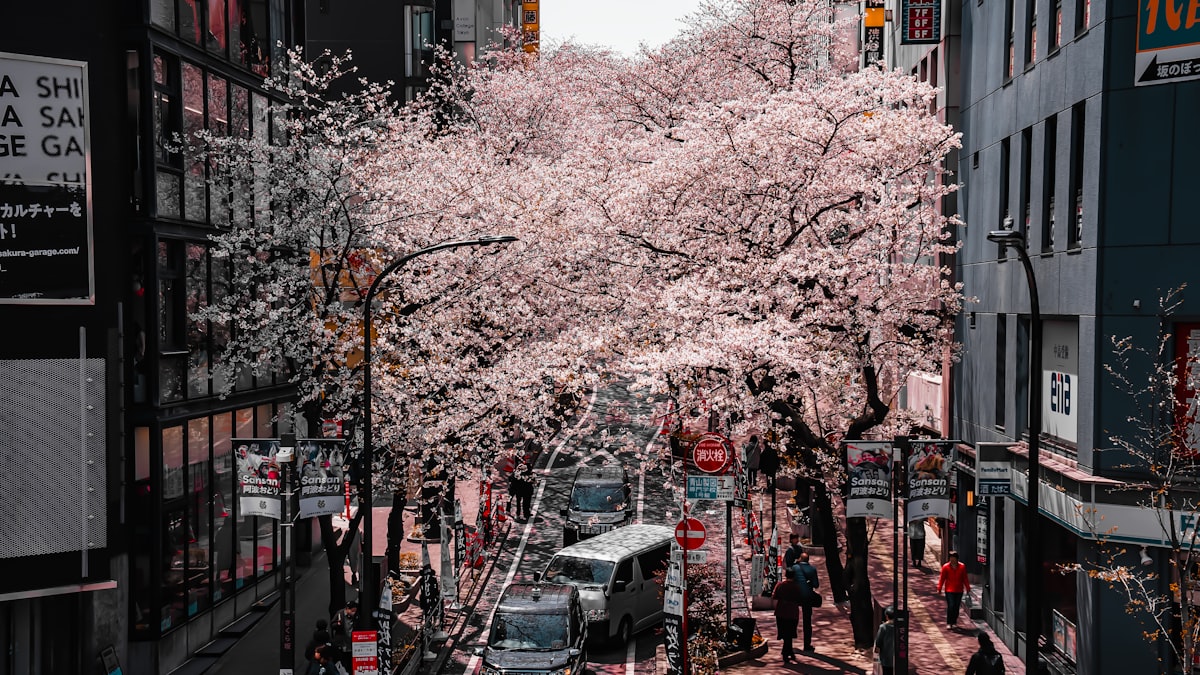
- Cherry blossom season — busy at famous spots; see our cherry blossom guide.
- Autumn foliage weekends — see autumn leaves.
Tips if you travel during Golden Week
- Reserve everything early — non-reserved train cars can be standing-room only.
- Consider using luggage forwarding to dodge crowded platforms.
- Visit big-name sights at opening time; explore lesser-known neighborhoods midday.
- Budget more for accommodation — compare early on Booking.com .
Best alternative timing
For fewer crowds and good weather, aim for late spring after Golden Week, early summer, or autumn outside peak foliage weekends. See our full best time to visit Japan guide.
How much prices actually rise
- Flights into Japan during Golden Week can run 30-60% above shoulder-season fares if booked less than 2-3 months out, and domestic flights within Japan see similar spikes.
- Hotel rates in popular cities often climb 20-50% above normal weekday rates, with the best-located and best-value properties selling out first, sometimes 3+ months ahead for specific dates.
- Shinkansen reserved seats for popular routes (Tokyo-Kyoto, Tokyo-Osaka) can sell out entirely on the peak days (typically April 29 and May 3-5), leaving only non-reserved cars, which fill to standing-room during the worst crush.
Common mistakes to avoid
- Not checking the exact dates each year — Golden Week’s specific holidays shift slightly year to year based on the calendar, and a weekend can extend it further; always verify the current year’s dates rather than assuming a fixed week.
- Planning a rail-pass-heavy, multi-city itinerary during peak Golden Week days — the constant need for reserved seats on packed trains works against a pass’s flexibility; a single-base itinerary handles the crowds better.
- Assuming all of Japan is equally busy — rural areas and smaller regional towns see far less crowd increase than Tokyo, Kyoto, and Osaka, making them a smart pivot if your dates are fixed.
If your dates are locked to Golden Week
Consider anchoring the trip around one or two well-chosen bases rather than a fast multi-city tour, booking every reservation (trains, key restaurants, popular attractions) as far ahead as your booking windows allow, and treating the first couple of days after the holiday ends (around May 6-7) as a bonus quieter tail-end if your schedule allows extending slightly.
Golden Week versus other holiday clusters
Compared to Obon and New Year, Golden Week is arguably the most disruptive for tourists specifically because it falls in prime spring weather when international visitor numbers are also naturally high — Obon’s mid-August heat and New Year’s business closures each deter a different kind of traveler, but Golden Week combines great weather with maximum crowding, which is exactly why it catches first-time visitors off guard.