You pick up a bento for ¥498, hand over a 500-yen coin, and the cashier asks for more money. Welcome to one of the most common moments of confusion for first-time visitors to Japan: consumption tax (shohizei) that sometimes is and sometimes isn’t baked into the number on the shelf. It’s not a scam and it’s not random — but the rules depend on where you’re shopping, what you’re buying, and whether you’re eating it on the spot or taking it home. Here’s how to stop being surprised at the register.
The Basics: 10% Standard, 8% Reduced
Japan’s consumption tax is a national value-added tax, similar to VAT or GST elsewhere. It was introduced in 1989 at 3%, rose to 5% in 1997, 8% in 2014, and reached its current structure in October 2019, when the government split it into two rates:
- 10% standard rate — applies to most goods and services: clothing, electronics, souvenirs, hotel rooms, taxis, admission tickets, alcohol.
- 8% reduced rate — applies to food and non-alcoholic beverages purchased for home consumption (takeaway), plus newspaper subscriptions.
The 2% gap sounds small, but on a ¥10,000 shopping basket it’s the difference between ¥11,000 and ¥10,800 — enough to throw off a tight cash budget if you weren’t expecting it.
Zeikomi vs. Zeinuki: Reading Japanese Price Tags
Since April 2021, Japanese law has required retailers to display zeikomi (tax-included) prices as the primary number on tags and menus. In practice, though, you’ll still see plenty of zeinuki (tax-excluded) pricing, especially at:
- Restaurants and izakaya with printed menus from before the rule change that haven’t been reprinted
- Electronics stores like Bic Camera or Yodobashi, where big discount signage sometimes shows the pre-tax price in large font with tax-included in small print
- Department store boutiques and some airport duty-free-adjacent shops
Look for the words 税込 (zeikomi, “tax included”) or 税抜 (zeinuki, “tax excluded”) near the price. If you only see a plain number with no label, assume it’s tax-included — that’s now the legal default — but at restaurants it’s worth a quick glance at the bottom of the menu, which often states “all prices include 10% tax” or lists a separate service charge on top (common in hotel restaurants and some robatayaki grills, where a 10-15% service charge can stack on top of the tax).
The Eat-In vs. Takeout Trap
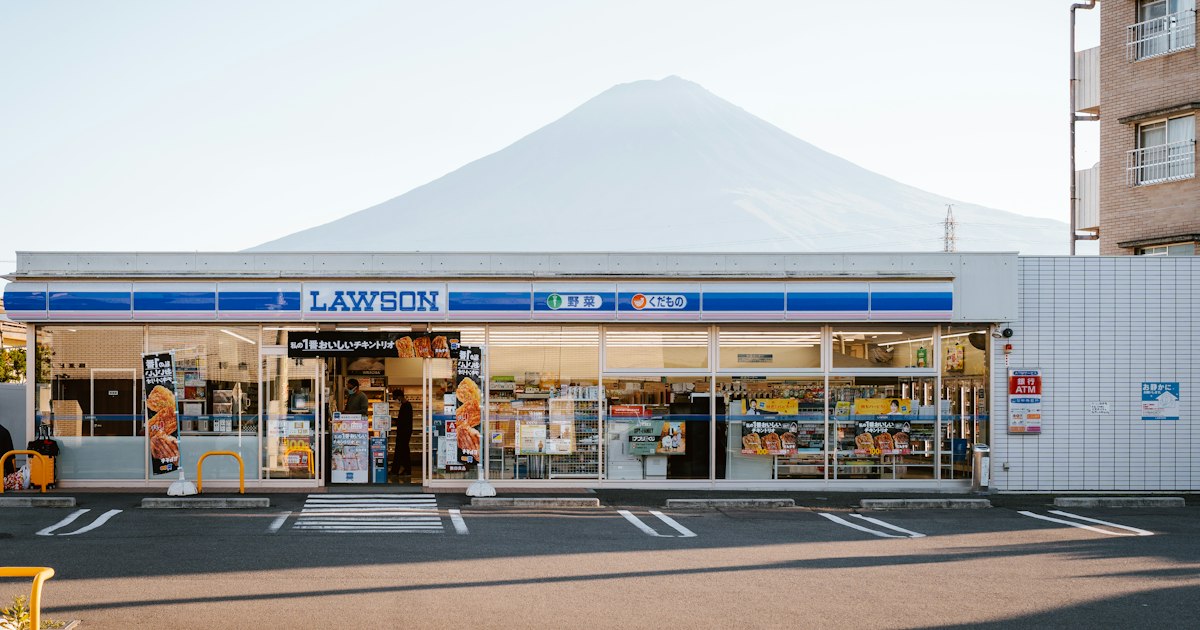
This is the one that catches almost every visitor at least once. Convenience stores (conbini) and bakery counters charge 8% if you’re taking food out, but 10% if you eat in at their small seating counter — because dining-in is legally classified as a restaurant service, not a grocery purchase. At Lawson, 7-Eleven, and FamilyMart, the cashier will ask “Kochira de meshiagemasu ka, omochikaeri desu ka?” (eating here, or taking away?). Say “omochikaeri” for takeout and you’ll get the lower rate.
The same split applies at department store food halls and some bakery chains with a few stools by the window. It rarely changes the total by more than a few yen on a single item, but on a family’s worth of conbini breakfast every morning for a week, it adds up. If you’re planning sit-down meals instead, it’s worth knowing how ordering actually works — see our guide to ordering a teishoku set lunch, where the 10% rate is simply built into the price you see on the shop’s outdoor menu board.
Tax-Free Shopping for Tourists: What Changed
Japan has long offered consumption-tax exemption to overseas visitors on a temporary tourist visa, but the mechanics changed significantly with the shift to a refund-based system that rolled out around November 2026. Instead of the old instant-exemption model — where you showed your passport at checkout and simply paid a lower, tax-free price on the spot — the current system generally has you pay the full tax-included price at the register, then claim the consumption tax back at a dedicated refund counter at the airport when you depart, after customs verifies you’re actually leaving with the goods.
A few things stay consistent regardless of exactly how a given store processes it:
- You need your passport (the physical one, not a photo of it) at the time of purchase
- The minimum purchase amount to qualify is ¥5,000 (before tax) per store, per day, combining general goods and consumables
- Consumable items — cosmetics, supplements, food, drinks — must stay sealed in a special tamper-evident bag until you leave Japan; opening one early can void the exemption
- There’s a ¥500,000 cap on tax-free consumables per person
- Large electronics stores, department stores, and malls have a dedicated tax-free counter (usually signed “Tax-Free Counter” or 免税カウンター) rather than processing it at the regular register
Because the refund now happens at departure, build in extra time at the airport — the refund/verification counters at Narita and Haneda can have lines during peak morning and evening departure banks, so budget at least 30-45 minutes before you’d otherwise need to be at security if you’re carrying tax-free purchases. This is the same kind of last-day admin as sorting out your transit card — see our guide on getting your Suica or Pasmo deposit refunded before you leave for the other end-of-trip errand worth planning around.
Classic consumable souvenirs that frequently qualify for the exemption include skincare and Japanese beauty supplements like collagen and bihaku pills, while general goods like a souvenir sukajan jacket fall under the non-consumable category with no sealed-bag requirement.
Common Mistakes That Cost Visitors Money
- Assuming a displayed price already includes tax at an older restaurant. Always check for 税込/税別 near the menu price if the restaurant looks like it hasn’t updated signage recently.
- Opening a sealed tax-free consumable bag before leaving Japan. Customs can deny the refund if the seal is broken, even if you simply wanted to use the item during your trip.
- Not keeping the tax-free purchase receipt/record attached by the store. You’ll need it at the airport refund or verification step — don’t toss it with the shopping bag.
- Forgetting the ¥5,000 minimum applies per store, per day — not across your whole trip, and not combined across different shops in the same mall unless they share a single cashier/tax-free counter.
- Mixing up “service charge” with tax. A 10% service charge at a nicer restaurant or ryokan is separate from and added on top of the 10% consumption tax — two different line items, not the same thing twice.
Budgeting Rule of Thumb
When you’re pricing out a trip in advance from product pages or store websites, add 10% to any listed price unless it explicitly says tax-included, and expect food takeout purchases to run about 8% over the shelf number. If you’re using a concierge or private guide to help navigate shopping and dining decisions, it’s also worth asking them to flag tax-free-eligible stores in advance — something covered in our piece on hiring a private tour guide or concierge in Japan. A little arithmetic at the planning stage saves you from doing surprised mental math at the register.