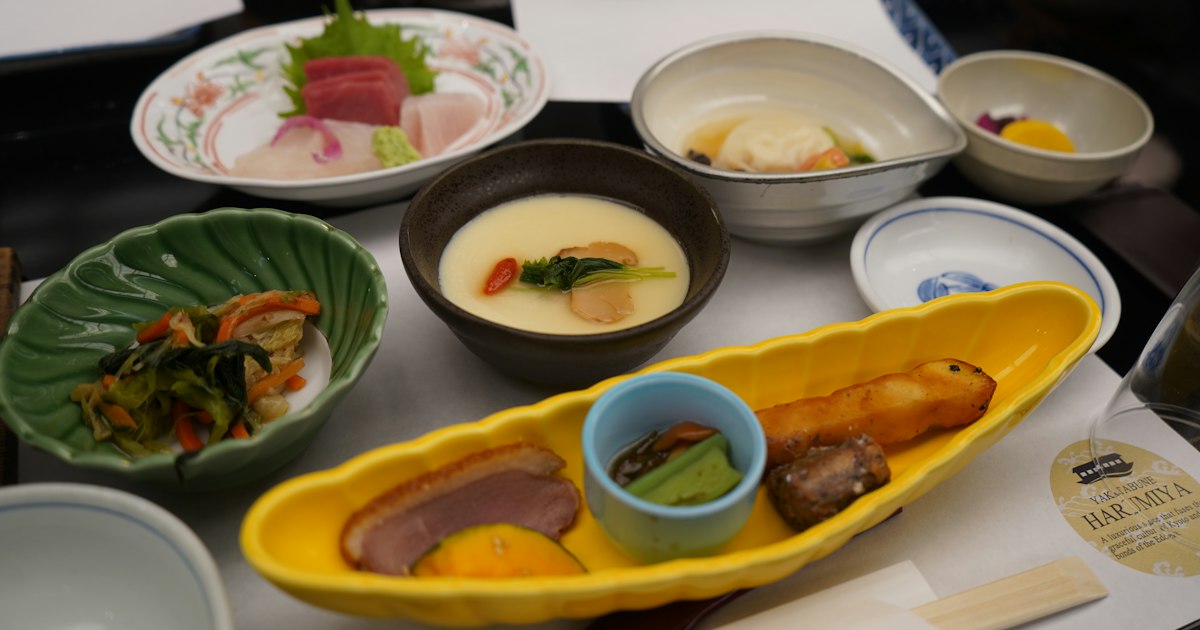
Photo by Yosuke Ota on Unsplash
Tokyo has carried more Michelin stars than any other city on earth for well over a decade, and Kyoto and Osaka aren’t far behind. That abundance makes visitors assume booking is easy. It isn’t — the best counters take reservations for exactly one person in one specific channel, release tables at midnight Japan time, and will cancel you without warning if you’re late or no-show. Here’s how to actually get in, what it costs, and what to do when you don’t.
Why the Japanese Reservation System Feels So Different
Most high-end restaurants in Japan don’t take open online bookings the way a Western fine-dining spot does. Many top sushi and kaiseki counters only have 6 to 10 seats, serve one or two fixed seatings a day, and rely on regular customers (jouren) and introductions for most of their bookings. A tourist calling cold, even in fluent Japanese, is sometimes told the restaurant is “introduction only.” This isn’t snobbery so much as capacity management — a chef working alone behind an 8-seat counter can’t absorb walk-in risk or last-minute cancellations the way a 60-seat dining room can.
The practical upshot: the restaurants that are easiest for tourists to book are usually not the single most famous name you’ve seen on a “best of Tokyo” list, but the next tier down — equally excellent, one or two stars, and set up for international guests through modern booking platforms.
Use the Right Booking Platform
Three tools do most of the work for foreign visitors:
- TableCheck — the largest restaurant reservation platform in Japan, used by a large share of Michelin-starred spots. Interface is in English, and you can filter by cuisine and date. Many restaurants release new dates here exactly one to three months ahead, often at midnight.
- Pocket Concierge — built specifically around high-end kaiseki, sushi, and teppanyaki, and genuinely tourist-friendly: English support, clear cancellation policies, and sometimes prepaid bookings (useful because it eliminates no-show risk from the restaurant’s side, so they’re more willing to accept foreign guests).
- OMAKASE.in — similar niche, strong for sushi omakase counters, with same-day and short-notice availability occasionally appearing from cancellations.
If a restaurant isn’t on any platform, the next move is your hotel concierge, especially at international luxury hotels in Tokyo — they maintain direct relationships and can call on your behalf in Japanese, which still carries weight that an online form doesn’t. A phone call from a guest with no Japanese and no prior relationship is the hardest route and should be your last resort, not your first.
Timing: When to Book and When Seats Release
Rules vary by restaurant, but the patterns are consistent enough to plan around:
- 1-star restaurants: typically bookable 1–2 months ahead; some release a rolling 30-day window.
- 2 and 3-star restaurants: often open bookings exactly 2–3 months in advance, sometimes at a fixed time like midnight JST on the release date. If your trip is 10 weeks out, that’s the moment to be refreshing the page.
- Peak seasons fill fastest: cherry blossom season (late March–early April) and autumn foliage (mid-November) see both tourist demand and premium seasonal kaiseki menus, so book these at the earliest possible moment. Summer (Obon week, mid-August) is the opposite — many top restaurants close entirely for a week or two, so check holiday closures before locking in dates.
Lunch seatings are consistently easier to get than dinner, and often 30–50% cheaper for a similar quality of cooking, since the kitchen is using daytime-friendly, slightly simpler courses.
What It Actually Costs
- Budget entry point (¥8,000–¥15,000 per person): lunch omakase at a 1-star sushi counter, or a lunch kaiseki set at a 1 or 2-star restaurant. This is the realistic way most tourists experience Michelin-starred cooking in Japan.
- Mid-range (¥20,000–¥35,000 per person): dinner at a 1-star restaurant, or lunch at a well-regarded 2-star. Expect a 10+ course omakase or kaiseki progression.
- Splurge (¥40,000–¥80,000+ per person): dinner at a 2 or 3-star counter — restaurants like Narisawa, Den, Florilège, or a top-tier sushi-ya fall in this range. Add a sake or wine pairing and the bill can climb well past ¥100,000 per person. A 10% service charge and sometimes a late-night surcharge are added at some restaurants; this is standard, not a scam.
Almost all of these restaurants expect payment by credit card or cash in full at the table — tipping is not customary and is not expected on top of the bill.
Mistakes That Get Reservations Cancelled
- Not disclosing allergies or dietary restrictions at booking. Kaiseki and omakase menus are fixed and planned days ahead; telling the chef about a shellfish allergy when you sit down is too late and can derail the whole course sequence for everyone at the counter.
- Being late. A 10-minute delay can mean your seat is given away, especially at single-seating sushi counters where the chef has already started prepping rice and fish to a schedule.
- Booking for a group larger than the restaurant allows. Many counters cap foreign tourist bookings at 2–4 people even if the restaurant seats more, to protect the regular-customer experience.
- No-showing. This is taken seriously — some booking platforms blacklist a phone number or passport-linked profile after a single no-show, which can affect future bookings across that platform, not just at one restaurant.
- Forgetting the dress code. Smart casual is the usual minimum; shorts, flip-flops, and tank tops will get you turned away at the door of most starred restaurants, even relatively casual ones.
If You Strike Out: Solid Backup Plans
Missing a Michelin reservation isn’t the end of a good food trip. Hotel concierges often have standby relationships with restaurants that didn’t publish availability online. Cancellation windows also open up constantly — check TableCheck and Pocket Concierge again a few days before your date, since a 24–48 hour cancellation policy means seats reappear right before service.
It’s also worth remembering that some of Japan’s best eating isn’t starred at all. A seared, rare-in-the-middle gyukatsu beef cutlet at a specialty chain costs a fraction of a kaiseki dinner and needs no reservation. If your trip takes you up to Hokkaido, a plate of imo mochi from a market stall is a completely different kind of memorable meal. And if a day trip to Hakone is on your itinerary for a kaiseki ryokan dinner, sort out your transport first — comparing the Fuji Hakone Pass against the Hakone Free Pass will save you from scrambling for trains after a long dinner.
Day-of Logistics Worth Knowing
Arrive 5–10 minutes early, never late, and confirm the address carefully — many of the best counters are on upper floors of unmarked buildings with no English signage, and taxi drivers sometimes can’t find them from the name alone, so have the address in Japanese ready on your phone. Cash is still useful as backup even at high-end restaurants, since card networks and contactless payment acceptance can be inconsistent outside major hotel-affiliated venues. Finally, confirm your reservation by email or app message 24–48 hours ahead if the platform allows it — a quick confirmation message is standard courtesy in Japan and reduces the odds of any mix-up over party size or timing.