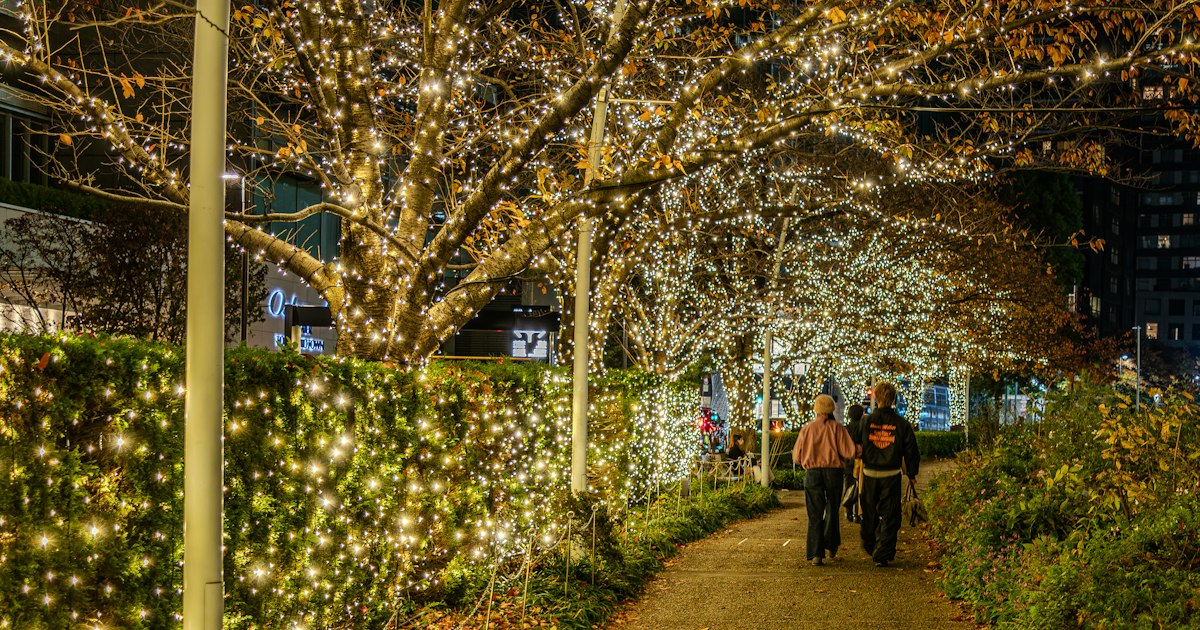
Photo by Bhanu Singh on Unsplash
Every winter, a flower park on the Mie Prefecture coastline turns into one of the most photographed light displays in Japan. Nabana no Sato, part of the Nagashima Resort complex in Kuwana City, stacks millions of LED bulbs into tunnels, trees, and a changing centerpiece theme that’s drawn day-trippers out of Nagoya for over a decade. It’s an easy add-on to a Nagoya stay, but the logistics — buses, timing, and which ticket covers what — trip up a lot of first-time visitors. Here’s what you actually need to know.
What Is Nabana no Sato
Nabana no Sato started as a seasonal flower garden (its name roughly translates to “flower village”), and the daytime version still exists — rose gardens, a Chinese-style strolling garden, and a begonia greenhouse. But from autumn through spring, the real draw is after dark: a light tunnel over 100 meters long, a wall-sized illuminated maple or cherry display depending on the year, and a signature centerpiece that changes annually — past years have featured Mt. Fuji, cherry blossoms, and autumn foliage rendered entirely in LEDs. The whole walk takes roughly 1.5 to 2.5 hours if you’re photographing as you go.
It sits inside the larger Nagashima Resort grounds, alongside Nagashima Spa Land (an amusement park) and a large outlet mall. These are separate, separately ticketed facilities — don’t assume one admission covers all three.
When to Go: Season and Crowds
The illumination typically runs from mid-October through early May, with lights switching on at sunset (around 5:00–5:30 pm in deep winter, later as spring approaches) and running until roughly 9:00 pm, last entry around 8:30 pm. Peak crowd periods are weekends in December, the stretch around Christmas and New Year, and Valentine’s week — arrive early or go on a weekday evening if you want breathing room for photos. January and early February are the quietest weeks with the display still at full strength. If your trip timing stretches into late February or March, you can sometimes combine the tail end of the illumination with early plum blossoms elsewhere in the region — see our guide to ume blossom season for where else to look that time of year.
Daytime visits are possible too, mostly for the gardens and begonia house, but most people come specifically for the after-dark show, so plan to arrive in the late afternoon and stay through sunset.
Tickets and Opening Hours
Admission during illumination season has been around 2,300 yen for adults and roughly half that for children in recent years, with lower off-season (summer) pricing when the lights aren’t running. A portion of the entrance fee comes back to you as a coupon redeemable at the park’s food stalls and shops — don’t toss it with your ticket stub, ask staff at the gate if it isn’t handed over automatically. The begonia greenhouse usually requires a small additional fee (around 1,000 yen) on top of general admission if you want to go in.
Gates generally open around 9:00 or 10:00 am and stay open until 9:00 pm, but Nabana no Sato does close on occasional weekdays for maintenance, and exact pricing shifts between seasons, so check the official Nagashima Resort website for the specific week of your visit before you build your day around it.
Getting There from Nagoya
There’s no train station directly at Nabana no Sato, so every route involves a connection. Three practical options:
- Train + shuttle bus (cheapest, most flexible): Take the Kintetsu Nagoya Line from Kintetsu Nagoya Station to Kuwana Station — the limited express takes about 25 minutes (around 930 yen with the limited express surcharge), or a rapid/local train takes closer to 40 minutes for a few hundred yen less. From Kuwana Station’s bus stop, a shuttle bus runs to Nagashima Resort in about 20 minutes. During peak illumination weekends, expect a queue for the return bus in the evening — don’t leave your departure for the last bus if you can help it.
- Direct highway bus (most convenient): Highway buses run from the Meitetsu Bus Center above Nagoya Station straight to Nagashima Resort, taking roughly 45–55 minutes depending on traffic, for around 1,300–1,500 yen one way. This skips the Kuwana transfer entirely and is the best option if you’re traveling with kids or don’t want to manage a connection in the dark on the way back.
- Car: Via the Higashi-Meihan or Isewangan Expressway, Nagashima Resort has large paid parking lots. This only makes sense if you’re already renting a car for a wider Mie or Ise-Shima itinerary, since winter evening traffic around the resort can back up badly on weekends. If you’ll have young kids in the car, check our rundown of child car seat rules for rental cars in Japan before you book — rental counters won’t always have a seat ready unless you reserve one.
If you’re flying into the region rather than coming from Tokyo, Chubu Centrair International Airport is actually closer to Nabana no Sato than central Nagoya is, and some travelers route straight from the airport via taxi or local train instead of going into the city first. If you need prayer or quiet space during a layover there, see our guide to prayer and meditation rooms at Japanese airports.
Budgeting Your Visit
Budget: Train + shuttle bus round trip (roughly 2,000 yen) plus admission (2,300 yen) and a snack from a food stall (300–600 yen) keeps the whole outing under 5,000 yen per adult.
Mid-range: Add the highway bus for convenience (2,600–3,000 yen round trip) and budget for a proper meal inside the park — there are several restaurants serving hot pot, udon, and local Mie specialties, typically 1,000–2,000 yen per person.
Splurge: Combine Nabana no Sato with a night at one of the resort-area or Kuwana hotels so you’re not rushing for the last bus, and add the begonia greenhouse ticket and a souvenir run through the nearby outlet mall. If you’re staying in the Nagoya area for several days around this trip rather than just overnight, a weekly mansion or monthly apartment can work out cheaper than a hotel if you’re basing yourself there for a longer regional itinerary.
Common Mistakes to Avoid
- Confusing it with Nagashima Spa Land. They’re next to each other but separately ticketed — don’t assume your Nabana no Sato admission gets you into the amusement park.
- Underdressing. The gardens are flat and fully outdoors, and Mie winters bring a damp coastal wind. Dress for standing around in the cold for 1.5–2 hours, not just walking briskly.
- Cutting it too close on the return bus. On peak weekends, the queue for the shuttle back to Kuwana Station can take 30–45 minutes after the lights are at their best. Build in buffer time if you have a train connection in Nagoya afterward.
- Skipping the coupon. That portion of your ticket price redeemable in-park is easy to forget about — use it before you leave, since it typically isn’t valid outside the resort.
- Assuming the theme repeats. The centerpiece light display changes yearly, so photos you’ve seen online from a previous season may not match what’s actually on display during your visit.
Nabana no Sato works best as a half-day or evening add-on to a Nagoya base rather than a full day trip on its own — pair it with Nagoya castle, Atsuta Shrine, or a broader Ise-Shima loop, and you’ll get a worthwhile detour without derailing the rest of your itinerary.