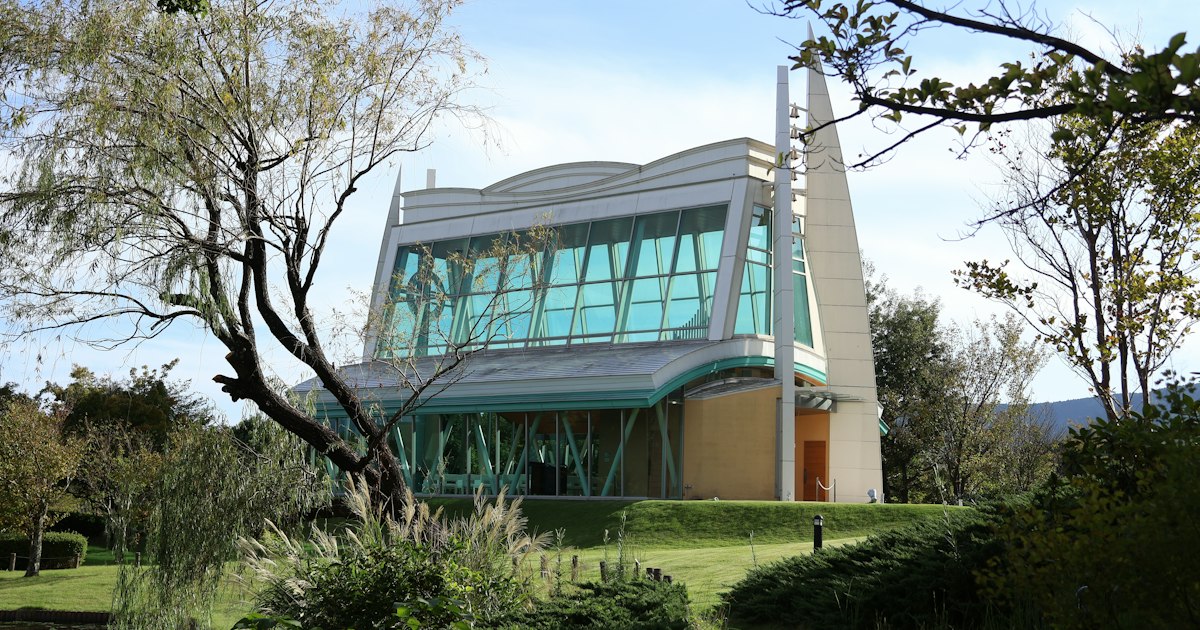
Photo by Yanhao Fang on Unsplash
Getting legally married in Japan as a foreign couple is far simpler than most people expect, but the ceremony side—the white chapel, the shrine, the person pretending to be a priest—works on a completely different set of rules than the paperwork. Understanding both halves separately will save you from the most common mistake visiting couples make: assuming the pretty ceremony is the legal act. In Japan, it almost never is.
The legal marriage happens at the ward office, not the altar
Japan has no concept of a religious or civil officiant who “performs” a legally binding marriage the way a judge or minister does in the US or UK. A marriage becomes legal the moment a kon’in todoke (婚姻届, marriage registration form) is accepted by a municipal ward or city office (shiyakusho or kuyakusho). There is no ceremony requirement, no witness ceremony, no waiting period in most cases—just a form, correct supporting documents, and a clerk who checks the box.
For a foreign national marrying in Japan, both partners typically need:
- The marriage registration form (available free at any ward office, in Japanese; some offices have English guidance sheets but the form itself must be completed in Japanese)
- A Certificate of Legal Capacity to Marry (sometimes called a “certificate of no impediment”) from your home country’s embassy or consulate in Japan—this is the document that trips people up most, since a handful of countries (the US included) don’t issue this directly and instead require a sworn affidavit signed in front of a consular officer
- Your passport and residence card (zairyu kado) if you’re a resident, or passport only if you’re on a tourist visa
- A certified translation of the certificate of legal capacity into Japanese—this can usually be done by the couple themselves or a translation service; the ward office does not require a licensed translator in most jurisdictions, but policies vary slightly by city
- Koseki-related documents only apply if one partner is Japanese; two foreign nationals marrying each other skip this
Appointments aren’t required at most ward offices—you can walk in during business hours, which are typically 8:30am–5:00pm on weekdays. Processing is often same-day if your paperwork is complete, though some offices take a few days to formally register it. The whole transaction usually costs nothing; Japan doesn’t charge a marriage registration fee.
The embassy step is the real bottleneck
Book your embassy or consulate appointment before you fly, if possible. US citizens need to complete an “Affidavit of Competency to Marry” at the embassy in Tokyo or a consulate (Osaka, Naha, Sapporo, Fukuoka), which requires an appointment and a notarization fee (around USD $50, paid in yen equivalent). UK, Australian, and Canadian citizens have broadly similar sworn-statement processes through their own embassies. Build in at least a few business days of slack between your embassy appointment and your planned registration date—same-trip embassy-then-ward-office turnarounds are common, but same-day is risky if anything on the form needs correction.
If you’re printing any ID photos for residence card applications or supporting documents during this process, convenience store copy machines across Japan can produce passport-style photos cheaply and immediately—see Printing Visa and Residence Card Photos at Japan’s Convenience Store Copy Machines if you need a quick print between appointments.
Chapel weddings: beautiful, but not legally binding on their own
This is the part that surprises people most. The white chapels at resort hotels, the “Western-style” ceremonies at places like the Ashikaga or Sacred Heart-style venues in Tokyo, Osaka, and Okinawa, and the shrine ceremonies you see in bridal magazines are all symbolic. The person officiating—often a foreign actor hired for the role, sometimes genuinely ordained but acting in a non-legal capacity in Japan—is not registering anything with the government. You still need the ward office paperwork, either before or after the ceremony, to actually be married.
Popular commercial chapel venues (common in resort areas like Okinawa, Guam-adjacent packages, and major hotel chains in Tokyo and Kyoto) run roughly:
- Budget: ¥150,000–300,000 for a basic chapel slot, dress/suit rental, and a simple photo package
- Mid-range: ¥400,000–800,000 for a full ceremony with flowers, a small reception room, hair and makeup, and professional photography
- Splurge: ¥1,000,000+ at luxury hotel chapels or destination venues with full reception, catering for guests, and video production
Shinto-style shrine weddings, where a Shinto priest (shinshoku) performs an actual religious ritual, are a different category—these are real religious ceremonies, not actor-led theater, but they still don’t substitute for ward office registration. Shrines like Meiji Jingu in Tokyo offer traditional ceremonies for a few hundred thousand yen depending on package, and foreign couples are welcome, though advance booking (often months out) and a liaison who can communicate in Japanese or arrange English support is strongly recommended.
Timing: when to schedule your Japan wedding
Spring (March–May) and autumn (October–November) are the most requested seasons for outdoor photos and garden-adjacent venues, which also makes them the most expensive and hardest to book. If budget matters more than cherry blossoms in the background, winter (outside New Year’s) and midsummer slots are noticeably cheaper and easier to secure on short notice. Ward office registration has no seasonal restriction and no blackout dates—you can legally marry any weekday of the year, including the day you arrive, as long as your documents are ready.
Common mistakes foreign couples make
- Assuming the chapel ceremony is legal. It isn’t. Always confirm your ward office registration separately, and ideally complete it on a specific date you’ll remember, since many couples treat that date—not the ceremony date—as their legal anniversary.
- Arriving without the Certificate of Legal Capacity. This single document causes more delays than everything else combined. Get your embassy appointment locked in well before travel.
- Forgetting document translation deadlines. Some ward offices want the Japanese translation submitted alongside the original; others are flexible. Call ahead or have a Japanese-speaking contact confirm with your specific ward office, since requirements vary by municipality.
- Booking alterations too late. If you’re renting or buying a suit or dress for a chapel ceremony, same-day fitting services exist across major cities for last-minute adjustments—see Same-Day Suit or Dress Alterations in Japan Before a Wedding for where to go and what it costs.
- Not planning for guests staying over. If you’re hosting a reception at a ryokan or hotel and guests are booking rooms around your ceremony date, check cancellation terms carefully—see Onsen Ryokan Cancellation Policies before locking in group bookings.
After the registration: what you actually get
Japan doesn’t issue a single “marriage certificate” document the way many Western countries do. Instead, you receive a koseki shohon (family register extract) if one spouse is Japanese, or for two foreign nationals, a kon’in todoke juri shomeisho (certificate of acceptance of marriage notification)—this is the document you’ll need translated and sometimes apostilled to register the marriage back in your home country. Request multiple certified copies at the time of registration, since reordering later from abroad is slower and more expensive.
Once your marriage is registered in Japan, check with your home country’s embassy about whether you also need to separately register the marriage there—some countries recognize the Japanese registration automatically, others require you to re-file. This is worth confirming before you leave Japan, while you still have easy access to certified copies and the ward office that issued them.