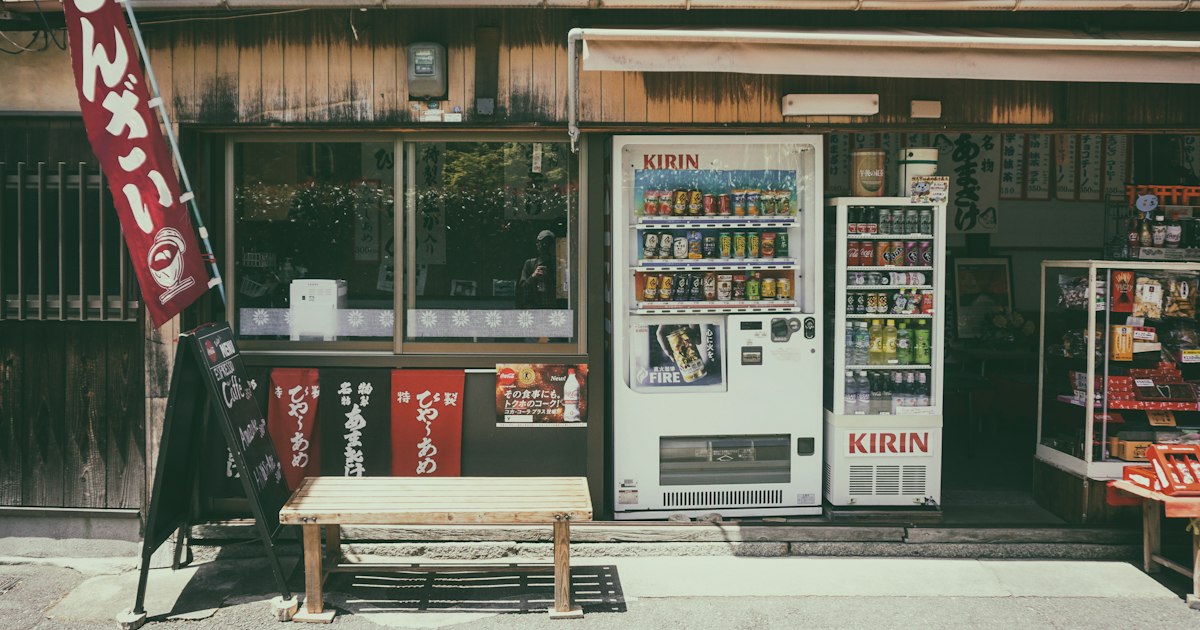
Photo by Daniel Tseng on Unsplash
Walk into any convenience store in Japan and you’ll find an entire wall of slim, colorful cans — some soft and fruity, others stamped with warnings in bold red text. This is chu-hi (チューハイ), Japan’s answer to the hard seltzer, and it’s one of the most fun, least-explained parts of a trip here. Unlike beer or sake, chu-hi doesn’t get its own guidebook chapter, but it’s cheap, everywhere, and varies wildly in strength — which makes it easy to get wrong if you don’t know what you’re looking at. Here’s what it actually is and how to drink it like you’ve done this before.
What Is Chu-Hi, Exactly?
Chu-hi is short for “shochu highball” — originally shochu (a distilled spirit) mixed with soda water and flavoring, served in izakayas long before it came in a can. The canned, convenience-store version usually swaps shochu for a neutral distilled base (often called “spirits” on the label) mixed with carbonated water, real or artificial fruit flavor, and sometimes a small amount of juice. It’s Japan’s equivalent of a hard seltzer or RTD (ready-to-drink) cocktail, but it predates that trend by decades and the category is far more developed — you’ll see 30-plus flavors on a single shelf, from grapefruit and lemon to more unusual ones like shikuwasa (a small Okinawan citrus), white peach, or salted lychee.
The Big Brands to Know
A handful of names dominate the shelf, and each has a different personality:
- Suntory Strong Zero (-196°C Strong Zero) — the one with the loud red-and-black can, 9% ABV, frozen-fruit flavor made using a “-196°C freeze-crushing” process. This is the drink locals joke about for hitting harder than it tastes. A 350ml can runs about ¥160–190, a 500ml around ¥230–260 at convenience stores.
- Suntory Horoyoi — the gentle, pastel-can opposite of Strong Zero, usually 3–5% ABV and genuinely fruity (muscat grape, white sour, mixed berry). “Horoyoi” literally means “pleasantly tipsy,” and it’s aimed at people who want the flavor without much of the alcohol.
- Kirin Hyoketsu — a cleaner, less sweet style that leans on real fruit juice and less added sugar; a good choice if Strong Zero-style drinks taste too artificial to you.
- Asahi Slat and Choya’s canned umeshu sours — Choya’s plum wine (umeshu) sodas are worth seeking out if you like something less citrus-forward and a bit sweeter.
If you’re doing an izakaya crawl in a neighborhood with a good bar scene — Kichijoji is a great one for this, with a dense cluster of small standing bars near the station — you’ll also find draft chu-hi (nama chu-hi) made fresh with shochu and soda, usually cheaper than beer and a good way to try the “real” version before you commit to a case of cans.
Reading the Can: ABV Is the Whole Game
This is the part visitors get wrong most often: the cute, fruity can and the aggressive-looking can can have the same or wildly different alcohol content, and there’s no consistent visual logic to it. ABV is printed in small text, usually near the ingredients list, as a percentage. As a rough guide:
- 3–5% ABV — Horoyoi and similar “light” lines, roughly beer strength.
- 6–8% ABV — standard chu-hi and most Hyoketsu varieties.
- 9% ABV — Strong Zero and other “Strong” series cans, closer to wine strength per can, and often sold in 500ml sizes, meaning a single can can equal two to three standard drinks.
Japan’s legal drinking age is 20, and convenience stores will ask you to confirm your age on the self-checkout screen (a simple on-screen button tap, no ID check in most cases, though staff can ask to see a passport). There’s no open-container law, so drinking a can on a park bench or riverside is completely normal — just avoid drinking on trains during rush hour, which is considered poor etiquette even though it’s not illegal.
Where to Buy Chu-Hi
You genuinely don’t need to seek this out — 7-Eleven, Lawson, and FamilyMart all stock a full fridge of chu-hi, and prices are fixed nationwide, so there’s no bargaining or hunting for deals like with souvenirs. For volume and selection, supermarkets and discount stores like Don Quijote beat convenience stores on price, especially if you buy multi-packs. If you’re already exploring Tokyo’s discount shopping streets, Ameyoko Market in Ueno has several liquor shops with deep chu-hi and shochu selections at prices below convenience-store rate, plus imported and limited-edition cans you won’t see elsewhere. Seasonal and regional flavors are worth watching for — sakura and yuzu editions appear around March, and kaki (persimmon) or kōtatsu-themed cans show up in autumn, tied to when a flavor is genuinely in season.
Pairing Chu-Hi With Food
Chu-hi’s acidity and carbonation make it a natural match for grilled and fried food — it’s the default drink order at most yakiniku restaurants for exactly this reason, cutting through the fat of grilled meat the way a crisp lager does. If you’re working through a yakiniku meal, a lemon or grapefruit chu-hi alongside the beef is a very normal, very good combination. It also holds up well against rich, savory street food — a hot, batter-heavy dish like okonomiyaki pairs nicely with something citrusy and cold to balance the sauce and mayo. Sweeter varieties like Horoyoi’s grape or peach flavors work better as an after-dinner sipper than a meal pairing.
Common Mistakes First-Timers Make
- Judging strength by flavor. A “white peach” can tastes like juice but can still be 8–9% ABV. Always check the printed percentage, not the flavor name.
- Mixing Strong Zero-style cans like beer. At 9% and often 500ml, one can is genuinely equivalent to 2–3 standard drinks — treat it accordingly, especially on an empty stomach or after a day of walking in the heat.
- Assuming all brands taste the same. Horoyoi, Hyoketsu, and Strong Zero are aimed at completely different drinkers — buy a single can of each before committing to a multi-pack of one brand.
- Forgetting recycling etiquette. Japan is strict about separating cans from burnable trash. Convenience stores have a recycling bin near the entrance specifically for cans and bottles bought there — use it rather than carrying an empty can around looking for a general trash bin, which are genuinely hard to find on the street.
Bringing Some Home
Chu-hi doesn’t travel in checked luggage well as a souvenir — cans are heavy and airport security limits liquids in carry-on — so the easiest option is buying a bottle of flavored shochu or a boxed set at an airport duty-free shop just before your flight. Most countries allow returning travelers to bring home a small duty-free alcohol allowance (commonly a bottle or two, sometimes stated in liters rather than by can count), but the exact limit depends on your home country’s customs rules, so check that before you buy in bulk. If you just want the memory rather than the bottle, the better souvenir is often a local liquor shop’s regional or limited-edition can label — lightweight, cheap, and a genuinely unique flavor snapshot of wherever you found it.