Japan Trove

Author: JapanTrove Editorial

  • Renting Ski and Snowboard Gear in Japan: Where to Rent Near Niseko, Hakuba & Nozawa Onsen

    Renting Ski and Snowboard Gear in Japan: Where to Rent Near Niseko, Hakuba & Nozawa Onsen

    Photo by Hyungman Jeon on Unsplash

    Flying to Japan with ski boots crammed into your carry-on is one of travel’s small miseries, and for most visitors it’s unnecessary. Niseko, Hakuba, and Nozawa Onsen all have dense clusters of rental shops that can outfit a complete beginner or a backcountry powder hound within fifteen minutes of arrival. The trick is knowing which village to rent in, what things actually cost, and when to book so you’re not stuck with mismatched boots on the one powder day of your trip.

    Why Renting Beats Packing Your Own Gear

    Unless you’re attached to a specific board or custom boot fit, renting in Japan is usually cheaper than paying airline oversize baggage fees (often ¥5,000–¥15,000 each way per bag on international and domestic carriers), and it removes the hassle of hauling boards through train stations and bus transfers. Rental shops near all three resorts stock gear tuned for the conditions they see most — deep, dry Hokkaido powder in Niseko, and the steeper, more varied terrain of Hakuba and Nozawa. Many shops also offer free boot-fitting adjustments mid-week if your feet start hurting, which isn’t something you get with gear checked through an airline.

    Niseko: Rental Shops in Hirafu, Hanazono & Annupuri

    Niseko United spans four base areas — Grand Hirafu, Hanazono, Niseko Village, and Annupuri — and Hirafu’s main street is where most rental shops cluster, many open 8:00 or 8:30 until around 19:00–20:00 during the season (roughly mid-December through early April). Typical package rental of skis or a board plus boots and poles runs about ¥5,000–¥8,000 per day for standard gear, with multi-day rates dropping to ¥4,000–¥6,000/day for a 5+ day rental. Premium or latest-season demo gear runs ¥8,000–¥14,000/day. Several Niseko shops (Rhythm, Niseko Sports, and others along the Hirafu strip) also run delivery services that drop gear directly at your hotel or ski-in/ski-out condo, which is worth it if you’re staying outside central Hirafu or traveling with kids. Most visitors fly into New Chitose Airport and take a resort bus or train (about 2.5–3 hours) to Niseko — if you have a few hours before your transfer, the airport itself is worth lingering in; see our guide to New Chitose Airport’s ramen dojo, onsen, and shopping for how to spend a layover there.

    Hakuba: Renting Near Happo-One, Goryu & Hakuba 47

    Hakuba Valley’s eleven resorts (Happo-One, Hakuba 47, Goryu, Cortina, and others) are spread along a long valley, so where you rent should match where you’re skiing. Hakuba village, near Happo-One’s base, has the thickest concentration of rental shops, generally open 8:00–18:00 in season. Standard rental packages run ¥4,500–¥7,000/day, with weekly discounts common; shops near Hakuba 47 and Goryu (further south along the valley) tend to be slightly cheaper and less crowded than those directly below Happo-One. Getting here typically means a Shinkansen to Nagano Station, then roughly a 70–75 minute direct bus into the valley — book the bus seat in advance during peak weeks, as it does sell out. If you’re renting boards for a group, it’s worth comparing one shop near your lodging against the options nearer the lift you’ll use most, since hauling gear between the two can eat up a chunk of your morning.

    Nozawa Onsen: Small-Village Rentals With Onsen Convenience

    Nozawa Onsen is smaller and more old-fashioned than Niseko or Hakuba — a compact onsen town built around steaming public bathhouses, with the ski area rising directly behind it. Rental shops are concentrated near the village center and the main gondola base, typically open 8:00–18:00, and prices run a bit lower than Niseko’s, around ¥4,000–¥6,500/day for a standard ski or snowboard set. Because it’s a smaller, more local-feeling town, some of the older family-run rental shops are cash-only or have limited card terminals, so it’s worth keeping yen on hand — a 7-Eleven is on the main road through town, and 7-Bank ATMs at 7-Eleven are the easiest way to withdraw cash with a foreign card if you’re caught short. Nozawa is reached via Nagano Station followed by about a 60–75 minute bus, similar to Hakuba’s access but a separate bus line.

    Budget, Mid-Range & Splurge Options

    Across all three resorts, the pricing tiers look similar. Budget renters can expect ¥4,000–¥6,000/day for a basic beginner-to-intermediate ski or board package, often with older but perfectly serviceable gear — fine for a first trip or casual skiers. Mid-range rentals (¥6,000–¥10,000/day) get you current-season demo skis or boards and better boots, worth it if you’re an intermediate-to-advanced rider who’ll actually feel the difference. Splurge options (¥10,000–¥20,000/day) include top-tier powder skis, splitboards, custom boot fitting with heat-molding, and door-to-door delivery — useful for serious skiers chasing Niseko’s famous powder days or anyone with wide or unusually shaped feet who needs a proper fitting rather than a rack pull.

    Common Mistakes to Avoid

    The single biggest mistake is showing up without a reservation during Christmas/New Year or Chinese New Year week, when the best gear (and larger boot and board sizes) gets booked out early; reserve online at least a few weeks ahead for peak dates. Second, Japanese boot sizing runs in centimeters (mondo size) rather than US/UK/EU sizing, and shops size for narrower Japanese-average feet — if you have wide feet, ask specifically for a wider last or go to a shop known for wide-fit boots rather than squeezing into the first pair offered. Third, don’t assume every shop takes credit cards smoothly; carrying a card with no foreign transaction fees (see our rundown of no-foreign-transaction-fee credit cards for Japan trips) saves money on larger multi-day rental bills, but have cash as backup for smaller shops. Finally, don’t rent for your entire trip length if a storm is forecast mid-week — some shops let you swap or upgrade skis for deeper snow for a small fee, so ask before locking in a non-changeable package.

    Best Timing for Booking and Skiing

    The season generally runs mid-December through late March or early April, with Niseko’s Hokkaido powder most reliable from mid-January through February, while Hakuba and Nozawa tend to see their best overall snow base (and sunnier, more stable weather) from late January into March. Book rental gear online 2–4 weeks ahead for any trip that overlaps school holidays in Japan, Australia, or China; outside those windows, walking into a shop the morning you arrive is usually fine. Early mornings are also the best time to swap or upgrade gear, since shops restock and sort returns overnight.
  • Baumkuchen in Japan: The German Ring Cake and Which Department Store Brands to Buy

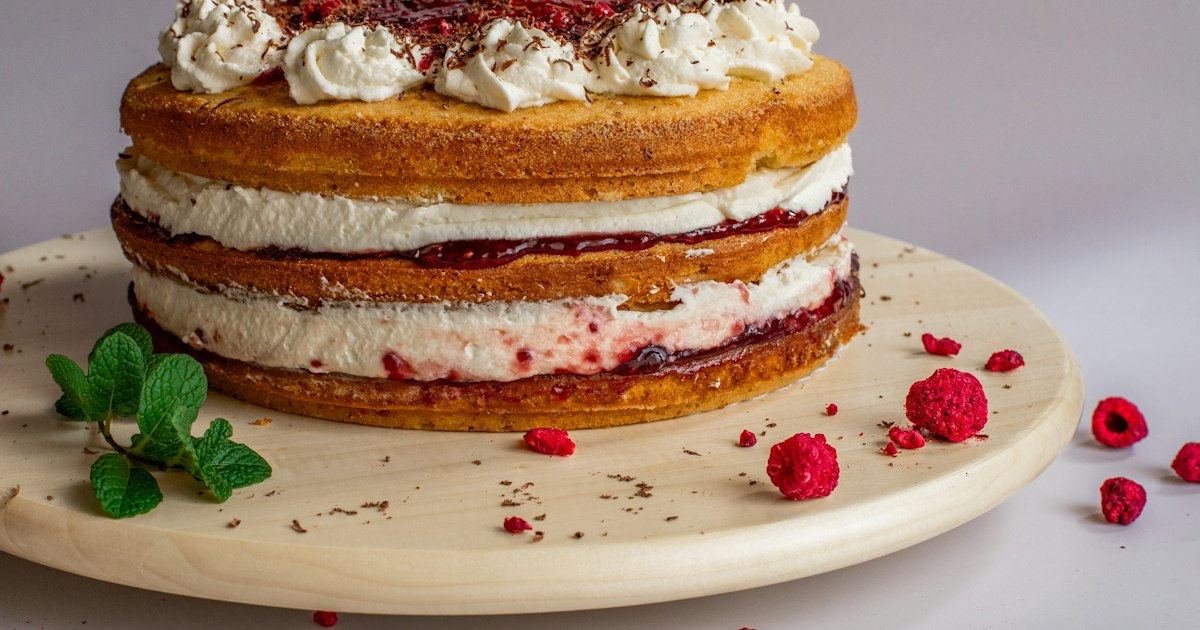
    Baumkuchen in Japan: The German Ring Cake and Which Department Store Brands to Buy

    Photo by Aneta Voborilova on Unsplash

    Walk into the basement food hall of almost any major Japanese department store and you’ll find a glass case of golden, ridged rings stacked like tree trunks. That’s baumkuchen — literally “tree cake” in German — and it has become one of the most popular gift sweets in Japan, despite having no obvious connection to Japanese culinary tradition. The story of how a German cake ended up as a staple of Japanese gift-giving is worth knowing before you buy one, because it explains why there are “correct” brands to buy, why prices vary so much, and why the best ones sell out by early afternoon.

    How a German Cake Became a Japanese Department Store Staple

    Baumkuchen arrived in Japan by way of World War I. Karl Juchheim, a German pastry chef, was interned as a prisoner of war in Hiroshima and baked baumkuchen for a 1919 exhibition — widely cited as the cake’s first appearance in Japan. He later founded the confectionery brand that still bears his name, Juchheim, and the cake slowly became associated with celebration and formality rather than everyday snacking. That association stuck: in Japan today, baumkuchen is treated less like a casual dessert and more like a boxed gift, which is exactly why you’ll find it sold the same way high-end rice crackers or canned sweets are — in sealed, nicely printed boxes at department store food halls, not in open bakery cases. If you’re already building a gift list for a trip that spans Japan’s twice-yearly gift seasons, baumkuchen sits comfortably alongside the items covered in our guide to Oseibo and Ochugen gift-giving, since it’s a common choice for both.

    What Makes Japanese Baumkuchen Different

    German baumkuchen tends to be drier and more austere, meant to be sliced thin. Japanese versions, especially from the brands below, are deliberately moister and more buttery, closer to a dense pound cake, with a thin sugar glaze on the outside that cracks slightly when cut. The rings are baked by rotating a spit through layers of batter over an open flame, which is why cutting a slice reveals the tree-ring pattern the name refers to — and why good shops will have a video or live demonstration of the rotating spit near the register, which is genuinely worth stopping to watch even if you don’t buy anything.

    The Brands Worth Seeking Out

    • Juchheim (ユーハイム) — The original. Found in most major depachika (department store basements) including Daimaru, Takashimaya, and Isetan branches nationwide. A standard-size ring runs roughly ¥1,600–¥2,200. Their packaging leans classic and German-themed, which makes it an easy, recognizable gift for people back home who won’t know the backstory but will appreciate the presentation.
    • Club Harie (クラブハリエ) — Based in Omi-Hachiman, Shiga Prefecture, and arguably the most sought-after name in Japan right now. Their signature “Mimoza” baumkuchen (around ¥1,600 for a standard ring, up to ¥3,000+ for larger sizes) sells out at Tokyo and Osaka locations by early afternoon on weekends. If you want one, go when the food hall opens — most depachika open at 10:00, and Club Harie counters often have a line within the first hour.
    • Nenrinya (年輪家) — A Club Harie sister brand sold in individually wrapped single-serving pieces (around ¥280–¥380 each) rather than whole rings, making it the best option if you want to try baumkuchen without committing to a whole cake, or want a small, easy-to-pack gift. Their Tokyo Station counter inside the GranSta shopping area is convenient for travelers heading out of the city.

    Budget, Mid-Range, and Splurge Picks

    For a budget taste test, buy a single Nenrinya piece (under ¥400) rather than a whole ring — it’s the same recipe lineage as Club Harie at a fraction of the commitment. For mid-range gifting, a standard Juchheim or Club Harie ring (¥1,600–¥2,200) is the sweet spot most Japanese shoppers buy for a colleague or host gift. For a splurge, some department stores carry limited seasonal or large-format rings from Club Harie priced ¥3,000–¥5,000, often in gift boxes with additional decorative wrapping — these are the ones bought for more formal occasions like the Oseibo/Ochugen seasons mentioned above.

    Where and When to Buy

    Depachika food halls are your best bet: Isetan Shinjuku, Daimaru Tokyo (directly connected to Tokyo Station), Takashimaya Shinjuku, and Hankyu Umeda in Osaka all carry multiple baumkuchen brands under one roof, typically open 10:00–20:00 or 10:00–21:00 depending on the store and day. Airports are a reasonable backup if you’re buying as a last-minute gift — both Narita and Haneda have Juchheim or Club Harie counters in the departure areas, though selection is more limited than in the city. Avoid buying late in the day on weekends; popular brands like Club Harie commonly sell out of their best-selling sizes by mid-afternoon, and staff won’t always restock before closing.

    Common Mistakes to Avoid

    The biggest mistake is assuming baumkuchen keeps indefinitely — most fresh versions have a shelf life of just 1–2 weeks and are not vacuum-sealed, so they’re not ideal for a long flight home unless you check the box for a “long-life” individually wrapped line, which some brands offer specifically for travelers. Second, don’t assume every department store carries every brand; Club Harie’s Tokyo presence, for instance, is more limited than Juchheim’s, so if you have your heart set on a specific brand, it’s worth checking that store’s directory (often posted near the escalators) before you commit to a long line. Finally, resist the urge to buy baumkuchen as your only omiyage (souvenir gift) for a large group — because it’s sold whole rather than in multi-piece boxes the way rice crackers or small cookies are, it doesn’t split evenly, making it better suited as a single household’s gift than an office-wide one.

    Pairing It Like a Local

    In Japan, baumkuchen is most often eaten with coffee or green tea in the late afternoon rather than after a meal. If you want to try it the way regulars do, pick up a ring from a depachika and bring it to an old-school kissaten — the kind of coffeehouse covered in our guide to Komeda Coffee’s kissaten culture — many don’t mind guests bringing in a wrapped sweet to go with a drink order, especially outside peak hours. If you’re stocking up on other packaged sweets for gifts while you’re in the depachika anyway, it’s worth browsing the colorful candy boxes covered in our konpeito buying guide, since they’re often sold in the same food hall sections. And since a single splurge-size ring can run ¥3,000–¥5,000, it’s worth checking our rundown of no-foreign-transaction-fee credit cards before a big depachika shopping trip, since most counters accept cards but a few smaller regional brands are cash-only.

  • Shirako: Japan’s Creamy Fish Milt Delicacy and Where Adventurous Eaters Can Try It

    Shirako: Japan’s Creamy Fish Milt Delicacy and Where Adventurous Eaters Can Try It

    Photo by Jay on Unsplash

    Shirako looks like nothing else on a Japanese menu — pale, lobed, and faintly translucent, somewhere between a cloud and a brain. Order it without knowing what it is and you’ll be handed a dish of cod or anglerfish milt (the male reproductive gland, essentially fish “roe” in its unfertilized, sperm-producing form) that tastes nothing like its appearance suggests: rich, custardy, faintly sweet, and barely fishy at all. It’s one of the more polarizing items on Japan’s winter menu, and also one of the most rewarding for travelers willing to order past the sashimi platter.

    What Exactly Is Shirako?

    Shirako (白子, literally “white child”) is the milt sac of male fish, most commonly tarako cod (tara), monkfish/anglerfish (ankou), and occasionally pufferfish (fugu). Cod shirako is by far the most common and the easiest entry point — it’s mild, soft-textured, and widely available at izakaya across the country. Anglerfish shirako, associated with Ibaraki and Shimonoseki, is richer and often served as part of an ankou nabe hot pot course. Fugu shirako is the luxury version — it’s only legal to sell from fish processed by licensed fugu handlers, so it shows up almost exclusively at specialist fugu restaurants, typically in Shimonoseki or high-end Tokyo/Osaka counters, and commands a serious premium precisely because of that licensing requirement.

    Texture is the whole point. Properly prepared shirako should be creamy and slightly gelatinous on the outside with a soft, almost custard-like interior when lightly cooked — think of a savory, oceanic panna cotta. Overcooked shirako turns grainy and loses the quality people actually seek it out for, which is why where you order it matters as much as what you order.

    The Best Season to Eat It

    Shirako is strictly a cold-weather food. Cod milt season runs roughly from November through March, with peak quality in January and February when the fish are fully mature before spawning. Outside that window, menus either drop it entirely or serve a frozen version that’s noticeably inferior in texture. If shirako is a priority for your trip, build your visit around a winter itinerary — the same months that make onsen towns like Kirishima’s hot spring villages most appealing are exactly when shirako is at its best, since both follow Japan’s winter dining calendar of hot pots and warming dishes.

    How It’s Served

    There are four common preparations, and each suits a different kind of first-timer:

    • Shirako ponzu — lightly blanched, chilled, and served with grated daikon and ponzu citrus sauce. This is the gentlest introduction: the acidity cuts the richness and the cold temperature keeps the texture firm and clean. Order this first if you’re unsure.
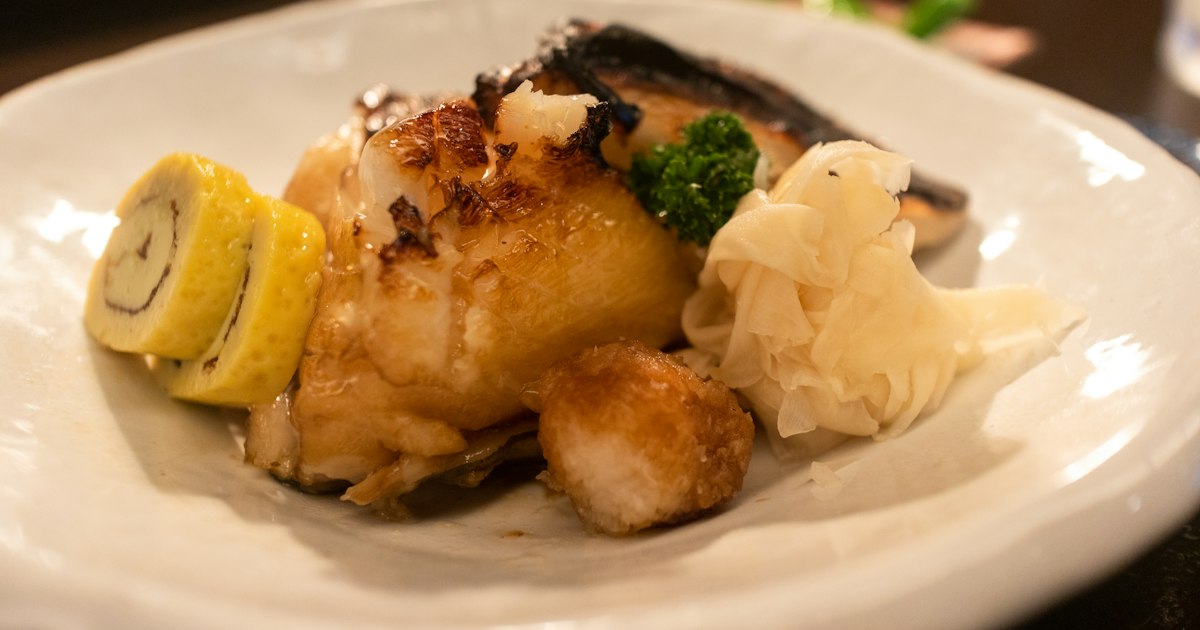
    • Yaki shirako (grilled) — brushed with salt or a light soy glaze and grilled until the outside crisps slightly while the inside stays molten. This is the most popular izakaya version.
    • Shirako tempura — battered and deep-fried, which disguises the texture almost entirely and is a good option for travelers dining with hesitant companions.
    • Shirako nabe — added raw to a simmering hot pot in the final minutes, where it gently poaches in the broth. If you order this, don’t skip the finishing rice porridge; shirako enriches the broth considerably, and finishing with zosui is the traditional way to use every bit of that flavor.

    Where to Try It: Budget, Mid-Range, and Splurge

    Budget (¥500–900 per small plate): Chain izakaya like Torikizoku-style pubs and regional izakaya groups often list yaki shirako or shirako ponzu as a seasonal small plate in winter. Tsukiji Outer Market in Tokyo (most stalls open roughly 5am–2pm, with many closed Wednesdays and Sundays — check individual shops, as hours vary stall by stall) has several standing-counter seafood grills where a skewer or small cup of grilled cod shirako runs ¥400–800, making it an easy, low-commitment way to try it between browsing stalls.

    Mid-range (¥1,500–4,000 per course item): Seafood-focused izakaya near fish markets — in Tokyo’s Toyosu and Tsukiji area, Hokkaido port towns, and Kanazawa’s Omicho Market — tend to serve the freshest cod shirako because it arrives with the day’s catch. Kanazawa in particular is known for high-quality Sea of Japan seafood in winter, and a shirako dish there is a natural pairing with the kind of multi-course seasonal menus described in our kaiseki ryori guide, since many kaiseki restaurants rotate shirako into a winter course as a seasonal nod.

    Splurge (¥6,000 and up): Dedicated ankou (anglerfish) restaurants in Ibaraki Prefecture or fugu specialists in Shimonoseki serve shirako as part of a full hot pot or kaiseki-style set, where the shirako itself might be a single component of a ¥10,000–20,000 multi-course meal built around that one fish. This is the version to seek out if you want shirako at its absolute best rather than as a side dish — the fish is typically processed same-day by chefs licensed specifically to handle it.

    Common Mistakes First-Timers Make

    The biggest mistake is ordering shirako cold from a convenience store or supermarket fish counter expecting restaurant quality — pre-packaged shirako is often intended for home cooking (usually simmered in miso soup or added to hot pot) and isn’t meant to be eaten as-is. Another common error is assuming all shirako tastes the same: cod shirako is mild and slightly sweet, while anglerfish shirako is denser and more savory, closer to foie gras in richness. Finally, don’t judge the dish by appearance alone or ask your server to describe it in English before ordering — most izakaya staff are used to the question and will happily explain or recommend the ponzu version if you seem unsure, which is a far better first experience than committing to a hot pot portion on a gamble.

    Buying Shirako to Cook at Home

    Fresh shirako doesn’t travel well and isn’t something to bring home in luggage, but it is sold frozen or vacuum-packed at Japanese supermarkets and specialty fish shops during winter months, usually labeled たらの白子 (tara no shirako) for cod. If you want a Japanese winter seafood souvenir that actually survives the trip home, canned or shelf-stable alternatives are the more practical choice — the same impulse that makes shirako worth seeking out while you’re in Japan is well served by picking up a few tins from our guide to Japan’s gourmet canned mackerel, or stopping by a himono dried fish shop for something you can actually pack in a suitcase.

    Shirako isn’t for everyone, and that’s part of its appeal — it’s one of the few dishes in Japan that genuinely rewards curiosity over caution. Order the ponzu version on a cold winter evening at a neighborhood izakaya, and you’ll understand why regulars order it on repeat rather than as a one-time dare.

  • Halloween in Japan: Shibuya Crowds, Costume Shops & How Tourists Can Celebrate Safely

    Halloween in Japan: Shibuya Crowds, Costume Shops & How Tourists Can Celebrate Safely

    Photo by Denys Nevozhai on Unsplash

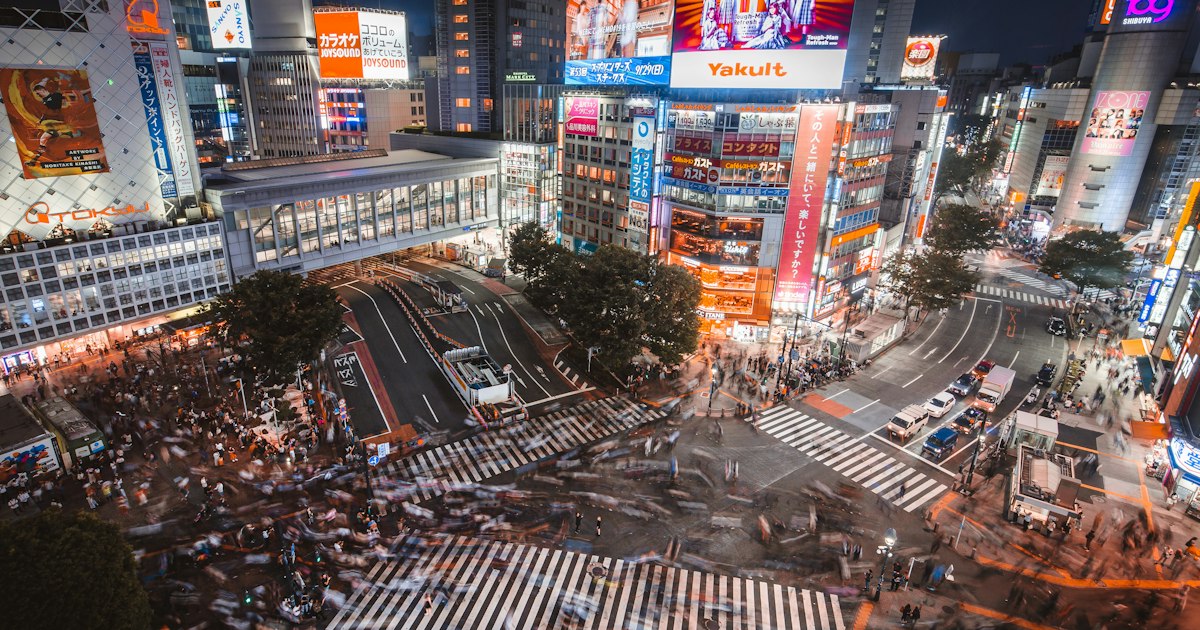
    Halloween in Japan isn’t really a trick-or-treating holiday — kids barely go door to door for candy. What it has become instead is one of the biggest spontaneous street gatherings on the planet, centered almost entirely on one intersection: Shibuya Scramble Crossing in Tokyo. If you’re visiting Japan in late October, here’s what’s actually worth knowing before you show up in a costume you bought at the airport.

    What Shibuya Halloween Actually Is

    There’s no official festival, no parade, no ticket, and no stage. Shibuya Halloween is an unofficial street party that grew organically in the 2010s as costumed crowds started gathering around the famous Scramble Crossing and the pedestrian street Center-gai after dark. At its peak, it drew hundreds of thousands of people — and the lack of any central organizer eventually caused real problems: a 2018 incident involving an overturned truck, years of litter and property damage, and crowd densities that made movement through the station nearly impossible.

    Since then, Shibuya Ward has taken an unusual position: it actively discourages people from coming. The ward office puts up multilingual signs and sends social media messages asking visitors to celebrate elsewhere, and in recent years it has banned public drinking on the street in the area around the station on and around October 31st (typically from around 6pm to 5am), with convenience stores and liquor shops in the zone asked not to sell alcohol for takeaway during those hours. Riot-style barricades and a heavy police presence now funnel foot traffic around the crossing. None of this has stopped the costumes — it’s just turned the event into a crowd-control exercise with a party happening inside it.

    When to Go (and When to Think Twice)

    The crowd now builds over the entire weekend closest to October 31st, not just on the day itself, so “Halloween weekend” in Shibuya can mean three or four nights of costumed crowds rather than one. If you want photos and atmosphere without the worst of the crush, aim for early evening — around 6pm to 8pm — before the after-work and late-night crowds stack up. Things intensify sharply after 9pm and often peak between 10pm and 1am, which is also when police begin actively restricting movement around the crossing itself. If you simply want to see costumes and don’t care about being in the thick of it, a weekday evening in the run-up to Halloween is far calmer than the Friday or Saturday night closest to the 31st.

    Getting There (and Out) Without Getting Stuck

    Shibuya Station is the obvious access point, served by the JR Yamanote Line, Keio Inokashira Line, Tokyu lines, and several Tokyo Metro lines. On peak nights, station staff and police may temporarily close certain exits or make them exit-only to stop the platforms from overfilling — it’s not unusual to be funneled through a longer route than usual just to reach the street. Build in extra time, and don’t assume you can casually dip into the station if you need to leave in a hurry; in a dense crowd, the nearest open exit might be a ten-minute walk away. If you’re relying on cash for taxis or vending machines once the crowds make card terminals slow to reach, a quick top-up from a 7-Bank ATM at a 7-Eleven before you head into Shibuya is worth the two minutes.

    Where to Buy a Costume in Tokyo

    You don’t need to pack a costume — Tokyo sells them in bulk every October.

    • Don Quijote (Donki): The go-to for last-minute costumes. The Shibuya branch near Center-gai is open 24 hours and dedicates significant shelf space to Halloween in the weeks beforehand — full costumes generally run about ¥2,000–¥6,000, with wigs, face paint, and props priced separately from a few hundred yen up.
    • Daiso and other ¥100-shops: Cheapest option for accessories — fangs, horns, face paint, small props — mostly in the ¥100–¥500 range. Not the place for a full costume, but excellent for finishing touches.
    • Village Vanguard: A pop-culture/novelty chain with a heavier skew toward character and anime-adjacent costume pieces, found in Shibuya and Shinjuku.
    • Cosplay specialty shops near Shibuya Station: Several small stores around Shibuya cater specifically to cosplay and costume rental rather than generic Halloween gear, with complete rental sets running roughly ¥3,000–¥6,000 including a changing space — useful if you don’t want to carry a costume home in your suitcase.

    If you’re more interested in Japan’s cosplay and costume culture generally than in Halloween specifically, it’s worth knowing that the same shops and neighborhoods that stock Halloween gear also supply Tokyo’s cosplay scene year-round — the crossover is strong enough that regulars at Comiket shop at some of the same stores.

    Costume Choices That Work Well

    Store-bought costumes from Donki or Village Vanguard are the path of least resistance, but if you want something with a more distinctly Japanese flavor, a happi coat — the short festival jacket worn at summer matsuri — makes an easy, comfortable half-costume layered over normal clothes, and it packs flat for the flight home. Whatever you choose, skip anything that mimics another culture’s dress as a costume punchline (sumo-wrestler bodysuits and geisha-parody wigs are common tourist missteps) — Japanese costume culture leans heavily toward anime, horror, and pop-culture characters rather than caricature.

    Staying Safe in the Crowd

    The biggest risks aren’t crime — they’re crowd-related. Keep valuables in a front pocket or a bag worn across your chest rather than a back pocket or open tote; pickpocketing upticks in dense crowds anywhere in the world, and Shibuya at capacity is no exception. Don’t try to push against the flow of foot traffic — if the crowd is moving one direction, move with it and loop back rather than cutting across. Avoid drinking heavily before you’re in the crowd itself; separated friend groups and crowded trains are a bad combination with intoxication, and remember that open-container drinking is restricted on the street in the designated zone during the event. If you’re traveling with a group, agree on a specific meeting point outside the restricted area in advance — phone signal gets patchy when tens of thousands of people are on it at once, and you may not be able to simply call or text to regroup.

    If Shibuya Isn’t Your Scene

    Shibuya gets the headlines, but it isn’t the only place to see costumes. Shinjuku’s nightlife district has its own, smaller version of the scene, with bars and clubs running costume nights throughout the week around Halloween. If you go, the same safety principles that apply to navigating Kabukicho after dark apply doubly on Halloween weekend — stick to venues you can verify, agree on prices before you sit down anywhere, and don’t let a costumed stranger walk you somewhere you didn’t choose. For a lower-key alternative entirely, several theme parks and shopping malls run family-friendly Halloween events in the weeks beforehand that have nothing to do with the Shibuya crowd and are far easier to enjoy with children or if you simply want a quieter night out.

  • Soroban: Japan’s Abacus Tradition and Where to Buy a Starter Set

    Soroban: Japan’s Abacus Tradition and Where to Buy a Starter Set

    Photo by Kate Kasiutich on Unsplash

    Long before calculators, and still today in some accounting offices and elementary school classrooms, Japan did its arithmetic on a soroban — a wooden-framed abacus with beads that click under practiced fingers. It’s one of the most satisfying, inexpensive souvenirs you can bring home from Japan, but also one of the easiest to get wrong: plenty of what’s sold to tourists is decorative, not functional. Here’s how to tell the difference, what a real one costs, and where to actually buy one.

    What Is a Soroban, and Why Does Japan Still Use One?

    The soroban arrived in Japan from China in the 16th century and was simplified over the following centuries into the form sold today: one “heaven” bead worth 5 above a divider bar, and four “earth” beads worth 1 below it, on each vertical rod. That 1-over-4 layout (versus the Chinese suanpan’s 2-over-5) was standardized to match the decimal system, and it’s what makes the Japanese soroban faster for everyday calculation once you know it.

    It never fully disappeared. Soroban is still taught in many Japanese elementary schools as a math tool, private soroban schools (juku) train children for speed-calculation certification exams run by the Japan Chamber of Commerce, and some older shopkeepers and accountants genuinely still reach for one out of habit. It’s a living tradition, not a museum piece — which is part of why a cheap souvenir version feels a bit hollow if it doesn’t actually work.

    Anatomy of a Soroban: What to Check Before You Buy

    Three things determine whether a soroban is a real tool or a trinket:

    • Rod count (keta): Common sizes are 13, 17, 21, 23, and 27 rods. The 23-rod soroban is the de facto standard for serious practice and for Japan’s business-calculation certification exams, so if you want something a learner could actually train on, look for 23 rods.
    • Bead material and shape: Real soroban beads are slightly diamond-shaped (so fingers can flick them precisely) and made of hardwood such as boxwood, with high-end versions in ebony or rosewood. Souvenir versions often use round plastic beads that wobble and don’t “click” cleanly against the divider bar.
    • Rod material: Bamboo rods are standard on quality soroban because they’re smooth and durable; cheaper ones use plain wood or metal wire that beads snag on.

    Where to Buy One: Budget, Mid-Range, and Splurge

    Budget (¥100–¥1,500): Daiso and other ¥100-yen shops sell miniature soroban keychains and small decorative sets for around ¥100–¥300 — fun as a trinket, but not built for real use. For a functional entry-level soroban, stationery sections of Tokyu Hands (also operating under the newer “Hands” name in some locations) and Loft carry 13- or 17-rod plastic-bead student models for roughly ¥500–¥1,500.

    Mid-range (¥2,000–¥8,000): This is the sweet spot for a genuine beginner’s soroban — a 23-rod wooden model with bamboo rods and boxwood beads, often sold as a set with a basic instruction booklet for ¥2,500–¥3,500 total. These are the same style used in Japanese classrooms and are widely stocked at larger stationery stores and department store stationery floors in Tokyo and Osaka.

    Splurge (¥10,000–¥100,000+): Hyogo Prefecture’s Ono City is Japan’s historic center of soroban craftsmanship, producing what’s known as Banshu-soroban, an officially recognized traditional craft. Artisan-made pieces here use fine-grained hardwoods and hand-finished beads, and prices for a true handcrafted piece can run from around ¥10,000 into six figures for museum-grade examples. These aren’t typically sold through big-box retail; they come from small workshop shopfronts, craft fairs, or specialty traditional-crafts stores in Kobe and Osaka, and hours vary workshop to workshop, so it’s worth calling or checking online before making a special trip.

    Best Places to Shop in Person

    If you’re in Tokyo, Itoya’s Ginza flagship is one of the most reliable stops — its stationery floors stock everything from student soroban to higher-end wooden calculation tools, generally open daily from around 10am to 8pm, a short walk from Ginza Station. Tokyu Hands/Hands locations in Shibuya, Shinjuku, and Ikebukuro are good budget-to-mid-range options and tend to be open late, often until 9pm, which is convenient if you’re shopping after a day of sightseeing. If you’re the type who also browses Japan’s stationery aisles for other reasons, it’s worth a detour to see why Pilot FriXion erasable pens have become an office obsession here — the same stores that sell soroban usually have a wall of them.

    In Osaka, Shinsaibashi and Umeda department stores carry similar mid-range selections. If you want to try for the real Banshu-soroban, Ono City is roughly a day trip from Kobe or Osaka by local train and bus, though given the small, workshop-style nature of many sellers there, this is a trip best planned with a specific shop or showroom address in hand rather than a walk-in expectation.

    Common Mistakes First-Time Buyers Make

    The biggest one is buying a decorative miniature thinking it’s a usable tool — check rod count and bead shape before paying. The second is not thinking about rod count relative to purpose: 23 rods if you or a child might actually practice toward a certification level, 13 or 17 if it’s purely a shelf piece or very casual use. Third, pack it in your carry-on rather than checked luggage; wooden rods and bead dividers can crack under rough baggage handling. And fourth, don’t expect to pick up real proficiency in a week — soroban skill is built through repetitive finger drills (and eventually mental calculation, or anzan, done by visualizing the beads), and most Japanese children train for months before they’re fast with it.

    Paying for It: Cash, Cards, and Small Shops

    Big stationery chains and department stores take credit cards without issue, and a mid-range or splurge soroban purchase is a good candidate for a card with no foreign transaction fee — worth checking our rundown of no-foreign-transaction-fee credit cards for a Japan trip before you go. But smaller artisan workshops, especially outside major cities, are often cash-only. Keep some yen on hand, and remember that 7-Bank ATMs inside 7-Eleven stores are the most tourist-friendly way to withdraw cash almost anywhere in the country, including smaller towns like Ono.

    A Soroban as a Gift

    There’s a reason a soroban makes a meaningful gift for a Japanese business contact: the phrase “soroban ga awanai” (literally, “the abacus doesn’t balance”) is common shorthand for something unprofitable, so gifting one carries a quiet wish for good accounts and prosperity. If you’re already thinking about seasonal gift-giving while in Japan, it’s worth reading up on Oseibo and Ochugen, Japan’s twice-a-year gift-giving seasons, where a well-chosen traditional item like a soroban fits right in alongside the usual food and drink gift sets.

    Whether you end up with a ¥500 classroom model or a splurge-worthy Banshu-soroban, it’s a rare souvenir that’s both a piece of Japanese craft history and something you can actually sit down and learn to use.

  • Pilot FriXion and Japan’s Erasable Pen Obsession: Why Offices Swear By Them

    Pilot FriXion and Japan’s Erasable Pen Obsession: Why Offices Swear By Them

    Photo by Kelly Sikkema on Unsplash

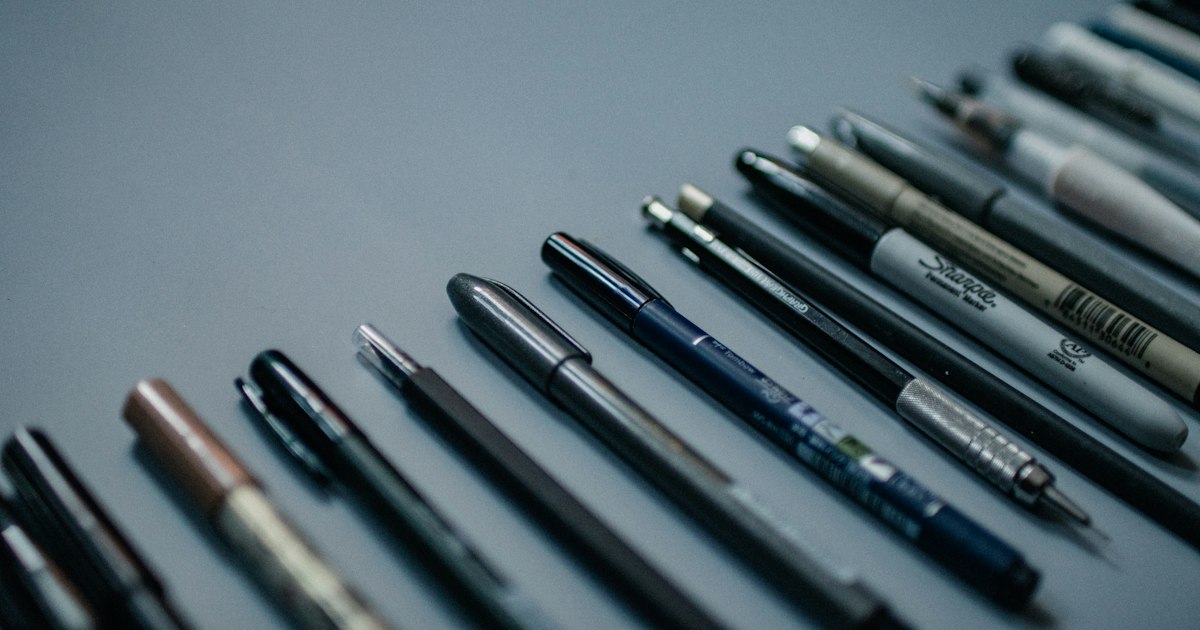
    Walk into any Japanese office, cram school, or train-commute reading nook and you’ll see the same pen in nearly every hand: a Pilot FriXion, cap color-coded, cap end fitted with a rubbery nub that looks almost like an eraser. That’s because it is one. FriXion pens write like a ballpoint but erase like a pencil, and in a country that runs on handwritten memos, multi-colored study notes, and planner culture, that single trick turned Pilot into a household name and spawned an entire genre of erasable stationery. If you’re the kind of traveler who always ends up browsing a stationery floor somewhere, here’s what’s actually worth buying, what it costs, and the one mistake that ruins the whole pen.

    How FriXion Ink Actually Works (and Its One Weakness)

    FriXion ink is thermosensitive — it’s engineered to turn transparent when heated past roughly 60°C (140°F), which is exactly what the friction from the rubber tip on the cap generates when you rub it over the line. The ink doesn’t vanish into the page like a solvent eraser; it’s still there, just decolorized. That’s why a FriXion-written document left in a hot car dashboard in August, or a notebook page pressed against a heating pack, can fade on its own without you touching it. The flip side is also true: if erased text gets cold enough (below about -10°C to -20°C, like inside a freezer), the ink can reappear, because the color change is a reversible chemical reaction, not a permanent one. Japanese office workers learn this quickly — nobody signs anything official with a FriXion, and nobody leaves a FriXion-filled memo pad on a car seat in summer.

    Where to Buy Them in Japan (and What They Actually Cost)

    You genuinely don’t need to hunt. FriXion pens are sold at convenience stores (7-Eleven, Lawson, FamilyMart), 100-yen shops, supermarkets, and every stationery floor in the country. Rough budget-to-splurge pricing:

    • Budget: Single FriXion Ball, 0.5mm, at a convenience store or Daiso — around 150–220 JPY.
    • Mid-range: FriXion Ball 3 or FriXion Ball 4 multi-color pens (three or four retractable erasable colors in one barrel) — around 400–600 JPY. The FriXion Light erasable highlighter runs about 150–200 JPY each and is genuinely useful for marking up guidebooks or language-study texts without the ink bleeding through.
    • Splurge: Limited-edition barrel designs (Sanrio, Studio Ghibli, Disney, sports-team collabs) or the metal-bodied FriXion Ball Knock Zone pens — 800–2,000 JPY, often sold only at specific chains or during seasonal campaigns.

    For the best selection under one roof, head to a dedicated stationery store rather than a convenience store. Itoya in Ginza (the flagship “G. Itoya” building, a short walk from Ginza Station, generally open 10:00–20:00) stocks nearly every FriXion variant across several floors along with international exclusives you won’t find in your home country. Sekaido near Shinjuku Station and the stationery floors of Loft or Hands branches (Shibuya, Shinjuku, Ikebukuro) are reliable backups with similarly long hours. If you’re paying by card, it’s worth knowing which cards skip the foreign transaction fee before you start stacking up 500-yen pens — see our guide to no-foreign-transaction-fee credit cards for a Japan trip. Many smaller stationery shops are cash-preferred, so keep yen on hand; a 7-Bank ATM inside any 7-Eleven is the easiest way to withdraw more — details in our 7-Bank ATM guide.

    Beyond the Basic Ball: What’s Worth Seeking Out

    Once you’re in a stationery store, a few FriXion siblings are worth the extra look:

    • FriXion Colors — a 24-color set of felt-tip-style erasable markers, popular for the color-coded note-taking style Japanese students are famous for.
    • FriXion Ball Slim (0.38mm) — the fine tip favored for writing small, dense Japanese text in a planner or techo (pocket diary).
    • FriXion Stamp — erasable stamp pens shaped like cute characters, aimed at kids but genuinely satisfying for planner decoration.
    • Erasable correction tape alternatives — some shops stock FriXion-branded sticky notes and highlighter sets as pre-boxed gift sets, which lead nicely into the next point.

    Best Time to Shop: Back-to-School Season and New Year

    Stationery stores stock the deepest selection and run seasonal promotions twice a year. The weeks before the Japanese school year starts in early April bring new colorways and school-supply bundles, and late August (before the second semester) does the same on a smaller scale. December into early January is the other sweet spot — stationery shops lean into New Year planner and nengajo season, and FriXion sets show up in gift displays alongside other seasonal gift traditions; if you’re curious about that gifting culture more broadly, our pieces on nengajo New Year postcards and Oseibo and Ochugen gift-giving seasons cover the etiquette. A boxed FriXion multi-pen set in nice packaging is a genuinely well-received, inexpensive souvenir for coworkers back home — it reads as thoughtful without being extravagant.

    Common Mistakes Tourists Make

    The biggest one is treating FriXion ink as permanent. Don’t use it for anything that needs to survive heat or that has legal weight — immigration forms, postal declarations, contracts. Airport baggage left in a hot hold or a car trunk in summer is enough to fade it. Second mistake: buying only the 0.5mm black ball and missing the multi-color and highlighter versions, which are arguably the more distinctive souvenir since erasable highlighters aren’t widely available outside Japan. Third: assuming every convenience-store FriXion is identical to what you’ll find at Itoya or Loft — the specialty stores carry refills, rare tip sizes, and collaboration designs that convenience stores simply don’t stock, so if you only have time for one stop, make it the stationery floor, not the konbini rack.

    Packing Them for the Trip Home

    FriXion pens fly fine in carry-on or checked luggage — there’s no liquid-restriction issue since they’re not classified as liquid ink in the way fountain pens can be. The only real packing consideration is heat: don’t leave a bag with FriXion pens in a hot car during a layover, and if you’re also bringing back collectibles from a convention like Comiket, pack the pens away from anything that traps heat in transit, like electronics left in direct sun. Beyond that, they’re about as low-maintenance a souvenir as Japan offers — cheap, light, useful every single day, and a genuine conversation starter the first time a colleague back home tries to erase one and can’t quite believe it worked.

  • Kirishima: Kyushu’s Volcanic Shrine Country and Its Quiet Hot Spring Villages

    Kirishima: Kyushu’s Volcanic Shrine Country and Its Quiet Hot Spring Villages

    Photo by Samuel Berner on Unsplash

    Wedged between Kagoshima and Miyazaki prefectures, Kirishima is one of Kyushu’s great overlooked regions — a cluster of active volcanoes, crater lakes, and sulfur-scented hot spring hamlets that most foreign visitors skip entirely in favor of Kagoshima’s Sakurajima views or the shrines of Kyoto. That’s a shame, because Kirishima is where Japanese creation mythology is supposedly set in stone: this is the spot where, according to the Kojiki and Nihon Shoki, the god Ninigi-no-Mikoto descended from heaven to found the imperial line. Add steaming rotenburo baths tucked into pine forest and a genuinely low-key travel pace, and it’s an easy 1-2 day add-on to a Kagoshima or Miyazaki itinerary.

    Kirishima-Jingu Shrine: the mythological heart

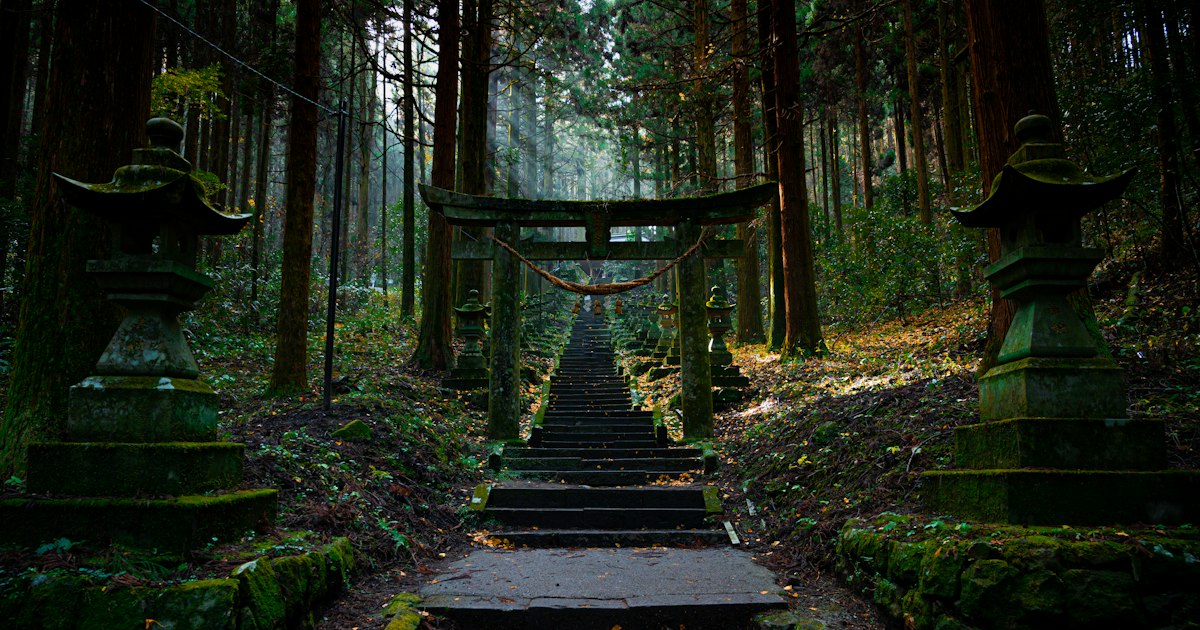
    Kirishima-Jingu is the obvious first stop. The vermillion-and-gold shrine buildings standing today date to 1715 — the shrine has been rebuilt and relocated several times over its history because earlier structures were damaged by eruptions from the volcanoes it honors. The approach is a long, tree-shaded stone staircase, and the main hall is a designated National Important Cultural Property. Grounds are open from early morning until around 6pm (varies seasonally), entry is free, and the shrine office selling omamori and goshuin stamps is typically staffed 8:30am-5pm.

    Don’t confuse this shrine with Takachiho-gawara, a separate site higher up the mountain where the ruins of the original shrine (“Furumiya”) mark the spot nearer the mythical landing place. It’s a 20-minute drive from Kirishima-Jingu and has its own small visitor rest house and a trailhead for Takachiho-no-mine peak (1,574m) — a steep but manageable 1.5-2 hour round-trip hike with views across the whole volcanic plateau on a clear day.

    Shinmoedake and checking before you hike

    Kirishima isn’t a dormant postcard backdrop — Shinmoedake, the volcano looming behind the shrine, erupted as recently as 2011 and 2018 and remains monitored by the Japan Meteorological Agency. Trailheads around Takachiho-gawara and the summit area get closed without much notice when the alert level rises. Before planning a hike, check the current volcanic alert level (search “JMA Shinmoedake” or ask at the Ebino Kogen Eco Museum Center) rather than assuming last year’s trail map is accurate. This is the single most common planning mistake visitors make here — showing up expecting to summit and finding the approach roped off.

    Ebino Kogen: crater lakes and cool-air hiking

    About 20 minutes by car above the onsen villages sits Ebino Kogen, a highland plateau at roughly 1,200m elevation ringed by extinct and dormant craters now filled with jewel-toned lakes — Rokkannon Miike, Fudoike, and Byakushiike among them. The full loop trail connecting the lakes takes about 1-1.5 hours at an easy pace, mostly flat boardwalk and gravel path, and the Eco Museum Center at the trailhead (open 9am-5pm, free entry) has maps, restrooms, and a free foot bath fed by natural hot spring water. Because of the elevation, it’s noticeably cooler than Kagoshima city — bring a layer even in summer, and expect near-freezing temperatures with occasional light snow in January-February.

    The best time to visit is early-to-mid November for fiery autumn foliage around the lakes, or late May into early June, when the native Miyama Kirishima azaleas turn the slopes pink-red. Midsummer brings humidity and haze that dull the crater-lake views, so if your schedule is flexible, avoid July-August here.

    The hot spring villages

    Kirishima Onsen isn’t one town but a loose string of small hamlets scattered through the forest below Ebino Kogen — Maruo, Ikoma, Hinatayama, and a few others, each with its own well and slightly different mineral character (sulfur, iron, or the milky white water locals call “nigori-yu”).

    • Budget: Several simple public bathhouses allow day bathing for roughly 150-500 yen — basic facilities, no-frills, and the most authentic way to soak alongside locals rather than other tourists.
    • Mid-range: Hotels and ryokan around Ikoma Kogen typically offer day-use onsen access for 600-1,000 yen, and an overnight stay with dinner and breakfast usually runs 15,000-20,000 yen per person.
    • Splurge: A handful of ryokan built into the hillsides have private or semi-open-air baths overlooking the valley, paired with a multi-course dinner closer in style to the kaiseki ryori served at Japan’s higher-end inns. These run from around 35,000 yen per person per night and up, including dinner and breakfast.

    A practical note: many of these smaller ryokan and bathhouses are cash-only or have unreliable card readers, so don’t count on tapping a card at the front desk. If you’re traveling with a card that skips foreign transaction fees — see this rundown of no-foreign-transaction-fee credit cards — keep it as a backup, but carry cash as your primary payment here. The nearest reliable ATMs are at convenience stores back down toward Kirishima-Jingu Station or Kokubu; 7-Bank ATMs at 7-Eleven are the easiest withdrawal option if you’re coming from Kagoshima city before heading up.

    Getting there and getting around

    Kagoshima Airport is the closest gateway, only about 20-30 minutes by car or taxi from Kirishima-Jingu — taxis run roughly 4,000-5,000 yen, and a few direct airport buses connect to Kirishima-Jingu Station and nearby hotels, though schedules are thin (sometimes just a handful of runs per day), so check times in advance rather than assuming you can walk up and go.

    By train, take the JR Nippo Line from Kagoshima-Chuo Station to Kirishima-Jingu Station (about 50 minutes, roughly 1,000-1,200 yen), then a short taxi ride (around 10 minutes, 1,500 yen or so) up to the shrine itself, since onward buses are infrequent. If you’re flying into Fukuoka first, as many Kyushu itineraries do — see our guide to Fukuoka Airport — you’ll want the Kyushu Shinkansen down to Kagoshima-Chuo (about 1 hour 20 minutes) before transferring to the Nippo Line or renting a car.

    Honestly, a rental car is the easiest way to see Kirishima properly. Buses between Ebino Kogen, the onsen villages, and the shrine run on a limited, seasonal schedule, and a car lets you chase the volcano views and foliage at your own pace rather than building a day around two or three bus departures.

    A few things to plan around

    Beyond checking the volcanic alert level, pack for temperature swings — the onsen villages sit at a different elevation than Ebino Kogen above them, so a warm afternoon at the shrine can turn into a cold evening soak. Many ryokan here serve dinner early, often by 7pm, and some of the smaller public bathhouses close by early evening too, so don’t plan a late arrival expecting to bathe before bed. Lastly, if cultural sightseeing is the main draw, pair the shrine visit with Takachiho-gawara in the same day — they’re close enough to combine, and most visitors who skip the ruins site regret it once they realize it’s where the actual legend is supposed to have unfolded.

  • Akabane: Inside Tokyo’s Retro “Adult Disneyland” Drinking Town

    Akabane: Inside Tokyo’s Retro “Adult Disneyland” Drinking Town

    Photo by Alex Knight on Unsplash

    Ask a Tokyoite where they go to drink without the Shibuya crowds or Shinjuku prices, and a surprising number will say Akabane. This unglamorous station town in the city’s north has no neon towers or viral photo spots — just dozens of standing bars, a shotengai arcade, and day-drinkers who’ve been coming since the 1970s. Locals only half-jokingly call it the “adult Disneyland” (otona no Disneyland), because once you’re inside the maze of alleys behind the station, you can hop from counter to counter for hours without ever needing to go outside. Here’s how to actually do that trip.

    What Makes Akabane the “Adult Disneyland”

    The nickname comes from the density and variety packed into a few square blocks: dozens of tiny bars, each with its own specialty, crammed close enough that bar-hopping feels like moving between rides. Unlike Shinjuku’s Golden Gai, which is largely a nighttime tourist curiosity now, Akabane’s scene is still driven by locals — retirees, office workers finishing an early shift, and regulars who’ve had the same seat for twenty years. Drinking often starts in the early afternoon rather than after dark, which is part of the appeal: you can do a full Akabane crawl and still catch the last train home at a reasonable hour.

    Getting There: Trains and Timing

    Akabane Station is served by the JR Keihin-Tohoku Line, JR Saikyo Line, JR Utsunomiya/Takasaki Lines, and the Tokyo Metro Namboku Line, which makes it easy to reach from most parts of the city without transferring. From Tokyo Station it’s roughly 20 minutes on the Keihin-Tohoku Line; from Ikebukuro it’s about 10 minutes on the Saikyo Line; from Ueno around 10 minutes. There’s no need for a taxi or a special IC card top-up strategy — just tap through with whatever Suica or Pasmo you’re already using.

    The best time to go is a weekday from mid-afternoon (around 3–4pm) through early evening. Many standing bars open as early as 11am–12pm and fill with day-drinkers by mid-afternoon, so going earlier than a typical izakaya run actually gets you the full local atmosphere rather than a late-night tourist crowd. Weekends are busier and louder but still manageable; avoid major holidays when some smaller shops close for family time.

    Where to Start: Ichiban-gai and the Yokocho Alleys

    Walk out of Akabane Station’s east exit and you’ll hit Akabane Ichiban-gai, a covered shotengai (shopping street) lined with butchers, produce stalls, and small eateries that’s been largely unchanged for decades. This is a good warm-up lap before drinking: grab a skewer or croquette from a stand-up food shop for a few hundred yen while you get oriented.

    From there, duck into the narrow lanes branching off the main street. These alleys hold the real draw: multi-tenant buildings where a single doorway opens onto six or eight tiny bars sharing a floor, each seating maybe 8–15 people at a counter. You don’t need a plan — walk until a menu board or the smell of grilled motsuyaki (grilled offal skewers, an Akabane specialty) pulls you in. Most places are standing-only or have a handful of stools, which keeps turnover fast and prices low.

    How Tachinomi (Standing Bar) Culture Works

    The backbone of Akabane’s drinking scene is the tachinomi, or standing bar. These are no-frills counters where you order, pay close to the time you order (sometimes a running tab, sometimes cash-as-you-go), and drink standing up, which keeps turnover high and prices low. Expect draft beer or a small glass of sake or shochu for roughly ¥300–500, and skewers, fried items, or small plates in the ¥100–400 range. A satisfying two-drink, three-snack stop at one bar often comes to under ¥1,500 per person.

    Etiquette is casual but has a few unwritten rules: don’t linger at the counter once you’ve finished if there’s a line waiting, don’t expect English menus (pointing at what the person next to you is eating works fine), and tip nothing — it isn’t expected anywhere in Japan. If you want a calmer, seated alternative to compare against, Tokyo’s nightlife isn’t all standing-bar chaos — see our guide to navigating Kabukicho’s nightlife district safely for a contrast in scale and energy.

    Budget, Mid-Range, and Splurge Options

    Budget (under ¥2,000 total): Stick to one or two standing bars, order the house draft and a couple of skewers, and move on. This is how most Akabane regulars drink on a weekday.

    Mid-range (¥3,000–5,000): Settle into a seated izakaya for a full meal — grilled fish, a hot pot, or a set course — plus a few rounds of drinks. Many of the sit-down spots around Ichiban-gai offer reasonably priced set menus in this range.

    Splurge (¥6,000+): Akabane isn’t really a splurge destination, which is part of its charm, but a few longer-established restaurants near the station offer proper multi-course dinners with better sake lists if you want to slow down and eat well rather than crawl bars.

    Common Mistakes First-Timers Make

    • Showing up too late. Arriving after 9pm means missing the day-drinking atmosphere that makes Akabane distinctive, and some of the oldest standing bars close relatively early since they opened at lunchtime.
    • Expecting card payment everywhere. Many standing bars and smaller stalls are cash-only. Carry enough yen before you arrive — the 7-Bank ATMs inside 7-Eleven stores near the station are the easiest way to get cash if you run short.
    • Trying to sit down everywhere. Half the appeal of a tachinomi crawl is staying mobile. Treat each stop as a 20–30 minute visit rather than settling in for the whole evening at the first bar you like.
    • Not checking where you can smoke. Street smoking is restricted across much of Tokyo, and Akabane is no exception — look for marked designated areas rather than lighting up outside a bar; our guide to designated smoking areas in Japan explains where those are and how the rules work.

    Practical Tips Before You Go

    Akabane is very walkable and low-risk compared to flashier nightlife districts — there’s little of the tout or overcharge culture found in parts of Kabukicho or Roppongi, since most bars are small, locally run, and have fixed, posted prices. Bring a basic phrase or two of Japanese (or a translation app) since English is rare here, and don’t expect a dress code; this is a jeans-and-work-clothes crowd, not a dress-to-impress one. A card with no foreign transaction fees is still worth carrying for the rare spot that takes plastic — see our roundup of no-foreign-transaction-fee credit cards for Japan trips — but plan your Akabane evening around cash. Go hungry, go early, and let the alleys decide your route; that’s the whole point of the adult Disneyland.

  • Kabukicho After Dark: Navigating Tokyo’s Neon Nightlife District Safely

    Kabukicho After Dark: Navigating Tokyo’s Neon Nightlife District Safely

    Photo by Jezael Melgoza on Unsplash

    Kabukicho is the beating, blinking heart of Shinjuku’s nightlife — a few square blocks packed with izakaya, host and hostess clubs, karaoke towers, pachinko parlors, and the giant Godzilla head glaring down from the Toho Cinemas building. It’s also Japan’s most notorious hunting ground for tourist scams, which scares some visitors off entirely. That’s a shame, because with a few basic precautions, Kabukicho is a perfectly safe, genuinely fun night out — Japan’s violent crime rate is vanishingly low even here. The danger isn’t physical; it’s financial, and it’s avoidable if you know what to watch for.

    Getting There and When to Go

    Kabukicho sits immediately north of JR Shinjuku Station’s East Exit (Higashi-guchi) — walk past the Studio Alta area and you’re there within five minutes. The nearest exits are Seibu-Shinjuku Station (right at the district’s edge) or Shinjuku Sanchome Station on the Marunouchi, Shinjuku, and Fukutoshin lines, about a 3-minute walk.

    The area is quiet-ish until around 7pm, then builds steadily until it peaks between 10pm and midnight on weekends. Last trains out of Shinjuku run until roughly 12:30-1am, after which taxis queue up but surge in price — budget around 2,000-3,000 JPY for a short ride to a nearby hotel if you miss the last train. Weeknights (Tuesday-Thursday) are noticeably calmer and easier to navigate than Friday or Saturday, which is worth considering if you want to look around without the full crowd crush.

    What’s Actually There

    Most of what you’ll want as a visitor clusters into a few categories:

    • Izakaya and standing bars — casual Japanese pubs with food and drink, typically 3,000-5,000 JPY per person for a full evening including several rounds and shared plates.
    • Golden Gai — a separate, atmospheric cluster of roughly 200 tiny bars packed into narrow alleys just south of Kabukicho proper. Many seat only 6-10 people and charge a seating fee (table charge) of 500-1,500 JPY on top of drinks; a sign reading “No Charge” or “Tourist Welcome” out front usually means they’re used to foreign visitors and English menus. Golden Gai is touristy by Tokyo standards but still one of the most atmospheric places in the city for a drink.
    • Karaoke boxes — chains like Karaoke Kan or Big Echo charge roughly 300-600 JPY per person per 30 minutes on weeknights, more on weekends, often with a one-drink minimum.
    • Robot Restaurant — the much-photographed robot cabaret show closed its original Kabukicho venue in 2023, though a touring/pop-up version has appeared elsewhere; don’t plan a trip around finding it in Kabukicho itself.
    • Host and hostess clubs — these exist primarily for a Japanese clientele and are where most tourist trouble originates (see below). They’re not illegal or inherently dangerous, but they’re not designed for casual foreign walk-ins either.

    The Scams to Actually Watch For

    Kabukicho’s reputation comes almost entirely from one pattern: a friendly tout (客引き, kyakuhiki) on the street invites you to a bar with “cheap drinks” or a “friendly” girl/host to chat with. You go in, have a drink or two, and the bill arrives for 30,000-100,000+ JPY, with the exit blocked by staff until you pay. This happens to tourists and locals alike, and it is the single most common complaint filed with Shinjuku police.

    The fix is simple: never follow anyone who approaches you on the street, no matter how friendly, fluent in English, or legitimate-looking their flyer is. Legitimate bars don’t need to recruit customers off the sidewalk. Touting was actually made illegal in Kabukicho under a 2023 ordinance, and police patrol visibly, but enforcement can’t catch everyone — the rule is on you to simply walk past and ignore the approach entirely, even if they fall into step beside you. If you want a specific bar, look it up and walk there directly, or ask staff at your hotel for a recommendation.

    A second-tier issue is non-touted bars with hidden table charges or “VIP seat” surcharges that aren’t on the menu. Always check that a printed menu shows prices before ordering, and ask “table charge arimasu ka?” (is there a seating charge?) if it’s unclear. Reputable izakaya and Golden Gai bars post prices clearly.

    Money and Payment

    Many of Kabukicho’s smaller bars, including most of Golden Gai, are cash-only, so don’t count on tapping a card at the counter. Pull out cash in advance — the 7-Bank ATMs at 7-Eleven are everywhere in Shinjuku and reliably accept foreign cards with reasonable fees. For the izakaya chains and bigger bars that do take cards, make sure you’re carrying one from the best no-foreign-transaction-fee credit cards list so you’re not losing a few percent on every round. As a rule of thumb, carry 8,000-10,000 JPY in cash for a night out covering a couple of bars and a karaoke session, more if Golden Gai is on the itinerary.

    Budget, Mid-Range, and Splurge Nights

    Budget (under 3,000 JPY): A standing bar or chain izakaya like Torikizoku, where most items and drinks run 350-500 JPY, plus one karaoke session split between friends.
    Mid-range (5,000-10,000 JPY): A proper izakaya dinner with several rounds of drinks, followed by one or two Golden Gai bars with their seating charges.
    Splurge (15,000 JPY+): A reserved table at a themed bar or a members-oriented lounge, or a full night bouncing between several Golden Gai spots with premium whisky pours.

    Common Mistakes to Avoid

    • Walking the main strip alone late at night while visibly drunk — not because of violent crime, but because it makes you the easiest target for a tout’s pitch.
    • Agreeing to “just come look” at a club menu — this is the standard opening line before the bill shock.
    • Photographing the Toho/Godzilla building and Kabukicho signage at night is fine and extremely popular, but avoid photographing individual club entrances, staff, or hostesses/hosts without permission — some venues are sensitive about this and will say so directly.
    • Assuming the whole district is seedy — most of the footprint is ordinary restaurants, karaoke, and arcades; the host/hostess club scene is a small, specific slice of it.

    If you’d rather ease into Tokyo’s after-dark scene somewhere lower-key before tackling Kabukicho’s neon chaos, a jazz kissa elsewhere in the city is the polar opposite experience — hushed, vinyl-only, and scam-free by design. And if you need a nicotine break between bars, note that Japan’s street smoking ban means you’ll want to find one of the designated smoking areas rather than lighting up on the sidewalk, which is enforced with on-the-spot fines in parts of Shinjuku.

    Handled with a bit of street sense, Kabukicho delivers exactly what its reputation promises — sensory overload, great cheap food, and some of the most photogenic streets in Tokyo — without the horror stories, as long as you keep walking when someone calls out “hey, free drink!”

  • Nengajo: Japan’s New Year Postcard Tradition and the Lottery Numbers Printed on Them

    Nengajo: Japan’s New Year Postcard Tradition and the Lottery Numbers Printed on Them

    Photo by Susann Schuster on Unsplash

    Every December, Japan’s post offices turn into greeting-card factories. Mail carriers deliver tens of millions of nengajo — New Year’s postcards — timed to land in mailboxes on exactly January 1st, and tucked into the corner of nearly every one is a string of numbers that functions like a free lottery ticket. If you’re in Japan over the New Year holiday, buying, writing, and even winning with a nengajo is one of the most approachable seasonal traditions a visitor can actually participate in.

    What a Nengajo Actually Is

    A nengajo is a postcard sent to wish someone a happy new year, traditionally mailed in mid-to-late December so Japan Post can hold and deliver the entire pile on January 1st. The custom replaces the in-person New Year’s greetings that were once standard — instead of visiting every relative, coworker, and business contact in person, people send cards. Companies send them to clients, teachers send them to students, and families send them to relatives they haven’t seen since Obon.

    The cards themselves are usually a postcard-sized piece of stock (not a folded card) featuring the zodiac animal of the coming year, New Year’s imagery like sunrises or pine branches, or a family photo if it’s a personal card. 2027 is the Year of the Sheep (Hitsuji-doshi) in the Japanese zodiac cycle, so most designs released in autumn 2026 will feature sheep motifs.

    Where and When to Buy Them

    Japan Post sells official nengajo postcards (called o-toshidama-tsuki nenga hagaki, literally “New Year’s cards with a lottery prize attached”) starting in early November each year, with sales continuing through late December. You can buy them at any post office counter, at convenience stores like 7-Eleven and Lawson, and at stationery shops and supermarkets, which often stock pre-printed designs alongside blank ones.

    • Blank official postcard: around 85 yen per card (price is tied to the standard postcard postage rate, so buying the card already includes postage).
    • Pre-printed designs (available at convenience stores, Loft, Tokyu Hands, or post office counters): typically 100–200 yen each depending on the design and whether it includes photo-printing options.
    • Custom photo cards ordered through post office kiosks, camera shops like Kitamura, or online printing services: often 150–300 yen per card depending on the paper and printing quality, with per-card prices dropping for larger orders.

    If you want nice stationery to hand-write a few cards yourself, department store stationery floors and specialty shops carry high-quality pens and brush markers suited to New Year’s calligraphy — the same shops that stock items covered in our guide to Japan’s stationery obsessions are a good place to browse for a fountain pen or fine-tip brush pen to write with.

    The Mailing Deadline That Actually Matters

    Japan Post’s official cutoff for guaranteed January 1st delivery is typically December 25th. Mail a nengajo by that date into any red postbox or post office, and it will sit in a special holding queue so carriers can deliver the entire backlog on New Year’s morning instead of trickling cards out over several days. Drop a card in the mail after December 25th and it will likely still arrive within the first few days of January, just not exactly on the 1st — which is considered slightly less polite but far from a disaster for casual acquaintances.

    One common mistake tourists make is assuming any postbox works the same way year-round — it doesn’t matter which box you use, but it does matter that the postmark date falls before the cutoff, so don’t wait until December 24th evening and hope for the best.

    The Lottery Numbers: How They Work

    This is the part most visitors never discover. Every official Japan Post nengajo carries a unique lottery number printed in a small box, usually in the bottom corner. In mid-January, Japan Post holds a nationwide drawing (the results are published on their website and in newspapers), and winning numbers are matched against every card mailed that season.

    Prizes have varied slightly by year but have historically included:

    • Grand prize: cash or a gift set worth around 300,000–500,000 yen for the rarest matching digits (first prize winners are extremely few, often fewer than one per million cards).
    • Lower-tier prizes: regional specialty goods, electronics, or travel vouchers for mid-tier matches.
    • Consolation prize: the most common win by far is a set of 52-yen or 62-yen commemorative postage stamps, awarded for matching just the last two digits — a huge number of cards win this every year.

    To check your card, go to the Japan Post website (post.japanpost.jp) in mid-to-late January, search for “お年玉付き年賀はがき” (toshidama-tsuki nengahagaki) results, and compare your card’s number against the published winning numbers. If you win, you typically redeem the prize at a post office counter by a stated deadline, usually mid-to-late July — bring the winning postcard itself, since that’s your ticket.

    Sending Nengajo as a Visitor

    You don’t need to be fluent in Japanese to participate. If you’ve made a friend, host family, homestay coordinator, or business contact during a trip, sending a nengajo from abroad (or buying one in Japan before you fly home and mailing it from there) is a genuinely appreciated gesture. A few practical notes:

    • Keep the message short — a simple “あけましておめでとうございます” (Happy New Year) plus a line wishing them well for the coming year is standard and sufficient.
    • Avoid sending a nengajo to someone who has had a death in the family within the past year; etiquette calls for a separate, more subdued card called mochu hagaki instead, or no card at all. If you’re unsure, it’s safer to simply skip sending one that year.
    • If you’re mailing from outside Japan, note that international postage rates apply and the January 1st delivery guarantee only applies to cards mailed within Japan’s domestic system — budget extra transit time.

    The custom sits in the same family of seasonal gift obligations as Japan’s twice-a-year corporate gifting rounds — if that side of the culture interests you, our guide to Oseibo and Ochugen gift-giving seasons covers the similar logic behind those exchanges.

    Common Mistakes to Avoid

    • Buying cards too late: post offices sometimes sell out of popular pre-printed designs by mid-December, especially zodiac-themed ones. Shop in early December for the best selection.
    • Forgetting the lottery number entirely: many tourists toss the card after reading the message. If you receive a nengajo as a souvenir or gift, hold onto it until the mid-January drawing results are out — it costs nothing to check.
    • Writing in pen that smears: if hand-writing cards, test your pen on the card stock first; some glossy photo-finish cards resist standard ballpoint ink.
    • Needing cash for stamps or printing services: post office and convenience store card purchases are simple cash-or-card transactions, but if you’re short on yen, convenience store ATMs are the easiest fix — see our rundown of 7-Bank ATMs at 7-Eleven for the most tourist-friendly cash withdrawal option in Japan.

    Budget-wise, a handful of nengajo as souvenirs or gifts costs next to nothing — a few hundred yen total — making this one of the cheapest, most authentic cultural souvenirs you can bring home from a winter trip to Japan.