Photo by Xavier Chng on Unsplash
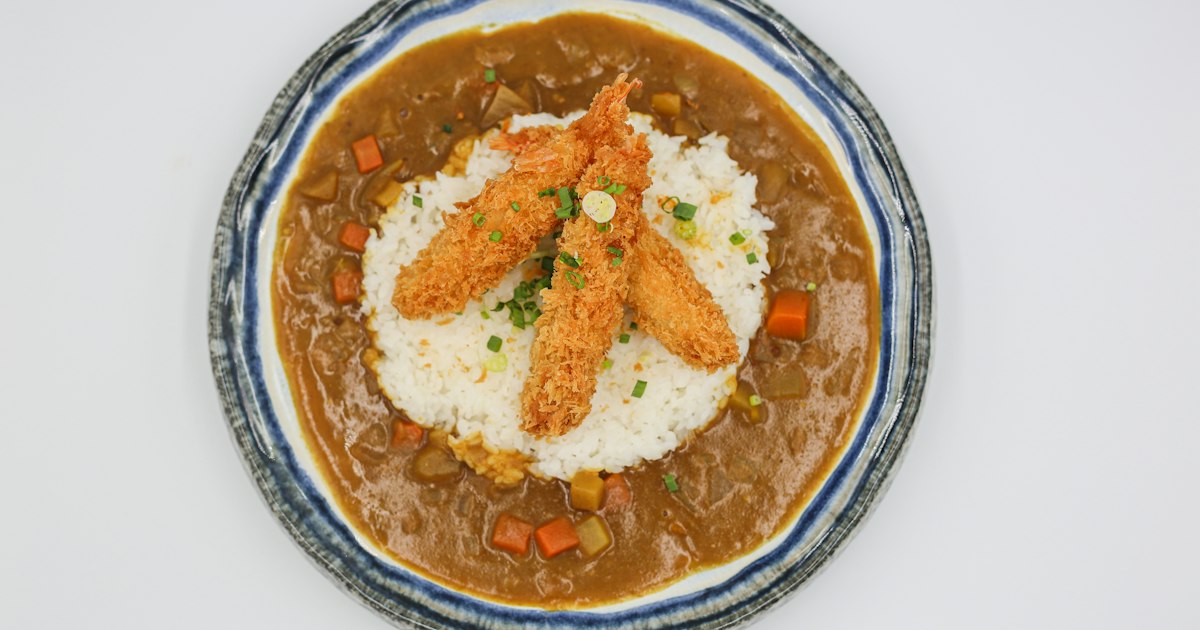
If there’s one souvenir that gets used every single week after a Japan trip, it’s a box of curry roux. Those flat, segmented blocks of solidified spice-and-fat paste are the backbone of Japanese home cooking — drop a few cubes into a pot of simmering meat and vegetables, stir, and you have the thick, mildly sweet curry rice served in homes, school cafeterias, and convenience stores across the country. It’s compact, shelf-stable, cheap, and tastes nothing like the curry powder sold abroad. Here’s how to shop for it like someone who actually cooks with it.
What Makes Japanese Curry Roux Different
Japanese curry isn’t trying to replicate Indian or Thai curry — it evolved from a British naval recipe in the Meiji era into something closer to a savory, slightly sweet stew thickened with a wheat-flour-and-fat roux, similar in texture to French demi-glace. The roux comes pre-made in a box of 8–10 individually scored squares, usually totaling 185–230g, which you snap apart and melt into a pot of broth, potatoes, carrots, onion, and meat. The flavor is built from curry powder, caramelized onion, sometimes apple or chutney for sweetness, and in some lines a shot of demi-glace or fond de veau for richness. That’s the whole appeal: no measuring, no simmering a dozen spices, just drop and stir.
S&B, Vermont Curry, and the Other Big Names
Three brands dominate Japanese supermarket shelves, and each tastes distinct enough to be worth trying side by side:
- S&B Golden Curry — the most straightforward, spice-forward option. Clean curry-powder flavor with a noticeable kick even at “medium,” sold in a gold box. A good pick if you want something closer to Western curry powder but thicker.
- House Vermont Curry — the sweeter, family-friendly classic, named for the apples and honey originally sourced to evoke Vermont, USA. Mild, a little fruity, and the one most Japanese kids grow up on. Good gateway box for people who find Golden Curry too sharp.
- House Java Curry — House’s other major line, built around sautéed onion and a deeper, slightly bitter-sweet, almost caramelized flavor. Less spicy-hot than Golden Curry but more savory than Vermont.
- Glico Curry (Bistro-style lines) and Kokumaro Curry round out the mainstream shelf, generally richer and more “restaurant-style” than the big three above.
Each brand sells the same box in at least three spice levels — typically marked amakuchi (mild), chukara (medium), and karakuchi (hot) — printed in kanji on the front, so check the package color-coding (usually yellow-to-red gradient) if you can’t read it.
Where to Buy It in Japan
You genuinely don’t need to hunt for this — the harder part is choosing among the options:
- Supermarkets (AEON, Life, Seiyu, Summit, Gyomu Super) have the deepest selection and the lowest prices, often with multiple brands and spice levels stacked together. This is where locals actually buy it, and it’s the best value stop.
- Convenience stores (7-Eleven, FamilyMart, Lawson) stock a limited run — usually just one or two Golden Curry or Vermont Curry boxes — handy if you’re short on time but pricier per box.
- Don Quijote (the discount chain found in most tourist areas) carries a wide curry selection, is open very late or 24 hours in many locations, and is a practical stop if you’re shopping the night before departure.
- Kaldi Coffee Farm and department store basement food halls (depachika) are where you’ll find small-batch, restaurant-branded, and regional specialty curry blocks that never make it to standard supermarkets — worth a browse if you want something more distinctive than Golden Curry.
- Airport shops at Narita and Haneda stock the mainstream brands in gift-box sets, but at a markup; buy your everyday boxes in the city and save the airport stop for anything you forgot.
If you’re also stocking up on other Japanese pantry staples to bring home, it’s worth planning one supermarket run for everything — curry roux pairs naturally with a jar of Kewpie mayonnaise (drizzled over curry rice is a common home trick) picked up on the same trip.
Prices: Budget, Mid-Range, and Splurge
- Budget (~¥150–220 per box): Supermarket own-brand curry roux or sale-priced S&B/House boxes. Perfectly good everyday curry, usually the same quality just without marketing flourishes.
- Mid-range (~¥220–350 per box): Standard Golden Curry, Vermont Curry, and Java Curry boxes at regular supermarket price. This is what most households actually buy.
- Splurge (~¥400–900 per box): Premium lines like House’s “Zeppin” or restaurant-collaboration boxes (Kaldi often stocks curry co-branded with real Japanese curry shops), plus regional specialty blocks sold at depachika food halls. Good gift option since the smaller, nicer packaging travels well.
A single box typically makes 4–5 servings, so even the splurge option works out to under ¥200 per serving — this is a cheap souvenir to buy in bulk.
Common Mistakes to Avoid
- Buying only one box. Curry roux is heavy for its size when you buy ten boxes, but light per box — buy 4–6 so you can compare brands and spice levels once home, since you likely won’t cook Japanese curry again until you run out.
- Ignoring the meat content. Most mainstream curry roux contains beef extract, beef tallow, or lard, even in boxes that look purely vegetable-based. Countries with strict meat-import rules (Australia, New Zealand, and others) may confiscate it at customs — check your destination’s rules before packing a dozen boxes. The U.S. generally allows commercially packaged, shelf-stable curry roux, but policies change, so verify with current customs guidance rather than assuming.
- Checking it in summer heat. The roux is solid fat at room temperature but will soften and re-set into a lumpy mass if it sits in a hot cargo hold or car trunk. It’s shelf-stable and fine once cooled again, but pack it away from direct heat if you’re traveling in summer.
- Assuming all boxes are gluten-free or vegetarian. Nearly all mainstream curry roux is wheat-flour based, and most contain animal fat, so if you’re shopping for someone with dietary restrictions, read the ingredient list (or photograph it to translate later) rather than guessing from the box art.
Best Time to Shop and What to Pack With It
There’s no real seasonality to buying curry roux — it’s a year-round pantry staple — but Japanese supermarkets do rotate limited-edition boxes (often tied to anime collaborations or seasonal “autumn harvest” vegetable curries) in spring and autumn, so a visit during those seasons gives you a shot at something you won’t find the rest of the year. If you’re building out a full Japanese-cooking-at-home kit to take back, a tamagoyaki pan and a jar of Kewpie make good companions to a stack of curry boxes, and if you want a sweet, giftable item from the same supermarket or department-store run, the department store baumkuchen guide covers another compact, well-packaged treat that travels just as easily in a suitcase.